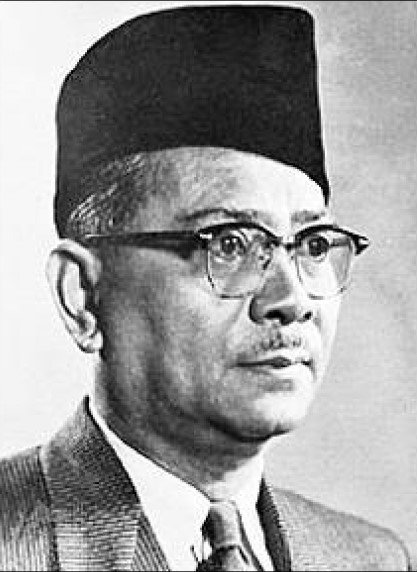
 Malaysia · Politics
1903—1990
History · Sourced explainers
Start with a turning point, follow its chronology, then meet the reformers, leaders, citizens and athletes whose lives make the larger story legible.
97 essential timelines
Each guide distinguishes similar dates, answers common search questions and links major claims back to official, institutional or primary records.
The Bangkok Declaration, first summit, six accessions, ASEAN Charter, Community and Timor-Leste’s admission in one chronology.
Read the timeline 1976—presentAll 15 officeholders, their countries and terms, plus how the Secretariat’s senior role changed from 1976 to the Charter era.
Read the timeline 27 November 1971Why five ASEAN states declared a Zone of Peace, Freedom and Neutrality—and what the Cold War-era goal did and did not mean.
Read the timeline 23–24 February 1976The first ASEAN summit, six principles of interstate conduct, a wider cooperation programme and the permanent Secretariat.
Read the timeline 2007–2008How a binding constituent treaty gave ASEAN legal personality, clearer institutions and a codified decision-making framework.
Read the timeline 31 December 2015The political-security, economic and socio-cultural pillars, their long development and the limits of regional integration.
Read the timeline 1898—2002Compare all eleven countries and distinguish declarations, sovereignty transfers, federation, separation and restored independence.
Read the timeline 31 August 1957From elected self-government and the London talks to the proclamation at Stadium Merdeka and admission to the United Nations.
Read the timeline 16 September 1963Follow the proposal, the Cobbold Commission, the Malaysia Agreement and the federal bargain joining Malaya, Sabah, Sarawak and Singapore.
Read the timeline 1819—todayColonial port, Japanese occupation, self-government, Malaysia, independence, industrial transformation and four prime ministers in one chronology.
Read the timeline 1955—1959The Rendel Constitution, David Marshall’s failed mission, the 1958 settlement and the election that created Singapore’s first prime minister.
Read the timeline 16 September 1963—9 August 1965Political and economic disputes inside Malaysia, secret negotiations, the separation agreement and the proclamation of a sovereign republic.
Read the timeline 1960—1980sHigh unemployment, the EDB, planned industrial land, foreign investment and the shift from labour-intensive factories to higher-value production.
Read the timeline 1960—todayEmergency construction, home ownership, CPF finance, new towns and the enduring debate over affordability, leases and social policy.
Read the timeline Barcelona 1992—Paris 2024Every Summer Olympic podium in one chronology: 15 medals, seven medal-winning Games and the athletes behind each result.
Read the timeline 1825—todayA country chronology connecting the Java War, national awakening, occupation, revolution, New Order and Reformasi.
Read the timeline 1825—1830Court conflict, colonial intervention, village hardship, guerrilla war and the capture that ended five years of resistance.
Read the timeline 1908—1942Education, print, mass organisations and the Youth Pledge transformed diverse anticolonial politics into a national movement.
Read the timeline 17 August 1945—27 December 1949The proclamation by Sukarno and Hatta, four years of revolution and diplomacy, and the distinction between independence and sovereignty transfer.
Read the timeline 18—24 April 1955Twenty-nine Asian and African governments met around decolonisation, racial equality, development, peace and sovereign cooperation.
Read the timeline 1965—21 May 1998Suharto’s rise, the 1965 violence, authoritarian institutions, economic growth, East Timor and the crisis that ended thirty-two years of rule.
Read the timeline 1997—2004From financial collapse and student protest to competitive elections, constitutional amendments, decentralisation and direct presidential voting.
Read the timeline 1851—todayRoyal reform, the 1932 constitutional break, Cold War military rule, popular uprisings, financial crisis and electoral conflict in one chronology.
Read the timeline 24 June 1932The People’s Party, King Prajadhipok, the first constitutions and the end of absolute monarchy in Siam.
Read the timeline 6—14 October 1973Student organisation, mass mobilisation, state violence and the fall of Thanom Kittikachorn’s military government.
Read the timeline 1997—1999Foreign borrowing, fragile finance companies, the baht float, IMF programme, recession and regional contagion.
Read the timeline 1521—todayA national chronology connecting precolonial networks, Spanish rule, revolution, independence, martial law, People Power and constitutional restoration.
Read the timeline 1935—presentA complete officeholder timeline explaining vacancies, presidential succession, split-ticket elections and the disputed 1986 claim.
Read the timeline 1916—presentA complete officeholder chronology from Manuel Quezon through constitutional interruptions, democratic restoration and the disputed leadership changes of 2026.
Read the timeline 1907—presentEvery Assembly, House and Batasan leader, with colonial change, occupation, martial-law closure, restoration and the 2025 transition explained.
Read the timeline 1892—1899From the Katipunan and the disputed Cry of 1896 to Tejeros, the declaration of independence and the First Philippine Republic.
Read the timeline 1899—1901Malolos, the 1899 Constitution, a government at war and the republic’s place in the longer struggle for sovereignty.
Read the timeline 1899—1902Competing claims to sovereignty, conventional battle, regional guerrilla resistance, civilian costs and the contested official ending.
Read the timeline 1942–1945Invasion, rival governments, civilian life, resistance, liberation and the difficult politics of wartime choice.
Read the timeline 7 January–9 April 1942Defensive lines, a predominantly Filipino army, shrinking supplies, disease and the surrender that ended three months of resistance.
Read the timeline April 1942Two starting points, the route through San Fernando and Capas, death-toll evidence and the separate catastrophe at Camp O’Donnell.
Read the timeline December 1941–6 May 1942The island fortress, Commonwealth government, Malinta Tunnel, Japanese landing and the surrender of the remaining conventional command.
Read the timeline 20 October 1944The Allied return, Filipino guerrilla intelligence and the restoration of Commonwealth government on Philippine soil.
Read the timeline 23–26 October 1944Four connected naval actions, the Japanese counterattack and the defence of the Leyte invasion fleet.
Read the timeline 3 Feb–3 Mar 1945Liberation, Japanese massacres, American artillery and more than 100,000 civilian deaths in a month of urban war.
Read the timeline 18 March 1945Peralta’s guerrilla organisation, Confesor’s civil government and the landing that accelerated Japanese withdrawal.
Read the timeline 1 June–14 June 1945Filipino forces captured the mountain position guarding northern Luzon and opened the route toward Cervantes.
Read the timeline 4 July 1946From Commonwealth and occupation to recognition of independence, the Third Republic and unequal postcolonial ties.
Read the timeline 1946–1954Wartime origins, land conflict, political exclusion, failed amnesty and the counterinsurgency that preceded Luis Taruc’s surrender.
Read the timeline 1946–1947Trade preferences, currency controls, war-damage pressure and the constitutional dispute over economic sovereignty.
Read the timeline 1953–1957The 1953 election, public-access reforms, Huk surrender, Cold War alignment and an abrupt presidential succession.
Read the timeline 1961–1965Economic decontrol, the move to June 12, the Agricultural Land Reform Code, Maphilindo and the limits of a four-year reform programme.
Read the timeline 9 November 1965Three tickets, a major party switch, campaign issues, results and the competitive vote that brought Ferdinand Marcos to power.
Read the timeline 11 November 1969Marcos, Osmeña, the first presidential reelection under the 1935 Constitution and the economic and political strain surrounding the campaign.
Read the timeline January—March 1970The SONA protest, Battle of Mendiola, wider mass mobilisation and the place of youth activism on the road to martial law.
Read the timeline 21 August 1971The attack on a Liberal Party rally, the casualty record, suspension of the writ and the unresolved dispute over responsibility.
Read the timeline 1971–1972Elected delegates, reform debates, allegations of pressure and a draft completed after martial law transformed the political setting.
Read the timeline 1972—1986A careful distinction between the formal martial-law period, wider authoritarian rule, documented violations and democratic resistance.
Read the timeline 1972–1973The postponed plebiscite, citizens’ assemblies, Proclamation No. 1102 and the divided Supreme Court decision in Javellana.
Read the timeline 21 August 1983The airport killing, Agrava investigation, failed first trial and the political crisis that followed.
Read the timeline 7 February 1986The rival Marcos and Aquino campaigns, competing counts and collapse of trust that led directly to People Power.
Read the timeline 22—25 February 1986The disputed election, military breakaway, civilian mobilisation on EDSA and transition to a new constitutional order.
Read the timeline 1986—1987From the Freedom Constitution and Constitutional Commission to the plebiscite and restored institutional checks.
Read the timeline 22 January 1987An agrarian-reform march, the deaths of thirteen farmers, an official inquiry and unresolved accountability.
Read the timeline 1—9 December 1989Military rebellion, fighting in Metro Manila and a constitutionally bounded response to national emergency.
Read the timeline 16 September 1991The restored Senate’s 12–11 rejection of a new basing treaty and its meaning for sovereignty and alliance.
Read the timeline 11 May 1992Seven candidates, Fidel Ramos’s plurality victory, Miriam Santiago’s protest and the first regular post-EDSA presidential succession.
Read the timeline 2 September 1996Integration, regional institutions and the unfinished work of implementing negotiated autonomy in Mindanao.
Read the timeline 1997–1999Peso pressure, bank resilience, recession and recovery during a regional economic shock.
Read the timeline 11 May 1998Estrada’s decisive plurality, de Venecia’s loss, an Arroyo split ticket and the first limited test of election automation.
Read the timeline 16—20 January 2001The Estrada impeachment crisis, mass protest, military withdrawal and Supreme Court ruling on Arroyo’s succession.
Read the timeline 10 May 2004The official canvass, Fernando Poe Jr.’s unfinished protest and the later Hello Garci legitimacy crisis.
Read the timeline 10 May 2010Aquino’s reform mandate, the narrow Binay–Roxas split ticket, nationwide automation and a protest dismissed after the term expired.
Read the timeline 29 May 2012The Senate’s 20–3 conviction of the chief justice, centred on constitutional asset disclosure and institutional accountability.
Read the timeline 9 May 2016Automated voting, split-ticket winners and the national realignment that brought Rodrigo Duterte to the presidency.
Read the timeline 9 May 2022Official Marcos–Duterte majorities, candidate totals, automated voting, candidacy challenges and political realignment.
Read the timeline 13 March—7 May 1954The 56-day siege, Võ Nguyên Giáp’s logistical strategy, the French defeat and the Geneva settlement that followed.
Read the timeline 1955—1975Partition, rival Vietnamese states, international escalation, the Tet Offensive, the Paris agreement and the fall of Saigon.
Read the timeline 30 April 1975—2 July 1976The final offensive, Operation Frequent Wind, South Vietnam’s surrender, postwar transition and the creation of a unified state.
Read the timeline From December 1986How agricultural incentives, markets, private enterprise, foreign investment and trade transformed Vietnam’s economy.
Read the timeline 1994—1995The trade embargo, POW/MIA diplomacy, July announcement, August restoration of relations and the embassies that followed.
Read the timeline 1999—2000How registration replaced discretionary approval, unnecessary licences were challenged and formal private-enterprise entry accelerated.
Read the timeline 1995—2007A twelve-year path through market-access negotiations, domestic legal reform, ratification and membership as the WTO’s 150th member.
Read the timeline 1863—todayFrench protection, royal independence, civil war, Democratic Kampuchea, the Paris settlement and constitutional restoration in one chronology.
Read the timeline 9 November 1953How wartime change, postwar politics and Norodom Sihanouk’s Royal Crusade produced full sovereignty from France.
Read the timeline 1950s—1975Radio, cinema, Khmer pop and electric rock before 1975—and the records, cassettes and archives that carried the music forward.
Read the timeline 18 March 1970—17 April 1975Sihanouk’s removal, the Khmer Republic, regional intervention, rural destruction and the road to the Khmer Rouge victory.
Read the timeline 17 April 1975—7 January 1979Forced evacuation, collectivisation, security centres, mass death, the regime’s fall and the limits of later accountability.
Read the timeline 23 October 1991—24 September 1993The comprehensive settlement, refugee return, UN transition, 1993 election, new constitution and restored monarchy.
Read the timeline 1997—presentWhy Cambodia and the UN created the ECCC, who it convicted, how victims participated and what its limits were.
Read the timeline 1945—1954Lao Issara, the French return, negotiated sovereignty and the 1954 Geneva settlement without national partition.
Read the timeline 1955—1975The Three Princes, failed coalitions, foreign intervention, mass bombing and the Pathet Lao victory.
Read the timeline 1975—1986The end of the monarchy, socialist transformation and the market reforms adopted in 1986.
Read the timeline 1959—1984Internal self-government, revised protection agreements, full sovereignty, ASEAN and United Nations membership.
Read the timeline 1962—1963The People’s Party, armed revolt, British intervention and the multiple reasons Brunei remained outside Malaysia.
Read the timeline 1929—todaySeria, offshore gas, LNG exports, public development and the continuing challenge of economic diversification.
Read the timeline 1947—1948Negotiation with Britain, the Panglong federal bargain, assassination, constitution and sovereignty.
Read the timeline 1962—1988Why Ne Win ended parliamentary government and how nationalisation and isolation reshaped the country.
Read the timeline March—September 1988Student protest, nationwide mobilisation, military repression and the birth of a new democracy movement.
Read the timeline April—December 1975Portuguese decolonisation, civil conflict, the 28 November declaration and Indonesia’s 7 December invasion.
Read the timeline May—October 1999The UN-organised vote, its 78.5% rejection of autonomy and the violence that followed.
Read the timeline 1999—2002International administration, constitution-making and the transfer of sovereignty on 20 May 2002.
Read the timelineLives inside the timeline
Malaysia · Politics1903—1990
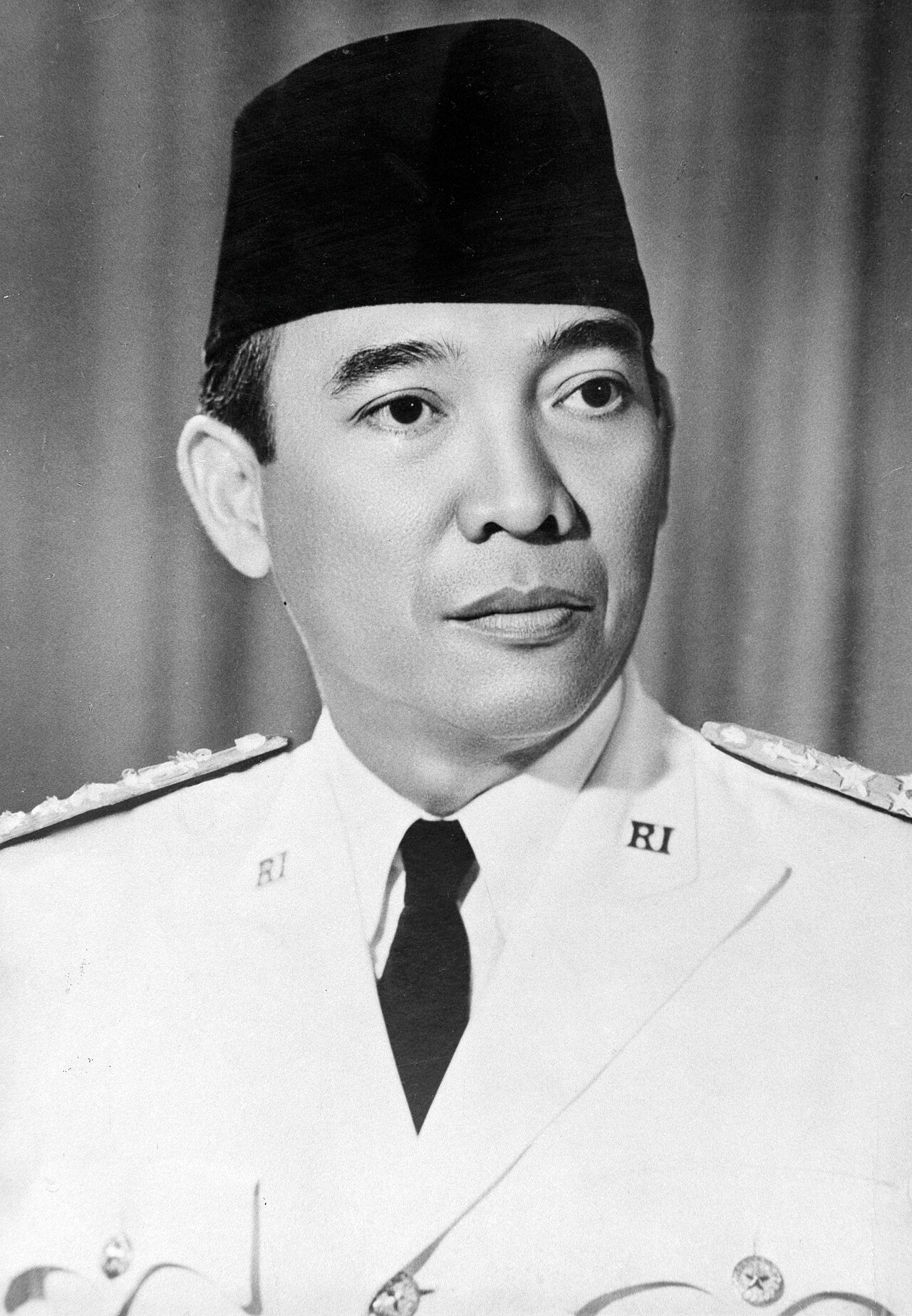 Indonesia · Politics
1901—1970
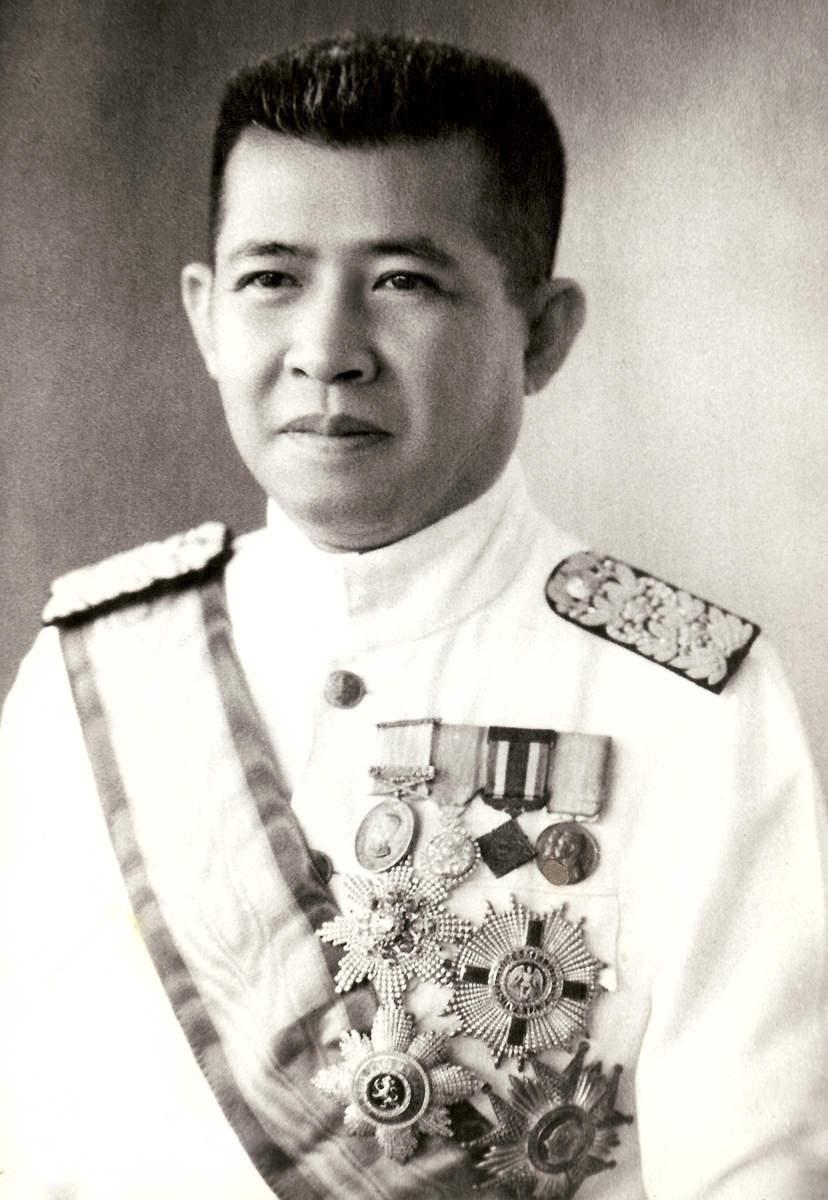 Thailand · Politics
1900—1983
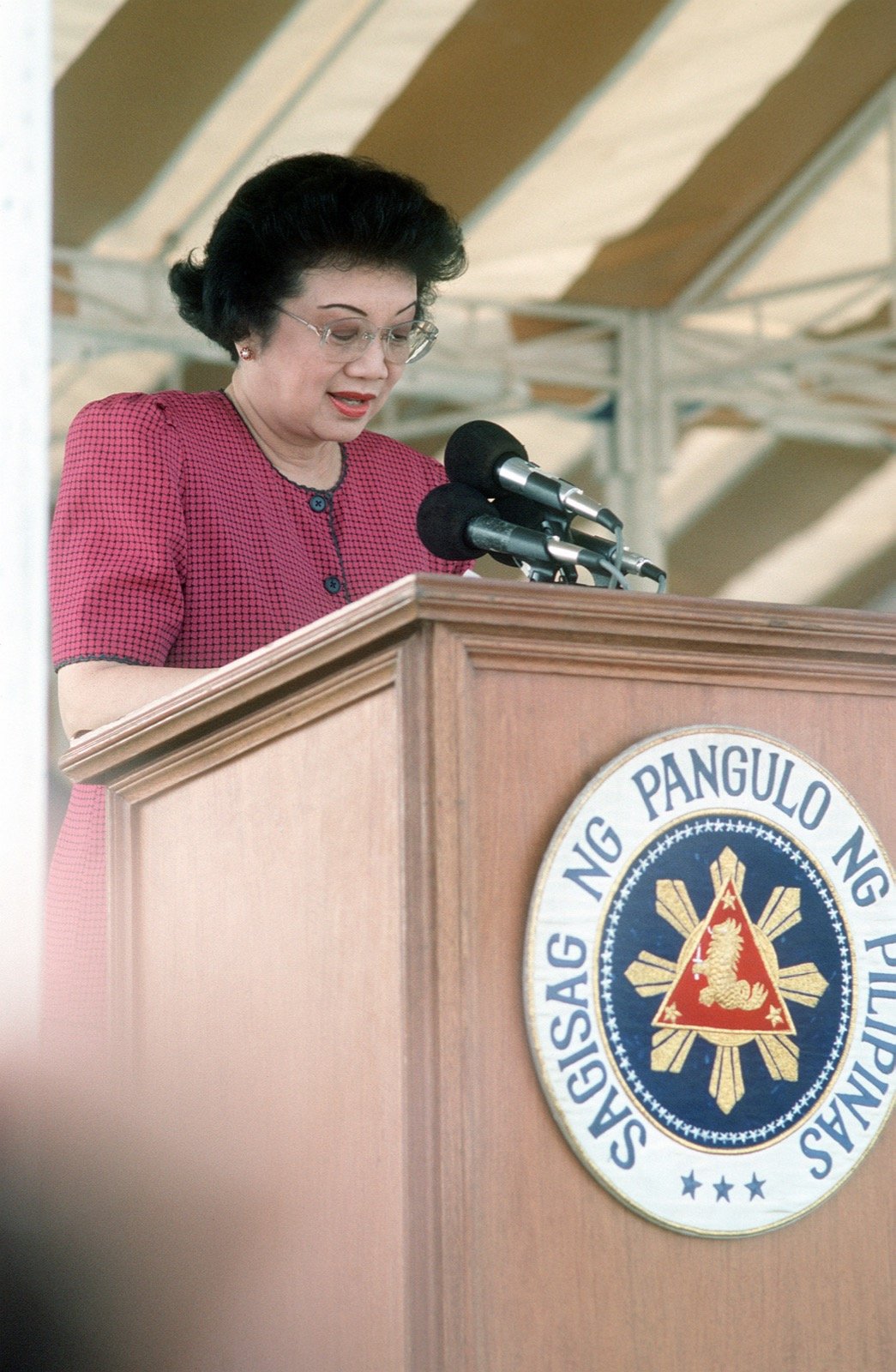 Philippines · Politics
1933—2009
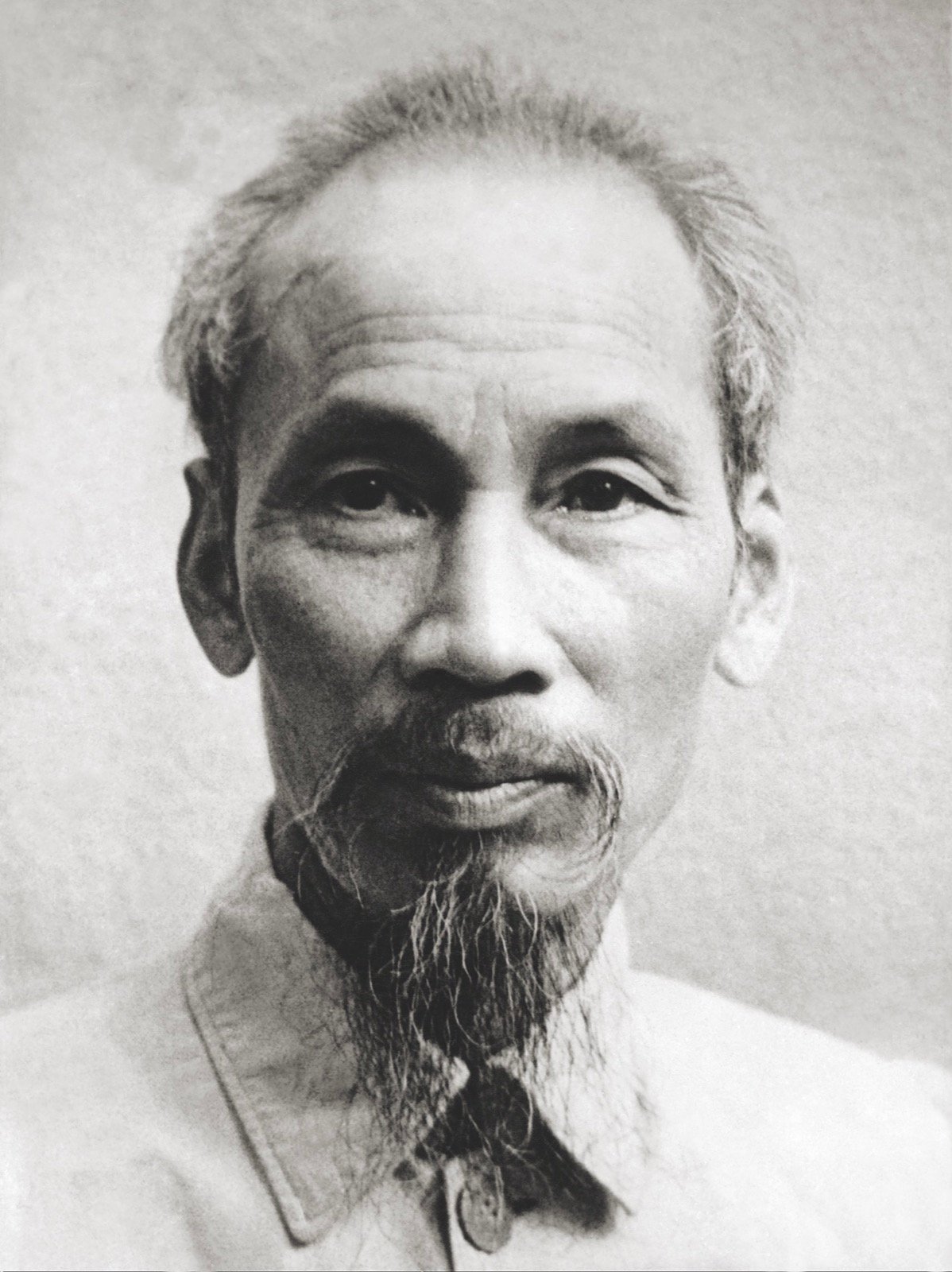 Vietnam · Politics
1890—1969
 Singapore · Politics
1910—1970
 Cambodia · Politics
1922—2012
 Laos · Politics
1890—1959
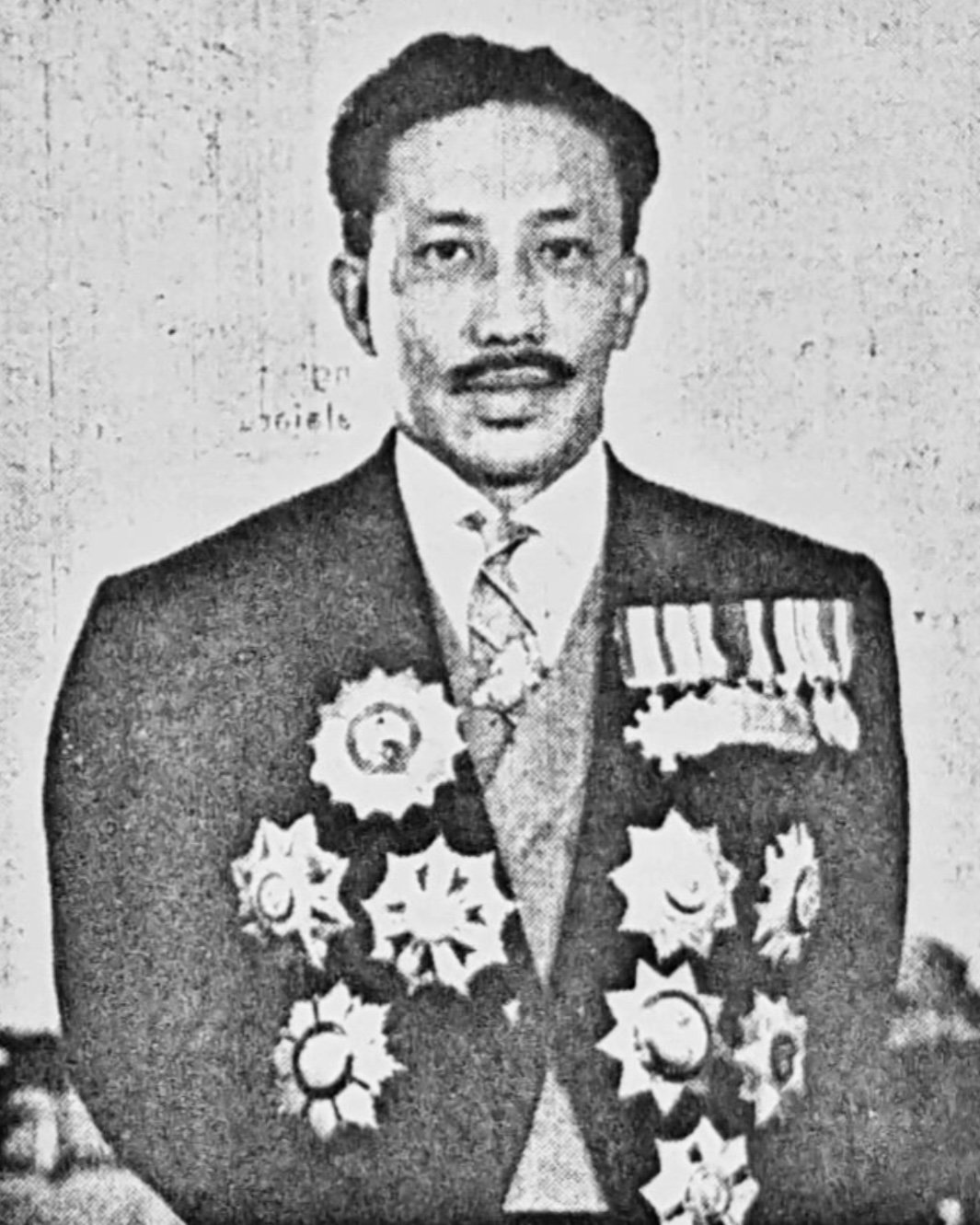 Brunei · Politics
1914—1986
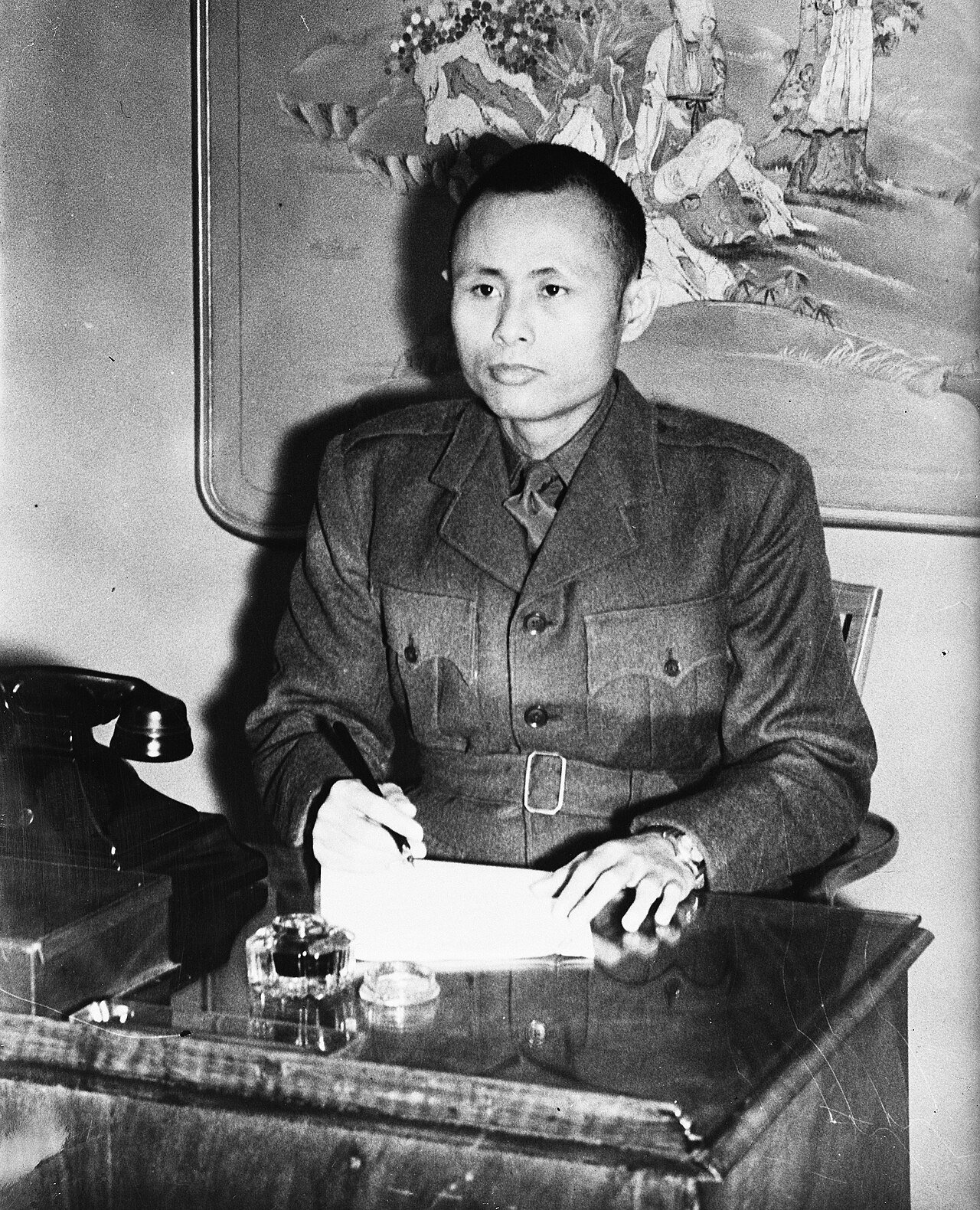 Myanmar · Politics
1915—1947
 Timor-Leste · Politics
1946—