The short answer
The Khmer Rouge tribunal turned a late and politically difficult demand for accountability into three convictions, thousands of civil-party participants and an enormous archive. Its record is both a legal achievement and a study in the limits of delayed justice.
Chronology
A timeline of the turning points
Cambodian leaders request UN assistance
The co-prime ministers asked the United Nations to help bring senior Khmer Rouge leaders to justice.
Cambodia and the UN sign an agreement
The agreement established the international assistance and hybrid structure behind the ECCC.
The court becomes operational
Cambodian and international judges, prosecutors and staff began the tribunal’s judicial work.
Duch is convicted in Case 001
The S-21 commandant was convicted of crimes against humanity and war crimes; appeal later increased his sentence to life.
First Case 002 judgment
Nuon Chea and Khieu Samphan received life sentences for crimes against humanity linked to forced population movements.
Genocide convictions in Case 002/02
The Trial Chamber convicted both men of further crimes and found genocide against protected groups.
Final substantive appeal judgment
The Supreme Court Chamber largely upheld Khieu Samphan’s convictions and life sentence.
Residual functions continue
The ECCC shifted to archives, sentence supervision, witness protection, reparations monitoring and public access.
What was the ECCC?
The Extraordinary Chambers in the Courts of Cambodia was a Cambodian court with international participation. It applied Cambodian and international law to senior leaders of Democratic Kampuchea and those considered most responsible for crimes committed between 17 April 1975 and 6 January 1979.
Its hybrid design placed Cambodian and international judges, prosecutors and investigating judges inside one institution. Special voting rules required more than a simple Cambodian majority for major judicial decisions, an attempt to combine national ownership with international safeguards.
Why did trials begin so late?
The Khmer Rouge regime fell in January 1979, but conflict continued and its movement remained part of Cambodia’s regional and diplomatic struggle. Domestic trials held in 1979 lacked international recognition, while Cold War politics and later peace negotiations delayed a credible new process.
Cambodian leaders requested UN help in 1997. Negotiations over sovereignty, procedure, funding and independence continued for years before a 2003 agreement and Cambodian legislation made the court possible. Operations began in 2006, almost three decades after the crimes.
Who did the Khmer Rouge tribunal convict?
Case 001 convicted Kaing Guek Eav, known as Duch, for crimes at the S-21 security centre and Choeung Ek execution site. The appeals chamber imposed a life sentence in 2012.
Case 002 produced convictions of Nuon Chea, the regime’s deputy secretary, and Khieu Samphan, its head of state. Nuon Chea died in 2019 after a final conviction in the first trial segment; Khieu Samphan’s remaining convictions and life sentence were largely upheld in 2022.
Why were there only three convicted people?
The tribunal’s mandate was narrow: senior leaders and those most responsible, not every cadre or official. Several accused died or became unfit for trial. Ieng Sary died in 2013, and proceedings against Ieng Thirith ended after she was found unfit because of dementia.
Investigations in Cases 003 and 004 produced years of disagreement between national and international judicial officers over whether additional suspects belonged within the court’s jurisdiction. Those cases closed without trials, strengthening criticism that politics and delay limited accountability.
How did victims participate?
The ECCC allowed qualifying victims to join proceedings as civil parties rather than appear only as witnesses. They could be represented collectively, address the court and seek moral and collective reparations.
Thousands participated, and reparations included memorial, education, documentation and therapeutic projects rather than individual cash awards. The system was innovative but difficult to administer at scale, and not every survivor felt equally represented.
What is the tribunal’s legacy?
The ECCC established detailed judicial findings, heard survivor testimony and created a vast multilingual archive. It also developed Cambodian legal experience and brought genocide findings concerning Vietnamese and Cham victims into a final trial record.
Its cost, duration, limited number of convictions and unresolved allegations of political interference remain central criticisms. After trials ended, residual functions continued around archives, access, witness protection, reparations and enforcement of sentences—work that may determine how useful the court remains.
Continue the chronology
Related history guides
Connected biographies
Four lives connected to justice, evidence and memory
 Cambodia · Culture
1946—2011
Vann Nath
Painter, writer and S-21 survivorThe painter who survived S-21 because of his artistic skill, created a visual record of the prison and became a crucial tribunal witness.Read biography Cambodia · Culture
1964—
Rithy Panh
Film director and documentary makerThe filmmaker behind S21 and The Missing Picture, whose documentaries join survivor memory, archival evidence and formally inventive cinema.Read biography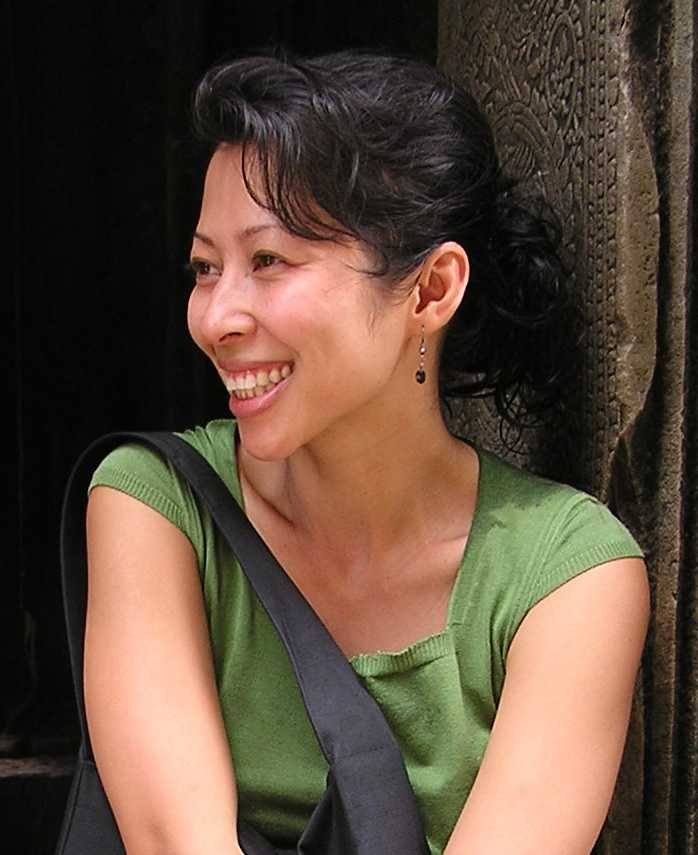 Cambodia · Culture
1970—
Loung Ung
Memoirist, screenwriter and peace activistThe Cambodian-American memoirist whose account of childhood survival became an influential book, classroom text and Khmer-language feature film.Read biography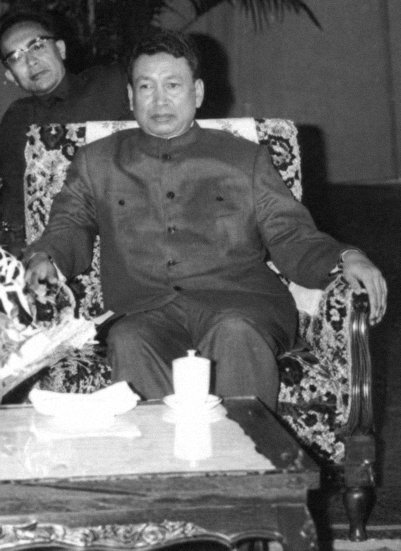 Cambodia · Politics
1925—1998
Pol Pot
Leader of the Communist Party of KampucheaThe Khmer Rouge leader whose Democratic Kampuchea regime subjected Cambodia to forced evacuation, labour, starvation, imprisonment and mass killing.Read biographyQuick answers
Common questions
- What does ECCC stand for?
- ECCC stands for Extraordinary Chambers in the Courts of Cambodia, commonly called the Khmer Rouge tribunal.
- How many people did the Khmer Rouge tribunal convict?
- Three people were convicted: S-21 commandant Kaing Guek Eav, or Duch; Nuon Chea; and Khieu Samphan.
- Was Pol Pot tried by the ECCC?
- No. Pol Pot died in 1998, before the agreement creating the tribunal was signed and before the court became operational.
- When did the Khmer Rouge trials end?
- The final substantive case concluded in 2022 when the Supreme Court Chamber ruled on Khieu Samphan’s appeal. Residual functions continued afterwards.
- What crimes did the ECCC prosecute?
- Its jurisdiction included genocide, crimes against humanity, grave breaches of the Geneva Conventions and selected Cambodian offences committed during the Democratic Kampuchea period.
Primary and institutional sources
How this history was checked
Dates, legal milestones and historical claims are checked against the official and institutional records below. This article was reviewed on 9 September 2026.
- Extraordinary Chambers in the Courts of CambodiaECCC cases and judicial records
- Extraordinary Chambers in the Courts of CambodiaQuestions and answers on the completed trials
- Extraordinary Chambers in the Courts of CambodiaCourt Report 2018–2022 and residual functions
- United Nations in CambodiaThe ECCC legacy institution