
The short answer
Thailand’s February 1957 election was designed to legitimise Phibun’s military-backed government. Instead, allegations of intimidation and ballot manipulation produced mass student protests, discredited Police General Phao and gave Army Commander Sarit the public opening from which he would seize power seven months later.
Chronology
A timeline of the turning points
Phibun promises a broader democracy
The government relaxed press controls, permitted political parties and prepared for a national election.
The ruling party seeks electoral legitimacy
Phibun, Phao and cabinet ministers campaigned through the new Seri Manangkhasila Party while Sarit kept some distance.
Thailand votes for 160 elected seats
The first national election since 1952 took place while 123 appointed members retained their places in the assembly.
Fraud allegations spread
Opposition parties and newspapers accused the government of intimidation, ballot manipulation and corrupt counting.
Students march on Government House
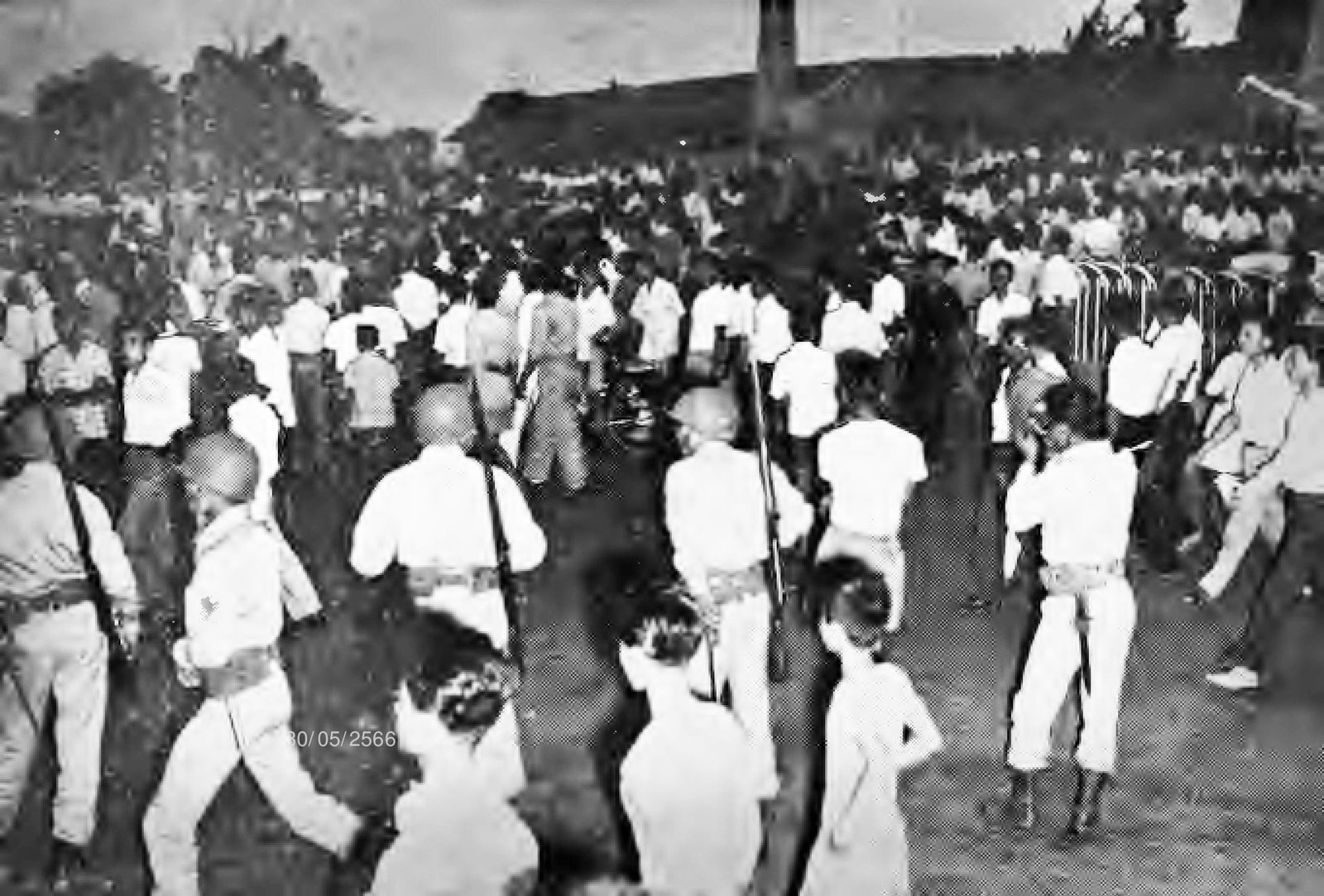
A mass protest demanded an honest accounting of the vote and challenged the legitimacy of the result.
An emergency puts Sarit in command
The government declared a state of emergency, but Sarit’s restrained handling of demonstrators increased his popularity.
The elected parliament convenes
The emergency ended as the new legislature opened under a cloud of unresolved accusations.
The ruling triumvirate fractures
Phibun backed the weakened Phao while Sarit converted public anger and army command into greater political leverage.
Sarit removes Phibun
The army coup ended the government produced by the disputed election and sent both Phibun and Phao into exile.
What was the February 1957 Thai general election?
Thailand voted on 26 February 1957 in its first national election for five years. Prime Minister Plaek Phibunsongkhram presented the contest as part of a political opening that followed his 1955 travels in the United States and Britain. Parties could organise again, newspapers exercised wider freedom and cabinet members—including Phibun himself—stood before voters rather than relying only on appointment and military position.
The election became known as the “dirty election” because accusations of government intimidation, repeat voting, ballot substitution and manipulated counting overwhelmed its intended democratic message. The controversy did more than damage a result. It broke the balance among Phibun, Police General Phao Siyanon and Army Commander Sarit Thanarat, giving Sarit an opportunity to present military intervention as a response to public outrage.
Why did Phibun hold a competitive election?
Phibun had governed since 1948 within the order created by the 1947 and 1951 coups. By the mid-1950s, however, army and police factions had acquired their own money, weapons and political clients. Electoral legitimacy offered the prime minister a possible counterweight. A successful campaign could demonstrate personal popularity, discipline competing commanders and improve the government’s constitutional image abroad.
The ruling Seri Manangkhasila Party brought the regime’s political machinery into one organisation. Phibun led it, Sarit held a senior party title and Phao acted as its principal organiser. Yet their interests were not identical. Phao needed the election to prove that his police and patronage networks could deliver parliament; Sarit could gain whether the campaign succeeded or discredited his rivals.
How did the elected and appointed seats work?
Voters chose 160 representatives, but the assembly was not wholly elected. Another 123 members appointed under the post-1951 order continued to sit. That holdover bloc gave the governing military coalition a structural advantage even before polling began and limited the chance that an opposition victory among elected seats could produce an independent government.
The official shape of the contest still mattered. Nine hundred sixty-six candidates sought the elected seats, and later election data records 159 men and one woman among the successful representatives. Turnout reached roughly 57.5 percent, far above the 1952 level. Participation showed that voters treated the opening seriously; it should not be read as proof that the administration was neutral.
What made the election so controversial?
Contemporary opposition parties and newspapers alleged extensive abuse. Later scholarship describes state officials and security personnel pressuring candidates and voters, false registrations, tampered ballot boxes and irregular counting. The strongest accusations focused on Bangkok, where the Democrat Party expected to perform well and where government leaders needed to secure their own seats.
The evidence is uneven because many claims were political charges made during a rapidly escalating crisis. It is nevertheless significant that a July 1957 United States policy memorandum stated directly that Phao had found it necessary to rig the Bangkok vote. A modern Cambridge history similarly treats the abuses as systematic rather than incidental. The responsible conclusion is not that every result was fabricated, but that coercion and manipulation deprived the election of a credible standard of fairness.
Who won—and why do published totals differ?
Seri Manangkhasila won the largest share of the elected seats, but not the overwhelming victory its leaders had expected. A contemporary United States editorial note reported 82 government seats and 28 for Khuang Aphaiwong’s Democrat Party. Later election handbooks and derived datasets commonly give the ruling party 85 or 86 seats and the Democrats 31. The difference appears to reflect preliminary reporting, later certifications and inconsistent historical tabulation.
That discrepancy should remain visible instead of being converted into false precision. Every major count agrees on the political result: the government retained a narrow elected majority and enjoyed the additional support of appointed members, while opposition and left-leaning parties demonstrated substantial urban and provincial strength. The regime won the chamber but lost much of the legitimacy it had sought.
How did the student protests change Sarit’s position?
On 2 March, students and other citizens marched toward Government House to denounce the conduct of the election. The government declared an emergency and placed Sarit in a commanding security role. Instead of ordering a violent dispersal, he acknowledged irregularities and allowed the mobilisation to end without a massacre. Newspapers turned that restraint into a contrast with Phao’s police reputation.
Sarit’s moderation was tactical as well as popular. He emerged from the emergency with his army authority intact and a new claim to speak for public morality. Phibun then tried to restore equilibrium by protecting Phao and appointing him interior minister. The effort deepened the split: an election intended to consolidate the government had created the public grievance and elite realignment that would destroy it.
Why does the 1957 election matter?
The election is a landmark in Thailand’s history of authoritarian electoral politics. It shows that voting under military influence can generate real participation and opposition while still being structurally unfair. Newspapers, parties and students used the limited opening to challenge power, but a commander then appropriated that protest and replaced the compromised government by force.
Sarit’s September coup did not fulfil the students’ demand for accountable elections. It dissolved the assembly and began a transition toward a stronger military order, completed by his second coup in 1958. The February vote therefore belongs in both electoral and coup history: its abuses delegitimised Phibun, its protests elevated Sarit and its failure became part of the justification for abandoning constitutional competition.
Continue the chronology
Related history guides
The 1957 Thai Coup
Continue from the election crisis to Sarit’s removal of Phibun and Phao.
Read the timeline29 November 1951The 1951 Radio Coup
See how the military order and appointed legislature behind the 1957 contest were created.
Read the timeline8 November 1947The 1947 Thai Coup
Trace the Coup Group that returned Phibun and empowered Phin, Phao and Sarit.
Read the timeline1932–presentPrime Ministers of Thailand
Place Phibun’s final government and Pote’s interim cabinet in the national sequence.
Read the timeline1851–todayThailand History Timeline
Connect the vote to the broader history of constitutions, coups and popular mobilisation.
Read the timelineConnected biographies
Seven biographies connecting the election, opposition, security forces and constitutional order
 Thailand · Politics
1897—1964
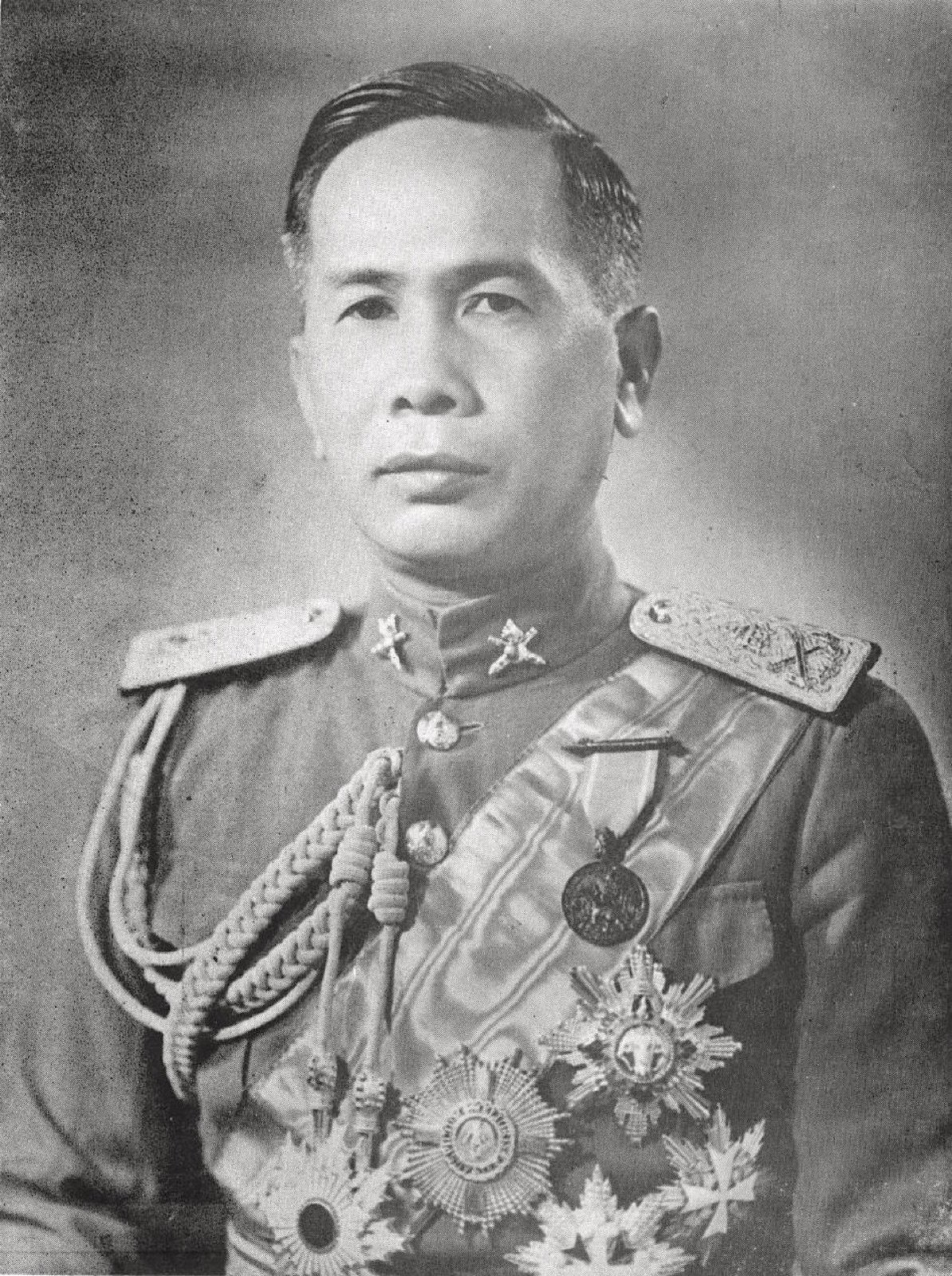
Plaek Phibunsongkhram
Military officer and prime minister of ThailandA military leader of the 1932 revolution who twice served as prime minister and used state power to promote nationalism, social mandates and a new name for the country.Read biography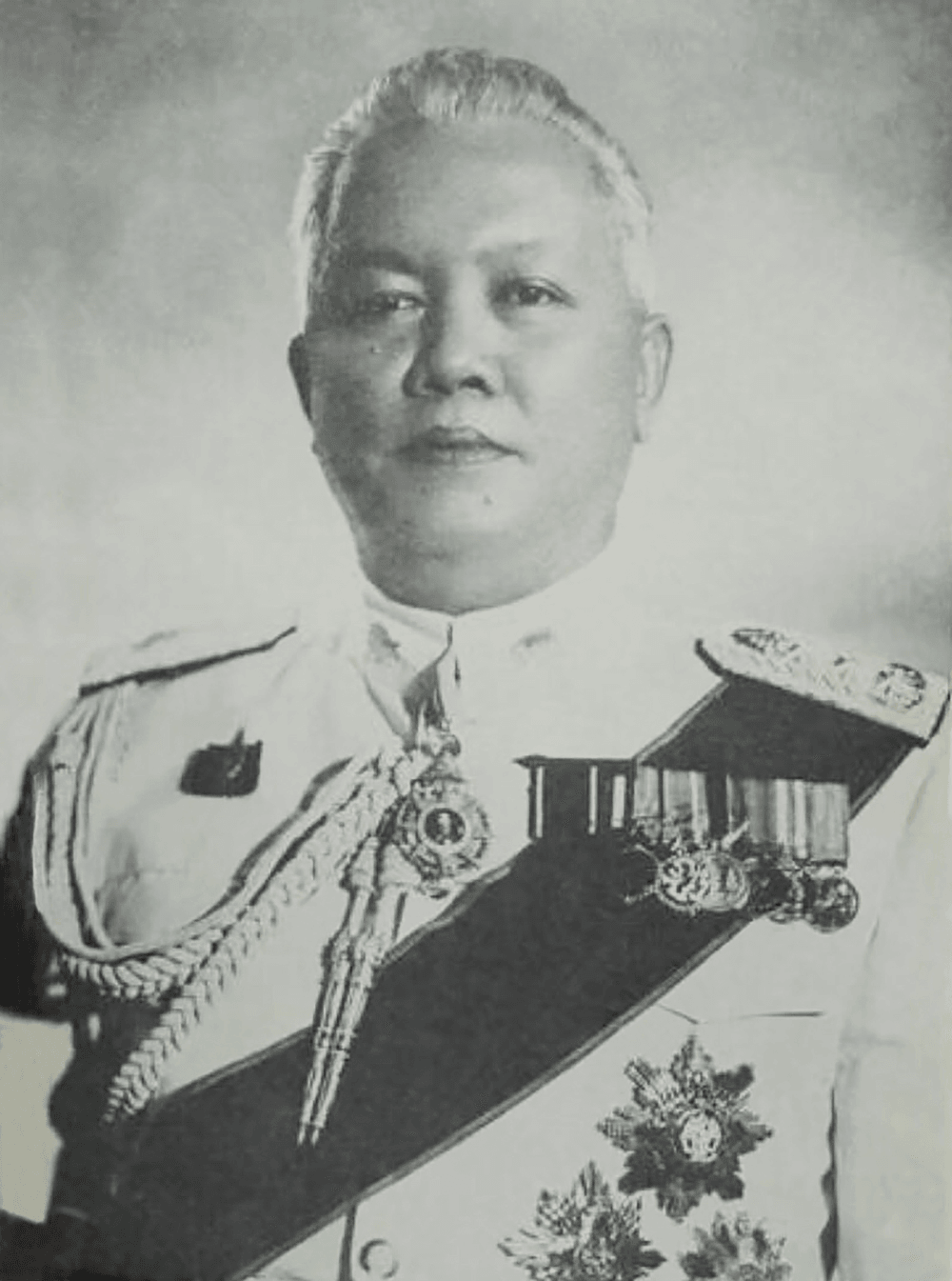 Thailand · Politics
1910—1960
Phao Siyanon
Thai police general and Cold War power brokerA police general who helped make Thailand’s national police a heavily armed Cold War power centre while presiding over political repression and a far-reaching patronage network.Read biography Thailand · Politics
1908—1963
Sarit Thanarat
Military ruler and prime minister of ThailandA field marshal who displaced Phibun, abolished constitutional politics and paired coercive rule with development planning and a close United States alliance.Read biography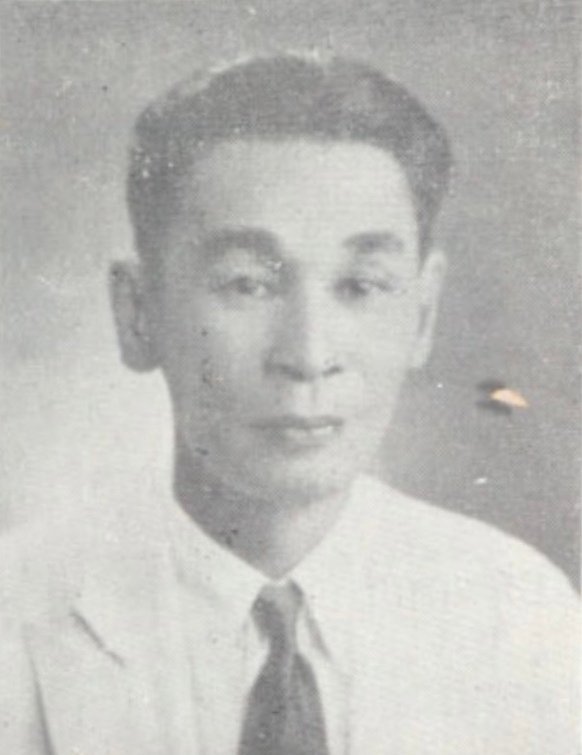 Thailand · Politics
1902—1968
Khuang Aphaiwong
4th Prime Minister of Thailand and Democrat Party founderThe engineer and People’s Party veteran who led a wartime transition, served three periods as prime minister and became the first leader of Thailand’s Democrat Party.Read biography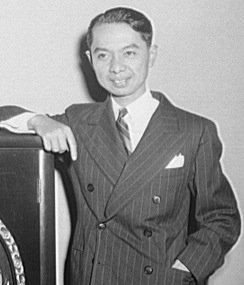 Thailand · Politics
1905—1997
Seni Pramoj
6th Prime Minister of Thailand and Free Thai diplomatThe lawyer and wartime diplomat who refused to deliver Thailand’s declaration of war to Washington, organised Free Thai resistance abroad and later led three governments.Read biography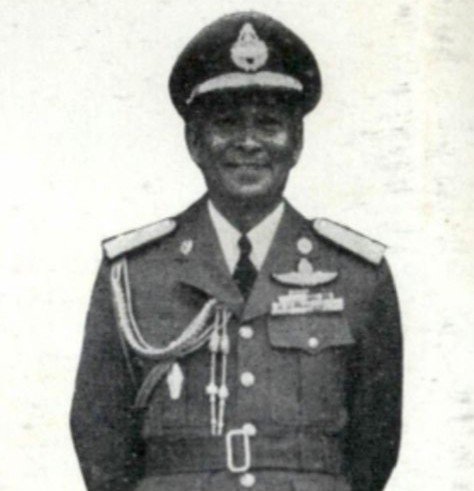 Thailand · Politics
1900—1987
Fuen Ronnaphagrad Ritthakhanee
Royal Thai Air Force commander and deputy prime ministerAn air-force commander whose intervention in the Manhattan Rebellion made him a central military actor, cabinet minister and member of Thailand’s 1951 Radio Coup junta.Read biography Thailand · Politics
1927—2016
Bhumibol Adulyadej
King of Thailand, 1946–2016Thailand’s longest-reigning monarch, whose seven decades on the throne spanned rapid development, repeated political crises and profound social change.Read biographyQuick answers
Common questions
- When was Thailand’s disputed 1957 election?
- The general election was held on 26 February 1957, with protests beginning within days and a state of emergency declared on 2 March.
- Why is it called the “dirty election”?
- Opposition parties, newspapers, contemporary diplomats and later historians documented allegations of intimidation, false registration, ballot tampering and manipulated counting.
- How many seats were elected?
- Voters chose 160 representatives. Another 123 appointed members from the preceding legislature continued to sit, giving the governing order an added institutional advantage.
- Who won the February 1957 election?
- The government-backed Seri Manangkhasila Party won the largest number of elected seats. Published totals vary between contemporary preliminary reports and later tabulations.
- What role did Sarit Thanarat play after the vote?
- Sarit commanded security during the emergency, handled student protesters with restraint and used the resulting popularity to strengthen his position against Phibun and Phao.
- Did the election cause the September 1957 coup?
- It was not the only cause, but its fraud controversy shattered the ruling coalition’s legitimacy and accelerated the rivalry that culminated in Sarit’s coup on 16 September.
Primary and institutional sources
How this history was checked
Dates, legal milestones and historical claims are checked against the official and institutional records below. This article was reviewed on 3 October 2026.
- Office of the Historian, U.S. Department of StateContemporary summary of the February 1957 election and crisis
- Office of the Historian, U.S. Department of StateJuly 1957 assessment of the election, Phao and Sarit
- Library of CongressThailand: A Country Study
- Cambridge University PressThailand—authoritarian elections and the February 1957 vote
- Office of the United Nations High Commissioner for Human RightsHistorical table of Thai House elections and representation
- Bangkok PostThe dirtiest election ever—contemporary timeline
- Wikimedia Commons2 March 1957 election protest photograph and public-domain record