The short answer
The Free Thai Movement connected a clandestine network inside Thailand with students, diplomats and Allied intelligence abroad. It challenged the alliance with Japan, gathered wartime intelligence and gave postwar leaders evidence that Thai society had not uniformly accepted the 1942 declaration of war.
Chronology
A timeline of the turning points
Japanese forces enter Thailand
Fighting began at several landing points before the Phibun government ordered resistance to stop and permitted Japanese passage.
Thailand signs an alliance with Japan
The formal alliance placed the government on Japan’s side while opponents began building separate resistance networks.
Thailand declares war on Britain and the United States
Britain treated Thailand as an enemy; Washington did not declare war after minister Seni Pramoj withheld Bangkok’s declaration.
Thai volunteers train abroad
Students and expatriates joined American OSS and British SOE programmes while Pridi organised a clandestine network inside Thailand.
Chamkad Balankura reaches Chongqing
Pridi’s envoy carried evidence of the internal movement through Laos and Vietnam, beginning difficult contact with the Allies.
Agents infiltrate occupied Thailand
OSS- and SOE-trained Free Thai teams entered by land, parachute and submarine routes to establish communications and intelligence links.
Phibun falls and Khuang becomes prime minister
Parliamentary defeats forced Phibun’s resignation; Khuang’s cabinet gave resistance members more room while Pridi became sole regent.
OSS officers establish a covert Bangkok presence
Richard Greenlee and John Wester arrived by Catalina flying boat and worked with the internal network under Japanese surveillance.
Japan surrenders and the declaration of war is voided
After Japan accepted surrender, Regent Pridi proclaimed that Thailand’s wartime declaration had been made against the people’s will.
The movement publicly closes its wartime mission
Free Thai members assembled openly after Seni returned and a postwar government began negotiating Thailand’s international position.
What was the Free Thai Movement?
The Free Thai, or Seri Thai, Movement was a network of Thai officials, students, diplomats, police officers, soldiers and civilians who opposed the wartime alliance with Japan. It was not a single army or party. Separate groups formed inside Thailand, in the United States and in Britain after Japanese forces entered the country on 8 December 1941.
The movement combined political legitimacy, diplomacy, intelligence and preparations for armed resistance. Pridi Banomyong coordinated the main internal network while serving as regent. Seni Pramoj, Thailand’s minister in Washington, organised the American branch after refusing to deliver the January 1942 declaration of war. Volunteers in the United States worked with the Office of Strategic Services; those in Britain worked chiefly with the Special Operations Executive.
Why did Japan enter Thailand in December 1941?
Japan needed routes through Thailand for campaigns toward British Malaya and Burma. Landings and border crossings began in the early hours of 8 December, producing combat at several locations. The Phibun government ordered Thai forces to stop resisting after several hours and allowed Japanese troops to pass, arguing that continued fighting would bring overwhelming destruction.
Cooperation soon became a formal alliance. On 25 January 1942, Thailand declared war on Britain and the United States. Britain reciprocated, but the United States did not recognise a state of war with Thailand. Washington’s position reflected Seni’s refusal to transmit the declaration and a wider belief that Japanese pressure had constrained Thai sovereignty. This legal difference later mattered in postwar negotiations.
Who led the Free Thai Movement?
No single leader controlled every branch. Pridi used his position as regent and his relationships inside the bureaucracy to protect the domestic organisation. Police director Adun Adundetcharat became an important operational partner, while diplomat Direk Jayanama moved between cabinet office, Tokyo and Allied liaison. Seni represented a competing but complementary centre in Washington, recruiting Thai students and maintaining access to the U.S. government. Puey Ungphakorn was among the British-trained volunteers who entered Thailand.
The movement also depended on messengers and field agents whose names are less familiar. Chamkad Balankura undertook a dangerous 1943 journey to Chongqing to prove that an internal resistance existed. Sanguan Tularak and Daeng Gunatilaka later carried messages abroad. OSS histories show that contact was difficult, shaped by rivalry among American, British and Chinese agencies as well as by the danger of Japanese detection.
What did Free Thai agents actually do?
Operations included intelligence gathering, radio communications, locating Japanese units, identifying prisoner-of-war sites, protecting detained Allied nationals and preparing reception areas for personnel and supplies. Volunteers trained in wireless operation, parachuting, demolitions and guerrilla warfare. Some entered across the northern land border; others arrived by submarine, parachute or seaplane.
The internal network’s most important advantage was access to the Thai state. Provincial officials and police could hide agents, arrange transport and manipulate records while appearing to enforce wartime rules. Thammasat University’s Dome Building served as a headquarters linked to Pridi. By early 1945, OSS officers were operating from a covert base in Bangkok even as Japanese forces remained in the capital.
How did parliament and Khuang Aphaiwong affect the resistance?
The resistance was not only an intelligence story. In July 1944, the National Assembly rejected Phibun’s projects for a new capital at Phetchabun and a large Buddhist complex. He resigned, and parliament selected Khuang Aphaiwong as prime minister on 1 August. Pridi became sole regent on the same day, strengthening the civilian centre that opposed the alliance.
Khuang’s cabinet still had to deal publicly with Japan, so it could not announce a change of side. Several ministers were nevertheless connected to the Free Thai network, and the government gave covert operations more space. This parliamentary transition demonstrates why the movement cannot be reduced to foreign-trained agents: resistance also worked through institutions that outwardly remained part of the wartime state.
Did the Free Thai Movement keep Thailand independent?
The movement materially strengthened Thailand’s claim that the wartime alliance did not represent the whole country. Its intelligence work assisted Allied operations, and its leaders could present an organised domestic alternative when Japan surrendered. Pridi’s 16 August 1945 proclamation declared the war announcement void because it had been made contrary to the people’s will and constitutional order.
It is still too simple to say that the Free Thai single-handedly “saved” Thailand. American policy had already distinguished Thailand from an ordinary enemy, while Britain demanded disarmament, rice deliveries and restoration of territories acquired during the war. Allied strategy, regional power politics and Thai diplomacy all shaped the settlement. The movement’s contribution was to provide credible evidence of resistance and a government network able to negotiate sovereignty after defeat of Japan.
What happened to the movement after the war?
Khuang resigned at the end of August 1945, and Seni returned to lead the first substantial postwar cabinet. The movement publicly ended its wartime mission in September, but its coalition did not become a unified peacetime party. Pridi’s supporters, Seni and the emerging Democrat Party, former People’s Party officers and military factions soon competed over elections, the monarchy and responsibility for wartime policy.
Those divisions shaped the 1946 governments and the 1947 coup. Phibun eventually returned to office in 1948, while Pridi went into exile and Khuang became a long-serving opposition leader. Free Thai memory therefore carries two legacies: successful cooperation across institutions during occupation, and a rapid postwar fragmentation that did not prevent renewed military rule.
Continue the chronology
Related history guides
The Siamese Revolution
Meet the People’s Party generation whose internal divisions shaped wartime government and resistance.
Read the timeline1851–todayThailand History Timeline
Place the resistance between the 1932 constitutional break and postwar military restoration.
Read the timeline1932–presentPrime Ministers of Thailand
Compare Phibun, Khuang, Seni and Pridi across the wartime and immediate postwar cabinets.
Read the timeline8 November 1947The 1947 Thai Coup
Continue into the military takeover that broke the postwar civilian coalition and enabled Phibun’s return.
Read the timeline26–27 February 1949The 1949 Palace Rebellion
See how former resistance relationships fractured across exile, party politics and an unsuccessful counter-coup.
Read the timeline1932–todayThai Political Turning Points
Follow connected lives through constitutional revolution, resistance, coups and electoral change.
Read the timelineConnected biographies
Eight biographies explaining wartime government, domestic resistance and the postwar rupture
 Thailand · Politics
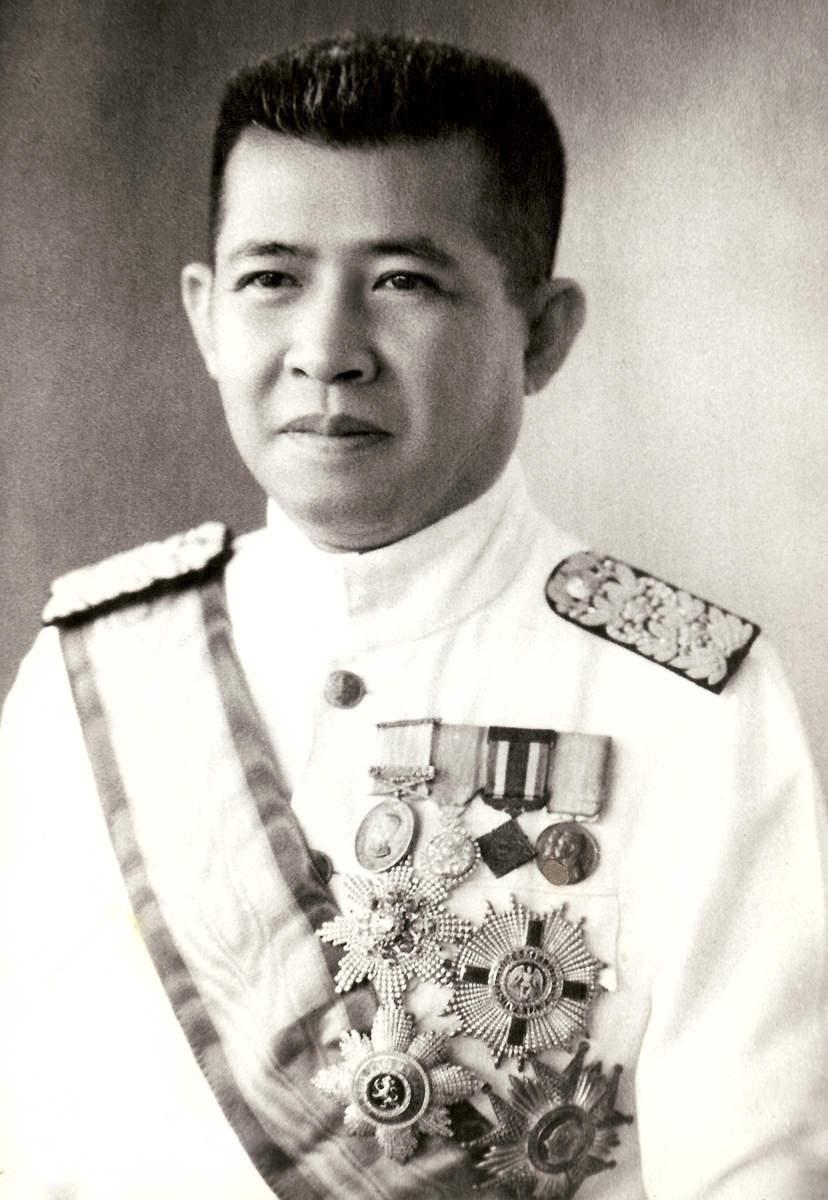
1900—1983
Pridi Banomyong
Statesman, jurist and prime ministerA jurist and statesman who helped end absolute monarchy, founded Thammasat University and led the civilian Free Thai resistance during the Second World War.Read biography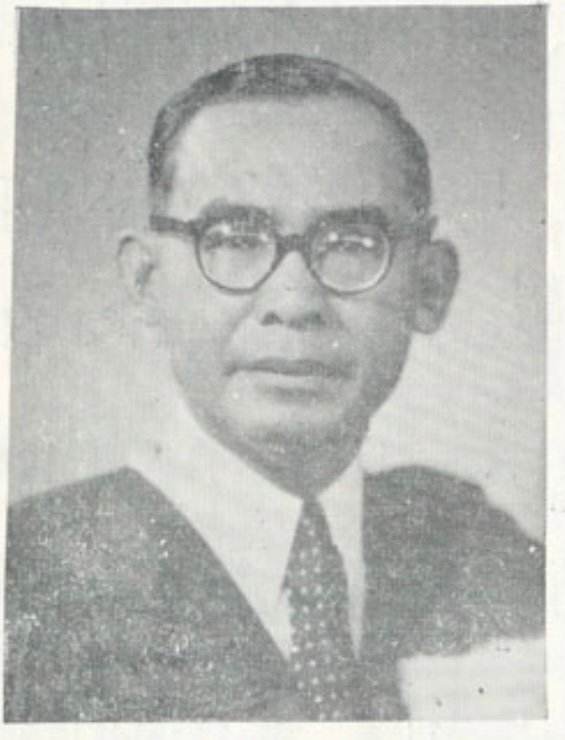 Thailand · Politics
1905—1967
Direk Jayanama
Thai diplomat, foreign minister and Free Thai memberThe lawyer, People’s Party member and diplomat who navigated Thailand’s wartime relationship with Japan, joined the Free Thai resistance and built a lasting academic institution.Read biography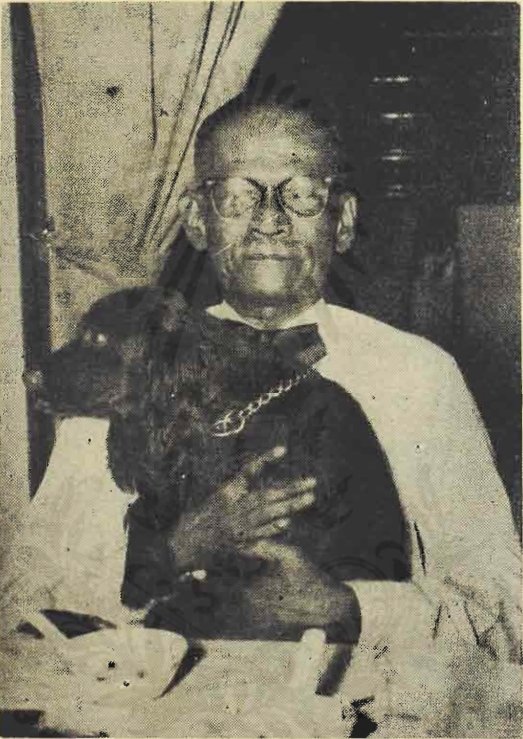 Thailand · Politics
1894—1969
Adun Adundetcharat
Thai police chief and deputy Free Thai leaderAn army officer turned national police chief who joined the 1932 revolution, built a formidable security apparatus and later made that apparatus central to the Free Thai resistance.Read biography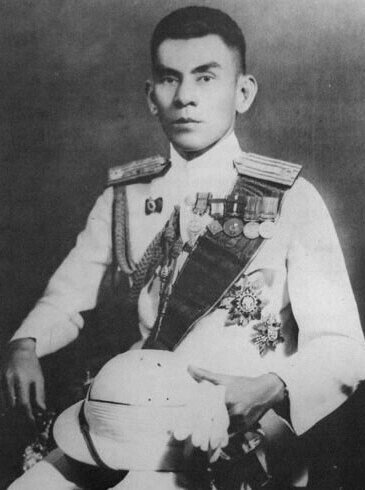 Thailand · Politics
1901—1988
Thawan Thamrongnawasawat
8th Prime Minister of Thailand and naval officerA naval officer, lawyer and People’s Party member who became prime minister during Thailand’s unstable postwar transition and was removed by the 1947 coup.Read biography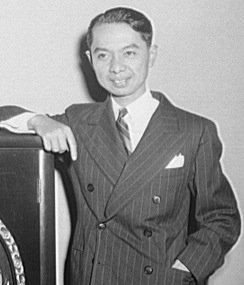 Thailand · Politics
1905—1997
Seni Pramoj
6th Prime Minister of Thailand and Free Thai diplomatThe lawyer and wartime diplomat who refused to deliver Thailand’s declaration of war to Washington, organised Free Thai resistance abroad and later led three governments.Read biography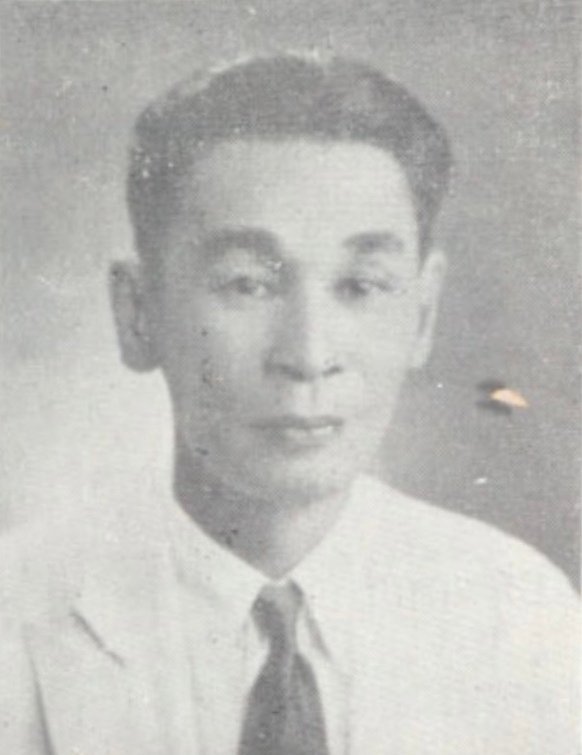 Thailand · Politics
1902—1968
Khuang Aphaiwong
4th Prime Minister of Thailand and Democrat Party founderThe engineer and People’s Party veteran who led a wartime transition, served three periods as prime minister and became the first leader of Thailand’s Democrat Party.Read biography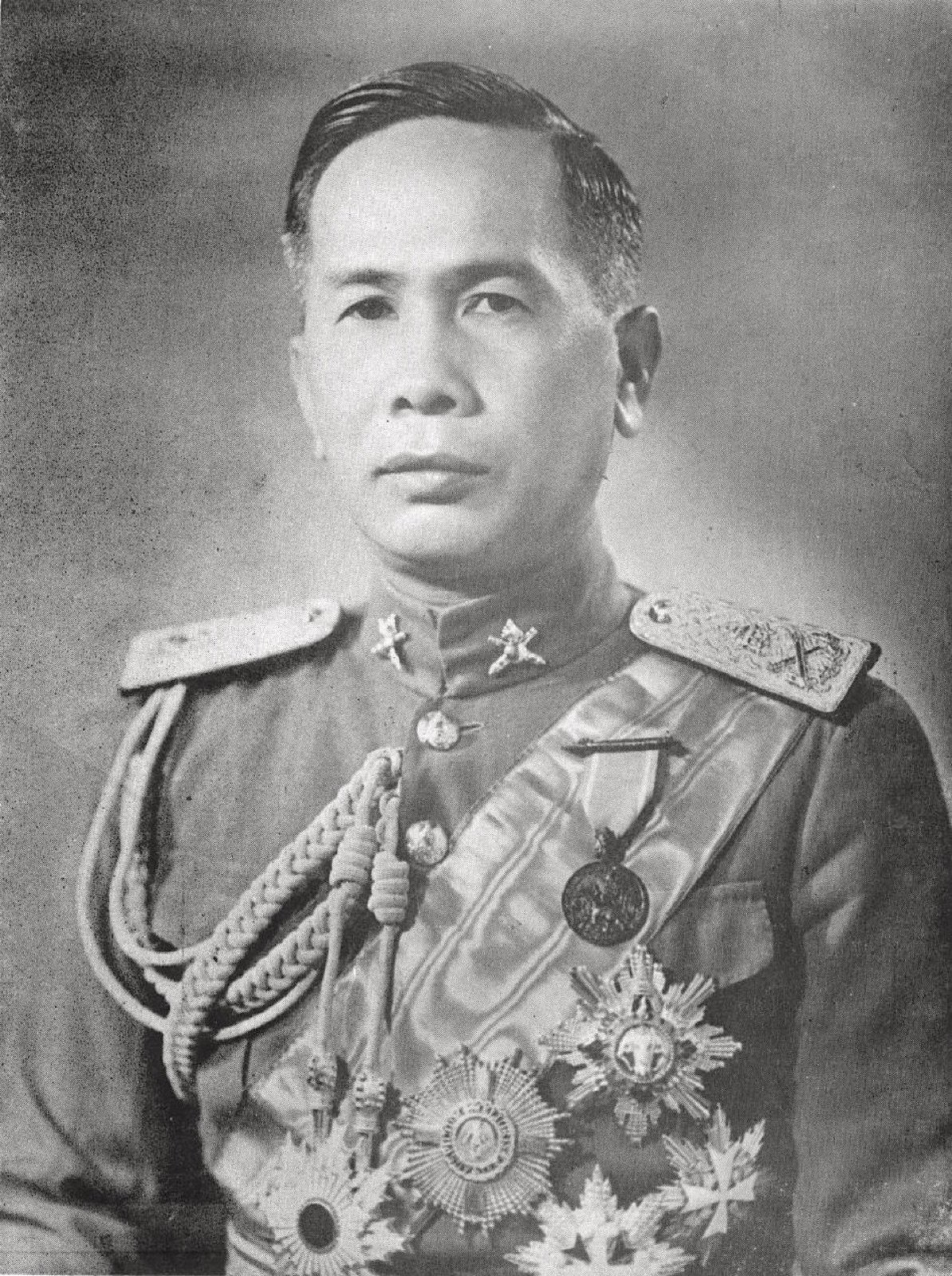 Thailand · Politics
1897—1964
Plaek Phibunsongkhram
Military officer and prime minister of ThailandA military leader of the 1932 revolution who twice served as prime minister and used state power to promote nationalism, social mandates and a new name for the country.Read biography Thailand · Politics
1916—1999
Puey Ungphakorn
Economist, central banker and university rectorAn economist, wartime Free Thai volunteer and long-serving central-bank governor who linked economic management, education and public responsibility.Read biographyQuick answers
Common questions
- What does Seri Thai mean?
- Seri Thai means “Free Thai.” The name describes the resistance networks formed in Thailand, the United States and Britain against the wartime alliance with Japan.
- Who founded the Free Thai Movement?
- It did not have one founder. Pridi Banomyong led the principal internal network, while Seni Pramoj organised the American branch and Thai volunteers in Britain formed a separate group linked to the SOE.
- Why did the United States not declare war on Thailand?
- Seni Pramoj refused to deliver Bangkok’s declaration, and U.S. policy treated Thailand as a country under Japanese pressure rather than an ordinary enemy state.
- How did the OSS support the Free Thai?
- The OSS recruited and trained Thai volunteers, helped infiltrate agents, supplied radio and operational support, gathered intelligence and established a covert Bangkok presence in 1945.
- Was Khuang Aphaiwong a Free Thai leader?
- Khuang was prime minister during the movement’s decisive final year and his cabinet included resistance-linked officials. Pridi and Seni were the principal political leaders of the internal and American networks.
- When did the Free Thai Movement end?
- Its wartime mission ended after Japan’s August 1945 surrender, and the movement publicly closed that mission on 25 September 1945 as postwar government and party politics took over.
Primary and institutional sources
How this history was checked
Dates, legal milestones and historical claims are checked against the official and institutional records below. This article was reviewed on 3 October 2026.
- Pridi Banomyong InstituteFree Thai Movement: A Great Undertaking
- Pridi Banomyong InstituteLeaders of the Free Thai movement in Pridi’s closing speech
- Ministry of Foreign Affairs of ThailandThai Foreign Policy, 1932–1946
- Thammasat UniversityThe Dome Building and Free Thai headquarters
- Center for the Study of Intelligence, CIAOSS and Free Thai Operations in World War II
- Office of the Historian, U.S. Department of State1942 report on Thailand and indications of a Free Thai movement
- Office of the Historian, U.S. Department of State1945 assessment of the Thai resistance and sovereignty policy
- CIA MuseumPatch of the Free Thai and OSS cooperation
- Wikimedia CommonsPridi Banomyong portrait and public-domain record