
The short answer
Let Go made Avril Lavigne internationally recognizable at seventeen. The record’s apparent directness emerged from a working process involving a young songwriter, experienced collaborators and a label searching for a suitable sound.
Chronology
A timeline of the turning points
Signing and development
Arista signs the teenager; sessions in New York and Los Angeles precede the debut.
A direction takes shape
Work with several collaborators includes Cliff Magness and the Matrix.
Let Go reaches listeners
The debut includes Complicated, Sk8er Boi and I’m With You.
A different follow-up
Under My Skin develops with a changed group of collaborators.
The debut is revisited
An expanded edition adds session material and a new recording of Breakaway.
Finding a sound after signing a teenager
Lavigne signed with Arista at sixteen, after local performances and recordings in Ontario. Early sessions did not immediately produce the musical identity associated with Let Go. Work in New York and then Los Angeles connected her with different writers and producers.
Her 2022 Variety interview recalls visiting Hollywood in 2001 while making the album. That account locates the Los Angeles period in a working life, before a debut that ABC Audio dates precisely to 4 June 2002. The Canadian artist’s origins and the American recording locations answer different questions.
The Matrix and the limits of a solitary author story
The Matrix consisted of Lauren Christy, Graham Edwards and Scott Spock. Richard Buskin’s published producer interview identifies the team’s participation in Complicated and Sk8er Boi and their attempt to find a sound that suited Lavigne. Cliff Magness was another important writer and producer on the album.
Exclaim! reports Christy’s recollection emphasizing ideas developed by the team and later alterations by Lavigne. In the 2004 AP interview, Lavigne rejected the minimization of her writing. These are differing participant accounts, not a plagiarism finding. The shared credits establish collaboration without supplying a reliable numerical measure of each person’s contribution.
A teenage perspective was larger than a costume
In ABC Audio’s twentieth-anniversary interview, Lavigne described hearing the debut with a changed adult voice. She also recalled how particular experiences in Napanee entered the writing. Revisiting a song can reveal embarrassment as well as pride: a later account need not turn every youthful decision into a perfectly calculated artistic statement.
The public image helped listeners identify a different kind of young female pop performer. The 2004 AP interview also records her resistance to being reduced to an angry rebel. Attention to clothes should not replace attention to songwriting and singing, or require every track to fit one genre label.
A successful debut did not determine every later record
Let Go’s success created expectations around Lavigne’s voice and persona. The 2004 AP interviews with Lavigne and Chantal Kreviazuk describe a changed writing and production circle for Under My Skin, including Kreviazuk and Raine Maida. The later album was not simply a second delivery of the same sessions.
The distinction matters when revisiting the debut. A breakthrough can become the image through which every subsequent decision is judged. Reading it beside the follow-up and later catalogue makes it possible to examine development, rather than requiring an adult artist to remain a fixed version of her seventeen-year-old self.
The anniversary edition separates an archive from a new performance
Sony’s 2022 release documentation identifies thirteen original tracks, five additional recordings from the original sessions and a newly recorded Breakaway. Why and Get Over It had appeared as single B-sides; other bonus tracks had soundtrack histories. The expanded edition therefore collects material with several earlier routes to listeners.
The new Breakaway recording is different evidence from an early outtake. It revisits a song written and demoed during the debut’s development, after it had become known through Kelly Clarkson. Calling all six extras previously unheard 2002 recordings would erase that distinction between archival retrieval and a later performance.
Sources for this section: [1]
Continue the chronology
Related history guides
Biography context
Explore New York City and Los Angeles, United States through connected lives
Connected biographies
Canadian performers, early opportunity and collaboration

1984–
Avril Lavigne
Singer and songwriterAvril Lavigne is a Canadian singer and songwriter whose 2002 debut Let Go brought a youthful guitar-pop perspective to an international audience, followed by changing collaborators, ballads and renewed pop-punk work.Read biography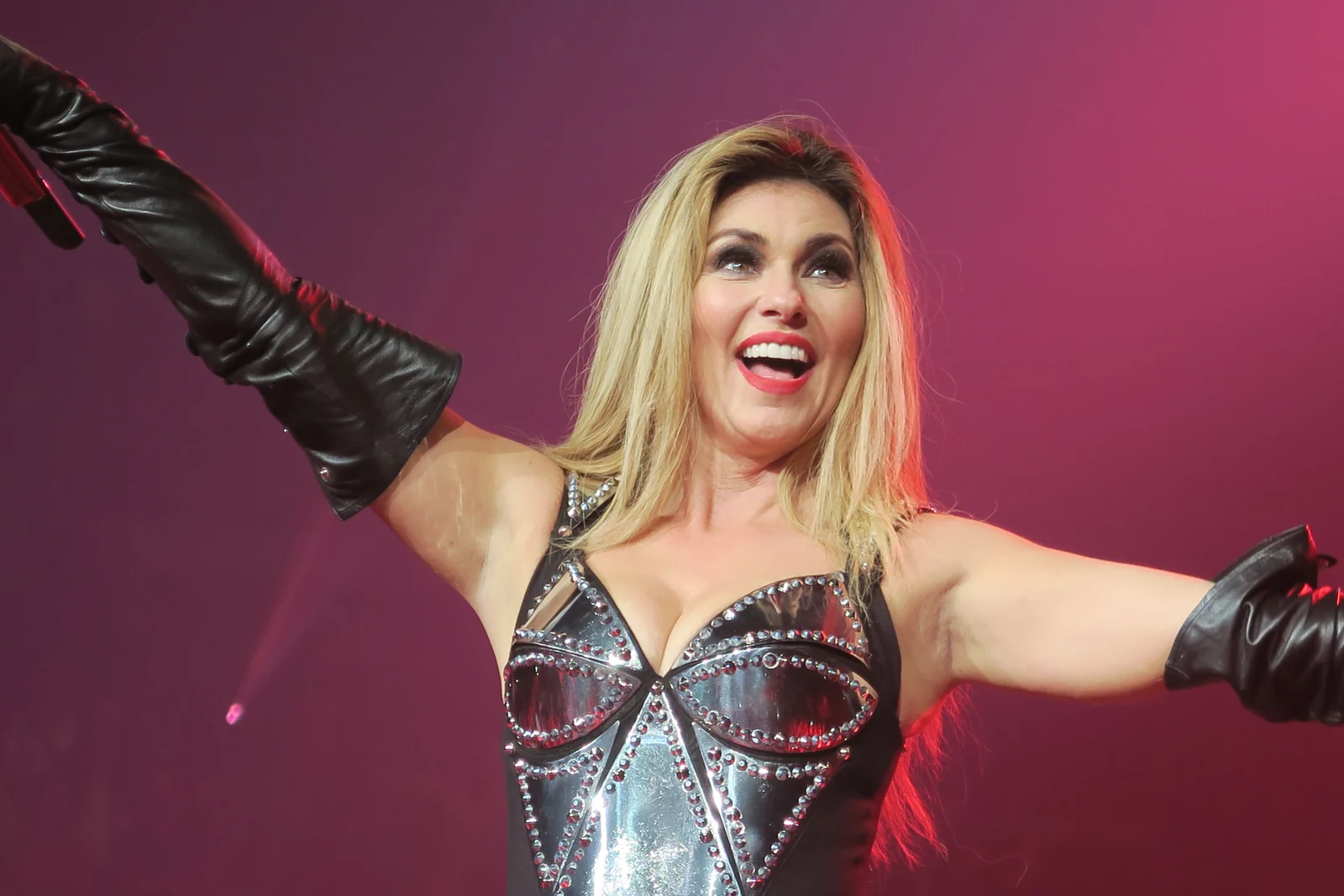
1965–
Shania Twain
Singer-songwriter and recording artistShania Twain is a Canadian singer-songwriter whose country-pop recordings paired assertive writing, distinctive performance and international versions aimed at different audiences.Read biographyQuick answers
Common questions
- How old was Avril Lavigne when Let Go came out?
- Seventeen. The album was released on 4 June 2002, before her eighteenth birthday that September.
- Who were the Matrix?
- Lauren Christy, Graham Edwards and Scott Spock, a writing and production team that worked with Lavigne on the debut.
- Was Breakaway on the original Let Go?
- No. Sony documents a song written and demoed during its development, followed by Lavigne’s new recording for the 2022 expanded edition.
- Are all the anniversary bonus tracks new 2022 recordings?
- No. The edition combines five recordings from the original sessions with the newly recorded Breakaway.
Primary and institutional sources
How this history was checked
The label’s original and reissue dates, an artist interview, indexed producer-interview passages and Exclaim!’s documented career history were checked. The direct Sound on Sound page returned 403, so its use is limited to the accessible indexed passages. No new complete album listening is claimed, and no lyrics or album artwork are reproduced. This article was reviewed on 23 October 2026.
- Arista / Legacy / Sony Music CanadaOriginal track count and the provenance of bonus recordings
- Andrea Dresdale / ABC Audio2022 interview: original release date and revisiting teenage writing
- Associated Press / Vindy Archives2004 artist and Kreviazuk interviews on image, writing and the follow-up
- Ryan McFadden / Variety2022 artist interview: Los Angeles and making the debut
- Richard Buskin / Sound on SoundThe Matrix: accessible indexed interview passages on the collaboration
- Ian Gormely / Exclaim!Development sessions and Cliff Magness’s contribution
- Canada’s Walk of FameBirth date and later album chronology
- Crisco 1492 / Wikimedia CommonsSeparately licensed later concert photograph and full original revision