
The short answer
Thailand’s 1997 People’s Constitution translated demands born from Black May into a new institutional design. A 99-member assembly used provincial representation and public consultation to create stronger rights, elected chambers, a mixed electoral system and independent oversight—before a 2006 coup repealed it.
Institutional design
Five major changes introduced in 1997
The charter tried to combine wider participation with stronger, more stable elected government.
| Institution | 1997 design | Intended purpose |
|---|---|---|
| House of Representatives | 400 constituency + 100 party-list seats | Stronger national parties and clearer mandates |
| Senate | 200 directly elected, formally non-partisan members | Independent review of appointments and legislation |
| Rights and participation | Expanded rights, information and citizen initiatives | Move beyond periodic representative voting |
| Oversight bodies | Election, anti-corruption, audit and rights commissions | Scrutiny outside cabinet and parliament |
| Executive stability | Harder no-confidence initiation and party rules | Reduce factional government turnover |
Chronology
A timeline of the turning points
Black May accelerates reform demands
An unelected premiership and lethal crackdown exposed weaknesses in the post-coup constitution.
A democracy development committee forms
Reformers examined how to strengthen rights, accountability and representative government.
Political reform gains parliamentary support
Banharn’s coalition advanced an amendment authorising a special drafting process.
The drafting mechanism is approved
The amended constitution provided for a body outside the normal legislative committees.
A 99-member assembly begins work
Seventy-six provincial representatives and twenty-three qualified members formed the CDA.
Nationwide consultation informs the draft
The assembly held hearings and circulated proposals beyond Bangkok’s political institutions.
The draft reaches parliament
The economic crisis raised the political cost of rejecting institutional reform.
The constitution is promulgated
The 317-section charter replaced the 1991 Constitution and became known as the People’s Constitution.
The new institutions face their first national tests
Thailand elected its first national Senate and held the first House election under the new system.
A military coup repeals the charter
The coup against Thaksin Shinawatra ended the constitution after nearly nine years.
Why did Thailand write a new constitution?
The 1991 Constitution allowed coup leader Suchinda Kraprayoon to become prime minister after the March 1992 election without winning a House seat. Black May’s violence made that legal design a national crisis. A quick amendment required an elected premier, but reformers argued that deeper problems remained: weak rights enforcement, fragmented parties, vote buying, unstable coalitions and limited scrutiny of government.
Chuan Leekpai’s administration created a Democracy Development Committee, and pressure continued through the Banharn and Chavalit governments. In 1996 parliament amended the existing constitution to create a special assembly that could draft an entirely new charter rather than leave reform solely to incumbent politicians.
Who drafted the People’s Constitution?
The Constitution Drafting Assembly had ninety-nine members. Seventy-six represented each of Thailand’s provinces, while twenty-three were selected from academics and other qualified figures. This arrangement was not a fully direct national election, but it gave provincial representation and outside expertise a larger role than earlier elite drafting exercises.
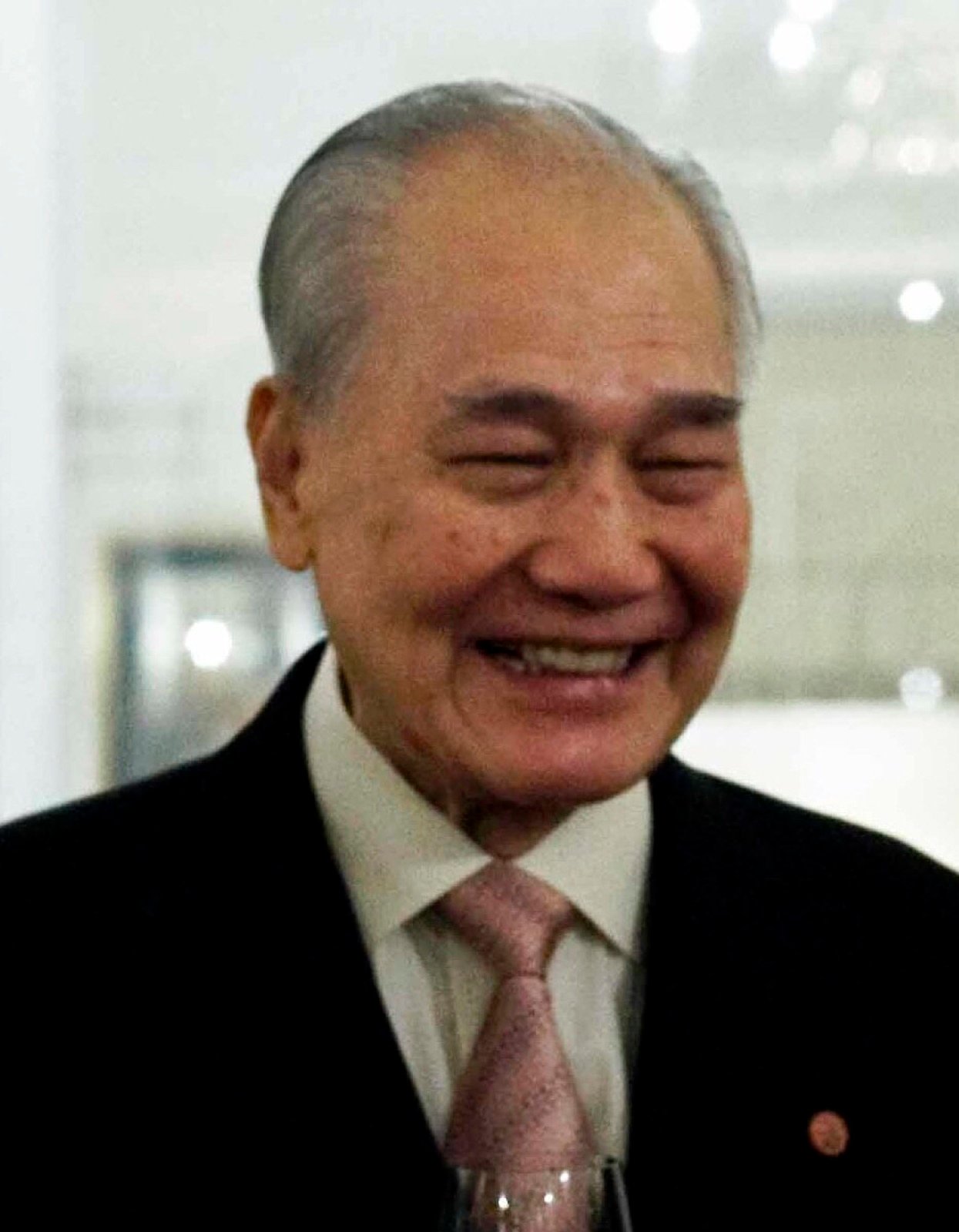
Former prime minister Anand Panyarachun joined the assembly and chaired its drafting committee. The process included public hearings across the country and extensive debate over elections, rights, decentralisation and oversight. That participation—combined with the charter’s reform agenda—produced the popular label “People’s Constitution.”
How did the electoral system change?
The House expanded to 500 members: 400 elected from single-member constituencies and 100 from national party lists. Voters received separate constituency and party-list choices, and a five per cent national threshold applied to the list tier. Compulsory voting and an independent Election Commission were intended to raise participation and reduce manipulation.
Reformers wanted candidates to depend less on personal competition inside multi-member districts and more on coherent national parties. The system did reduce the effective number of parliamentary parties after the 2001 election. It also helped a large party translate support into a strong executive—an outcome that later critics saw as both stability and excessive concentration.
What changed in the Senate and executive?
For the first time, Thailand’s Senate was directly elected. Its 200 members could not belong to political parties or openly campaign, rules intended to make the chamber independent of government and party machines. In practice, informal political ties remained difficult to exclude.
The constitution required the prime minister and ministers to separate themselves more clearly from parliamentary roles and made no-confidence procedures harder to initiate. These provisions aimed to stop small factions from repeatedly toppling cabinets. They strengthened executive continuity but reduced some of the bargaining leverage smaller parties had exercised during the 1990s.
Which rights and oversight bodies were created?
A broad rights chapter recognised civil, political, community and social protections. Citizens gained routes to propose legislation, seek information and participate in decisions affecting local communities and natural resources. The charter also separated administrative adjudication from the ordinary courts.
Independent bodies included the Election Commission, Constitutional Court, Administrative Court, Ombudsmen, National Counter Corruption Commission, National Human Rights Commission and State Audit Commission. Their appointment systems and powers varied, but together they created a permanent constitutional layer of review outside cabinet and parliament.
Why did parliament approve the charter during a crisis?
The draft reached the National Assembly as the baht collapse and financial-sector failures discredited existing institutions. Some politicians resisted rules that threatened constituency advantages or strengthened independent bodies, but rejection risked appearing to defend the old system at the height of a national emergency.
Parliament approved the draft and it was promulgated on 11 October 1997. The financial crisis did not create the reform movement, which had developed since 1992, but it made comprehensive change more urgent and increased public pressure for adoption.
What were the constitution’s long-term effects?
The first House election under the new rules in 2001 produced a much more concentrated party system. Thaksin Shinawatra’s Thai Rak Thai won 248 seats and later absorbed smaller allies, creating a level of elected executive strength unfamiliar in the fragmented 1990s. Policy became more nationally organised and governments became harder to overturn through routine coalition defection.
Oversight bodies also became powerful political arenas. Supporters saw constitutional review and independent agencies as checks on abuse; critics questioned appointment processes, inconsistent enforcement and judicial expansion. The same design could therefore be read as democratising participation, disciplining elected officials or transferring decisions away from voters.
Why was the 1997 Constitution repealed?
Conflict around Thaksin’s government, the April 2006 election and rival protest movements culminated in a military coup on 19 September 2006. The coup council abolished the constitution and replaced it with an interim charter. Its durability therefore remained vulnerable to the extra-constitutional power the document had not eliminated.
Repeal did not erase its influence. Later Thai constitutions retained versions of independent agencies, constitutional courts, rights guarantees and mixed electoral design while changing their composition and balance. The 1997 charter remains the principal reference point for arguments about participatory drafting, elected authority and institutional checks in Thailand.
Continue the chronology
Related history guides
Black May 1992
Begin with the legitimacy crisis that accelerated constitutional reform.
Read the timeline2 July 1995The 1995 Thai General Election
Read the coalition politics that helped drive the reform agenda.
Read the timeline17 November 1996The 1996 Thai General Election
See the parliament that enacted the new charter during economic crisis.
Read the timeline1997–1998Thailand and the Asian Financial Crisis
Understand the emergency that formed the constitution’s immediate political context.
Read the timeline6 January 2001The 2001 Thai General Election
See the charter’s mixed electoral system produce a stronger party government in its first House test.
Read the timeline19–24 August 2007The 2007 Constitution and Referendum
Compare the post-coup charter’s mixed Senate, smaller House and stronger selected checks.
Read the timeline19 September 2006The 2006 Thai Coup
Continue to the military intervention that repealed the People’s Constitution.
Read the timelineConnected biographies
Six biographies connecting the reform movement, drafting process, crisis politics and constitutional legacy
 Thailand · Politics
1932—
Anand Panyarachun
Diplomat, business executive and former prime ministerA career diplomat and business leader who headed two appointed governments in 1991 and 1992 and later chaired major national and United Nations reform work.Read biography Thailand · Politics
1932—2016
Banharn Silpa-archa
21st Prime Minister of Thailand, 1995–1996The construction entrepreneur and Suphan Buri power broker who led Chart Thai to first place in 1995 and headed a seven-party coalition for sixteen turbulent months.Read biography Thailand · Politics
1932—
Chavalit Yongchaiyudh
Retired general and former prime ministerA former army commander who entered electoral politics, formed the New Aspiration Party and served as prime minister as the baht crisis became a regional financial shock.Read biography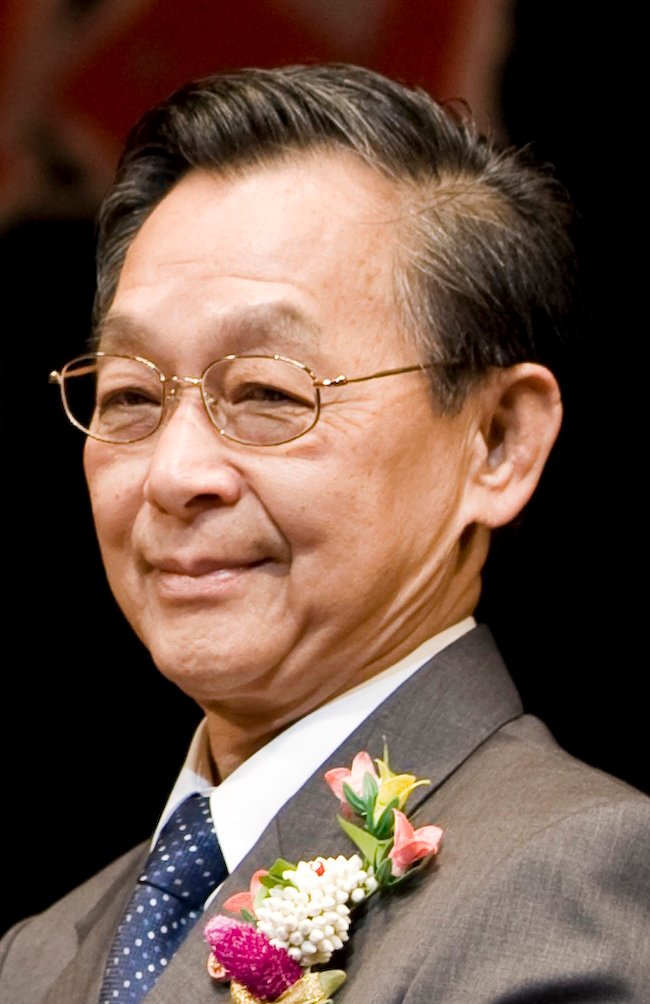 Thailand · Politics
1938—
Chuan Leekpai
20th Prime Minister of Thailand, 1992–1995 and 1997–2001The lawyer and veteran parliamentarian who led Thailand after the 1992 democratic transition and returned during the Asian financial crisis.Read biography Thailand · Politics
1949—
Thaksin Shinawatra
Businessman and former prime ministerA telecommunications entrepreneur who became prime minister in 2001, transformed Thai electoral politics and remained influential through two decades of conflict.Read biography Thailand · Politics
1927—2016
Bhumibol Adulyadej
King of Thailand, 1946–2016Thailand’s longest-reigning monarch, whose seven decades on the throne spanned rapid development, repeated political crises and profound social change.Read biographyQuick answers
Common questions
- Why was the 1997 Thai Constitution called the People’s Constitution?
- Its 99-member drafting process included provincial representation and nationwide public hearings, and the charter expanded rights and participatory mechanisms.
- When did the constitution take effect?
- It was promulgated on 11 October 1997.
- How many members were in the drafting assembly?
- There were 99: one representative from each of 76 provinces and 23 qualified members drawn from academia and other fields.
- How did it change House elections?
- It created a 500-seat House with 400 single-member constituencies and 100 national party-list seats.
- Did it create an elected Senate?
- Yes. It provided for 200 directly elected senators who were formally non-partisan and barred from campaigning.
- When was the 1997 Constitution repealed?
- The military coup of 19 September 2006 abolished it, and an interim constitution followed in October.
Primary and institutional sources
How this history was checked
Dates, legal milestones and historical claims are checked against the official and institutional records below. This article was reviewed on 3 October 2026.
- ConstitutionNet · International IDEAConstitutional history of Thailand
- ConstitutionNetThe Thai Constitution of 1997: Sources and Process
- The Asia Foundation via ConstitutionNetThe Constitution of the Kingdom of Thailand, 1997: A Blueprint for Participatory Democracy
- International IDEAElectoral System Design: The New International IDEA Handbook
- International IDEAThailand electoral-system provisions under the 1997 Constitution
- Wikimedia CommonsAnand Panyarachun portrait and CC BY 2.0 licence record