
The short answer
Indonesia’s 1997–1998 crisis was not only a currency crash. A fall in the rupiah exposed fragile banks and foreign-currency debts, drove the economy into a 13 per cent contraction and destroyed confidence in the New Order. Financial rescue, social hardship and political protest became one connected national turning point.
Chronology
A timeline of the turning points
Thailand floats the baht
The collapse of Thailand’s exchange-rate defence changed investor expectations across Southeast Asia and intensified pressure on neighbouring currencies.
Indonesia allows the rupiah to float
Bank Indonesia abandoned its managed exchange-rate band as selling pressure overwhelmed repeated efforts to widen it.
Sixteen banks are closed
The government liquidated insolvent institutions, but weak depositor protection and uncertainty about other banks helped deepen the loss of confidence.
The IMF approves a stand-by arrangement
A three-year US$10 billion IMF facility formed part of a larger international support package tied to banking, fiscal and structural reforms.
Suharto signs a strengthened reform programme
The revised agreement promised bank and corporate restructuring and an end to selected monopolies, but market confidence continued to deteriorate.
A bank restructuring agency is established
The Indonesian Bank Restructuring Agency was created as the state guaranteed bank obligations and tried to contain a systemic run.
Suharto begins a seventh presidential term
The People’s Consultative Assembly returned him unopposed while prices, unemployment and student demonstrations were rising.
Price increases, shootings and riots accelerate the crisis
Fuel and electricity price rises were followed by the Trisakti shootings and mass violence, including targeted attacks against Chinese Indonesians.
Suharto resigns
After thirty-two years in power, Suharto transferred the presidency to B. J. Habibie amid protest, elite defections and economic collapse.
Output contracts by about 13 per cent
Investment, consumption, credit and imports collapsed; inflation and unemployment rose, and millions of households faced renewed poverty and insecurity.
Restructuring and recovery continue
Bank recapitalisation, corporate-debt workouts, central-bank independence and political transition supported recovery, while the IMF programme continued until 2003.
Why did the Asian financial crisis hit Indonesia so hard?
Indonesia entered 1997 after three decades of rapid growth, industrialisation and poverty reduction. The apparent strength concealed a financial system with weak supervision, politically connected lending and rapidly expanding private foreign-currency debt. Many companies borrowed dollars while earning rupiah, leaving them exposed if the exchange rate fell.
Banks and conglomerates were linked through ownership and informal state guarantees. Short-term borrowing funded property, manufacturing and infrastructure projects whose returns would arrive much later. When confidence changed after Thailand floated the baht, creditors tried to reduce exposure across the region rather than assess each Indonesian borrower slowly and separately.
The rupiah’s fall immediately enlarged the local-currency value of dollar debts. Companies cut investment and struggled to obtain trade credit; banks faced withdrawals, bad loans and foreign obligations at the same time. A currency shock therefore became a corporate, banking and social crisis.
From exchange-rate pressure to a banking panic
Bank Indonesia first widened the rupiah’s trading band and then allowed the currency to float in August 1997. Depreciation did not restore confidence because investors were increasingly concerned about bank solvency, private debt and whether the government would enforce reforms against businesses connected to the president’s family and allies.
The closure of sixteen banks in November was intended to demonstrate discipline. Instead, the absence of a clear blanket guarantee encouraged depositors to wonder which institution might fail next. Liquidity support expanded as funds moved toward state banks, foreign banks or cash, increasing pressure on both the banking system and the currency.
The government created the Indonesian Bank Restructuring Agency in January 1998 and guaranteed bank obligations. The agency took over troubled institutions and assets, while later recapitalisation used government bonds to rebuild bank balance sheets. These measures prevented an uncontrolled disappearance of the payments system but transferred very large costs and contested assets to the state.
What did the IMF programme require?
The IMF approved a US$10 billion stand-by arrangement on 5 November 1997 within a much larger package of multilateral and bilateral commitments. The programme sought monetary stability, bank restructuring, stronger supervision, corporate-debt resolution and the removal of selected monopolies and trade restrictions.
The agreement changed repeatedly as the downturn became more severe. Initial fiscal tightening was relaxed to accommodate recession and social protection. Later programmes placed more emphasis on bank and corporate restructuring, a deposit guarantee, essential-goods support and restoring trade finance.
The response remains debated. Critics argue that premature bank closures, high interest rates and early austerity intensified panic and recession. The IMF’s own reviews acknowledged that the design had to change and that the Indonesian collapse was deeper than expected. Supporters emphasise that politically protected banks, monopolies and policy reversals made restoring credibility impossible without structural change. Both the programme’s errors and the domestic system’s vulnerabilities belong in the historical explanation.
How an economic crisis ended the New Order
The crisis destroyed the New Order’s strongest claim to legitimacy: predictable development. Food and transport costs rose, factories closed and urban workers returned to villages or entered insecure employment. Drought and forest fires added pressure before the full financial collapse reached households.
Suharto’s uncontested reappointment in March 1998 signalled political continuity when markets and citizens expected credible change. A May reduction in fuel and electricity subsidies sharpened anger. On 12 May, security forces killed four Trisakti University students after a peaceful demonstration. Riots from 13 to 15 May caused extensive deaths, destruction, anti-Chinese targeting and documented sexual violence.
Student occupation of the parliament complex, cabinet fractures and the withdrawal of elite support left Suharto unable to form a convincing new government. He resigned on 21 May and Vice President B. J. Habibie succeeded him. The financial crisis did not mechanically cause democratisation, but it broke the economic coalition and public confidence that had sustained authoritarian rule.
Who paid the social cost?
Indonesia’s output fell by about 13 per cent in 1998, the deepest contraction among the largest crisis economies in East Asia. Inflation eroded wages and savings, credit disappeared, construction stopped and formal employment contracted. Poor households reduced food quality, delayed health spending and relied more heavily on family and community networks.
The impact was uneven. Workers in finance, property and import-dependent manufacturing faced abrupt job losses, while exporters and rural producers experienced different exchange-rate effects. Chinese Indonesians were exposed not only to commercial disruption but also to scapegoating and violence during the May riots.
Social safety-net programmes expanded food subsidies, school support, health assistance and labour-intensive works. Delivery varied, and some programmes became entangled in local patronage, but the crisis changed the policy debate by making household protection a central part of macroeconomic stabilisation.
Bank restructuring, political reform and recovery
Habibie’s government continued IMF negotiations while opening the political system. Bank closures, mergers, recapitalisation and asset recovery continued through the transition. Corporate-debt frameworks tried to keep viable firms operating while resolving obligations that could no longer be serviced at crisis exchange rates.
Law No. 23 of 1999 gave Bank Indonesia institutional independence and a primary objective of maintaining rupiah stability. The change separated monetary authority more clearly from the developmental and political direction that had characterised the New Order, though later reforms continued to revise accountability and crisis-management arrangements.
Growth resumed, but recovery did not restore the pre-crisis model. Ownership changed, public debt rose and many assets moved through restructuring agencies. A competitive election in 1999 and constitutional reform changed who could govern, while decentralisation changed where public money and authority were exercised.
What is the crisis’s long-term legacy?
The 1997–1998 collapse remains a reference point for Indonesian financial regulation, foreign-exchange policy and political memory. Deposit insurance, stronger supervision and formal crisis-coordination mechanisms were later built partly to avoid the uncertainty that turned bank weakness into a systemic run.
The crisis also changed the business landscape. Some conglomerates lost control of banks and pledged assets, while others survived restructuring and rebuilt. New entrepreneurs entered an economy that became more decentralised, more electorally competitive and eventually more connected to digital markets.
Most importantly, the crisis joined economic accountability to democratic legitimacy. Debates over IMF policy, corruption, bank rescues and the distribution of loss are not separate from Reformasi: they explain why institutional reform became urgent and why public trust remains essential during every later shock.
Continue the chronology
Related history guides
The Asian Financial Crisis in Thailand
Compare the baht’s collapse, finance-company failures and IMF programme in the country where the regional crisis began.
Read the timeline1997–1999The Asian Financial Crisis in Malaysia
Compare a shallower downturn managed through domestic restructuring, selective controls and a fixed exchange rate.
Read the timeline1965–1998Indonesia’s New Order Era
Understand the political economy, institutions and patronage networks the crisis exposed.
Read the timeline1997–2004Reformasi and Democratic Transition
Continue from economic collapse to elections, constitutional change and direct presidential voting.
Read the timelineBusiness biographiesIndonesian Business Builders
See how developers, conglomerates and technology founders operated before and after the crisis.
Read the timelineConnected biographies
Five lives connecting New Order political economy, financial collapse, business survival and democratic transition
 Indonesia · Politics
1921—2008
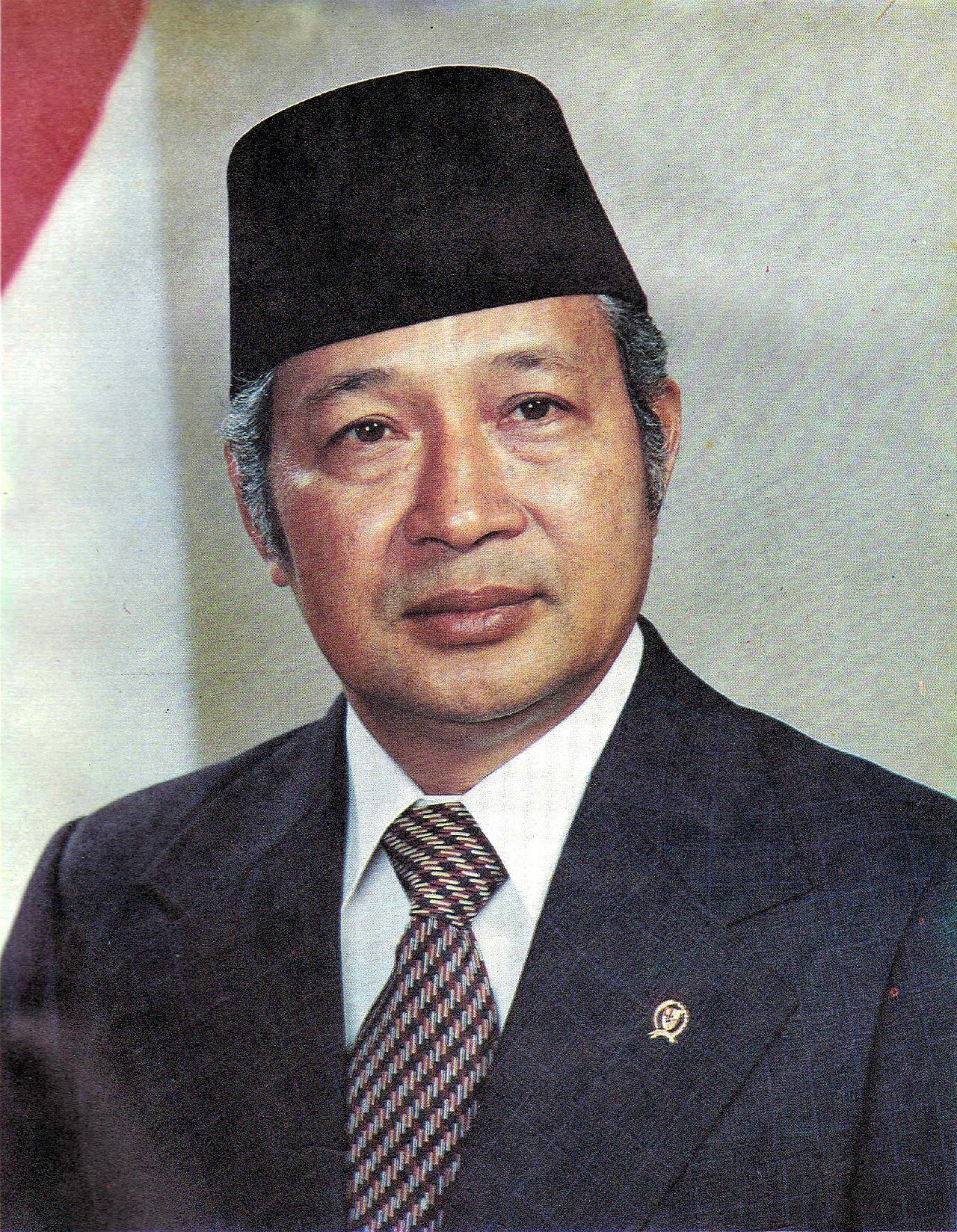
Suharto
Second President of IndonesiaThe army general who displaced Sukarno and led Indonesia’s New Order from 1967 to 1998, combining economic growth with authoritarian rule.Read biography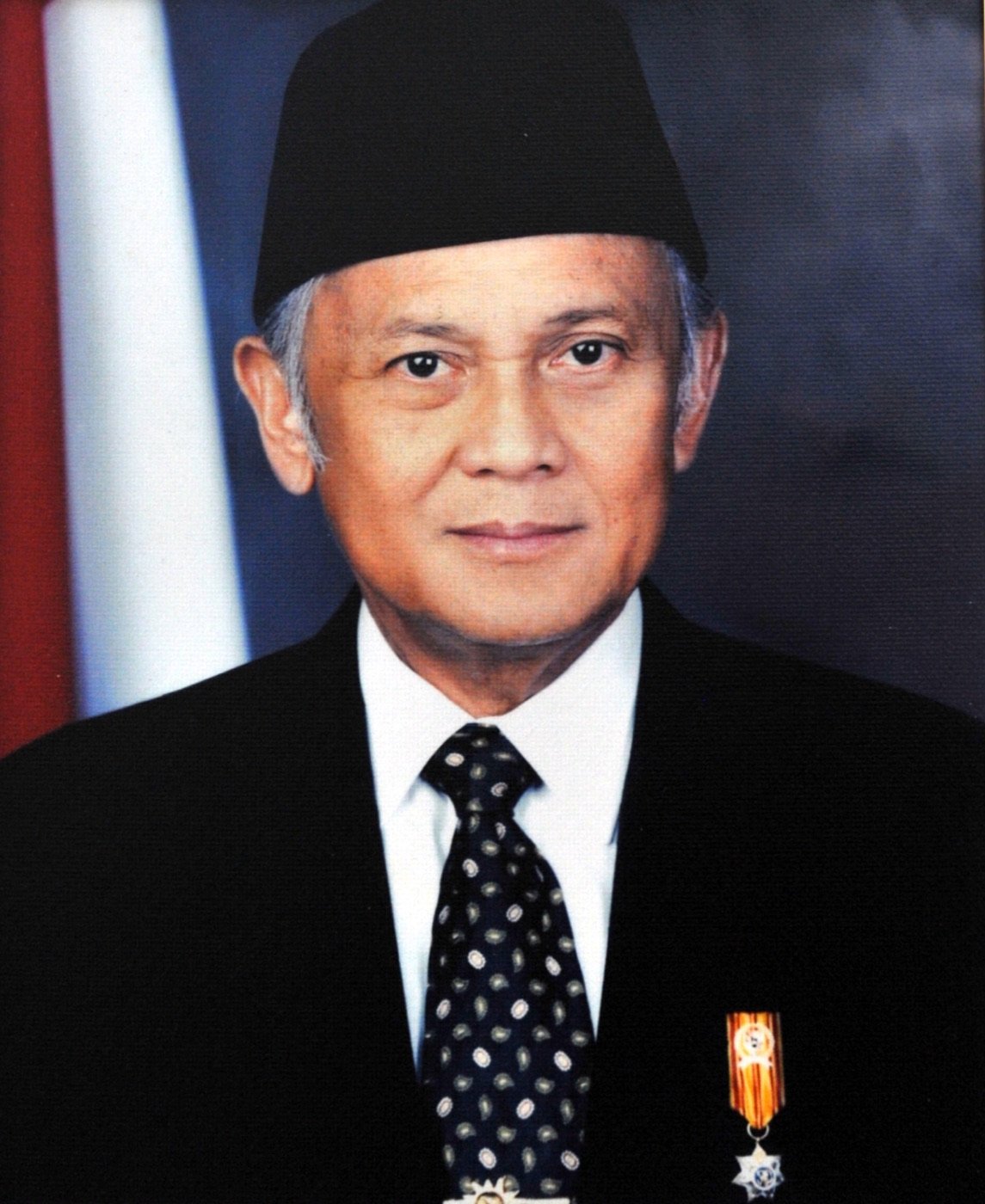 Indonesia · Politics
1936—2019
B. J. Habibie
Third President of Indonesia and aerospace engineerThe aerospace engineer and technology minister who succeeded Suharto in 1998 and opened Indonesia’s first transition from New Order rule.Read biography Indonesia · Politics
1947—
Megawati Sukarnoputri
Former president of Indonesia and chair of PDI-PIndonesia’s first woman president, an opposition symbol under Suharto and the PDI-P chair who remains central to post-Reformasi politics.Read biography Indonesia · Politics
1949—
Susilo Bambang Yudhoyono
Sixth President of IndonesiaThe retired general known as SBY who won Indonesia’s first direct presidential election and led the country from 2004 to 2014.Read biography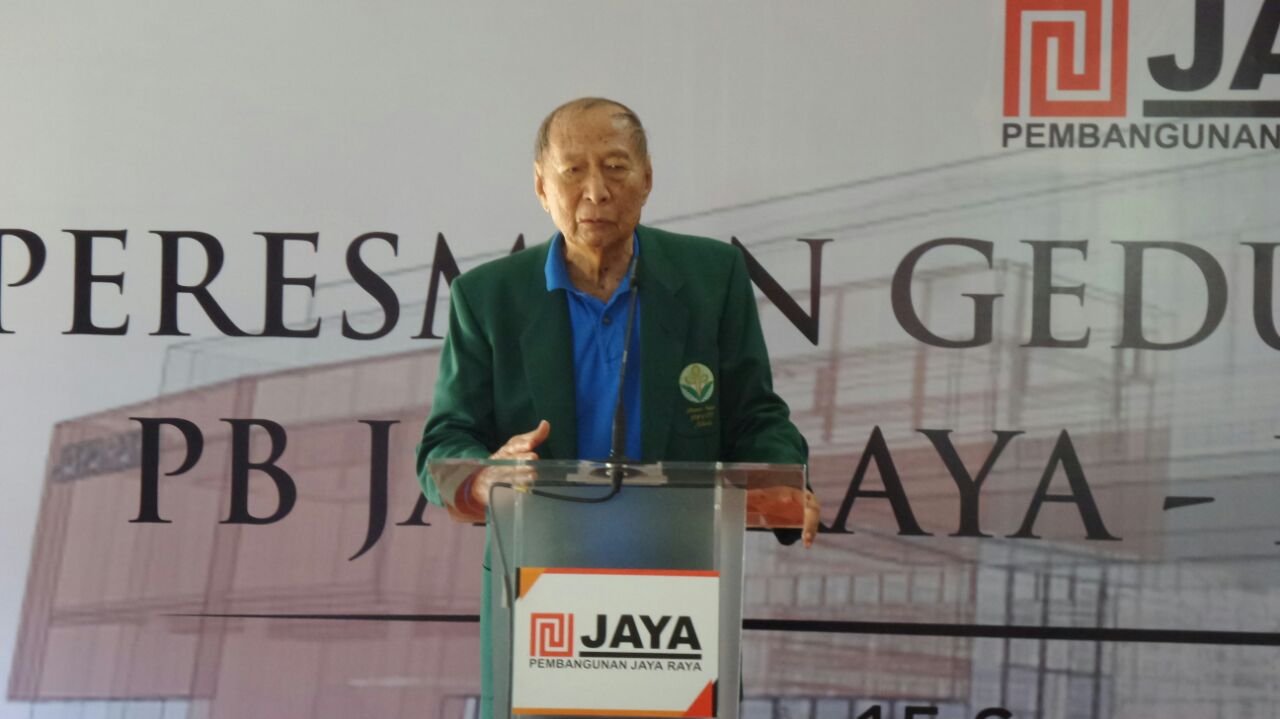 Indonesia · Business
1931—2019
Ciputra
Property developer and founder of Ciputra GroupAn architect and urban developer who built three major property groups and made entrepreneurship education, art and sport part of his legacy.Read biographyQuick answers
Common questions
- What caused Indonesia’s 1997–1998 financial crisis?
- Regional contagion exposed weak bank supervision, connected lending and large short-term foreign-currency debts. Rupiah depreciation enlarged corporate debts, undermined banks and produced a severe loss of confidence.
- How much did Indonesia’s economy shrink in 1998?
- World Bank sources report that Indonesian output contracted by about 13 per cent in 1998, the deepest fall among the major East Asian crisis economies.
- When did Indonesia ask the IMF for help?
- The IMF approved a three-year US$10 billion stand-by arrangement on 5 November 1997 as part of a larger international support package.
- Did the financial crisis cause Suharto to resign?
- The collapse weakened the economic legitimacy and political coalition of the New Order. Student protest, the Trisakti shootings, May riots and elite defections then produced the immediate pressure that led Suharto to resign on 21 May 1998.
- How did Indonesia recover from the crisis?
- Recovery combined bank recapitalisation, corporate-debt restructuring, exchange-rate stabilisation, social support and renewed exports with political reform. Growth returned gradually, while the IMF programme continued until 2003.
Primary and institutional sources
How this history was checked
Dates, legal milestones and historical claims are checked against the official and institutional records below. This article was reviewed on 2 October 2026.
- International Monetary FundRecovery from the Asian Crisis and the Role of the IMF
- International Monetary FundIndonesia Letter of Intent, 29 July 1998
- International Monetary FundIndonesia: Anatomy of a Banking Crisis, 1997–1999
- World BankEast Asia: Recovery and Beyond
- Bank IndonesiaHistory of Bank Indonesia: The 1997 Asian Financial Crisis
- Bank IndonesiaBank Indonesia Policy in Responding to the 1997–1998 Crisis
- National Commission on Human Rights of IndonesiaTrisakti Tragedy and the May Riots