
The short answer
Indonesia’s national story links anticolonial wars, modern political organisation, occupation, revolution, authoritarian development and democratic reform. This timeline keeps the key dates visible while connecting them to the people and debates that give each transition meaning.
Chronology
A timeline of the turning points
The Java War
Prince Diponegoro led a large rebellion against Dutch colonial intervention before being captured and exiled.
The National Awakening milestone
Budi Utomo was founded at STOVIA, later commemorated as the beginning of organised national awakening.
The Youth Pledge
Youth organisations affirmed one homeland, one nation and Indonesian as a shared language.
Japanese occupation
Japan overthrew Dutch rule, mobilised political and military networks and imposed forced labour and severe hardship.
Independence is proclaimed
Sukarno and Mohammad Hatta declared an independent republic after Japan’s surrender.
Revolution and sovereignty
War, diplomacy and UN mediation ended with Dutch transfer of sovereignty in December 1949.
The Bandung Conference
Indonesia hosted twenty-nine Asian and African governments in a landmark postcolonial meeting.
Guided Democracy
Sukarno restored the 1945 Constitution and concentrated political authority amid growing military and communist influence.
Mass violence and transfer of power
The 30 September Movement was followed by mass killings and detention as Suharto displaced Sukarno.
The New Order
Suharto’s authoritarian developmental state delivered economic change while restricting opposition and committing major abuses.
The Asian financial crisis
Rupiah collapse, bank failures and a 13 per cent economic contraction shattered the New Order’s developmental legitimacy.
Reformasi begins
Economic crisis and mass protest forced Suharto to resign, opening a rapid democratic transition.
Institutions are rebuilt
Competitive elections, constitutional amendments, decentralisation and a settlement of East Timor’s status reshaped the state.
Bali bombings and Aceh peace
Indonesia expanded democratic counter-terrorism after the 2002 attacks and signed the Helsinki agreement ending the long Aceh conflict in 2005.
The first direct presidential election
Voters elected Susilo Bambang Yudhoyono, replacing assembly selection with a direct national mandate.
A new presidential transition
Prabowo Subianto became Indonesia’s eighth president after a sixth consecutive direct election cycle.
How should an Indonesia history timeline be read?
A national timeline is a map, not the whole territory. It can connect major institutional changes, but dates selected by the state or later historians do not capture every region, community or experience in an archipelago of thousands of islands.
This guide uses turning points that already connect to source-led biographies and deeper explainers. It distinguishes proclamation from recognition, formal office from effective power and a legal transition from the social change that follows it.
From colonial war to national organisation
The Java War showed the scale of resistance that Dutch intervention could provoke, but Diponegoro’s coalition did not yet use the later national institutions or language of Indonesia. By the early twentieth century, schools, newspapers, unions, Islamic associations and political parties were creating new forms of collective action.
Kartini’s letters, Ki Hajar Dewantara’s educational movement, Sarekat Islam, communist organising, Perhimpunan Indonesia and the PNI represent different routes into modern nationalism. Their disagreements over religion, class, mass action and cooperation were part of the process, not a footnote to it.
Why 1945 and 1949 are both essential
Indonesia dates independence to the proclamation of 17 August 1945. The republic established a constitution and government immediately, but Dutch authorities rejected its sovereignty and attempted to restore colonial rule.
The resulting revolution combined guerrilla war, conventional fighting, negotiation and international pressure. The 1949 transfer of sovereignty recognised a political fact Indonesians claimed in 1945. Collapsing the two moments into one obscures either republican agency or the cost of securing recognition.
Sukarno, Bandung and Guided Democracy
The 1950s began with parliamentary politics and ended with Guided Democracy. The 1955 election and Bandung Conference displayed political pluralism and international ambition, yet cabinet instability, regional rebellion and conflict among parties, the army and the presidency weakened the parliamentary system.
Sukarno’s 1959 return to the 1945 Constitution concentrated authority. His attempt to balance nationalism, religion and communism ended amid the 1965 crisis, mass violence against alleged communists and the military rise of Suharto.
The New Order: development and coercion
The New Order stabilised inflation, attracted investment and expanded infrastructure, education and public health. It also concentrated power through the army, bureaucracy and Golkar, restricted media and opposition, and made patronage central to political economy.
The 1965–1966 mass killings, occupation of East Timor and abuses in several regions are integral to the period. Economic gains and state capacity cannot be used to erase victims, just as an account of repression should still explain why the regime retained social support for long periods.
What changed after Reformasi?
After Suharto resigned in 1998, constitutional amendments limited the presidency, strengthened elections and created new institutions. Decentralisation transferred substantial authority to provinces and districts, while the military’s formal political role was reduced.
Democratic competition did not end corruption, oligarchic influence, identity conflict or pressure on civil liberties. Reformasi is best understood as an institutional transformation with continuing disputes over accountability, inequality and the quality of representation.
Whose histories are missing from a national chronology?
A Jakarta-centred sequence can understate Aceh, Papua, Kalimantan, Sulawesi, Maluku, Bali, the eastern islands and the political lives of Chinese Indonesians and many other communities. It can also make presidents appear to act alone when organisers, teachers, diplomats, workers, artists and athletes carry national change.
The connected biographies on Biography Compass are designed to correct that compression over time. Each new country cluster should widen geography, gender, profession and source type rather than merely add more office-holders.
Continue the chronology
Related history guides
Presidents of Indonesia
Compare all eight presidents, their exact terms, vice presidents, routes to office and constitutional transitions.
Read the timeline1945–presentVice Presidents of Indonesia
Compare fourteen numbered terms, periods of vacancy, succession and the move from MPR selection to direct tickets.
Read the timeline1825–1830The Java War
Examine the nineteenth-century war and Diponegoro’s surviving autobiographical archive.
Read the timeline1945–1949Indonesian Independence
Follow the proclamation, revolution, diplomacy and sovereignty transfer in detail.
Read the timeline1965–1998Indonesia’s New Order Era
Separate the rise of Suharto, state-led development, repression and the crisis that ended his rule.
Read the timeline1997–1999The Asian Financial Crisis in Indonesia
Follow the rupiah collapse, bank restructuring, social hardship and economic shock that accelerated political change.
Read the timeline1997–2004Reformasi and Democratic Transition
Trace constitutional change, decentralisation and the move to direct presidential elections.
Read the timeline2004–2024Indonesian Presidential Elections
Compare official results, candidates and constitutional disputes across every direct presidential contest.
Read the timeline12 October 2002The 2002 Bali Bombings
Examine the victims, investigation, trials and regional security changes after the Kuta attacks.
Read the timeline15 August 2005The Aceh Peace Agreement
See how autonomy, demobilisation and international monitoring ended nearly thirty years of organised conflict.
Read the timelineConnected biographies
Five lives spanning resistance, national thought, state-building and democratic transition

1785—1855
Prince Diponegoro
Javanese prince and leader of the Java WarA Yogyakarta prince, Islamic leader and anticolonial commander whose Java War reshaped Dutch rule and later Indonesian national memory.Read biography
1879—1904
R. A. Kartini
Writer and advocate of women’s educationA Javanese writer whose private correspondence became a foundational archive of women’s education, colonial modernity and social change in Indonesia.Read biography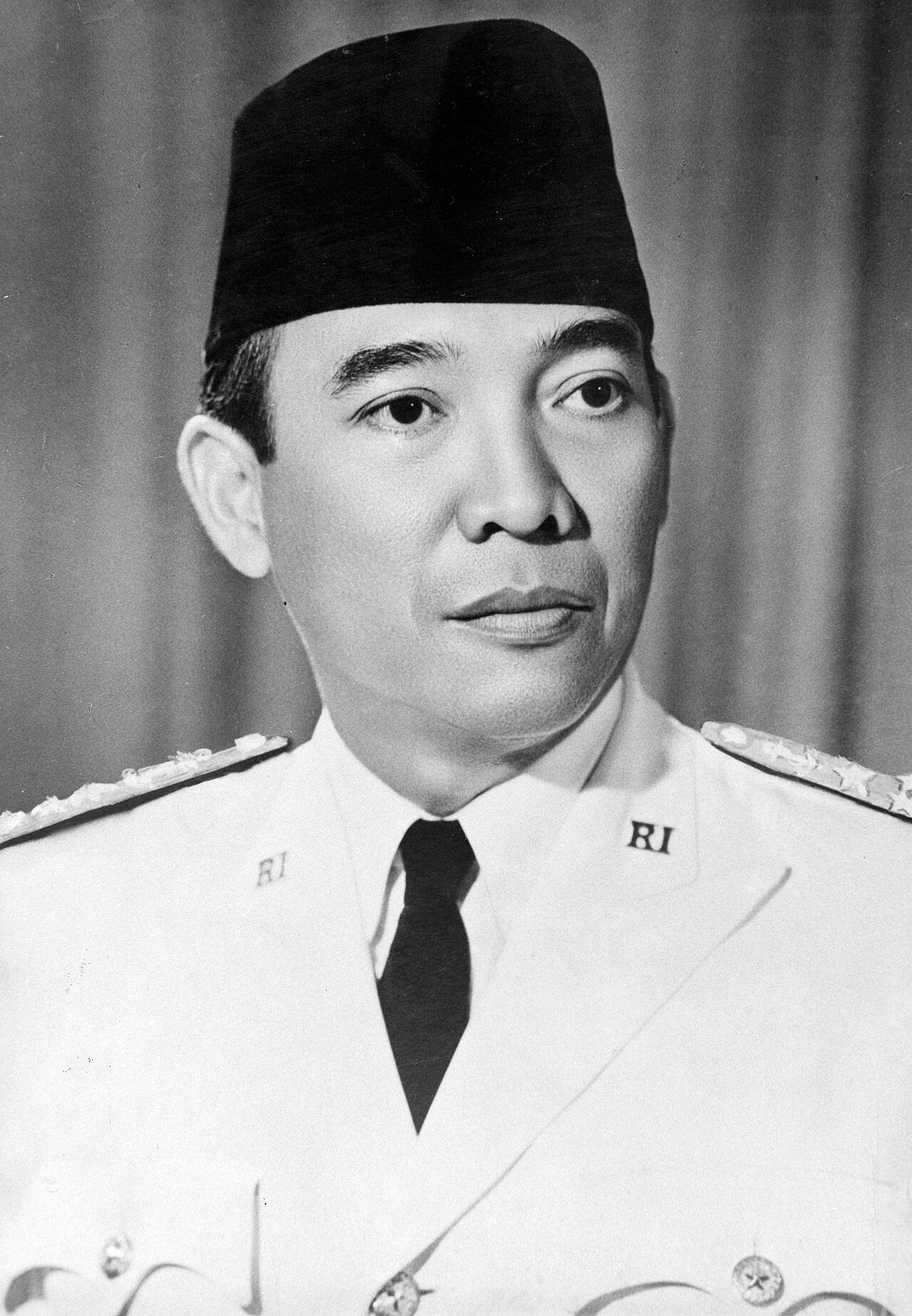
1901—1970
Sukarno
First President of IndonesiaAn independence leader, orator and Indonesia’s first president, who helped unite a vast archipelago around a new republic.Read biography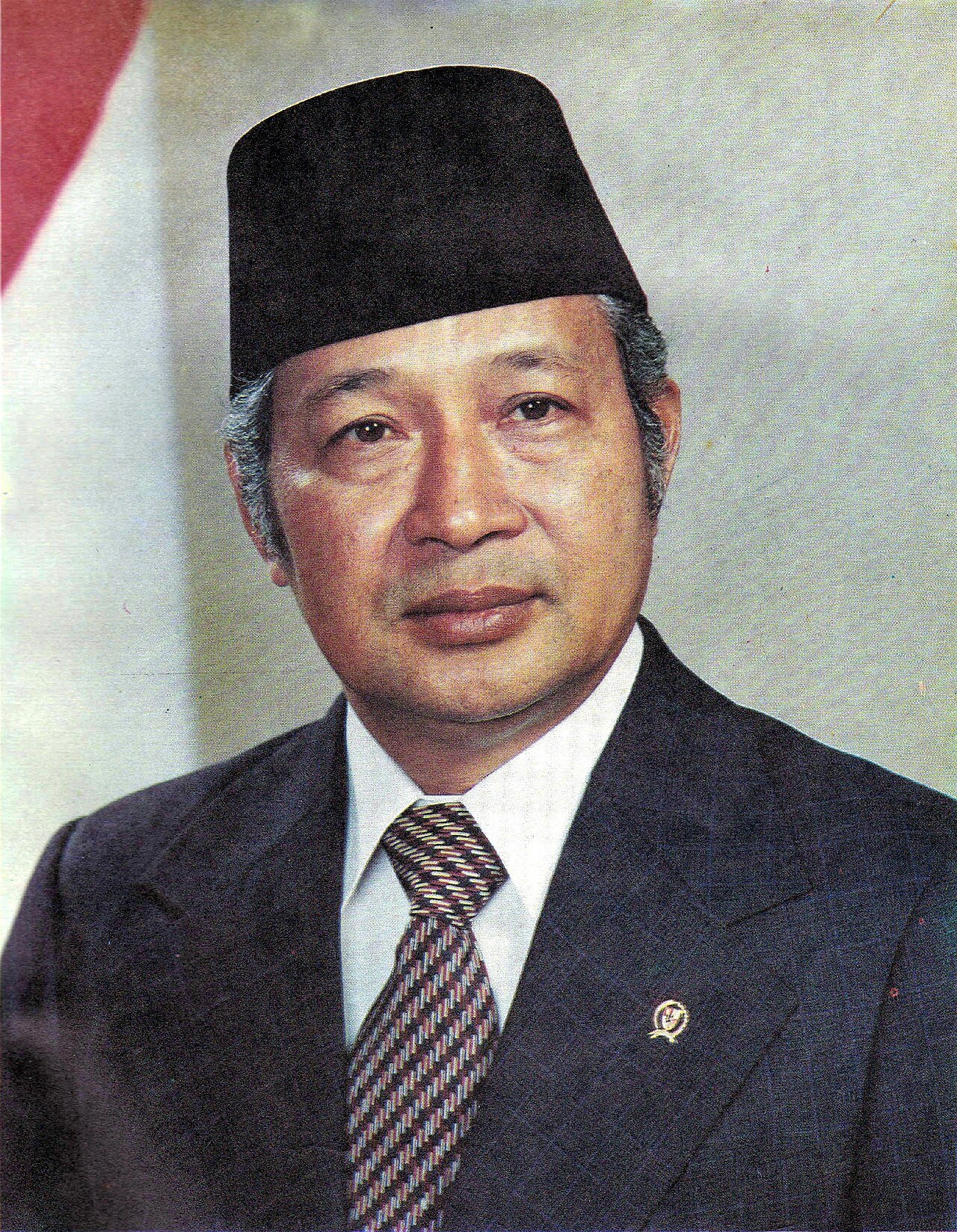
1921—2008
Suharto
Second President of IndonesiaThe army general who displaced Sukarno and led Indonesia’s New Order from 1967 to 1998, combining economic growth with authoritarian rule.Read biography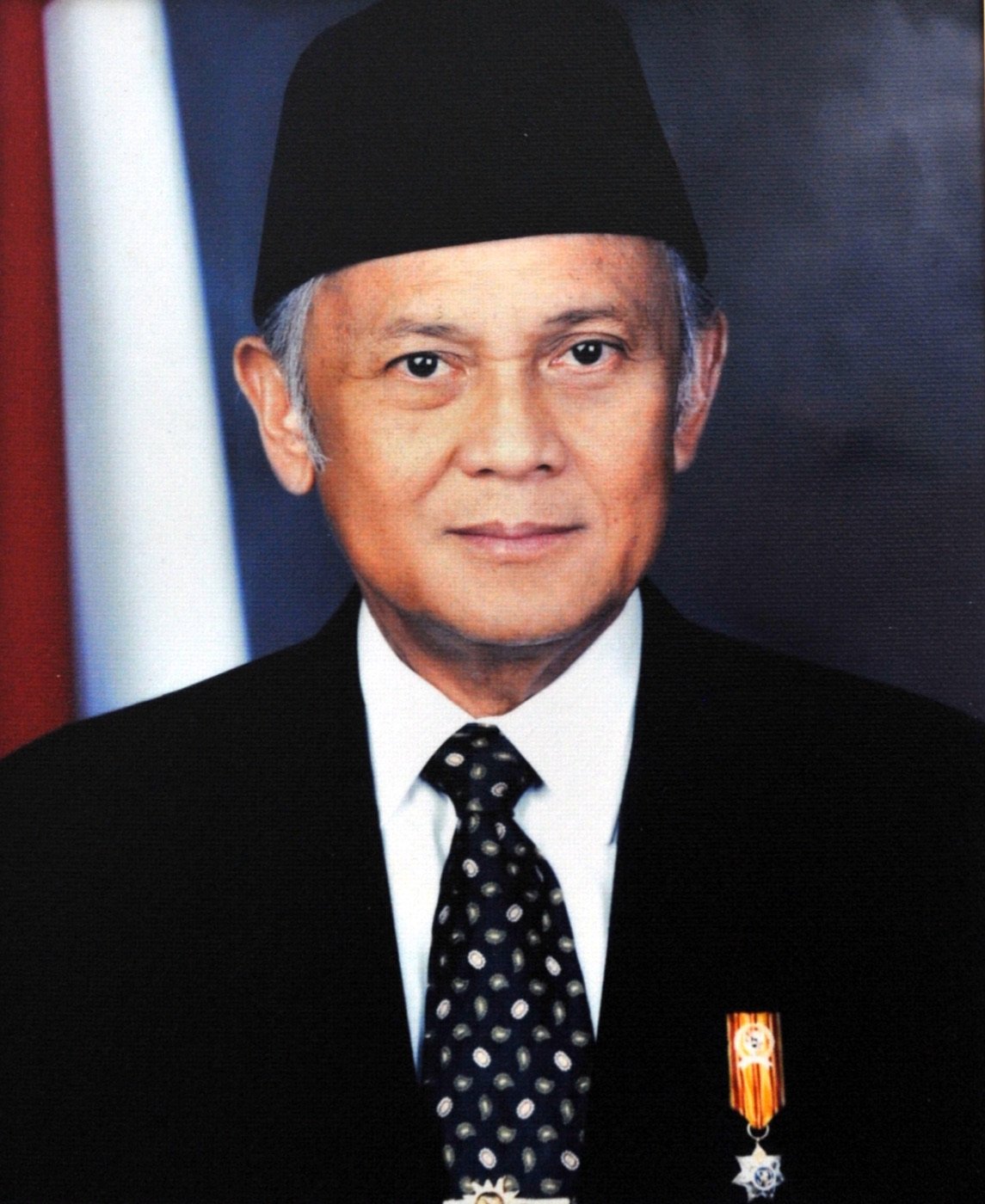
1936—2019
B. J. Habibie
Third President of Indonesia and aerospace engineerIndonesia’s third president was an aerospace engineer whose 1998–1999 government opened elections and press freedoms after Suharto’s resignation.Read biographyQuick answers
Common questions
- When did Indonesia become independent?
- Indonesia proclaimed independence on 17 August 1945. The Netherlands transferred sovereignty after four years of revolution on 27 December 1949.
- What was Indonesia called before independence?
- The territory under Dutch colonial rule was commonly called the Netherlands East Indies or Dutch East Indies.
- What was the Indonesian National Awakening?
- It was the early twentieth-century growth of modern organisations, schools, print networks, unions and parties that developed an Indonesian national movement.
- What was the New Order in Indonesia?
- The New Order was the authoritarian political system led by President Suharto from the late 1960s until his resignation in 1998.
- What does Reformasi mean in Indonesian history?
- Reformasi refers to the movement and transition beginning in 1998 that ended Suharto’s rule and produced competitive elections, constitutional amendments and decentralisation.
Primary and institutional sources
How this history was checked
Dates, legal milestones and historical claims are checked against the official and institutional records below. This article was reviewed on 2 October 2026.
- UNESCOIndonesia: Lists and documentary heritage nominations
- United Nations in IndonesiaIndonesia and the United Nations: membership and milestones
- State Secretariat of IndonesiaThe moments of the 17 August 1945 proclamation
- International Monetary FundIndonesia: From crisis to recovery
- Inter-Parliamentary UnionIndonesia: parliamentary elections and democratic transition