
The short answer
The referendum of 23 June 2016 gave Leave a majority of valid votes across the UK and Gibraltar. It did not itself complete withdrawal from the European Union or choose all the terms of a future relationship. Those decisions unfolded through later governments, legislation and negotiation.
Chronology
A timeline of the turning points
Referendum pledge
Cameron promised a vote if the Conservatives returned to government after the next election.
Majority and legislation
A Conservative majority enabled the government to legislate for the referendum.
Leave won
Leave secured 51.9%; England and Wales voted Leave, Scotland and Northern Ireland Remain.
Cameron left office
Theresa May succeeded him after the Conservative leadership process.
Article 50 notification
May’s government formally began the treaty withdrawal process.
Membership ended
The UK left the EU under the withdrawal agreement and entered a transition period.
Transition ended
A further stage of the change in the UK–EU relationship began.
Party politics helped bring the question to a national vote
Cameron’s promise followed years of Conservative division over Europe and pressure from Eurosceptic voters and politicians. A referendum offered a way to seek a public settlement after renegotiation of Britain’s membership terms. The Conservative majority won in 2015 made the legislative route possible.
Cameron ultimately led Remain. Other Conservatives, alongside campaigners from different parties, supported Leave. The campaign cannot therefore be read as a general election in which government and opposition each took a single position. Party loyalty and referendum preference cut across each other.
The aggregate result was clear, but the country was divided
Leave won 51.9% and Remain 48.1% of valid votes. These are shares of votes cast, not of every resident or every registered elector. The result authorised a political course with a narrow but definite majority in the ballot as conducted.
The Commons Library records Leave at 53.4% in England and 52.5% in Wales, compared with 38.0% in Scotland and 44.2% in Northern Ireland. London also voted Remain. National totals and territorial majorities answer different questions: the aggregate outcome did not mean every nation or region made the same choice.
Geographical patterns do not reveal each individual’s reason
The early parliamentary analysis found associations between Leave voting, earlier UKIP support and the proportion of non-graduates in local areas. Such patterns help describe the result. They cannot identify how every person voted or establish one cause of the decision.
Immigration, sovereignty, economic expectations, party loyalties and assessments of political authority featured in the campaign. A binary vote combined people with different priorities on each side. Treating all Leave or all Remain voters as a single social type substitutes a stereotype for explanation.
The political mandate required later legal steps
Cameron resigned after campaigning unsuccessfully for Remain. Theresa May’s government notified the European Council under Article 50 on 29 March 2017. That notification began the treaty process; it did not happen automatically on referendum night.
Parliament and government then confronted issues the ballot had not specified: withdrawal terms, citizens’ rights, financial obligations and the future relationship, including the position of Northern Ireland. Disagreement over those choices was compatible with accepting that Leave had won the referendum; the result alone did not provide a detailed negotiated text.
Withdrawal and the end of transition were separate milestones
The original expectation of departure in March 2019 gave way to extensions during parliamentary deadlock. After the December 2019 general election, legislation implementing the withdrawal agreement passed. The UK left the EU at 11pm UK time on 31 January 2020.
A transition period continued until the end of December 2020. Distinguishing the 2016 decision, the 2017 notification, the 2020 departure and the end of transition prevents several different constitutional and practical changes from being compressed into one date. The referendum was the opening decision of a process whose terms were still contested.
Sources for this section: [5]
Continue the chronology
Related history guides
Biography context
Explore United Kingdom through connected lives
Connected biographies
The prime minister who called the referendum
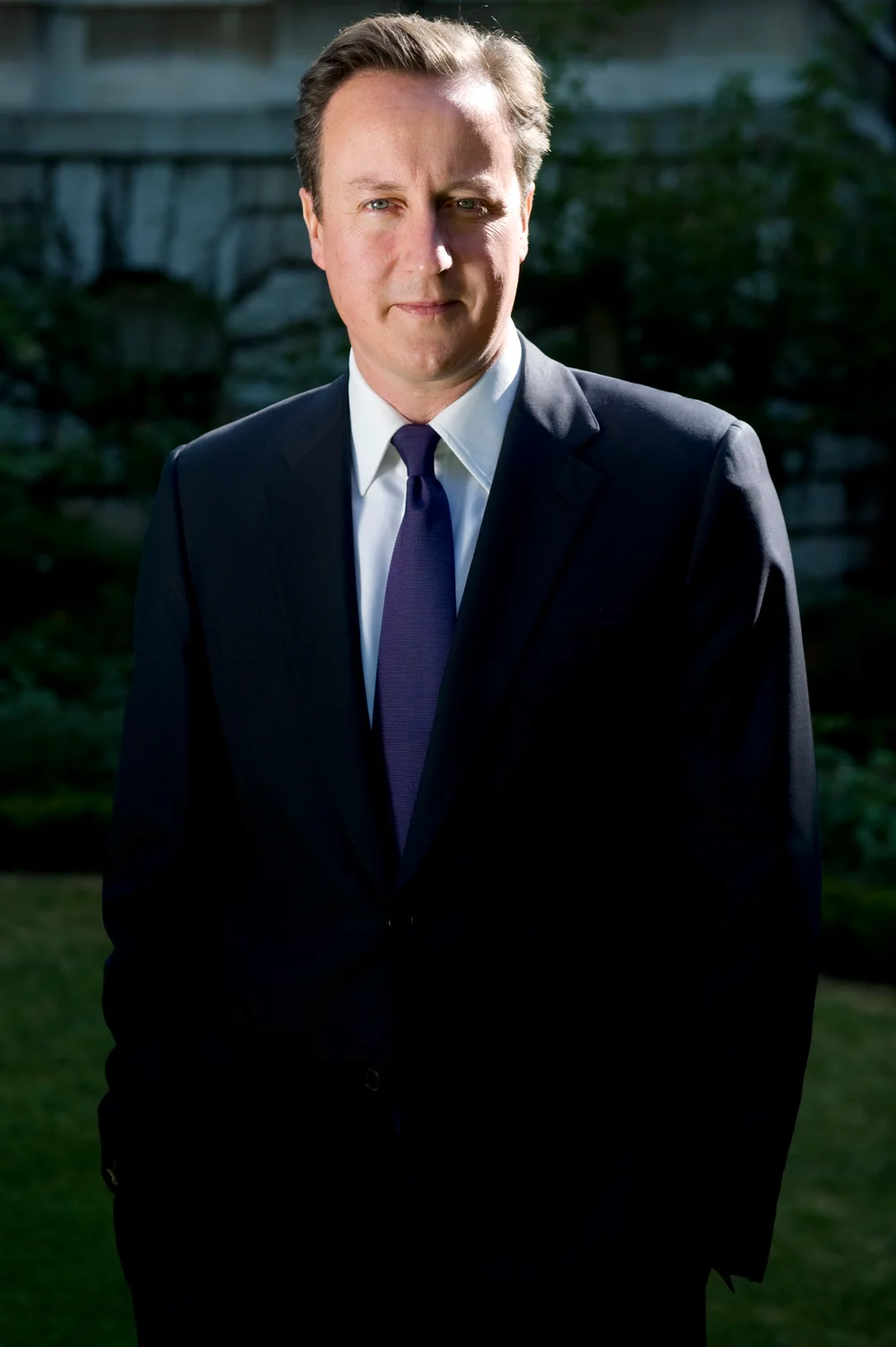
1966–present
David Cameron
Former prime minister and foreign secretaryDavid Cameron led the Conservatives back into government in 2010, first in coalition and then with a majority. His premiership combined public spending restraint and social reform with referendums that culminated in the vote to leave the European Union.Read biographyQuick answers
Common questions
- Did the referendum make the UK leave the EU immediately?
- No. The referendum was in June 2016. Article 50 notification followed in March 2017 and EU membership ended on 31 January 2020.
- Did every UK nation vote Leave?
- No. England and Wales had Leave majorities; Scotland and Northern Ireland had Remain majorities.
- Did the ballot choose a detailed Brexit agreement?
- No. It asked voters to choose between remaining and leaving. The withdrawal terms and future relationship required later political and legal decisions.
Primary and institutional sources
How this history was checked
The Commons Library’s result analysis and public timeline were read directly. The Electoral Commission’s full results page returned 403, so it is retained as the underlying results source cited by the Library, not represented as a downloaded dataset. No individual voter motivations are inferred from aggregate local results. This article was reviewed on 23 October 2026.
- UK Prime Minister’s OfficeDavid Cameron: education and premiership
- Museum of the Prime MinisterDavid Cameron: coalition, austerity and referendums
- House of Commons LibraryBrexit: how did the UK vote? 24 June 2016
- Electoral CommissionResults and turnout at the EU referendum
- House of Commons LibraryBrexit timeline: events leading to the UK’s exit, January 2021
- Wikimedia Commons / Number 10David Cameron: complete 2010 official photograph, CC BY 2.0 and history
- Creative CommonsAttribution 2.0 Generic licence