
The short answer
Franklin D. Roosevelt’s Hundred Days were a burst of legislation, not a single recovery program. The special congressional session of 9 March–16 June 1933 combined emergency action with experiments in relief, employment, agriculture and industry. Some institutions endured, others failed, and implementation continued long after Congress adjourned.
Read the programs by mechanism
Emergency stabilization was not the same as long-term operation
The session authorized tools with different delivery systems and timescales.
| Measure | Immediate mechanism | Implementation distinction |
|---|---|---|
| Emergency Banking Act — 9 March | Bank examination, rehabilitation and emergency currency powers. | Approved banks reopened in stages; not every bank reopened immediately. |
| Federal Emergency Relief Act — 12 May | Federal grants financing state relief and work relief. | State applications, administration and distribution determined delivery. |
| TVA Act — 18 May | A federal corporation for regional resource development. | Dams and power systems required years of work and could displace communities. |
| Banking Act — 16 June | Banking reform and creation of the FDIC. | Temporary deposit insurance began on 1 January 1934. |
Chronology
A timeline of the turning points
Bank holiday and emergency legislation
Banks close temporarily from 6 March; Congress meets and the Emergency Banking Act becomes law on 9 March.
Explanation and staged reopening
Roosevelt’s first fireside chat explains the plan; examined banks reopen in stages beginning 13 March.
Conservation employment takes shape
An emergency employment law supplies authority; Executive Order 6101 establishes Emergency Conservation Work on 5 April, popularly known as the CCC.
Relief and agricultural laws
The Federal Emergency Relief Act funds state relief efforts, while the Agricultural Adjustment Act addresses farm income.
The TVA is created
A federal corporation receives a regional development mission combining flood control, navigation, electricity and land improvement.
Industrial recovery and banking reform
The session closes with major laws including the NIRA and Banking Act; FDIC insurance begins the following January, not that day.
The Hundred Days were a legislative window
Roosevelt took office on 4 March 1933 as banks failed, unemployment spread and relief resources ran short. The period later called the Hundred Days refers to Congress’s special session, 9 March–16 June. It was a concentrated opportunity to authorize new powers and spending, rather than a promise that recovery would be complete by a deadline.
Presidential leadership mattered, but Congress enacted the laws and administrators had to turn them into functioning programs. Some proposals also had earlier roots: Treasury staff under Herbert Hoover had prepared the emergency banking legislation. The administration combined those tools with new initiatives. This helps explain the session’s speed and variety without treating every policy as a fully formed presidential invention.
Reopening banks came before deposit insurance operated
A national bank holiday began on 6 March. The Emergency Banking Act, signed on 9 March, authorized examination and rehabilitation measures and expanded access to emergency currency. Roosevelt used his 12 March fireside chat to explain why reopened banks could be trusted. Reopening began on 13 March in Federal Reserve cities, followed by other locations as examiners approved banks.
Depositors returned substantial cash, easing the immediate panic. Longer-term reform followed in the Banking Act of 16 June, which created the Federal Deposit Insurance Corporation and separated banking and securities activities. The temporary insurance system began on 1 January 1934. Its later start matters: insurance was an institution authorized during the session, not the mechanism that had already reopened banks in March.
Relief grants and conservation camps answered different needs
The Federal Emergency Relief Act of 12 May authorized up to $500 million through the Reconstruction Finance Corporation. Its grants supported states in providing relief and work relief, including money, services, materials and necessities. Federal financing enlarged resources available beyond strained local budgets; it did not create one uniform federal job for every unemployed person.
Conservation employment followed another route. Congress supplied emergency employment authority on 31 March, and Executive Order 6101 established Emergency Conservation Work on 5 April. Popularly known as the Civilian Conservation Corps, the program put young men to work on forests, trails and other public resources. By mid-May a camp was operating in Rocky Mountain National Park. Labor selection, Army logistics and land-management supervision required several departments to cooperate.
Rural policy joined farm support with regional development
The Agricultural Adjustment Act, signed on 12 May, sought to raise farm purchasing power. Its production-adjustment provisions used agreements and payments to reduce acreage or output. This addressed the problem of depressed agricultural prices through a different mechanism from direct household relief. The law’s passage began an administrative process involving contracts and decisions about particular commodities.
The Tennessee Valley Authority Act followed on 18 May. It created a federal corporation with responsibilities for navigation, flood control, electricity, reforestation and regional development. Dams and power systems required construction over years, not completion within the Hundred Days. They brought opportunities but also costs: communities could be displaced for reservoirs, showing how a national development policy could impose concentrated local hardship.
Industrial recovery combined codes with public works
The National Industrial Recovery Act of 16 June followed a different theory: government-supervised cooperation within industries could stabilize an economy damaged by collapsing demand and competition. It authorized codes dealing with wages, hours and business practices, while recognizing employees’ rights to organize and bargain collectively. The National Recovery Administration put the code system into operation.
Another part of the act authorized a public-works program, the basis for the Public Works Administration. Industry regulation and construction spending were separate tools even though they shared legislation. Codes required negotiation and enforcement, while public projects needed planning and contracts. Congress’s final-day action therefore set a framework in motion; it did not instantly deliver all the employment or bargaining power its supporters anticipated.
The consequences included revision, defeat and later reforms
The initiatives did not have equal durability. Banking insurance and the TVA became lasting institutions, while industrial codes attracted conflicting demands from employers and labor. In 1935 the Supreme Court invalidated the NIRA’s compulsory-code system in Schechter Poultry. A measure’s rapid passage in 1933 was no guarantee of administrative success or constitutional survival.
Relief and recovery also remained unfinished. The Works Progress Administration and Social Security Act belonged to 1935, not the initial session. Further legislation, monetary changes, private activity and eventually wartime mobilization shaped the economic outcome. The Hundred Days established a more active federal response and several mechanisms for action, but neither a single program nor Roosevelt alone accounts for the nation’s eventual recovery.
Continue the chronology
Related history guides
Biography context
Explore United States through connected lives
Franklin D. Roosevelt
Place the 1933 session within Roosevelt’s state career, later reforms and wartime presidency.
Explore the biographiesLabor secretaryFrances Perkins
Read about a cabinet member whose role in economic security extended beyond the initial Hundred Days.
Explore the biographiesConnected biographies
People behind the expanding federal response
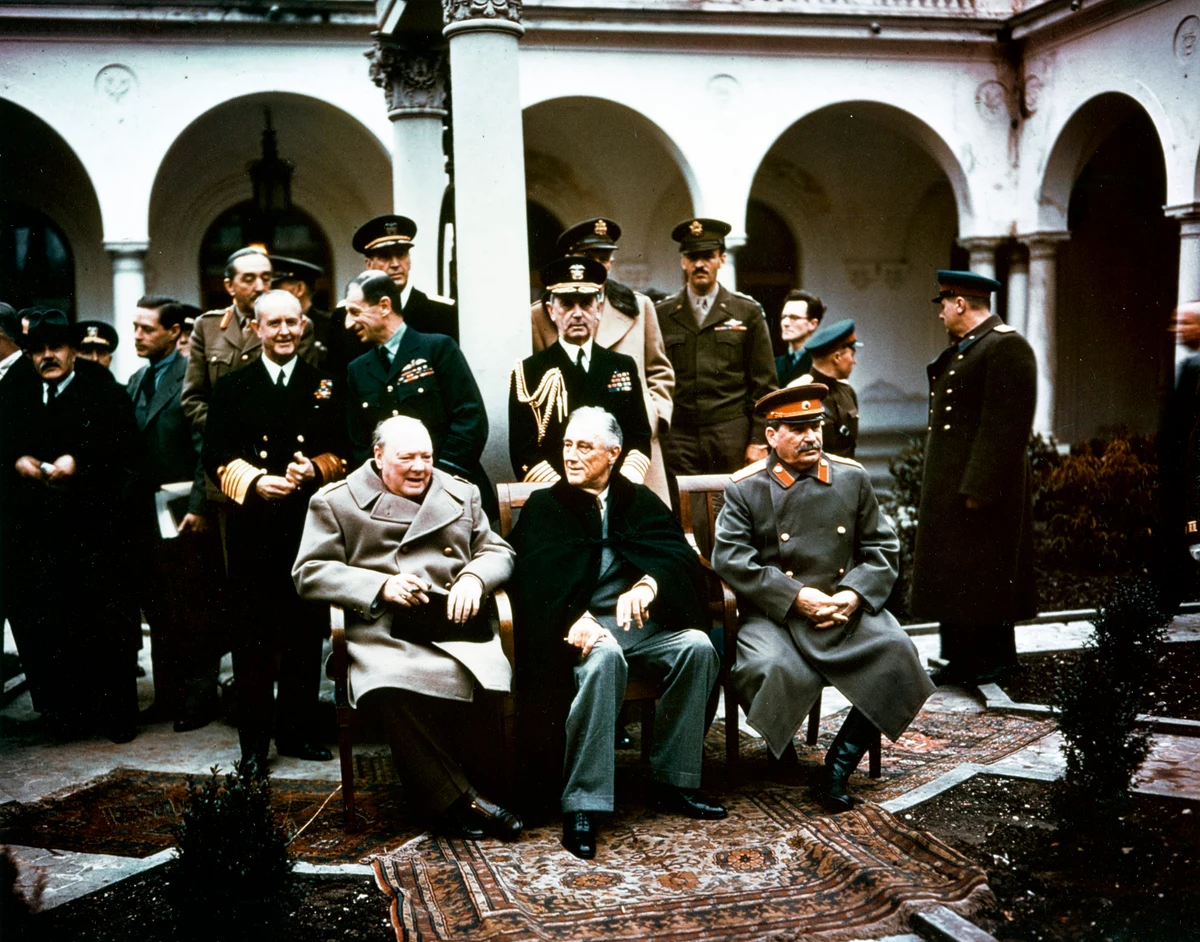
1882–1945
Franklin D. Roosevelt
32nd president of the United States and New Deal political leaderA New York politician whose presidency expanded federal responsibility for economic security and led the United States through depression and most of World War II.Read biography
1880–1965
Frances Perkins
U.S. secretary of labor and social insurance reformerA social worker and labor administrator who brought years of workplace investigation into the New Deal, helping establish national protections against economic insecurity.Read biographyQuick answers
Common questions
- What dates does the Hundred Days label cover?
- It refers to the special congressional session of 9 March–16 June 1933. Roosevelt’s inauguration was on 4 March, so the legislative period was not simply the first hundred calendar days counted from his oath.
- Did the March banking law create operating deposit insurance?
- No. The 9 March Emergency Banking Act supported examination, rehabilitation and reopening. The 16 June Banking Act created the FDIC, and its temporary insurance system began on 1 January 1934.
- Were the CCC, FERA and PWA interchangeable work programs?
- No. Conservation work used camps and interdepartmental administration; FERA financed state relief and work relief; PWA financed larger public-works projects. Their eligibility, delivery and practical timescales differed.
- Were Social Security and the WPA created during the Hundred Days?
- No. Both belonged to 1935. They demonstrate that New Deal institution-building continued after the 1933 special session rather than arriving as one completed package.
Primary and institutional sources
How this history was checked
Primary statutes and agency histories distinguish authorization, administration and later results. Dates refer to historical events, not present-day program rules. This article was reviewed on 21 October 2026.
- National Park ServiceTimeline of Franklin D. Roosevelt’s Life
- Federal Reserve HistoryEmergency Banking Act of 1933
- Federal Deposit Insurance Corporation1930–1939: Banking and Deposit Insurance History
- Virginia Commonwealth University LibrariesFederal Emergency Relief Act of 1933: Historical Statute
- National ArchivesRecords of the Civilian Conservation Corps: Administrative History
- National Park Service — Rocky MountainCivilian Conservation Corps
- National Park ServiceFort Vancouver Barracks: CCC District Headquarters
- Federal Reserve Bank of St. Louis — FRASERAgricultural Adjustment Act: Full Historical Text
- National ArchivesTennessee Valley Authority Act (1933)
- National ArchivesNational Industrial Recovery Act (1933)
- Franklin D. Roosevelt Presidential Library and MuseumFDR Biography
- Social Security AdministrationThe Social Security Act of 1935