
The short answer
The 1975 revolution replaced the monarchy with a one-party socialist republic. Early controls and collectivisation produced disruption and resistance; the New Economic Mechanism adopted in 1986 kept the political system while moving economic management toward markets, private enterprise and foreign investment.
Chronology
A timeline of the turning points
Vientiane peace agreement
A ceasefire and coalition attempted to end the civil war.
Regional balance collapsed
Communist victories in Cambodia and Vietnam transformed the position of Lao factions.
Vientiane came under Pathet Lao control
Revolutionary forces completed a largely uncontested transfer in the capital.
Lao PDR proclaimed
The monarchy ended; Souphanouvong became president and Kaysone Phomvihane prime minister.
Socialist transformation accelerated
The state expanded controls, promoted agricultural collectivisation and restricted private trade.
Policy adjustment began
The government eased parts of collectivisation after resistance, poor output and economic disruption.
New Economic Mechanism adopted
The party introduced market pricing, enterprise autonomy and a wider role for private and foreign investment.
First constitution of the Lao PDR
A constitution formalised the state framework while preserving the party’s leading role.
How did the monarchy end in 1975?
The 1973 coalition did not remove the separate political and military structures of the Royal Lao Government and Pathet Lao. When communist forces won in Cambodia and Vietnam in 1975, external support for the royal side collapsed and the Pathet Lao moved rapidly into national control.
King Sisavang Vatthana abdicated and a national congress proclaimed the Lao People’s Democratic Republic on 2 December. Souphanouvong became president, while party leader Kaysone Phomvihane became prime minister and the central decision-maker.
What changed under the new republic?
The Lao People’s Revolutionary Party established a one-party system aligned closely with Vietnam. Former officials and members of the royal family were sent to re-education camps, and many Lao citizens left the country during the postwar years.
The government nationalised or tightly controlled major activity, restricted trade and encouraged agricultural cooperatives. Limited administrative capacity, damaged infrastructure and the loss of skilled workers made implementation difficult.
Why did early socialist policies change?
Collectivisation met resistance and failed to produce the expected increases in food and revenue. By 1979 the government began allowing more family farming and local trade, an early acknowledgement that the initial model was not working as intended.
Laos also depended heavily on aid from socialist partners. Economic difficulty across the Soviet bloc and reform in neighbouring Vietnam encouraged a more systematic reassessment during the 1980s.
What was the New Economic Mechanism?
At the party congress in 1986, the government adopted the New Economic Mechanism. Reforms reduced administered prices and subsidies, gave state enterprises more autonomy, recognised private activity and sought foreign investment.
The programme did not end one-party rule or remove state ownership from strategic sectors. It changed the method of economic management, creating the environment in which later Lao companies, banks, tourism services and regional infrastructure projects expanded.
Continue the chronology
Related history guides
Biography context
Explore Laos through connected lives
Laos Biographies
Explore all 15 sourced lives across politics, business, sport and culture.
Explore the biographiesPolitics collectionLao Political Leaders
Compare the figures who shaped revolution, one-party government and later diplomacy.
Explore the biographiesBusiness collectionLao Business Builders
Connect the 1986 reform turn to founders who built firms in the emerging market economy.
Explore the biographiesConnected biographies
Five lives across revolution, reform and the later state

1920—1992
Kaysone Phomvihane
Revolutionary leader, prime minister and presidentThe revolutionary organiser who led the Lao People’s Revolutionary Party, became the Lao PDR’s first prime minister and later president.Read biography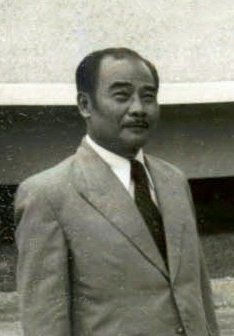
1909—1995
Souphanouvong
Revolutionary leader and first president of the Lao PDRThe prince, engineer and Pathet Lao leader who became the first president of the Lao People’s Democratic Republic in 1975.Read biography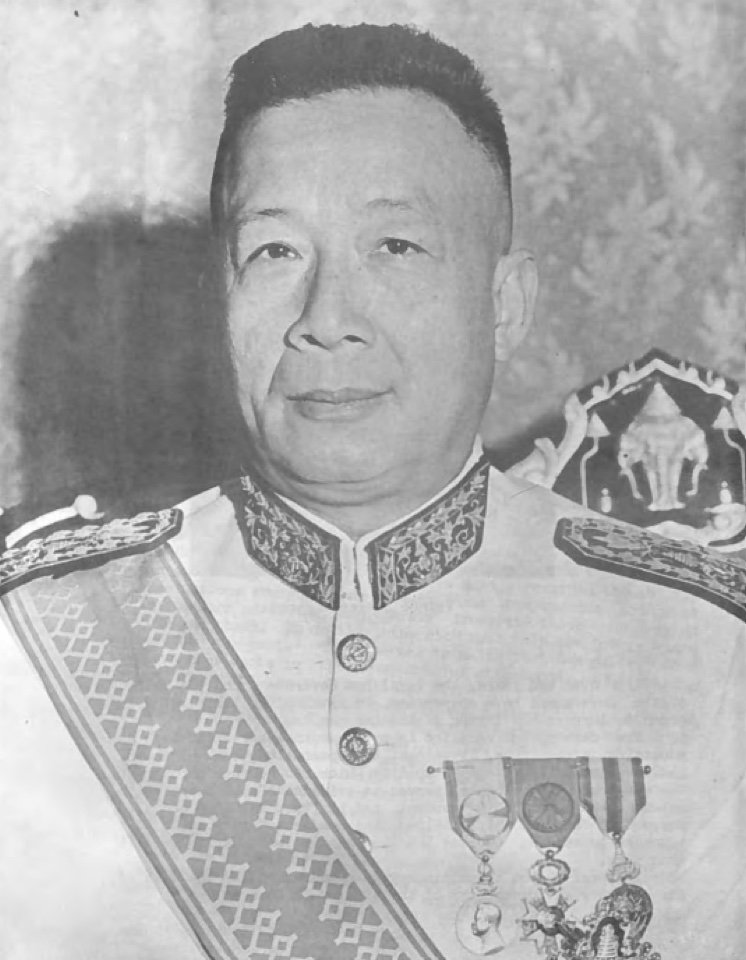
1907—death date uncertain
Sisavang Vatthana
Last king of LaosThe last king of Laos, whose reign crossed coalition politics, civil war, the Pathet Lao victory and the abolition of the monarchy.Read biography1948—
Leuang Litdang
Founder of Dao-Heuang GroupThe entrepreneur who began Dao-Heuang as a small import-export business and built a diversified Lao group closely identified with coffee.Read biography
1945—
Thongloun Sisoulith
President and LPRP general secretaryThe diplomat and former prime minister who became Laos’s party general secretary and president in 2021 and was re-elected in 2026.Read biographyQuick answers
Common questions
- When was the Lao PDR founded?
- The Lao People’s Democratic Republic was proclaimed on 2 December 1975 after the monarchy was abolished.
- Who led Laos after the 1975 revolution?
- Souphanouvong became president, while Kaysone Phomvihane served as prime minister and led the ruling party.
- What was the New Economic Mechanism?
- It was the reform programme adopted in 1986 to expand market pricing, enterprise autonomy, private activity and foreign investment within the socialist state.
- Did the 1986 reforms end one-party rule?
- No. The reforms changed economic management, while the Lao People’s Revolutionary Party retained its leading political role.
- Why is 1986 important to Lao business history?
- The reforms created more room for private companies and international investment, helping later firms develop in consumer goods, services, finance and technology.
Primary and institutional sources
How this history was checked
Dates, legal milestones and historical claims are checked against the official and institutional records below. This article was reviewed on 2 October 2026.