
The short answer
Before the Hague settlement came a harder preliminary question: how could a displaced republican government return and negotiate while war continued? The May statements set out reciprocal promises; the subsequent documents reveal the work needed to implement them.
Separate stages
From political assurances to a sovereignty settlement
Each document answered a different question.
| Stage | Main purpose | What not to infer |
|---|---|---|
| 7 May statements | Restore a basis for talks and governmental return. | Not an immediate sovereignty transfer. |
| June implementation drafts | Work out military orders and joint supervision. | Blank dates do not establish a completed ceasefire. |
| Hague settlement | Agree the terms for sovereignty transfer. | Not Indonesia’s original 1945 proclamation. |
Chronology
A timeline of the turning points
Draft terms still require approval
The diplomatic telegram records unresolved territorial wording and consultation with the republican leadership.
Maguwo assurances are negotiated
Private letters address civilian airport use, arms restrictions and UN observation.
Both delegations accept the statements
The UN-mediated public meeting confirms the reciprocal political commitments.
Operational implementation is still being drafted
Documents address military orders, patrol zones and joint supervision; effective dates remain blank in the reproduced drafts.
The final settlement follows
The Hague conference and December sovereignty transfer are later stages, not events completed on 7 May.
What was agreed on 7 May 1949?
The Roem–Van Roijen Agreement was a set of reciprocal statements confirmed in Batavia, now Jakarta, on 7 May 1949 under the United Nations Commission for Indonesia. Mohammad Roem chaired the republican delegation; Jan Herman van Roijen chaired the Dutch delegation. English-language records also use Mohammed Rum and Van Royen, which explains the different spellings in accounts of the same negotiations.
The agreement reopened a route from armed conflict to negotiation. It linked the republican government’s return to Yogyakarta, an end to hostilities and participation in a conference on sovereignty. It did not itself transfer sovereignty or replace Indonesia’s independence proclamation of 17 August 1945.
The republican commitments were conditional and political
Roem conveyed assurances authorised by President Sukarno and Vice President Mohammad Hatta. They favoured an order to republican armed supporters to end guerrilla warfare, cooperation in restoring peace and public order, and participation in a Round Table Conference in The Hague. They undertook to urge the republican government to adopt that policy after its restoration at Yogyakarta.
That sequence mattered. The delegation was not announcing that an already restored government had issued every operational order. The 5 May negotiating telegram still described proposed wording, consultation with the detained leaders on Bangka and approval required from both sides. Reading that draft alongside the final statements avoids turning a negotiating assurance into an immediately completed ceasefire.
What the Netherlands promised in return
The Dutch statement accepted the republican government’s return and the restoration of the Yogyakarta residency to its administration. It also committed to stopping military operations and releasing political prisoners arrested since 17 December 1948. Joint committees under UN auspices would work on the return, cessation of guerrilla warfare and cooperation in maintaining order.
These undertakings addressed a practical obstacle to a conference: the republic needed an operating government able to consult its supporters and participate as a political actor. They did not settle every issue of representation, military deployment or Indonesia’s future federal structure. Those questions required further negotiations rather than disappearing with the May announcement.
Why Maguwo Airport almost held up the settlement
The May diplomatic record shows how a seemingly technical question could affect the whole agreement. On 5 May, the parties still disagreed over the territory to be restored around Yogyakarta and the inclusion of Maguwo Airport. By the morning of 7 May, Dutch approval depended on assurances about how that airfield would be used.
The representatives agreed to exchange private letters limiting Maguwo to civilian use, excluding arms traffic and military aircraft except in distress, and providing for UN military observation. The evening telegram confirms that this exchange followed the public meeting. The airport arrangement belonged to the implementation bargain, not to a claim that the May statements had already resolved Indonesia’s territorial sovereignty.
Why the statement date is not the ceasefire date
At the 7 May meeting, both delegation chairs confirmed their acceptance of the statements. They then planned committees to address the remaining work. The atmosphere reported by American mediator H. Merle Cochran was optimistic, but his assessment is a participant’s report rather than proof that fighting stopped everywhere that evening.
A 16 June telegram reproduces draft implementation documents: cease-hostilities orders, a joint proclamation, patrol arrangements and a proposed central joint board with UN participation. The orders still contained blank effective dates. That documentary detail demonstrates why the political agreement, the return of government and the operational enforcement of a truce must be tracked separately.
How it differs from the Round Table Conference
The May agreement dealt with the conditions that made renewed talks possible. The later Round Table Conference, held from 23 August to 2 November in The Hague, negotiated the final sovereignty settlement, including the federal arrangement, financial obligations and the unresolved New Guinea question. Its implementation followed on 27 December 1949.
For a biography of Hatta or Sukarno, the distinction is important: the republican leaders authorised Roem’s assurances in May, while Hatta subsequently led the republican delegation at The Hague. Roem and Van Roijen negotiated a preliminary political opening; neither the independence proclamation nor the final transfer should be attributed to the 7 May statements alone.
Continue the chronology
Related history guides
Connected biographies
The republican leadership and the earlier diplomatic setting
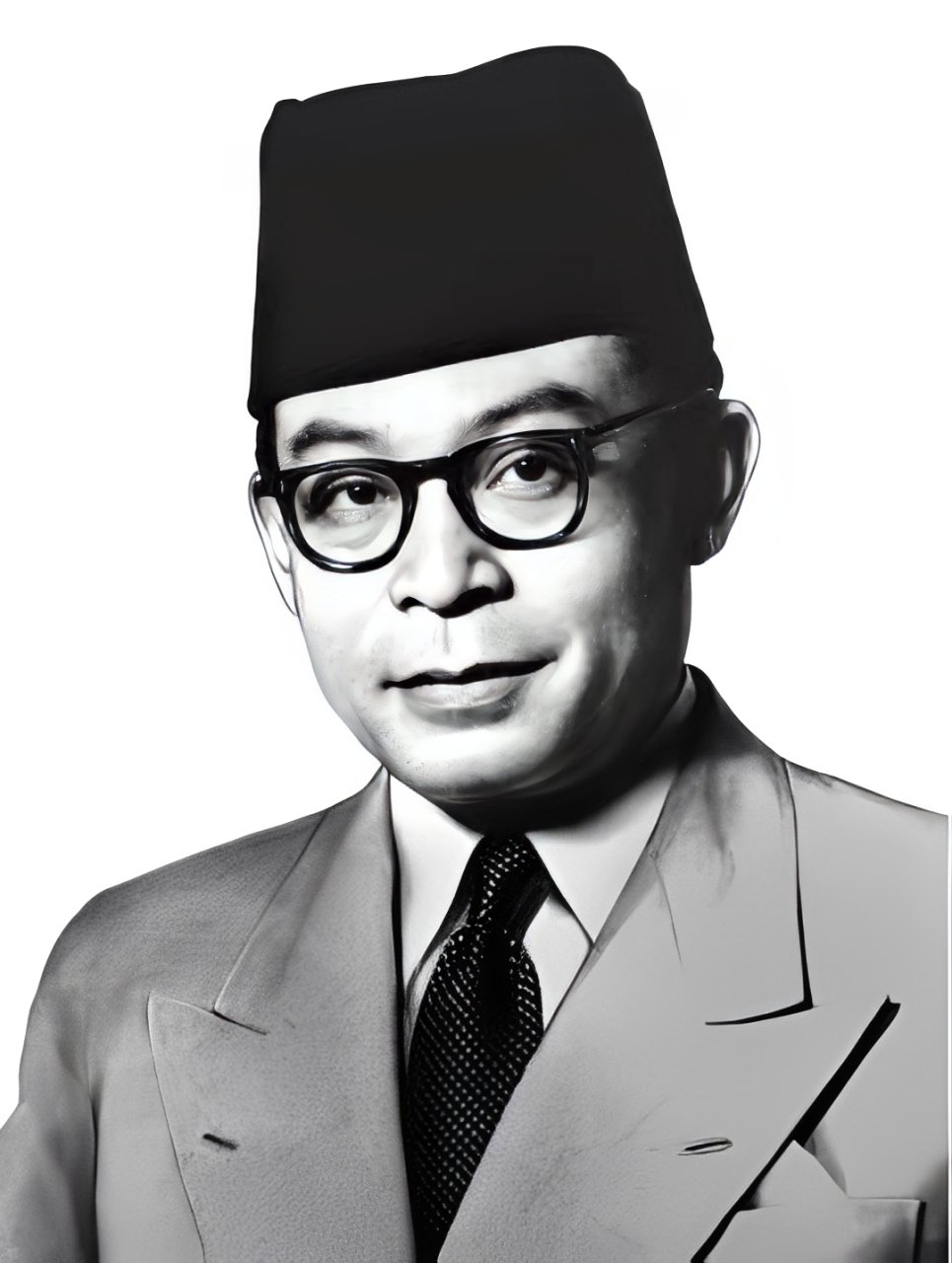
1902—1980
Mohammad Hatta
First Vice President of IndonesiaAn economist, independence leader and Indonesia’s first vice president, remembered as a co-proclaimer of the republic and an advocate of cooperatives.Read biography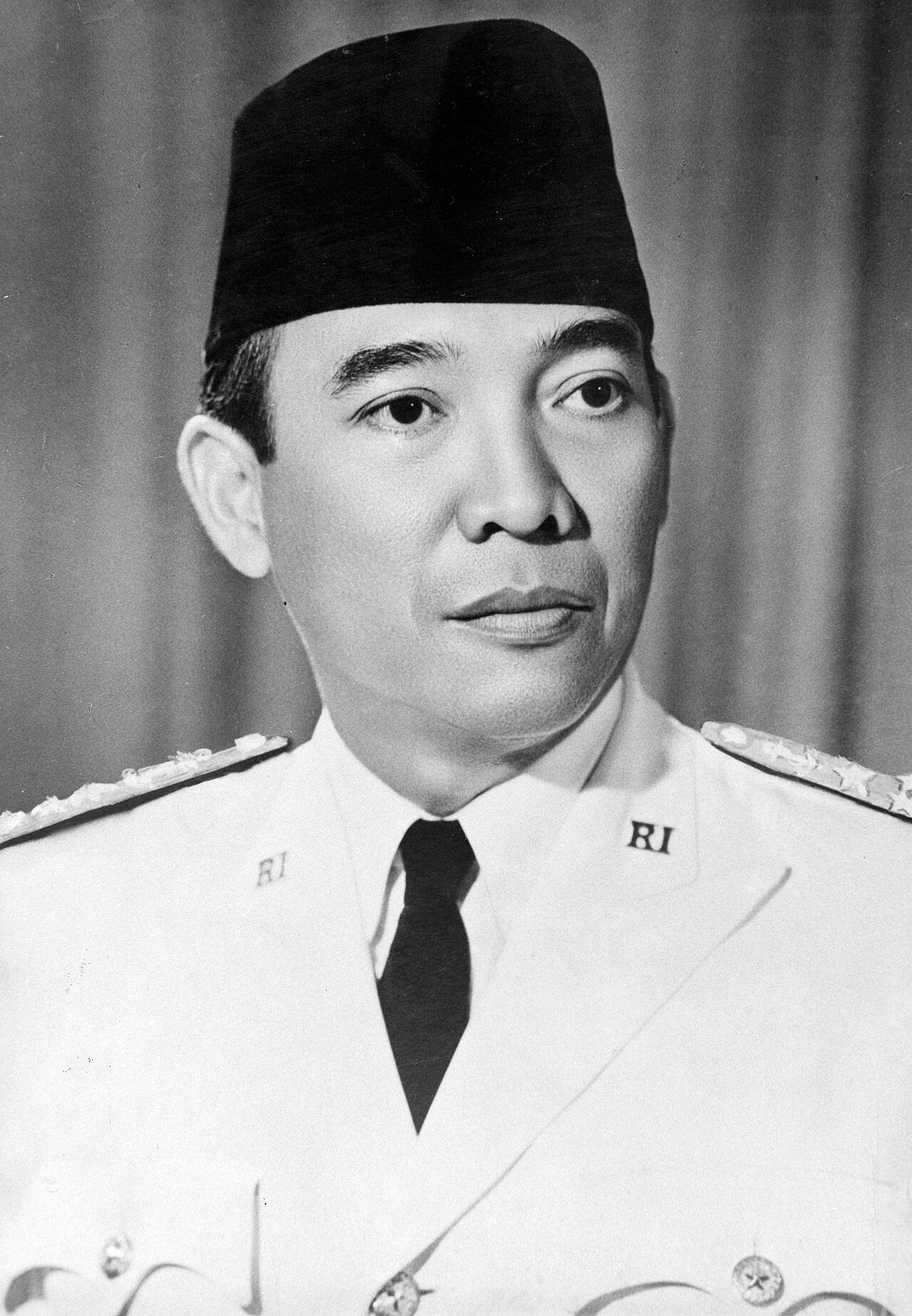
1901—1970
Sukarno
First President of IndonesiaAn independence leader, orator and Indonesia’s first president, who helped unite a vast archipelago around a new republic.Read biography
1909—1966
Sutan Sjahrir
First Prime Minister of IndonesiaAn anticolonial organiser, democratic socialist and Indonesia’s first prime minister, who made diplomacy and civilian government central to the young republic.Read biography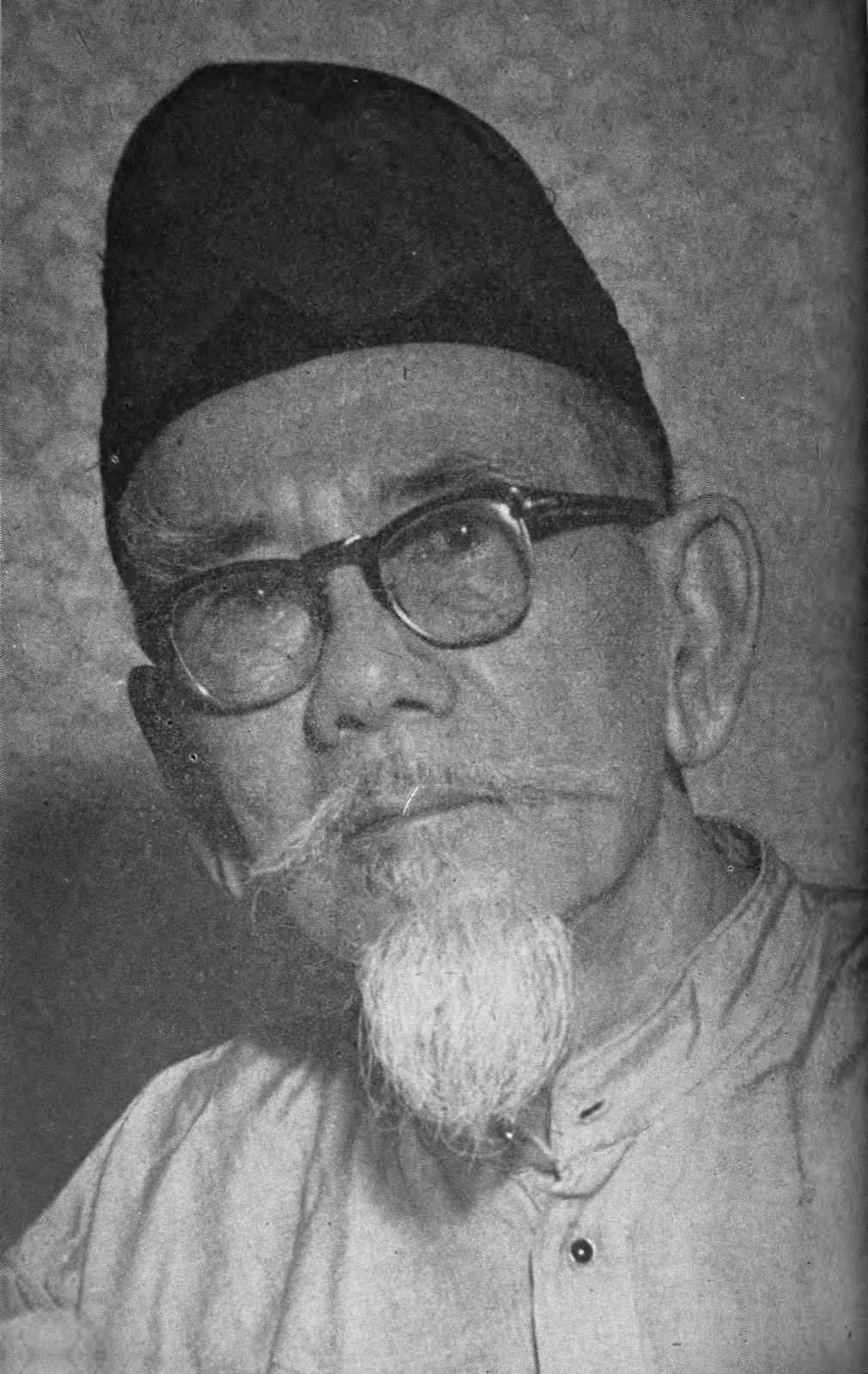
1884—1954
Agus Salim
Diplomat, journalist and foreign ministerA multilingual Islamic intellectual, journalist and diplomat who helped turn Indonesia’s independence claim into an international foreign policy.Read biographyQuick answers
Common questions
- When and where was the Roem–Van Roijen Agreement reached?
- The two delegations confirmed reciprocal statements in Batavia, now Jakarta, on 7 May 1949 under UN mediation. Mohammad Roem represented the republic and Jan Herman van Roijen led the Dutch delegation.
- What did each side promise?
- The republican side conveyed commitments concerning an end to guerrilla warfare, public order and attendance at a sovereignty conference after restoration of its government. The Dutch side accepted the government’s return to Yogyakarta, a halt to military operations and release of specified political prisoners.
- Did the agreement immediately end all fighting?
- It established political commitments, not proof of an instant nationwide ceasefire. Later implementation drafts still addressed effective dates, military orders, patrol areas, joint committees and UN observation.
- Was it the same as the Round Table Conference agreement?
- No. The May statements prepared the conditions for renewed negotiations. The Hague conference accepted its final settlement on 2 November 1949; the sovereignty transfer took effect on 27 December.
Primary and institutional sources
How this history was checked
UN document S/1319 reproduces the final public statements. The dated US telegrams distinguish draft wording, the private airport exchange, confirmation and later implementation. They reflect the mediator’s perspective. The header is an existing Hatta portrait, not a meeting photograph. This article was reviewed on 15 October 2026.
- United Nations Security CouncilS/1319: letter of 7 May 1949 reproducing both formal statements
- US Department of State, Office of the HistorianBatavia telegram, 5 May 1949: proposed wording and pending approval
- US Department of State, Office of the HistorianBatavia telegram, 7 May 1949, 4 p.m.: Maguwo and final preparations
- US Department of State, Office of the HistorianBatavia telegram, 7 May 1949, 8 p.m.: confirmation of statements
- US Department of State, Office of the HistorianBatavia telegram, 16 June 1949: implementation drafts
- Nationaal Archief, NetherlandsSoevereiniteitsoverdracht Indonesië 1949
- Wikimedia CommonsMohammad Hatta portrait and licensing record