
The short answer
Malaysia changed prime ministers twice between general elections. The explanation is parliamentary confidence: the King appoints an MP likely to command a Dewan Rakyat majority, and that support can change while the same Parliament remains in office. The 2022 election then created a new, hung House and a different route to a governing coalition.
Chronology
A timeline of the turning points
Pakatan Harapan wins GE14
PH ends BN’s long federal rule; Mahathir Mohamad returns as prime minister and Wan Azizah Wan Ismail becomes deputy prime minister.
PH fractures; Muhyiddin is appointed
Mahathir resigns and the parliamentary alignment changes. The King appoints Muhyiddin Yassin without dissolving Parliament.
Movement Control Order begins
Muhyiddin’s new government starts nationwide COVID-19 restrictions, making public health its immediate governing test.
Muhyiddin resigns; Ismail Sabri takes office
Muhyiddin says he has lost majority confidence and resigns under Article 43(4). Ismail Sabri is sworn in five days later.
Government and PH sign a stability memorandum
Ismail Sabri’s administration and the opposition agree to cooperate on selected reforms and political stability.
An election, then a hung Parliament
Parliament is dissolved, GE15 elects no majority bloc, and Anwar Ibrahim is appointed prime minister after coalition negotiations.
The new House votes on confidence
The Dewan Rakyat approves a confidence motion in Anwar’s government by voice vote.
The short answer: voters elect MPs, not the prime minister
Malaysia’s general elections choose members of the Dewan Rakyat. Under Article 43(2)(a) of the Federal Constitution, the Yang di-Pertuan Agong appoints as prime minister an elected member who, in the King’s judgment, is likely to command the confidence of a majority of that House. An election can make the choice clear, but the Constitution does not require a new election every time that confidence changes.
Between the 2018 and 2022 elections, the same elected Parliament supported different governing alignments. Mahathir resigned in 2020; Muhyiddin was appointed, then resigned in 2021 after acknowledging the loss of majority support; Ismail Sabri succeeded him. Only the 2022 dissolution sent voters back to the polls. These are different constitutional events, not three general elections.
What changed in February 2020?
Pakatan Harapan had won the 2018 general election and formed the first federal government outside the Alliance/BN lineage. Its parliamentary arrangement came apart in February 2020 after Bersatu left the coalition and other MPs reconsidered their support. The realignment is widely called the Sheraton Move, a political shorthand rather than a formal constitutional procedure.
Mahathir’s resignation created a vacancy in the premiership. Because Parliament had not been dissolved, the relevant question was whether another Dewan Rakyat member appeared likely to command majority support. The King consulted MPs and appointed Muhyiddin Yassin, who took office on 1 March. The appointment did not reverse the 2018 election result; it reflected a new alignment within the House elected in 2018.
This distinction also explains the debate over legitimacy. A constitutionally appointed government can still face political arguments about whether voters expected that coalition. The legal test and the political judgment are related, but they are not identical.
Why did Muhyiddin resign in August 2021?
Muhyiddin governed through the first COVID-19 waves, the Movement Control Order, economic relief measures and a 2021 emergency. His Perikatan Nasional administration also relied on a narrow and changing parliamentary majority. As support was withdrawn, he said on 16 August 2021 that he no longer commanded the confidence of most Dewan Rakyat members.
Article 43(4) provides that a prime minister who ceases to command that confidence must tender the resignation of the Cabinet unless Parliament is dissolved at the prime minister’s request. Muhyiddin’s resignation address expressly cited the provision. It is unusually clear primary evidence that this change of government was caused by lost parliamentary support, not the end of Parliament’s term.
The King then had to identify another member likely to command confidence. Ismail Sabri Yaakob, who had been appointed deputy prime minister in July, was sworn in as the ninth prime minister on 21 August. The same Fourteenth Parliament continued.
How did Ismail Sabri keep a fragile government operating?
Ismail Sabri inherited both a pandemic recovery programme and a divided House. On 13 September 2021, his government and Pakatan Harapan signed a memorandum on transformation and political stability. It covered selected reforms and cooperation while PH remained outside the cabinet.
The memorandum was not a new election and did not merge government and opposition. It was a practical response to a narrow parliamentary margin: support for agreed measures could make governance more predictable even when the parties continued to compete. It also helps explain why this administration survived until Parliament was dissolved in October 2022.
What was different after the 2022 election?
GE15 finally replaced the 2018-elected House. Yet it did not give any pre-election coalition the 112 seats needed for a majority in the 222-member Dewan Rakyat. PH was the largest aligned bloc, but being largest was not the same as being able to govern alone. BN, GPS, GRS and other MPs became important to government formation.
After negotiations and royal consultations, Anwar Ibrahim was sworn in on 24 November under the Constitution’s appointment provisions. His administration included PH, BN and regional partners, with Ahmad Zahid Hamidi and Sarawak’s Fadillah Yusof serving as deputy prime ministers. On 19 December, the new House approved a confidence motion by voice vote.
The contrast is useful: 2020 and 2021 brought new prime ministers within the Fourteenth Parliament, while 2022 brought a new Parliament that then had to form a government. The same confidence principle ran through all three transitions.
Does a prime minister automatically trigger an election by resigning?
No. Resignation and dissolution are separate steps. Article 43(4) describes the consequence of losing confidence and allows for a requested dissolution; it does not say that every resignation dissolves Parliament. Where the House remains in place, a successor can be appointed if likely to command majority confidence.
That is why a list of prime ministers alone cannot explain this period. To understand each change, ask three questions: Was Parliament dissolved? Who appeared to have majority support in the existing House? Was that support later tested or withdrawn? The answers distinguish the 2020, 2021 and 2022 events.
Continue the chronology
Related history guides
Malaysia’s 2018 General Election
The electoral result that created the Fourteenth Parliament and PH government.
Read the timeline2022Malaysia’s 2022 General Election
The final seat count, hung Parliament and post-election coalition.
Read the timeline1957–presentMalaysia’s Constitutional Monarchy
The King’s constitutional role in appointing a prime minister.
Read the timeline1959–presentHow Malaysia’s Parliament Works
Why confidence in the Dewan Rakyat determines who can govern.
Read the timelineBiography context
Explore Malaysia through connected lives
Connected biographies
The people behind the changes in parliamentary support

1925—
Mahathir Mohamad
Fourth and seventh Prime Minister of MalaysiaA physician-politician whose two premierships—separated by fifteen years—made him the longest-serving and one of the most consequential leaders in Malaysian history.Read biography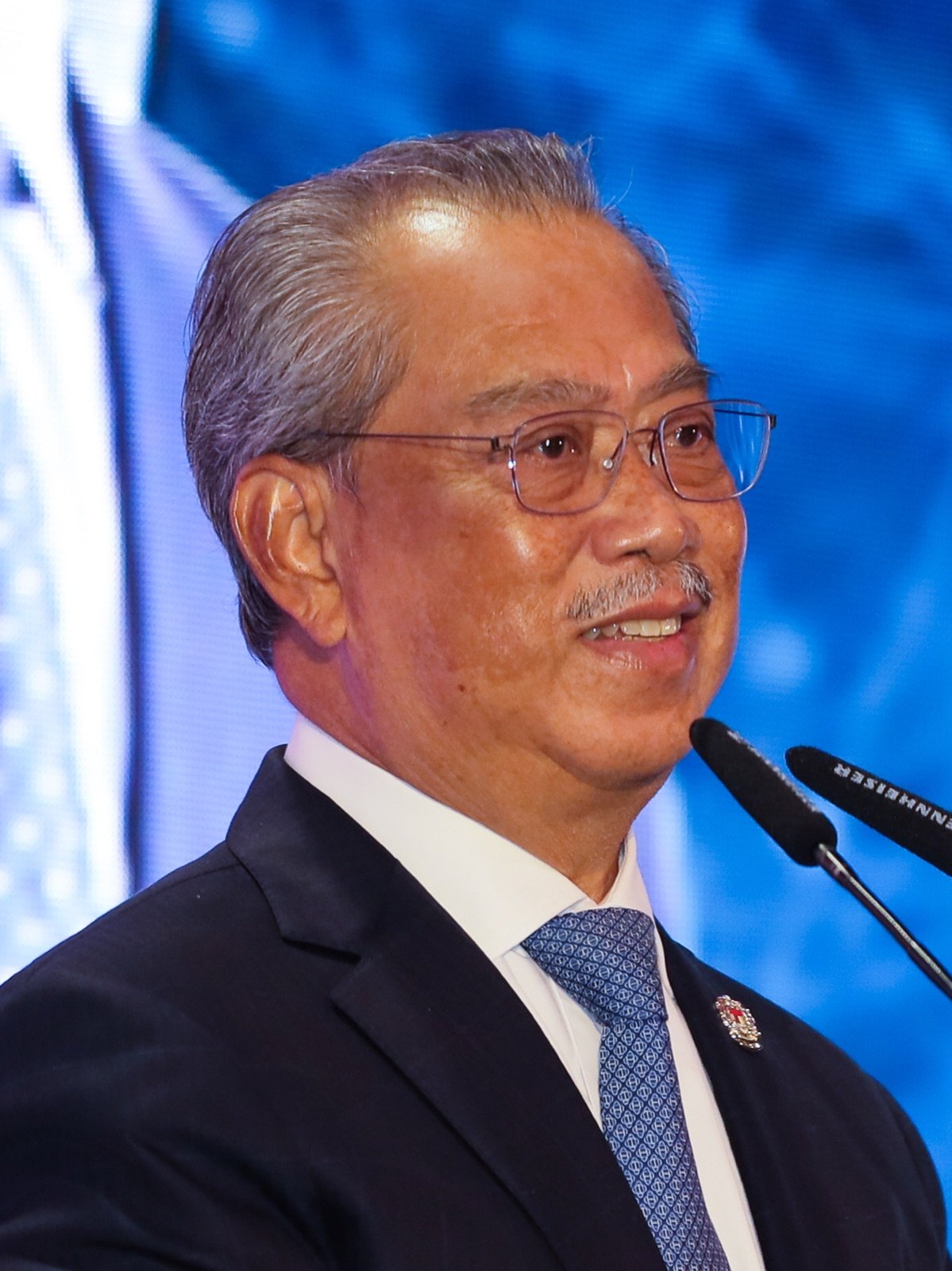
1947—
Muhyiddin Yassin
Eighth Prime Minister of MalaysiaA veteran Johor politician who became prime minister after the 2020 coalition crisis and governed through the most disruptive phase of the pandemic.Read biography
1960—
Ismail Sabri Yaakob
Ninth Prime Minister of MalaysiaA long-serving minister who became prime minister during the pandemic and led Malaysia through reopening, a cross-party reform accord and the 2022 election.Read biography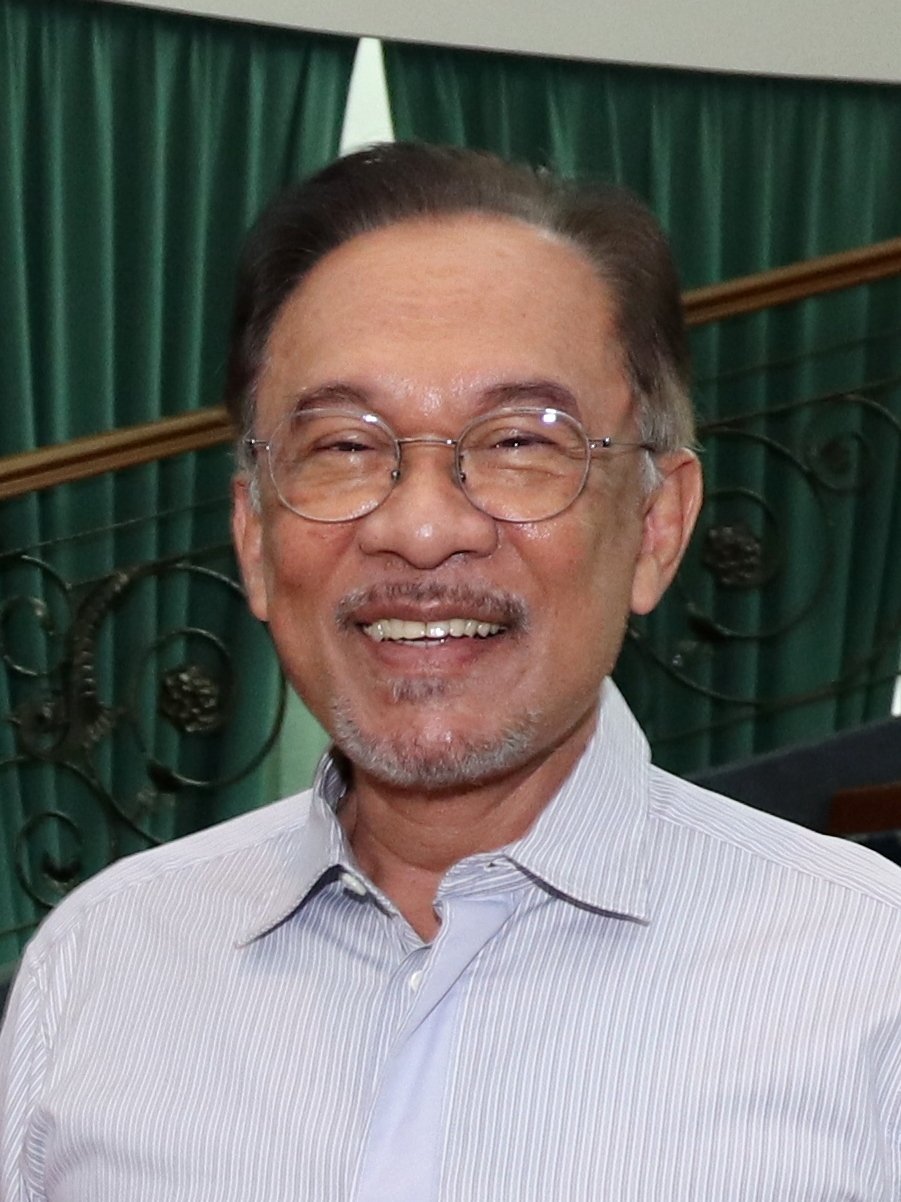
1947—
Anwar Ibrahim
Tenth Prime Minister of MalaysiaA student activist turned government minister, opposition leader and Malaysia’s tenth prime minister after one of the longest routes to national office.Read biography
1952—
Wan Azizah Wan Ismail
Member of Parliament and former deputy prime ministerThe ophthalmologist who became a central Reformasi leader, Malaysia’s first woman opposition leader and its first woman deputy prime minister.Read biography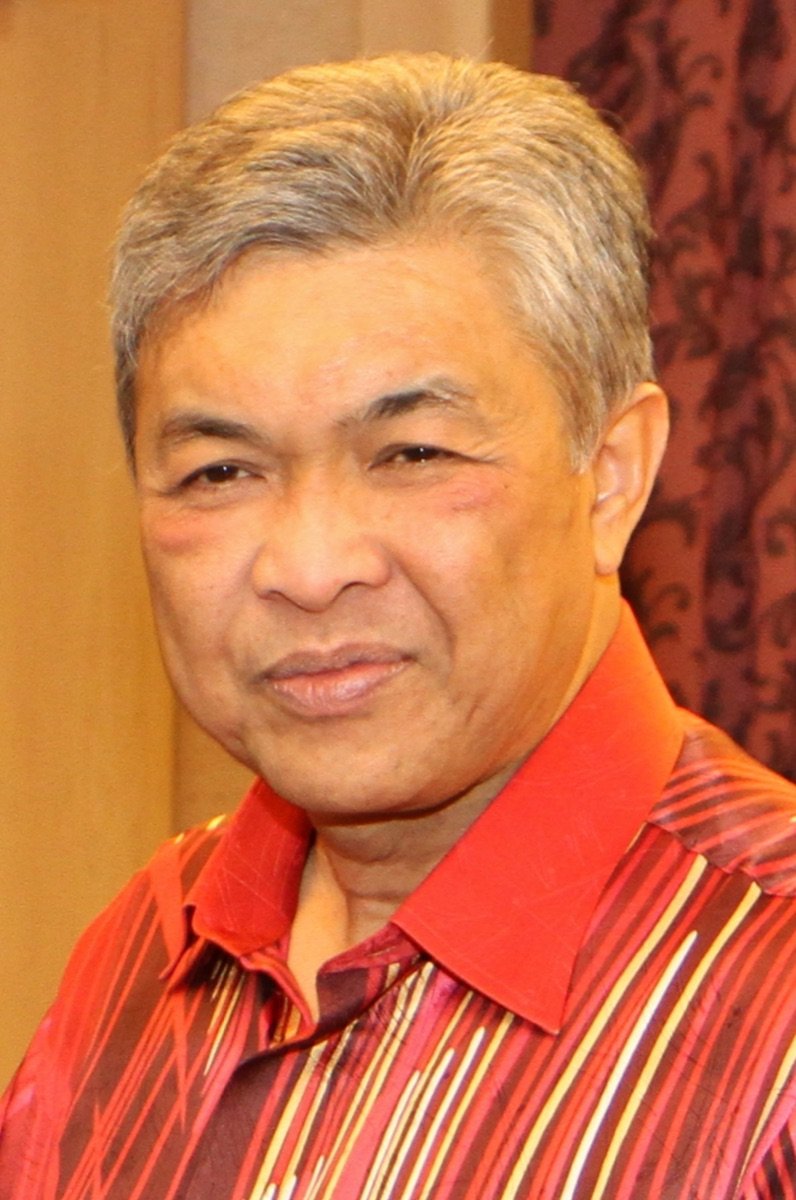
1953—
Ahmad Zahid Hamidi
Deputy Prime Minister and Minister of Rural and Regional DevelopmentThe UMNO president and Bagan Datuk member of Parliament who returned to the deputy premiership in 2022 after first holding the office from 2015 to 2018.Read biography
1962—
Fadillah Yusof
Deputy Prime Minister and Minister of Energy Transition and Water TransformationA Sarawak lawyer and Petra Jaya MP who moved through science, works and commodities portfolios before becoming deputy prime minister and leading energy and water policy.Read biographyQuick answers
Common questions
- Why did Malaysia have three prime ministers between the 2018 and 2022 elections?
- The parliamentary majority changed. Mahathir resigned in 2020, Muhyiddin was appointed and resigned in 2021 after losing majority confidence, and Ismail Sabri succeeded him within the same Parliament.
- Was there a Malaysian general election in 2020 or 2021?
- No. Malaysia’s Fourteenth Parliament remained in place. The next general election, GE15, was held in November 2022.
- Can Malaysia’s King choose any prime minister?
- The Constitution requires the King to appoint a member of the Dewan Rakyat who, in the King’s judgment, is likely to command majority confidence in that House.
- Why did Anwar become prime minister after GE15?
- GE15 produced no majority coalition. After negotiations and consultations, the King appointed Anwar as the MP likely to command majority confidence; the House later approved a confidence motion.
Primary and institutional sources
How this history was checked
Constitutional and parliamentary records establish the confidence rules and the 2022 vote; PMO records document appointments, resignation and the 2021 stability agreement. This article was reviewed on 8 October 2026.
- Attorney General’s Chambers of MalaysiaFederal Constitution of Malaysia, Articles 40 and 43
- Prime Minister’s Office of MalaysiaFormer Prime Ministers of Malaysia
- Parliament of MalaysiaReport on the February 2020 parliamentary realignment
- Prime Minister’s Office of MalaysiaMarch 2020 Movement Control Order announcement
- Prime Minister’s Office speech archiveMuhyiddin Yassin’s resignation address, 16 August 2021
- Prime Minister’s Office of MalaysiaAppointment of Ismail Sabri as deputy prime minister, 7 July 2021
- Prime Minister’s Office of MalaysiaIsmail Sabri Yaakob’s prime-ministerial profile
- Prime Minister’s Office of MalaysiaStatement on the political stability memorandum, 13 September 2021
- Election Commission of MalaysiaOfficial General Election Results Portal — GE15
- Prime Minister’s Office of MalaysiaAnwar Ibrahim sworn in as tenth prime minister
- Parliament of MalaysiaDewan Rakyat official record, 19 December 2022