The short answer
The November 1947 coup ended Thailand’s short postwar civilian opening. Army officers removed Thawan Thamrongnawasawat, abolished the 1946 Constitution, drove Pridi Banomyong from power and installed Khuang Aphaiwong before restoring Plaek Phibunsongkhram to the premiership in 1948.
Chronology
A timeline of the turning points
The war ends and civilian government returns
Free Thai leaders and postwar cabinets began negotiating sovereignty abroad while rebuilding parliamentary government at home.
King Ananda Mahidol dies
The unexplained palace shooting intensified political conflict and produced accusations against Pridi and his allies.
Thawan becomes prime minister
Rear Admiral Thawan Thamrongnawasawat succeeded Pridi and led two cabinets backed by the parliamentary coalition.
Economic and political pressure accumulates
Inflation, shortages, corruption allegations, rapid cabinet changes and conflict around the royal death weakened confidence in civilian rule.
Army officers seize power
The Coup Group removed Thawan’s government, occupied strategic sites and searched for Pridi, who escaped arrest.
The 1946 Constitution is abolished
The junta ended the elected constitutional framework and issued an interim charter for a military-managed transition.
Khuang becomes prime minister
The Democrat Party leader gave the new order a civilian cabinet while the Coup Group retained decisive force.
A general election is held
The Democrat Party emerged as the largest bloc, and Khuang formed another government under the post-coup system.
The military replaces Khuang with Phibun
Coup leaders forced Khuang’s resignation, and Plaek Phibunsongkhram returned as prime minister.
A new permanent constitution is promulgated
The charter restored a bicameral legislature but left the post-coup balance of military, palace and parliamentary power unsettled.
What political order did the coup overthrow?
The end of the Second World War briefly restored civilian politicians associated with the Free Thai movement to the centre of government. Seni Pramoj, Khuang Aphaiwong, Pridi Banomyong and Thawan Thamrongnawasawat led successive cabinets while Thailand negotiated with the Allies, entered the United Nations and attempted to revive parliamentary institutions under the 1946 Constitution.
That opening was unstable. Wartime disruption had produced inflation, shortages and administrative conflict. Parties and factions competed inside a rapidly changing legislature. The death of King Ananda Mahidol from a gunshot in June 1946 became an unresolved national trauma and a weapon in political attacks on Pridi’s circle. These conditions weakened the government, but they did not constitutionally transfer authority to the army.
Who organised the November 1947 takeover?
A group of army officers led publicly by Lieutenant General Phin Choonhavan and Colonel Kat Katsongkhram carried out the coup with the backing of former prime minister Plaek Phibunsongkhram. The coalition joined senior veterans seeking a return to influence with younger officers who would become important in later regimes. It called itself the Coup Group, or National Military Council.
Phibun was the best-known political figure around the group, but he did not immediately take the premiership. That distinction helps explain the coup’s strategy: military officers seized coercive power, then used a recognised civilian party leader to front the new government while they consolidated command of the state.
What happened on 8 and 9 November?
Troops and armoured units moved through Bangkok on the night of 8 November, occupied government points and removed Thawan’s cabinet. Coup forces searched for Pridi, whose residence came under armed pressure, but he escaped with naval assistance and later left the country. The takeover met little organised resistance, although its success rested on the threat and use of military force rather than a parliamentary vote.
The junta abolished the 1946 Constitution and issued an interim charter. Research on Thai constitutional coups identifies 1947 as the first successful takeover to revoke an existing constitution outright, a practice that later coup makers repeatedly followed. An amnesty law protected participants from prosecution and helped establish a legal pattern in which success was converted into institutional authority after the fact.
Why was Khuang Aphaiwong appointed?
Khuang was the first leader of the Democrat Party, a former prime minister and an opponent of Pridi’s parliamentary coalition. His appointment on 10 November offered the Coup Group a civilian cabinet, a promise of elections and a figure with an independent political base. It also separated the immediate seizure of power from Phibun’s controversial wartime record.
The arrangement did not make Khuang master of the post-coup state. The January 1948 election gave the Democrats the largest bloc and allowed him to form another cabinet, but the armed forces retained the capacity to decide who governed. When Khuang resisted military demands, coup leaders compelled him to resign in April and installed Phibun as prime minister.
How did the coup affect Pridi and the Free Thai coalition?
The coup destroyed the political ascendancy of Pridi’s civilian network. Pridi escaped abroad, returned secretly and was associated with the failed Palace Rebellion of February 1949 before beginning permanent exile. Thawan and other allies lost national office, while northeastern politicians connected to the old coalition faced growing repression during the following years.
Free Thai cooperation had always joined people with different ideologies and institutional loyalties. Once the common wartime threat disappeared, royalists, liberals, military officers and Pridi supporters moved into competing parties and state factions. The 1947 coup did not simply defeat one resistance organisation; it exploited the fragmentation of a coalition that no longer shared a single political programme.
Did the coup restore Phibun immediately?
No. Phibun backed the takeover and became commander-in-chief, but Khuang led the first two post-coup cabinets. Only after the military forced Khuang out on 6 April 1948 did Phibun receive appointment as prime minister on 8 April. This five-month interval is essential to an accurate chronology.
Phibun’s return opened a second premiership that increasingly aligned Thailand with the United States and anti-communist Cold War policy. American officials remained wary of his wartime collaboration, yet strategic priorities changed rapidly after the Chinese Communist victory and the Korean War. The coup therefore became a bridge between wartime authoritarianism and a new military order supported within an emerging U.S. regional security system.
Why does the 1947 coup matter in Thai history?
The takeover ended a short civilian opening and restored the army as a decisive national political institution. It weakened the remaining People’s Party civilian wing, pushed Pridi into exile and enabled Phibun’s return. Later struggles inside the armed forces, police and navy grew from the coalition created in 1947 rather than from a single unified military command.
Its constitutional legacy was equally important. Abolition of the charter, retroactive amnesty and appointment of a new government supplied techniques used after later coups. Elections and constitutions continued, but they operated inside a balance repeatedly reset by force. The 1947 episode is therefore not only a change of prime minister; it is a foundation for Thailand’s postwar pattern of military intervention followed by managed constitutional reconstruction.
Continue the chronology
Related history guides
The Free Thai Movement
Begin with the wartime coalition whose postwar fragmentation shaped the coup.
Read the timeline24 June 1932The Siamese Revolution
Trace the People’s Party generation that divided between civilian and military power.
Read the timeline1932–presentPrime Ministers of Thailand
Compare Thawan, Khuang and Phibun across the postwar succession.
Read the timeline26–27 February 1949The 1949 Palace Rebellion
Continue into Pridi’s failed attempt to overturn the post-coup order and the fighting in Bangkok.
Read the timeline29–30 June 1951The 1951 Manhattan Rebellion
See how Phibun, Phin, Phao and Sarit emerged from a failed naval revolt with greater power.
Read the timeline1851–todayThailand History Timeline
Place the coup between wartime resistance and Cold War military rule.
Read the timelineConnected biographies
Eleven biographies connecting postwar civilian government, party rivalry and military restoration
 Thailand · Politics
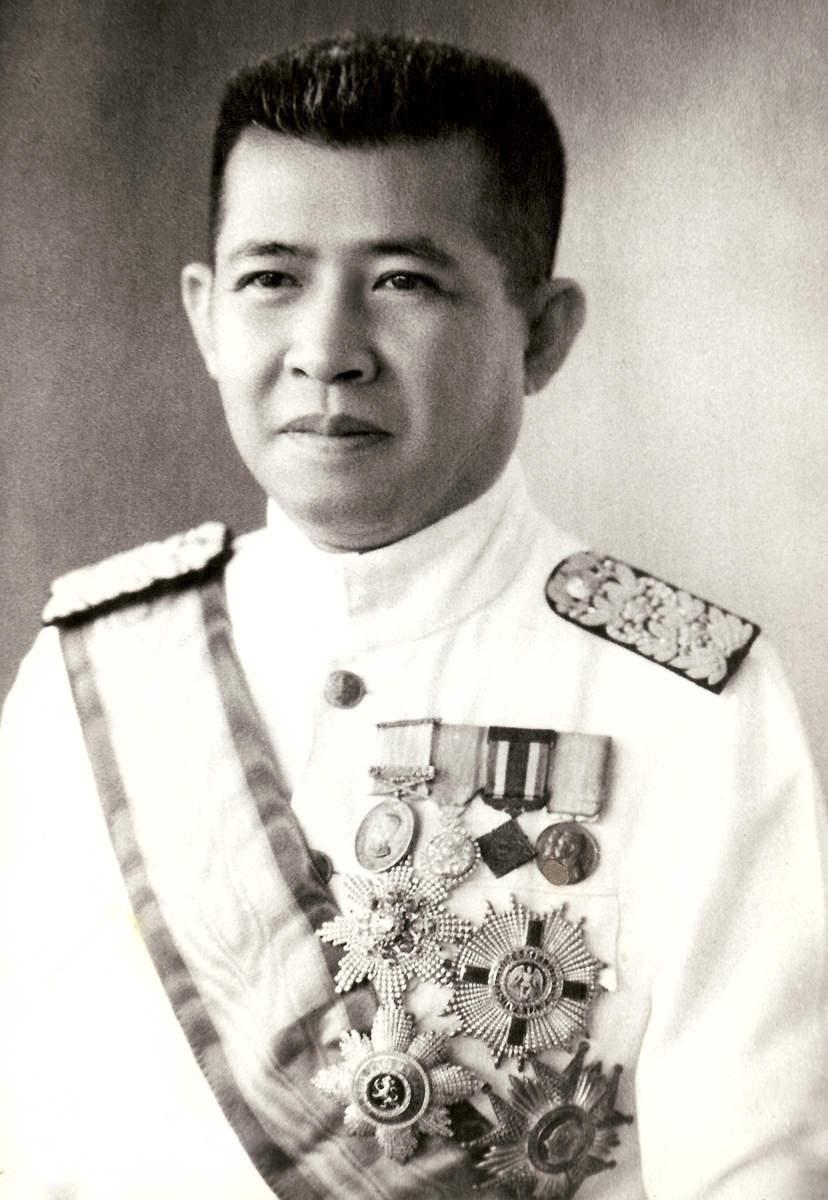
1900—1983
Pridi Banomyong
Statesman, jurist and prime ministerA jurist and statesman who helped end absolute monarchy, founded Thammasat University and led the civilian Free Thai resistance during the Second World War.Read biography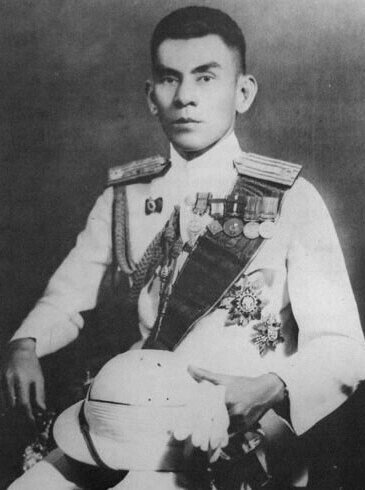 Thailand · Politics
1901—1988
Thawan Thamrongnawasawat
8th Prime Minister of Thailand and naval officerA naval officer, lawyer and People’s Party member who became prime minister during Thailand’s unstable postwar transition and was removed by the 1947 coup.Read biography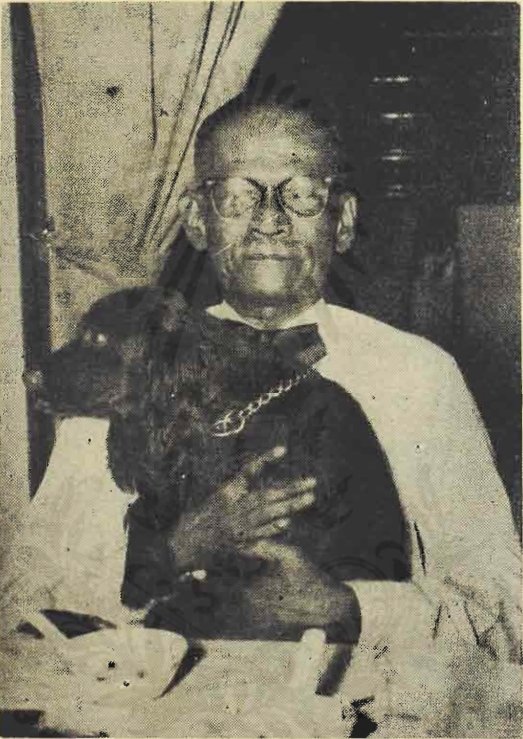 Thailand · Politics
1894—1969
Adun Adundetcharat
Thai police chief and deputy Free Thai leaderAn army officer turned national police chief who joined the 1932 revolution, built a formidable security apparatus and later made that apparatus central to the Free Thai resistance.Read biography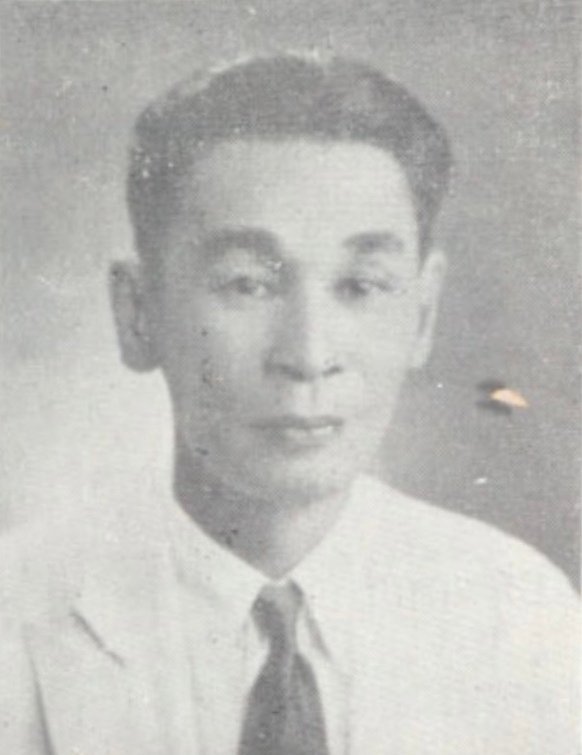 Thailand · Politics
1902—1968
Khuang Aphaiwong
4th Prime Minister of Thailand and Democrat Party founderThe engineer and People’s Party veteran who led a wartime transition, served three periods as prime minister and became the first leader of Thailand’s Democrat Party.Read biography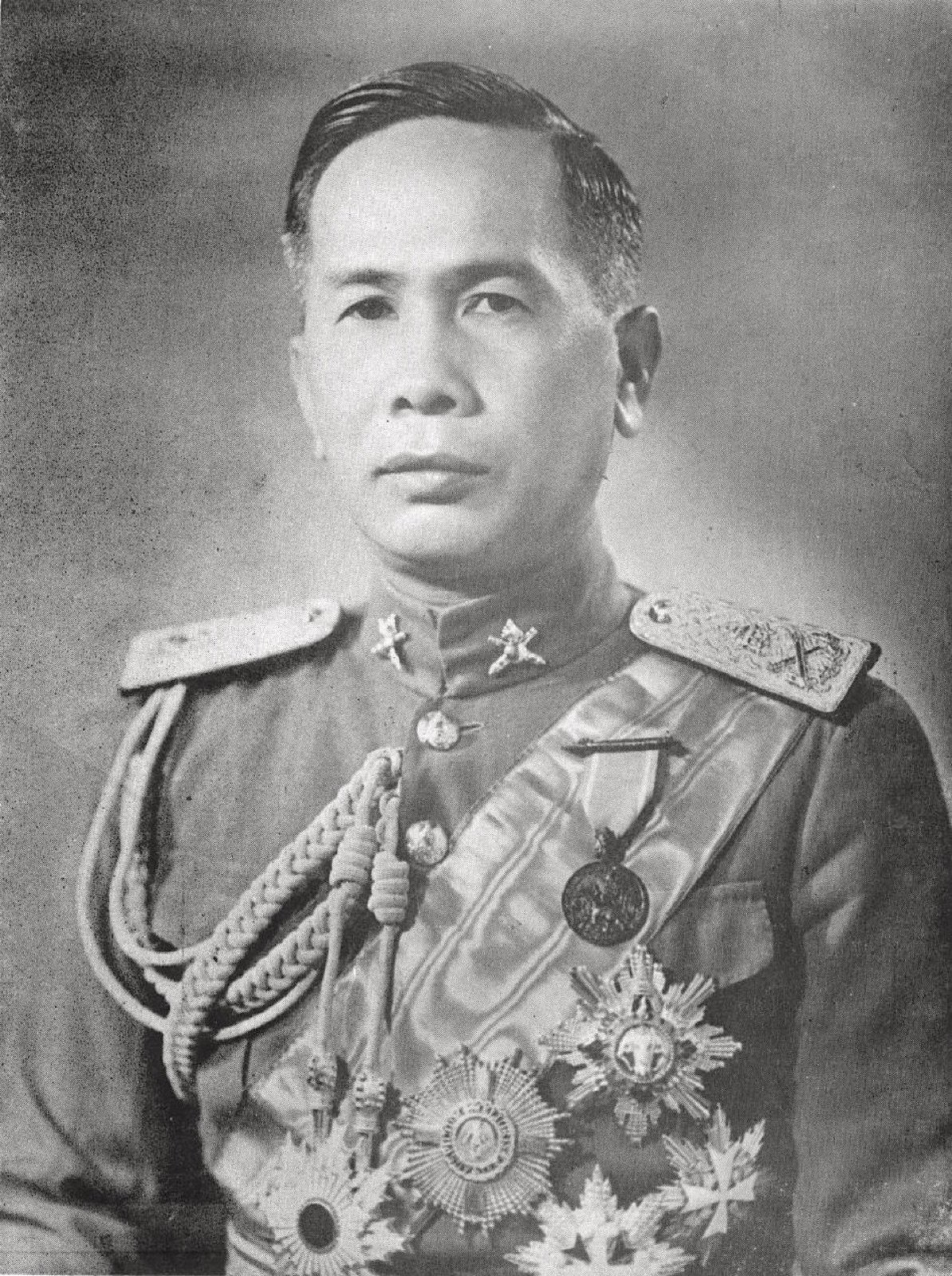 Thailand · Politics
1897—1964
Plaek Phibunsongkhram
Military officer and prime minister of ThailandA military leader of the 1932 revolution who twice served as prime minister and used state power to promote nationalism, social mandates and a new name for the country.Read biography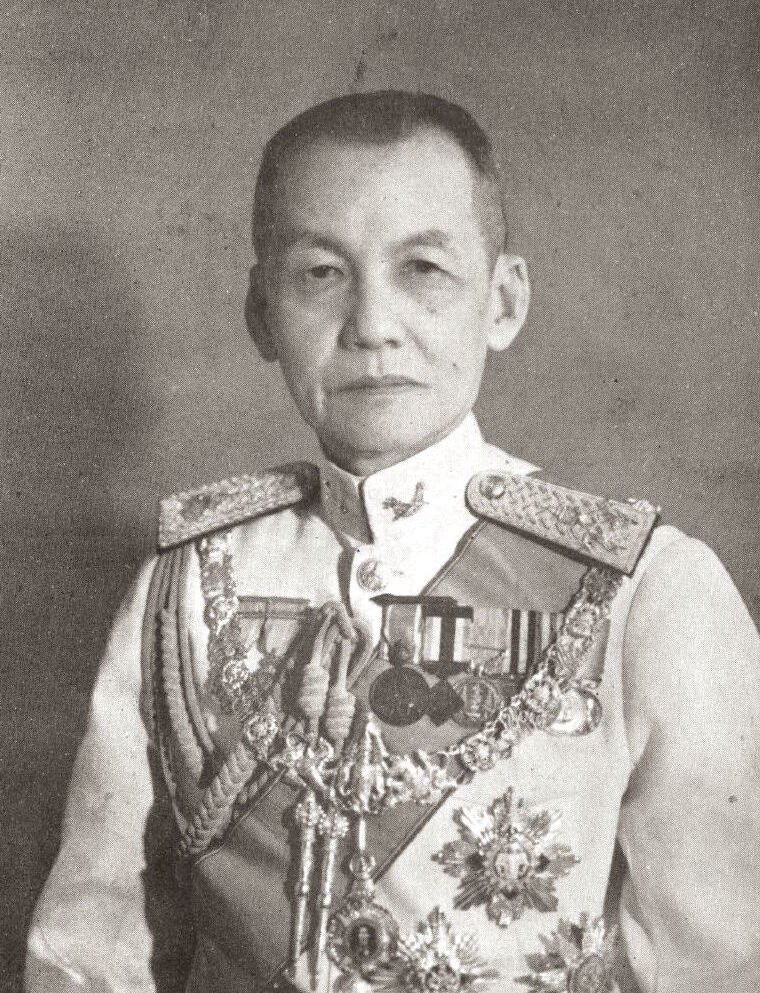 Thailand · Politics
1891—1973
Phin Choonhavan
Thai field marshal and leader of the 1947 Coup GroupA professional soldier who became the public leader of Thailand’s 1947 Coup Group, army commander and patriarch of an influential military-political family.Read biography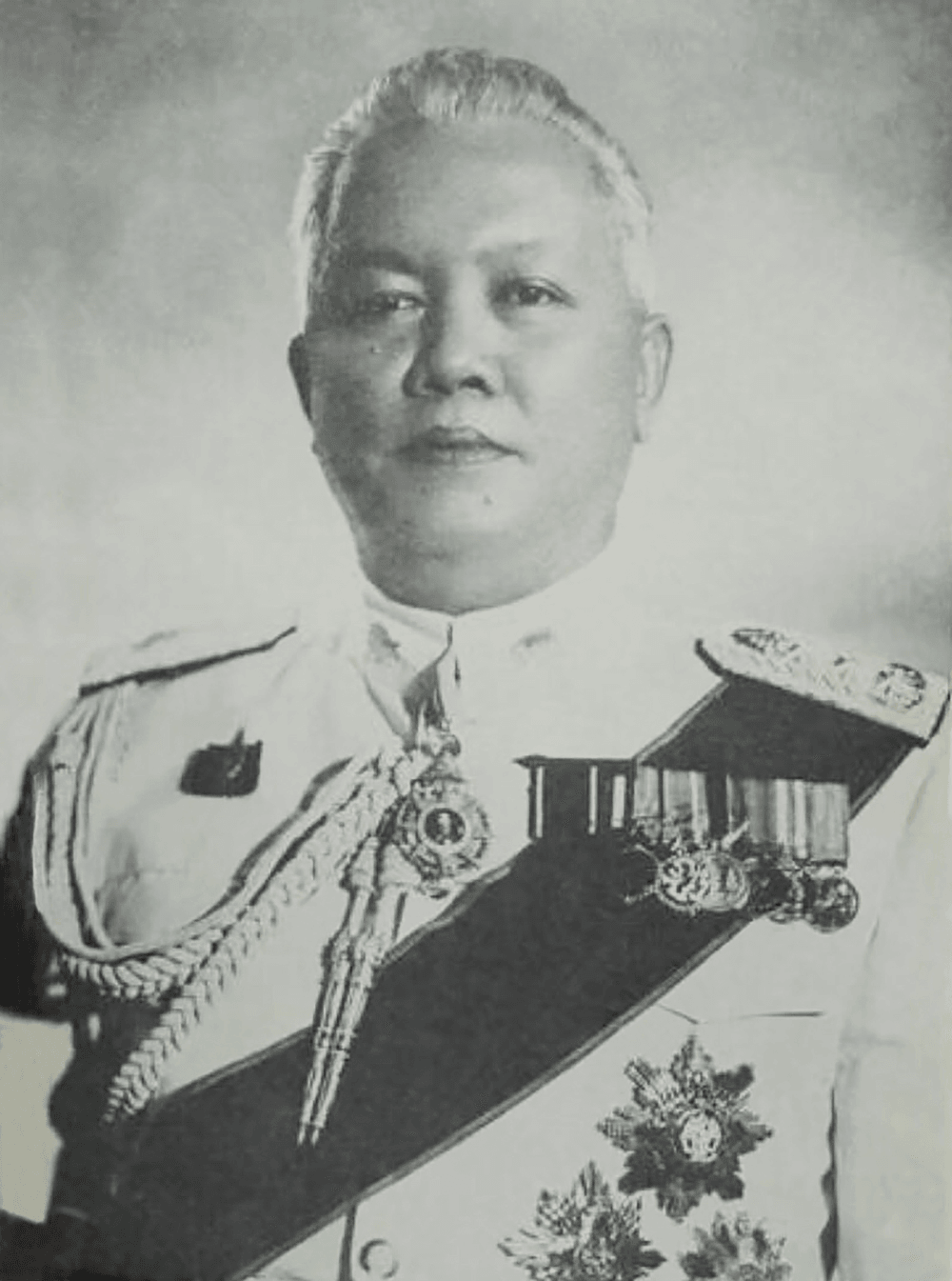 Thailand · Politics
1910—1960
Phao Siyanon
Thai police general and Cold War power brokerA police general who helped make Thailand’s national police a heavily armed Cold War power centre while presiding over political repression and a far-reaching patronage network.Read biography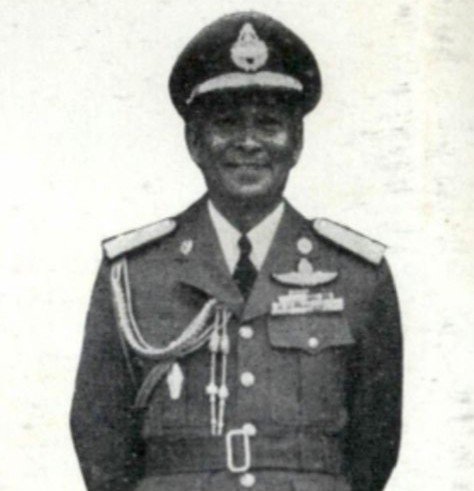 Thailand · Politics
1900—1987
Fuen Ronnaphagrad Ritthakhanee
Royal Thai Air Force commander and deputy prime ministerAn air-force commander whose intervention in the Manhattan Rebellion made him a central military actor, cabinet minister and member of Thailand’s 1951 Radio Coup junta.Read biography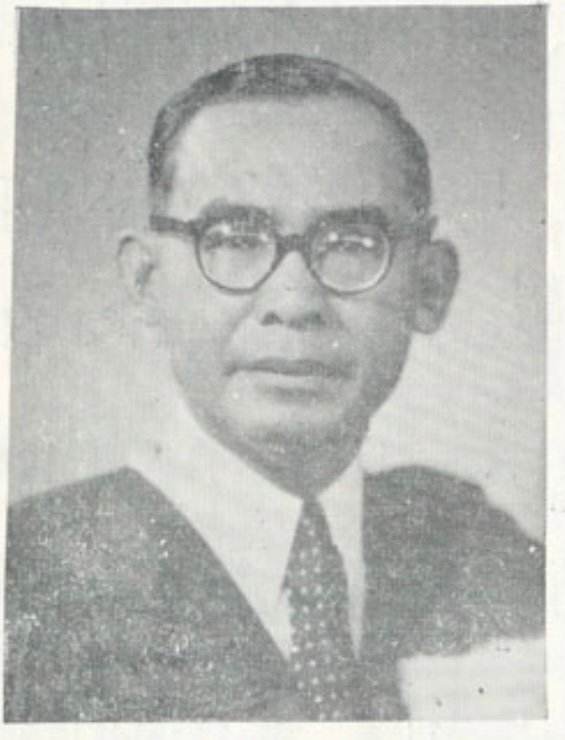 Thailand · Politics
1905—1967
Direk Jayanama
Thai diplomat, foreign minister and Free Thai memberThe lawyer, People’s Party member and diplomat who navigated Thailand’s wartime relationship with Japan, joined the Free Thai resistance and built a lasting academic institution.Read biography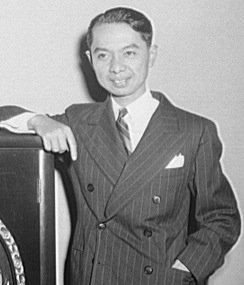 Thailand · Politics
1905—1997
Seni Pramoj
6th Prime Minister of Thailand and Free Thai diplomatThe lawyer and wartime diplomat who refused to deliver Thailand’s declaration of war to Washington, organised Free Thai resistance abroad and later led three governments.Read biography Thailand · Politics
1927—2016
Bhumibol Adulyadej
King of Thailand, 1946–2016Thailand’s longest-reigning monarch, whose seven decades on the throne spanned rapid development, repeated political crises and profound social change.Read biographyQuick answers
Common questions
- When was the 1947 Thai coup?
- Army officers seized power on the night of 8 November 1947 and consolidated the takeover during the early hours of 9 November.
- Who led the 1947 coup in Thailand?
- Lieutenant General Phin Choonhavan and Colonel Kat Katsongkhram were prominent operational leaders. Former prime minister Plaek Phibunsongkhram backed the Coup Group and later returned to office.
- Which government did the coup overthrow?
- It removed Prime Minister Thawan Thamrongnawasawat’s civilian government and ended the constitutional order operating under the 1946 charter.
- What happened to Pridi Banomyong after the coup?
- Pridi escaped arrest, left Thailand and later returned secretly. After the failed 1949 Palace Rebellion, he entered permanent exile, eventually living in China and France.
- Why did Khuang Aphaiwong become prime minister?
- The Coup Group selected the established Democrat Party leader to head a civilian cabinet and oversee elections. Military leaders forced him out when he proved too independent.
- When did Phibun return as prime minister?
- After the military compelled Khuang to resign, Plaek Phibunsongkhram became prime minister on 8 April 1948.
Primary and institutional sources
How this history was checked
Dates, legal milestones and historical claims are checked against the official and institutional records below. This article was reviewed on 3 October 2026.
- Institute of Developing Economies, JETRODynamics and Institutionalization of Coup in Thai Constitution
- Office of the Historian, U.S. Department of StateUnited States policy statement on Thailand, 1950
- Library of CongressThailand: A Country Study
- Ministry of Foreign Affairs of ThailandThe Quest for Thai–US Alliance
- Foundation for the Promotion of Public Policy StudiesThailand: State-Building, Democracy and Globalization
- Secretariat of the Prime Minister of ThailandDirectory of Prime Ministers of Thailand
- Wikimedia CommonsKhuang Aphaiwong portrait and public-domain record