
The short answer
Barisan Nasional grew from the pre-independence Alliance, was formally registered in 1974 and governed Malaysia until its 2018 defeat. After winning 30 seats at GE15, it joined Anwar Ibrahim’s unity government while remaining a separate five-party coalition led by UMNO.
Current structure
The five BN component parties in 2026
This membership snapshot follows PPP’s approved admission and was reviewed on 4 October 2026.
| Party | Full name | Primary base | Historical place |
|---|---|---|---|
| UMNO | United Malays National Organisation | National; Malay and Bumiputera politics | Largest component and source of BN chair |
| MCA | Malaysian Chinese Association | National; Chinese Malaysian representation | Alliance founding component |
| MIC | Malaysian Indian Congress | National; Indian Malaysian representation | Alliance component before independence |
| PBRS | Parti Bersatu Rakyat Sabah | Sabah | Current East Malaysian component |
| PPP | People’s Progressive Party | Peninsula; historically rooted in Perak | Full component approved in 2025–2026 |
Chronology
A timeline of the turning points
UMNO and MCA cooperate in Kuala Lumpur
Local electoral cooperation became the foundation of the Alliance model.
The Alliance wins the federal election
UMNO, MCA and MIC won 51 of 52 elected seats before Malayan independence.
The governing alliance widens
After the 1969 crisis, Abdul Razak drew additional peninsula, Sabah and Sarawak parties into a broader coalition.
Barisan Nasional is formally registered
The National Front institutionalised a larger power-sharing coalition before the 1974 election.
BN dominates federal elections
The coalition repeatedly held more than two-thirds of the Dewan Rakyat and governed every state at various points.
BN loses its two-thirds majority
GE12 marked a decisive weakening of the dominant-coalition system.
BN retains seats but loses the popular vote
The coalition won 133 seats while Pakatan Rakyat led the nationwide vote share.
BN loses federal power
GE14 ended uninterrupted Alliance–BN federal rule and prompted several component parties to leave.
BN falls to 30 seats at GE15
A hung Parliament made the coalition pivotal to the government-formation negotiations.
BN joins the unity government
BN supported Anwar Ibrahim’s administration; Ahmad Zahid Hamidi returned as deputy prime minister.
PPP becomes a full component
Regulatory approval expanded BN’s core membership to five parties: UMNO, MCA, MIC, PBRS and PPP.
How did Barisan Nasional begin?
BN grew out of the Alliance, the UMNO–MCA–MIC partnership that won the 1955 election and led Malaya to independence. The model joined communal parties under a common electoral arrangement and distributed candidacies and offices through negotiation.
After the 1969 election and communal violence, Prime Minister Abdul Razak widened the governing base. Opposition and regional parties entered a larger front intended to reduce direct conflict and consolidate the restored parliamentary order.
Barisan Nasional was formally registered on 1 June 1974. The new name—National Front—marked more than a rebrand: it converted a three-party alliance into a broader coalition spanning the peninsula, Sabah and Sarawak.
How did BN dominate Malaysian politics?
BN combined UMNO’s central role with negotiated representation for Chinese, Indian, Sabah and Sarawak partners. A shared symbol and coordinated candidates helped it avoid competition among components while the first-past-the-post system rewarded broad constituency coalitions.
Its dominance also rested on incumbency, development programmes, a strong party-state relationship and favourable electoral geography. For decades BN held the two-thirds parliamentary majority needed to amend most constitutional provisions.
Dominance did not mean every component had equal influence. UMNO supplied every prime minister of the Alliance–BN era and set the coalition’s centre of gravity, while smaller parties faced recurring pressure over representation and policy concessions.
Why did BN weaken after 2008?
GE12 in 2008 denied BN a two-thirds majority and transferred five states to the opposition. Urbanisation, information outside traditional media, cost-of-living concerns and dissatisfaction with governance made older coalition formulas less reliable.
At GE13 in 2013 BN retained 133 seats but lost the nationwide popular vote. Constituency distribution still delivered a parliamentary majority, intensifying debate about malapportionment, campaigning and electoral legitimacy.
The 1MDB scandal and a united opposition accelerated the decline. In 2018 PH and allies won 121 seats, ending BN’s federal rule for the first time. Sarawak parties then left to form GPS and several Sabah components also departed.
What happened to BN after its 2018 defeat?
UMNO remained BN’s largest party and rebuilt influence through opposition cooperation, state elections and the parliamentary realignment of 2020. UMNO figures returned to Cabinet under Muhyiddin Yassin, and Ismail Sabri Yaakob became prime minister in 2021.
BN still recorded its worst result at GE15, winning 30 seats. Because neither PH nor PN had a majority, those seats became decisive. BN declined a PN-led arrangement and ultimately entered the unity government led by PH chair Anwar Ibrahim.
This position is historically unusual: BN is a junior partner in a federal government led by a coalition it fought at the election. It retains its own identity, leadership and machinery rather than becoming part of PH.
Which parties are in Barisan Nasional in 2026?
As reviewed on 4 October 2026, BN’s five core component parties are UMNO, the Malaysian Chinese Association, the Malaysian Indian Congress, Parti Bersatu Rakyat Sabah and the People’s Progressive Party. BERNAMA reported PPP’s full admission after Registrar of Societies approval dated November 2025.
UMNO remains the dominant component and Ahmad Zahid Hamidi is both UMNO president and BN chair. MCA and MIC preserve the coalition’s original multi-ethnic Alliance lineage, while PBRS provides a Sabah component and PPP restored a party with earlier BN history.
Membership lists should be dated. BN once contained many more regional and peninsula parties; an organisation appearing in an older election result should not automatically be described as a current member.
Is BN still allied with PH?
At the federal level, BN remained committed to the unity-government arrangement in 2026. Its ministers serve under Anwar, and Zahid is one of two deputy prime ministers.
That does not require identical alliances in every state election. BN leaders have described cooperation as dependent on local political conditions, and parties may negotiate or compete differently in separate states.
The accurate formulation is therefore dated and level-specific: BN is a federal unity-government partner, not a PH component, and state arrangements can vary.
Continue the chronology
Related history guides
UMNO: History and Leaders
Follow BN’s largest component from independence to coalition government.
Read the timeline1952–presentMalaysia’s Political Parties Explained
Compare BN with PH, PN and the major regional coalitions.
Read the timeline9 May 2018Malaysia’s 2018 General Election
Read the result that ended BN’s uninterrupted federal rule.
Read the timeline19 November 2022Malaysia’s 2022 General Election
See why BN’s 30 seats became pivotal after a hung result.
Read the timeline2009–presentThe 1MDB Scandal
Trace the governance crisis that shaped BN’s 2018 defeat.
Read the timelineBiography context
Explore Malaysia through connected lives
Connected biographies
Six leaders across BN’s creation, dominance, component parties and coalition return
 Malaysia · Politics
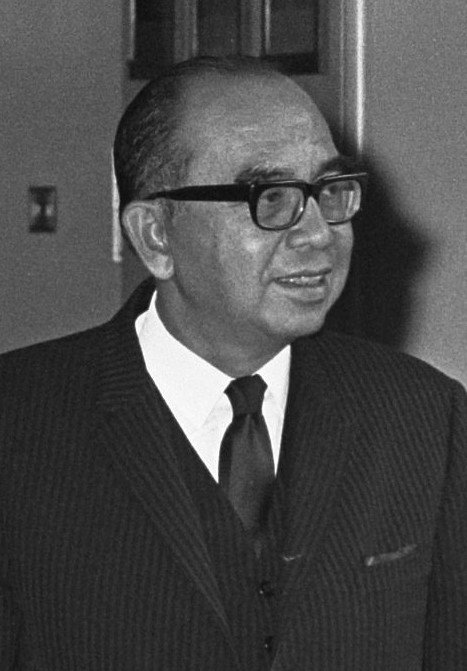
1922—1976
Abdul Razak Hussein
Second Prime Minister of MalaysiaMalaysia’s second prime minister, remembered for rural development, post-1969 reconstruction and a far-reaching programme of social and economic restructuring.Read biography Malaysia · Politics
1925—
Mahathir Mohamad
Fourth and seventh Prime Minister of MalaysiaA physician-politician whose two premierships—separated by fifteen years—made him the longest-serving and one of the most consequential leaders in Malaysian history.Read biography Malaysia · Politics
1953—
Najib Razak
Sixth Prime Minister of MalaysiaA political heir who led Malaysia for nine years before an historic election defeat and convictions in the SRC International and main 1MDB cases.Read biography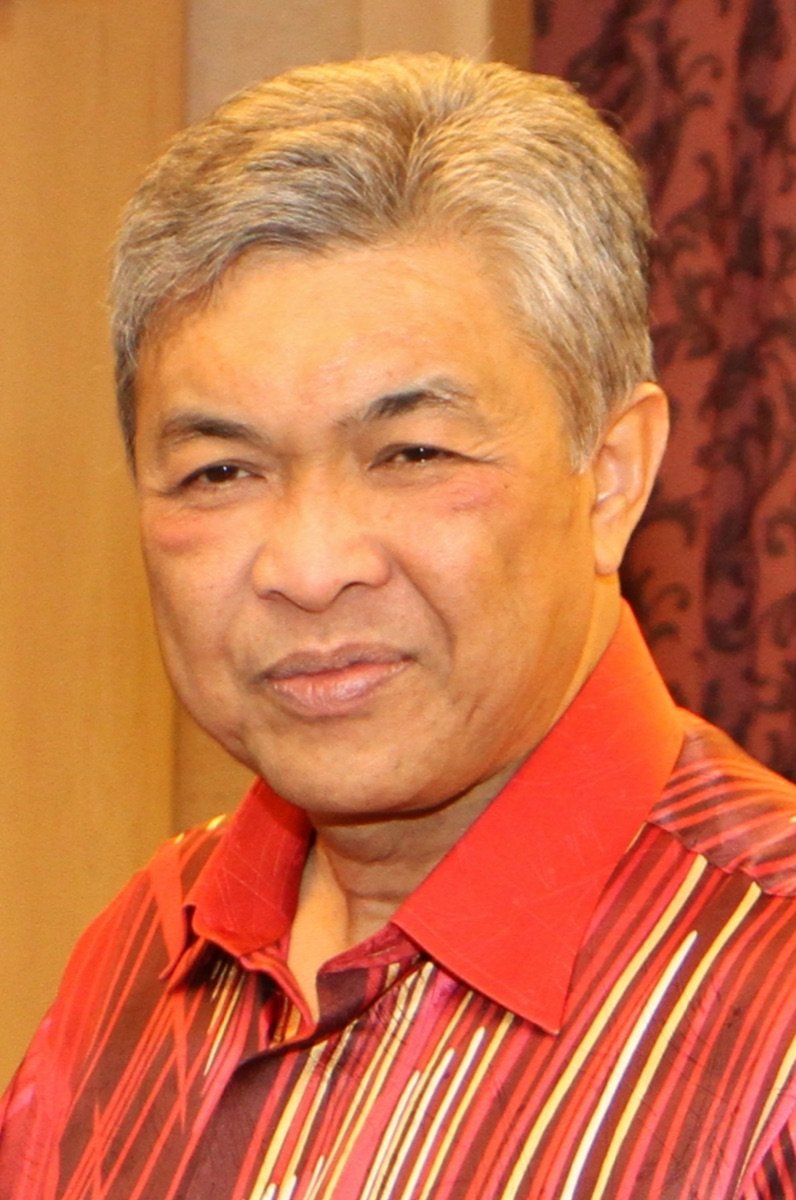 Malaysia · Politics
1953—
Ahmad Zahid Hamidi
Deputy Prime Minister and Minister of Rural and Regional DevelopmentThe UMNO president and Bagan Datuk member of Parliament who returned to the deputy premiership in 2022 after first holding the office from 2015 to 2018.Read biography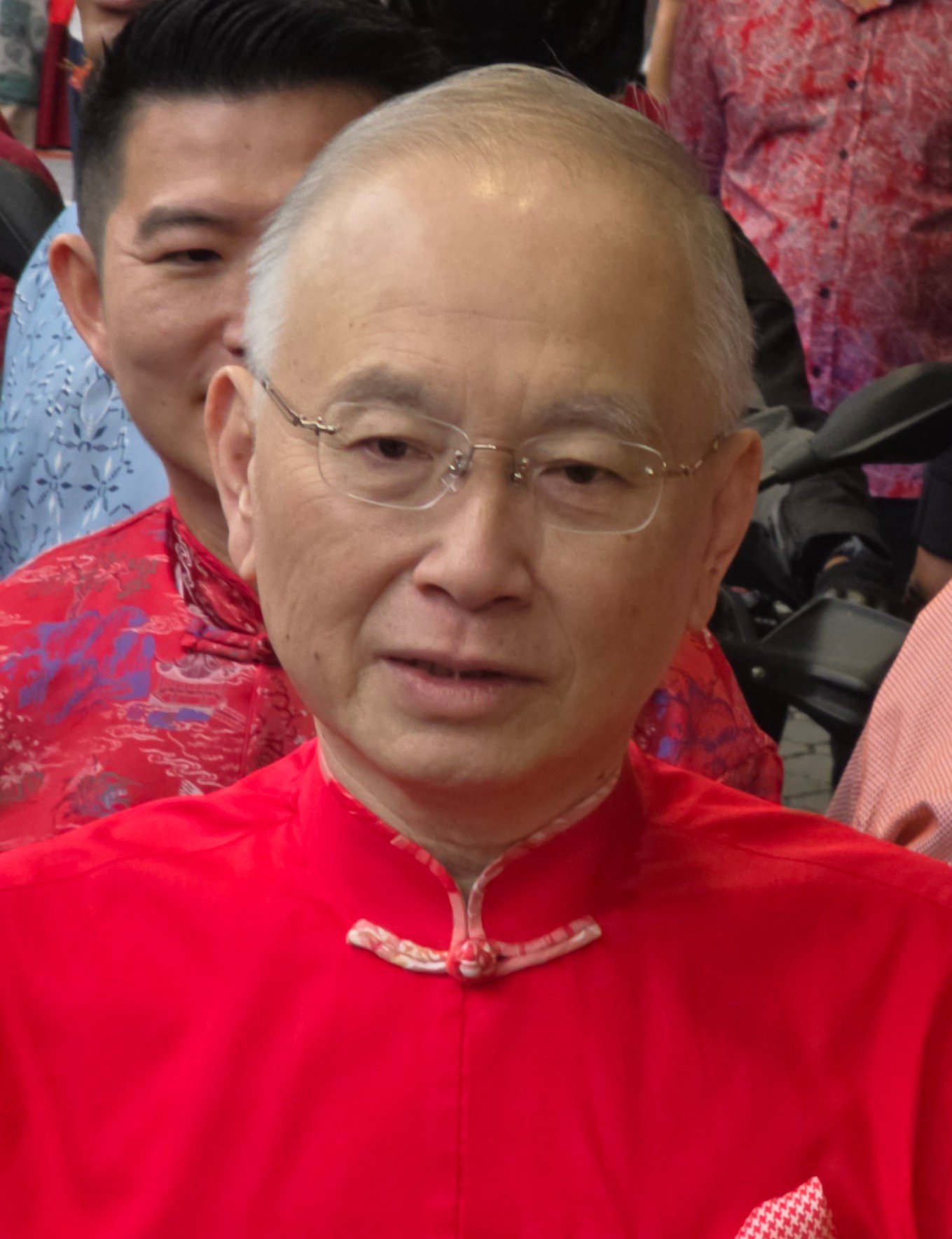 Malaysia · Politics
1968—
Wee Ka Siong
President of the Malaysian Chinese AssociationThe engineer, Ayer Hitam member of Parliament and former transport minister who has led the Malaysian Chinese Association since 2018.Read biography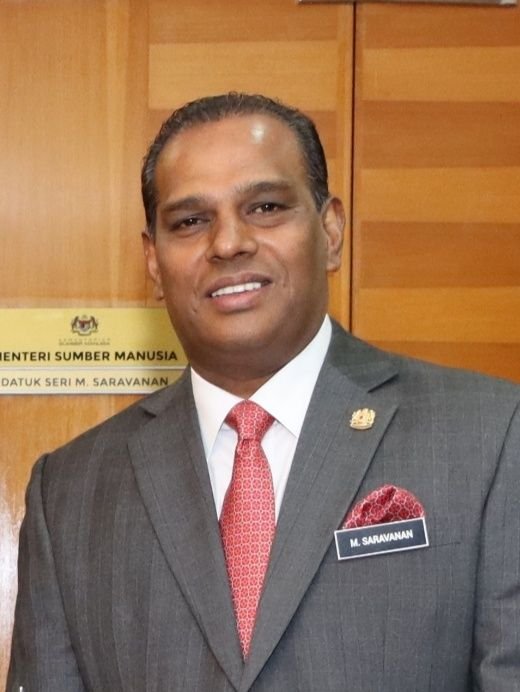 Malaysia · Politics
1968—
M. Saravanan
MIC deputy president and Member of Parliament for TapahThe Tapah member of Parliament, former human resources minister and deputy president of the Malaysian Indian Congress.Read biographyQuick answers
Common questions
- What does Barisan Nasional mean?
- Barisan Nasional means National Front. It is a coalition of parties, commonly abbreviated BN.
- When was Barisan Nasional formed?
- It developed from the Alliance after 1969 and was formally registered on 1 June 1974 before that year’s general election.
- Is UMNO the same as BN?
- No. UMNO is BN’s largest component party; BN is the coalition containing UMNO and four other core parties at the October 2026 review date.
- Which parties are in BN in 2026?
- UMNO, MCA, MIC, PBRS and PPP form the five-party core reported after PPP’s approved admission.
- How long did BN govern Malaysia?
- BN governed federally from 1974 to 2018, continuing the Alliance government that had held office since before independence in 1957.
- Why did BN lose in 2018?
- A united opposition, public concern over 1MDB and governance, economic pressures and long-term electoral change combined to produce its first federal defeat.
- How many seats did BN win at GE15?
- BN won 30 of 222 Dewan Rakyat seats in the final 2022 result.
- Is BN part of Pakatan Harapan?
- No. BN and PH remain separate coalitions. They became partners in the post-GE15 federal unity government.
Primary and institutional sources
How this history was checked
Party histories establish the Alliance-to-BN transition and registration; election records establish results; BERNAMA and ISEAS establish dated membership and post-2018 coalition changes. This article was reviewed on 4 October 2026.
- United Malays National OrganisationImportant Events in UMNO and Alliance–BN History
- United Malays National OrganisationThe Alliance Expands Into Barisan Nasional
- Parti Gerakan Rakyat MalaysiaParty History and BN Registration Date
- Inter-Parliamentary UnionMalaysia House of Representatives Election, November 2022
- BERNAMAPPP Accepted as a Full BN Component Party
- BERNAMAMCA Remains With Barisan Nasional
- BERNAMAFour Sarawak Parties Form GPS After Leaving BN
- ISEAS – Yusof Ishak InstituteRuling Coalitions and Policy Change Since GE14