
The short answer
PBS won 25 of Sabah’s 48 elected seats in April 1985, defeating the BERJAYA government only weeks after the new party was founded. The one-seat majority made Joseph Pairin Kitingan chief minister but also produced a disputed transition and instability that led to a stronger PBS mandate in 1986.
Election result
The 1985 Sabah seat result by party
The constituency dataset separates BERJAYA’s six wins from PASOK’s one. This preserves the party-level result while making clear that PBS faced 23 non-PBS assembly members.
| Party | Seats won | Position after election | Historical significance |
|---|---|---|---|
| Parti Bersatu Sabah (PBS) | 25 | Government | New party secured a majority of one |
| United Sabah National Organisation (USNO) | 16 | Largest opposition party | Recovered as a major force but remained short of PBS |
| BERJAYA | 6 | Lost state government | Incumbent collapsed after governing since 1976 |
| PASOK | 1 | Minor-party representation | Held the remaining seat |
Chronology
A timeline of the turning points
Labuan becomes a federal territory
The transfer became one of the disputes cited in accounts of growing dissatisfaction with the BERJAYA government.
Pairin wins the Tambunan by-election
Running as an independent after leaving BERJAYA, he demonstrated an electoral base for a new political vehicle.
PBS is founded
Parti Bersatu Sabah entered the state contest only weeks after its formation.
Sabah votes across 48 constituencies
The contest placed the incumbent BERJAYA government against PBS, USNO and smaller-party or independent candidates.
PBS reaches a majority of one
Its 25 seats were enough to control the 48-member elected assembly without a coalition partner.
A rival swearing-in creates a constitutional dispute
USNO leader Datu Mustapha Datu Harun was sworn in despite PBS holding the majority, producing an immediate challenge.
Pairin begins his chief-ministerial term
Sabah’s official record recognises Pairin as chief minister from this date.
Defections and unrest keep the government under pressure
The one-seat majority proved vulnerable and the post-election conflict did not end with the appointment.
A snap election gives PBS a larger mandate
PBS won a two-thirds majority, confirming that the April 1985 result was not a temporary one-seat accident.
PBS enters Barisan Nasional
The state party then moved from confrontation into the federal governing coalition.
What happened in the 1985 Sabah election?
Sabah voted in 48 state constituencies on 20 and 21 April 1985. The newly formed Parti Bersatu Sabah won 25 seats, giving it the minimum majority required to govern a chamber with an even number of elected seats.
USNO won 16 seats. The incumbent BERJAYA organisation, which had governed since 1976 and contested as a Barisan Nasional component, fell to six seats in the constituency-level historical dataset; PASOK won the remaining seat.
The result removed BERJAYA leader Harris Salleh from office and made PBS founder Joseph Pairin Kitingan chief minister. The transfer was contested immediately, turning a numerical result into a constitutional and political crisis.
Why was the election called?
BERJAYA had won heavily in 1981, but its second term produced visible internal division. Pairin, then a senior party figure, broke with the leadership and was pressed out of the organisation.
He retained Tambunan as an independent in December 1984. The by-election transformed an internal split into evidence that voters could rally behind a challenger outside the state government.
A state election followed earlier than the scheduled end of the assembly term. PBS was registered on 5 March 1985 and had only a short period to recruit candidates and organise against two established Sabah parties.
Why did PBS win so soon after it was founded?
Academic studies describe several overlapping causes rather than a single issue. They include dissatisfaction with BERJAYA’s leadership, concern about Sabah’s autonomy and resentment surrounding the transfer of Labuan to federal administration.
Pairin’s personal standing after Tambunan gave the new party a recognisable leader. PBS also built a multiracial slate that could combine Kadazandusun support with votes from Chinese and other communities.
The opposition to BERJAYA remained divided because USNO separately retained substantial Muslim-bumiputera support. PBS did not win most votes in every part of Sabah; it won the constituency contest efficiently enough to secure 25 seats.
What were the seat results?
PBS won 25 constituencies, USNO 16, BERJAYA six and PASOK one. Some later summaries group the final PASOK seat with the anti-PBS or BN-aligned side, which is why readers may encounter a simplified 25–16–7 presentation.
The precise party breakdown matters because BERJAYA and USNO were distinct rivals even though both opposed the new PBS government. Together, all non-PBS winners held 23 seats.
A 25–23 chamber gave Pairin a legal majority but almost no protection against defection. The arithmetic explains why the struggle over government formation continued after ballots had been counted.
Why was the chief minister appointment disputed?
After the result, USNO and BERJAYA leaders attempted to construct an alternative government. Datu Mustapha Datu Harun was sworn in during the early hours even though PBS had won a majority of elected seats.
Pairin challenged the competing claim and was subsequently appointed. The Sabah government’s official list records him beginning as chief minister on 22 April, which provides the clearest institutional date for the transfer.
The episode is important because a state election does not directly elect a chief minister. The office depends on who is judged able to command confidence in the assembly, but in this case the seat result already gave PBS that claim.
Why was there another election in 1986?
The first PBS administration remained under pressure from defections, demonstrations and violence. A majority of one meant that even a small number of crossovers could reverse control of the government.
Pairin sought a fresh mandate rather than relying on the unstable 1985 alignment. Sabah returned to the polls on 4 and 5 May 1986, little more than a year after the previous election.
PBS won a two-thirds majority. The stronger result settled the immediate confidence question and showed that voters had not simply produced a temporary protest in 1985.
What changed after the election?
The election established PBS as the principal force in Sabah government for the next nine years. Pairin remained chief minister through further state elections in 1986, 1990 and 1994.
After the 1986 mandate, PBS joined Barisan Nasional. This reduced immediate confrontation with Kuala Lumpur, although federal–state tensions returned and the party left the coalition before the 1990 general election.
The narrow 1985 majority also foreshadowed later Sabah controversies. In 1994 PBS again won 25 of 48 seats, but defections succeeded in changing the government before another election could be held.
Continue the chronology
Related history guides
Parti Bersatu Sabah: History and Leaders
Continue from the founding victory through PBS’s later coalitions.
Read the timeline4–5 May 1986The 1986 Sabah Election and Political Unrest
Continue to the snap poll that replaced a one-seat majority with 34 PBS seats.
Read the timelineFebruary–March 1994The 1994 Sabah Political Crisis
Compare the first narrow PBS majority with the one undone by defections nine years later.
Read the timeline1955–presentHow Malaysia’s Elections Work
Understand constituency victories, assembly confidence and government formation.
Read the timeline16 September 1963The Formation of Malaysia
Read the federal settlement behind later Sabah autonomy debates.
Read the timelineBiography context
Explore Sabah, Malaysia through connected lives
Connected biographies
Five figures connected to PBS’s rise and Sabah’s political transition
1940—
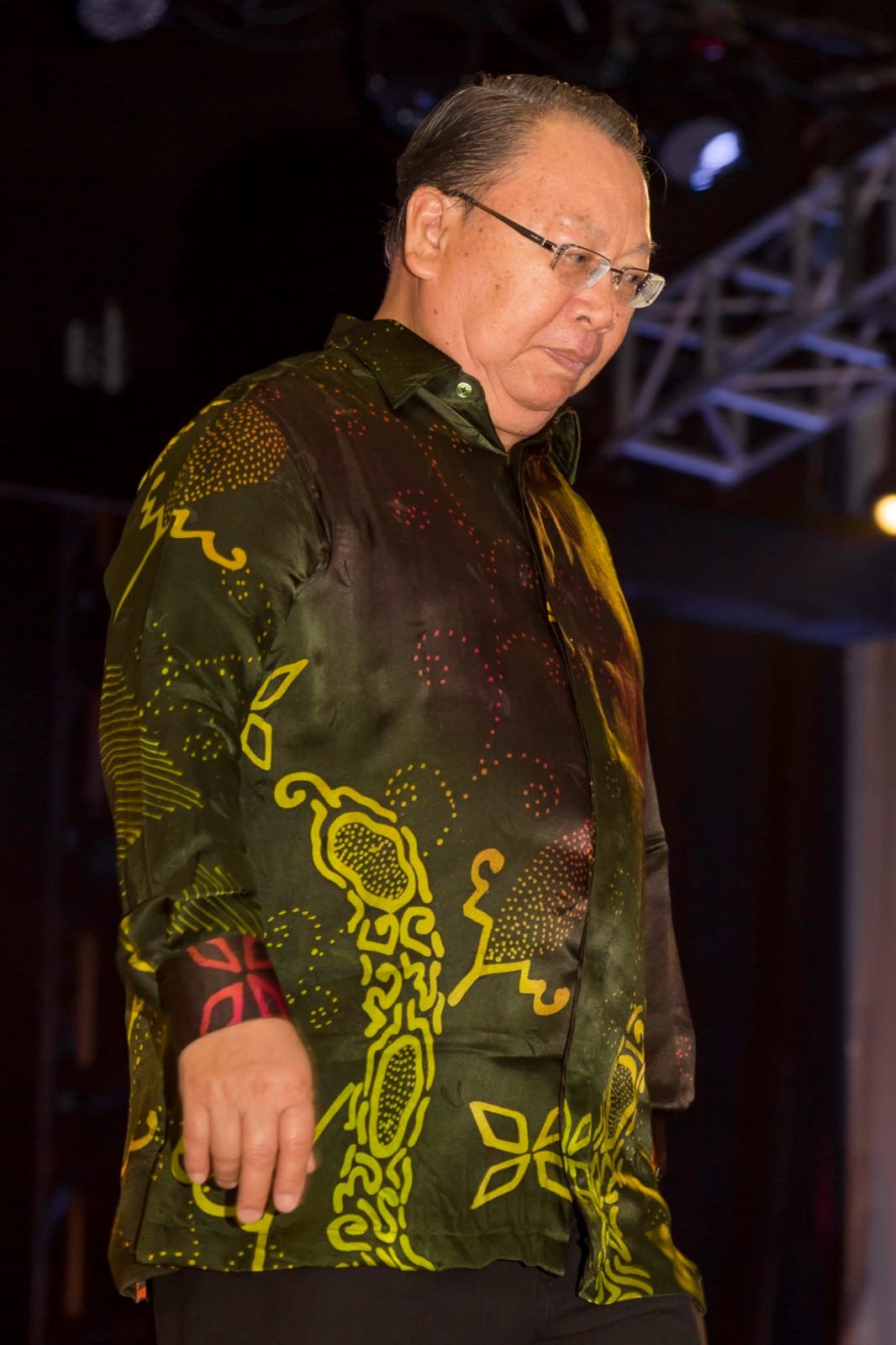
Joseph Pairin Kitingan
Founder of PBS and former Chief Minister of SabahThe lawyer and Kadazandusun leader who founded PBS, led four consecutive state-election victories and served as Sabah’s chief minister for nearly nine years.Read biography
1918—1995
Datu Mustapha Datu Harun
First Yang di-Pertua Negeri of SabahA Sabah formation-era leader who became the state’s first head of state, later served as chief minister and expanded education through the Sabah Foundation.Read biography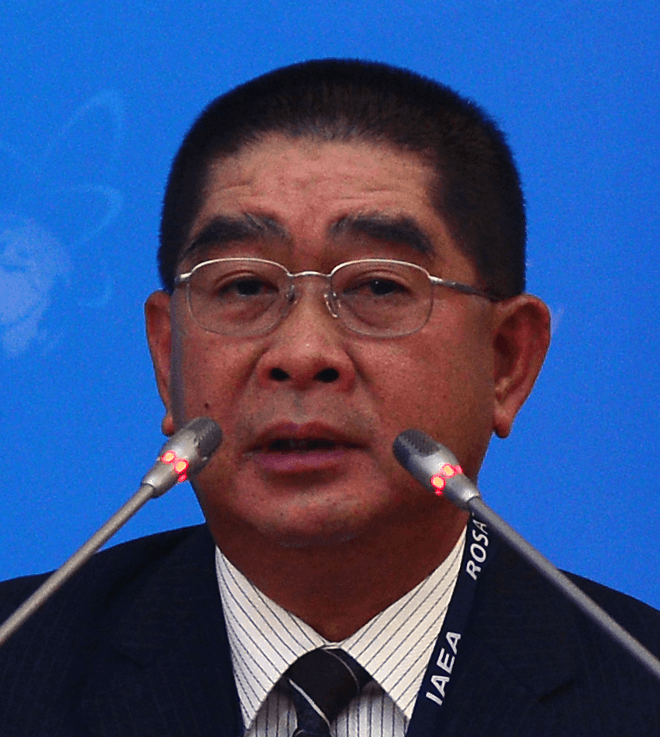
1953—
Maximus Ongkili
Chairman of the Energy Commission of Sabah and former PBS PresidentThe researcher-turned-politician who represented Sabah in Parliament for twenty-seven years, led several federal ministries and became PBS’s second president.Read biography
1948—
Jeffrey Kitingan
President of STAR and Member of Parliament for KeningauThe Keningau MP, Tambunan assemblyman and STAR founder whose long career centres on Sabah autonomy, MA63 and Indigenous political representation.Read biography1930—
Harris Salleh
Former Chief Minister of SabahThe civil servant turned BERJAYA co-founder who governed Sabah for almost nine years before the 1985 PBS electoral upset.Read biographyQuick answers
Common questions
- Who won the 1985 Sabah state election?
- Parti Bersatu Sabah won 25 of 48 seats and formed the government under Joseph Pairin Kitingan.
- When was the 1985 Sabah election held?
- Polling took place on 20 and 21 April 1985.
- How many seats did PBS win in 1985?
- PBS won 25 seats, a majority of one in the 48-seat assembly.
- How many seats did USNO win in 1985?
- USNO won 16 seats.
- How many seats did BERJAYA win in 1985?
- The constituency dataset records six BERJAYA seats and one PASOK seat; some summaries group those seven seats together.
- Who became Sabah chief minister after the election?
- Joseph Pairin Kitingan became chief minister, with the official Sabah record dating his term from 22 April 1985.
- Why was there another Sabah election in 1986?
- Defections, political unrest and the fragility of PBS’s one-seat majority led Pairin to seek a fresh mandate.
- Was PBS part of Barisan Nasional in the 1985 election?
- No. PBS defeated the BERJAYA-led state government as a separate party and joined BN only after its stronger 1986 victory.
Primary and institutional sources
How this history was checked
The academic election study and Sabah political research establish causes and chronology; the constituency dataset supplies the party-level seat count; the official chief-minister list anchors the transfer-of-office date. This article was reviewed on 4 October 2026.
- University of California PressThe Sabah State Elections of April 1985
- Election Commission of Malaysia, Sabah OfficeHistory of Elections in Sabah
- Tindak Malaysia1985 Sabah State Election Constituency Results Dataset
- IRASEC / Universiti Malaysia SarawakPolitical Development in Sabah, 1985–2010
- University of MalayaSabah Politics Under Pairin
- Government of SabahFormer Chief Ministers of Sabah
- Wikimedia CommonsJoseph Pairin Kitingan Portrait and Licence Record