
The short answer
The Council for Aboriginal Reconciliation was a statutory body created in 1991 to promote a national process over the decade leading to the centenary of Federation. Pat Dodson was its first chair. Its mandate combined public education, local discussion, consultation and advice. Following that design through to its 2000 documents and legislative sunset explains what the Council could do, what it could only recommend and why an independent organisation later continued the work.
Chronology
A timeline of the turning points
Royal commission recommends a process
The deaths-in-custody inquiry’s final recommendation calls for a formal reconciliation process.
Council established by law
The Act receives assent and commences, with a planned endpoint linked to the centenary of Federation.
First chair
Dodson leads the Council’s early consultation and public work.
Community engagement expands
Education, local groups and national events develop alongside debates about rights and recognition.
Corroboree and public documents
The Australian Declaration Towards Reconciliation and Roadmap for Reconciliation are presented.
Final report
The Council submits recommendations for continuing action and unresolved issues.
Independent successor
The statutory period ends and Reconciliation Australia carries forward work as an independent not-for-profit.
The 1991 Act established a time-limited national process
The Council emerged after the Royal Commission into Aboriginal Deaths in Custody recommended a formal reconciliation process. Parliament created it through the Council for Aboriginal Reconciliation Act 1991, which received assent on 2 September and commenced that day.
The Act’s preamble acknowledged prior Indigenous occupation, dispossession and dispersal and looked towards the centenary of Federation in 2001. It established an institution to promote a process, not a legal declaration that reconciliation had already occurred. The law also contained its own endpoint: it would cease to be in force on 1 January 2001.
Appointed membership did not make it an elected Indigenous parliament
The Council included Aboriginal and Torres Strait Islander people and non-Indigenous members. Its statutory composition included government and opposition representation and appointments by the Governor-General, with a required Indigenous majority. Dodson served as inaugural chair from 1991 to 1997.
This structure was intended to support dialogue across communities and politics. It did not confer a mandate from a nationwide election of Indigenous peoples. The Parliamentary Library describes it as focused on reconciliation rather than a general representative advisory body. Its recommendations could be influential without expressing a unanimous position held by every Indigenous community or person.
Education, local discussion and consultation were central methods
The Act authorised initiatives, public education, discussion, research and consultation. The Council promoted understanding of history, cultures, dispossession and continuing disadvantage, while advising government and considering whether formal reconciliation documents would be beneficial.
The National Indigenous Radio Service’s historical overview stresses the ambition to make reconciliation a people’s movement. Reconciliation Australia’s later account links the Council with expanding public observance and the bridge walks of 2000. These activities extended beyond a single chair’s speeches. They also differed from delivering all government services or deciding every dispute about land, law and resources.
The 2000 documents were proposals for a continuing relationship
At Corroboree 2000 the Council presented the Australian Declaration Towards Reconciliation and a Roadmap for Reconciliation. Its final report later that year recommended further processes, accountability and work on unresolved questions.
The Human Rights Commission’s 2001 review explains that these documents fulfilled the Council’s responsibility to recommend the nature and content of formal reconciliation documents. Presenting them did not automatically turn their proposals into legislation, a treaty or a constitutional amendment. The distinction matters particularly where a recommendation required negotiation or action by governments beyond the Council’s lifetime.
The statutory sunset did not end the reconciliation movement
The Act ceased to operate on 1 January 2001. Reconciliation Australia emerged as an independent not-for-profit to continue the work, rather than simply retaining the Council’s statutory powers under another name.
Its 2026 anniversary account describes a continuing movement and unfinished tasks. Dodson’s 2000 Wentworth Lecture had likewise linked reconciliation to unresolved historical and legal relationships. Neither an institution’s planned endpoint nor a major public walk proves completion. The Council’s history is therefore best understood as a defined phase in a longer and contested process, distinct from the later 2008 parliamentary apology.
Continue the chronology
Related history guides
Biography context
Explore Australia through connected lives
Pat Dodson
Follow his Yawuru background, land-council work, reconciliation leadership and later Senate service.
Explore the biographiesThe government at establishmentBob Hawke
Place the 1991 Council within the wider history of his Labor government.
Explore the biographiesThe government receiving the final documentsJohn Howard
Read the broader political career behind the disagreements recorded in the 2001 review.
Explore the biographiesConnected biographies
Leadership across the Council’s statutory period

1948–
Pat Dodson
Yawuru reconciliation advocate, former senator and land-rights leaderPat Dodson is a Yawuru leader whose work has ranged from priesthood and land councils to a royal commission, reconciliation advocacy and service as a Western Australian senator.Read biography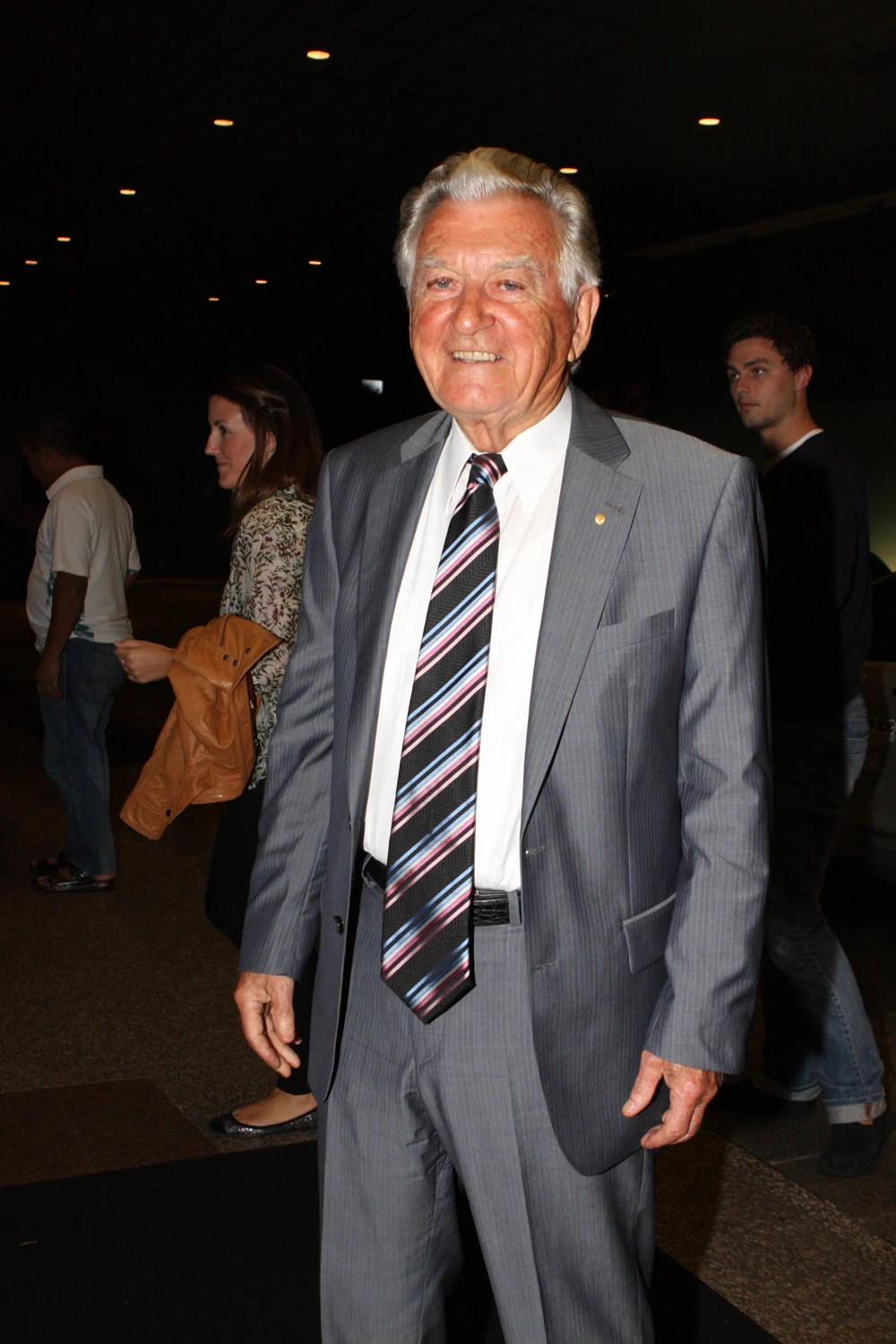
1929–2019
Bob Hawke
Trade union leader and Australia’s 23rd prime ministerAn arbitration advocate and ACTU president who entered parliament in 1980, led Labor to office in 1983 and governed through economic and social reform.Read biography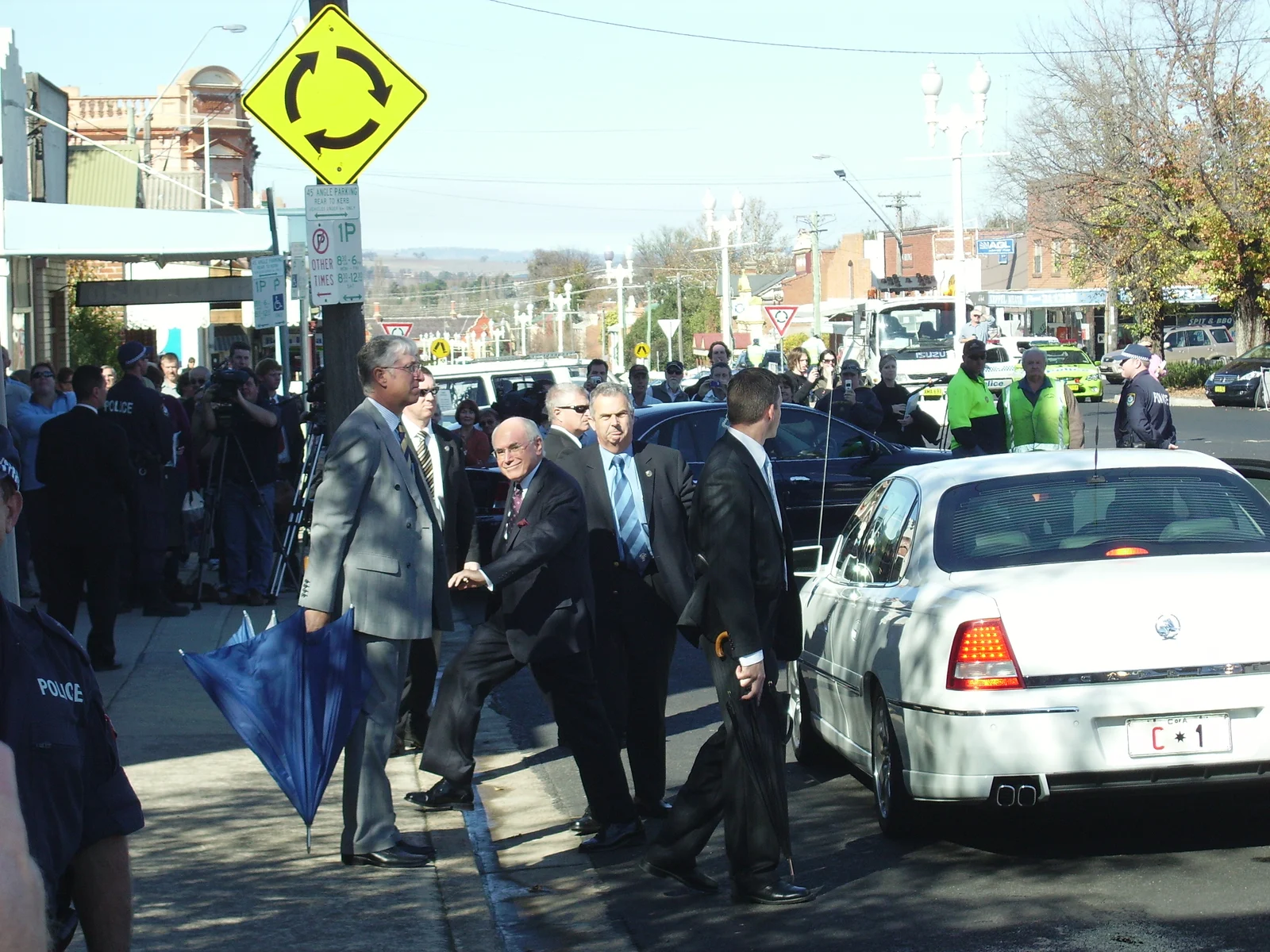
1939–
John Howard
Former Australian treasurer and Australia’s 25th prime ministerA Sydney solicitor who became treasurer, twice led the opposition and served as prime minister from 1996 to 2007 before losing government and Bennelong.Read biographyQuick answers
Common questions
- What established the Council?
- The Council for Aboriginal Reconciliation Act 1991. It received assent and commenced on 2 September 1991.
- Was the Council elected by Indigenous Australians?
- No. Its statutory membership was appointed and included Indigenous and non-Indigenous members and political representatives. It was not an elected Indigenous parliament.
- Was Pat Dodson chair for the whole decade?
- No. His inaugural chairship ran from 1991 to 1997. The Council continued after that and produced its final documents and report in 2000.
- Did the Council’s declaration automatically become a treaty?
- No. The declaration, roadmap and final recommendations required further consideration, negotiation or government action. They were not themselves a treaty or constitutional amendment.
- Is Reconciliation Australia the same statutory body?
- No. Reconciliation Australia is an independent not-for-profit successor to the work. The Council’s Act ceased to operate on 1 January 2001.
Primary and institutional sources
How this history was checked
Selected provisions of the original Act establish powers, membership and the sunset. The Parliamentary Library and NIRS supply institutional and public context. The Social Justice Report’s selected 2001 passages record the documents and contested response, while the 2026 successor account clarifies the organisational transition. No full-report consumption, universal Indigenous viewpoint or completed-reconciliation claim is made. The photograph is from September 2022, not the Council’s establishment. This article was reviewed on 24 October 2026.
- Federal Register of LegislationCouncil for Aboriginal Reconciliation Act 1991: original enacted text
- Parliamentary LibraryFormer Aboriginal and Torres Strait Islander representative and advisory bodies: Council section
- National Indigenous Radio ServiceOn a Knife’s Edge: 25 Years on from Corroboree, historical overview
- Human Rights and Equal Opportunity CommissionSocial Justice Report 2001, chapter 6: reconciliation and the response to Council recommendations
- Reconciliation Australia25 years of Reconciliation Australia: statutory Council and independent successor, 18 May 2026
- AIATSISPatrick Dodson: Beyond the Mourning Gate, 2000 Wentworth Lecture
- Parliament of AustraliaFormer senator Patrick Dodson: parliamentary service and earlier public roles
- Sarah Friend / Department of Foreign Affairs and Trade / Wikimedia CommonsPatrick Dodson in the UN Rose Garden, September 2022: complete supplied original with attribution grant