
The short answer
PAS was founded in 1951, won two state governments in 1959 and has moved between opposition, BN and later coalition politics. It reached its largest parliamentary presence after GE15, while its 2026 break with Bersatu left PN’s formal structure under an unresolved RoS process.
Coalition chronology
PAS in government and opposition coalitions
PAS has retained its separate organisation while changing coalition partners across seven decades.
| Period | Alignment | Result or role |
|---|---|---|
| 1973–1977 | Alliance, then Barisan Nasional | Federal government; later expelled |
| 1999–2001 | Barisan Alternatif | Opposition cooperation; DAP withdrew |
| 2008–2015 | Pakatan Rakyat | Joint state governments and larger opposition |
| 2019–2026 | Muafakat Nasional and Perikatan Nasional | Federal participation, then principal opposition and dispute |
Chronology
A timeline of the turning points
Malayan religious scholars agree to organise
A Kuala Lumpur meeting agreed to create Persatuan Ulamak Se-Malaya.
Persatuan Islam Se-Malaya is founded
The organisation later known as PAS was established at a scholars’ conference in Butterworth.
PAS wins Kelantan and Terengganu
The first post-independence general election made PAS the government in two east-coast states.
PAS joins the governing coalition
It cooperated with the Alliance and became a founding component of Barisan Nasional.
Kelantan crisis ends PAS’s BN period
An emergency and state dispute preceded PAS’s expulsion from BN and loss of Kelantan.
The ulama leadership takes control
A party leadership change strengthened the role of religious scholars and Islamist mobilisation.
PAS returns to power in Kelantan
Nik Abdul Aziz Nik Mat became menteri besar, beginning a long period of PAS state rule.
PAS enters successive opposition coalitions
It joined Barisan Alternatif and later Pakatan Rakyat before the latter broke apart.
Muafakat Nasional and PN realign the party
PAS cooperated with UMNO, then joined the Perikatan Nasional government under Muhyiddin Yassin.
PAS reaches its largest parliamentary presence
Candidates affiliated with PAS won 43 seats, although official ballot-result groupings split the total between PN and the PAS label.
PAS ends political cooperation with Bersatu
The decision fractured the partnership that had anchored PN’s GE15 campaign.
RoS suspends PN activities during a dispute
The Registrar issued a show-cause notice and suspension order; it explicitly said the notice was not cancellation of registration.
How and why was PAS founded?
PAS traces its origin to a 23 August 1951 agreement among religious scholars and a 24 November conference in Butterworth that established Persatuan Islam Se-Malaya. Ahmad Fuad Hassan became its first president.
The party drew on earlier Malay-Muslim organisations and transnational Islamist ideas. It combined electoral participation, religious outreach and a claim to represent an Islamic alternative to UMNO-led nationalism.
PAS contested elections before independence and won control of Kelantan and Terengganu in 1959. Those victories made state government, especially in Kelantan, a central part of its political identity.
Why did PAS join and leave Barisan Nasional?
PAS entered coalition government with the Alliance in 1973 and became a founding BN component in 1974. The arrangement was part of post-1969 efforts to broaden the federal coalition.
A leadership dispute in Kelantan led to emergency rule in 1977. PAS was expelled from BN and lost the state at the 1978 election, beginning a renewed period as an opposition party.
The episode remains important because it shows that PAS has participated in both governing and opposition coalitions. Its alliances have changed even as its Islamic party identity has continued.
What was the 1982 ulama leadership change?
In 1982, a group associated with ulama leadership displaced the party’s earlier nationalist leadership. Yusof Rawa became president and Abdul Hadi Awang rose in influence.
The shift placed religious scholars more firmly at the centre of party authority and sharpened PAS’s ideological contest with UMNO. It also shaped the internal institutions through which religious and elected leaders share influence.
Nik Abdul Aziz’s government in Kelantan after 1990 gave PAS a durable state-administration record. Abdul Hadi succeeded Fadzil Noor as president in 2002 and remained in the office at the 2026 review date.
Which coalitions has PAS joined?
PAS worked with DAP, Keadilan and PRM in Barisan Alternatif in 1999. DAP withdrew two years later, but PAS later joined DAP and PKR again in Pakatan Rakyat after the 2008 election.
Pakatan Rakyat ended in 2015 amid disputes involving PAS’s policy direction and leadership. A group of former PAS leaders formed Amanah and joined PH, while PAS pursued separate cooperation with UMNO through Muafakat Nasional in 2019.
PAS then became a principal component of PN and participated in the post-2020 federal governments. These arrangements should be read as dated coalitions, not as permanent mergers between the parties.
How many seats did PAS win at GE15?
PAS emerged from GE15 with 43 MPs by party affiliation, its highest total. Official election summaries can look different because candidates appeared under different ballot labels: 52 seats were recorded under PN and 22 under PAS across the full aligned result.
The 43 figure answers how many elected MPs belonged to PAS; the official 52-plus-22 presentation answers how ballot labels were grouped. They measure different things and should not be treated as contradictory.
The result made PAS the largest single party in the Dewan Rakyat by member affiliation and strengthened its influence inside the principal opposition bloc.
What changed between PAS, Bersatu and PN in 2026?
PAS ended political cooperation with Bersatu on 8 June. Later campaign arrangements placed the two parties on separate slates, while their formal relationship inside registered PN became disputed.
In August, Abdul Hadi said Bersatu had automatically ceased to be a member; Bersatu secretary-general Azmin Ali disputed that interpretation and said only the PN presidential council could decide under the coalition constitution.
After Bersatu complained to the Registrar of Societies, RoS issued PN a show-cause notice on 22 September and suspended coalition activities the next day. RoS explicitly said this was not a decision cancelling PN’s registration. The legal and organisational review was unresolved on 4 October 2026.
Continue the chronology
Related history guides
Perikatan Nasional: History and Parties
Follow the coalition PAS helped lead and its unresolved 2026 structure.
Read the timeline2016–presentBersatu: History and Leaders
Read the other side of the alliance and membership dispute.
Read the timeline19 November 2022Malaysia’s 2022 General Election
See the result behind PAS’s unprecedented parliamentary strength.
Read the timeline1952–presentBarisan Nasional: History and Parties
Place PAS’s short BN phase inside the larger coalition history.
Read the timelineBiography context
Explore Malaysia through connected lives
Connected biographies
Four leaders connected to PAS’s government and changing coalition eras
 Malaysia · Politics
1947—
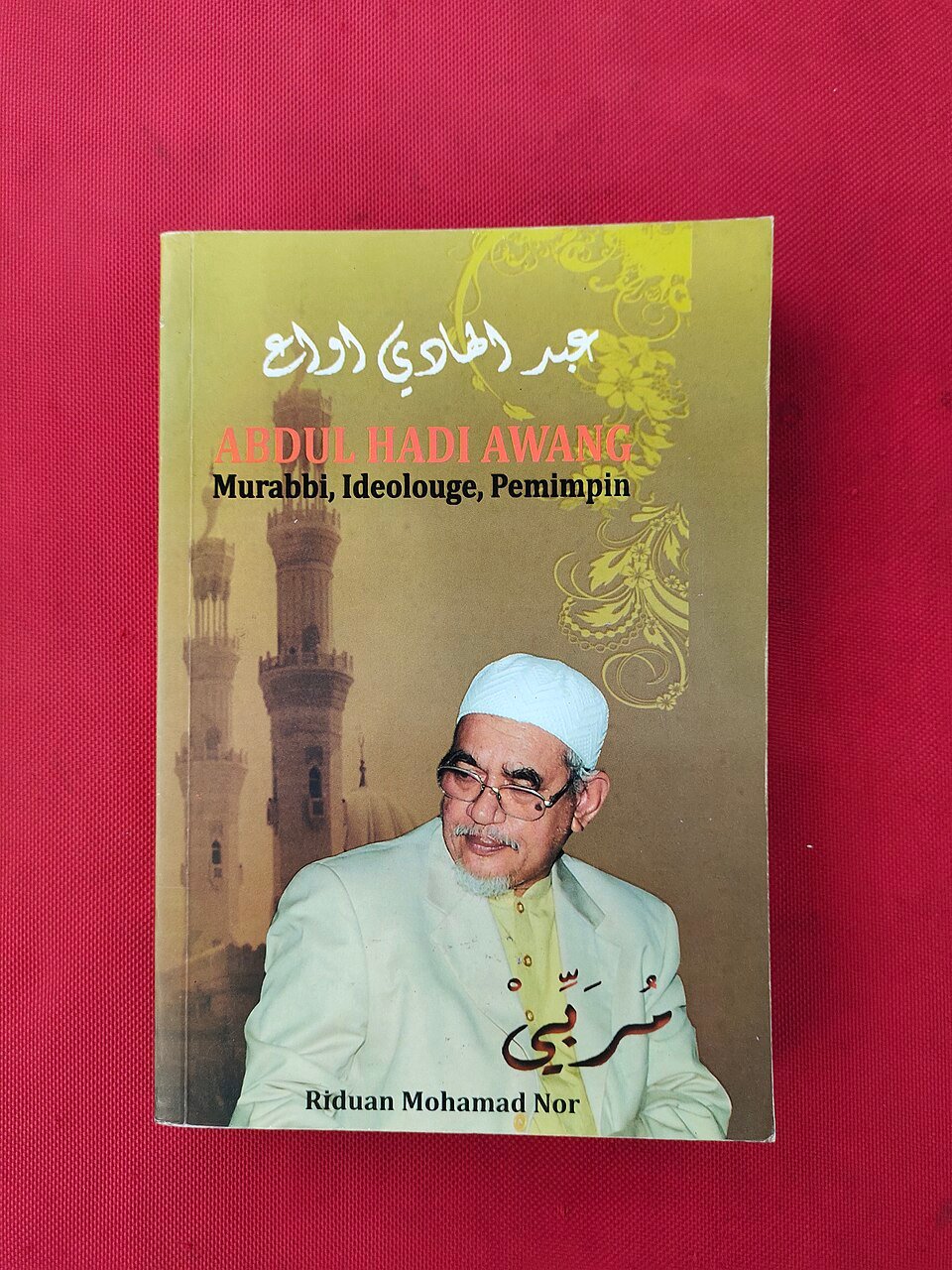
Abdul Hadi Awang
President of Parti Islam Se-MalaysiaThe Islamic scholar and politician who led Terengganu from 1999 to 2004 and has served as president of PAS since 2002.Read biography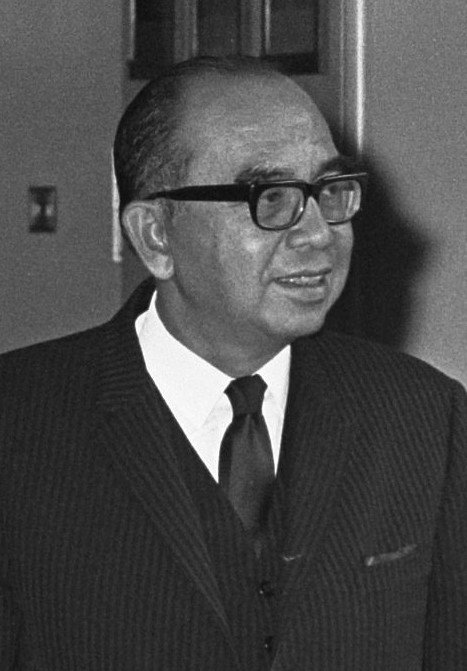 Malaysia · Politics
1922—1976
Abdul Razak Hussein
Second Prime Minister of MalaysiaMalaysia’s second prime minister, remembered for rural development, post-1969 reconstruction and a far-reaching programme of social and economic restructuring.Read biography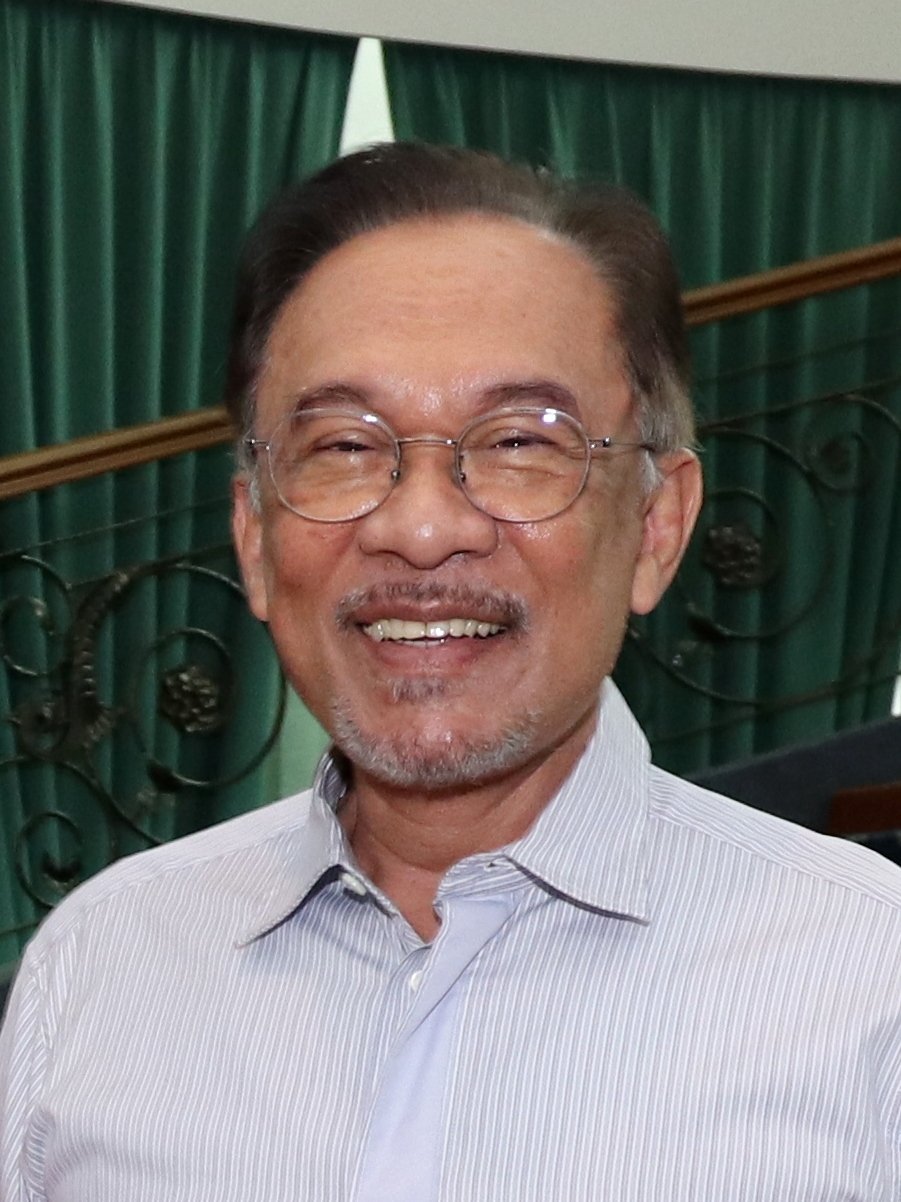 Malaysia · Politics
1947—
Anwar Ibrahim
Tenth Prime Minister of MalaysiaA student activist turned government minister, opposition leader and Malaysia’s tenth prime minister after one of the longest routes to national office.Read biography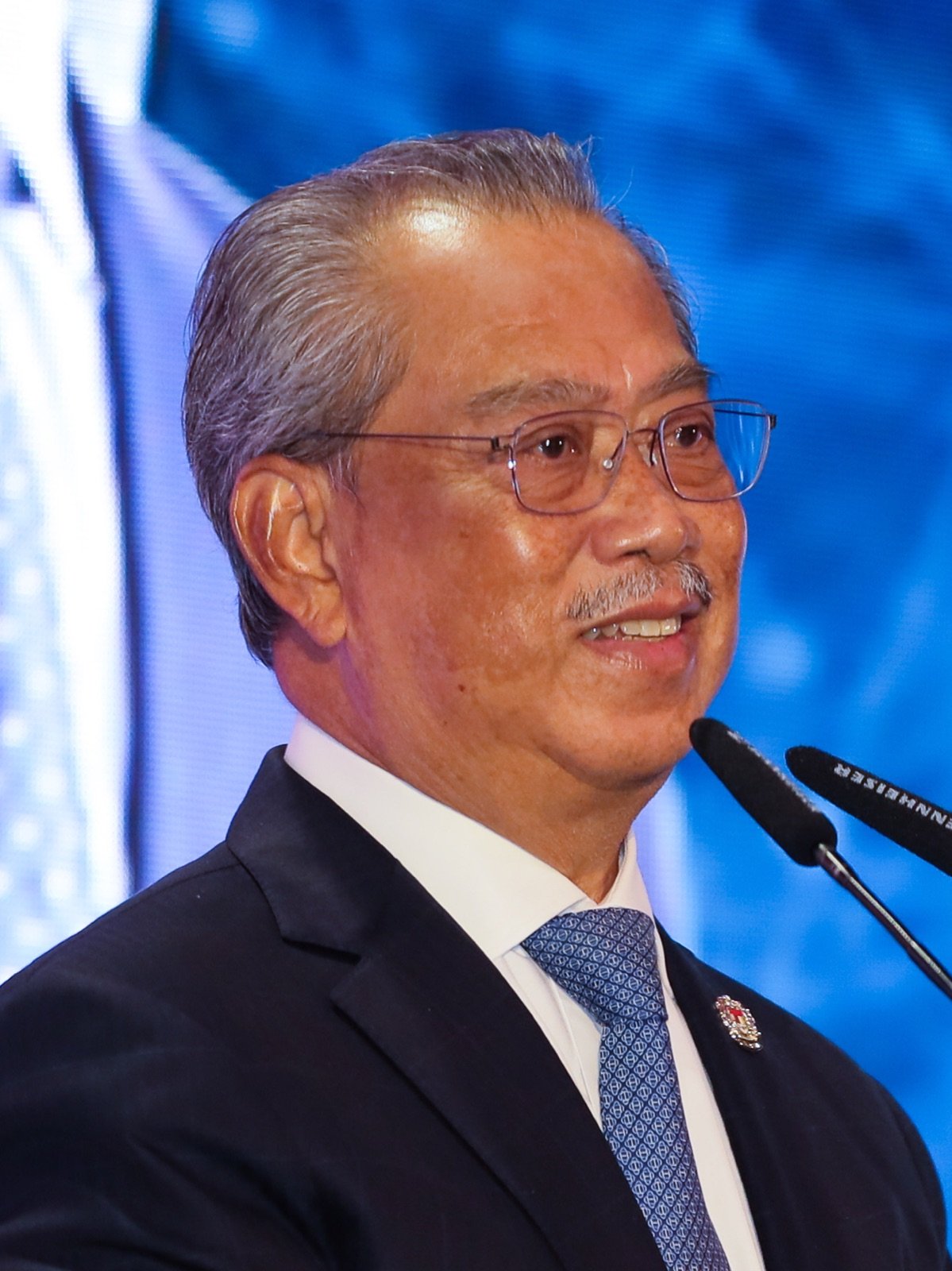 Malaysia · Politics
1947—
Muhyiddin Yassin
Eighth Prime Minister of MalaysiaA veteran Johor politician who became prime minister after the 2020 coalition crisis and governed through the most disruptive phase of the pandemic.Read biographyQuick answers
Common questions
- What does PAS stand for?
- PAS is the abbreviation used for Parti Islam Se-Malaysia, the Malaysian Islamic Party.
- When was PAS founded?
- Its founding conference was held in Butterworth on 24 November 1951.
- Who is PAS president in 2026?
- Abdul Hadi Awang, who became president in 2002, remained in office at the review date.
- How many MPs did PAS have after GE15?
- PAS had 43 MPs by party affiliation. Official result groupings also report the broader PN-aligned outcome as 52 PN-label seats plus 22 PAS-label seats.
- When did PAS govern Kelantan?
- It first won Kelantan in 1959, lost the state in 1978 and returned to government in 1990.
- Did PAS leave Perikatan Nasional in 2026?
- PAS ended political cooperation with Bersatu, but PN’s formal membership position entered a contested RoS process. It is safer to describe the structure as disputed at the review date.
- Was PN deregistered in September 2026?
- No. RoS suspended PN activities while seeking an explanation and explicitly said the notice was not cancellation of registration.
Primary and institutional sources
How this history was checked
PAS’s official archive establishes its institutional account; election and research records anchor results; BERNAMA documents the contested 2026 PN membership and RoS process. This article was reviewed on 4 October 2026.
- Parti Islam Se-MalaysiaKnow PAS: Official History
- Parti Islam Se-MalaysiaPAS Diamond Jubilee Timeline
- Parti Islam Se-MalaysiaPAS Ends Political Cooperation With Bersatu
- ISEAS – Yusof Ishak InstitutePAS’s Electoral Strength and Four-State Government Base
- BERNAMAGE15 Parliamentary Results
- BERNAMAHadi Says Bersatu Lost PN Membership; Azmin Disputes Claim
- BERNAMARoS Notice Against PN Is Not Registration Cancellation