
The short answer
Myanmar’s opening was real but incomplete. Political prisoners were released, opposition parties entered parliament and voters delivered two decisive NLD victories. Yet the armed forces kept an amendment veto, security ministries and institutional autonomy—and used that remaining power to end the elected transition in 2021.
Three national elections
How Myanmar’s electoral competition changed from 2010 to 2020
The votes became more competitive and produced two clear NLD mandates, while the constitutional military bloc remained untouched.
| Question | 2010 | 2015 | 2020 |
|---|---|---|---|
| Main winner | USDP · nearly 80% of elected national seats | NLD · decisive majority | NLD · 396 of 476 contested Union seats |
| NLD participation | Boycotted | Contested nationally | Contested as governing party |
| Competitive character | Widely viewed as illegitimate and affected by irregularities | Credible and competitive despite structural flaws | Result judged reflective of voters’ will despite important exclusions |
| Government outcome | Thein Sein and a USDP-led nominally civilian administration | Peaceful transfer to an NLD-led civilian government | Mandate interrupted by the 1 February 2021 coup |
| Military seats | 25% reserved | 25% reserved | 25% reserved |
Chronology
A timeline of the turning points
Military-backed party won the election
The USDP took nearly 80% of elected national seats in a vote the NLD boycotted and observers widely criticised.
Thein Sein became president
The former general headed a nominally civilian government and the previous military council was dissolved.
Political and economic reforms accelerated
Prisoner releases, changes to media controls, labour organisation and party registration widened political space.
NLD entered parliament
The party won 43 of the 44 by-election seats it contested, including one for Aung San Suu Kyi.
Nationwide Ceasefire Agreement signed
The government, military and eight ethnic armed organisations signed an incomplete national peace framework.
NLD won a national landslide
The first broadly competitive general election under the 2008 Constitution produced a peaceful transfer on the civilian side of government.
Htin Kyaw and the State Counsellor took office
Htin Kyaw became president and parliament created the State Counsellor role for Aung San Suu Kyi.
Rohingya crisis transformed the transition’s record
Military operations drove a mass flight to Bangladesh and produced UN findings of grave international crimes.
Constitutional reform failed again
Military representatives prevented proposals from reaching the required more-than-75-percent threshold.
NLD won 396 of 476 contested Union seats
The result gave the party a second mandate, but the new parliament never convened.
The military ended the elected transition
Leaders were detained hours before parliament was due to meet and the armed forces seized state power.
Why does the transition begin with the 2010 election?
The 2010 vote did not itself create a democratic system. The National League for Democracy boycotted after election laws forced it to decide between expelling imprisoned members and losing registration. The Union Solidarity and Development Party, closely linked to the military government, won nearly 80% of the elected seats. Another 25% of every legislature was already reserved for military appointees.
The election nevertheless activated the 2008 Constitution and created institutions through which later competition could occur. Thein Sein, a former general and USDP leader, became president in March 2011. The previous military council dissolved, but the Commander-in-Chief, reserved military seats and security ministries remained outside normal civilian control.
What changed under Thein Sein?
The government released hundreds of political prisoners, eased pre-publication censorship, allowed new labour organisation and revised party-registration rules. Aung San Suu Kyi and the NLD entered the April 2012 by-elections, winning 43 of the 44 seats they contested. The party’s presence in parliament and the government’s engagement with foreign institutions made the opening more than a cosmetic cabinet change.
Economic policy also shifted toward exchange-rate reform, foreign investment and re-entry into regional and global markets. Private firms gained opportunities, but access remained uneven and military-linked conglomerates retained structural advantages. Reform opened space without creating a level economic or political field.
What did the 2015 election change?
The 2015 election was the first under the 2008 Constitution in which all main national parties participated. The Carter Center found important flaws but described a credible and competitive process that placed Myanmar on a positive trajectory toward peaceful democratic transition. The NLD won a decisive majority of elected seats.
Aung San Suu Kyi could not become president because Section 59(f) disqualified candidates with specified foreign-family connections. Htin Kyaw became president in March 2016, and parliament created the State Counsellor position the following month. Suu Kyi led the civilian government through that office while the military retained its constitutional sphere.
Why was the transition always constrained?
The constitution guaranteed the military a quarter of legislative seats and control of Defence, Home Affairs and Border Affairs. Amendments required more than 75% support, giving military appointees an effective veto. Elected leaders therefore administered much of government but could not establish civilian control of the armed forces or rewrite the institutional settlement alone.
The Nationwide Ceasefire Agreement of October 2015 illustrated another limit. Eight ethnic armed organisations signed, but several of the country’s most important forces did not. Fighting continued in Kachin and Shan areas, and political dialogue did not resolve the older conflict over federalism, autonomy, resources and security.
Why must the Rohingya crisis be part of this history?
The political opening did not protect every community. Discriminatory citizenship and movement restrictions continued, and 2017 military operations in Rakhine State drove hundreds of thousands of Rohingya into Bangladesh. The UN Fact-Finding Mission documented widespread and systematic violations and called for accountability for the gravest international crimes.
The military carried primary responsibility for the operations, but the civilian government defended the state internationally and failed to use its political authority to challenge persecution effectively. Any account that presents 2011–2020 only as democratic progress excludes one of the period’s defining failures.
Why did the 2020 election not produce another term?
The NLD won 396 of 476 contested Union Parliament seats in November 2020. ANFREL concluded that, despite exclusion, conflict-related cancellations and other shortcomings, the result reflected the electorate’s will. The military-backed USDP rejected the result and the armed forces alleged widespread fraud.
The dispute was not resolved through courts or the new parliament. On 1 February 2021—the day legislators were due to convene—the military detained President Win Myint, Aung San Suu Kyi and others and seized power. The decade therefore ended not because no reform had occurred, but because reforms never displaced the military’s capacity to overrule elected institutions.
Continue the chronology
Related history guides
The 2010 Election and Its Disputed Result
Begin with the controlled vote and Parliament from which the reform decade emerged.
Read the timelineApril–May 2012The 2012 By-Elections and NLD Landslide
Examine the 43-seat result, observer verdict and oath dispute at the opening’s first electoral test.
Read the timeline1988—2026National League for Democracy: History and Elections
Follow the party that moved from persecuted opposition into government and back under repression.
Read the timelineNovember 2020—February 2021The 2020 Election: Results and Coup Claims
Examine the final result, exclusions, observer findings and evidence behind the fraud allegations.
Read the timelineNovember 2015—April 2016The 2015 Election and Transfer of Power
Read the election results, indirect presidential vote and handover at the centre of the transition decade.
Read the timeline2008—todayMyanmar’s 2008 Constitution Explained
Understand the military safeguards that bounded every elected government.
Read the timeline1978—2026The Rohingya Crisis: Timeline and Accountability
Connect citizenship exclusion and the 2017 expulsions to the democratic opening’s gravest human-rights failure.
Read the timeline2021—2026The 2021 Coup and Civil War
Continue from the interrupted 2020 mandate into resistance and nationwide conflict.
Read the timelineMarch—September 1988Myanmar’s 8888 Uprising
Trace the origins of the democracy movement that entered parliament in 2012.
Read the timeline1990—2012The 1990 Election and Government in Exile
Connect the first NLD landslide and exile opposition to the later parliamentary opening.
Read the timelineAugust—September 2007Myanmar’s Saffron Revolution
Start with the protest movement and political prisoners who entered the 2011 opening.
Read the timeline1948—2026Myanmar Presidents and Heads of State
Compare the 2011 restoration of the presidency with the office’s earlier constitutional and military forms.
Read the timeline2011—presentVice Presidents of Myanmar
Track the deputy offices from Thein Sein’s government through the NLD administration and beyond.
Read the timelineBiography context
Explore Myanmar through connected lives
Myanmar Biographies
Explore 57 sourced lives across politics, business, sport and culture.
Explore the biographiesPolitics collectionMyanmar Political Leaders
Compare independence, military government, diplomacy and democratic opposition.
Explore the biographiesBusiness collectionMyanmar Business Builders
Follow banking, conglomerates and capital markets through economic reopening.
Explore the biographiesConnected biographies
Thirteen biographies connecting political prisoners, parliament, opposition, opening and elected government
1945—
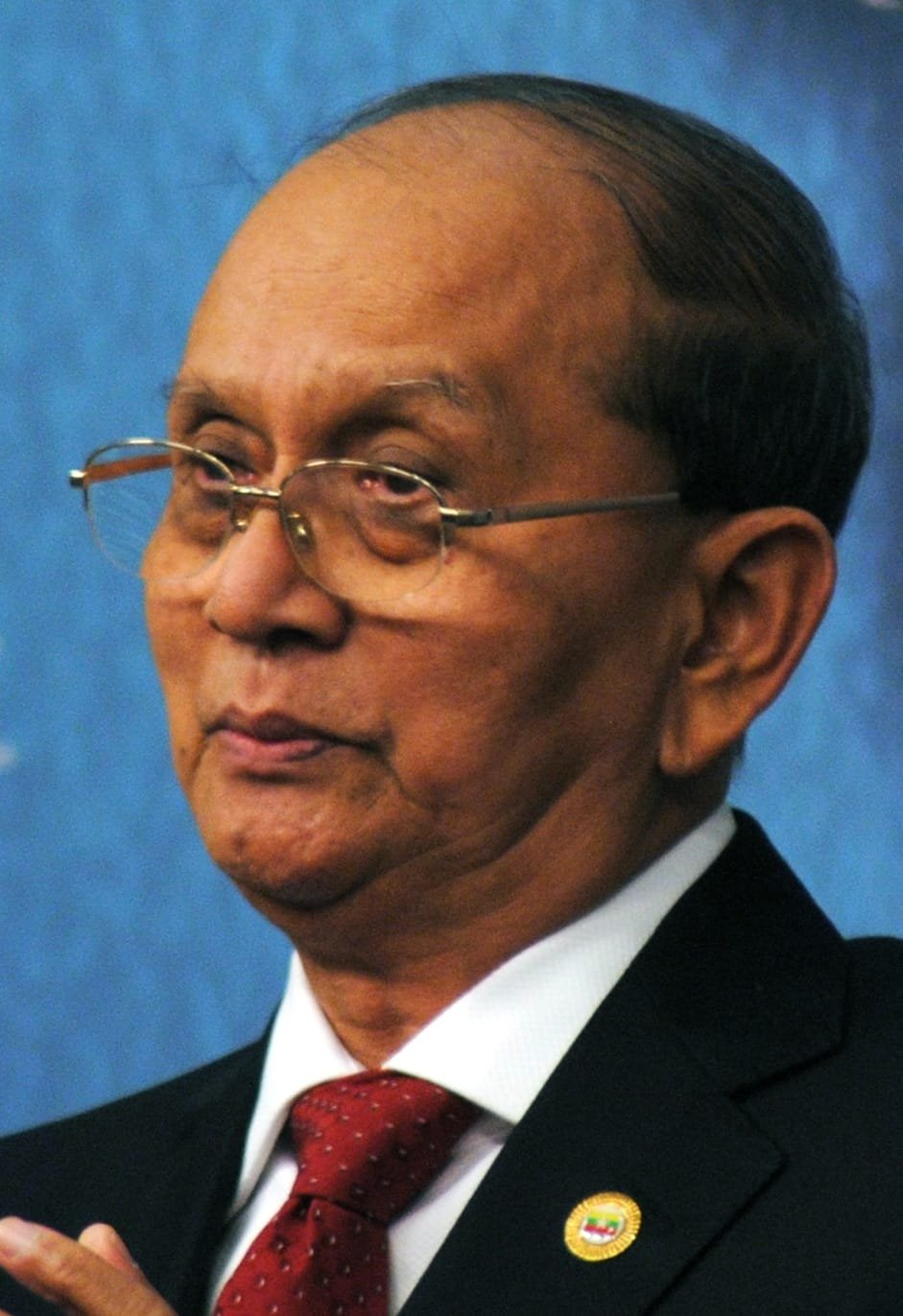
Thein Sein
President of Myanmar from 2011 to 2016The former general whose presidency released political prisoners, widened civic space and transferred power after the 2015 election without ending military autonomy.Read biography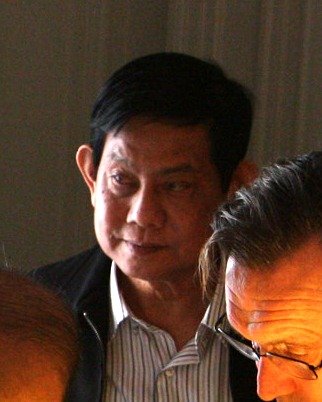
1950—
Htay Oo
Former USDP vice-chair, agriculture minister and major generalThe former major general and agriculture minister who converted junta-era mass organisation into electoral party leadership before losing Hinthada in 2015.Read biography
1945—
Aung San Suu Kyi
Nobel laureate, NLD leader and former state counsellor of MyanmarThe opposition leader who spent about fifteen years in detention, won a parliamentary seat in 2012 and later led Myanmar’s civilian government through the office of state counsellor.Read biography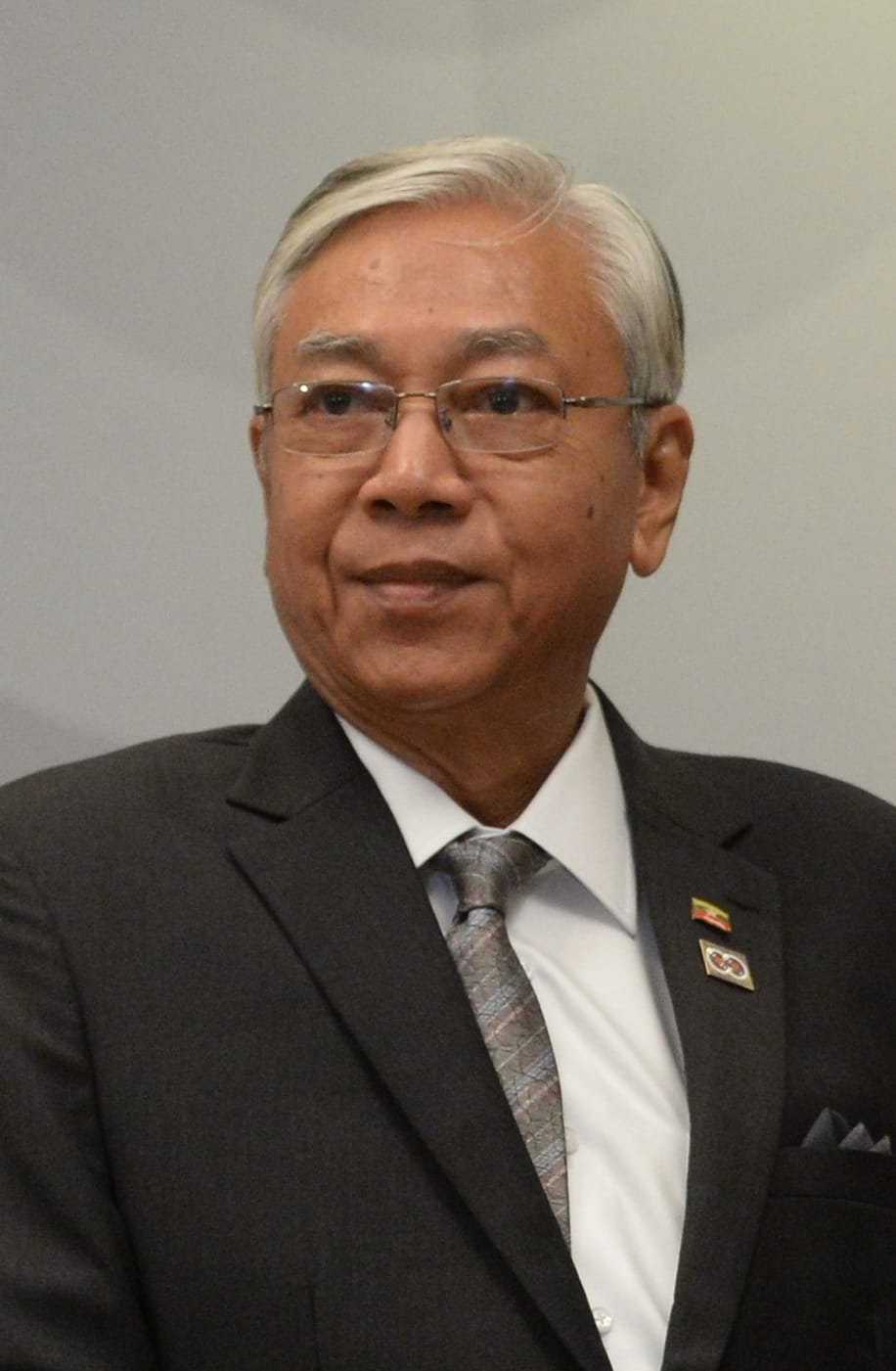
1946—
Htin Kyaw
President of Myanmar from 2016 to 2018The economist, writer and longtime Aung San Suu Kyi associate who became Myanmar’s first civilian president in more than fifty years.Read biography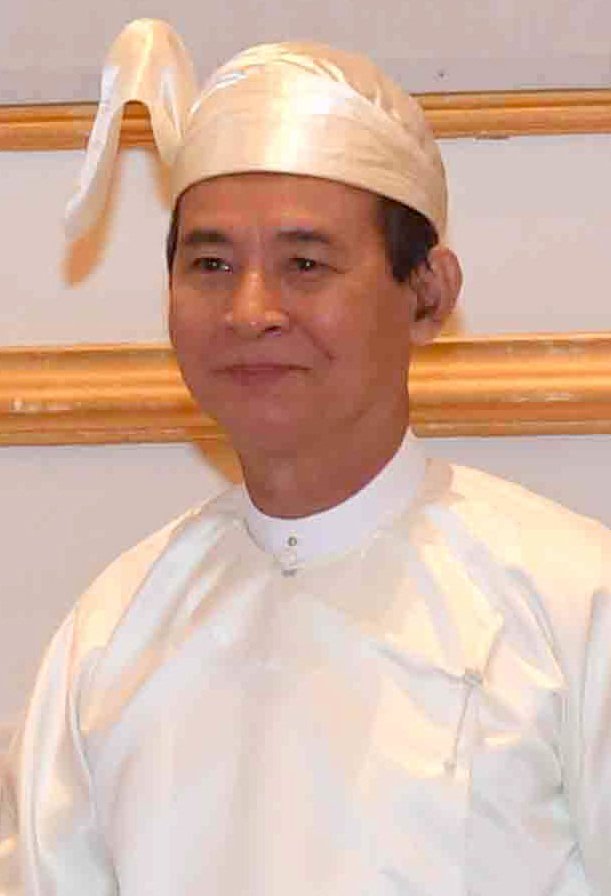
1951—
Win Myint
Lawyer and former president of MyanmarThe lawyer, 1988 democracy activist and parliamentary speaker who became president before the military detained and removed him in the 2021 coup.Read biography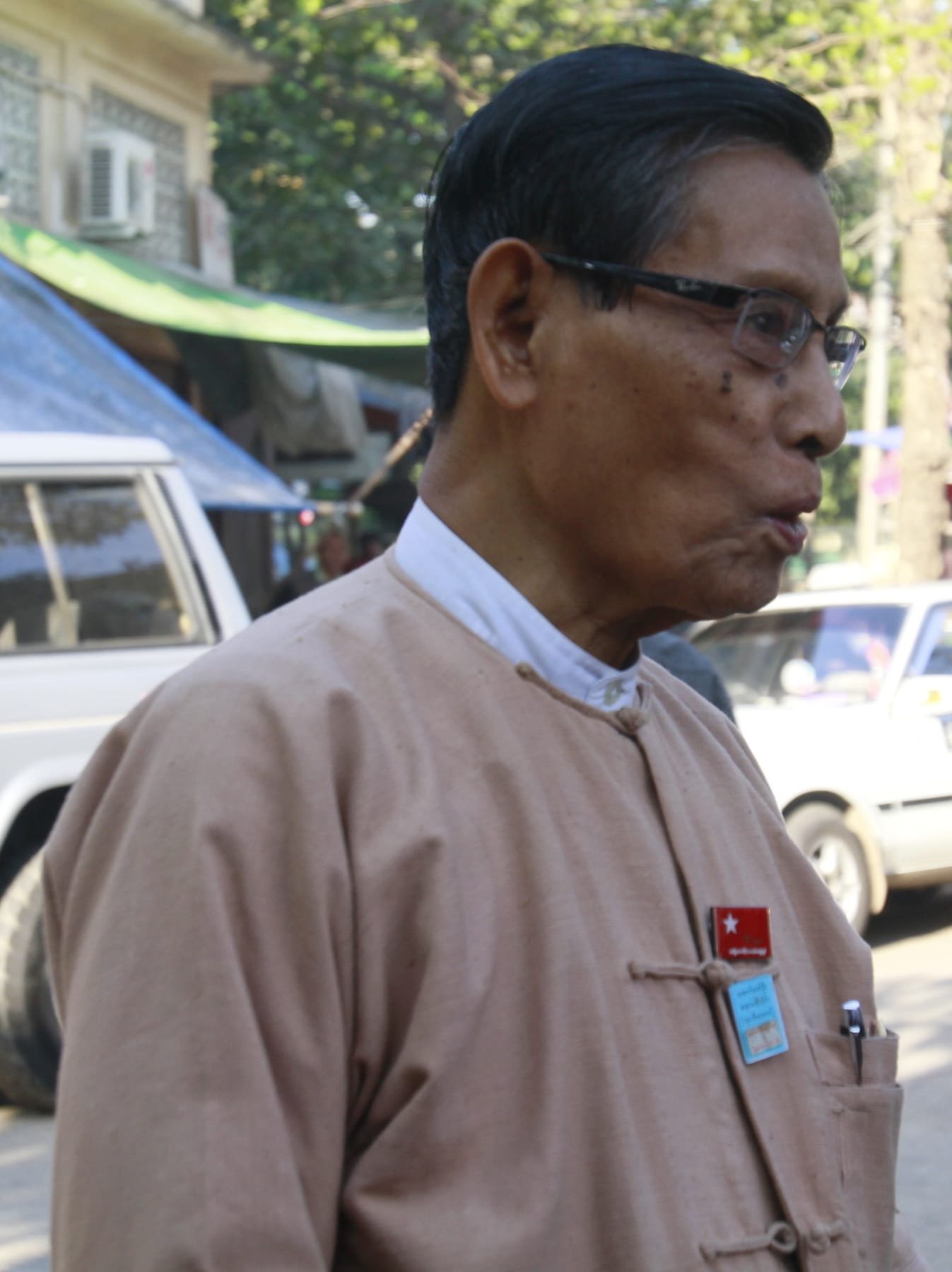
1927—2024
Tin Oo
Former army commander and co-founder of the National League for DemocracyThe former commander-in-chief who was purged by Ne Win, imprisoned and later helped found the NLD after the 1988 uprising.Read biography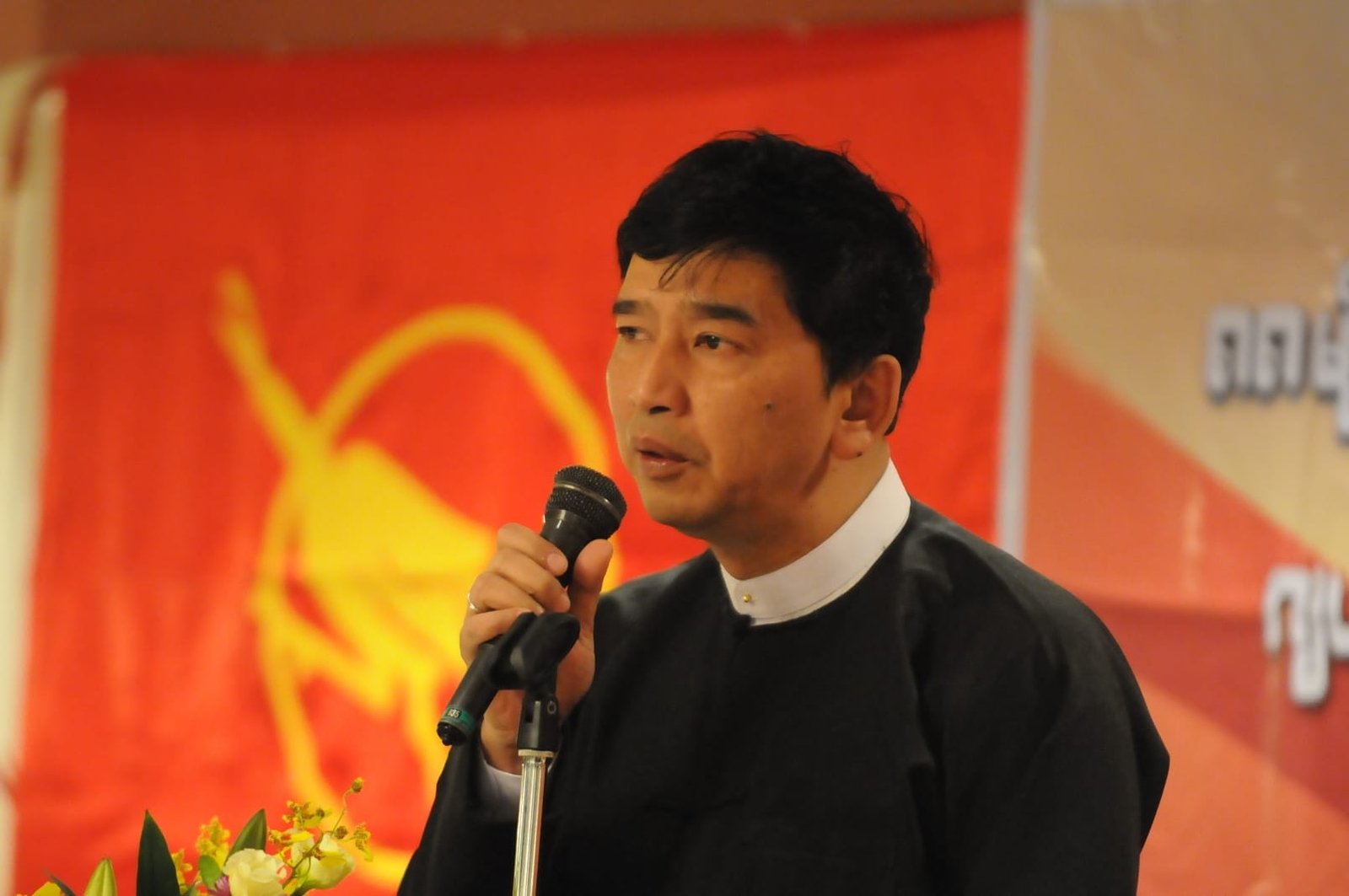
1962—
Min Ko Naing
Student leader and veteran democracy activistThe student organiser whose adopted name means “conqueror of kings” and whose repeated imprisonment made him a symbol of Burma’s 88 Generation.Read biography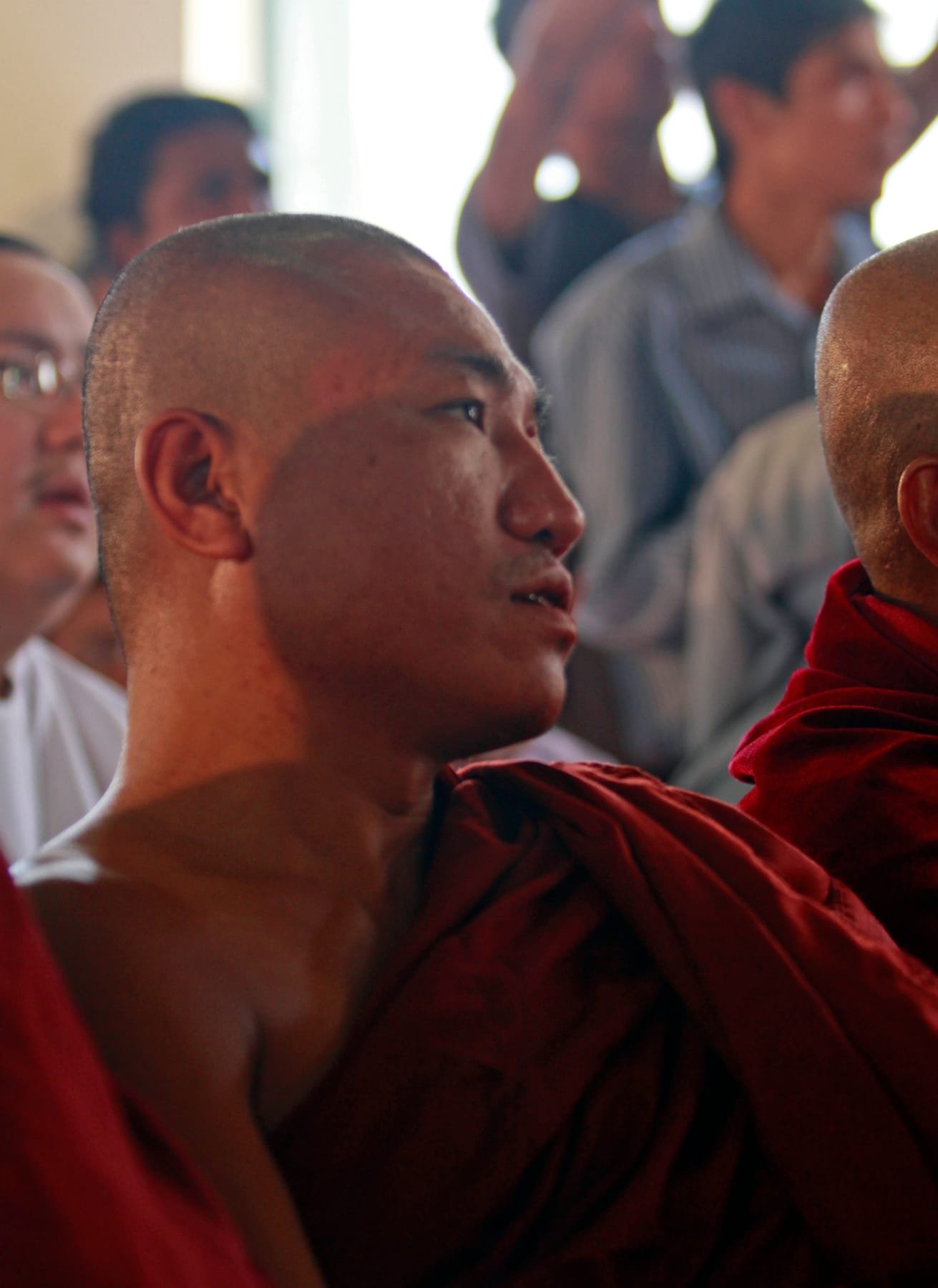
1979—
U Gambira
Former Buddhist monk and Saffron Revolution organiserThe former monk whose organisation turned protests over fuel prices into a nationwide moral challenge to military rule.Read biography1969—2022
Kyaw Min Yu (Ko Jimmy)
Writer, 88 Generation activist and political prisonerThe writer and veteran student activist who spent much of his adult life in prison before Myanmar’s military executed him in 2022.Read biography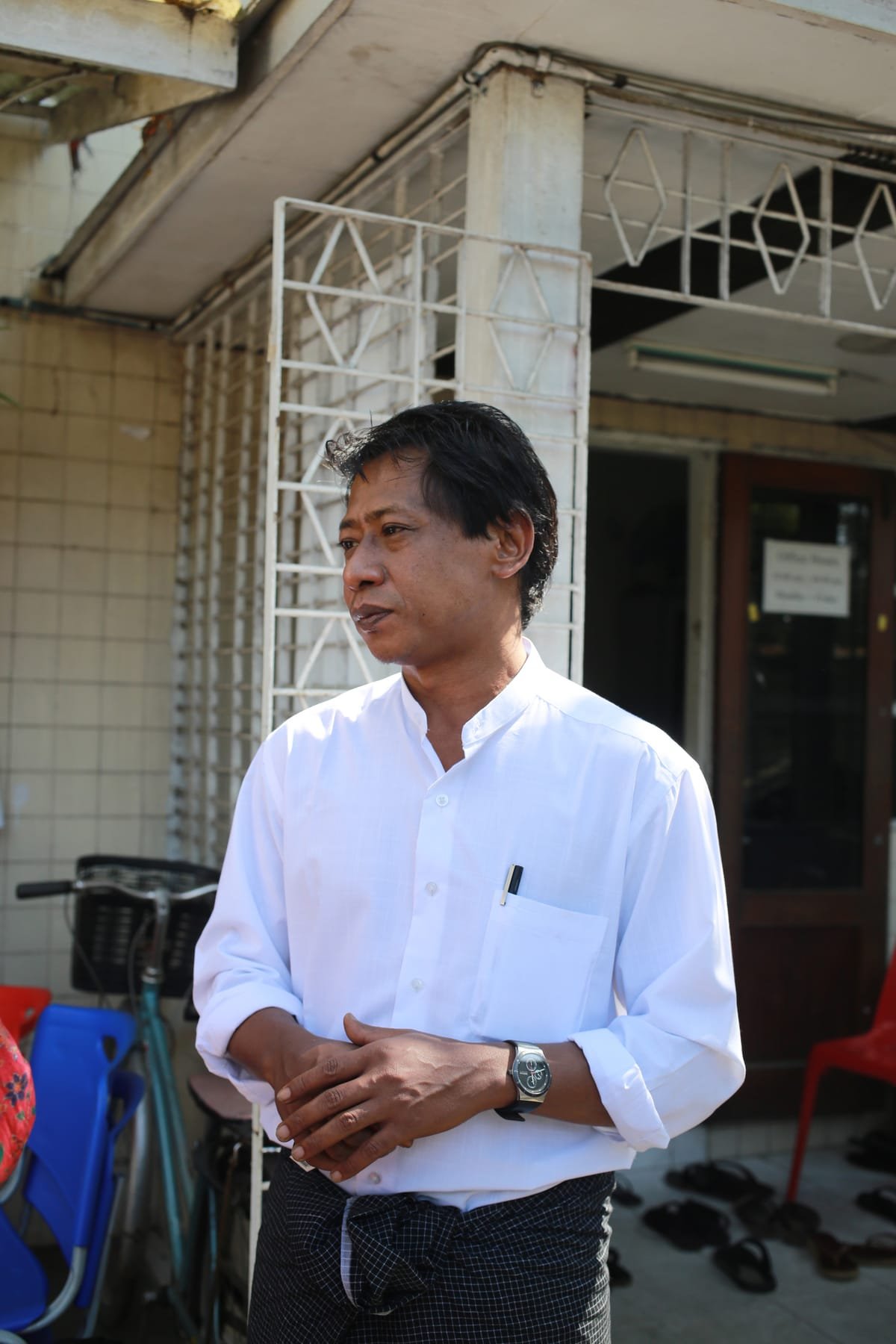
1968—
Htay Kywe
88 Generation student leader and democracy activistThe student organiser whose activism connected the 1988 uprising to the opening phase of the Saffron Revolution nineteen years later.Read biography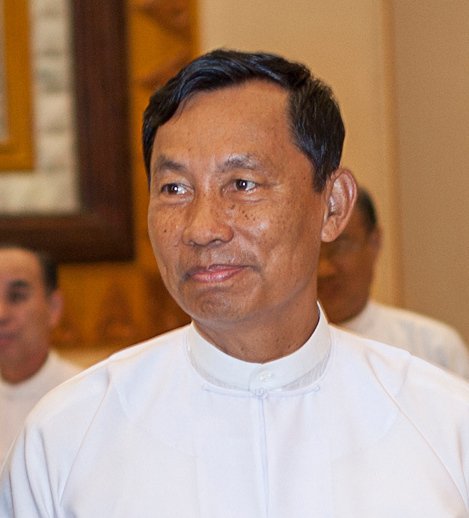
1947—
Shwe Mann
Former general and speaker of Myanmar’s lower houseThe former senior general who became parliament’s first lower-house speaker, challenged parts of the executive’s agenda and lost his party leadership before the landmark 2015 vote.Read biography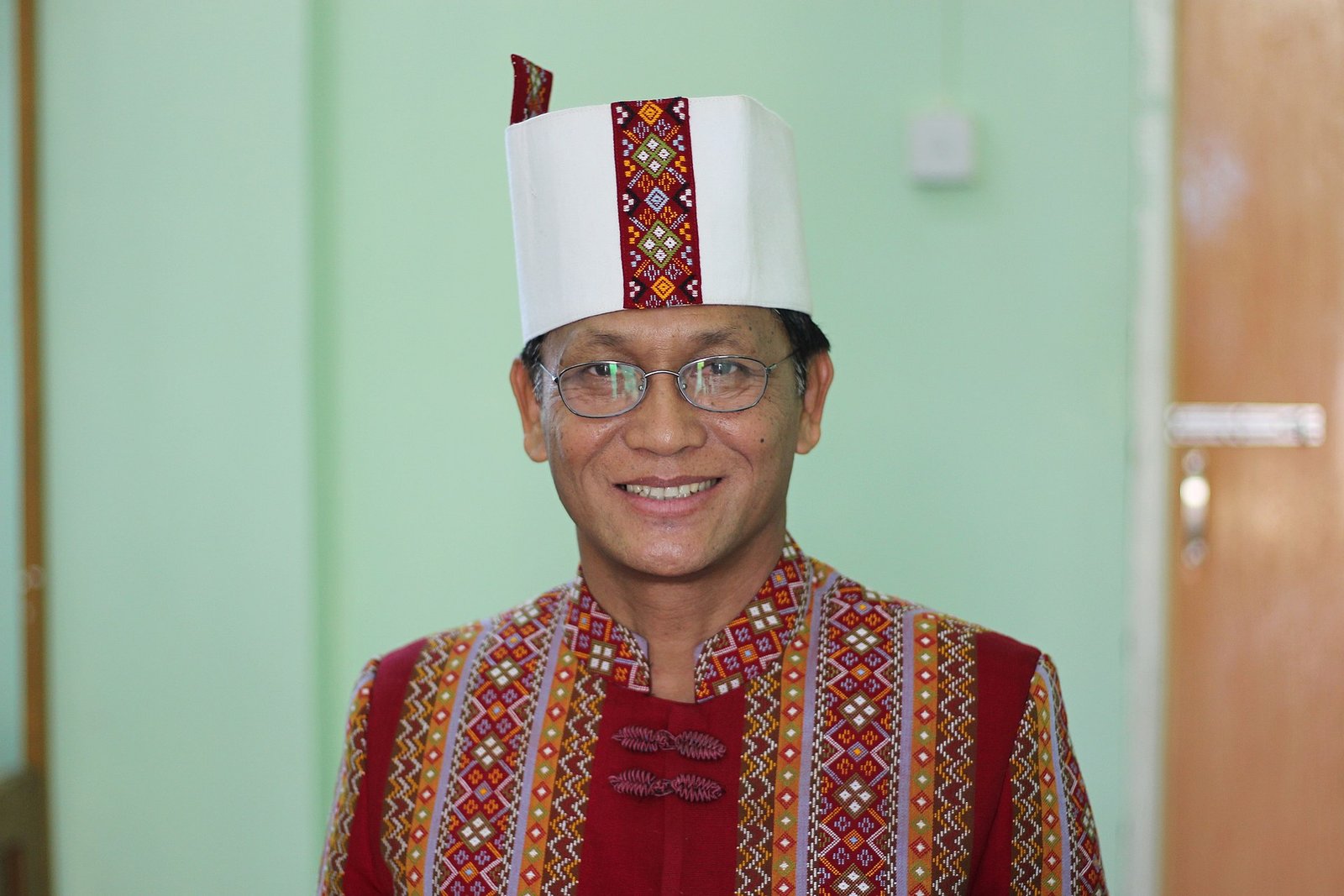
1958—
Henry Van Thio
Second vice president of Myanmar from 2016 to 2024The former army major and Chin State senator whose sudden nomination placed an ethnic Christian politician in Myanmar’s 2016 executive trio.Read biography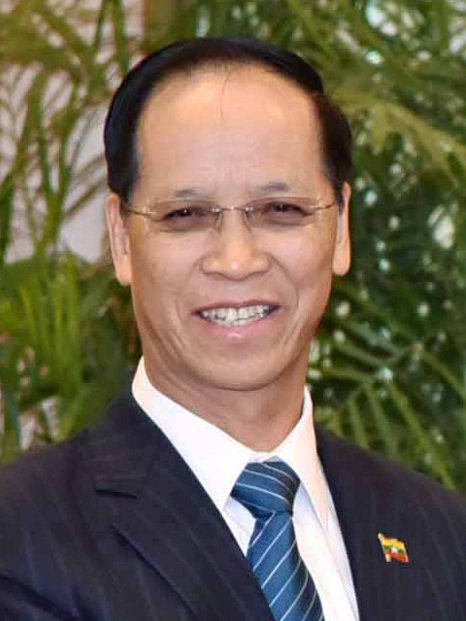
1950—
Sai Mauk Kham
Physician and vice president of Myanmar from 2011 to 2016The Shan physician and cultural organiser who became vice president during Myanmar’s first post-junta government and then returned to parliament in the 2015 election.Read biographyQuick answers
Common questions
- When did Myanmar’s democratic transition begin?
- The institutional transition began with the 2010 election and the transfer from the military council to Thein Sein’s nominally civilian government in March 2011.
- Was the 2010 Myanmar election free and fair?
- It was widely criticised as illegitimate and affected by serious irregularities. The NLD boycotted and the military-backed USDP won nearly 80% of elected national seats.
- What reforms did Thein Sein introduce?
- His government released political prisoners, eased media controls, widened labour and political organisation and began significant economic reforms and foreign engagement.
- Who won Myanmar’s 2015 election?
- The National League for Democracy won a decisive majority of elected seats and formed the civilian side of government in 2016.
- Who won Myanmar’s 2020 election?
- The NLD won 396 of 476 contested seats across the two houses of the Union Parliament.
- Why was Myanmar not a full civilian democracy before 2021?
- The military retained 25% of legislative seats, appointed three security ministers, operated without effective civilian control and could veto constitutional amendments.
- When did Myanmar’s transition end?
- The military takeover on 1 February 2021 prevented the parliament elected in 2020 from convening and ended the decade’s elected power-sharing arrangement.
Primary and institutional sources
How this history was checked
Dates, legal milestones and historical claims are checked against the official and institutional records below. This article was reviewed on 4 October 2026.
- The Carter CenterObserving Myanmar’s 2015 General Elections · final report
- United Nations PeacemakerNationwide Ceasefire Agreement · 15 October 2015
- UN Independent International Fact-Finding Mission on MyanmarEconomic interests of the Myanmar military and the constrained transition
- UN Human Rights OfficeRapid response mission findings on the 2017 Rohingya crisis
- Asian Network for Free ElectionsThe 2020 Myanmar General Elections · final observation report
- United Nations Department of Political and Peacebuilding AffairsGeneral Assembly briefing on the February 2021 military takeover