
The short answer
Indonesia’s first simultaneous presidential and legislative election returned Joko Widodo for a second term. The Jokowi–Prabowo rematch produced a clear national margin, deadly post-result unrest, a rejected constitutional challenge and an unusual reconciliation when Prabowo entered cabinet.
Chronology
A timeline of the turning points
Court and legislation create simultaneous elections
A Constitutional Court ruling and the 2017 Election Law aligned presidential and legislative voting on the same day.
Two tickets register for a rematch
President Jokowi selected Islamic scholar Ma’ruf Amin, while Prabowo Subianto partnered with entrepreneur and Jakarta deputy governor Sandiaga Uno.
Indonesia holds its first simultaneous national election
Voters received presidential, DPR, DPD, provincial and district or city legislative ballots in one vast election-day operation.
KPU announces the national result
Jokowi–Ma’ruf won 85,607,362 votes, or 55.50 per cent; Prabowo–Sandiaga received 68,650,239, or 44.50 per cent.
Protests in Jakarta turn violent
Demonstrations against the result were followed by clashes, deaths, injuries and arrests, sharpening concern over misinformation and public order.
Prabowo–Sandiaga file a constitutional challenge
The ticket alleged structured, systematic and massive violations and disputed elements of candidacy and administration.
The Constitutional Court rejects the petition
All nine justices participated in the judgment, which left the KPU totals and Jokowi’s reelection in force.
Jokowi begins his second term and Prabowo joins cabinet
After inauguration, Jokowi appointed his twice-defeated electoral rival as defence minister, widening the governing coalition.
What made the 2019 election administratively different?
For the first time, Indonesia elected the president and national, regional and local legislatures on the same day. The reform was intended to align presidential and parliamentary mandates and reduce the repeated election calendar created after Reformasi.
The combined operation was extraordinarily demanding. Voters managed five ballots, officials counted into the night and many temporary election workers experienced exhaustion and illness. The election demonstrated enormous administrative reach while prompting debate about whether simultaneous voting had become too complex at polling-station level.
Why did Jokowi and Prabowo meet again?
Joko Widodo sought a second term on infrastructure delivery, social programmes and economic stability. He selected Ma’ruf Amin, a senior Islamic scholar and then chair of the Indonesian Ulema Council, after identity-based mobilisation had become more influential in national politics.
Prabowo Subianto returned with Sandiaga Uno, a businessman who resigned as Jakarta deputy governor. Their campaign focused on prices, jobs, economic sovereignty and criticism of debt and imports. A two-ticket field reproduced the basic 2014 divide while changing both vice-presidential candidates and coalition composition.
How did religion, identity and digital media shape the campaign?
Both tickets built alliances with Islamic organisations and figures, but different networks aligned with each side. The selection of Ma’ruf complicated attempts to portray Jokowi as distant from religious leadership, while Prabowo retained support among groups energised by the 2016–2017 Jakarta mobilisation.
Online campaigning expanded rapidly. Volunteers, influencers, party teams and anonymous accounts circulated legitimate advocacy alongside manipulated images, false claims and polarising messages. The information environment made it harder to separate official campaign communication from decentralised or coordinated amplification.
What were the official results?
The KPU recorded 85,607,362 votes for Jokowi and Ma’ruf Amin, equal to 55.50 per cent. Prabowo and Sandiaga received 68,650,239 votes, or 44.50 per cent. Jokowi’s official margin was 16,957,123 votes.
Regional division remained pronounced. Jokowi expanded very large majorities in Central Java, Bali and several eastern provinces, while Prabowo dominated much of Sumatra and West Java. The result was decisive nationally but did not mean the political map had become socially uniform.
What happened after the KPU announcement?
Protests in Jakarta on 21 and 22 May turned violent, causing deaths and injuries. Authorities restricted some social-media functions temporarily, arguing that false material was accelerating unrest. Rights groups raised questions about force, arrests and the need for transparent investigation.
Prabowo and Sandiaga pursued the constitutional route. Their petition alleged broad violations, questioned Ma’ruf’s relationship to state-owned-bank supervisory boards and challenged election administration. The Constitutional Court rejected the petition in its entirety on 27 June, finding the central claims legally unproven.
Why did Prabowo join Jokowi’s government?
Jokowi was inaugurated for a second term on 20 October. Three days later he appointed Prabowo minister of defence. The decision brought Gerindra into government and reduced the size of the formal parliamentary opposition.
Supporters viewed the move as reconciliation after a divisive election and a way to stabilise government. Critics argued that absorbing the main rival weakened electoral accountability and made opposition less meaningful. The partnership later became central to the 2024 succession, when Prabowo ran with Jokowi’s son Gibran.
Continue the chronology
Related history guides
The 2014 Presidential Election
Return to the first Jokowi–Prabowo contest and the transition that brought Jokowi to office.
Read the timeline14 February 2024The 2024 Presidential Election
Continue to Prabowo’s victory with Gibran and the succession from Jokowi.
Read the timelineFive election guidesIndonesian Presidential Elections
Compare official totals, coalitions and disputes across every direct presidential contest.
Read the timelineEight biographiesIndonesian Presidents
Follow the lives and administrations behind Indonesia’s presidential sequence.
Read the timelineConnected biographies
The four candidates whose rematch ended in constitutional judgment and a wider governing coalition
 Indonesia · Politics
1961—
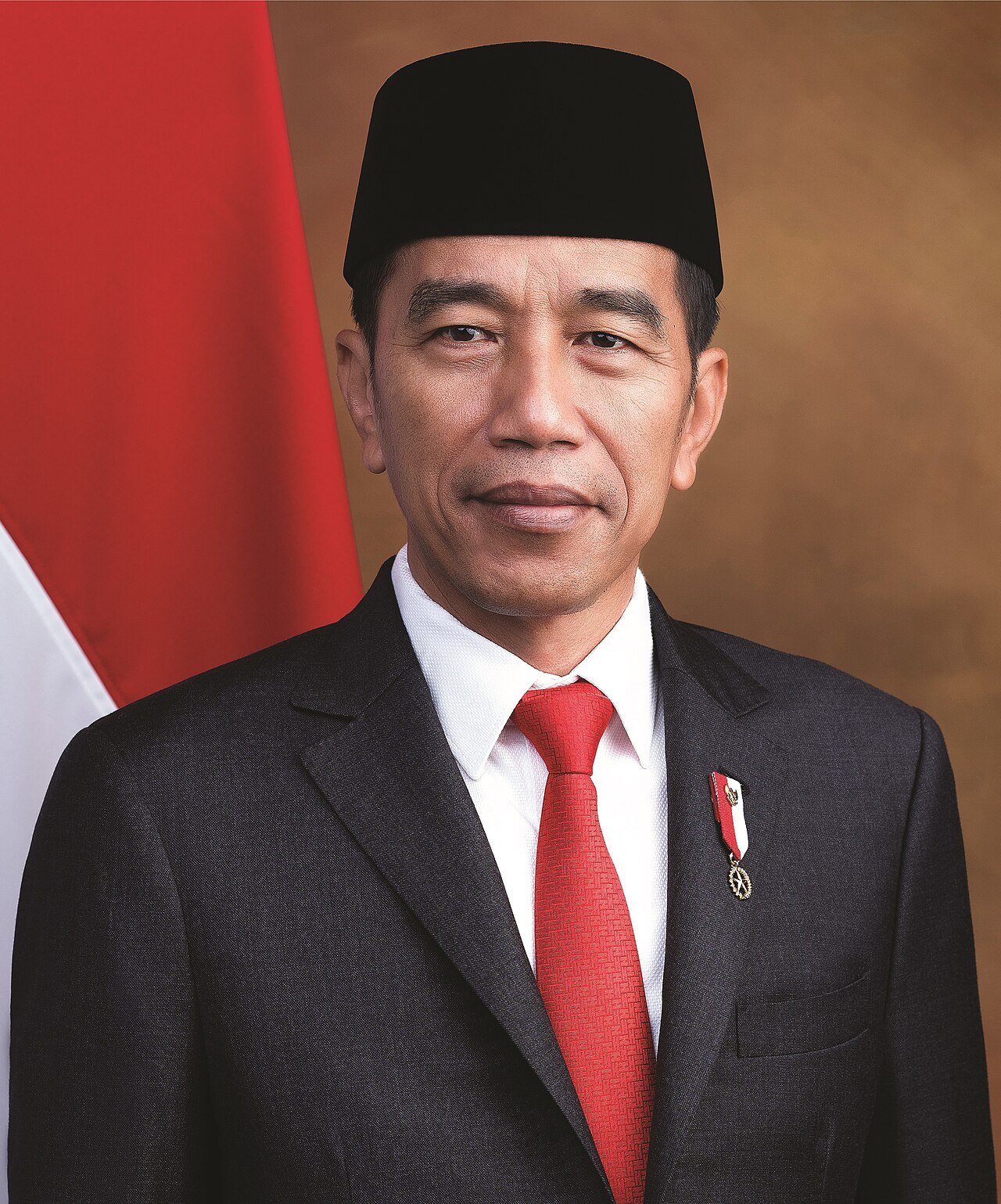
Joko Widodo
Seventh president of Indonesia and PSI memberIndonesia’s seventh president, a former furniture exporter and city mayor whose decade in office reshaped infrastructure, industry and succession.Read biography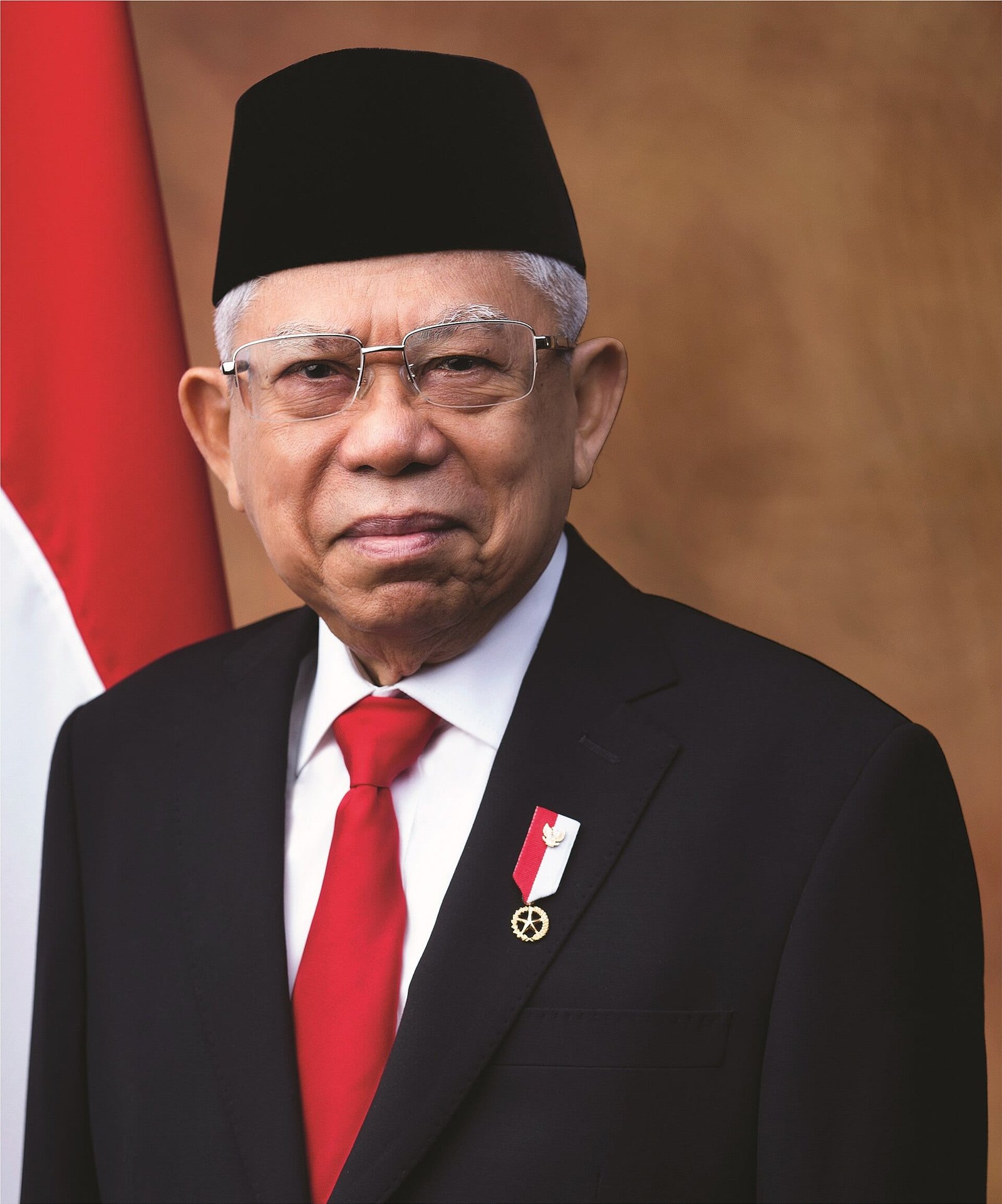 Indonesia · Politics
1943—
Ma’ruf Amin
13th Vice President of Indonesia and Islamic scholarThe Islamic scholar and organisational leader who became Joko Widodo’s running mate in 2019 and served as vice president until 2024.Read biography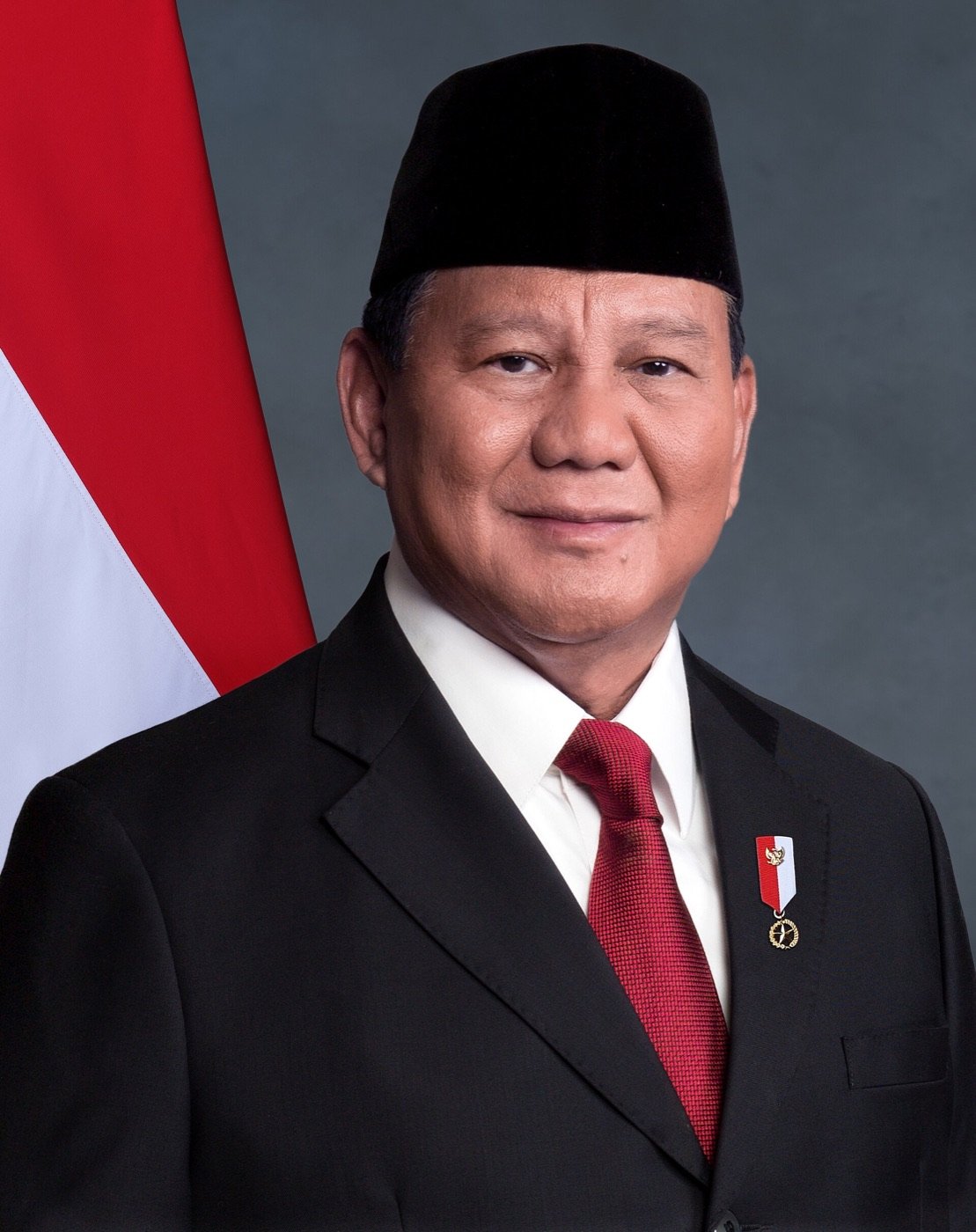 Indonesia · Politics
1951—
Prabowo Subianto
Eighth President of IndonesiaThe former special-forces commander and defence minister who won Indonesia’s 2024 election and became its eighth president.Read biography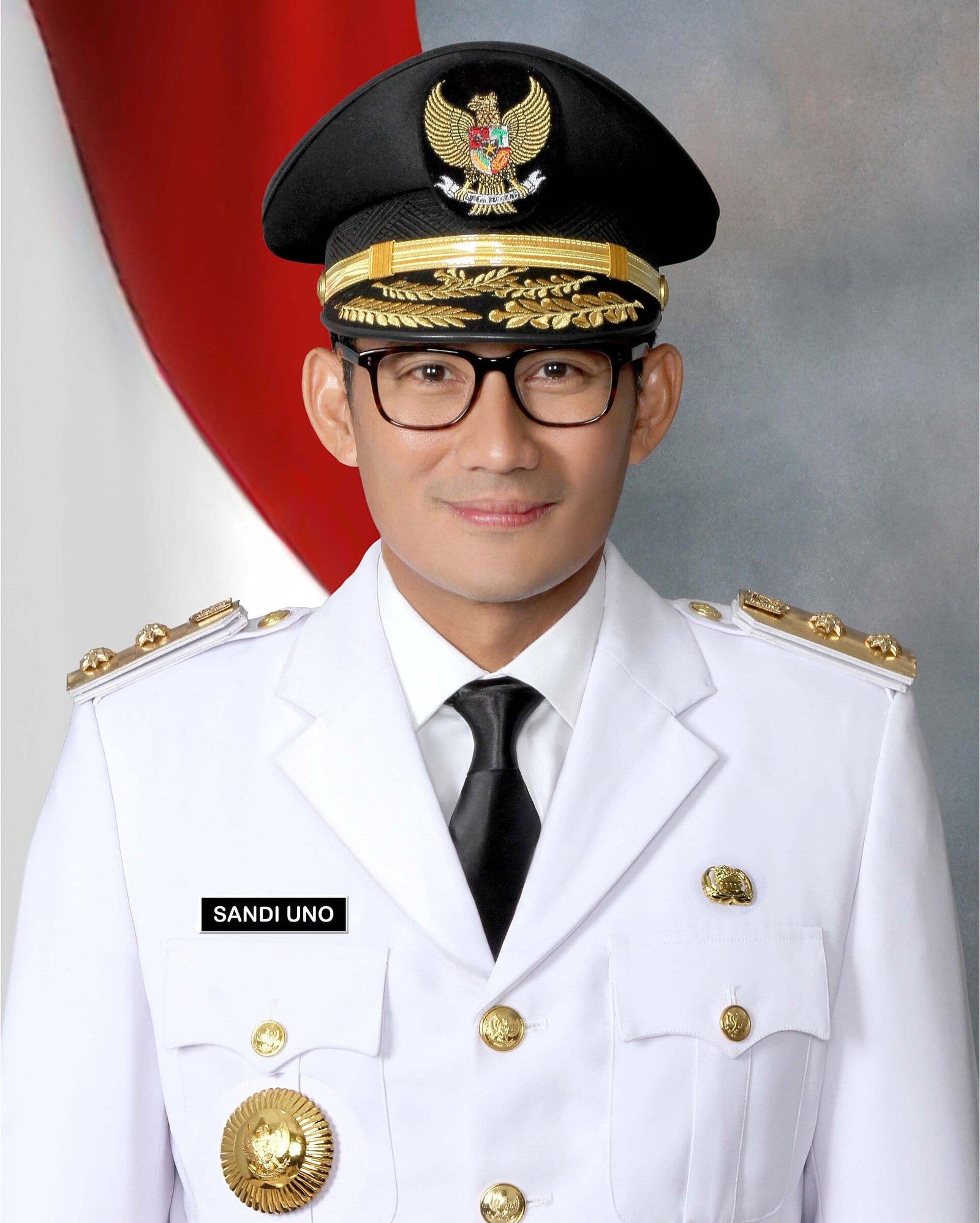 Indonesia · Politics
1969—
Sandiaga Uno
Entrepreneur, former Jakarta deputy governor and tourism ministerThe entrepreneur who became Jakarta deputy governor, Prabowo Subianto’s 2019 running mate and Indonesia’s tourism and creative-economy minister.Read biographyQuick answers
Common questions
- Who won Indonesia’s 2019 presidential election?
- Joko Widodo and Ma’ruf Amin won 85,607,362 votes, or 55.50 per cent of valid ballots.
- How many votes did Prabowo receive in 2019?
- Prabowo Subianto and Sandiaga Uno received 68,650,239 votes, or 44.50 per cent.
- Why was the 2019 election called simultaneous?
- Presidential and legislative elections were held on the same day for the first time, giving voters five different ballots.
- Did the Constitutional Court overturn the 2019 result?
- No. On 27 June 2019 the Court rejected the Prabowo–Sandiaga petition in its entirety.
- What happened to Prabowo after the election?
- President Jokowi appointed him minister of defence in October 2019, bringing his party into the governing coalition.
Primary and institutional sources
How this history was checked
Dates, legal milestones and historical claims are checked against the official and institutional records below. This article was reviewed on 3 October 2026.
- General Elections Commission of IndonesiaPemilu 2019: official result and certification
- General Elections Commission of IndonesiaTechnical administration of the 2019 election
- Constitutional Court of the Republic of IndonesiaCourt rejects the 2019 presidential result petition
- Constitutional Court of the Republic of IndonesiaHistory of the first simultaneous national election dispute
- General Elections Commission of IndonesiaIndonesia’s simultaneous election system