
The short answer
The Vietnam War grew from the unfinished settlement of French colonial rule into a struggle between rival Vietnamese states and an international Cold War conflict. It ended on 30 April 1975 when Saigon fell, followed by formal reunification in 1976.
Chronology
A timeline of the turning points
The Geneva settlement temporarily divides Vietnam
Agreements ending the First Indochina War created military regrouping zones on either side of the 17th parallel. The division was described as temporary, not a permanent international border.
The Republic of Vietnam is proclaimed
Ngô Đình Diệm became president of the southern Republic of Vietnam after a referendum that removed former emperor Bảo Đại. The United States supported the new anti-communist government.
Armed conflict intensifies in the South
The leadership in Hanoi authorised expanded support for revolutionary struggle in the South. Supply and infiltration routes later known as the Hồ Chí Minh Trail developed through Laos and Cambodia.
A coup removes Ngô Đình Diệm
South Vietnamese military officers overthrew Diệm after a year of deep political and religious crisis. Diệm and his brother Ngô Đình Nhu were killed, beginning a period of unstable leadership in Saigon.
The Gulf of Tonkin Resolution expands U.S. authority
Congress authorised President Lyndon Johnson to use military force in Southeast Asia after disputed naval incidents. The resolution became the principal domestic basis for major U.S. escalation.
Bombing and U.S. ground combat escalate
Operation Rolling Thunder began against North Vietnam, and U.S. Marines landed at Đà Nẵng. American troop strength then rose rapidly as the war became increasingly internationalised.
The Tet Offensive begins
North Vietnamese and National Liberation Front forces attacked cities and bases across South Vietnam. Although they suffered heavy battlefield losses, the offensive transformed public debate about U.S. claims of progress.
Vietnamization and regional expansion
President Richard Nixon withdrew U.S. ground forces while expanding South Vietnam’s military role. Bombing and ground operations also widened the conflict in Cambodia and Laos.
The Paris Peace Accords are signed
The agreement required a ceasefire, U.S. and allied withdrawal, prisoner releases and a political process in South Vietnam. Fighting between Vietnamese forces did not end.
The last U.S. combat troops leave
The final U.S. combat units withdrew as the prisoner-release process concluded. American advisers and support continued in reduced forms while the two Vietnamese states remained at war.
Saigon falls
Forces of the Democratic Republic of Vietnam and the Provisional Revolutionary Government entered Saigon. President Dương Văn Minh surrendered, ending the Republic of Vietnam and the war.
Vietnam is formally reunified
The National Assembly established the Socialist Republic of Vietnam, with Hanoi as its capital and Saigon renamed Hồ Chí Minh City.
What was the Vietnam War?
The Vietnam War was a conflict over political authority, national reunification and the international order of the Cold War. The Democratic Republic of Vietnam in the North and the communist-led movement in the South fought the Republic of Vietnam and its principal ally, the United States. Laos and Cambodia were also drawn deeply into the fighting.
There is no single universally accepted starting date. This guide uses 1955, the year the Republic of Vietnam was established and the date from which the United States officially counts its Vietnam service era. The conflict grew out of the First Indochina War and the temporary division agreed at Geneva in 1954, so understanding its origins requires starting one year earlier.
From Geneva to two rival Vietnamese states
The Geneva agreements ended French colonial warfare in Indochina and regrouped opposing forces north and south of the 17th parallel. They anticipated nationwide elections, but the two zones instead developed into rival governments. The North was led by Hồ Chí Minh’s Workers’ Party, while Diệm consolidated an anti-communist republic in the South with U.S. backing.
This was at once a Vietnamese struggle and an international one. Hanoi presented the war as national liberation and reunification; Saigon defended a separate anti-communist state; and outside powers supplied arms, advisers, finance and troops. The Soviet Union and China backed the North, while the United States and several allies supported the South.
Insurgency, repression and political crisis
By the end of the 1950s, armed resistance in the South was expanding. The National Liberation Front, formed in 1960, brought communist cadres and other opponents of the Saigon government into a revolutionary coalition. Hanoi increased personnel and material support through routes crossing the borderlands of Laos and Cambodia.
Diệm’s government combined state-building with coercive anti-communist campaigns and restricted political opposition. The 1963 Buddhist crisis exposed a wider legitimacy problem. His overthrow did not stabilise the South; repeated changes of government complicated military strategy and intensified dependence on U.S. support.
U.S. escalation and the Tet turning point
After the Gulf of Tonkin crisis, the Johnson administration gained broad congressional authority and moved from advice and support to sustained bombing and large-scale ground combat. By 1969, more than half a million U.S. military personnel were in Vietnam. Search-and-destroy operations, bombing and forced displacement imposed immense costs on Vietnamese communities while failing to produce a decisive political result.
The Tet Offensive of 1968 did not deliver a conventional military victory for the North or the National Liberation Front. It did, however, demonstrate the reach of their forces and undermine official U.S. assurances that victory was near. Tet accelerated a change in U.S. strategy and intensified both peace negotiations and antiwar opposition.
Vietnamization, Cambodia, Laos and the Paris agreement
Nixon’s Vietnamization policy transferred more combat responsibility to the armed forces of South Vietnam while U.S. troops withdrew. At the same time, air campaigns and operations in Cambodia and Laos widened the geographic scope of the war. These campaigns disrupted some supply networks but also deepened destruction and political instability across Indochina.
Lê Đức Thọ and Henry Kissinger led the decisive secret negotiations. The January 1973 Paris agreement brought U.S. combat participation and prisoner detention toward an end, but it left North Vietnamese forces in the South and did not create an enforceable political settlement. Vietnamese fighting continued for more than two years.
The fall of Saigon and reunification
A major northern offensive in 1975 advanced more quickly than either side expected. South Vietnamese defences collapsed, civilians fled toward Saigon and the United States evacuated personnel and vulnerable Vietnamese partners. On 30 April, tanks entered the presidential palace and Dương Văn Minh announced surrender.
Official Vietnamese memory marks 30 April as liberation and reunification. Many former citizens of South Vietnam and refugee communities remember it as the fall of Saigon and the beginning of exile, re-education and loss. Both vocabularies describe real historical experiences, and a responsible account identifies the perspective behind each term.
Human consequences and contested memory
The war killed and injured millions of Vietnamese people, combatants and civilians, as well as forces from the United States and other countries. It displaced communities within Vietnam and produced a large postwar refugee diaspora. Bombing, unexploded ordnance and chemical defoliants left environmental and health consequences that continued long after 1975.
The conflict cannot be reduced to a single label such as civil war, anti-colonial liberation or superpower proxy war. Each captures part of the history. Reading Vietnamese, American and international records together makes it possible to see how revolutionary aims, state survival, Cold War intervention and individual choices interacted.
Continue the chronology
Related history guides
The Battle of Điện Biên Phủ
Start with the French defeat and diplomacy that preceded Vietnam’s temporary division.
Read the timeline30 Apr 1975—2 Jul 1976The Fall of Saigon and Reunification
Focus on the final offensive, evacuation, surrender and legal creation of the unified state.
Read the timelineFrom December 1986The Đổi Mới Reforms
Continue into the postwar reforms that transformed Vietnam’s economy and global relationships.
Read the timelineConnected biographies
Eight biographies behind decolonisation, the rival states and wartime diplomacy
 Vietnam · Politics
1913—1997
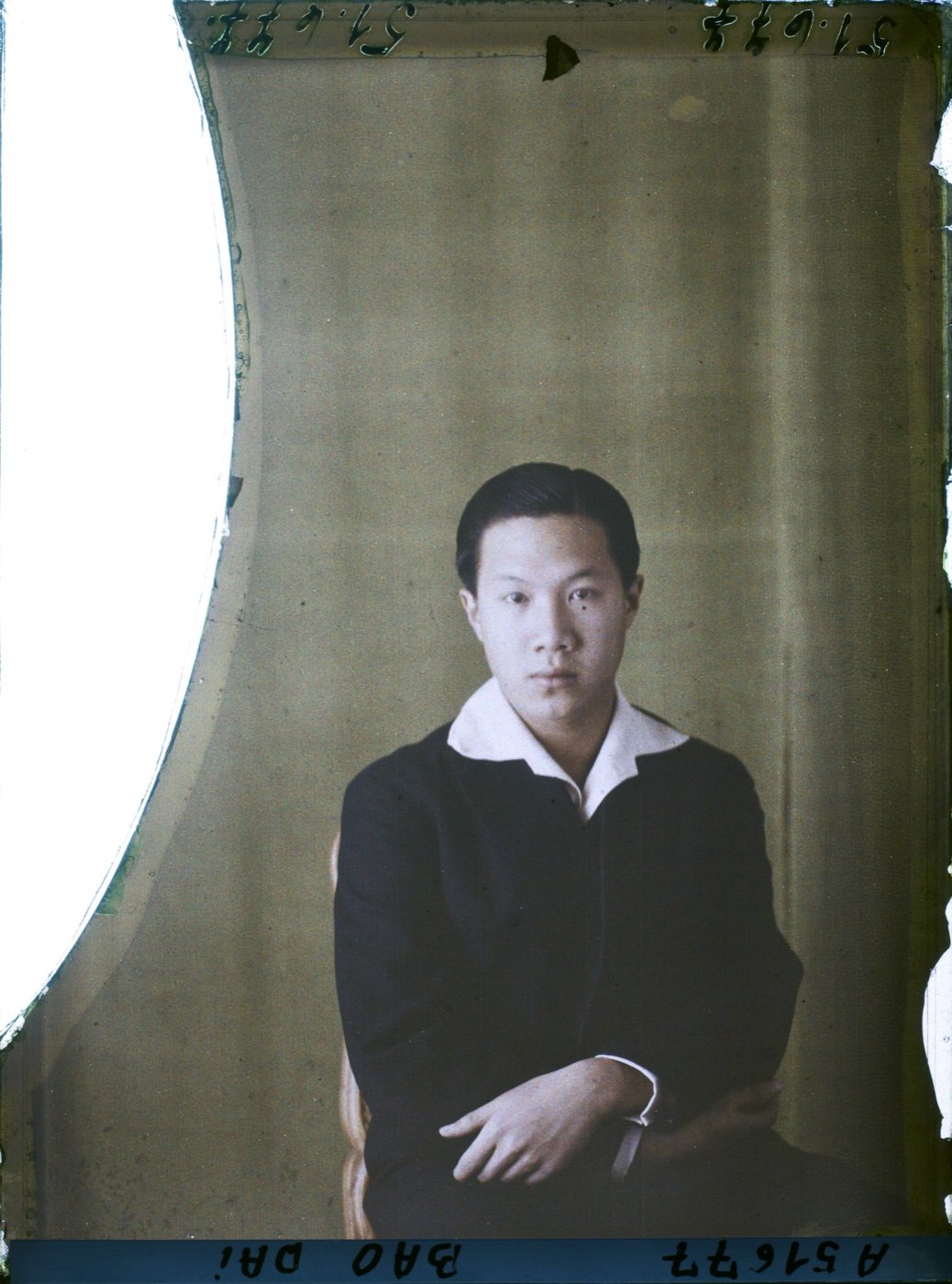
Bảo Đại
Last emperor of the Nguyễn dynasty and Chief of State of VietnamVietnam’s last emperor, whose abdication in 1945 and return as chief of state in 1949 traced the country’s passage from monarchy into revolution and competing postcolonial governments.Read biography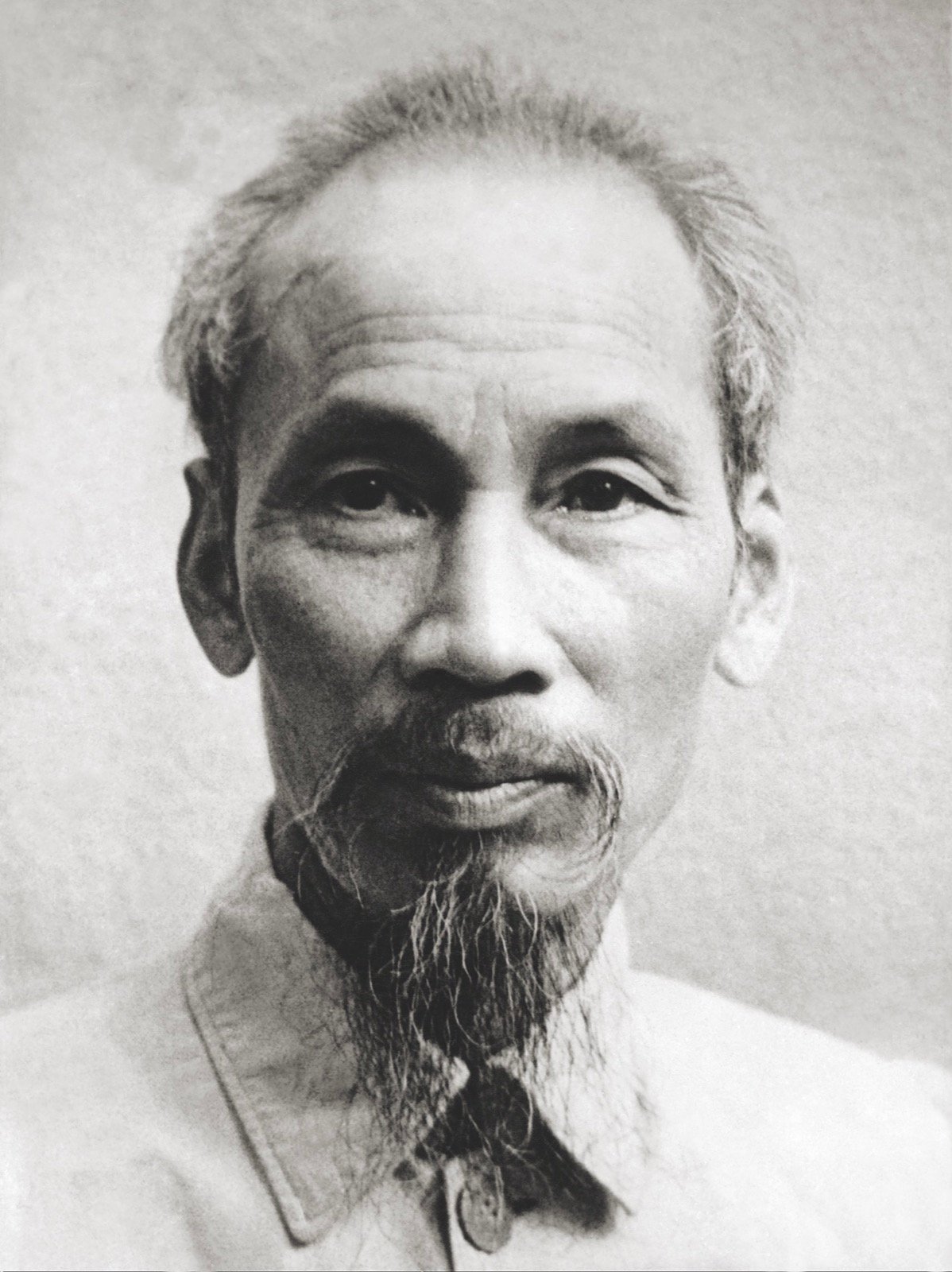 Vietnam · Politics
1890—1969
Hồ Chí Minh
Revolutionary leader and president of North VietnamThe revolutionary leader who declared Vietnamese independence in 1945 and served as president of North Vietnam until his death in 1969.Read biography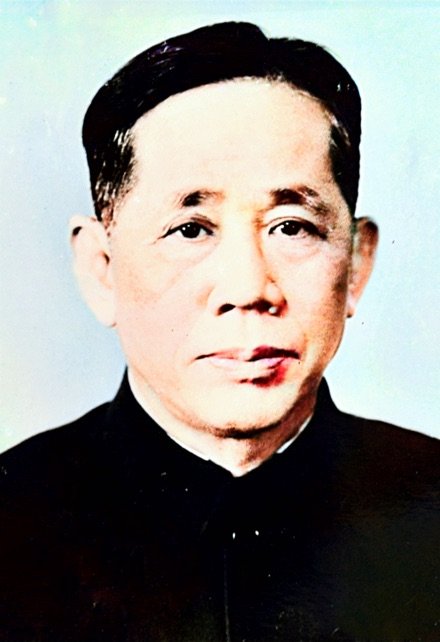 Vietnam · Politics
1907—1986
Lê Duẩn
Communist Party leader and wartime strategistThe party leader who drove North Vietnam’s war strategy, presided over reunification and remained Vietnam’s dominant political figure until the eve of Đổi Mới.Read biography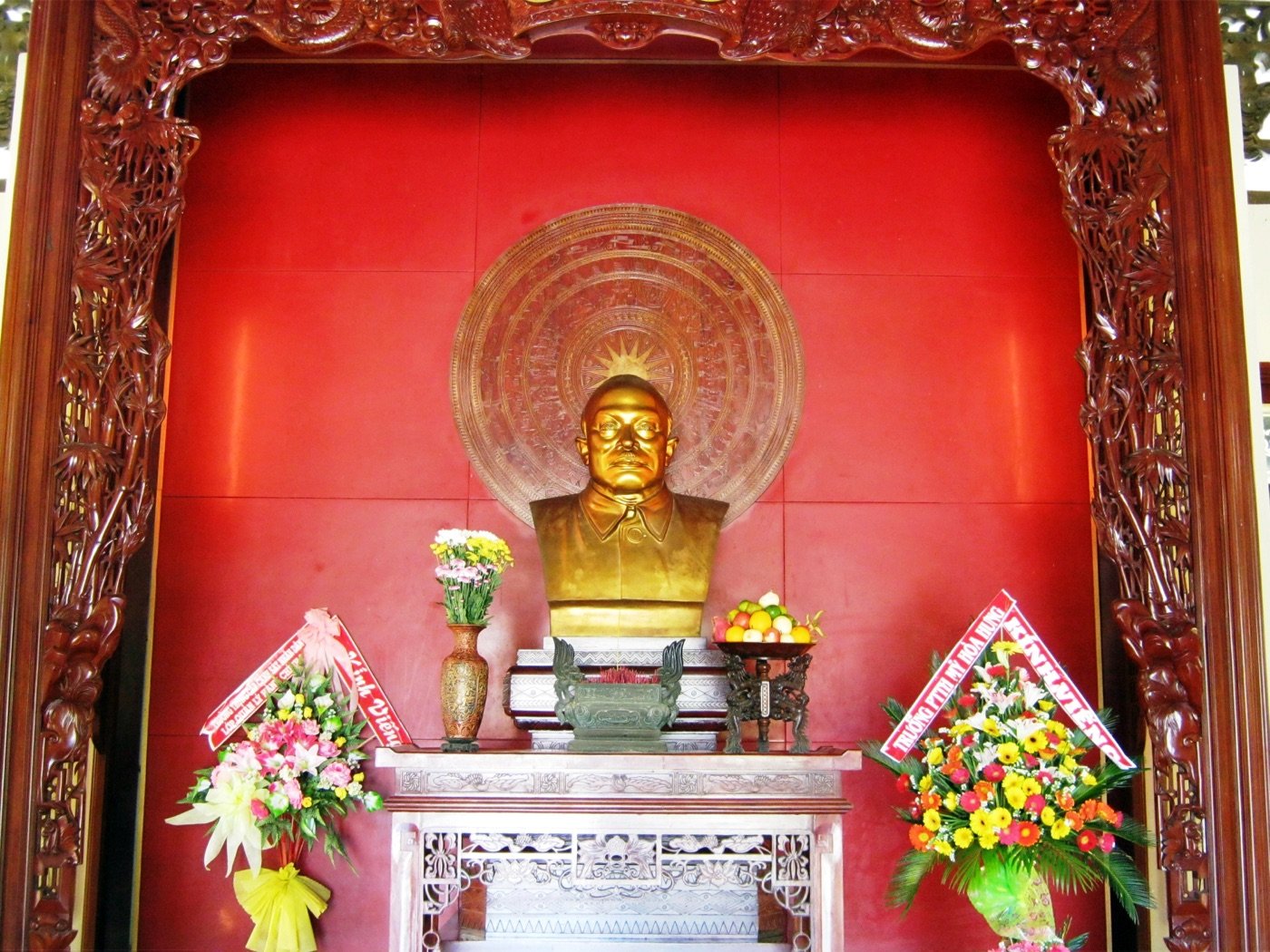 Vietnam · Politics
1888—1980
Tôn Đức Thắng
Trade-union organiser and president of VietnamThe labour organiser, colonial prisoner and head of state who succeeded Hồ Chí Minh in 1969 and became the first president of reunified Vietnam in 1976.Read biography Vietnam · Politics
1901—1963
Ngô Đình Diệm
First president of South VietnamThe anticommunist politician who became South Vietnam’s first president and was overthrown and killed during a military coup in 1963.Read biography Vietnam · Politics
1923—2001
Nguyễn Văn Thiệu
President of the Republic of VietnamThe South Vietnamese general and president who consolidated civilian authority during the war, signed the Paris agreement under pressure and resigned in April 1975.Read biography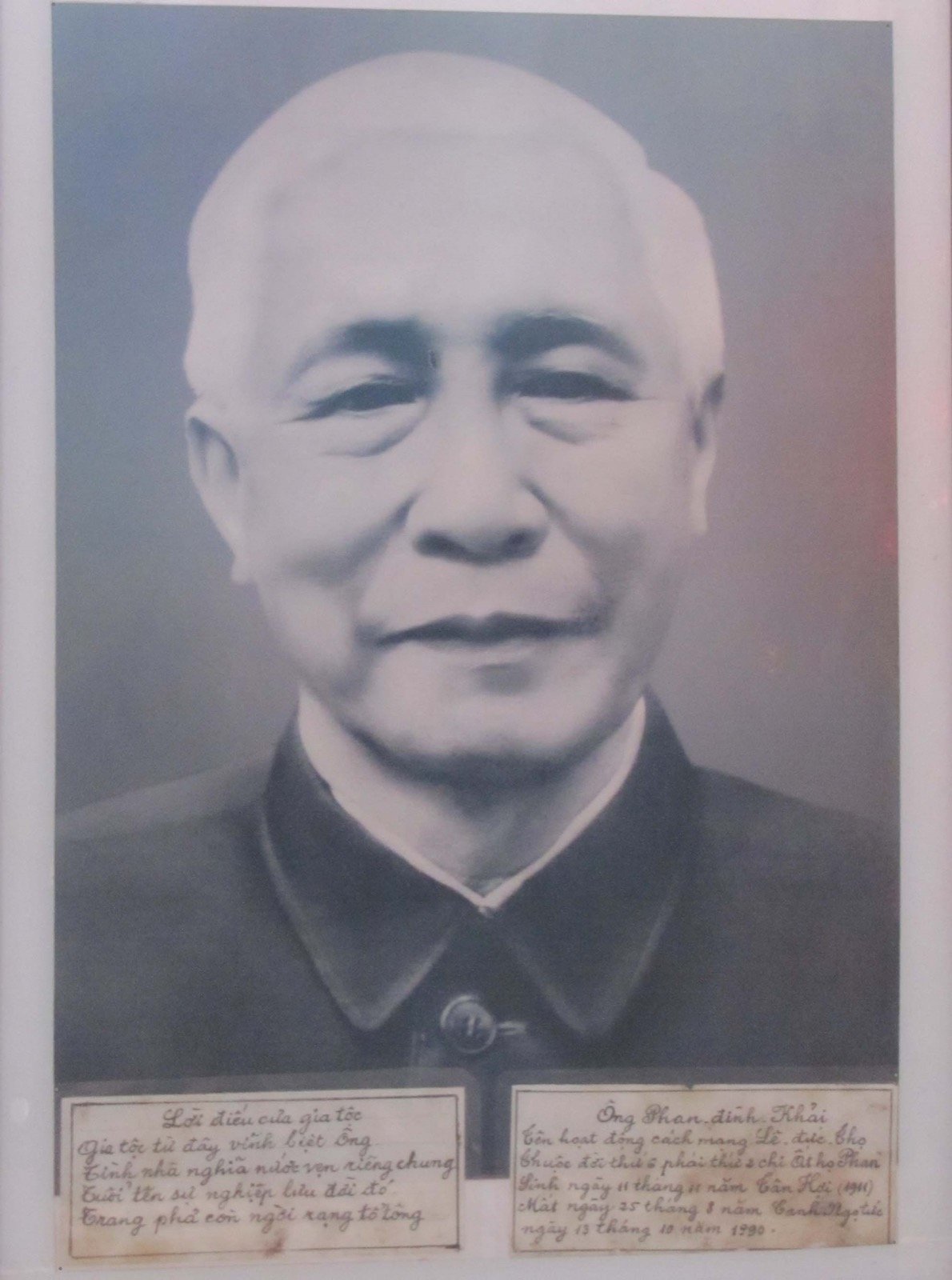 Vietnam · Politics
1911—1990
Lê Đức Thọ
Party organiser and peace negotiatorA senior communist organiser and negotiator who reached the Paris agreement with Henry Kissinger and became the only person to decline a Nobel Peace Prize voluntarily.Read biography1927—
Nguyễn Thị Bình
Diplomat and former vice president of VietnamThe revolutionary diplomat who represented the Provisional Revolutionary Government at the Paris negotiations and later served as education minister and vice president.Read biographyQuick answers
Common questions
- When did the Vietnam War start and end?
- This guide uses 1955–1975, a common chronology that begins with the Republic of Vietnam and ends with the fall of Saigon. Its origins lie in the First Indochina War and the Geneva settlement of 1954.
- Why was Vietnam divided at the 17th parallel?
- The 1954 Geneva settlement created temporary military regrouping zones after the French war. The line was not intended as a permanent international boundary, but nationwide elections did not take place and two rival states consolidated.
- Who fought in the Vietnam War?
- North Vietnam and the communist-led National Liberation Front fought South Vietnam and its principal ally, the United States. The Soviet Union and China supported the North; several U.S. allies sent forces, and the war extended into Laos and Cambodia.
- Did the Paris Peace Accords end the war?
- The January 1973 agreement ended direct U.S. combat involvement and required withdrawal and prisoner releases, but it did not stop the fighting between Vietnamese forces. The war ended with the fall of Saigon on 30 April 1975.
- What is another Vietnamese name for the war?
- Vietnamese official history commonly calls it the Resistance War Against America for National Salvation. “Vietnam War” is the most familiar English search term, while communities connected to the former South Vietnam may use different language and periodisation.
Primary and institutional sources
How this history was checked
Dates, legal milestones and historical claims are checked against the official and institutional records below. This article was reviewed on 8 September 2026.
- National Archives and Records AdministrationVietnam War research and records guide
- National Archives and Records AdministrationRemembering Vietnam — Episodes 1–4
- National Archives and Records AdministrationRemembering Vietnam — Episodes 5–8
- National Archives and Records AdministrationRemembering Vietnam — Episodes 9–12
- U.S. Department of State, Office of the HistorianForeign Relations of the United States, 1969–1976, Volume IX: Vietnam, October 1972–January 1973
- National Archives and Records AdministrationThe Pentagon Papers
- Government of VietnamReunification Day