
The short answer
Toni Morrison published eleven novels between 1970 and 2015. This guide lists their original publication years and offers several editorial routes into her work, whether you want a friendship story, a family quest or an encounter with historical memory.
All eleven novels
Toni Morrison novels in publication order
Original publication years follow Princeton University Library’s bibliography. The final column is a brief subject cue to help choose a starting point.
| Novel | Original year | Subject cue |
|---|---|---|
| The Bluest Eye | 1970 | Childhood and racial beauty standards |
| Sula | 1973 | Friendship, freedom and community judgment |
| Song of Solomon | 1977 | Family history, names and ancestry |
| Tar Baby | 1981 | Desire, class and cultural belonging |
| Beloved | 1987 | Enslavement’s aftermath and family memory |
| Jazz | 1992 | Urban life, desire and violence |
| Paradise | 1998 | Ruby, exclusion and communal identity |
| Love | 2003 | Inheritance and competing memories |
| A Mercy | 2008 | Seventeenth-century bondage and abandonment |
| Home | 2012 | A veteran, his sister and return |
| God Help the Child | 2015 | Childhood harm and adult relationships |
Chronology
A timeline of the turning points
The first novel
The Bluest Eye introduced Morrison’s fiction to readers.
An expanding fictional range
Sula, Song of Solomon and Tar Baby explored friendship, ancestry, desire and belonging.
Beloved and the Pulitzer Prize
Beloved was published in 1987 and won the Pulitzer Prize for Fiction the following year.
Fiction, criticism and the Nobel
Jazz and Playing in the Dark appeared in 1992; Morrison received the Nobel Prize in Literature in 1993.
Communities, inheritance and early America
Paradise, Love and A Mercy extended the range of her fictional worlds.
The final two novels
Home appeared in 2012 and God Help the Child in 2015.
What publication order can show you
Reading from The Bluest Eye to God Help the Child lets you follow changes in Morrison’s scale, subjects and narrative choices. The early novels move from a girl’s experience of racist beauty standards to women’s friendship and a man’s search for his ancestry. Later books explore other communities and historical settings, returning to questions of love, power and memory from new positions.
Use the dates in the table as original publication years. Current paperback, ebook and audiobook pages may display much later dates. Paradise is listed as 1998 in Princeton’s special-collections bibliography, although some retrospective lists give 1997. Publication order is a route through a writing career, rather than a requirement for understanding a continuous plot.
Three starting routes for different readers
For readers drawn to friendship and the pressure of community expectations, our suggested start is Sula. Follow Nel Wright and Sula Peace through the changing judgments of the Bottom, then try The Bluest Eye to compare how a community’s values enter a child’s understanding of herself. Keep a note of who judges whom, and what each judgment leaves out.
For a family quest, begin with Song of Solomon and pay attention to names, inherited stories and what the central character learns to hear. For a shorter later novel, begin with Home, then move to Beloved to compare the different histories its characters carry. These are editorial suggestions based on subject and structure, not an official ranking of difficulty or a universal best order.
Approaching Beloved, Jazz and Paradise
Beloved asks readers to assemble a family’s present alongside memories of enslavement. Rather than making a complete chronology before you proceed, record a few anchors: who is remembering, what triggers the memory and what has become difficult to say. The publisher’s discussion guide is particularly useful after a first reading because its questions reveal major events.
Jazz turns toward desire and violence in the city in 1926, while Paradise considers the community of Ruby, Oklahoma, and women living outside it. Reading these books near one another can sharpen a comparison of intimacy, exclusion and collective memory. Each creates its own characters and setting. A useful discussion question is how a community’s story about itself protects some people while placing others in danger.
Following the later novels’ changing settings
The later books give several ways to extend a first encounter. Love gathers competing claims around Bill Cosey’s memory and estate. A Mercy moves back to the seventeenth century and the story of Florens, exploring a mother’s decision and a daughter’s sense of abandonment. It rewards attention to who can explain an action and who must live without that explanation.
Home follows Korean War veteran Frank Money and his sister Cee in 1950s America. God Help the Child turns to Bride and the continuing consequences of childhood treatment in adult life. After reading two or three of these books, compare what a return home can repair, what remains unresolved and who performs the work of care. The comparison can follow your interests without rearranging the novels into a fictional historical sequence.
Keep nonfiction and other forms on their own shelf
The eleven-book table covers novels. Playing in the Dark: Whiteness and the Literary Imagination, first published in 1992, is literary criticism. It examines how ideas of race shape the work of white American authors, making it a useful companion for readers interested in Morrison’s account of literary interpretation. Its arguments deserve attention as arguments, alongside the different experience offered by her fiction.
The Source of Self-Regard, published in 2019, collects essays, speeches and meditations. Recitatif is a short story first published in 1983 and issued as a standalone book in 2022. Children’s books, including collaborations with her son Slade, add another part of the bibliography. These forms broaden a reading plan without increasing the number of novels.
A practical way to read and return
Choose one book and read a manageable section before consulting an interpretation. A small notebook can hold names, relationships and questions; it does not need to solve every uncertainty. When a voice or date changes, mark the passage and continue until the surrounding narrative gives you more to work with. Reading a paragraph aloud can also help you attend to changes in rhythm and address.
After finishing, return to the beginning and test your first assumptions. Princeton’s archive shows Morrison revising, planning and working through alternative narrative directions. That record encourages patient attention to construction as well as subject matter. For a reading group, ask each person to bring one unresolved question and one passage whose meaning changed on rereading, using the publisher’s guide to extend the discussion.
Biography context
Explore United States through connected lives
Toni Morrison biography
Place the books alongside Morrison’s education, editing career, teaching and major awards.
Explore the biographiesMemoir and poetryMaya Angelou
Compare another Black American woman’s use of literary form, this time through autobiography, poetry and performance.
Explore the biographiesFiction and essaysJames Baldwin
Explore another writer’s approaches to race, belonging and the relationship between private experience and American history.
Explore the biographiesConnected biographies
Writers to read alongside this guide
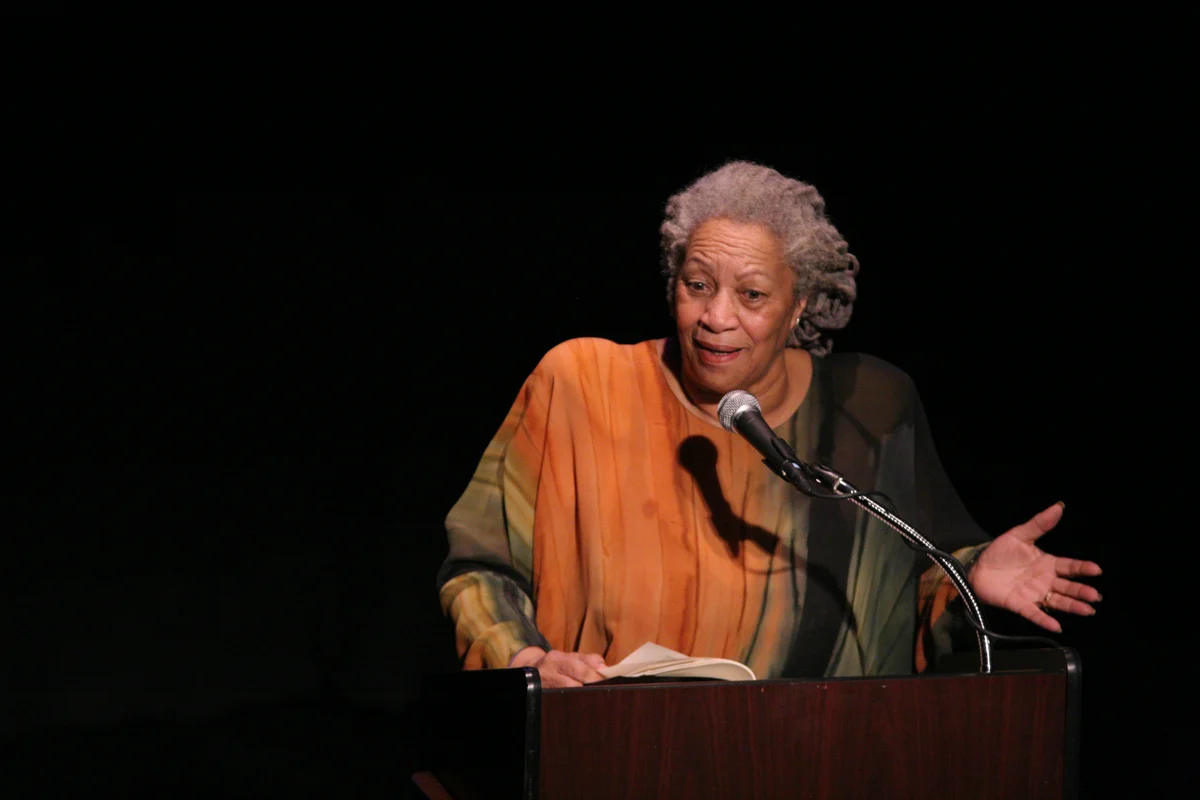
1931–2019
Toni Morrison
Novelist, editor, essayist and professorAn American novelist whose writing placed Black lives, memories and communities at the center of literature, alongside an influential career in editing and teaching.Read biography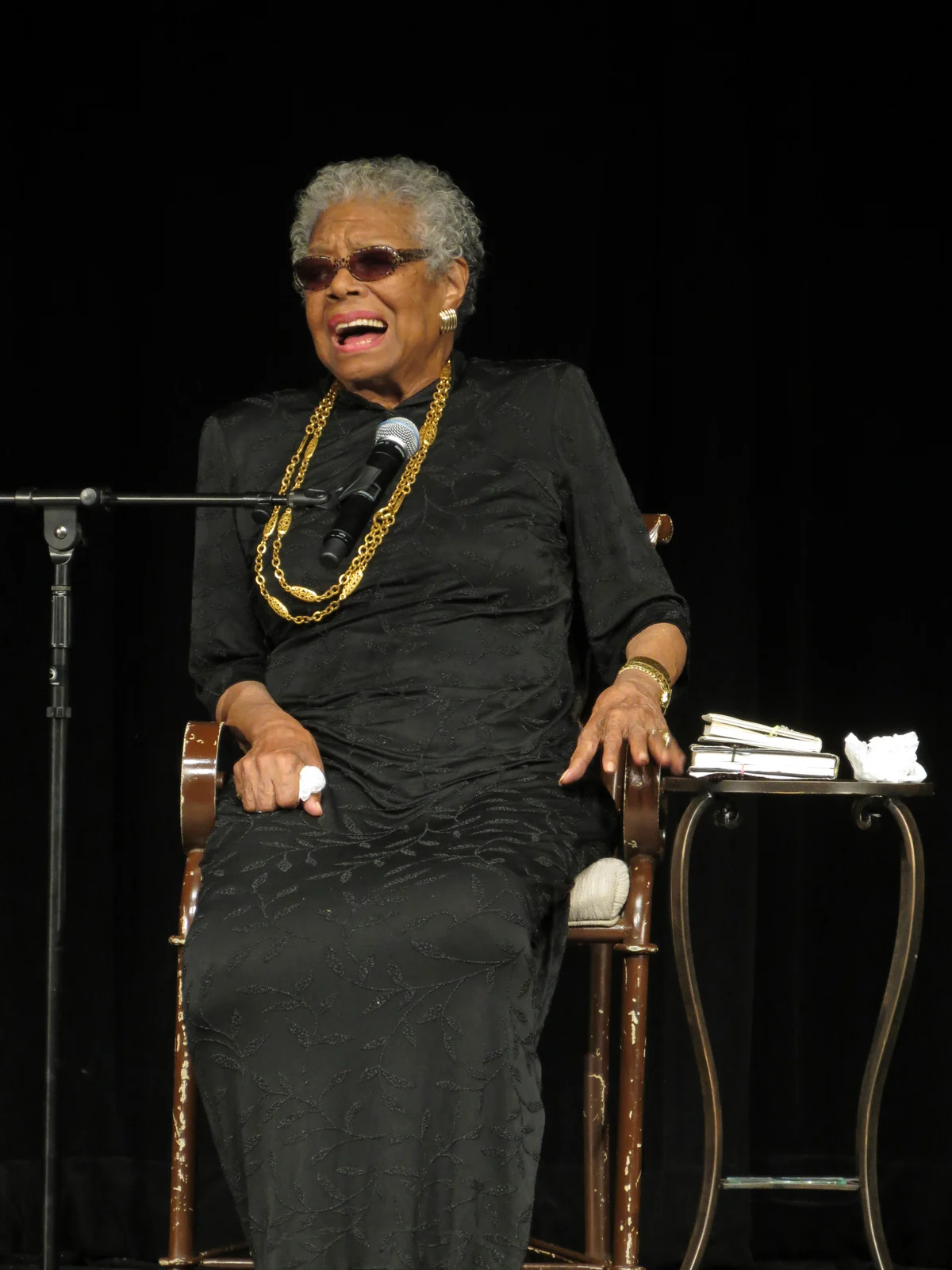
1928–2014
Maya Angelou
Memoirist, poet, performer, teacher and civil rights activistAn American writer and performer who brought experiences of childhood, racism, work and survival into memoir and poetry, and shared literature through teaching and public performance.Read biography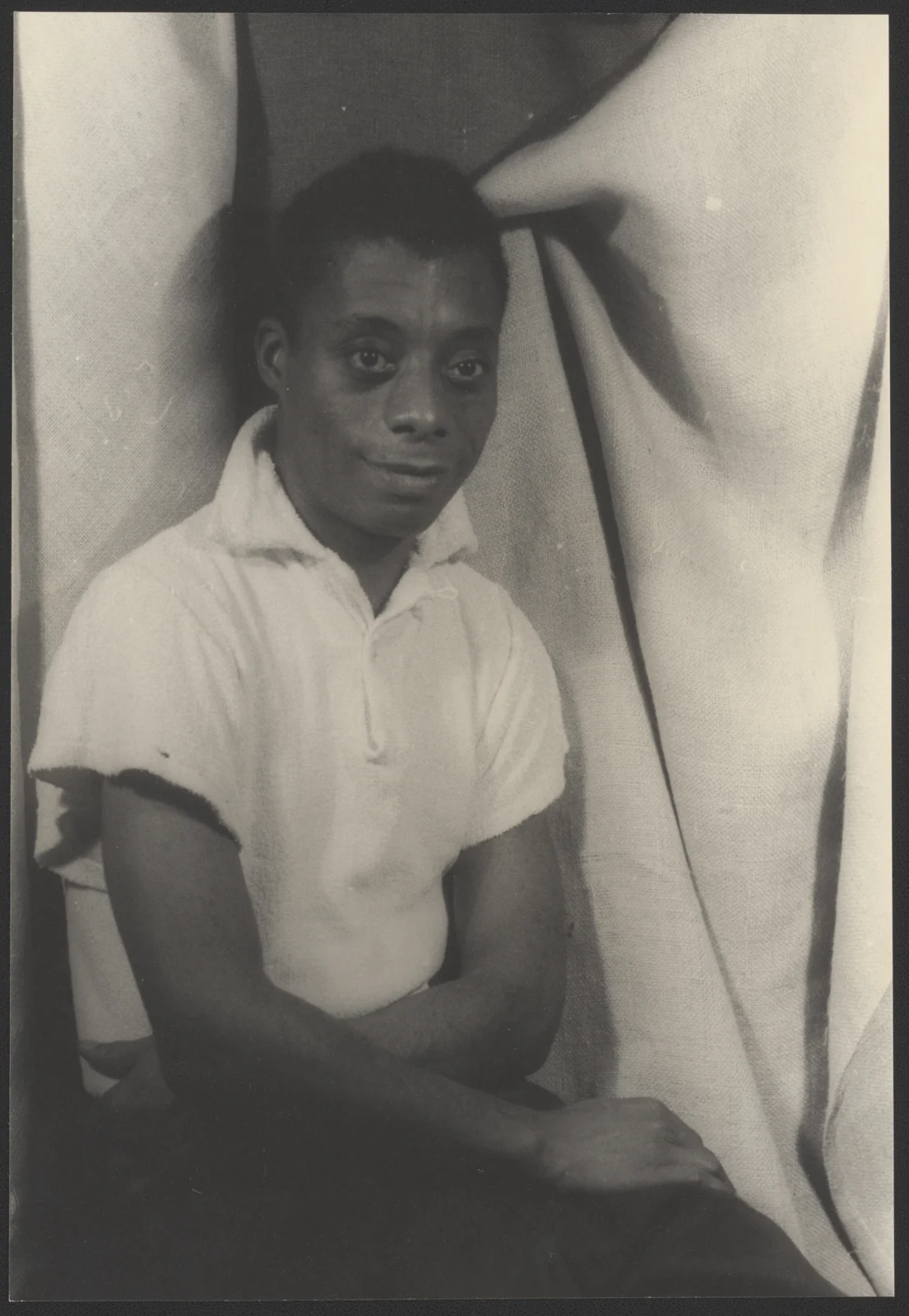
1924–1987
James Baldwin
Novelist, essayist, playwright and civil rights activistAn American writer whose fiction, essays and public interventions connected intimate questions of family, faith and desire with the unfinished struggle for racial justice.Read biographyQuick answers
Common questions
- Which Toni Morrison book should I read first?
- Our editorial suggestions are Sula for friendship and community, Song of Solomon for a family quest, or Home for a shorter later novel. Beloved is another possible beginning if its subject interests you; allow time for its shifts between past and present.
- Do Toni Morrison’s novels need to be read in order?
- Publication order helps you follow her development, but you can start with the novel whose subject interests you. Her novels create distinct stories and settings, so there is no single continuous plot requiring all eleven in sequence.
- Was Paradise published in 1997 or 1998?
- This guide uses 1998, the publication year in Princeton University Library’s specialist bibliography. Some retrospective lists give 1997. Modern paperback and ebook dates describe later editions and should not replace the original year.
- Are Playing in the Dark and Recitatif novels?
- No. Playing in the Dark is literary criticism, first published in 1992. Recitatif is a short story first published in 1983 and released as a standalone book in 2022. Neither belongs in the eleven-novel count.
Primary and institutional sources
How this history was checked
Publication years are checked against Princeton University Library’s bibliography. Publisher descriptions and reader’s guides support the book contexts; starting routes and reading exercises are Biography Compass editorial suggestions. This article was reviewed on 21 October 2026.
- Princeton University LibraryToni Morrison bibliography — novels and other forms
- Penguin Random HouseToni Morrison Books To Read Right Now
- Penguin Random HouseSula — reader’s guide
- Howard UniversityToni Morrison: The Life of a Literary Giant
- Penguin Random HouseBeloved — reader’s guide
- The Pulitzer PrizesBeloved — 1988 Fiction winner
- Penguin Random HouseJazz — description and edition dates
- Penguin Random HouseParadise — description
- Penguin Random HouseA Mercy — description and edition dates
- Penguin Random HouseHome — reader’s guide
- Penguin Random HousePlaying in the Dark — literary criticism
- Princeton University LibraryPart 2: Writing Time
- Princeton UniversityToni Morrison, Nobel-winning author and emeritus Princeton faculty member, dies at 88
- Wikimedia CommonsToni Morrison 2008.jpg — original photograph and license