
The short answer
Saigon fell on 30 April 1975 when revolutionary forces entered the South Vietnamese capital and President Dương Văn Minh surrendered. The war ended that day; legal reunification followed on 2 July 1976 with the establishment of the Socialist Republic of Vietnam.
Chronology
A timeline of the turning points
Phước Long falls without U.S. military intervention
North Vietnamese forces captured the provincial capital north of Saigon. Washington protested but did not return to combat, an important signal as Hanoi assessed the balance after the Paris agreement.
The Central Highlands offensive begins at Ban Mê Thuột
A concentrated attack broke the Republic of Vietnam’s position in the highlands. The loss forced President Nguyễn Văn Thiệu to reconsider how a shrinking defensive perimeter could be held.
A strategic withdrawal becomes a civilian and military disaster
The withdrawal from the Central Highlands unfolded along congested routes without adequate coordination. Units fragmented and large civilian columns fled toward the coast.
Huế and Đà Nẵng are captured
The collapse of the northern military regions brought revolutionary forces control of major cities, ports and equipment. The speed of the advance overtook earlier plans for a longer campaign.
South Vietnamese forces hold and lose Xuân Lộc
The 18th Division mounted the last major organised defence northeast of Saigon. Its eventual withdrawal opened the direct approach to the capital.
Nguyễn Văn Thiệu resigns
Thiệu transferred the presidency to Vice President Trần Văn Hương and publicly blamed the United States for failing to provide promised support.
Dương Văn Minh becomes president
Trần Văn Hương handed power to Minh, a former general associated with neutralist and negotiated solutions. Captured South Vietnamese aircraft bombed Tân Sơn Nhứt later that day.
Operation Frequent Wind begins
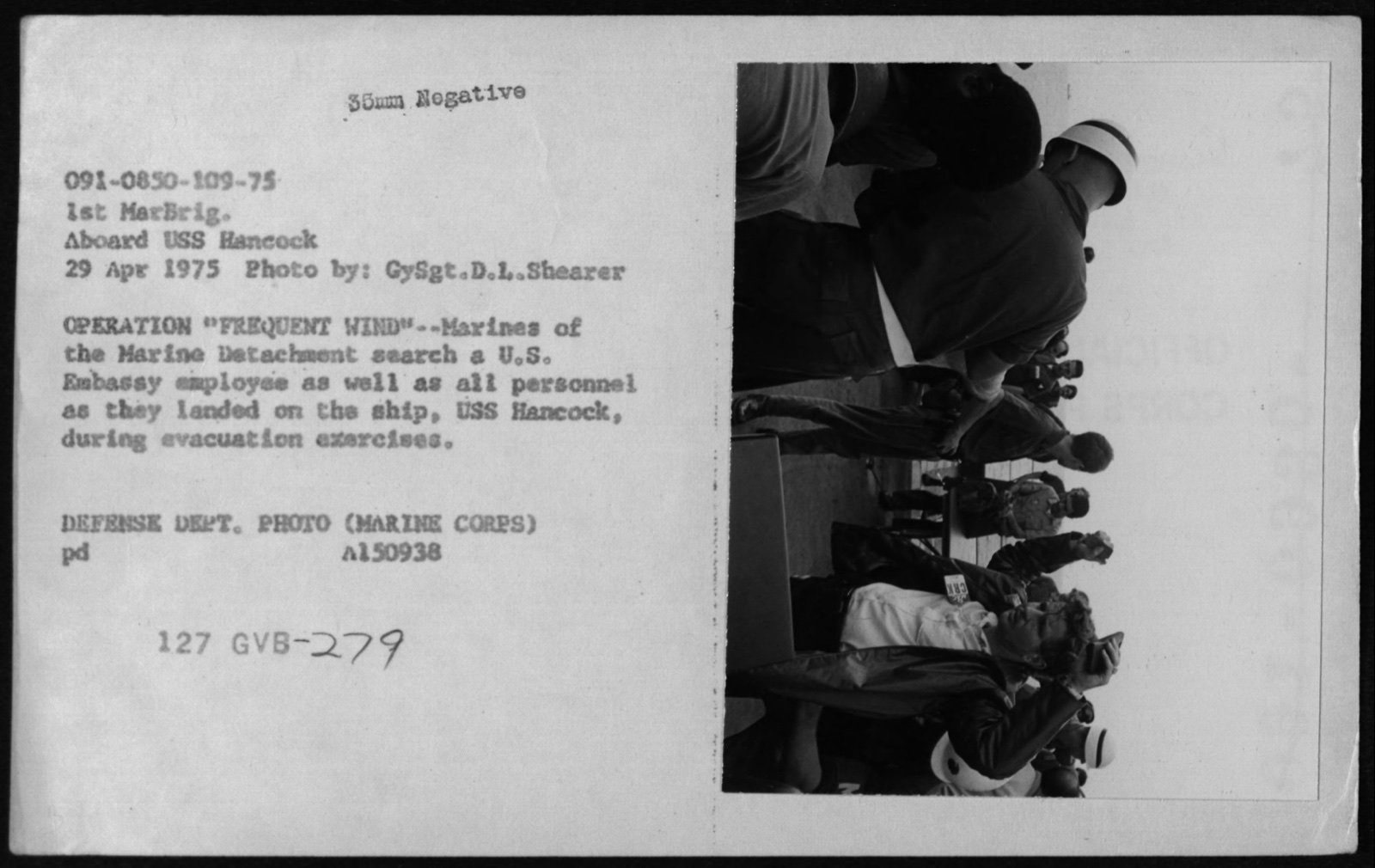
Shelling closed Tân Sơn Nhứt to normal fixed-wing evacuation. U.S. helicopters began the final airlift from the defence attaché compound and embassy while Vietnamese aircraft and vessels also headed to sea.
The last U.S. helicopters leave Saigon
Ambassador Graham Martin departed before dawn, followed by the final Marine security guards. Hundreds of Vietnamese waiting at the embassy could not be evacuated.
Saigon is captured and the Republic of Vietnam surrenders
Revolutionary tanks entered the Independence Palace. President Dương Văn Minh called on South Vietnamese forces to lay down their weapons and recorded an unconditional surrender.
North and South delegations agree a reunification process
A political consultative conference established the path toward one National Assembly and a unified state rather than a prolonged two-government transition.
A nationwide National Assembly election is held
Voters across North and South elected 492 deputies to the Sixth National Assembly, the first legislature organised for the whole country after the war.
The Socialist Republic of Vietnam is established
The National Assembly adopted the unified country’s name, capital and state symbols. Saigon–Gia Định was officially renamed Ho Chi Minh City.
What was the fall of Saigon?
The fall of Saigon was the capture of the Republic of Vietnam’s capital by forces of the Democratic Republic of Vietnam and the Provisional Revolutionary Government on 30 April 1975. It ended the South Vietnamese state, concluded the Vietnam War and placed the whole country under revolutionary control.
The event has more than one name because memory follows political and personal experience. “Fall of Saigon” is common in English and among many people connected to the former South. Vietnam’s state commemoration calls 30 April Liberation Day or the Day of Southern Liberation and National Reunification. This guide uses both vocabularies and identifies their perspectives.
Why did South Vietnam collapse so quickly in 1975?
The Paris Peace Accords removed U.S. combat forces but did not end fighting or require northern units already in the South to withdraw. By 1975, the Republic of Vietnam faced reduced American assistance, fuel and ammunition constraints, while the northern army had rebuilt forces and improved the logistics supporting a nationwide offensive.
Political decisions turned military pressure into systemic collapse. Thiệu’s attempt to abandon exposed territory and concentrate the army farther south was poorly prepared and communicated. Retreating units, civilian flight and blocked roads reinforced one another; once Huế and Đà Nẵng fell, the offensive accelerated faster than either government had expected.
The final offensive and presidential succession
After Ban Mê Thuột and the Central Highlands withdrawal, revolutionary forces moved through the northern and central provinces. South Vietnamese troops resisted strongly at Xuân Lộc, but the defence could not restore a continuous front or reverse the imbalance in supply and momentum.
Thiệu resigned on 21 April and Trần Văn Hương held office for one week. The National Assembly then transferred the presidency to Dương Văn Minh, who was regarded by some politicians as a possible intermediary. Hanoi rejected a negotiated handover that would preserve the republic, and Minh inherited a government with almost no military leverage.
Operation Frequent Wind and the last evacuation
The United States had already moved tens of thousands of people by fixed-wing aircraft and sea when rockets and artillery made Tân Sơn Nhứt unusable for normal flights. On 29 April, Operation Frequent Wind began as the helicopter phase of the evacuation. Aircraft shuttled between Saigon and U.S. Navy ships through the night.
Official U.S. naval histories record approximately 7,000 Americans and Vietnamese evacuated by helicopter. Many more fled in South Vietnamese aircraft, naval vessels, fishing boats and barges. The operation saved thousands but left many embassy employees, former partners and families behind, a human limit that remains central to its memory.
What happened on 30 April 1975?
The last U.S. Marine guards left the embassy roof in the morning. Revolutionary armoured units then entered central Saigon and the Independence Palace. Minh had already called for troops to stop fighting; after his government was taken into custody, he recorded a declaration of unconditional surrender for radio broadcast.
The surrender ended central command, although the experience of the day differed across places and units. For supporters of the revolutionary cause it completed a struggle for independence and national unity. For many South Vietnamese it meant defeat, uncertainty and the disappearance of the institutions and society in which they had lived.
From military victory to a unified state
The Provisional Revolutionary Government administered the South after the surrender, supported by military management bodies and local revolutionary committees. A November 1975 consultative conference agreed on rapid political reunification and an election for one national legislature.
The nationwide vote took place on 25 April 1976. At its first session, the Sixth National Assembly named the country the Socialist Republic of Vietnam on 2 July, kept Hanoi as capital and renamed Saigon–Gia Định as Ho Chi Minh City. The distinction matters: the war and territorial division ended in April 1975, while legal state reunification followed in July 1976.
Re-education, migration and contested aftermath
Former South Vietnamese officers, officials and others associated with the defeated state were ordered to report for “re-education.” Lengths of detention varied greatly, but scholarly oral histories document confinement without trial, forced political study, hard labour, malnutrition and deaths. Estimates of how many people entered the system differ widely, so this guide does not present one disputed total as settled fact.
The end of fighting also began a long migration. People left through the 1975 evacuations, family and resettlement programmes, and later dangerous journeys by sea. Those movements created a large overseas Vietnamese population whose memories of 30 April often differ sharply from official celebrations inside Vietnam.
Continue the chronology
Related history guides
Connected biographies
Eight biographies behind the final offensive, surrender and postwar transition

1923—2001
Nguyễn Văn Thiệu
President of the Republic of VietnamThe South Vietnamese general and president whose wartime government combined constitutional institutions with restricted competition, then accepted the Paris settlement under U.S. pressure.Read biography
1916—2001
Dương Văn Minh
South Vietnamese general and final president of the Republic of VietnamThe general who led the 1963 coup, briefly headed South Vietnam’s military government and returned as its final president before surrender.Read biography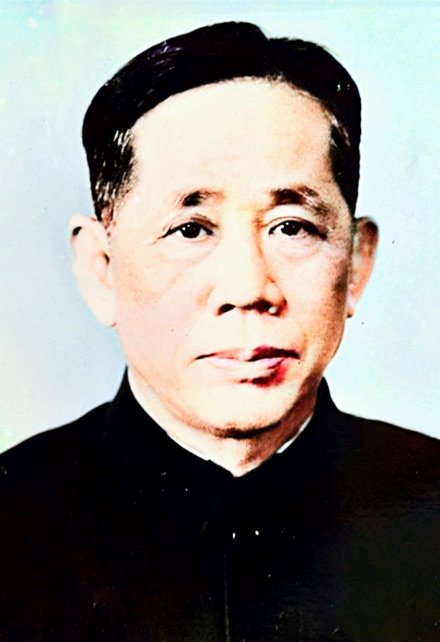
1907—1986
Lê Duẩn
Communist Party leader and wartime strategistThe party leader who drove North Vietnam’s war strategy, presided over reunification and remained Vietnam’s dominant political figure until the eve of Đổi Mới.Read biography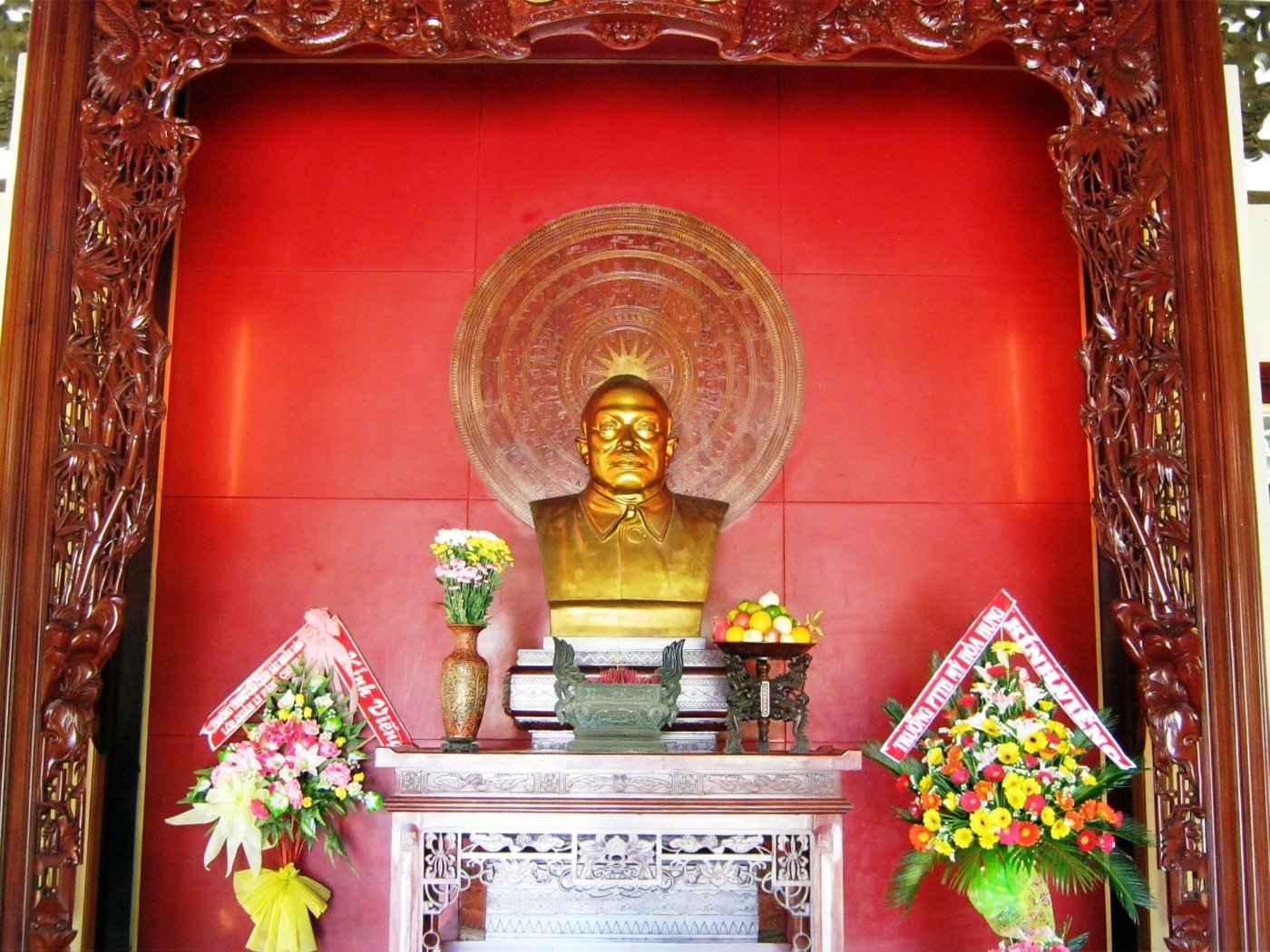
1888—1980
Tôn Đức Thắng
Trade-union organiser and president of VietnamThe labour organiser, colonial prisoner and head of state who succeeded Hồ Chí Minh in 1969 and became the first president of reunified Vietnam in 1976.Read biography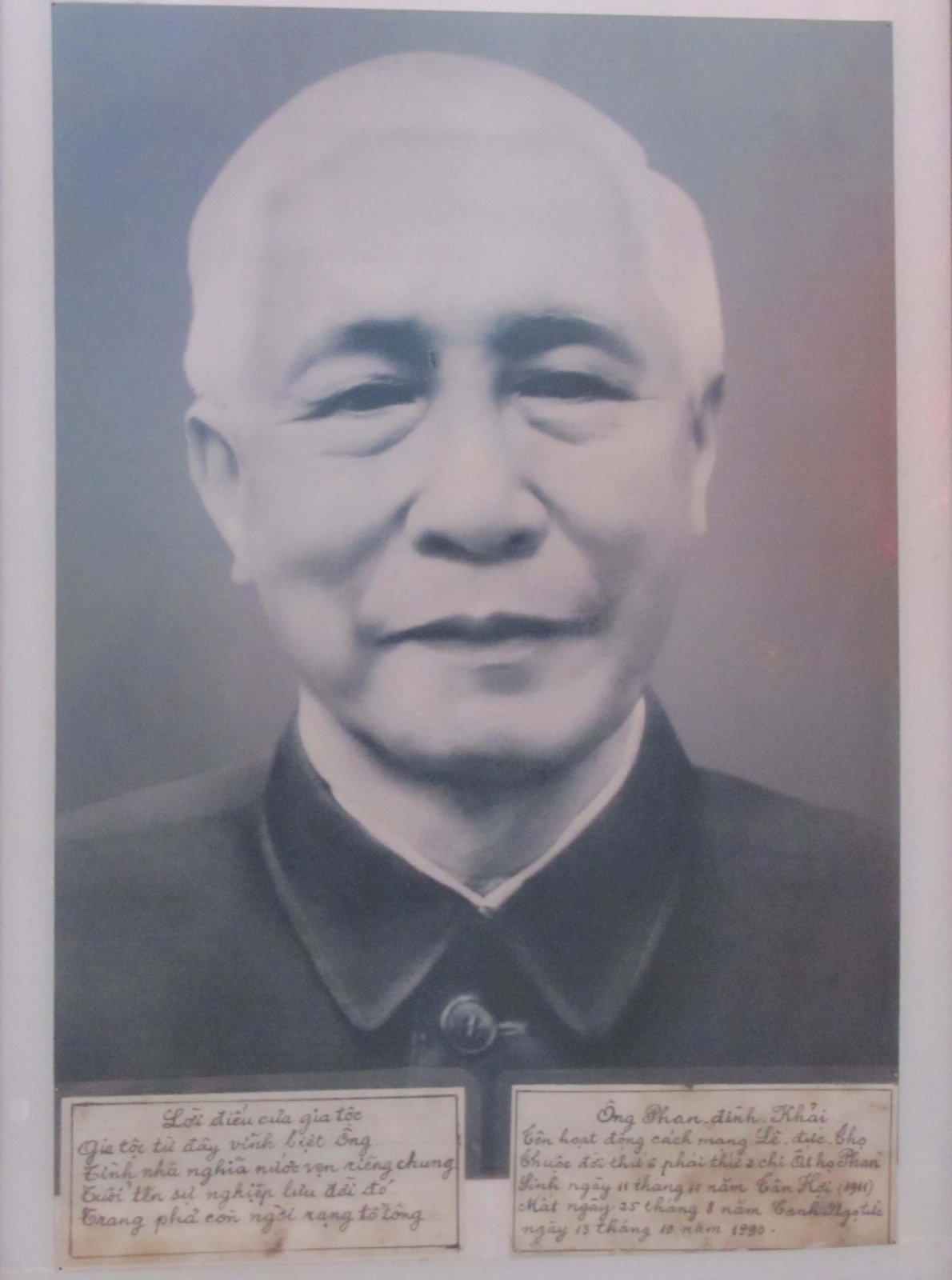
1911—1990
Lê Đức Thọ
Party organiser and peace negotiatorThe senior Communist Party organiser who negotiated and initialled the 1973 Paris Peace Accords with Henry Kissinger, then became the only person to decline a Nobel Peace Prize.Read biography
1927—
Nguyễn Thị Bình
Diplomat and former vice president of VietnamThe revolutionary diplomat who represented the Provisional Revolutionary Government at the Paris negotiations and later served as education minister and vice president.Read biography
1906—2000
Phạm Văn Đồng
Prime minister and diplomatThe revolutionary diplomat who led the Democratic Republic of Vietnam at Geneva and then headed its government through war, reunification and the failures of postwar central planning.Read biography
1922—2008
Võ Văn Kiệt
Prime minister and economic reformerThe southern revolutionary and prime minister who accelerated market reform, backed the North–South power line and led Vietnam through a decisive period of international integration.Read biographyQuick answers
Common questions
- When did Saigon fall?
- Saigon fell on 30 April 1975, when revolutionary forces entered the Independence Palace and the final president of South Vietnam, Dương Văn Minh, declared an unconditional surrender.
- Why did South Vietnam collapse in 1975?
- A renewed northern offensive combined with South Vietnam’s declining supplies, reduced U.S. support, poor strategic withdrawal and political crisis. The losses of the Central Highlands, Huế and Đà Nẵng caused the front to unravel rapidly.
- What was Operation Frequent Wind?
- Operation Frequent Wind was the final U.S. helicopter evacuation from Saigon on 29–30 April 1975. Approximately 7,000 Americans and Vietnamese were airlifted to ships offshore.
- Was Vietnam reunified on 30 April 1975 or 2 July 1976?
- The war and territorial division ended on 30 April 1975. Formal state reunification occurred on 2 July 1976, when the National Assembly established the Socialist Republic of Vietnam.
- When was Saigon renamed Ho Chi Minh City?
- The Sixth National Assembly formally renamed Saigon–Gia Định as Ho Chi Minh City on 2 July 1976.
- Why is 30 April called both the fall of Saigon and Liberation Day?
- The names reflect different historical experiences. “Fall of Saigon” foregrounds the collapse of South Vietnam, while Vietnam’s official “Liberation Day” language foregrounds revolutionary victory and national reunification.
Primary and institutional sources
How this history was checked
Dates, legal milestones and historical claims are checked against the official and institutional records below. This article was reviewed on 8 September 2026.
- U.S. Department of State, Office of the HistorianForeign Relations of the United States, 1969–1976, Volume X: Vietnam, January 1973–July 1975
- U.S. Department of State, Office of the HistorianEnding the Vietnam War, 1969–1973
- Naval History and Heritage CommandOperations Frequent Wind and Eagle Pull
- Independence Palace Historic SiteThe Independence Palace during the final days of the Republic of Vietnam
- Government News, VietnamHistory of the National Assembly: facts and figures
- Vietnam Law and Legal ForumThe Vietnam state’s structure and operation during 1975–1986
- Library of CongressVietnam: A Country Study
- Monash UniversityVietnam’s re-education camps after 1975: Narratives of detainees
- Wikimedia Commons and U.S. National ArchivesOperation Frequent Wind photograph and public-domain record