

Birth date disputed–1939
Country archive · South Africa
South African lives in historical context.
Explore politics, enterprise and culture through documented lives, from apartheid and democratic change to literature, music and global connections.
🇿🇦ZA
The growing archive
121 biographies to explore
Country association is a reading path, not a claim about citizenship, unchanged borders or a single cultural identity. Profiles distinguish apartheid institutions, democratic change, varied communities and cross-border lives; related guides preserve the historical setting.
South Africa
Politics
Resistance, negotiation, government and the institutions through which power is exercised.
1925–1982
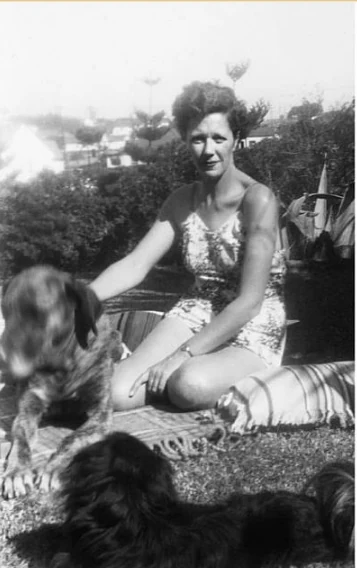
Ruth First
Investigative journalist and social researcherRuth First combined investigative journalism with social research, moving from South African reporting and detention to universities and research in exile.Read biography1924–1978
Robert Sobukwe
Teacher, political organiser and PAC presidentSobukwe moved from teaching and university work to leadership of the PAC; imprisonment and detention restricted his political life for the remaining years.Read biography
1918–2013
Nelson Mandela
Anti-apartheid leader and President of South Africa, 1994–1999Nelson Mandela was a lawyer, ANC organiser, co-founder of Umkhonto we Sizwe and political prisoner who became South Africa’s first Black president after an election open to all races. His public life joined resistance and negotiation, followed by the difficult work of governing a deeply unequal country.Read biography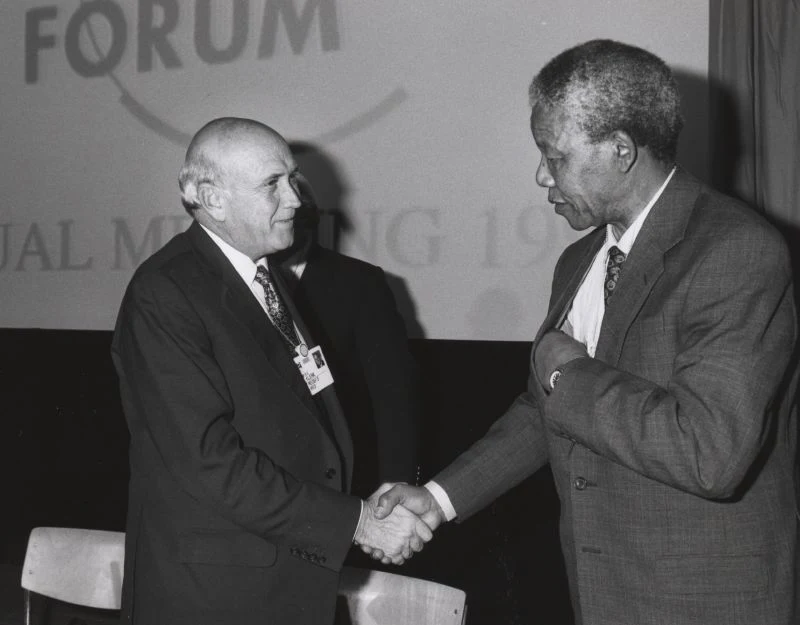
1936–2021
F. W. de Klerk
Last apartheid state president and later Executive Deputy PresidentF. W. de Klerk rose through the National Party and apartheid Cabinet before using the presidency to open negotiations and release political prisoners. He later served under Nelson Mandela, but his role in ending minority rule did not settle questions about his earlier power, responsibility or account of state violence.Read biography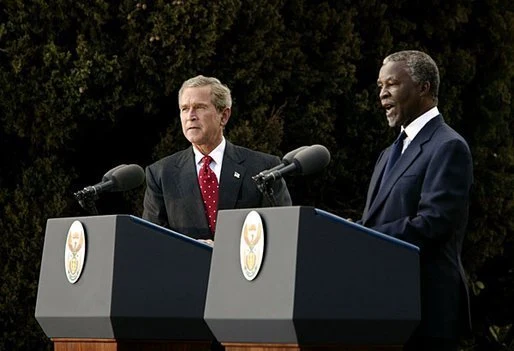
1942–
Thabo Mbeki
ANC diplomat and President of South Africa, 1999–2008Thabo Mbeki moved from a politically active Eastern Cape family into exile, economics and ANC diplomacy before becoming deputy president and then president. His record combines institution-building and continental engagement with disastrous HIV-policy choices, a party-driven departure and continuing accountability disputes.Read biography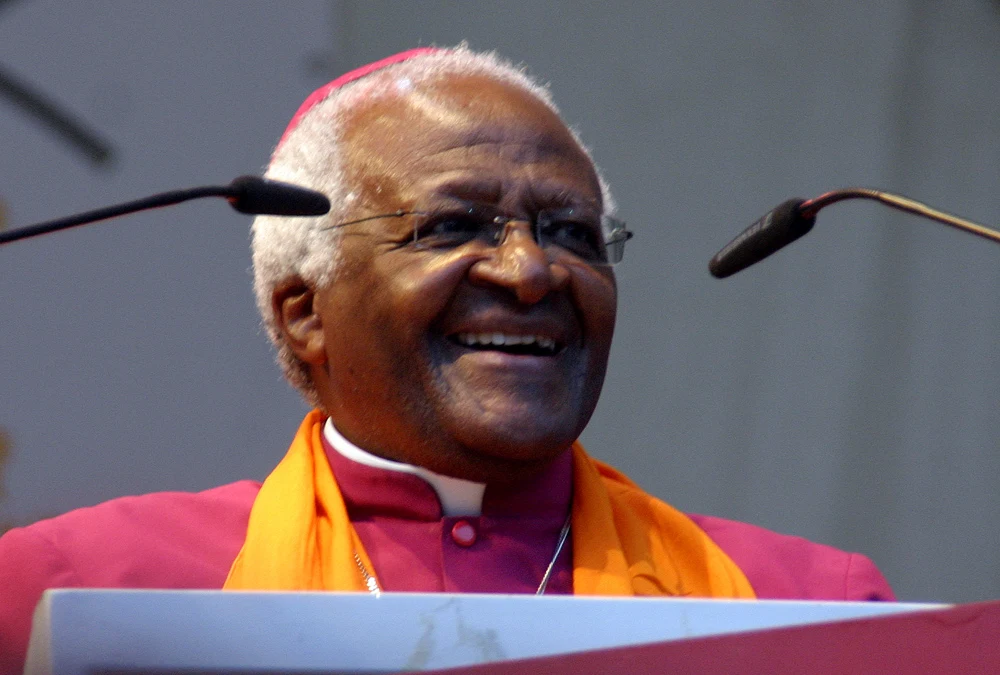
1931–2021
Desmond Tutu
Anglican archbishop, anti-apartheid campaigner and TRC chairDesmond Tutu moved from teaching into Anglican ministry and became an internationally prominent opponent of apartheid. His moral authority supported non-violent pressure, public truth-telling and later criticism of democratic governments, while the compromises of the TRC remained open to challenge.Read biography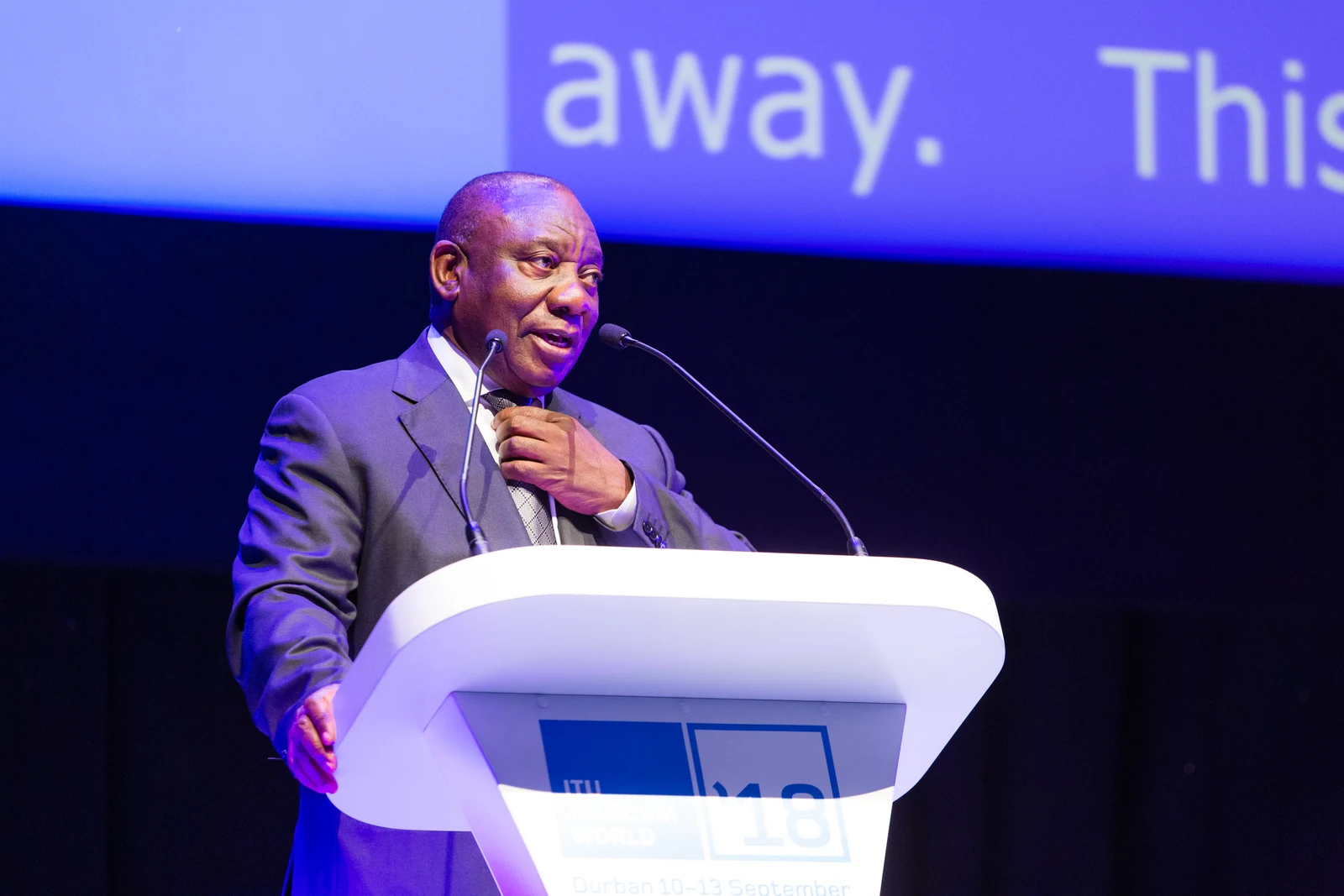
1952–
Cyril Ramaphosa
Trade union organiser, constitutional negotiator and President of South AfricaCyril Ramaphosa’s career runs through student resistance, mineworker organisation, constitutional negotiations, business and the presidency. His ability to broker agreements helped shape democratic institutions, while Marikana and later accountability disputes complicate assessments of his public leadership.Read biography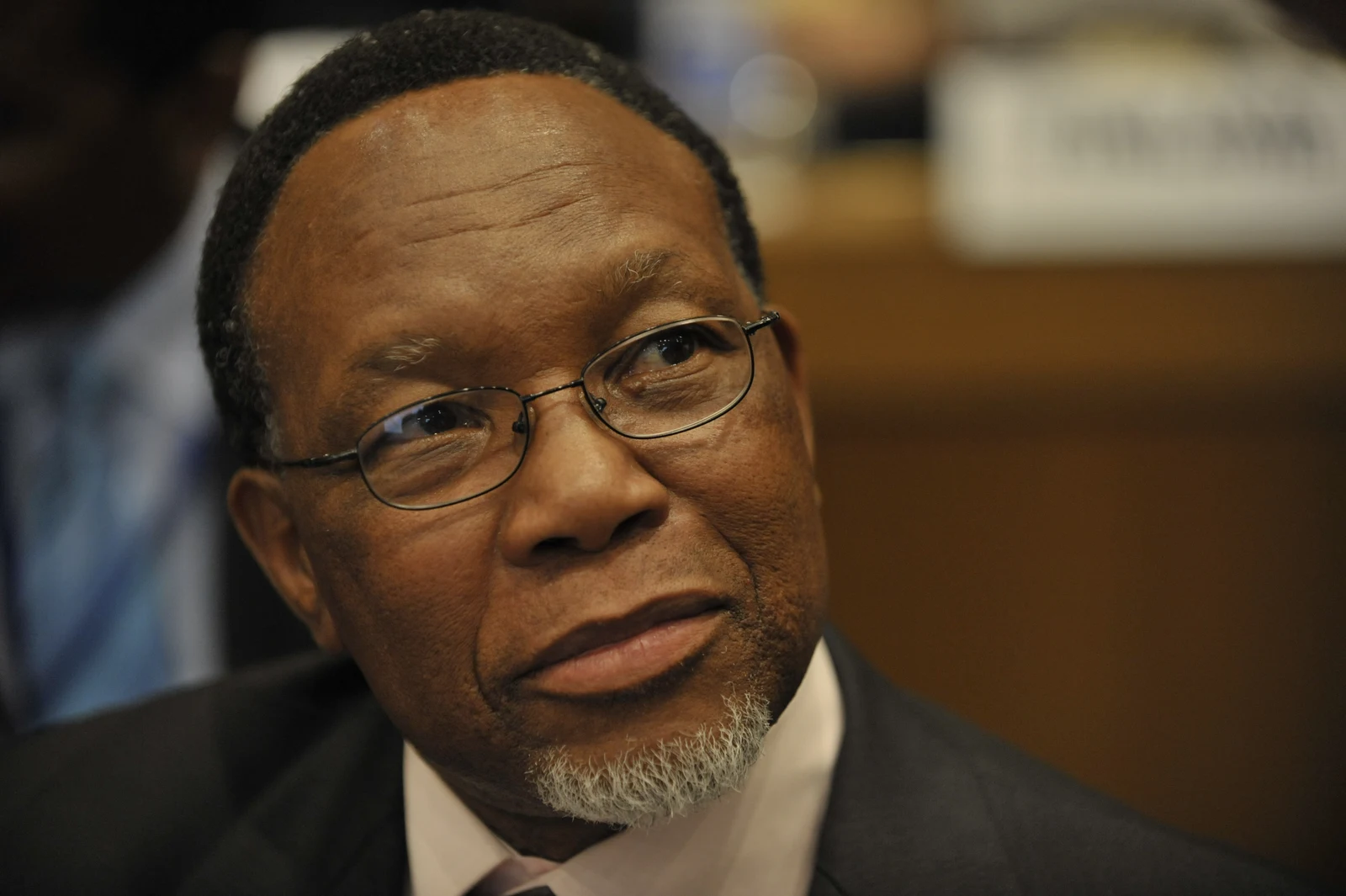
1949–
Kgalema Motlanthe
Union educator, ANC organiser and former President of South AfricaKgalema Motlanthe moved from underground activism and Robben Island imprisonment into worker education, union leadership and ANC administration. A short presidency was one stage in a longer career shaped by organisation, executive service and later scrutiny of democratic institutions.Read biography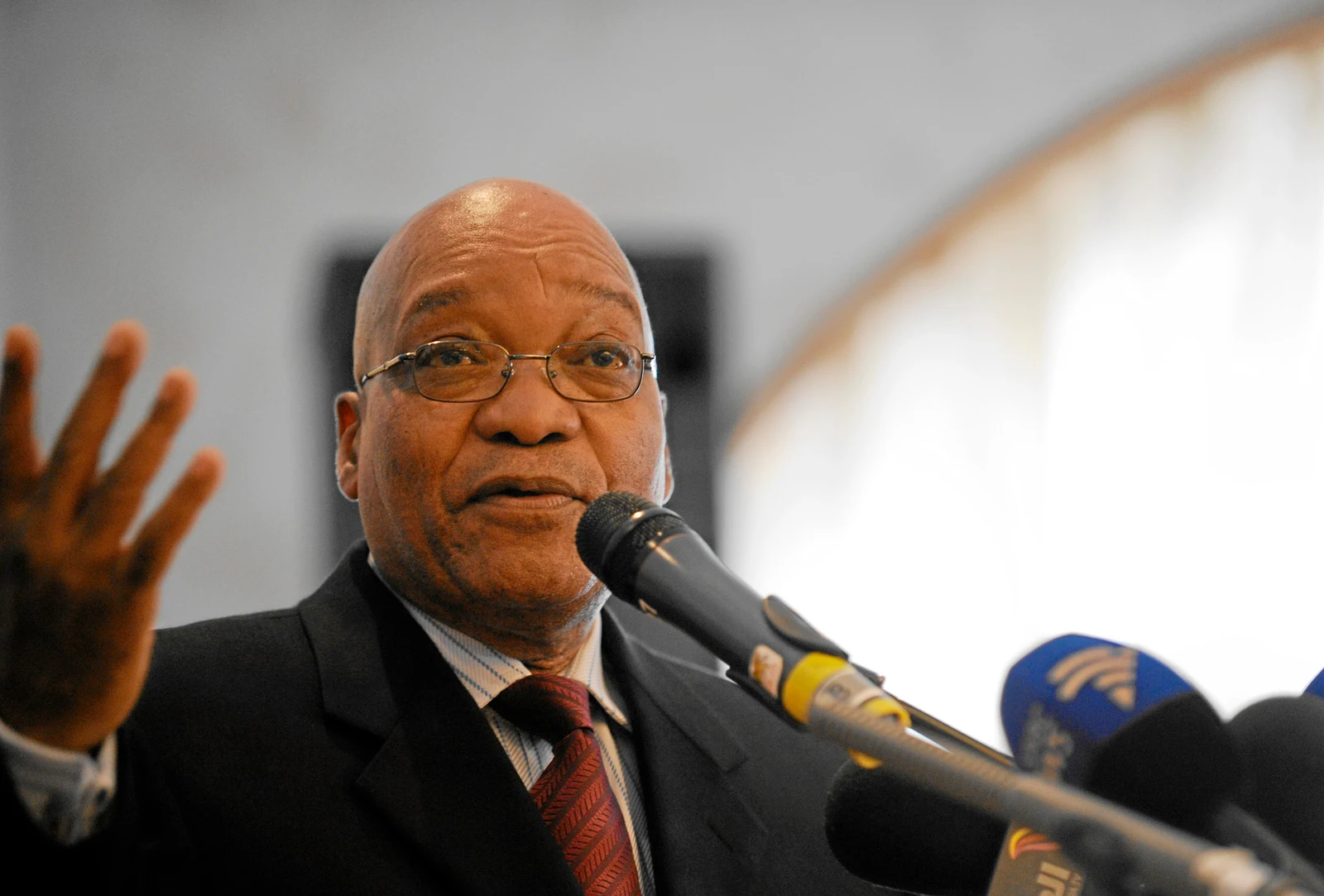
1942–
Jacob Zuma
Former President of South Africa and leader of the MK PartyJacob Zuma moved through anti-apartheid imprisonment, exile intelligence work and provincial politics before leading the ANC and South Africa. His presidency combined policy initiatives with serious institutional failures, while his later MK Party leadership and distinct legal proceedings keep him central to public debate.Read biography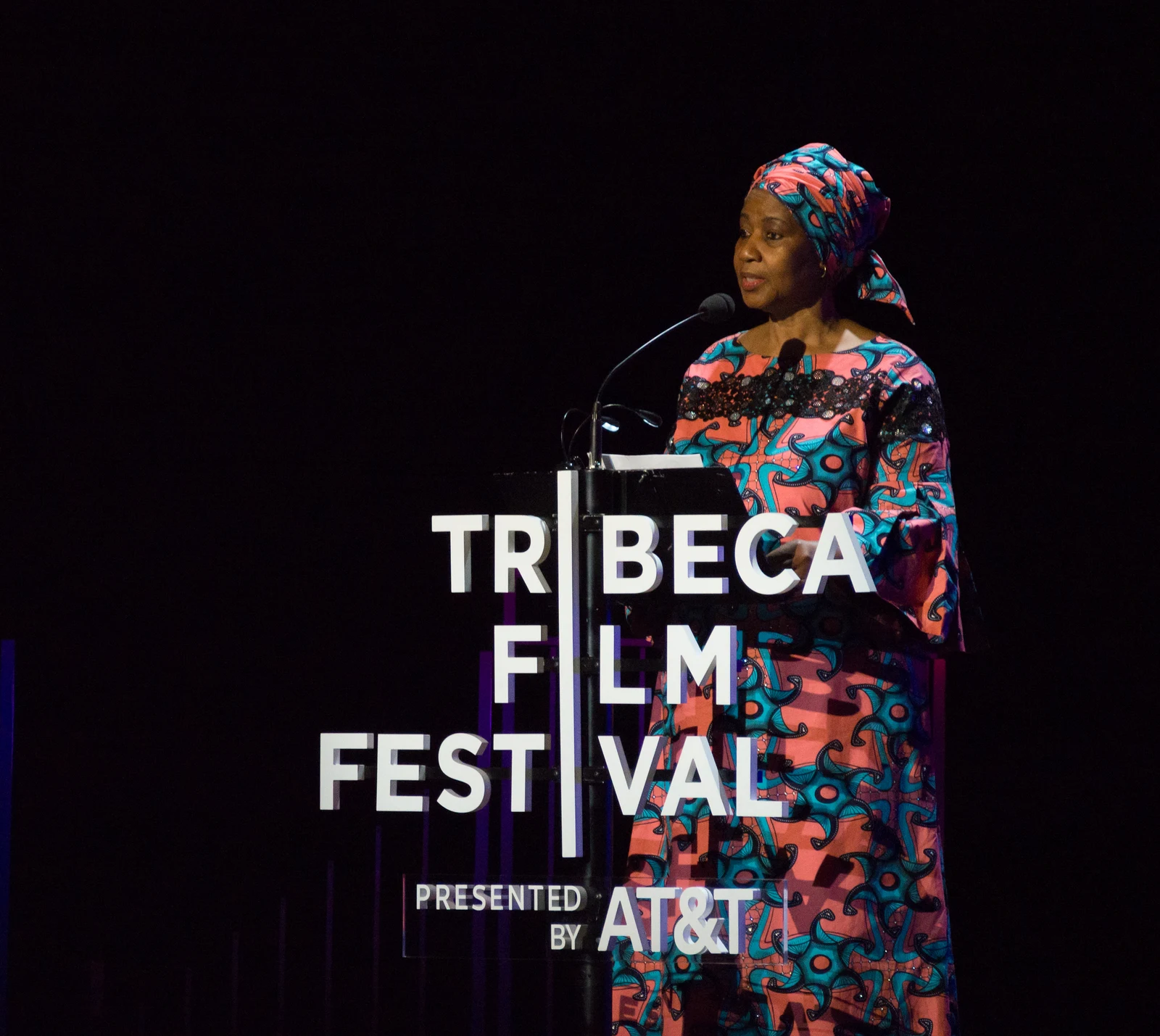
1955–
Phumzile Mlambo-Ngcuka
Educator, former national deputy president and former UN Women executive directorPhumzile Mlambo-Ngcuka moved from teaching and women’s organisation into democratic government, becoming South Africa’s first woman deputy president. Later leadership of UN Women expanded her international platform, while education and the relationship between learning and employment remained recurring concerns.Read biography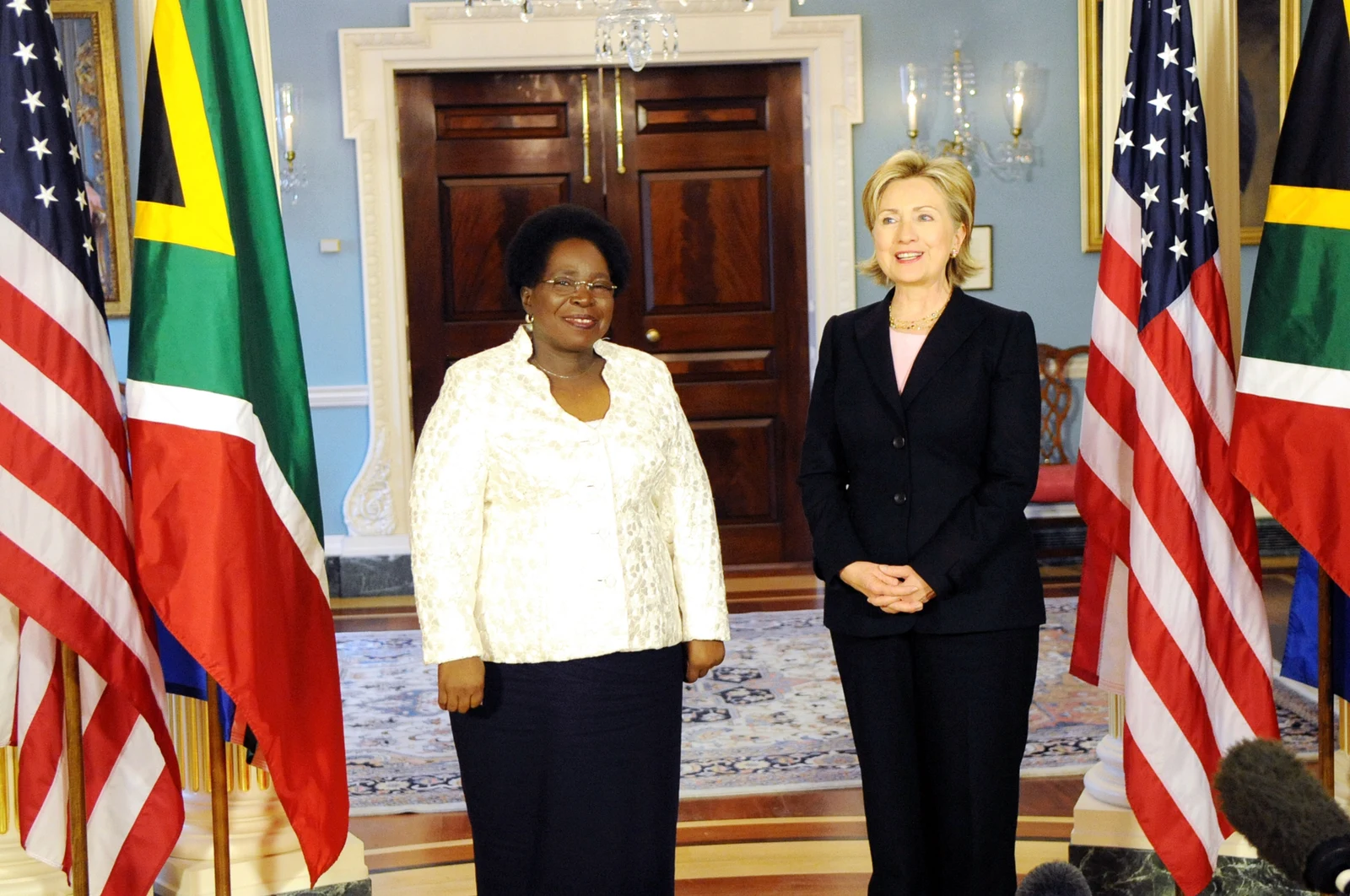
1949–
Nkosazana Dlamini-Zuma
Medical doctor, former cabinet minister and African Union Commission chairpersonNkosazana Dlamini-Zuma moved from medical training and anti-apartheid exile into South African cabinet service and continental administration. Her career includes contested health decisions, a prominent Home Affairs record and election as the African Union Commission’s first woman chairperson, followed by renewed domestic political responsibilities.Read biography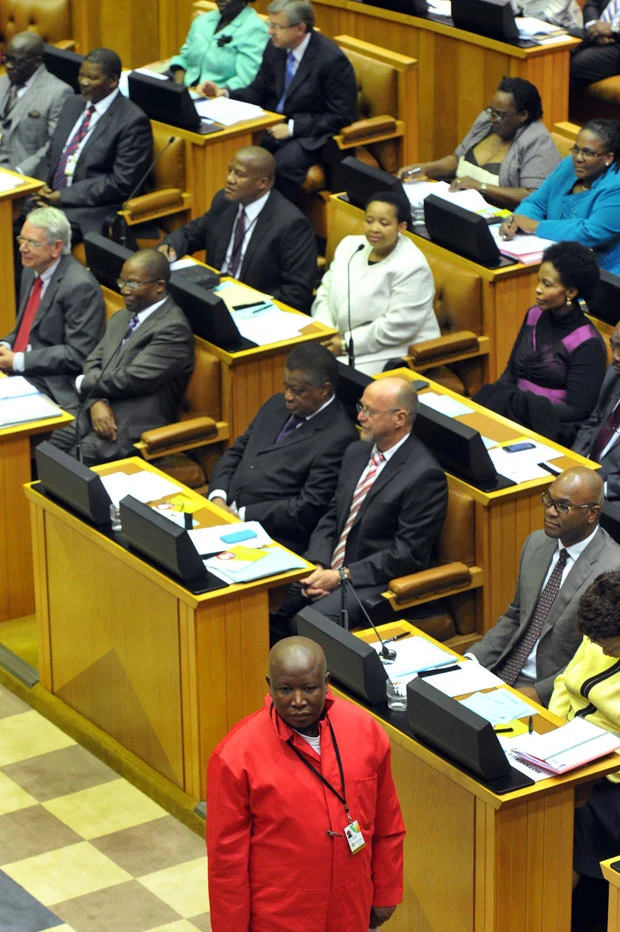
1981–
Julius Malema
EFF leader and National Assembly memberJulius Malema rose through student organisation and the ANC Youth League before his expulsion and the formation of the Economic Freedom Fighters. He joined electoral politics through a new opposition organisation, while his public rhetoric, political methods and legal accountability remain contested parts of his record.Read biography
1917–1993
Oliver Tambo
Teacher, lawyer and ANC president in exileOliver Tambo moved from teaching and legal practice into the leadership of the ANC during its long prohibition. Exile placed him at the centre of international advocacy, organisational disputes and armed struggle. His return preceded democratic elections, which he did not live to see.Read biography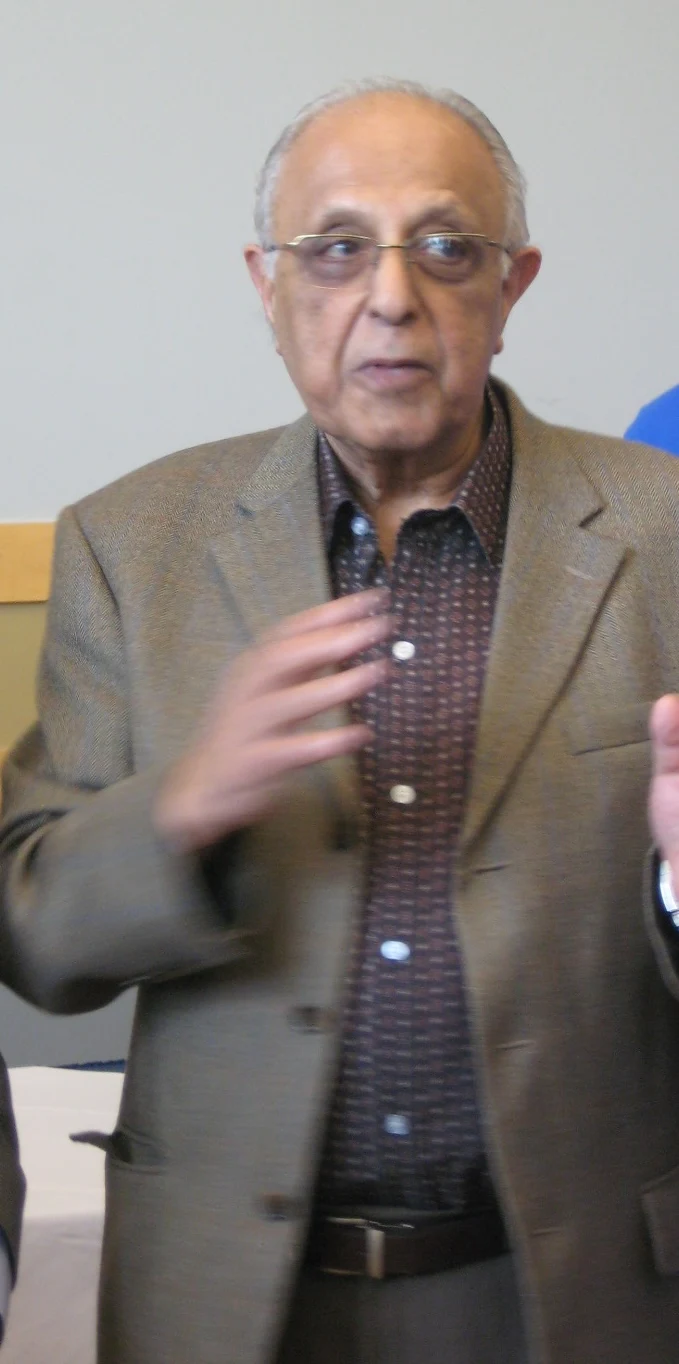
1929–2017
Ahmed Kathrada
Anti-apartheid organiser, political prisoner and parliamentary counsellorAhmed Kathrada’s political life began in youth and Indian Congress organisation, long before his imprisonment with Mandela. After release he entered Parliament, advised the president and helped preserve the history of incarceration. His later criticism of Jacob Zuma showed that movement loyalty could coexist with public dissent.Read biography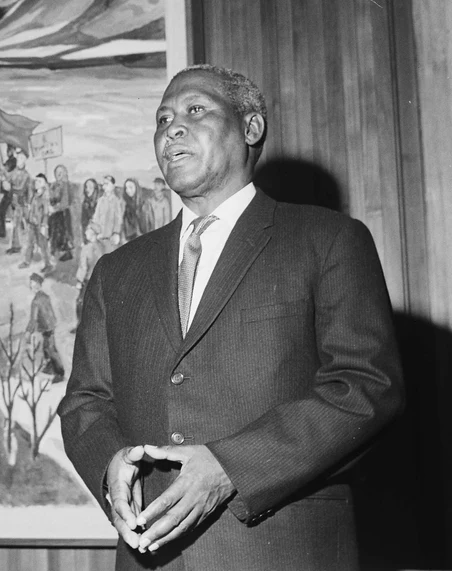
1898–1967
Albert Luthuli
Teacher, elected chief and ANC president-generalAlbert Luthuli brought experience as a teacher and elected local chief into national anti-apartheid leadership. Restrictions repeatedly confined his work, while the Nobel Peace Prize gave it international visibility. His principles, the movement’s changing methods and the later investigation of his death require distinct evidence.Read biography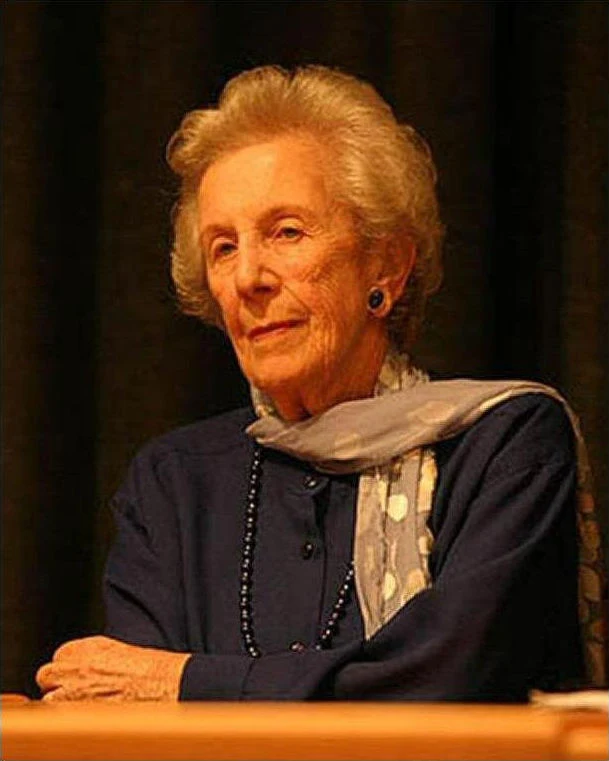
1917–2009
Helen Suzman
Parliamentarian and human-rights advocateHelen Suzman used a seat in the whites-only Parliament to challenge discriminatory laws and investigate their consequences. Her visits and interventions mattered to prisoners and their families. Her liberal politics also involved positions, including opposition to economic sanctions, that divided opponents of apartheid.Read biography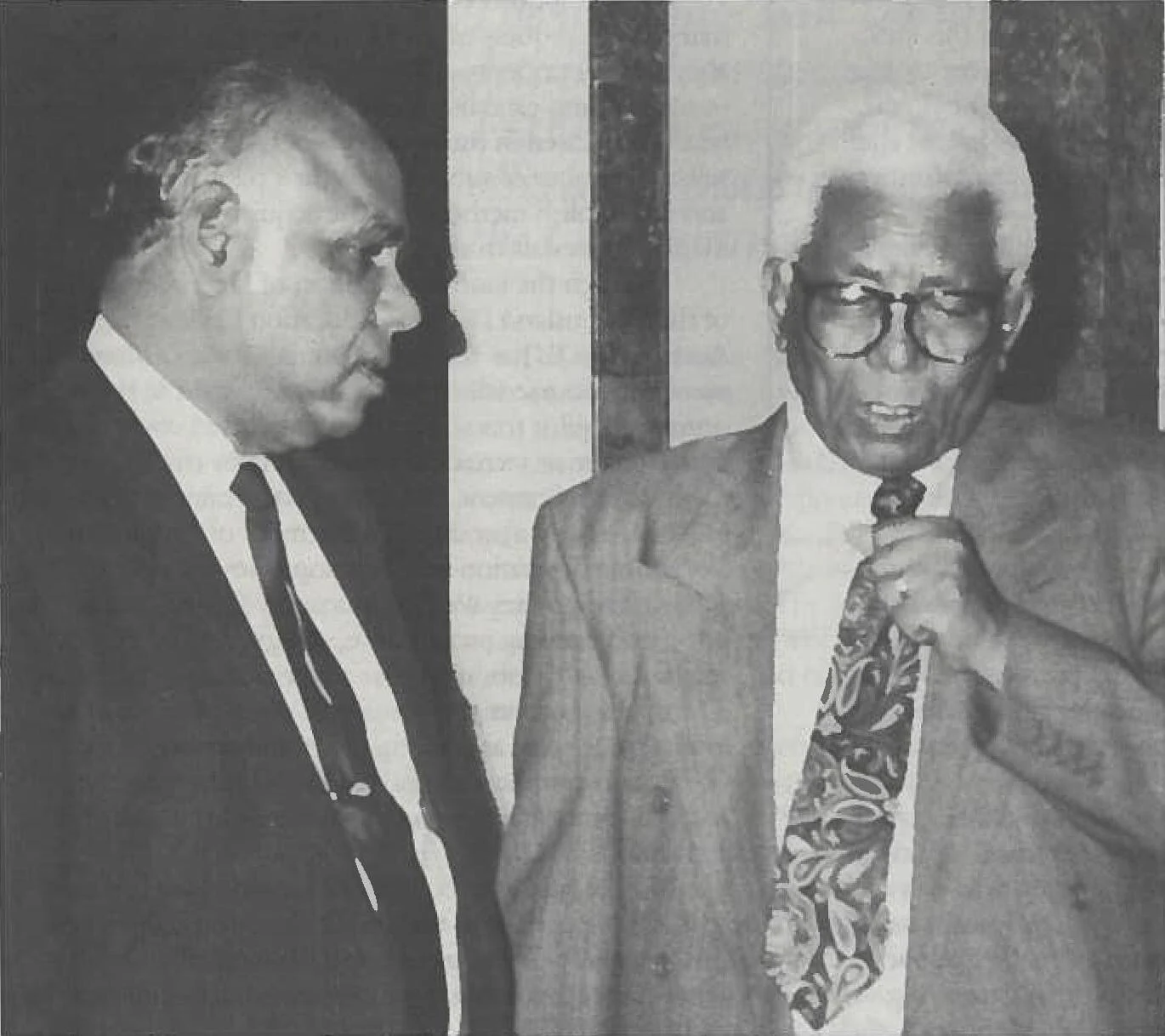
1912–2003
Walter Sisulu
ANC organiser, political prisoner and deputy presidentWalter Sisulu helped turn political commitments into durable organisation. His work linked the Youth League, mass campaigns, underground resistance and prison education. After release, he returned to rebuilding the ANC and supporting negotiations rather than becoming a government president.Read biography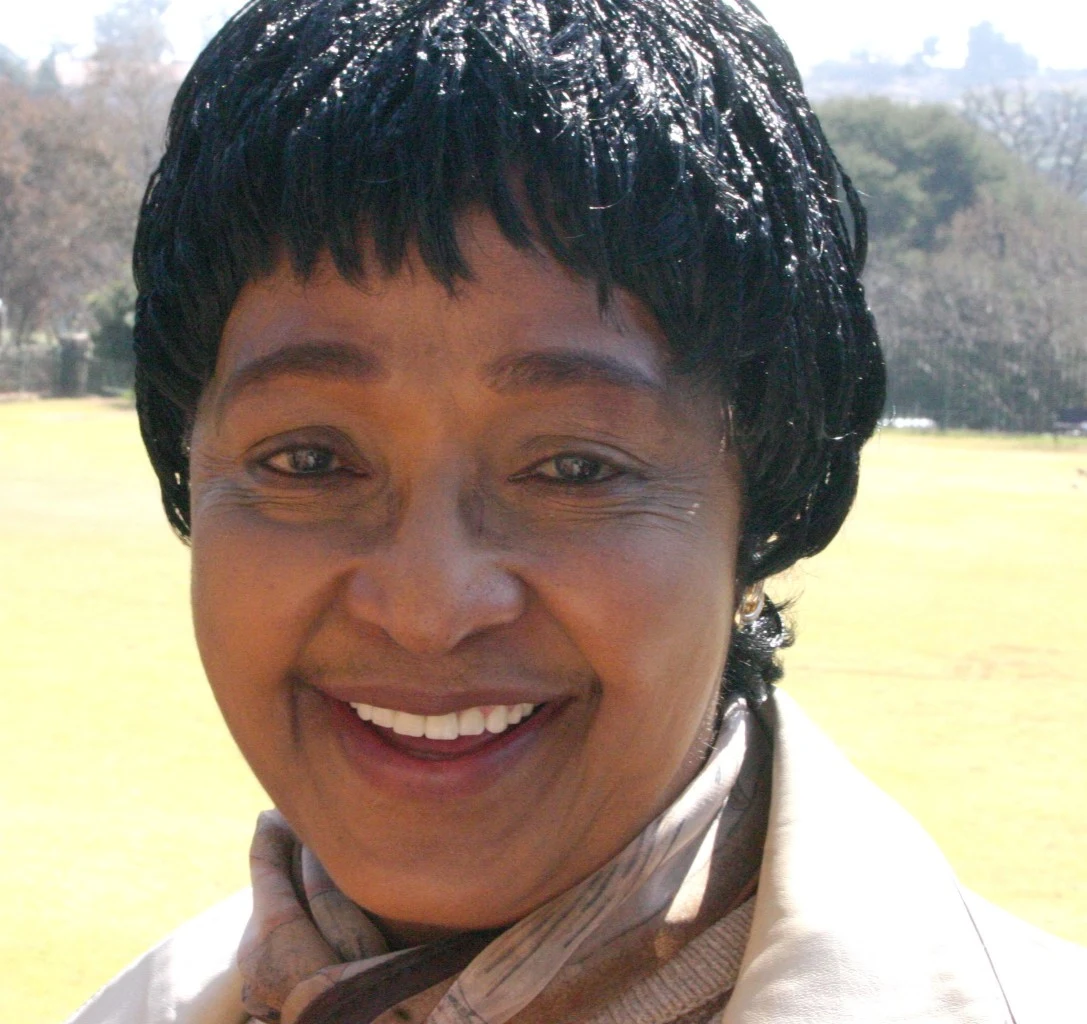
1936–2018
Winnie Madikizela-Mandela
Social worker, anti-apartheid activist and politicianWinnie Madikizela-Mandela was an activist in her own right, subjected to detention, torture and forced residence while Nelson Mandela was imprisoned. Her community work and political prominence coexist with criminal convictions and serious commission findings that require precise, separate treatment.Read biography
1956–
Trevor Manuel
Former finance minister, planning minister and business chairTrevor Manuel moved from housing and civic activism into economic policy and a long cabinet career. Fiscal management, contested growth strategies and later national planning made him influential beyond one administration. His subsequent business chairmanship must be dated: he is described as a former Old Mutual chair by October 2026.Read biography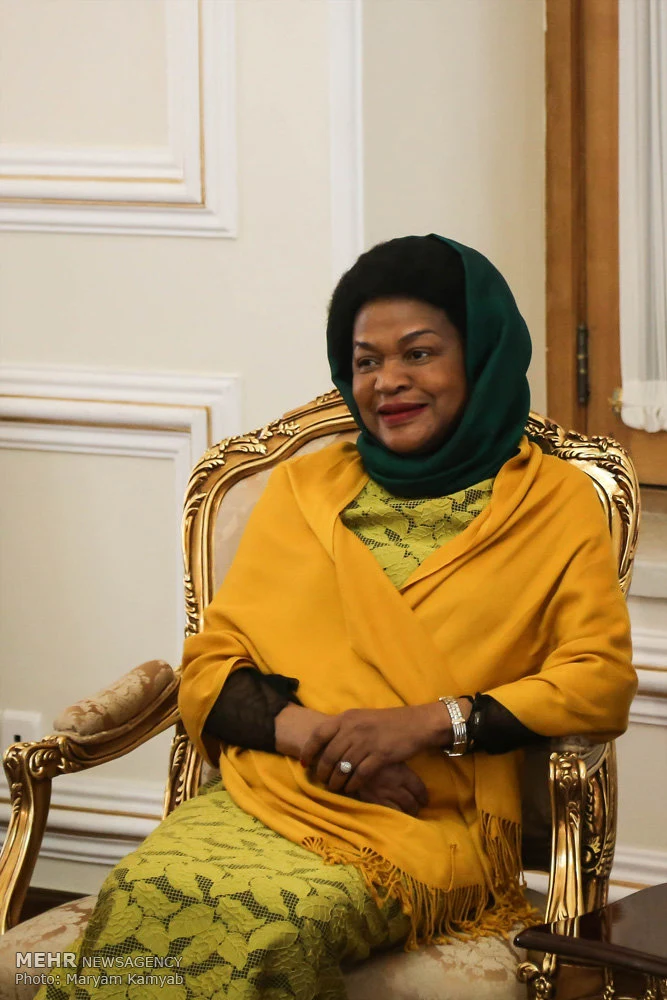
1949–
Baleka Mbete
Former parliamentary Speaker, deputy president, teacher and writerBaleka Mbete’s career links teaching, exile cultural work and women’s organisation with senior parliamentary and executive office. Her tenure as Speaker included constitutional controversy over oversight and a later secret-ballot decision. These institutional decisions deserve examination alongside her earlier political work.Read biography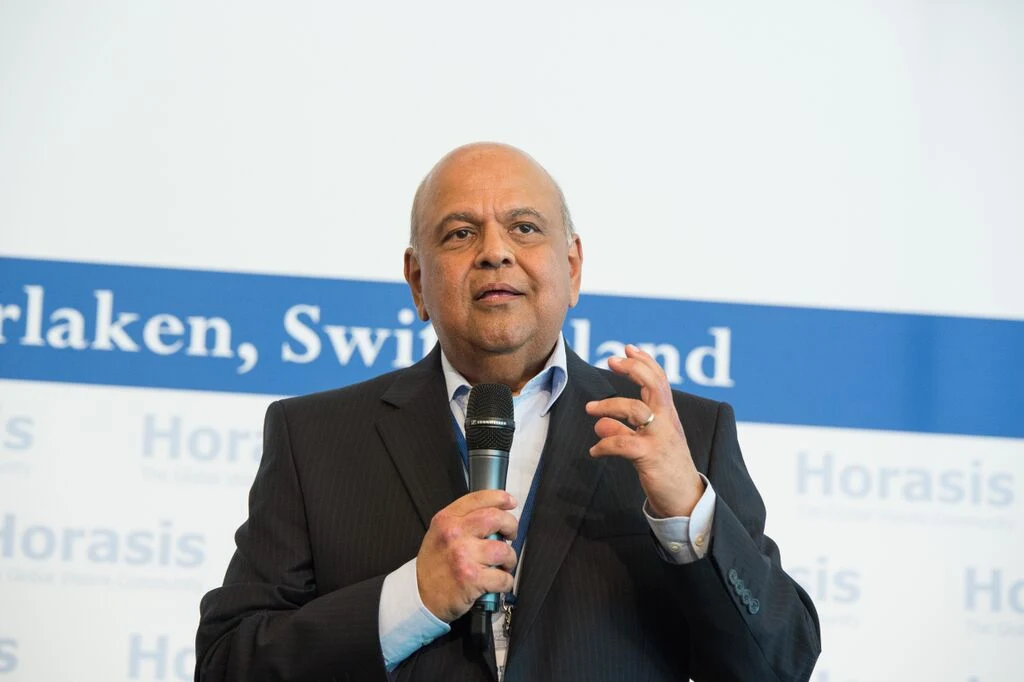
1949–2024
Pravin Gordhan
Anti-apartheid organiser, revenue commissioner and cabinet ministerPravin Gordhan moved from pharmacy and anti-apartheid organisation into the institutions of democratic government. He led SARS before twice serving as finance minister and later overseeing public enterprises. His record includes institution-building, intense political conflict and difficult outcomes at state-owned companies.Read biography
1947–
Roelf Meyer
Constitutional negotiator, former minister and ambassador to the United StatesRoelf Meyer served in the apartheid government before becoming a central negotiator in its transition to democracy. Constitutional office, a new political party and international mediation followed. By the October 2026 review, his career also includes South Africa’s ambassadorship to the United States.Read biography
1935–
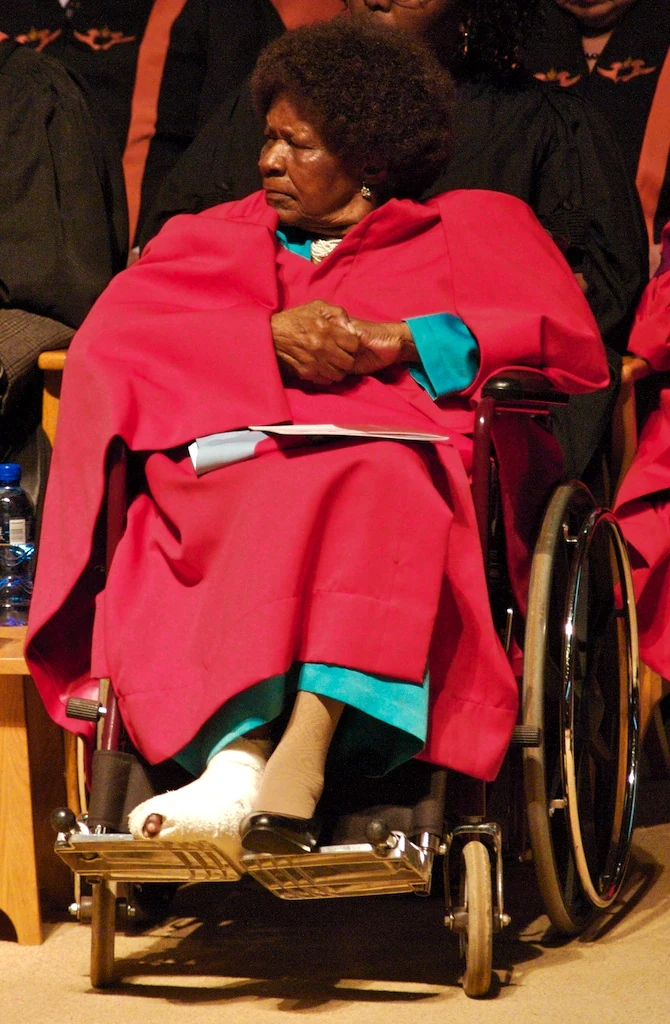
Albie Sachs
Anti-apartheid lawyer, writer and former Constitutional Court justiceAlbie Sachs’s career connects legal defence under apartheid, detention and exile with constitutional negotiation and judicial service. A 1988 car bombing caused permanent injuries. He later served on the Constitutional Court from 1994 to 2009 and continued discussing its work with new generations of lawyers.Read biography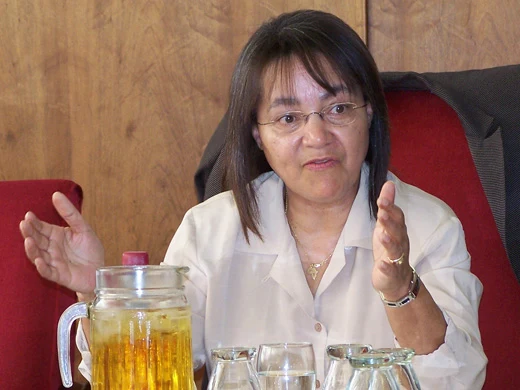
1951–
Patricia de Lille
Tourism minister, former Cape Town mayor and political-party founderPatricia de Lille moved from laboratory employment and trade unionism into Parliament, party leadership and government. Her career crosses PAC, Independent Democrat, DA and GOOD politics. Mayoral service included the water crisis and a bitter party dispute; later cabinet appointments brought public-works and tourism responsibilities.Read biography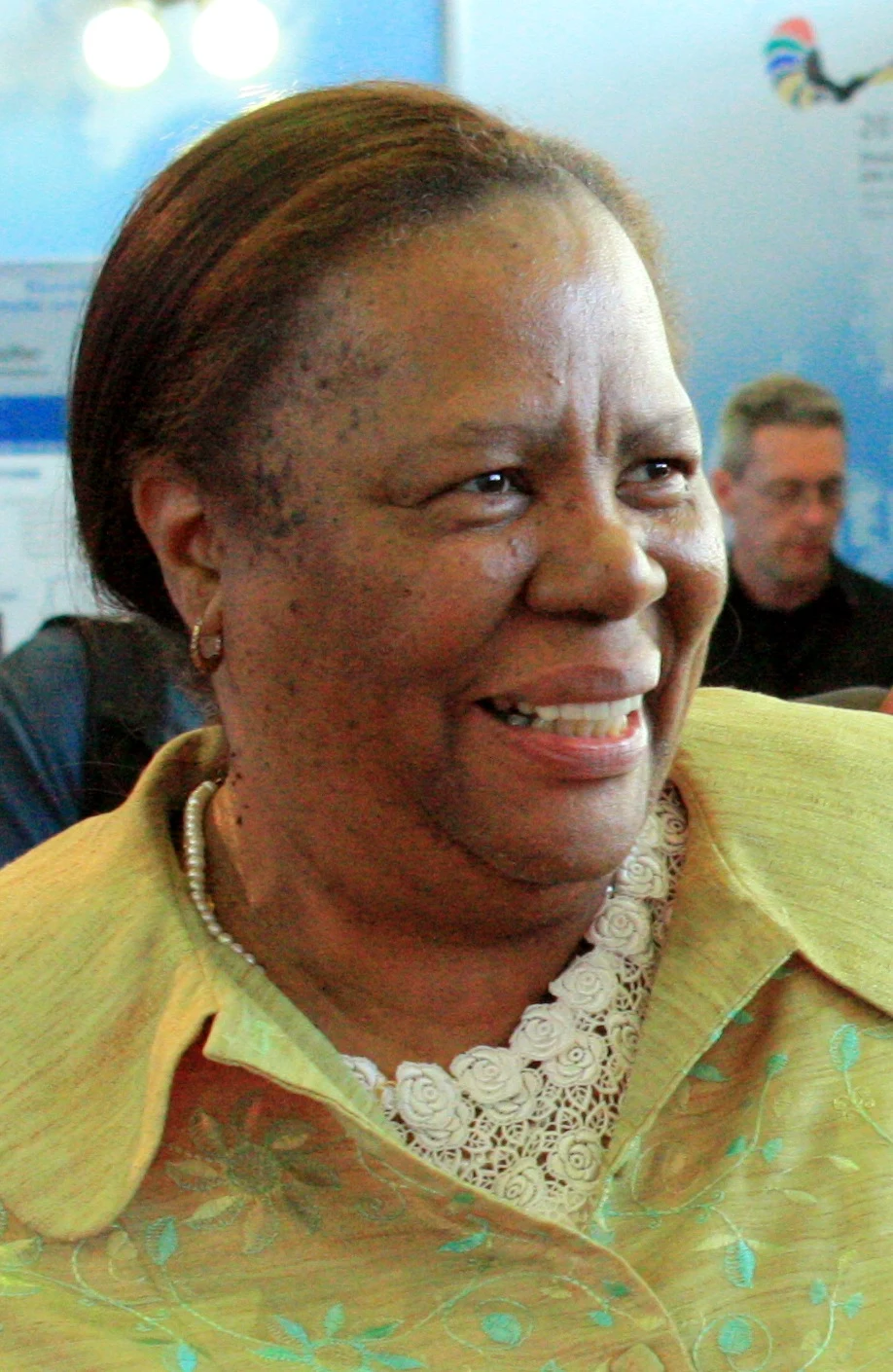
1953–
Naledi Pandor
Former cabinet minister, educator and institutional leaderNaledi Pandor’s career joins teaching and language scholarship to Parliament, education and science ministries, and foreign affairs. Her science portfolio included the 2012 SKA site decision. After leaving government in 2024, she took leadership roles at the Nelson Mandela Foundation and Nelson Mandela University.Read biography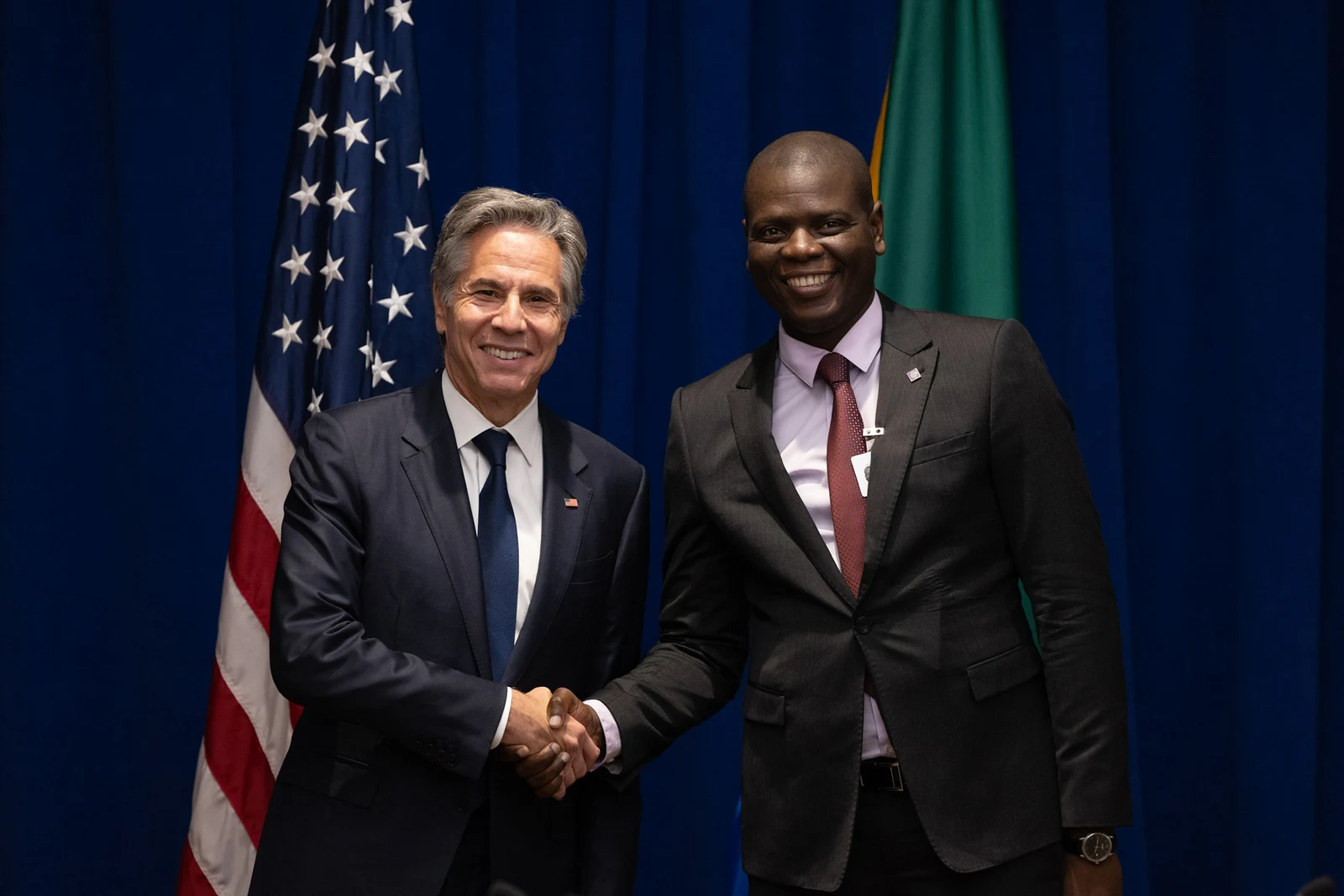
1983–
Ronald Lamola
Lawyer and minister of international relations and cooperationRonald Lamola combined legal qualifications and practice with student and ANC politics before entering Parliament and cabinet in 2019. His justice portfolio involved anti-corruption reform and contested prison oversight. He succeeded Naledi Pandor in foreign affairs in July 2024 and remained minister at the October 2026 review.Read biography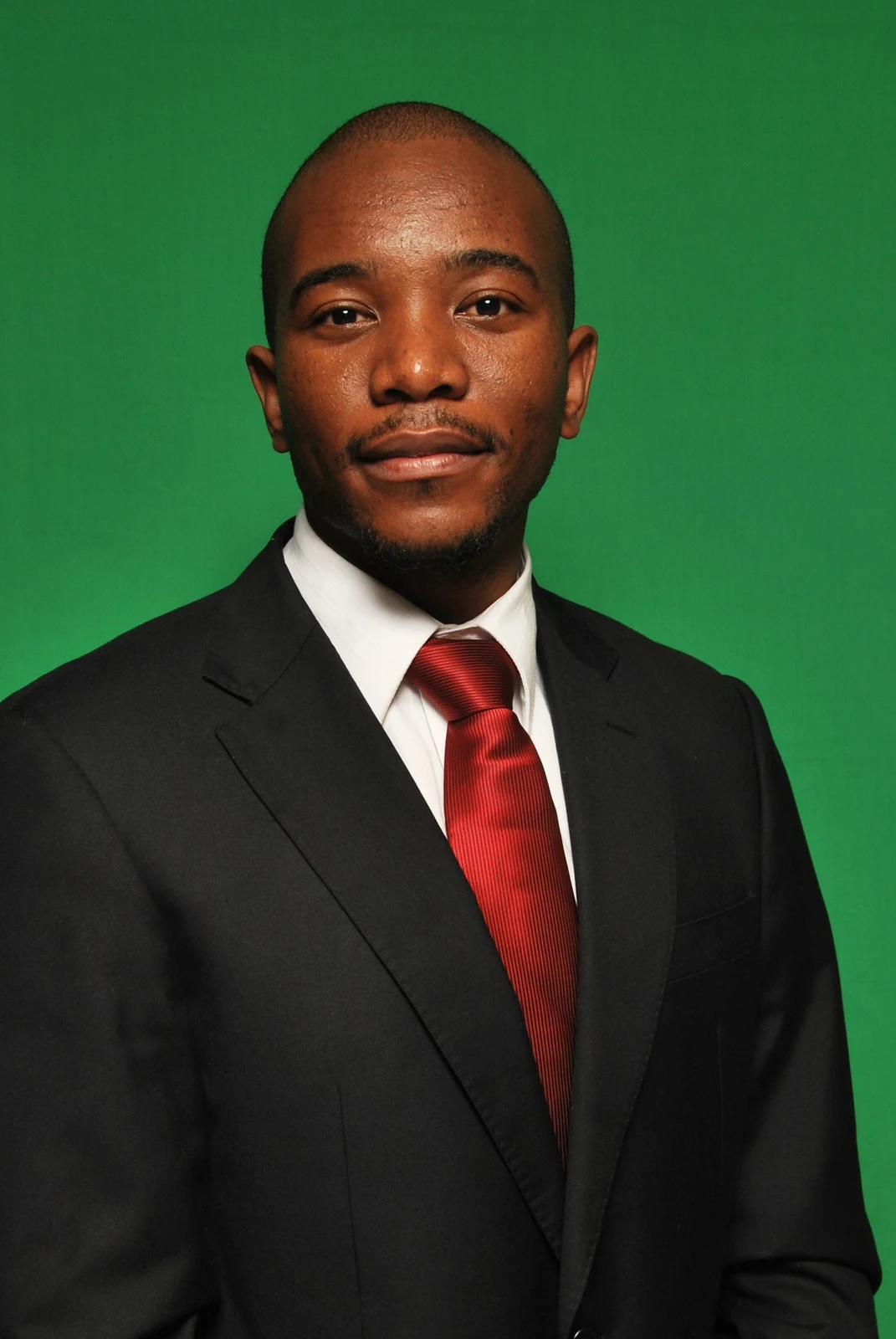
1980–
Mmusi Maimane
Parliamentarian, former DA leader and BOSA founderMmusi Maimane moved from consultancy and church ministry into Johannesburg politics, Parliament and leadership of the Democratic Alliance. After leaving the DA in 2019, he founded a civic movement and BOSA. His later parliamentary work centres on appropriations and scrutiny of public spending.Read biography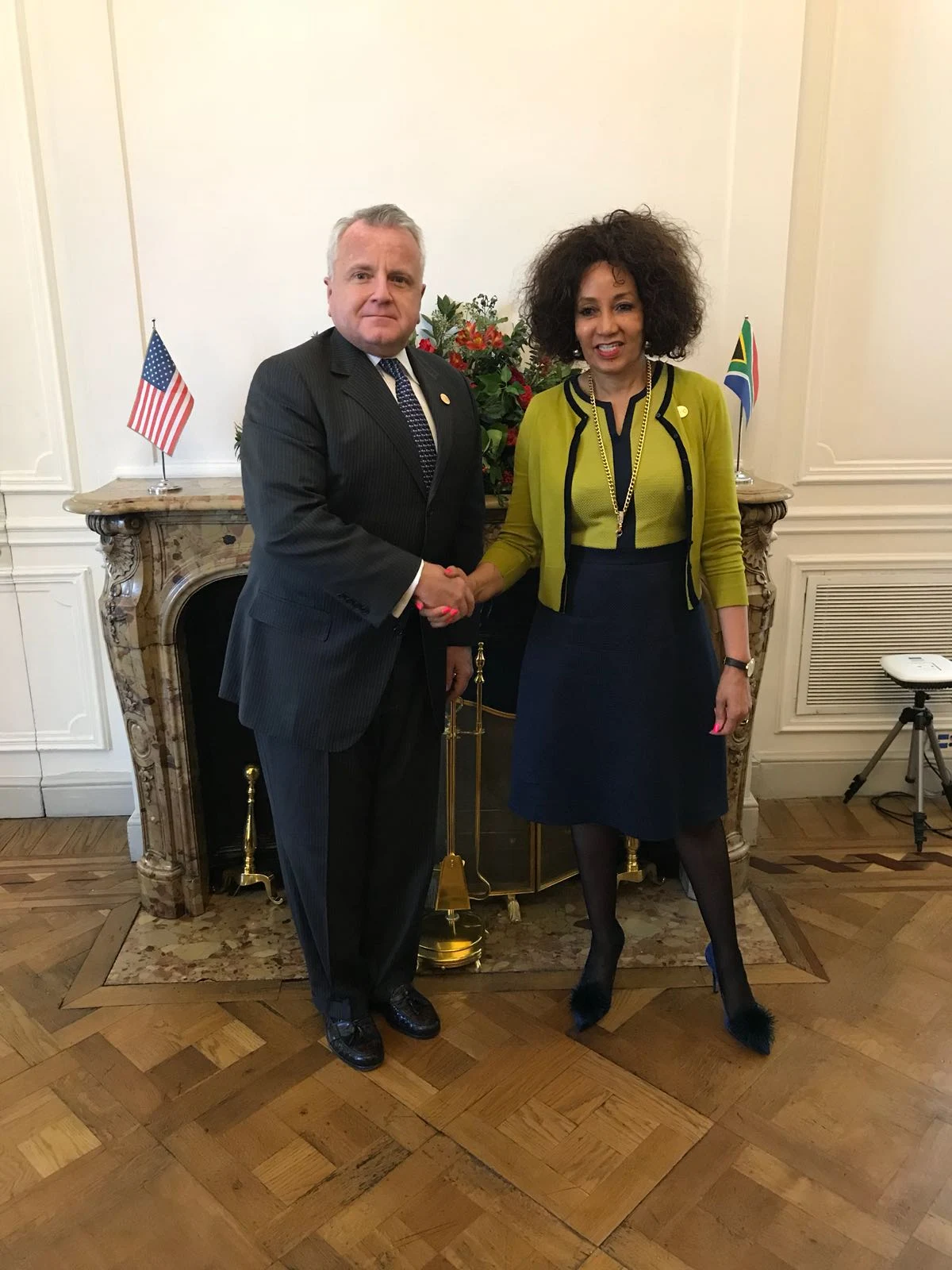
1954–
Lindiwe Sisulu
Former cabinet minister and parliamentarianLindiwe Sisulu’s public life spans apartheid-era detention and exile, teaching, democratic Parliament and successive cabinet portfolios. Housing and human settlements were recurring responsibilities. Her later record includes foreign affairs, tourism and a sharply disputed intervention about the judiciary.Read biography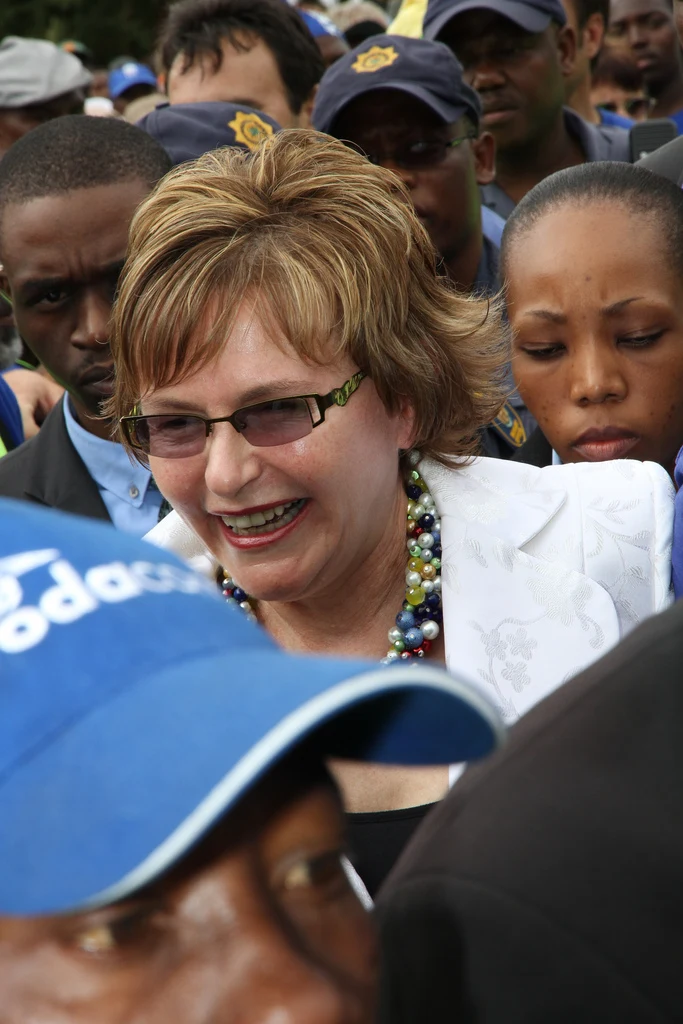
1951–
Helen Zille
Former mayor, premier and DA leader; Johannesburg mayoral candidateHelen Zille moved from journalism and anti-apartheid civic work into education policy, Parliament and executive government. She led Cape Town’s 2006 coalition, headed the Democratic Alliance and served two terms as Western Cape premier. Her later career includes party organisation, controversial public interventions and Johannesburg’s mayoral contest.Read biography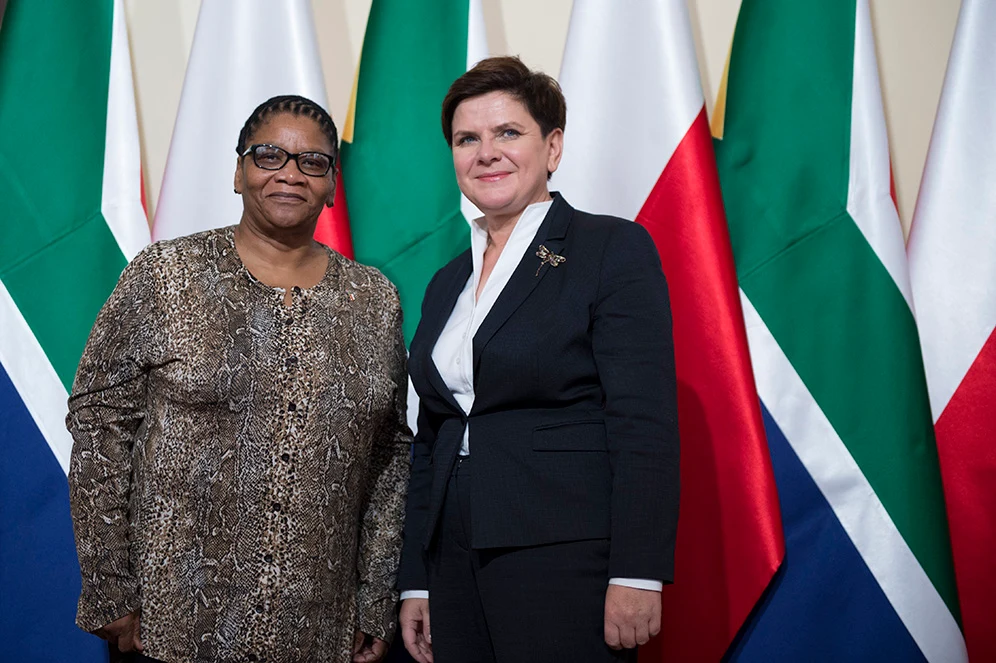
1959–
Thandi Modise
Former Speaker, provincial premier and defence ministerThandi Modise’s career moved from Huhudi and the ANC’s armed struggle to democratic Parliament, provincial government and national executive office. Her experience as a woman in military training became the subject of a published interview. Later roles included NCOP chair, National Assembly Speaker and defence minister.Read biography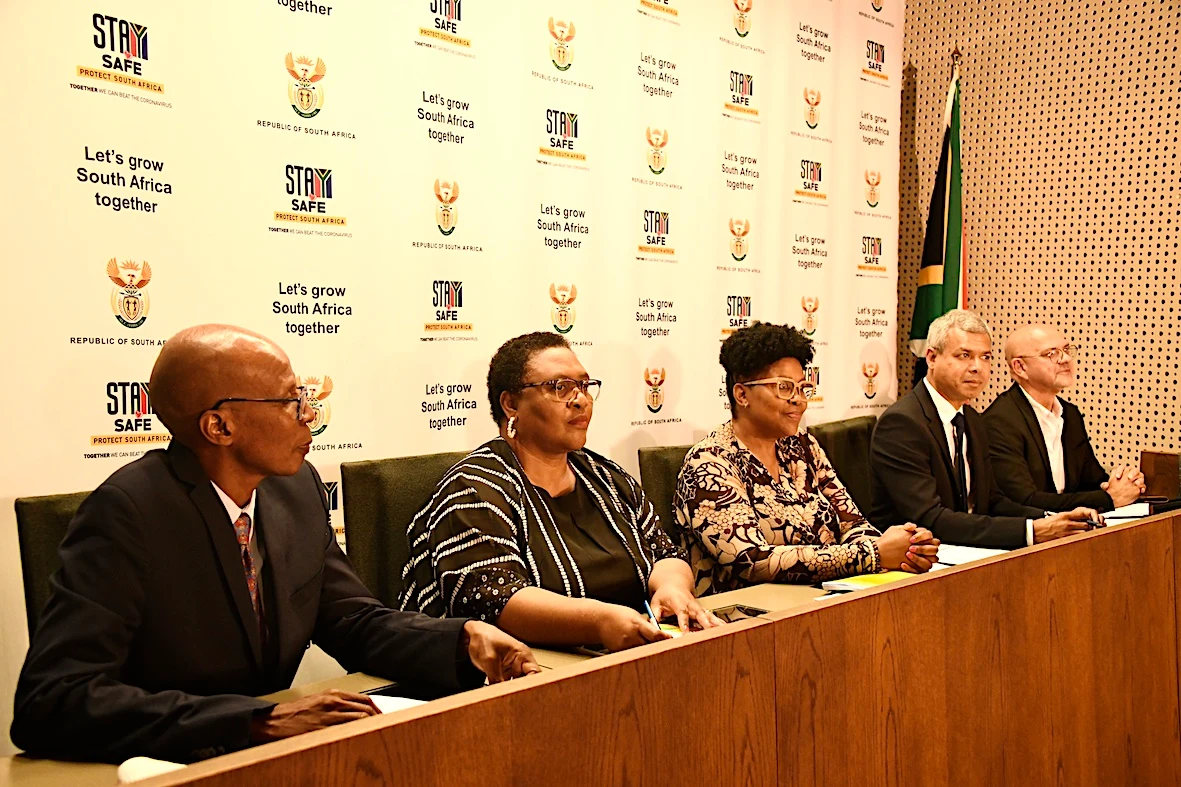
1965–
Thoko Didiza
National Assembly Speaker and former agriculture ministerThoko Didiza’s career spans women’s organisations, agriculture and land reform, public works and Parliament. She helped convene the 2005 National Land Summit, returned to cabinet in 2019 and became National Assembly Speaker in 2024. Her unsuccessful 2016 Tshwane mayoral candidacy also exposed conflict inside the ANC.Read biography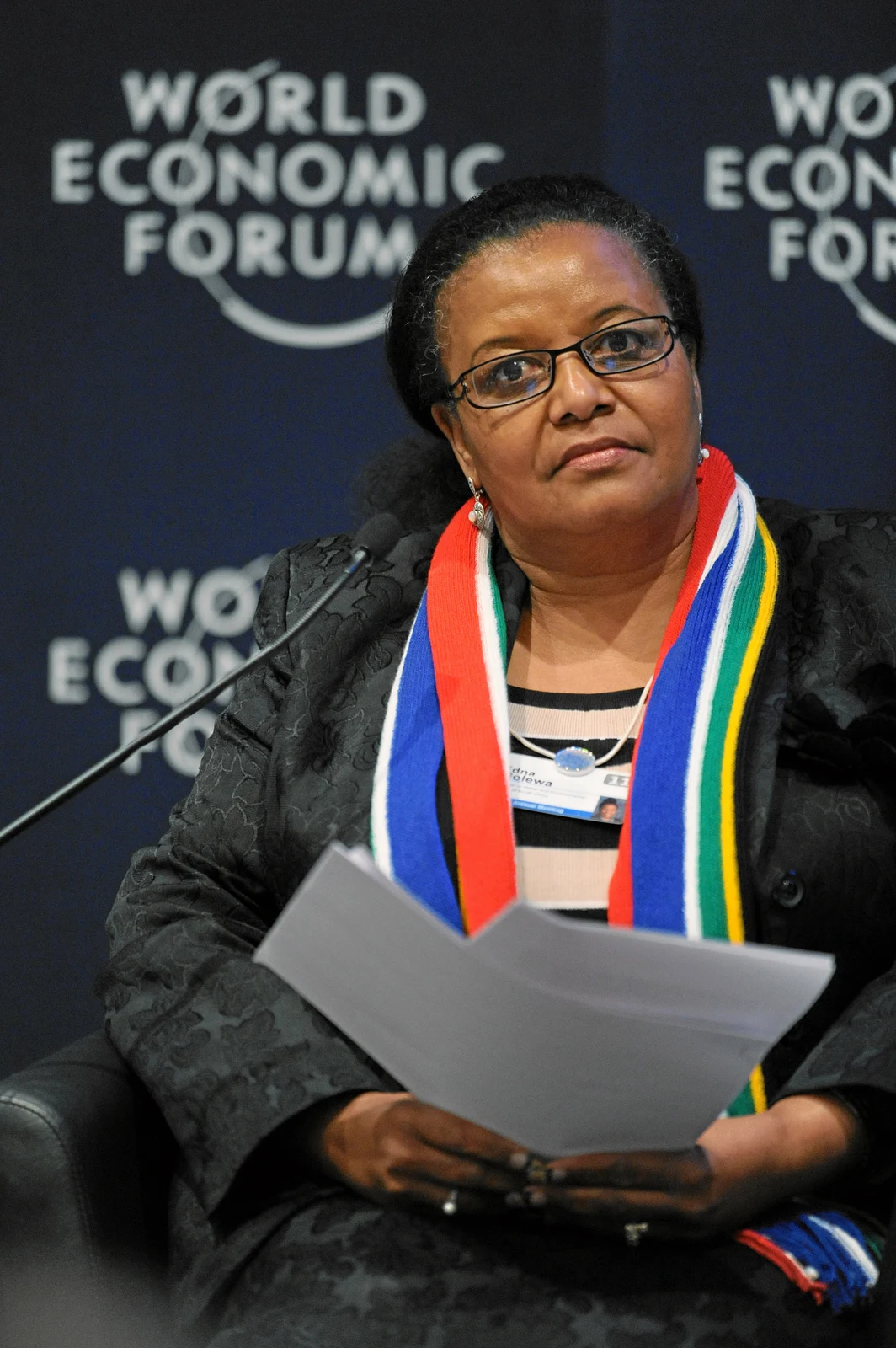
1957–2018
Edna Molewa
Trade unionist, North West premier and environmental affairs ministerEdna Molewa moved from teaching and retail-union organising into Parliament, the North West premiership and national cabinet. Her later responsibilities included South Africa’s climate negotiations, wildlife conservation and environmental regulation. She remained environmental affairs minister until her death in 2018.Read biographySouth Africa
Business
Enterprises, working lives and the people behind economic change.
1916–2006
Anton Rupert
Industrialist and philanthropistEnterprise carried political consequences.Read biography1850–1912
Julius Wernher
mining financier and institutional benefactorJulius Wernher was a mining financier and institutional benefactor, known for Wernher, Beit and Company and support for Imperial College and mining education.Read biography1864–1940
Abe Bailey
mining financier, politician and cricket administratorAbe Bailey was a mining financier, politician and cricket administrator, known for South African mining interests and the initiative behind the Imperial Cricket Conference.Read biography
1962–
Patrice Motsepe
Mining entrepreneur, ARM non-executive chair and football administratorPatrice Motsepe moved from legal practice into contract mining before building a diversified resources business through acquisitions and share exchanges. His career developed alongside South Africa’s effort to widen Black participation in industry. It later encompassed financial-services investments, a joint family foundation and the presidency of African football’s governing body.Read biography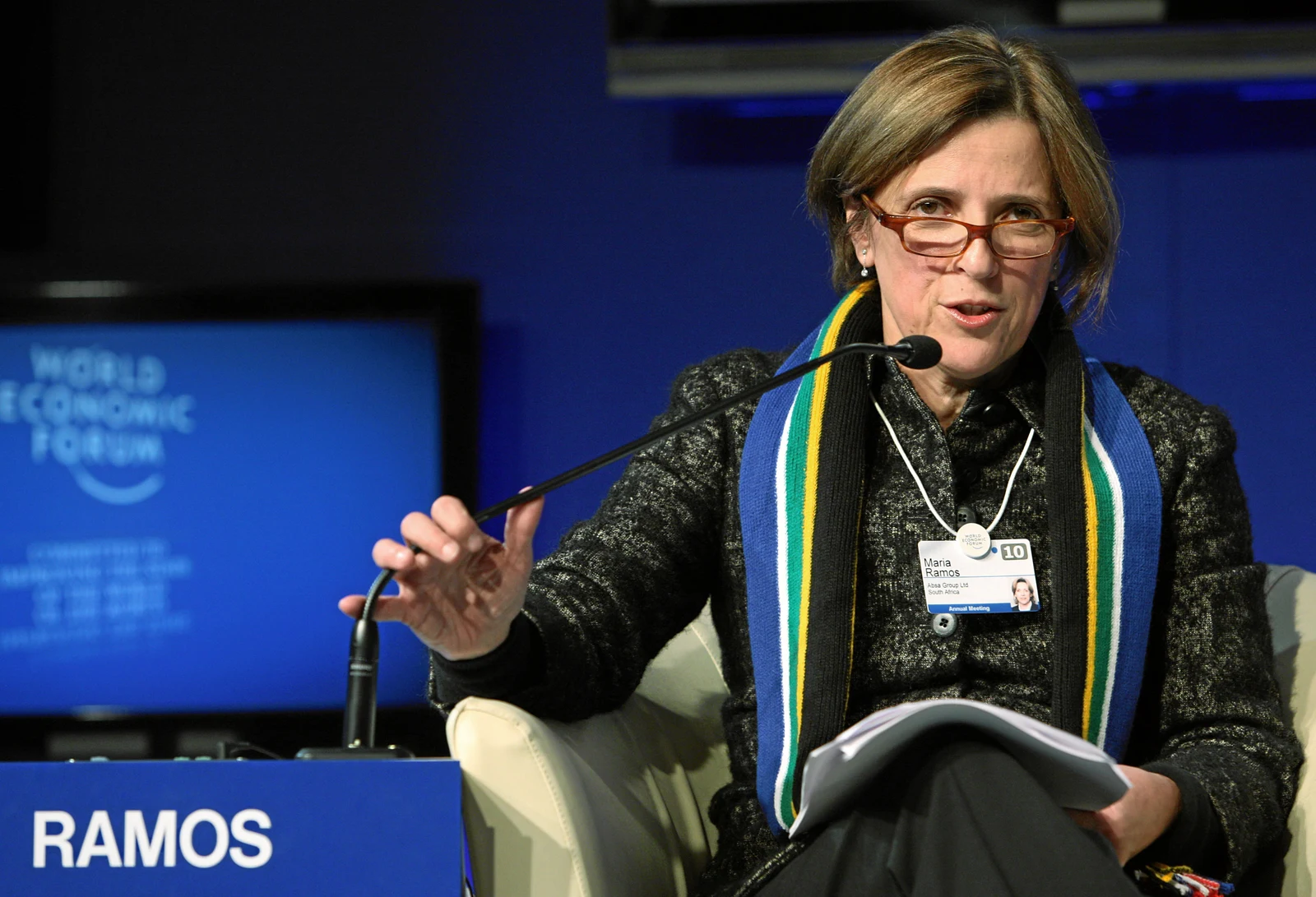
1959–
Maria Ramos
Banking and logistics executive, former Treasury official and Standard Chartered Group ChairMaria Ramos built a career across economic policy, state-owned logistics and commercial banking. Born in Portugal and raised in South Africa, she became Treasury director-general, led Transnet and ran Absa for a decade. Her banking tenure included regional integration, a conduct controversy and the beginning of separation from Barclays, followed by international board leadership.Read biography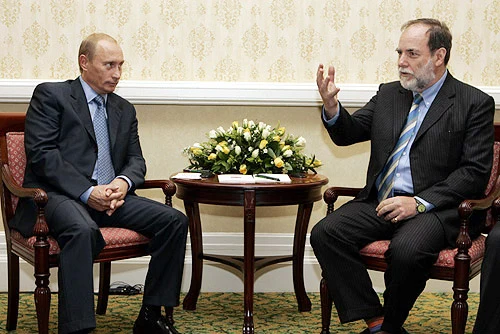
1945–
Nicky Oppenheimer
Former De Beers chairman and Oppenheimer Generations chairmanNicky Oppenheimer’s career developed inside established mining and diamond businesses before he became De Beers chairman. It encompassed changes in ownership, corporate legal liabilities and the family’s eventual exit from its diamond shareholding. Later work includes family enterprise, conservation and institutions concerned with African economic development.Read biography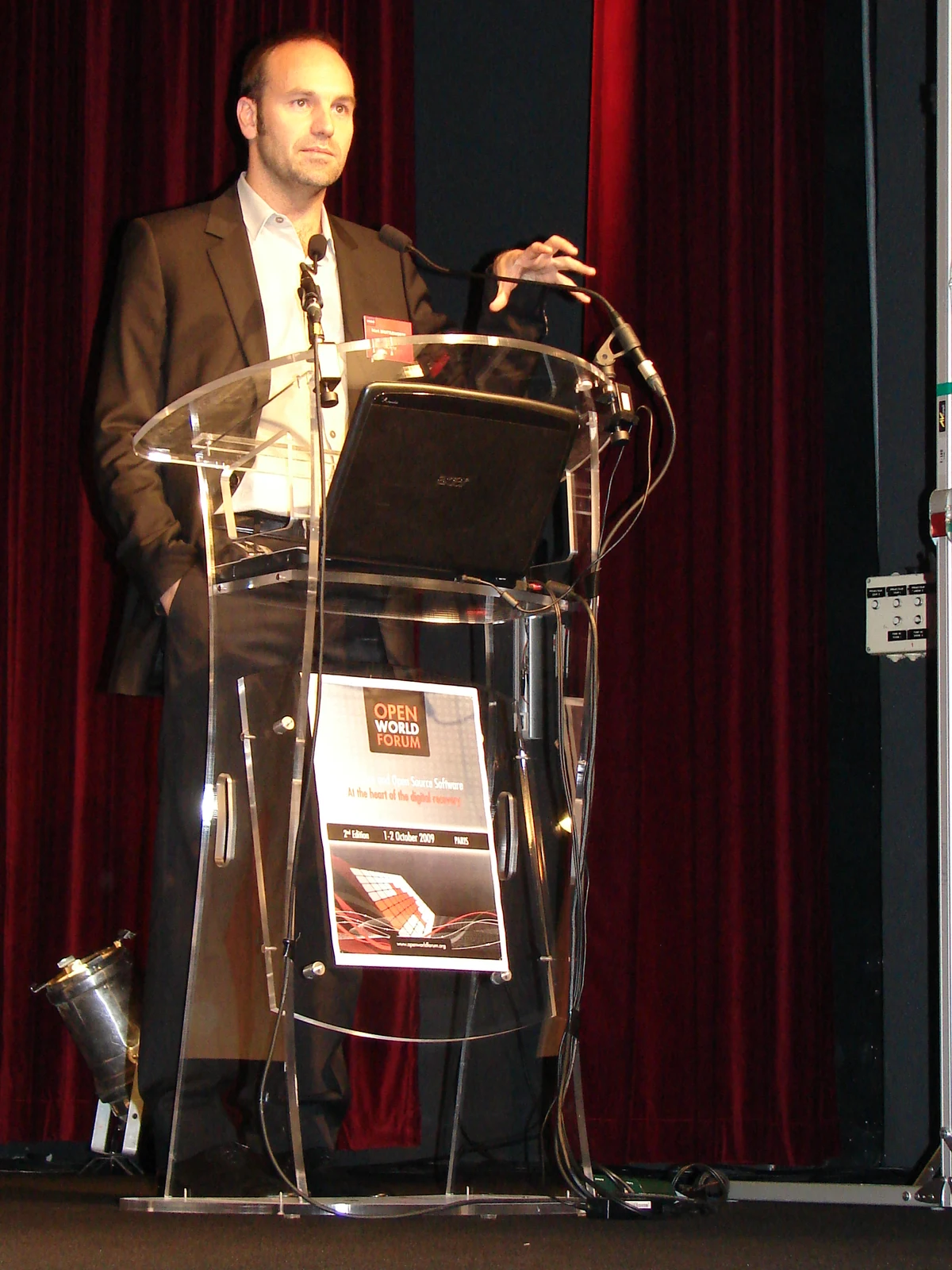
1973–
Mark Shuttleworth
Thawte founder, Canonical founder and CEO, and open-source entrepreneurMark Shuttleworth moved from university-era consulting to an international Internet certificate business, then used his post-sale independence for new ventures and institutions. Spaceflight brought public recognition, while Canonical and Ubuntu became the central business and software strand of his later career. A major exchange-control case also connected his private decisions with public law.Read biography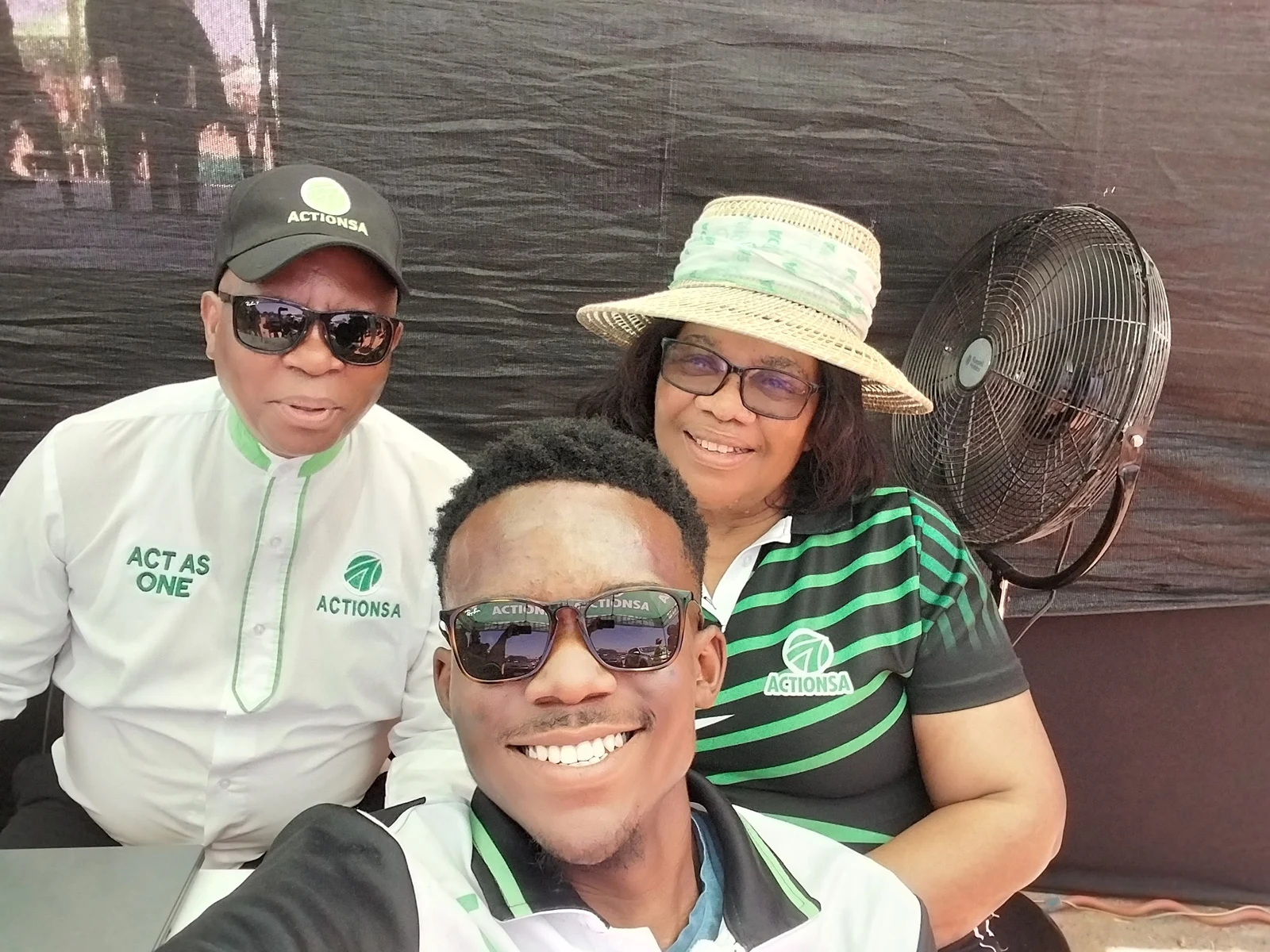
1959–
Herman Mashaba
Black Like Me co-founder, former Johannesburg mayor and ActionSA presidentHerman Mashaba built Black Like Me with partners whose skills extended beyond his own sales experience. Factory losses, corporate partnerships and a leadership handover shaped the company. His later political career brought a different kind of public accountability, including sustained criticism of his rhetoric about migrants.Read biography
1931–2023
Raymond Ackerman
Retail entrepreneur, Pick n Pay builder and consumer campaignerRaymond Ackerman developed a major grocery retailer from an existing four-store business. His career joined competitive pricing, new store formats and franchising with arguments about business responsibility. It also involved labour conflict, public policy choices, a transfer of leadership and sustained support for entrepreneurial education.Read biography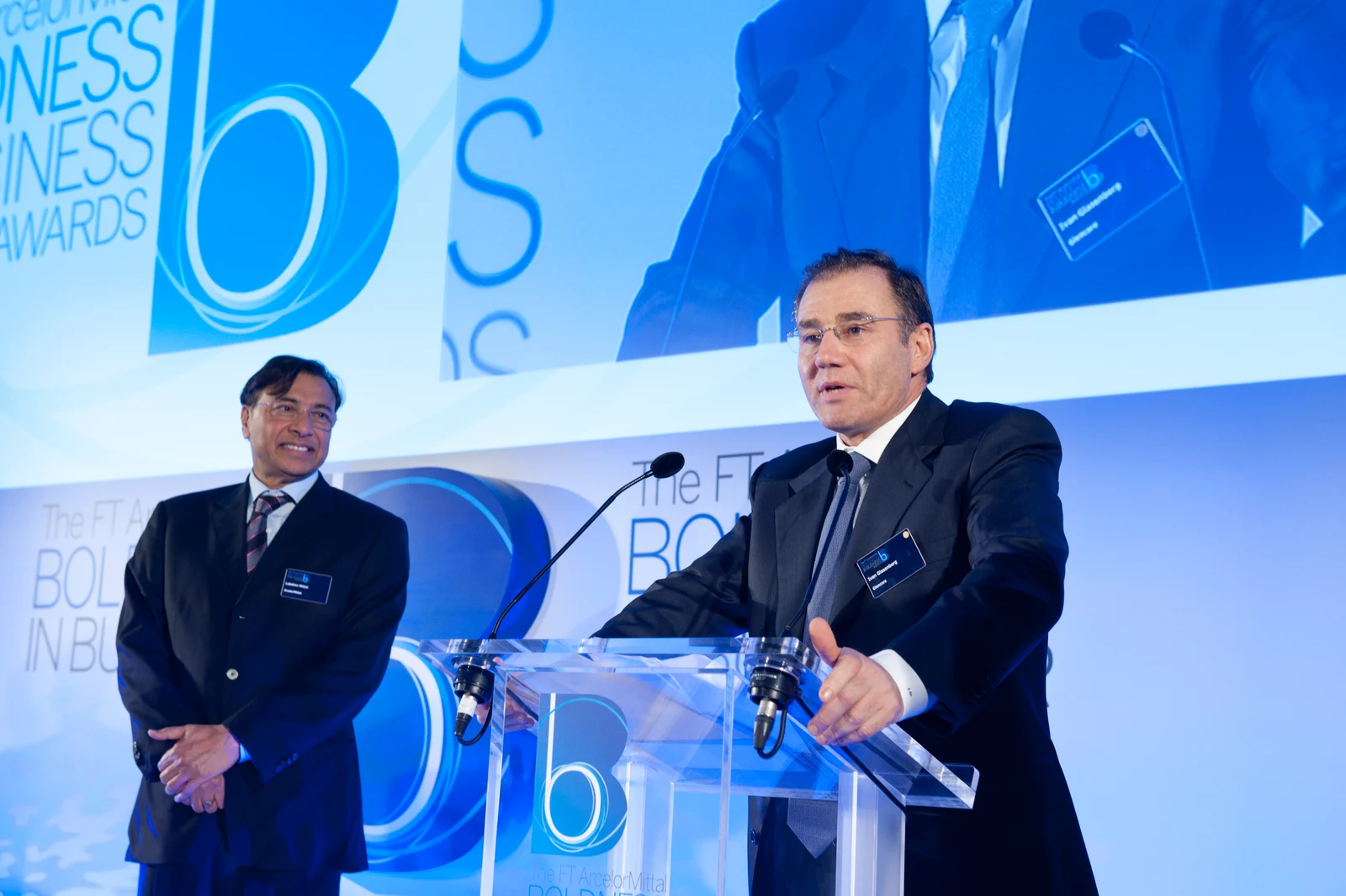
1957–
Ivan Glasenberg
Former Glencore chief executive and commodities traderIvan Glasenberg moved from accountancy into international coal trading before leading Glencore for almost two decades. Its flotation and Xstrata combination changed the business’s scale and ownership. Assessing that career also requires attention to corporate misconduct, the distinction between executive office and shareholding, and his later departure from management.Read biography
1853–1902
Cecil Rhodes
British mining magnate, imperialist and Cape Colony prime ministerCecil Rhodes was a British businessman and colonial politician whose influence in southern Africa joined mining wealth to imperial expansion. Partnerships created a concentrated diamond business, while political office and chartered-company power helped impose racial hierarchy, land restrictions and conquest. His educational bequest forms part of that contested history.Read biography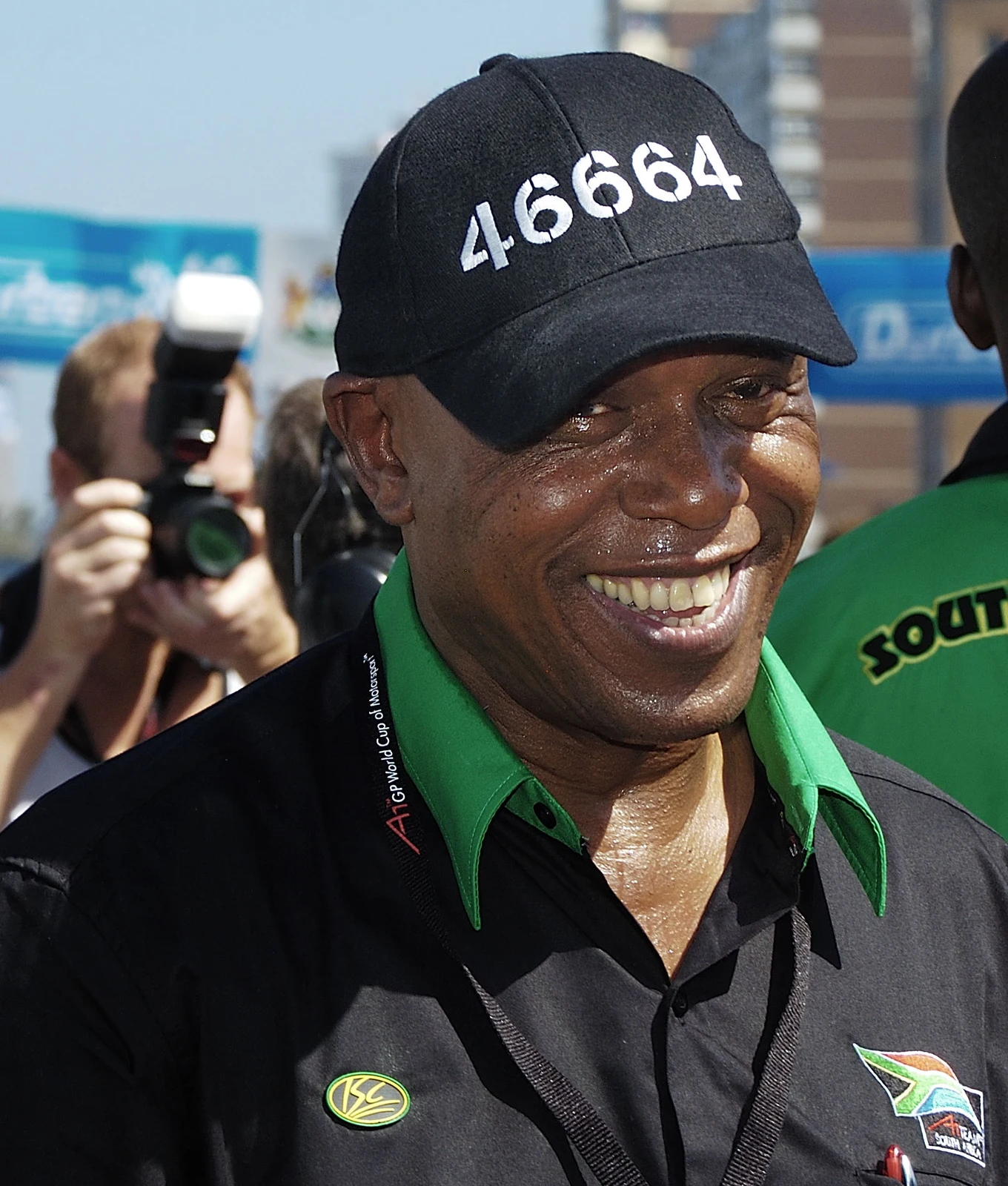
1953–
Tokyo Sexwale
Mvelaphanda co-founder, former Gauteng premier and former ministerTokyo Sexwale’s career connects resistance to apartheid, democratic provincial government and black investment ownership. After imprisonment and Gauteng’s first premiership, he helped establish Mvelaphanda Holdings and later returned to national government. His record also includes foundation work, a withdrawn FIFA candidacy and disputed claims about an alleged development fund.Read biography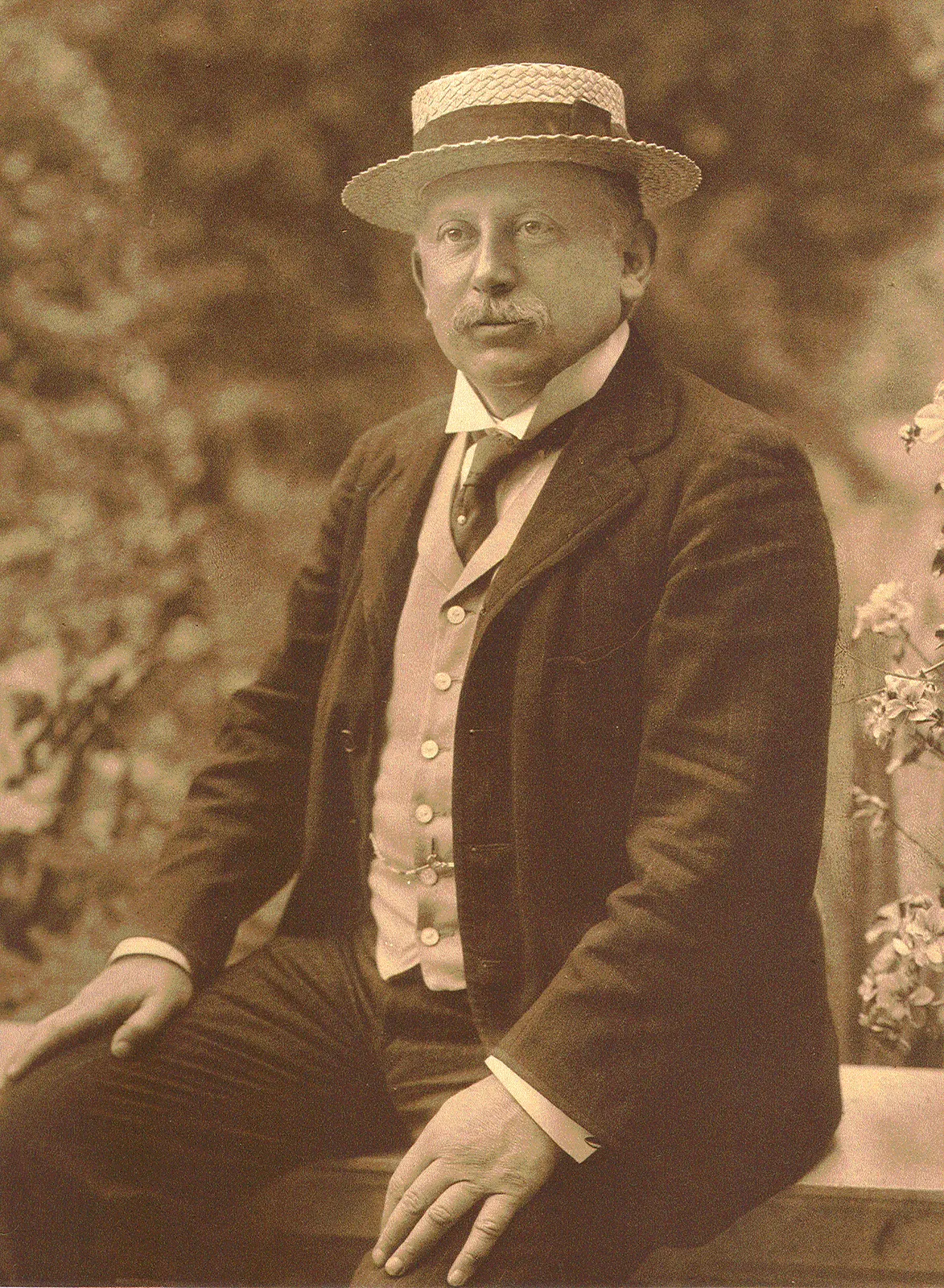
1853–1906
Alfred Beit
German-born British mining financier and imperial benefactorAlfred Beit combined diamond-trading knowledge, mining finance and London partnerships to accumulate substantial southern African wealth. His support for Rhodes’s imperial projects included the failed Jameson Raid. Educational gifts and a communications endowment produced lasting institutions, but their benefits cannot erase the coercive labour and colonial setting from which his fortune emerged.Read biography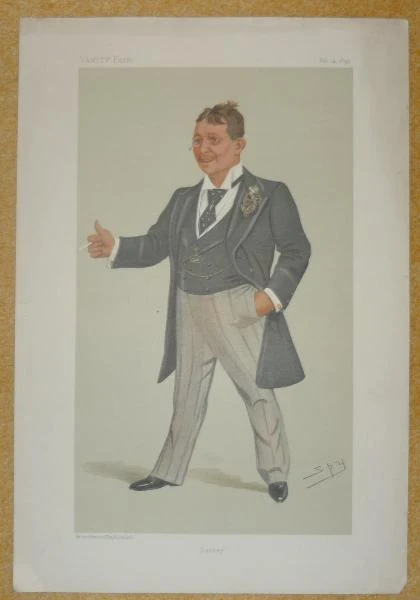
c.1851–1897
Barney Barnato
British diamond entrepreneur and Johannesburg mining financierBarney Barnato moved from London trading and entertainment into Kimberley diamonds, then Johannesburg gold and property finance. His rivalry with Rhodes was only part of a career built through relatives, companies and investment markets. Racial labour controls and speculative risk complicate the familiar story of a self-made mining fortune.Read biography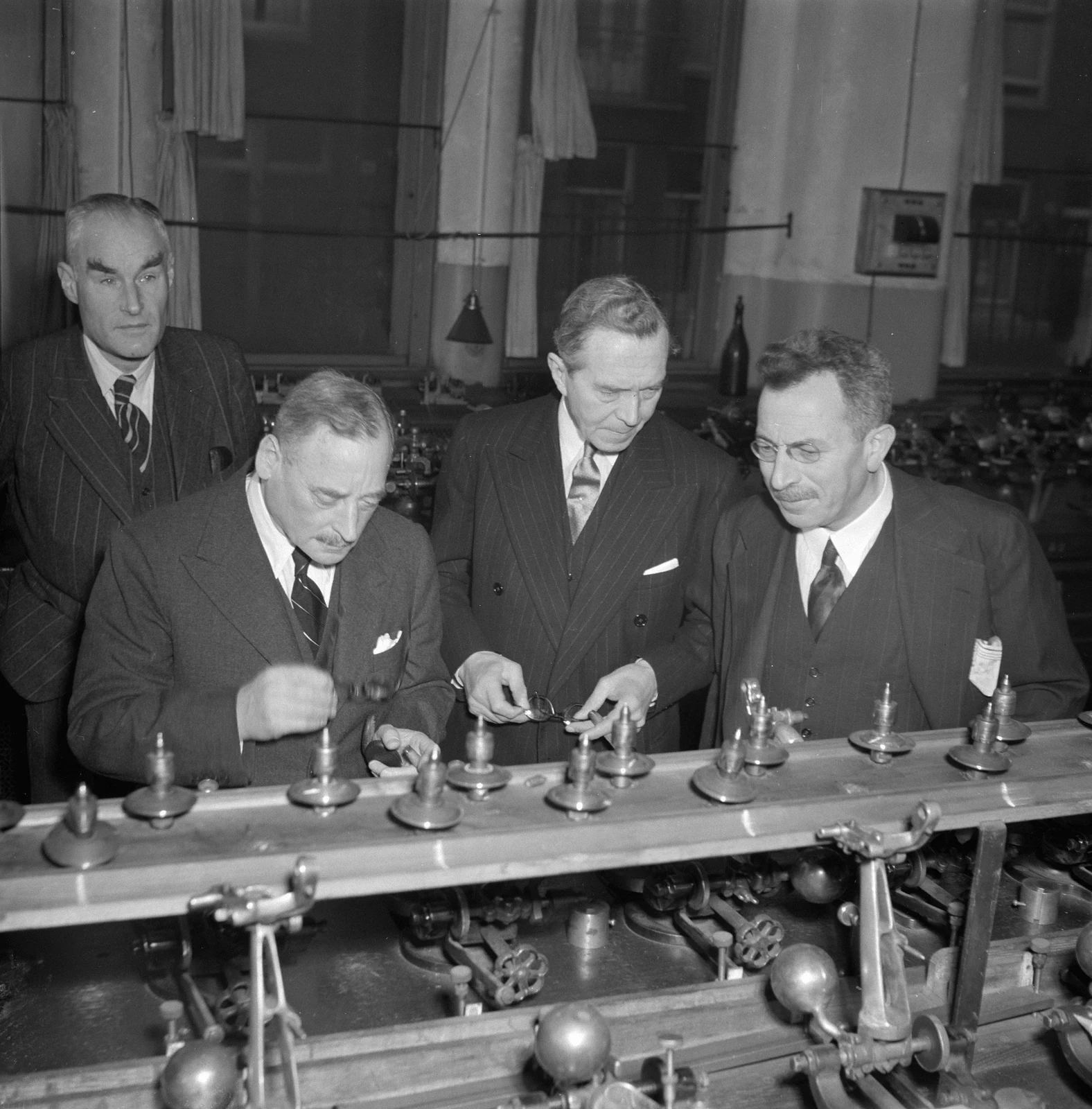
1880–1957
Ernest Oppenheimer
German-born British mining financier and Anglo American co-founderErnest Oppenheimer linked diamond dealing, international finance and South African mining management. Anglo American’s formation and his later De Beers chairmanship reshaped major enterprises, while central selling concentrated market power. His public service and selective reforms coexisted with racial paternalism and an industry built on unequal labour relations.Read biography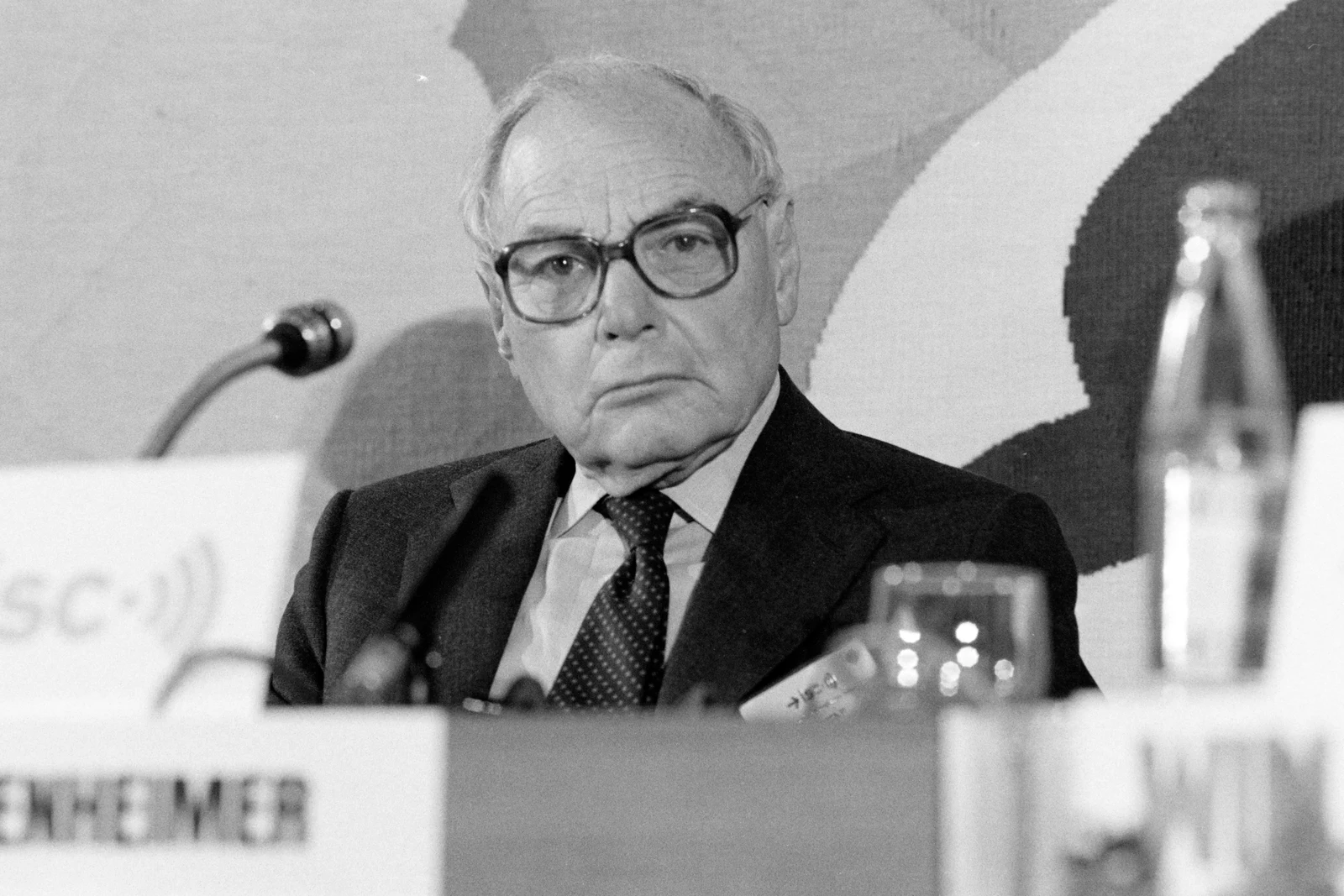
1908–2000
Harry Oppenheimer
Mining industrialist, former parliamentarian and business-reform advocateHarry Oppenheimer inherited a major mining network and expanded its industrial and international reach. Parliamentary service, support for liberal parties and urban reform made him a political actor as well as a corporate leader. His opposition to aspects of apartheid coexisted with qualified-franchise ideas, cheap migrant labour and workers’ challenges to business-led reform.Read biography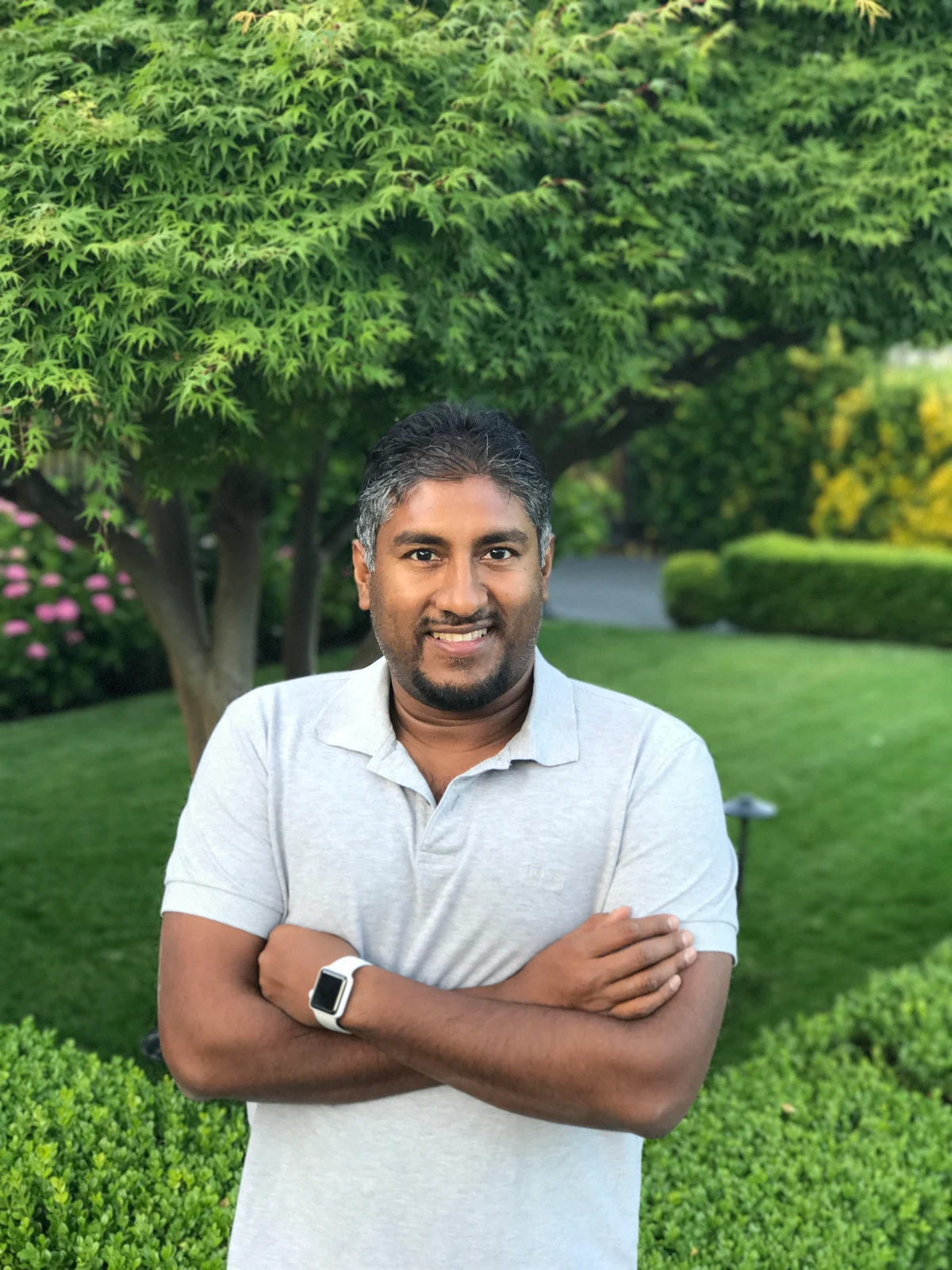
1979–
Vinny Lingham
Technology entrepreneur, investor and Praxos Capital co-founderVinny Lingham’s career runs from South African digital marketing and website tools to US gift-card technology, digital identity and investment. His ventures involved co-founders, successive executives and acquiring companies. Dated records distinguish entrepreneurial exits from continuing ownership, company security questions from personal blame, and investment promotion from independently established performance.Read biography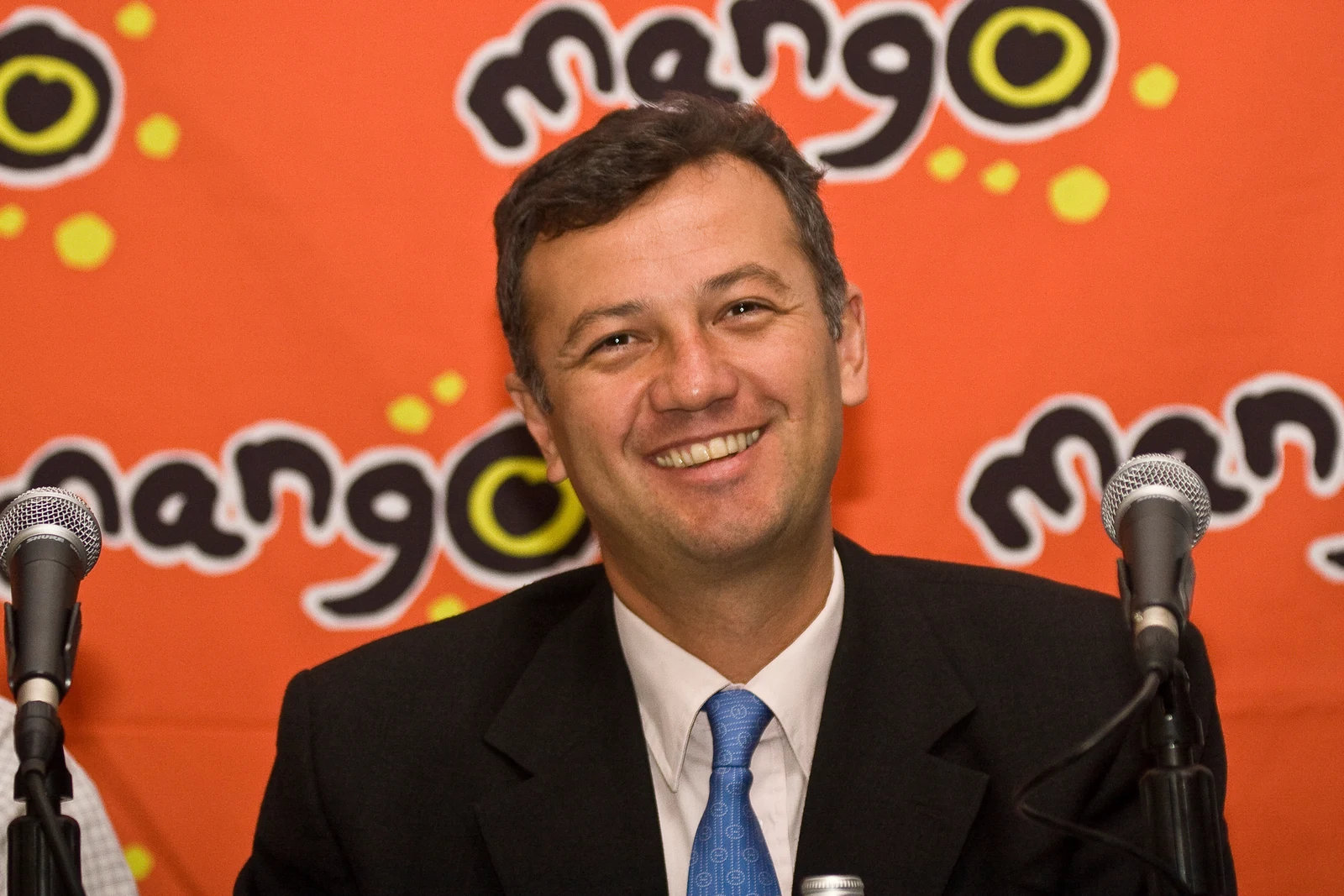
1968–
Michael Jordaan
Banker, technology investor and Bank Zero co-founderMichael Jordaan moved from leading an established retail bank to backing technology businesses and co-founding a new mutual bank. His career includes FNB’s innovation programme, an advertising controversy, Mxit’s commercial closure and Bank Zero’s delayed launch. Executive management, board oversight and investing were different responsibilities, not interchangeable claims of personal ownership or success.Read biography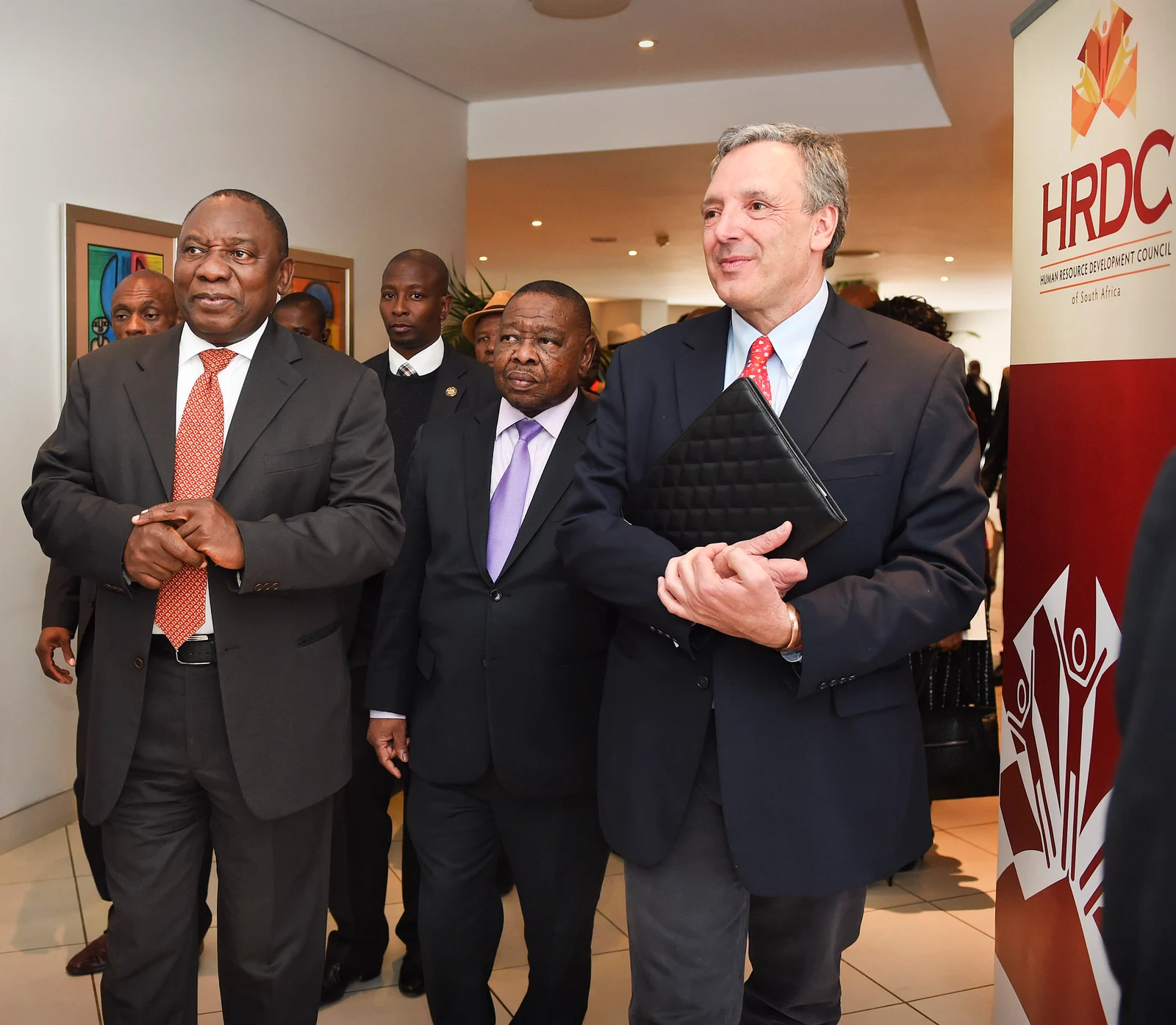
Contemporary
Gareth Ackerman
Retail business leader and Pick n Pay non-executive directorGareth Ackerman’s retail career combined operational work, holding-company leadership and a long Pick n Pay chairmanship. He inherited access to a family business rather than founding the chain. Its financial crisis, recapitalisation and governance changes make his record a case of succession and accountability as well as industry leadership. He remained a director after leaving the chair in 2025.Read biography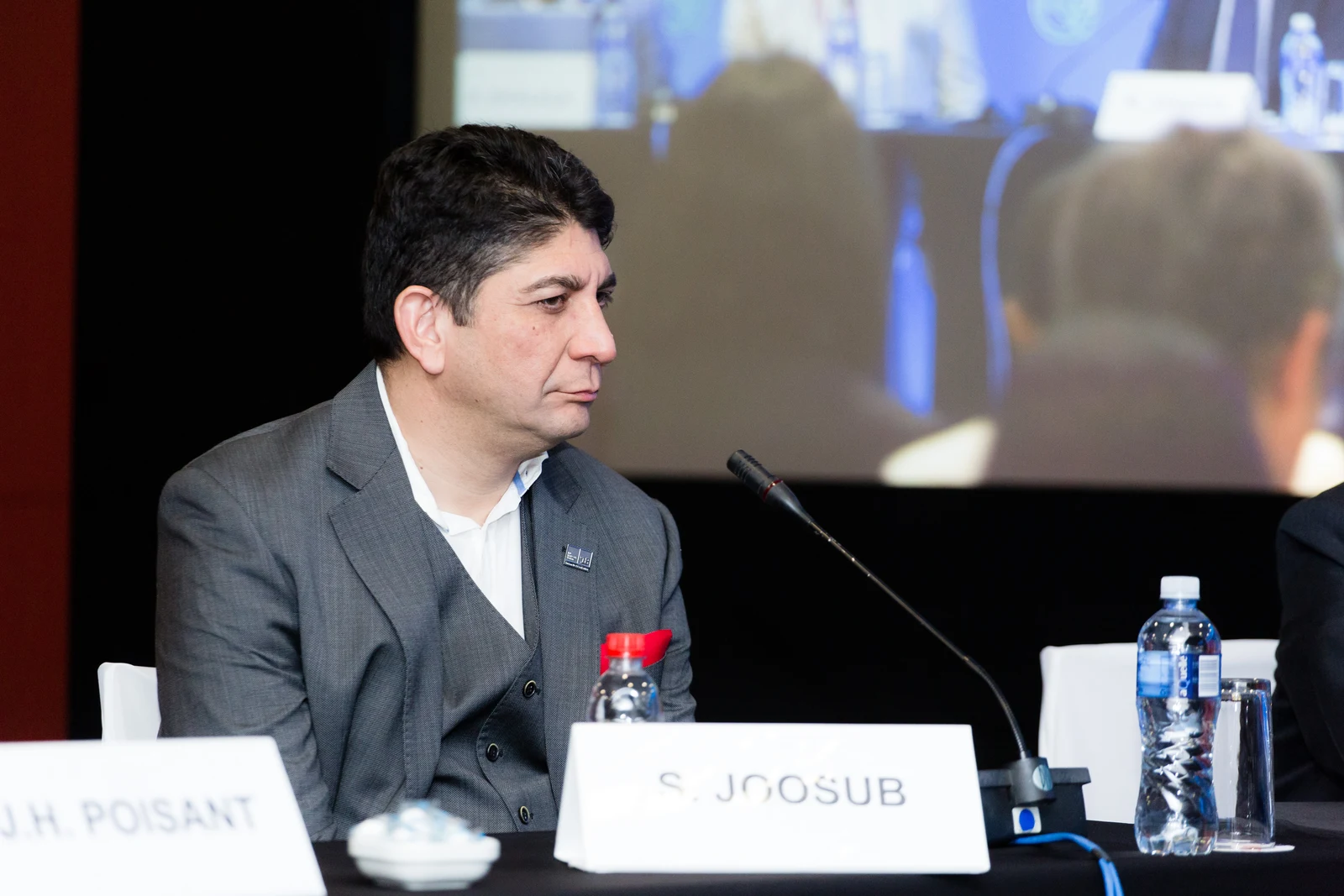
Telecommunications career: 1994–
Shameel Joosub
Telecommunications executive and Vodacom Group CEOShameel Joosub advanced from accounting and handset distribution to leading Vodacom Group. His career connects South African mobile services with cross-border investment, including Safaricom. It also includes corporate accountability in the long Please Call Me compensation dispute. His executive office is distinct from founding the group, owning it personally or running every operating company.Read biography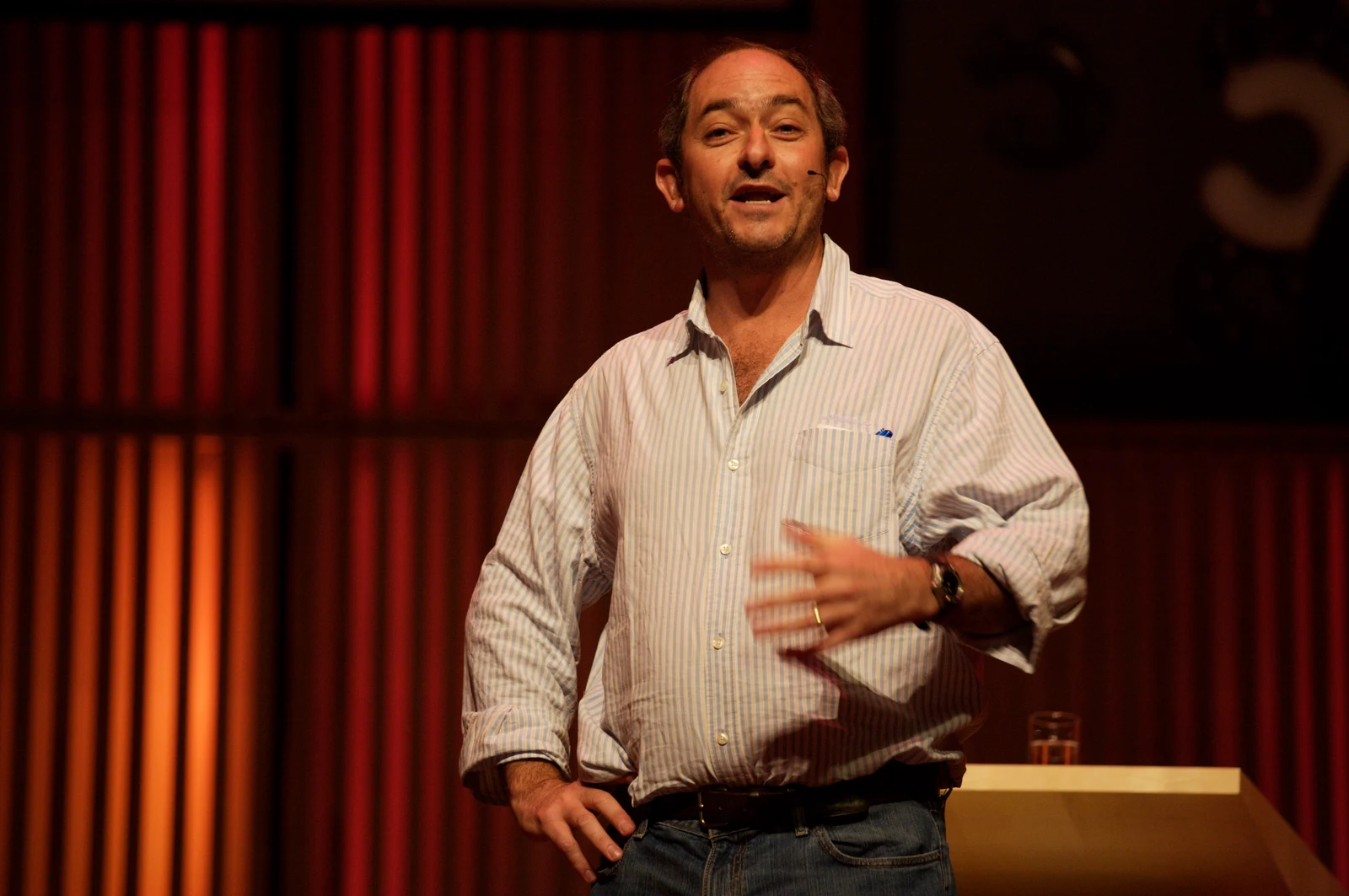
1959–
Robert Brozin
Nando’s co-founder and social-impact entrepreneurRobert “Robbie” Brozin helped turn a Johannesburg restaurant into Nando’s with Fernando Duarte and later investors and managers. His record includes difficult overseas expansion, a distinctive advertising culture and a shift away from daily management towards social-impact projects. Co-founding the brand does not establish sole ownership, continuing CEO status or authorship of every advertisement.Read biography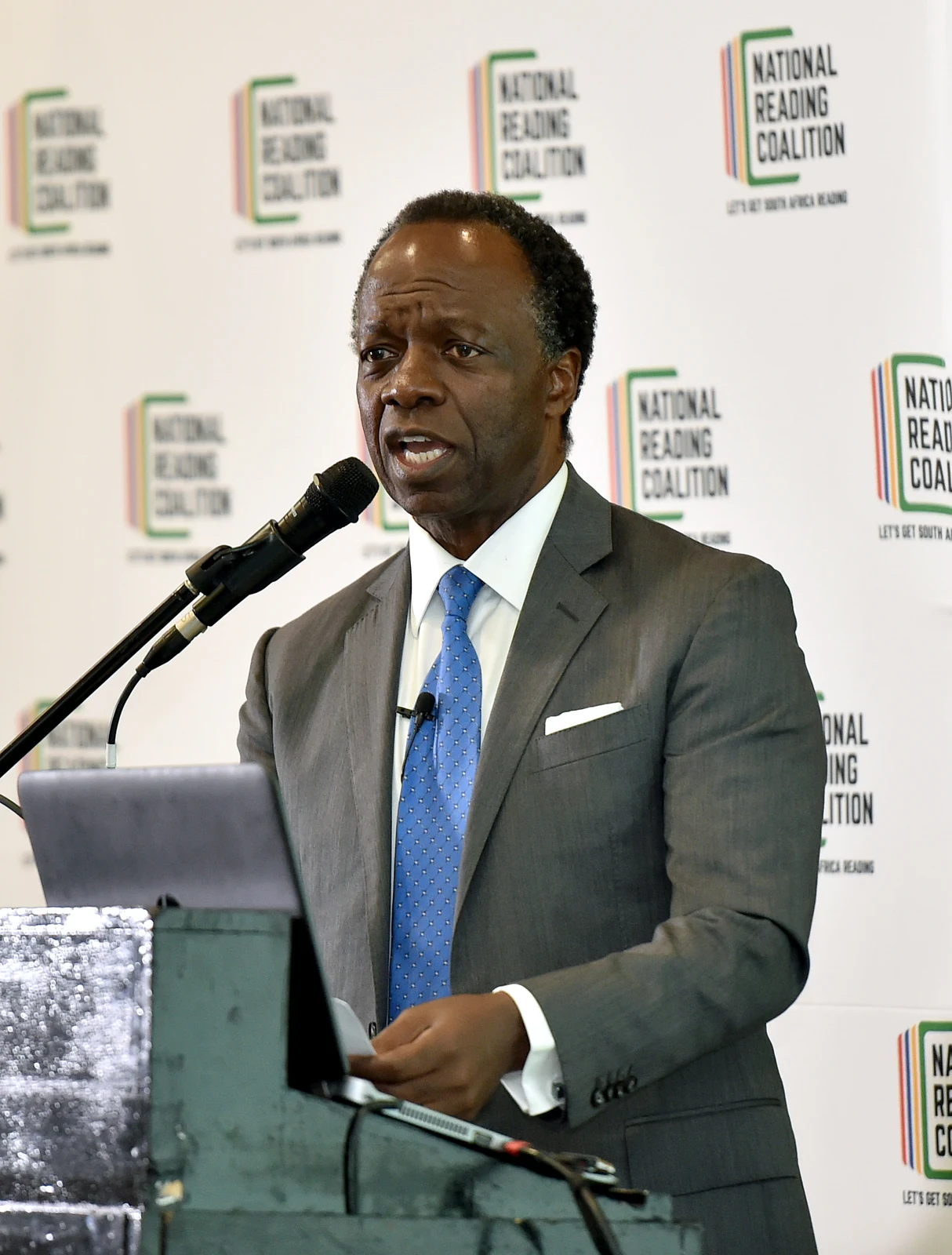
1957–
Sizwe Nxasana
Accountant, former banking CEO and education entrepreneurSizwe Nxasana moved from an accounting practice to leading Telkom and FirstRand, then into schools and student funding. His record includes institution-building and a difficult NSFAS chairmanship ending amid payment failures. Bank-holding and group appointments, private educational enterprises and public financial-aid governance were distinct responsibilities—not one continuous executive position.Read biography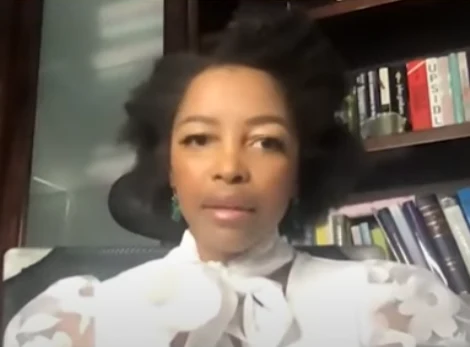
1971–
Phuthi Mahanyele-Dabengwa
Investment executive and Naspers South Africa CEOPhuthi Mahanyele-Dabengwa built a career in infrastructure finance and investment before leading Naspers’s South African business. Her work spans Shanduka, Sigma Capital and technology investing, with public scrutiny of local economic benefits and the closure of Naspers Foundry. Her country-level executive role, directorships and investee-company ownership are distinct—not a claim that she personally owns or runs the whole group.Read biography
1954–
Sipho Nkosi
Mining entrepreneur and former Exxaro CEOSipho Nkosi helped build Eyesizwe Coal and the mining group Exxaro before moving into board leadership and business advocacy. His career connects ownership transformation with the operational demands of a major resources company. His 2023 Sasol departure over a perceived conflict of interest also shows why an executive record requires attention to governance, not only successful transactions.Read biography
1960–
Nonkululeko Nyembezi
Engineer, former industrial CEO and independent bank chairNonkululeko Nyembezi moved from electrical engineering and technology into finance, telecommunications and industrial management. Her ArcelorMittal tenure included the contested Sishen mineral-rights episode; later roles included IchorCoal and the JSE. At the 2026 review she chaired Standard Bank, a governance position distinct from running its daily banking operations.Read biography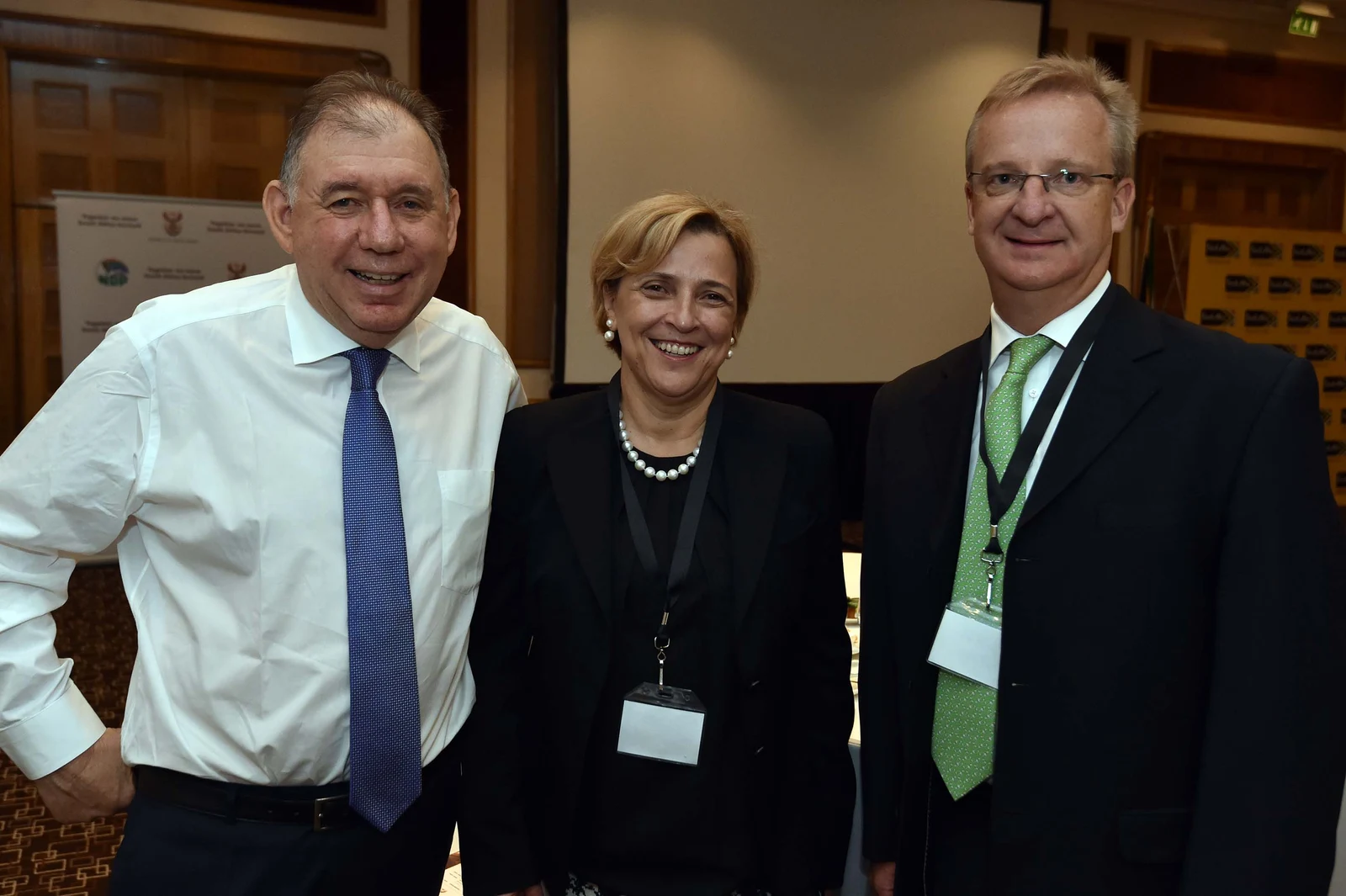
1966–
Mike Brown
Former Nedbank chief executive and chartered accountantMike Brown led Nedbank for fourteen years after a career in accounting, treasury and corporate banking. His tenure included a large technology overhaul and the end of Old Mutual’s controlling shareholding. His record also involves uneven regional expansion and scrutiny of transactions undertaken by the bank. He is a former executive, not its founder or current CEO.Read biography
1967–
Sim Tshabalala
Standard Bank Group chief executive and former lawyerSim Tshabalala moved from law into finance and became a leader of Standard Bank’s African operations before sharing, then assuming sole responsibility for the group CEO role. His rise from an apartheid-era childhood is significant, but his public language of purpose also meets practical scrutiny over the bank’s investment choices, including fossil-fuel finance.Read biography1951–
Stephen Koseff
Former Investec group CEO and chartered accountantStephen Koseff helped turn Investec from a small finance business into an international banking group. He led it as CEO from 1996 to 2018 and later returned as a non-executive director. His record includes the 2002 London structure, an entrepreneurial management culture and costly acquisitions he later acknowledged as mistakes. His renewed Investec plc board service ended in August 2026.Read biography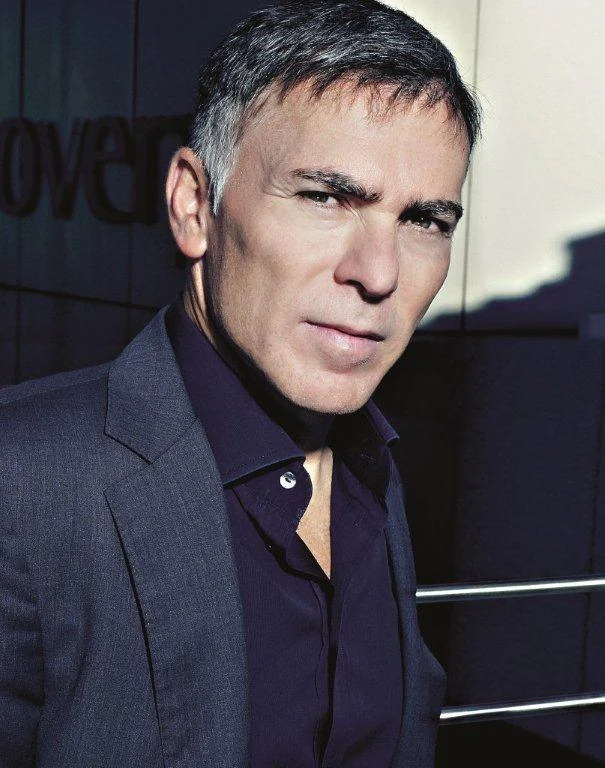
1964–
Adrian Gore
Discovery co-founder and group chief executiveAdrian Gore co-founded Discovery and developed a financial-services group whose Vitality model connects behavioural incentives with insurance economics. The business grew beyond health into other products and international partnerships. Its stated social purpose needs to be read alongside independent evidence, regulatory compliance findings and disputes over fair treatment. Gore’s group leadership is distinct from individual subsidiaries’ operations and medical-scheme governance.Read biography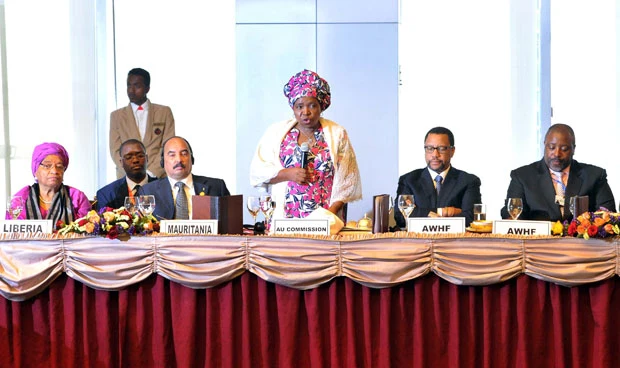
1960–
Phuthuma Nhleko
Former MTN CEO, investment-group co-founder and JSE chairmanPhuthuma Nhleko moved from civil engineering into corporate finance and investment before leading MTN’s international expansion. His telecoms career included the Investcom takeover and a later executive return during the Nigerian regulatory-fine crisis. Subsequent board and investment work should not be confused with continuing operational control of MTN; his JSE chairmanship is documented in its August 2026 statement.Read biography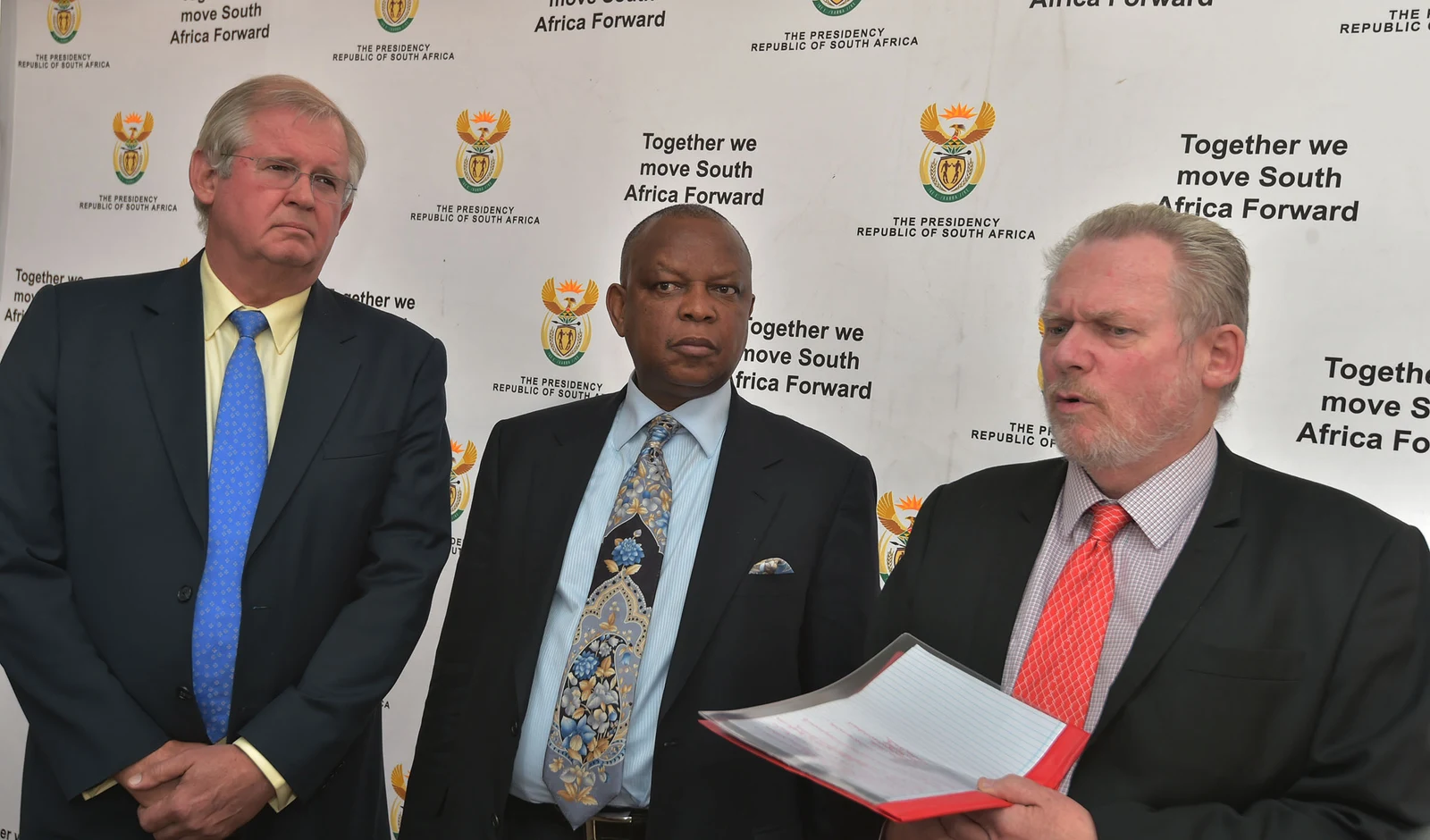
1955–
Jacko Maree
Former Standard Bank group CEO and deputy chairmanJacko Maree spent his banking career at Standard Bank, leading the group from 1999 to 2013. His record includes stronger African operations, the ICBC partnership and costly ambitions beyond Africa. He later returned to the board, but his group directorship ended in June 2026. His career is best understood through both growth and the decisions to retreat or change course.Read biography
1966–
Nicky Newton-King
Former JSE chief executive, lawyer and non-executive directorNicky Newton-King brought legal and securities-market experience to the Johannesburg Stock Exchange, becoming its first woman chief executive. Her career connects exchange technology with regulation, corporate accountability and organisational transformation. She retired from the JSE in 2019; subsequent board service is a different responsibility, and her Stellenbosch Council chairmanship ended in April 2026.Read biography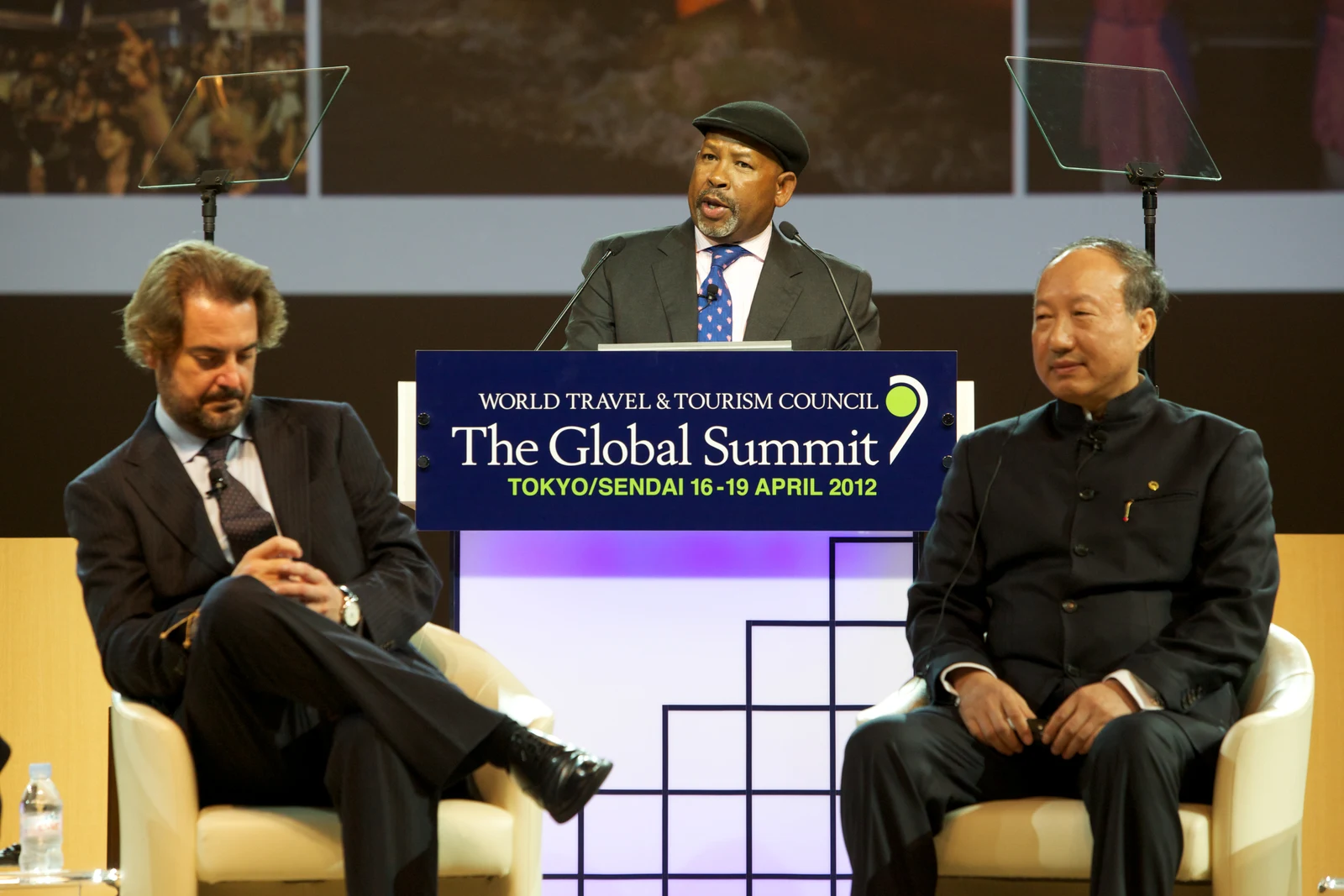
1958–2021
Jabu Mabuza
Entrepreneur, tourism executive and former Telkom and Eskom chairmanJabu Mabuza moved from taxi entrepreneurship and black business organisation into tourism, telecommunications and electricity-sector leadership. His career challenged apartheid-era barriers to participation, but later public responsibilities also brought criticism and an unsuccessful promise over power supply. He died in June 2021; historical board biographies must not be presented as current appointments.Read biographySouth Africa
Culture
Writers, performers and creative work across South Africa’s languages and traditions.
1927–2019
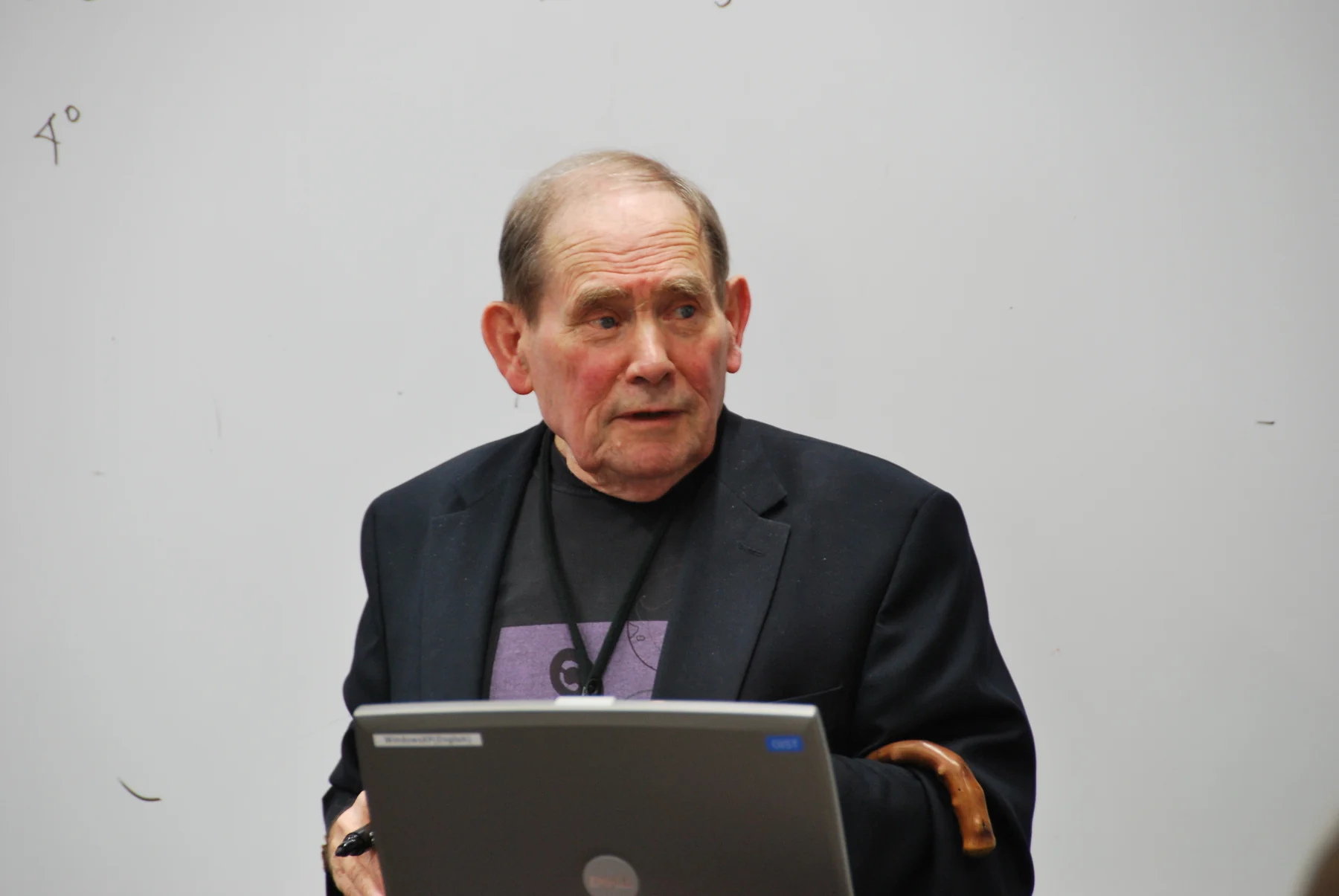
Sydney Brenner
Molecular biologistSydney Brenner helped establish messenger RNA’s role and made a small nematode a tractable model for studying genes, development and the nervous system.Read biography1926–2018
Aaron Klug
Structural biologist and physical chemistAaron Klug used physics, crystallography and electron microscopy to investigate biological structures, later directing Cambridge’s MRC Laboratory of Molecular Biology.Read biography1924–1998
Allan M. Cormack
Physicist and tomography researcherAllan M. Cormack investigated how measurements of X-ray attenuation could reveal an object’s interior, work recognised by a shared Nobel Prize in 1979.Read biography
1899–1972
Max Theiler
VirologistMax Theiler was a South African-born virologist whose yellow fever research helped produce the 17D vaccine and earned the 1951 Nobel Prize in Medicine.Read biography1951–
Tebello Nyokong
Chemist and research mentorTebello Nyokong built a photochemistry research programme at Rhodes University, investigating light-responsive molecules while training a new generation of scientists.Read biography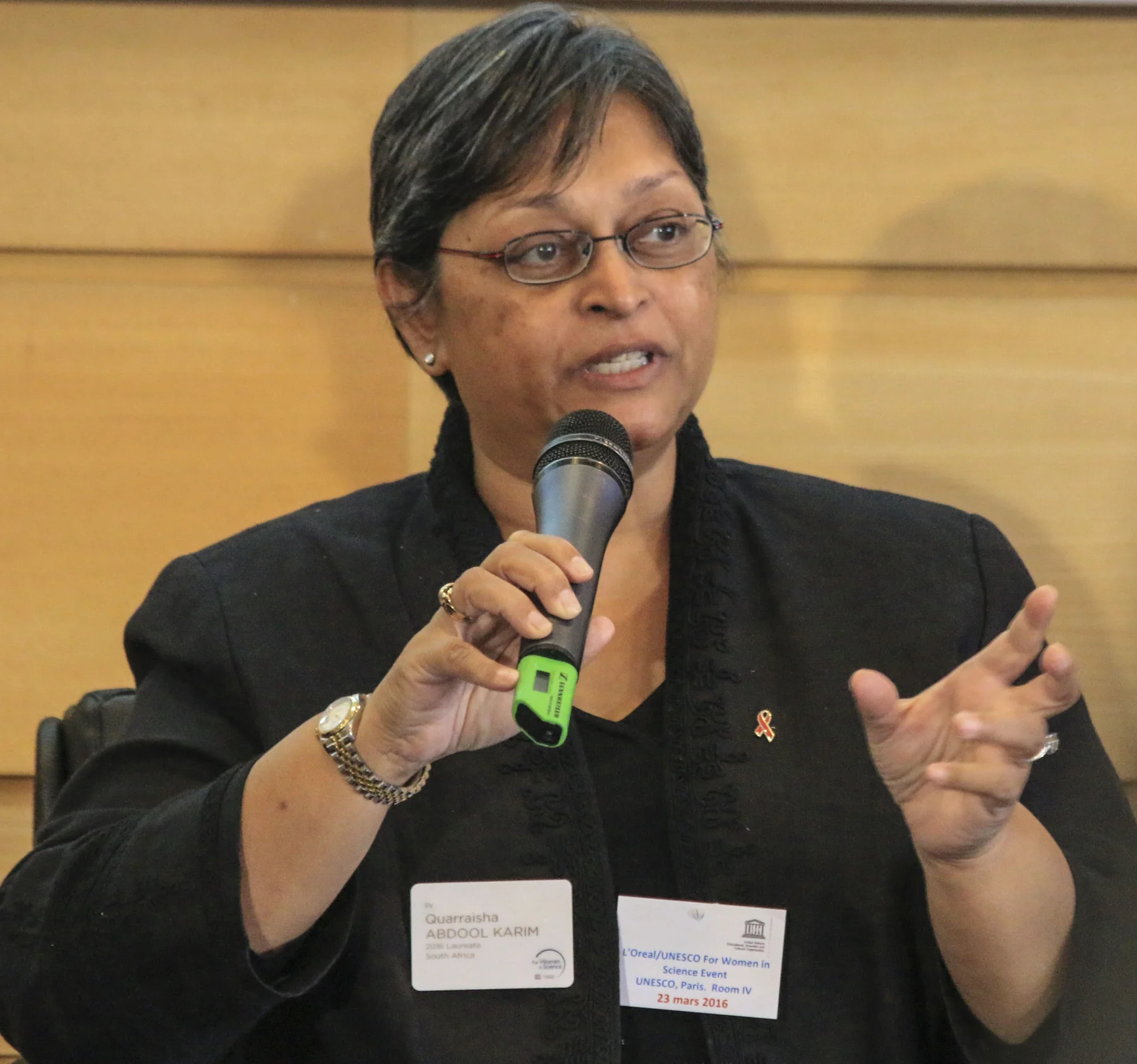
1960–
Quarraisha Abdool Karim
Epidemiologist and HIV-prevention researcherQuarraisha Abdool Karim is an epidemiologist whose work connects women’s HIV-prevention research, the CAPRISA programme and long-term scientific training.Read biography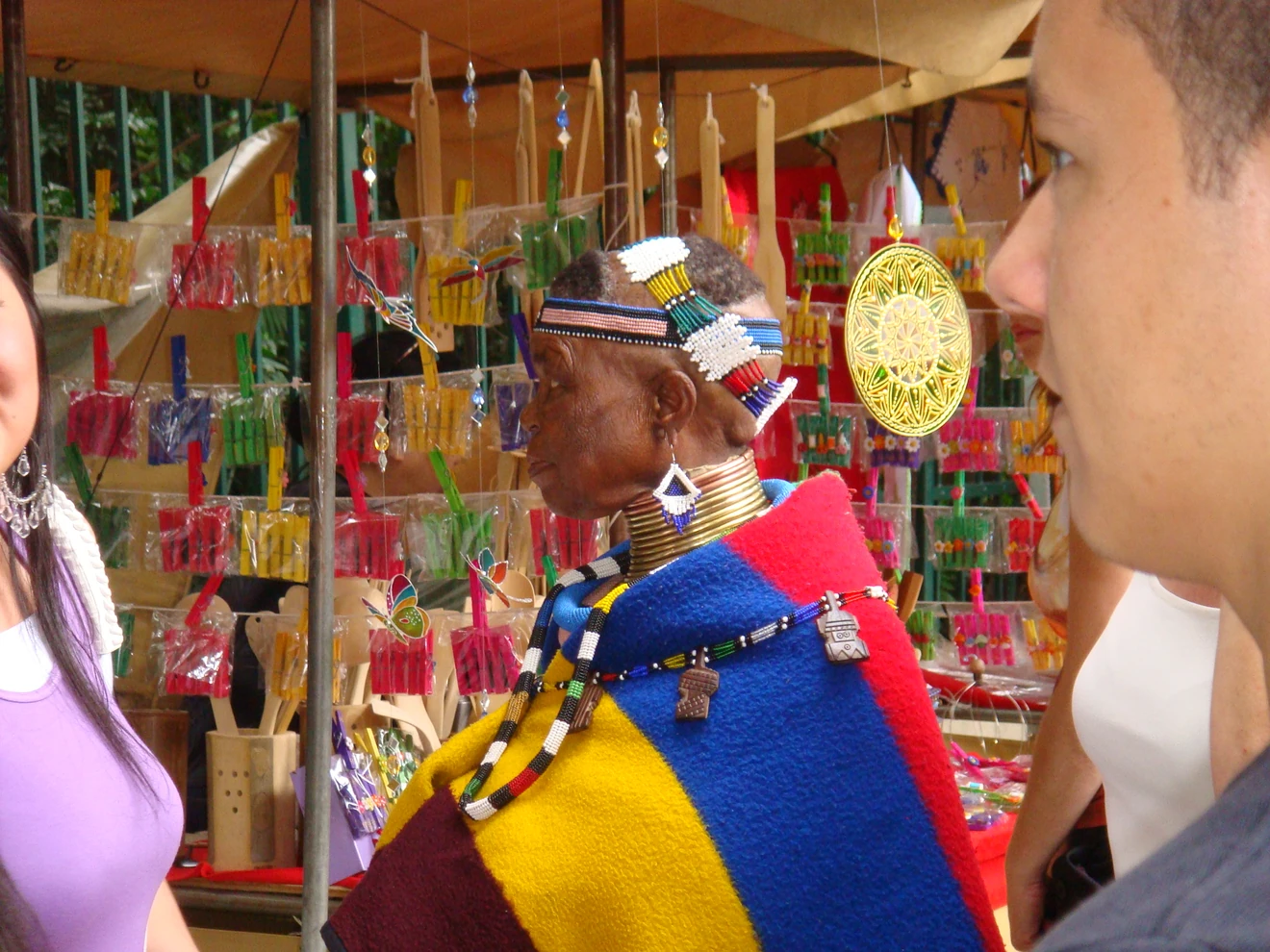
active since the 20th century
Esther Mahlangu
Painter and muralistA South African artist who took skills learned in Ndebele house painting into murals, exhibitions and commissions on new surfaces.Read biography1893–1988
Raymond Dart
Anatomist and palaeoanthropologistDart studied a juvenile fossil from Taung and argued that its mix of traits mattered to human origins research.Read biography1866–1951
Robert Broom
Physician and vertebrate palaeontologistBroom studied South African fossils across several animal groups and described a new hominin from Kromdraai.Read biography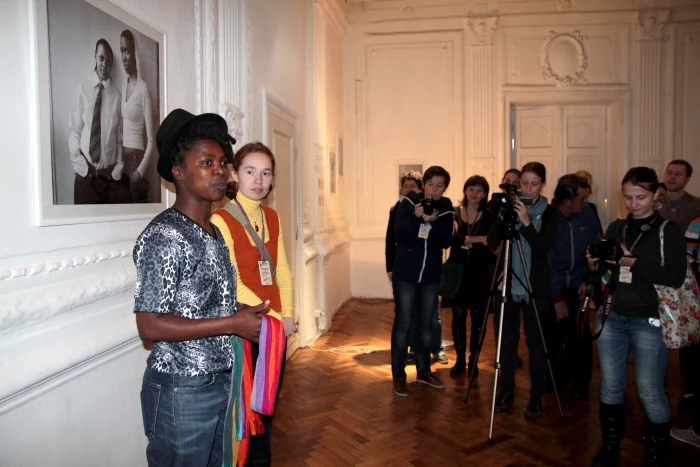
b. 1972
Zanele Muholi
Photographer and visual activistA South African visual activist building an archive of Black LGBTQIA lives through photography and other media.Read biography1930–2018
David Goldblatt
PhotographerA South African photographer who examined everyday places as material evidence of social and political structures.Read biography1913–1993
Gerard Sekoto
South African painter and musicianGerard Sekoto left teaching for painting, developed important urban images in South Africa and continued making art and music after moving to France.Read biography1912–2001
George Pemba
South African painter, teacher and playwrightGeorge Pemba sustained a painting career through teaching, family support and racial exclusion, making portraits and social, religious and everyday scenes.Read biography1894–1966
Irma Stern
South African painter, sculptor and collectorIrma Stern developed her art between Germany and South Africa, moving from contested modernist exhibitions to a nationally recognised painting career.Read biography1904–2002
Ernest Mancoba
South African artist working in sculpture, painting, drawing and printErnest Mancoba moved from carved figures in South Africa into a long European career, developing an independent practice across sculpture, painting and drawing.Read biography1942–1991
Dumile Feni
South African draughtsman and sculptorDumile Feni developed a forceful drawing and sculptural practice in Johannesburg, then continued working in London and the United States after leaving in 1968.Read biography1937–1986
Bessie Head
South African-born novelist, short-story writer and historian in BotswanaBessie Head moved from South Africa to Botswana in 1964, developing novels, short stories and historical writing rooted in experiences of exclusion and community.Read biography1932–2025
Athol Fugard
Playwright, director and actorAthol Fugard developed South African theatre as a playwright, director and actor, working with Zakes Mokae, John Kani and Winston Ntshona in different collaborations.Read biography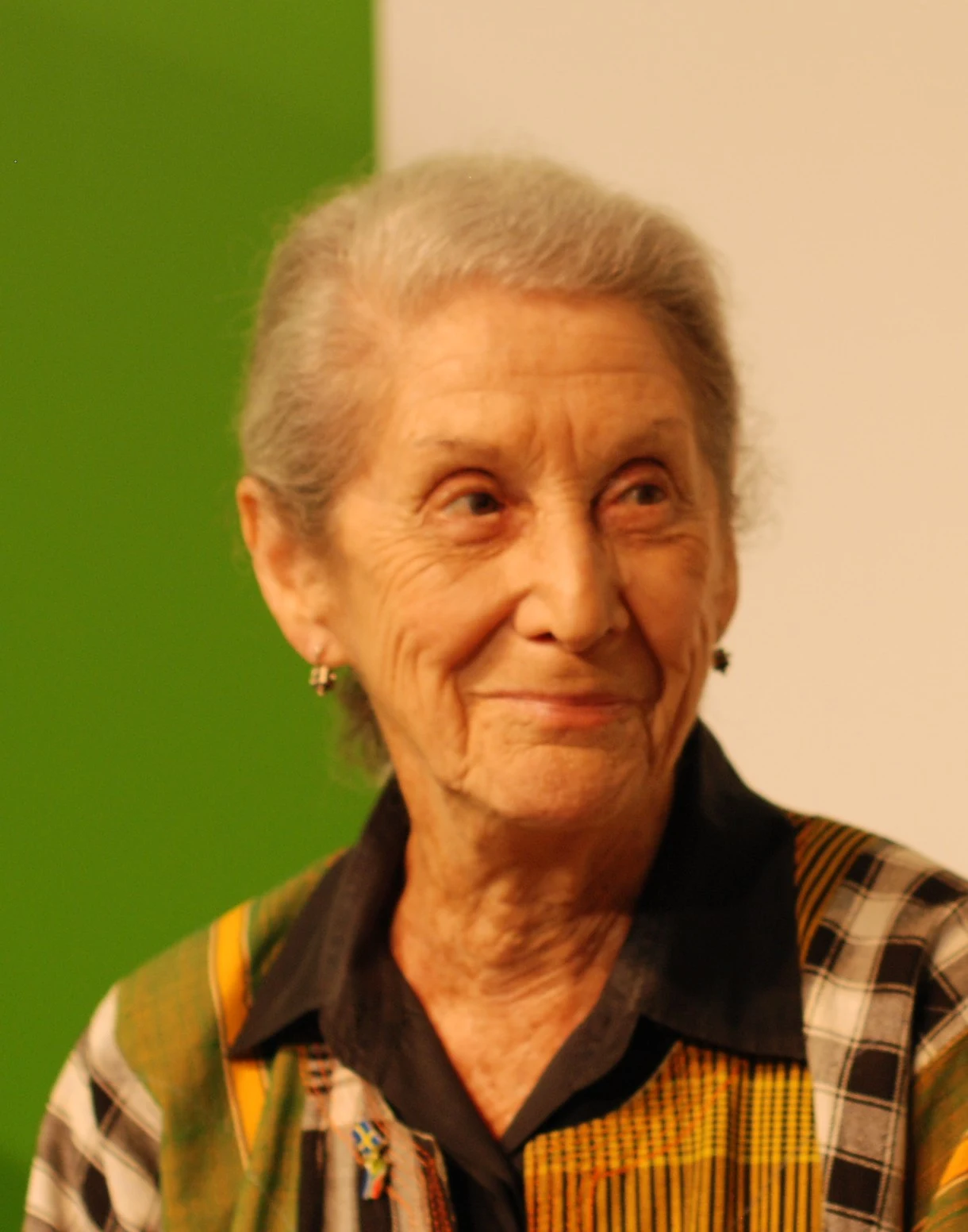
1923–2014
Nadine Gordimer
Novelist, short-story writer and anti-censorship advocateNadine Gordimer examined private lives within South Africa’s racial and political order. Across novels, short stories and public advocacy, she resisted censorship while refusing to treat the end of apartheid as the end of difficult social questions.Read biography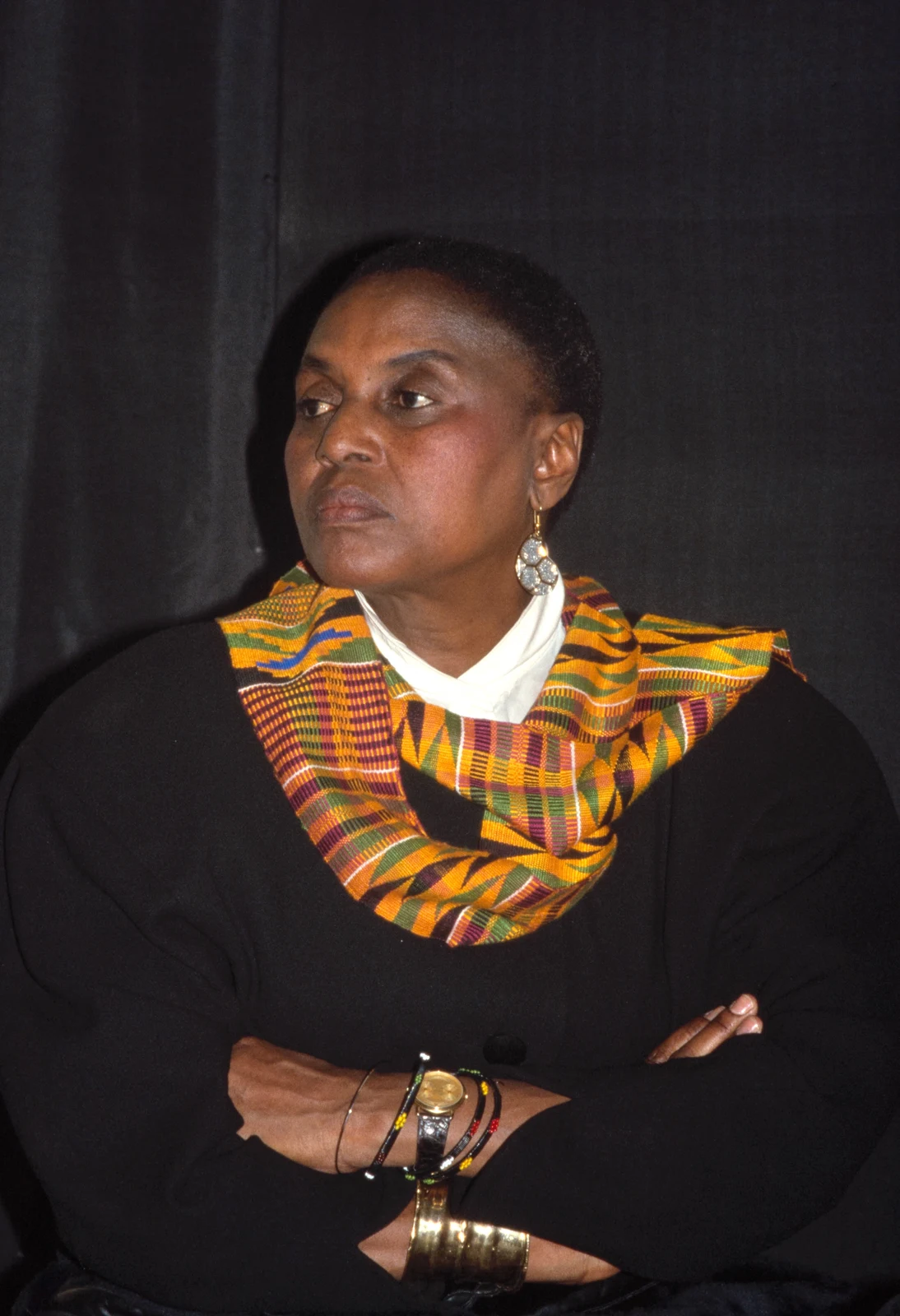
1932–2008
Miriam Makeba
Singer, recording artist and anti-apartheid advocateMiriam Makeba carried South African songs to international audiences while apartheid prevented her return home. Her career joined ensemble singing, theatre, film, solo records and political testimony, without making every song a political declaration.Read biography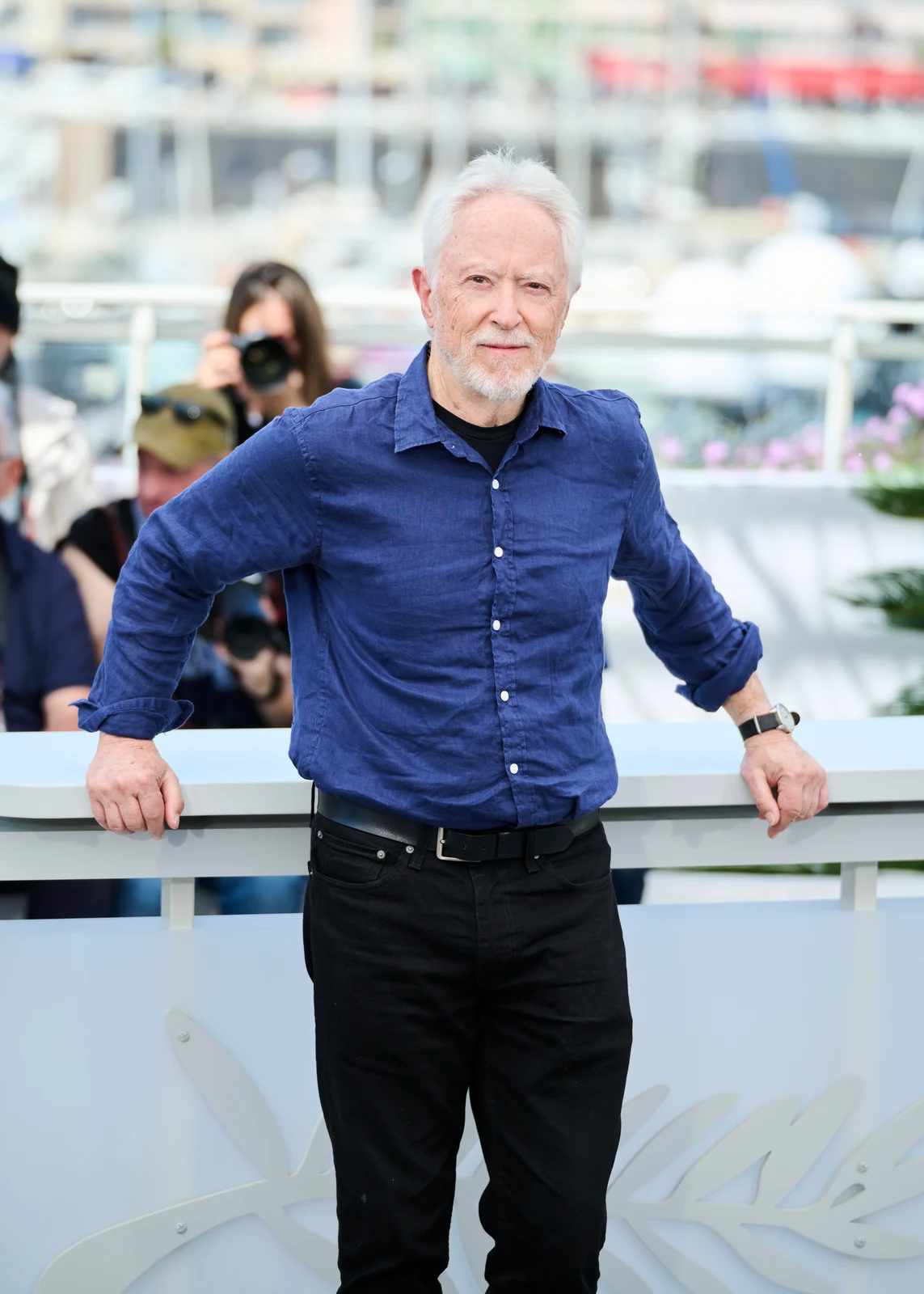
1940–
J. M. Coetzee
Novelist, essayist, translator and literary scholarJ. M. Coetzee developed a literary career across South Africa, Britain, the United States and Australia. His fiction examines power, responsibility and the limits of understanding other lives, often refusing the reassuring conclusions a political or personal story appears to promise.Read biography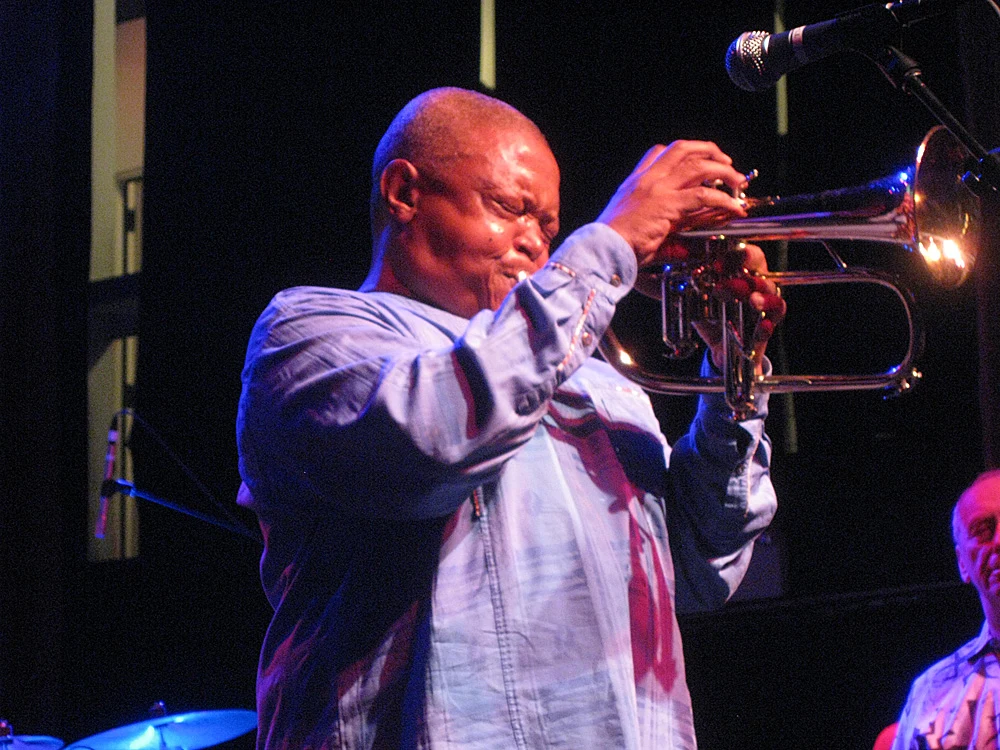
1939–2018
Hugh Masekela
Trumpeter, flugelhornist, bandleader, composer and singerHugh Masekela carried South African musical experience into an international career spanning jazz, popular recording, theatre and advocacy. A celebrated American hit was one chapter in a much longer working life, shaped by collaborators, exile and repeated returns to African musical settings.Read biography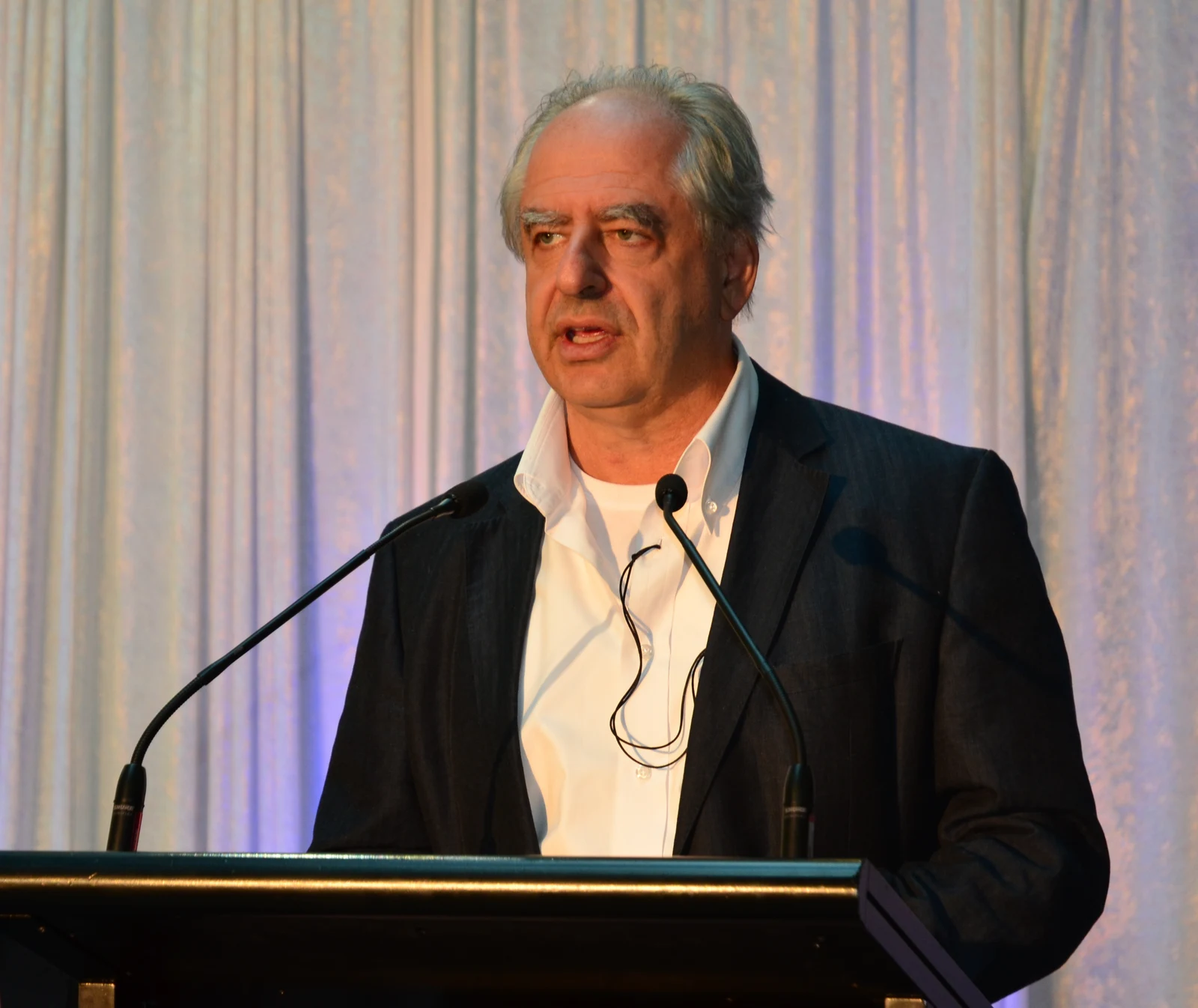
1955–
William Kentridge
Visual artist, filmmaker and theatre and opera directorWilliam Kentridge moves between drawings, projected images and live performance. His Johannesburg background informs work about apartheid, colonialism and memory, but an erased charcoal mark or an unresolved theatrical scene often complicates the story rather than delivering a single political message.Read biography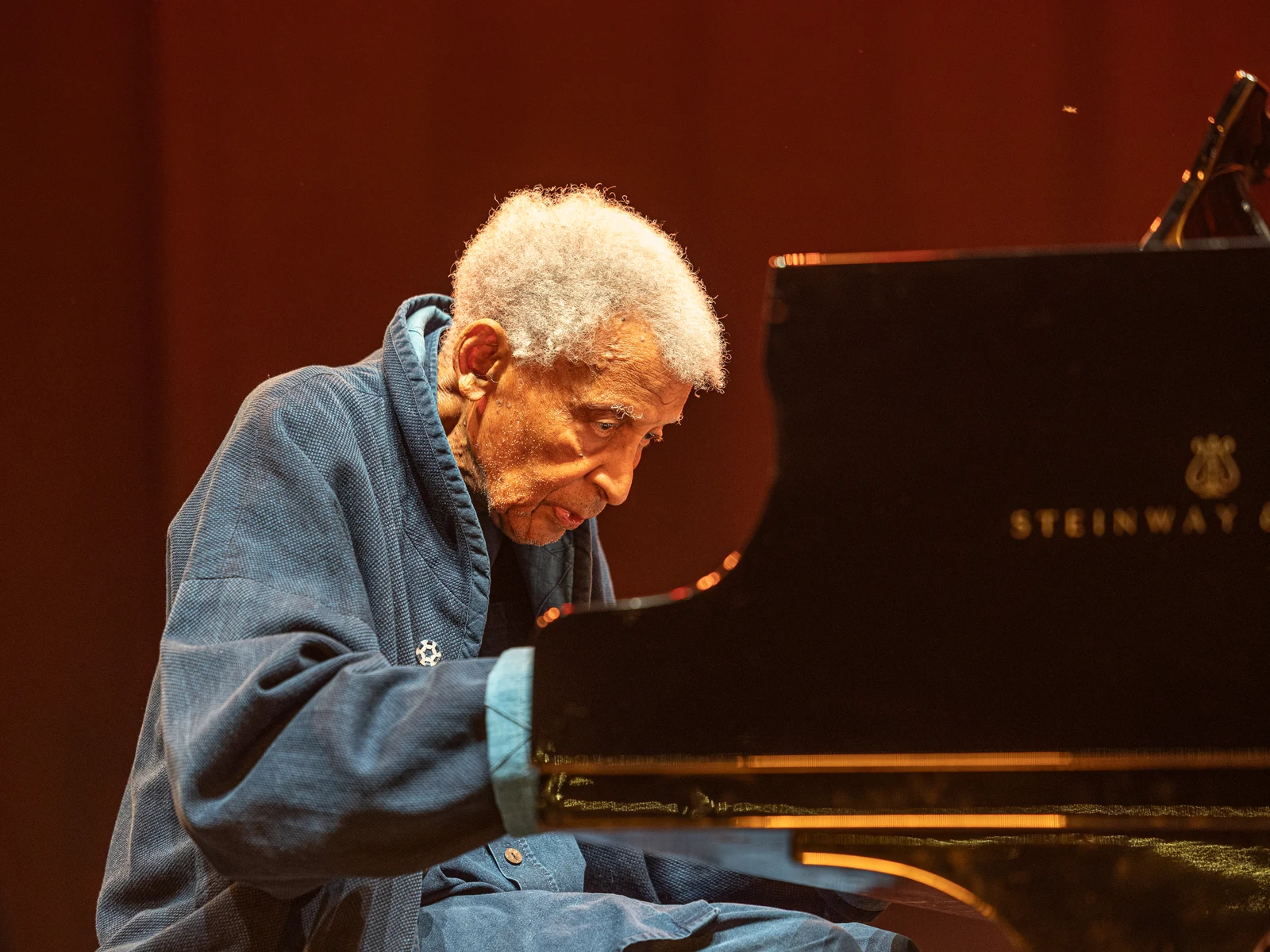
1934–2026
Abdullah Ibrahim
Pianist, composer and bandleaderAbdullah Ibrahim, initially known as Dollar Brand, built a musical language from Cape Town experience and international encounters. Exile, spiritual discipline and ensemble relationships shaped a career that extended far beyond Mannenberg, the recording later embraced as an anti-apartheid anthem.Read biography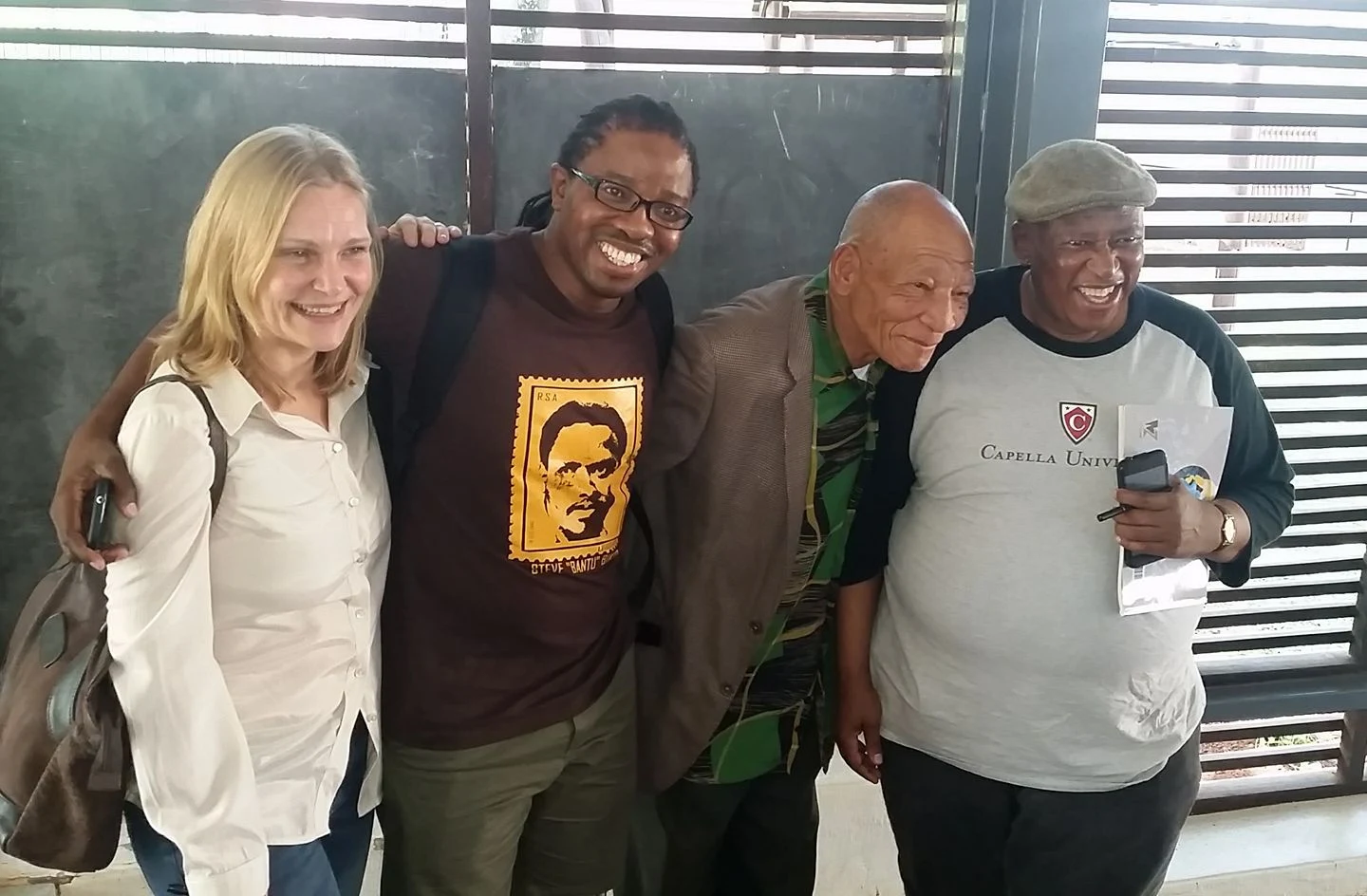
1948–
Zakes Mda
Novelist, playwright, painter and teacherZakes Mda developed as a writer through exile, teaching and theatre before his novels reached a broad international readership. His work places ordinary people within histories of violence, belief and social change, combining comic invention with questions about power and belonging.Read biography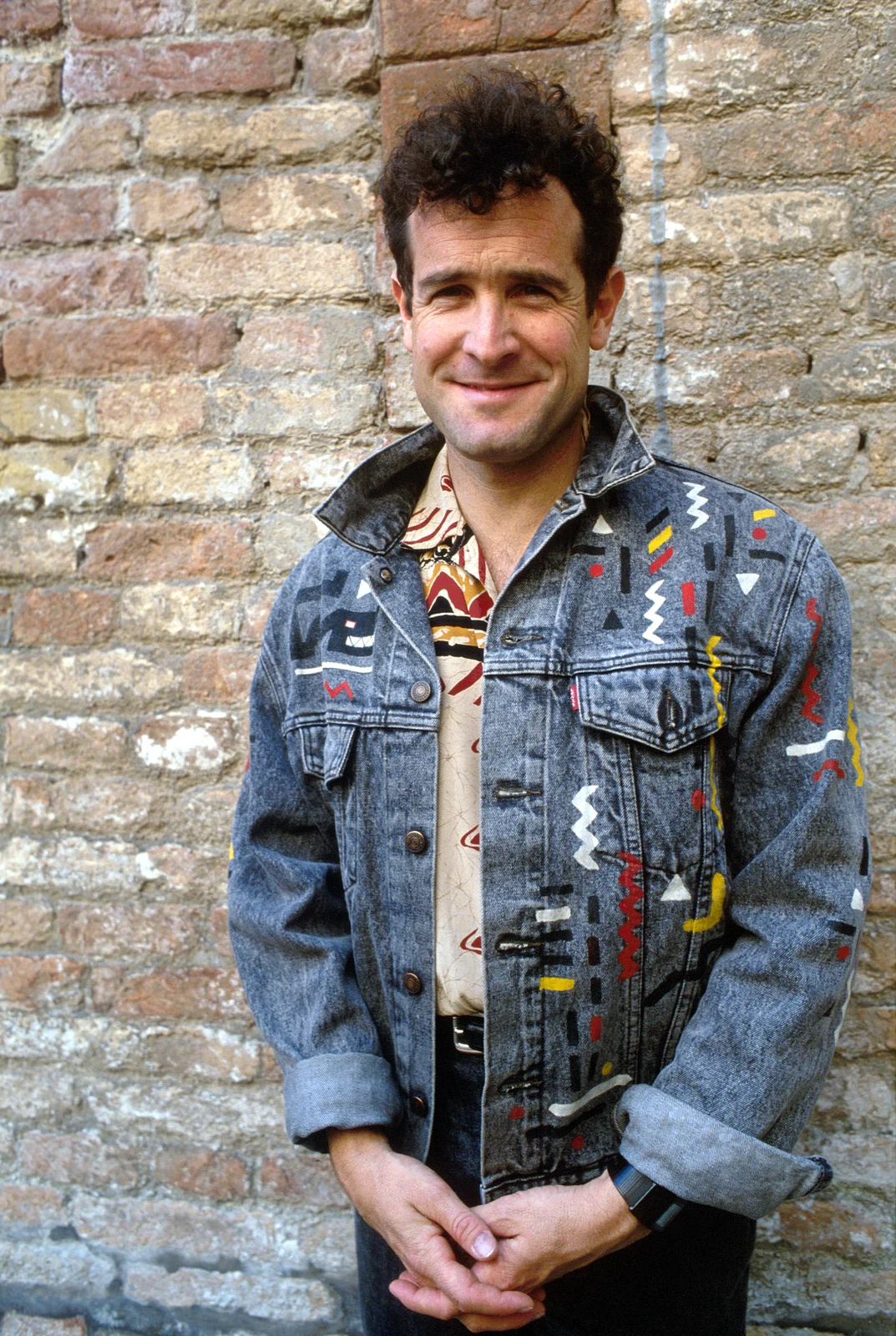
1953–2019
Johnny Clegg
Musician, songwriter, dancer and anthropologistJohnny Clegg built a South African musical career through relationships with Zulu musicians, university study and performance. Juluka and Savuka brought different collaborators and audiences into his work, while apartheid shaped the practical conditions under which the bands could play.Read biography
1939–2024
Breyten Breytenbach
Poet, prose writer, painter and anti-apartheid activistBreyten Breytenbach challenged apartheid in literature and political action while sustaining a career as a painter. Exile, imprisonment and return shaped his writing, but neither a prison sentence nor a single political affiliation contains the whole of his artistic life.Read biography
1957–2021
Sibongile Khumalo
Jazz and opera singer, music educator and arts leaderSibongile Khumalo combined formal study, teaching and a distinctive performance career across jazz, opera and indigenous repertoire. Her public success followed years in music education, while later work included recordings, artist development and leadership in arts organisations.Read biography
1965–present
Yvonne Chaka Chaka
Singer, recording artist and public-health advocateYvonne Chaka Chaka brought a distinctive South African pop voice to audiences across the continent. Her recording career developed into a wider public life in education and health advocacy, while her later reflections drew attention to the difference between performing a song and receiving composition credit.Read biography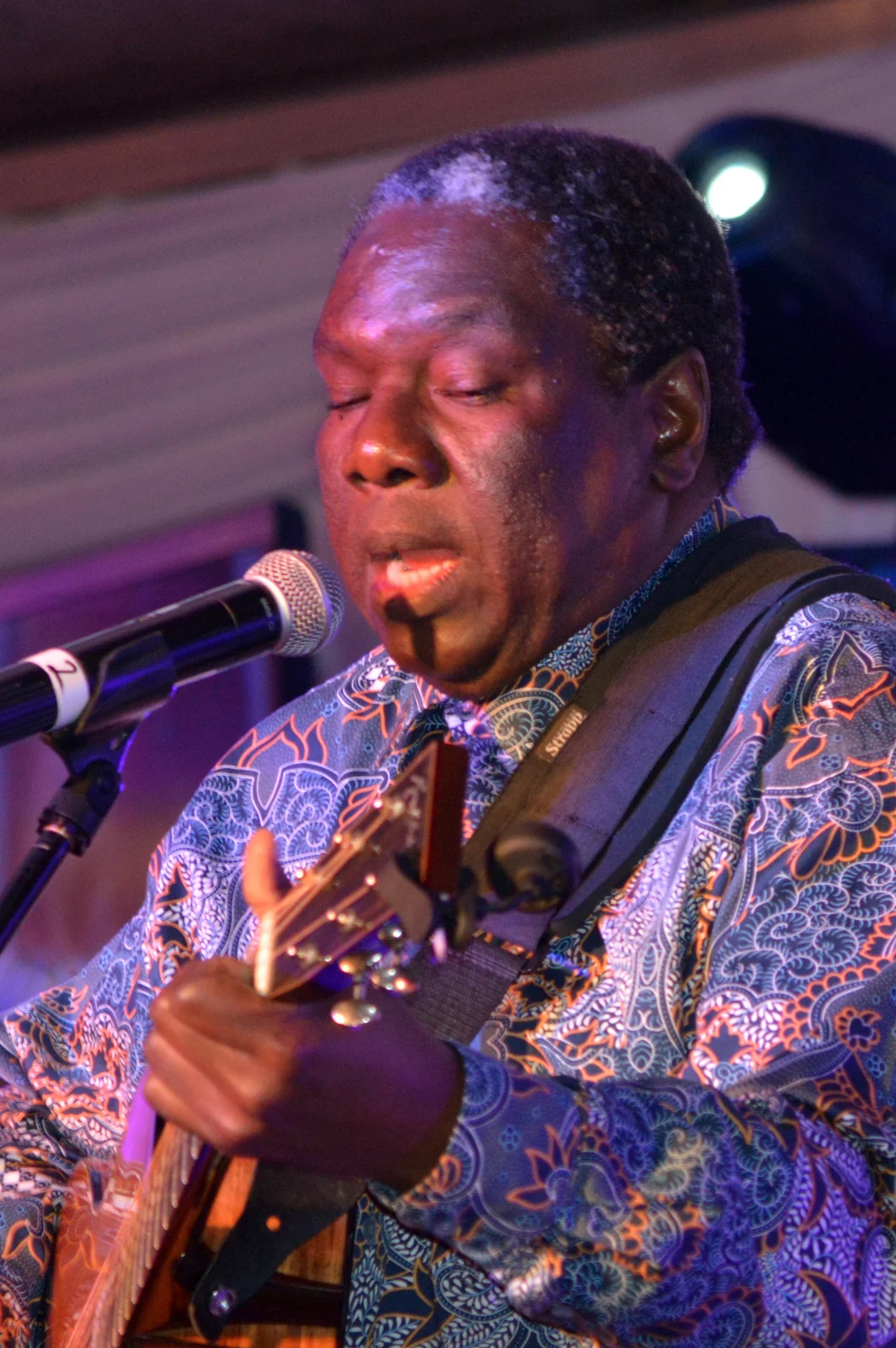
1965–present
Vusi Mahlasela
Singer-songwriter, guitarist and anti-apartheid cultural activistVusi Mahlasela built a musical life from township singing, guitar playing and political engagement. His debut album When You Come Back carried songs shaped before the democratic transition; later recordings and live work continued the conversation rather than ending it at Nelson Mandela’s inauguration.Read biography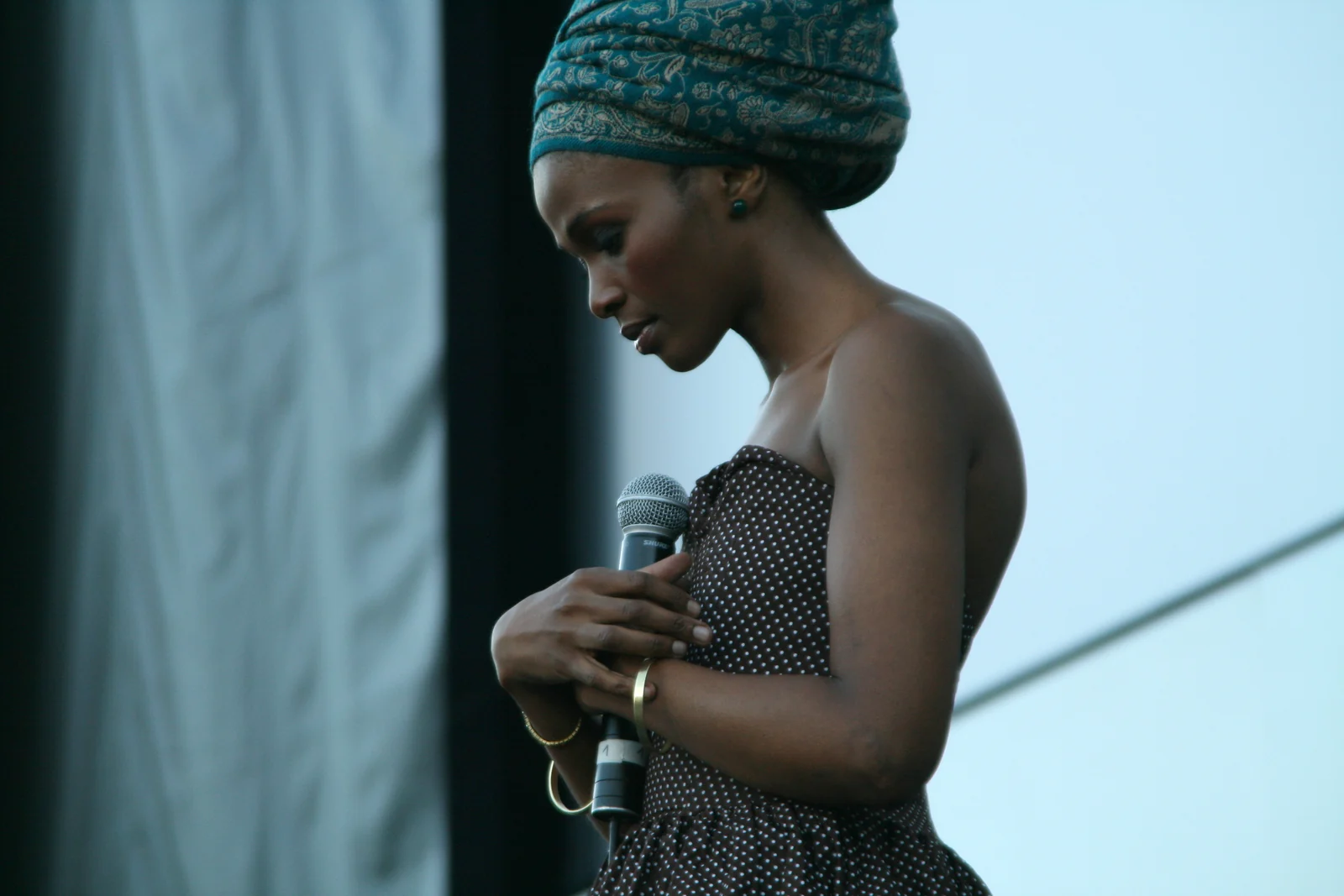
1980–
Simphiwe Dana
Singer and songwriterSimphiwe Dana emerged with Zandisile in 2004, bringing Xhosa-language songwriting into conversation with jazz, soul and choral traditions. Later recordings widened that approach, including work with Malian musicians on Bamako. Her career combines questions of creative control with reflections on relationships, identity and public life.Read biography
1944–
Mongane Wally Serote
Poet, novelist and cultural organiserMongane Wally Serote developed a literary career through township life, detention, exile and cultural organising. Poetry and fiction offered different ways to explore violence, community and freedom. After returning to South Africa, he also worked in Parliament and heritage institutions, while continuing to write.Read biography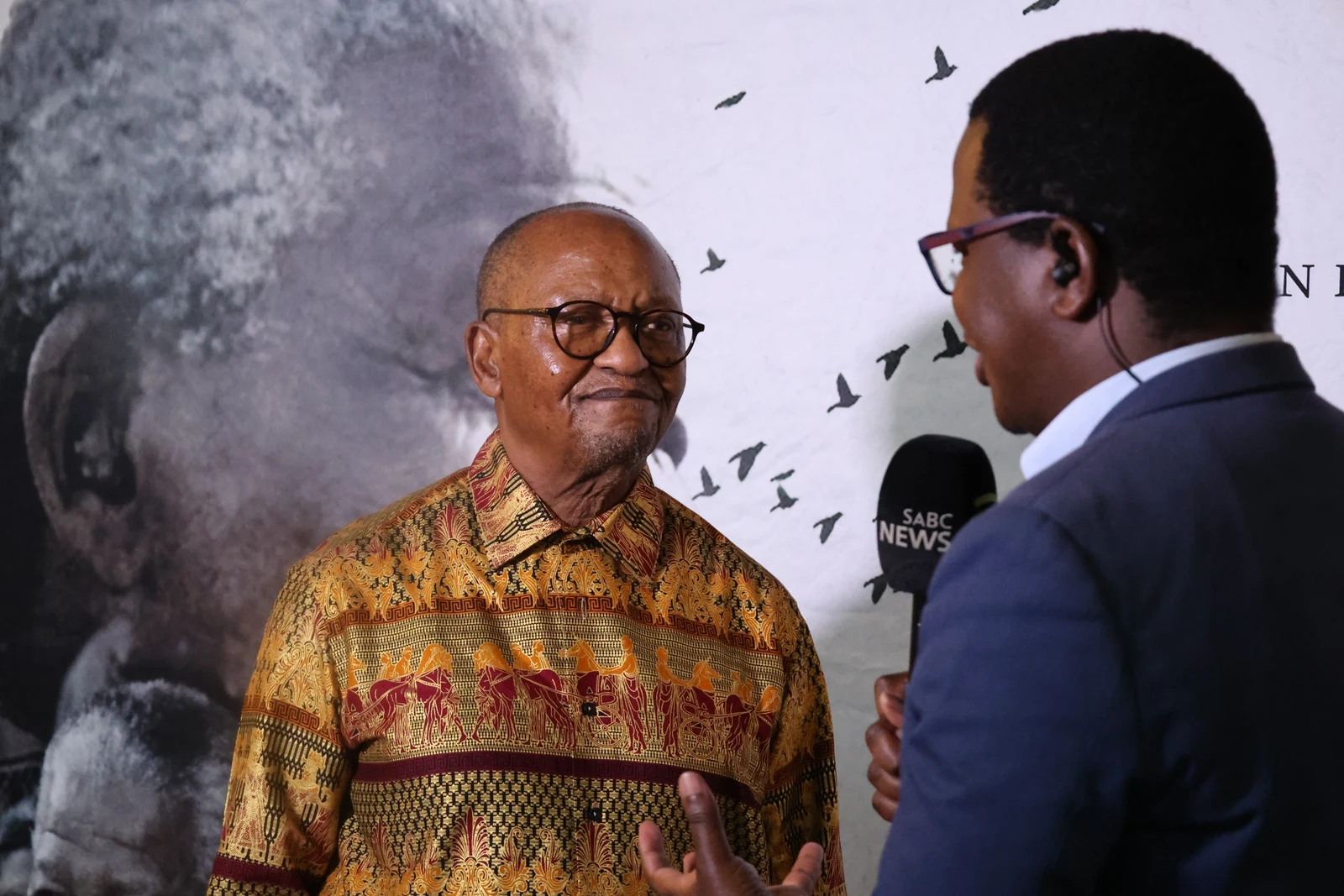
1948–
Njabulo Ndebele
Writer, essayist and former university leaderNjabulo Ndebele’s fiction and essays examine the interior lives too easily obscured by political spectacle. Education in southern Africa, Britain and the United States informed his writing; university leadership and later foundation work added public responsibilities. His literary arguments remain distinct from the institutions he helped lead.Read biography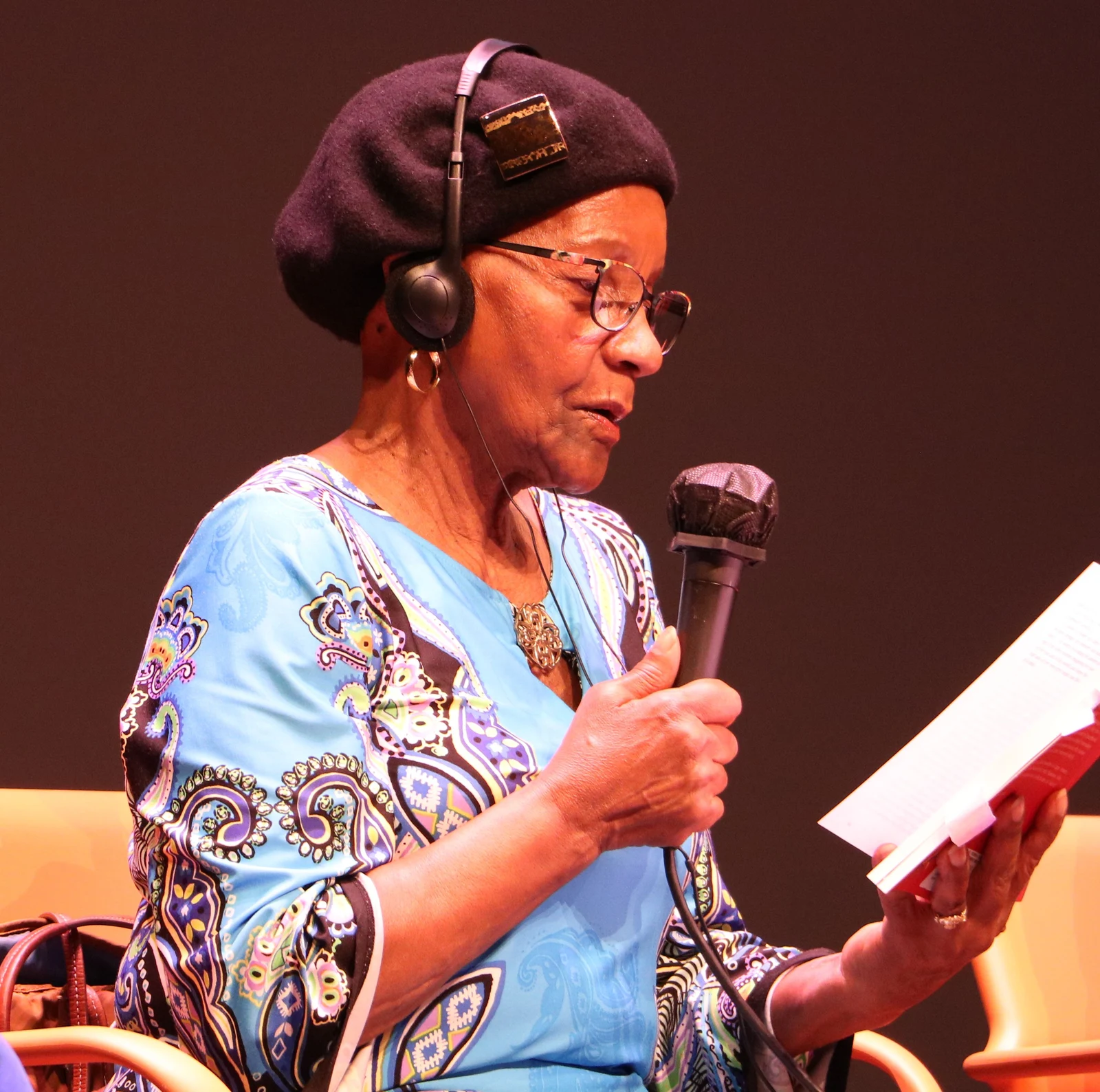
1943–
Sindiwe Magona
Writer, storyteller and former United Nations employeeSindiwe Magona turned experiences of poverty, domestic work, education and migration into a varied literary career. Autobiography, fiction, children’s writing and theatre provide different ways to address memory and social responsibility. Mother to Mother links an imagined maternal voice with a real episode of South African violence without becoming a literal confession.Read biography
1951–
David Kramer
Singer-songwriter, theatre-maker and musical researcherDavid Kramer moved from character-driven songs to collaborative musical theatre and projects with regional musicians. His work uses humour, local speech and performance to make suppressed histories audible. The public persona, theatrical productions and documentary collaborations are different parts of a career, not proof that one artist created all the traditions he helped present.Read biography
1935–2015
André Brink
Novelist, translator, literary critic and university teacherAndré Brink combined experimentation in Afrikaans literature with an increasingly public challenge to apartheid. Bilingual writing, historical fiction, criticism and university teaching developed alongside one another. His books reached international audiences, but literary honours did not remove disagreement about how fiction represents race, history or another person’s experience.Read biography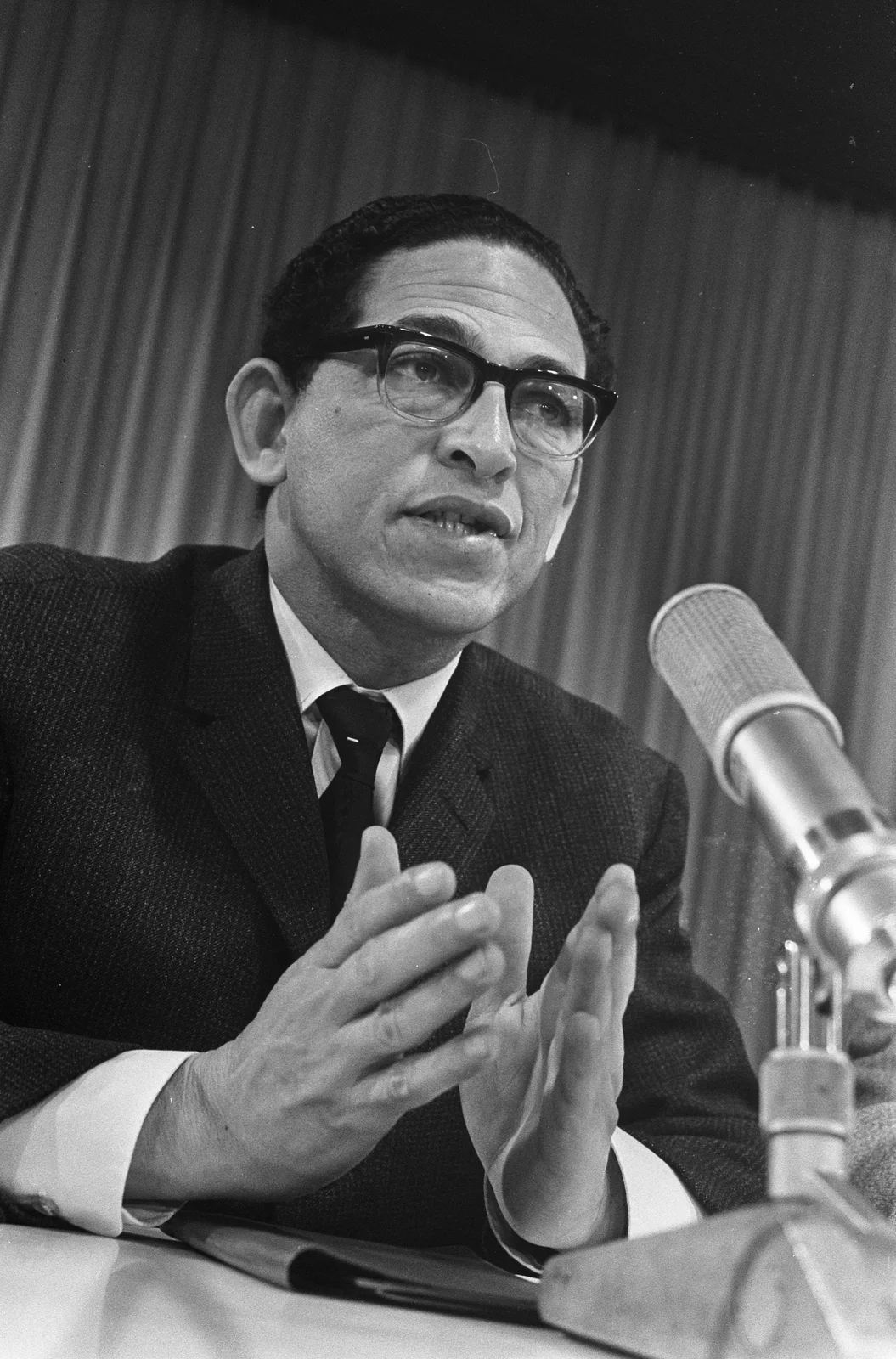
1924–2009
Dennis Brutus
Poet, teacher and anti-apartheid campaignerDennis Brutus joined a literary career to campaigns against apartheid, especially racial exclusion in sport. Teaching, imprisonment, exile and international organising shaped his work without turning his poems into administrative reports. He continued challenging injustice after South Africa’s political transition, rather than treating an election or sporting readmission as the end of the argument.Read biography
1958–
Deon Meyer
Crime novelist, screenwriter and film-makerDeon Meyer built an international readership through crime fiction written in Afrikaans and translated into English and other languages. His recurring detectives, independent thrillers and screen work are related but distinct strands. The books engage with South African life through invented stories; they are neither documentary case files nor a single continuous series.Read biography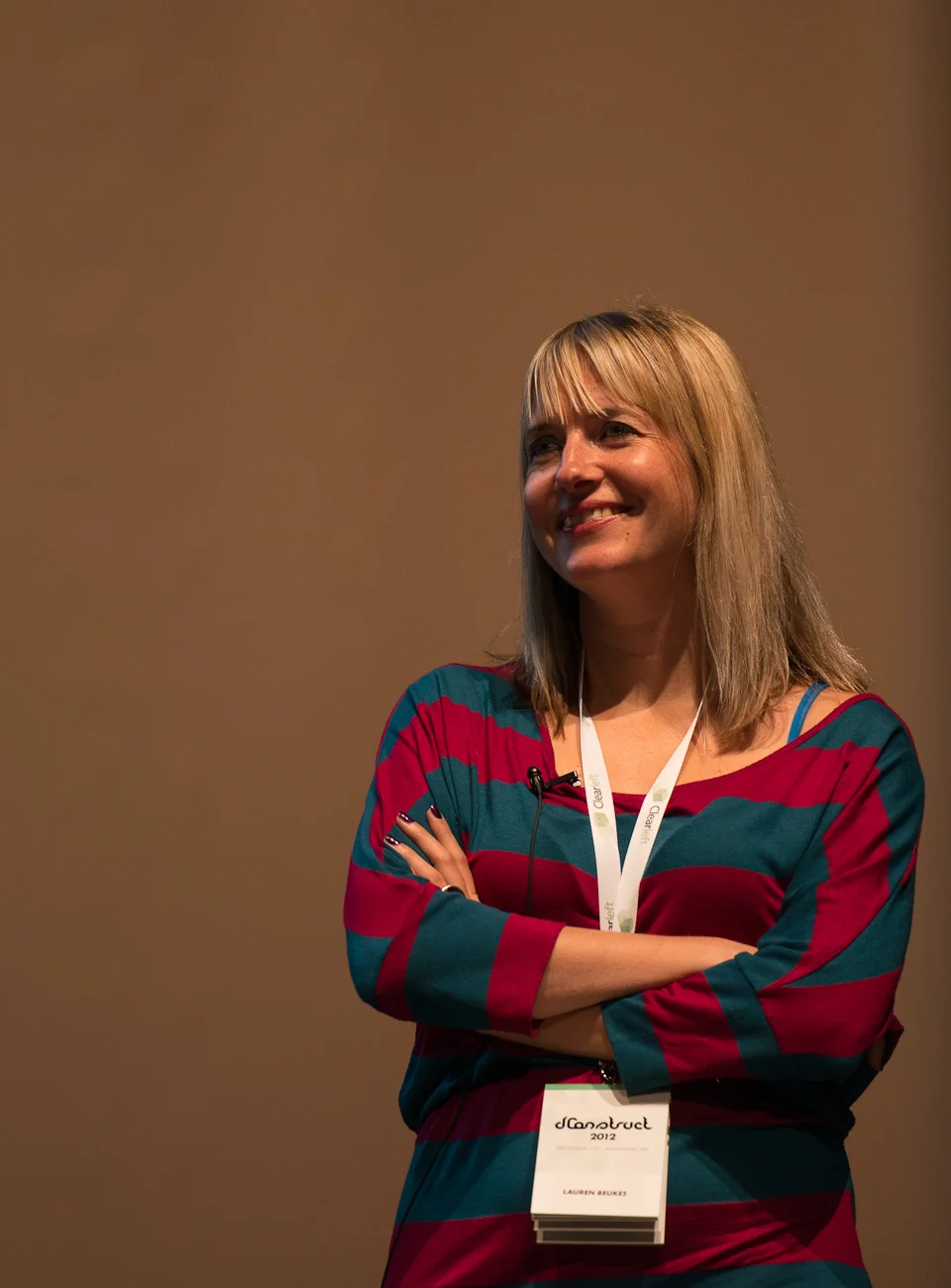
1976–
Lauren Beukes
Novelist, journalist, comics writer and screenwriterLauren Beukes uses speculative fiction and crime to examine power, urban life and violence. Journalism preceded international recognition for Zoo City. Her work also extends to animation, documentary and comics, while The Shining Girls became a separately credited television adaptation.Read biography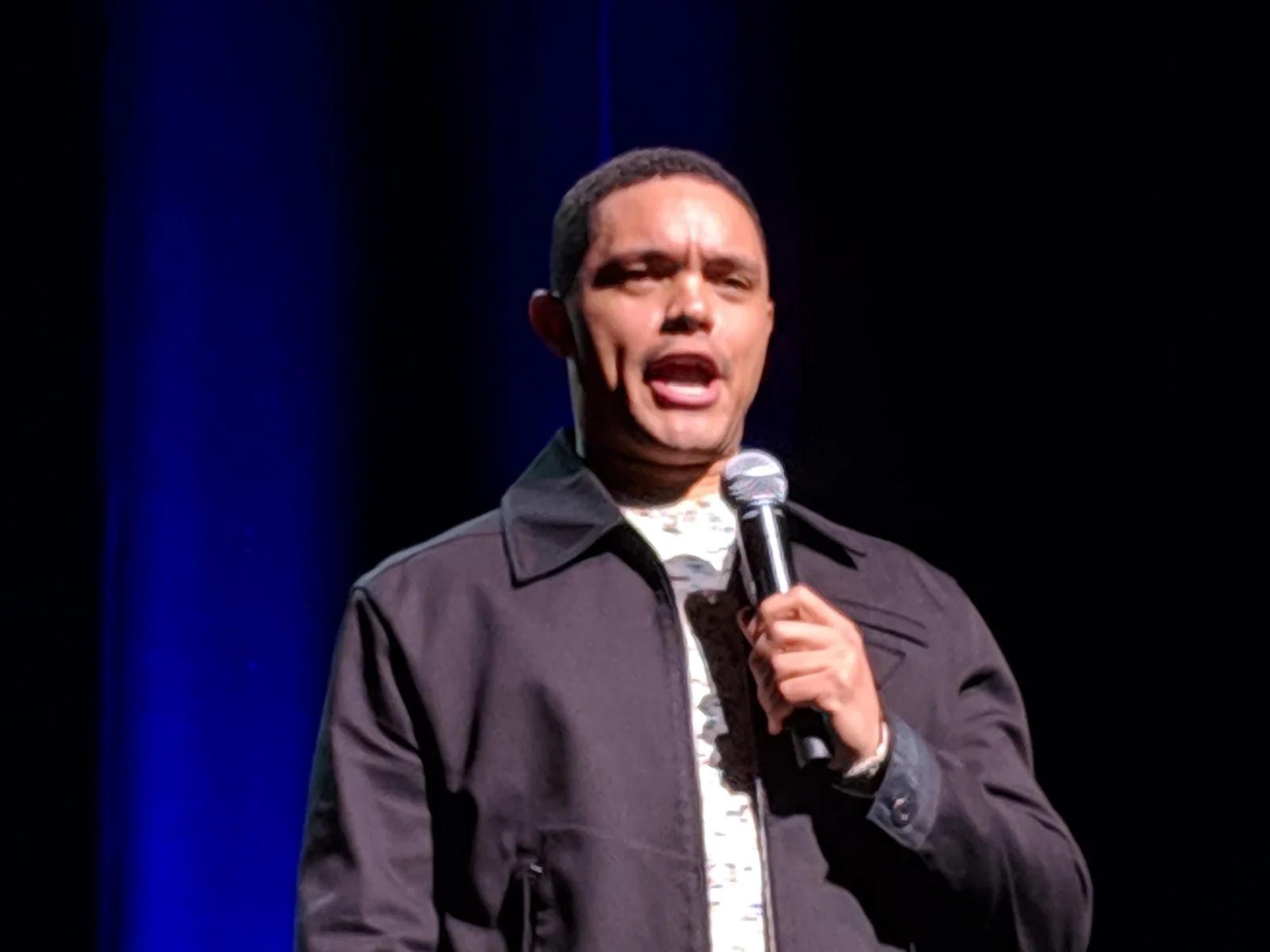
1984–
Trevor Noah
Comedian, author, presenter and podcast hostTrevor Noah moved from South African broadcasting and stand-up to hosting The Daily Show from 2015 to 2022. His memoir Born a Crime looks back at childhood under and after apartheid. Television, books, touring and later podcast work are related strands, not one uninterrupted television appointment.Read biography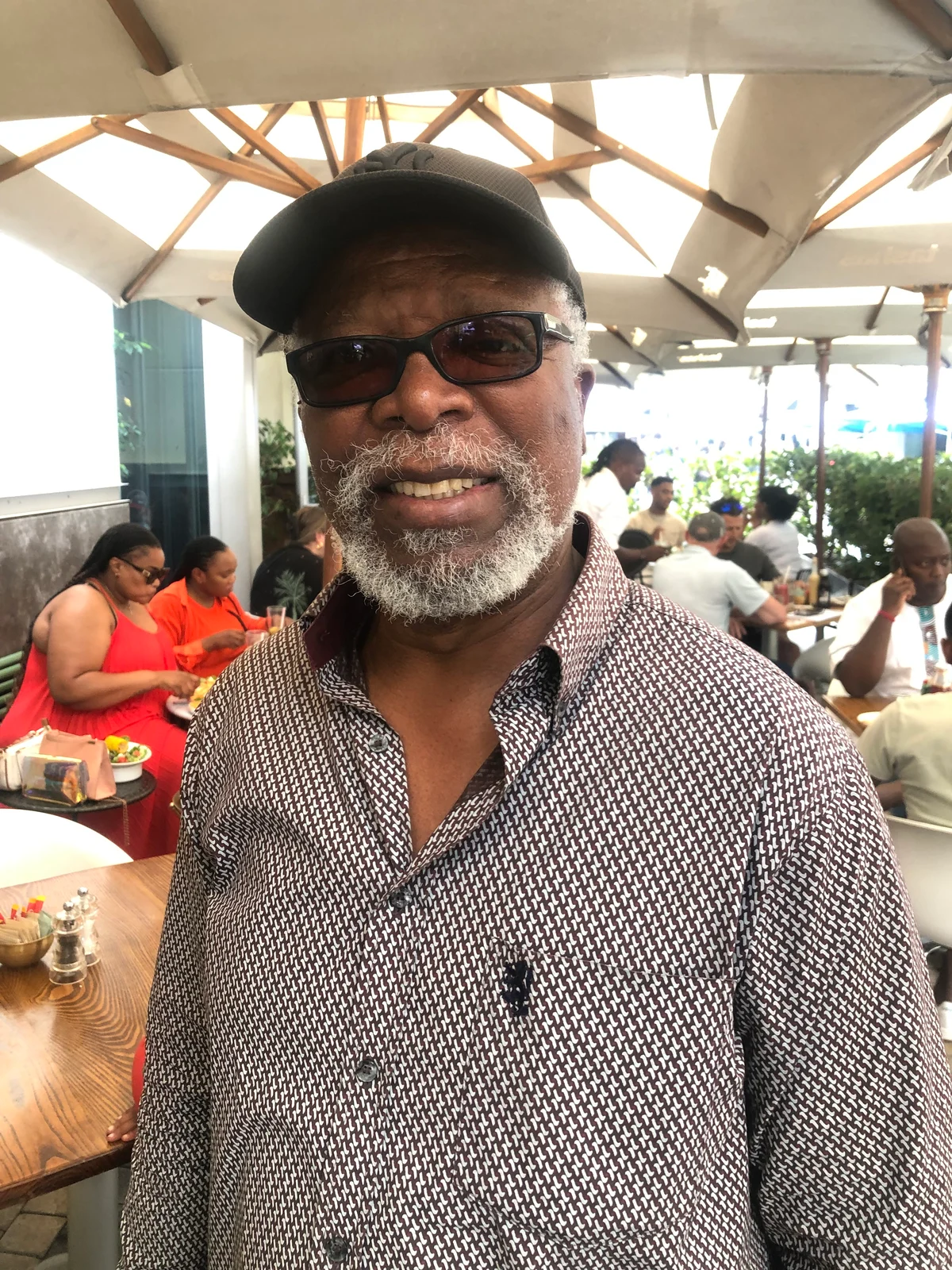
1943–
John Kani
Actor, playwright, director and cultural activistJohn Kani helped develop influential South African theatre through performance, collaborative writing and training. International recognition for Sizwe Bansi Is Dead and The Island preceded his sole-authored plays and widely seen film roles. His career joins community theatre to global stages without making those different audiences or working methods identical.Read biography
1976–
Black Coffee
DJ, record producer and recording artistBlack Coffee developed from South African musical and club networks into an international DJ and producer. Recordings, collaborative songs and long-running performances abroad expanded that audience. Subconsciously won a 2022 Grammy, but the award followed years of work rather than marking the beginning of South African electronic music.Read biography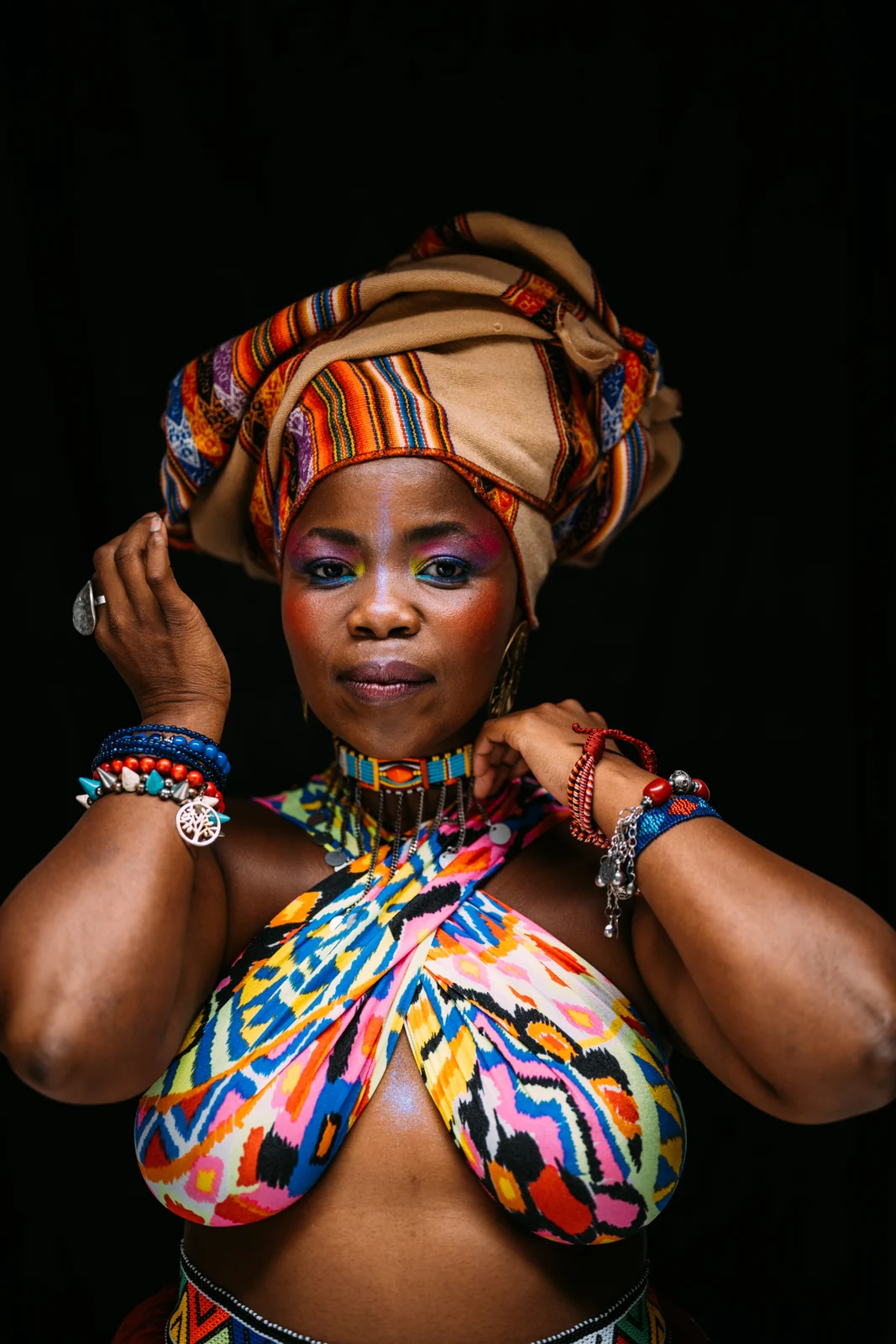
1981–
Zolani Mahola
Singer, actress and storytellerZolani Mahola moved between acting and music before becoming Freshlyground’s recognisable lead voice. The group’s work with Shakira reached World Cup audiences in 2010. Her later theatre and solo recordings brought a more personal storytelling voice forward without erasing the collective work behind the earlier band.Read biography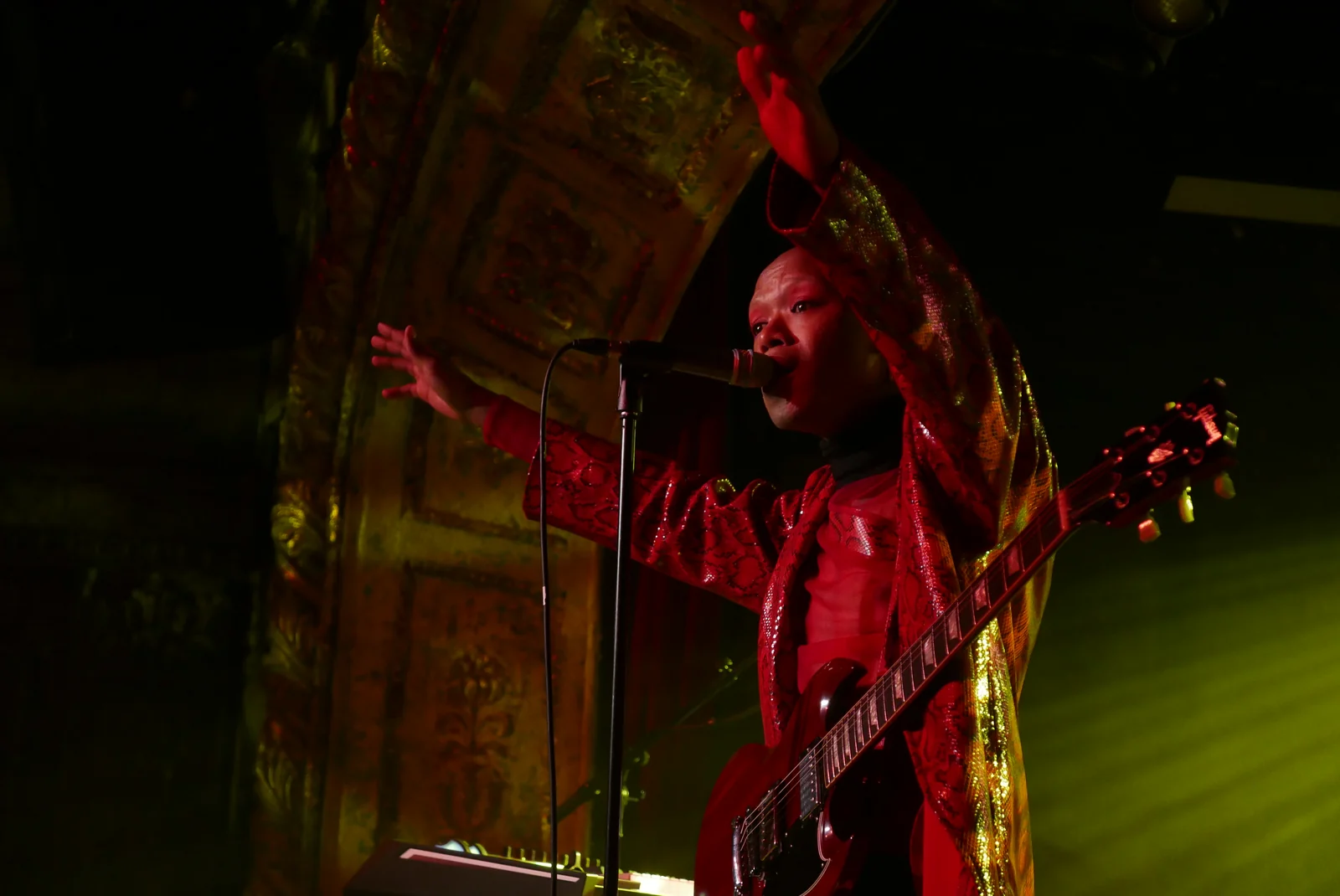
1988–
Nakhane
Singer, songwriter, actor and novelistNakhane is a South African artist whose recordings, fiction and acting explore identity without staying within one medium. Brave Confusion preceded the novel Piggy Boy’s Blues and a leading role in The Wound. You Will Not Die brought electronic production into a personal account of belief and self-acceptance; later work sought different kinds of movement and pleasure.Read biography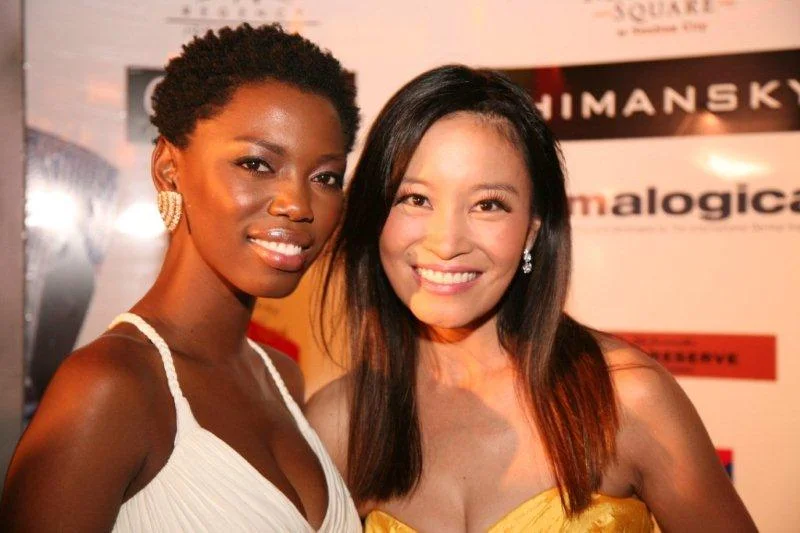
1979–
Lira
Singer and songwriterLira built a South African soul career through songwriting, studio collaboration and live performance. All My Love preceded the Sony breakthrough Feel Good and the award-winning Soul in Mind. Later projects brought her to American listeners and television audiences. A 2022 stroke interrupted that working life; her subsequent accounts describe rehabilitation and a return to singing on her own terms.Read biography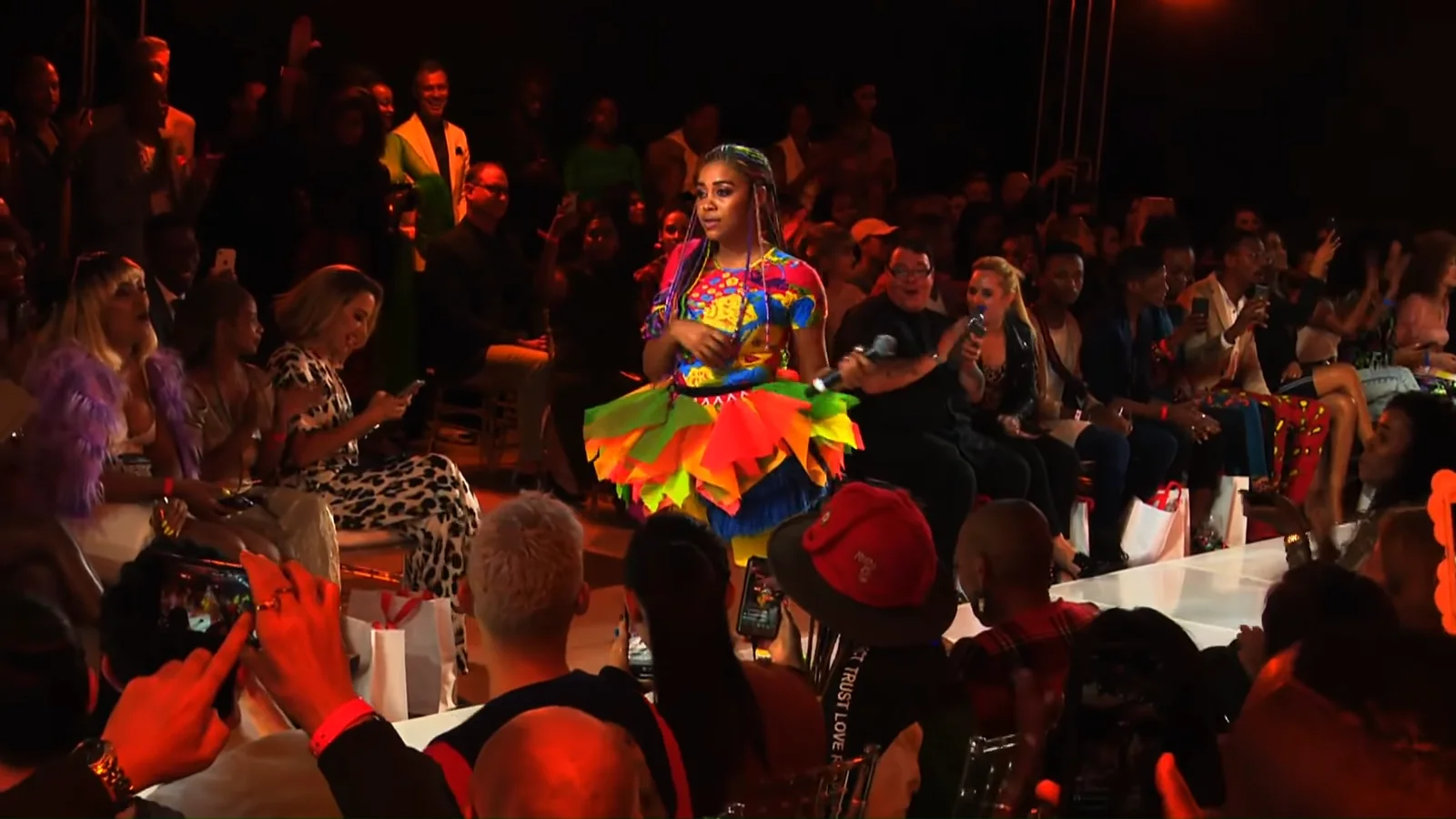
1992–
Sho Madjozi
Rapper, singer and writerSho Madjozi brings Tsonga language, dance and visual identity into music made for several kinds of audience. Writing and life in Tanzania preceded her recording breakthrough. Limpopo Champions League and the later John Cena performance brought wider attention; What A Life and the children’s book Shoma and the Stars extended a career that was never confined to one viral clip.Read biography
1940–2020
Joseph Shabalala
Singer, composer and choir leaderJoseph Shabalala founded Ladysmith Black Mambazo and shaped a choir whose harmonies travelled from South African competitions to international stages. Graceland enlarged an established career rather than beginning it. His work joined composition, disciplined ensemble singing and a commitment to teaching the culture from which the music came.Read biography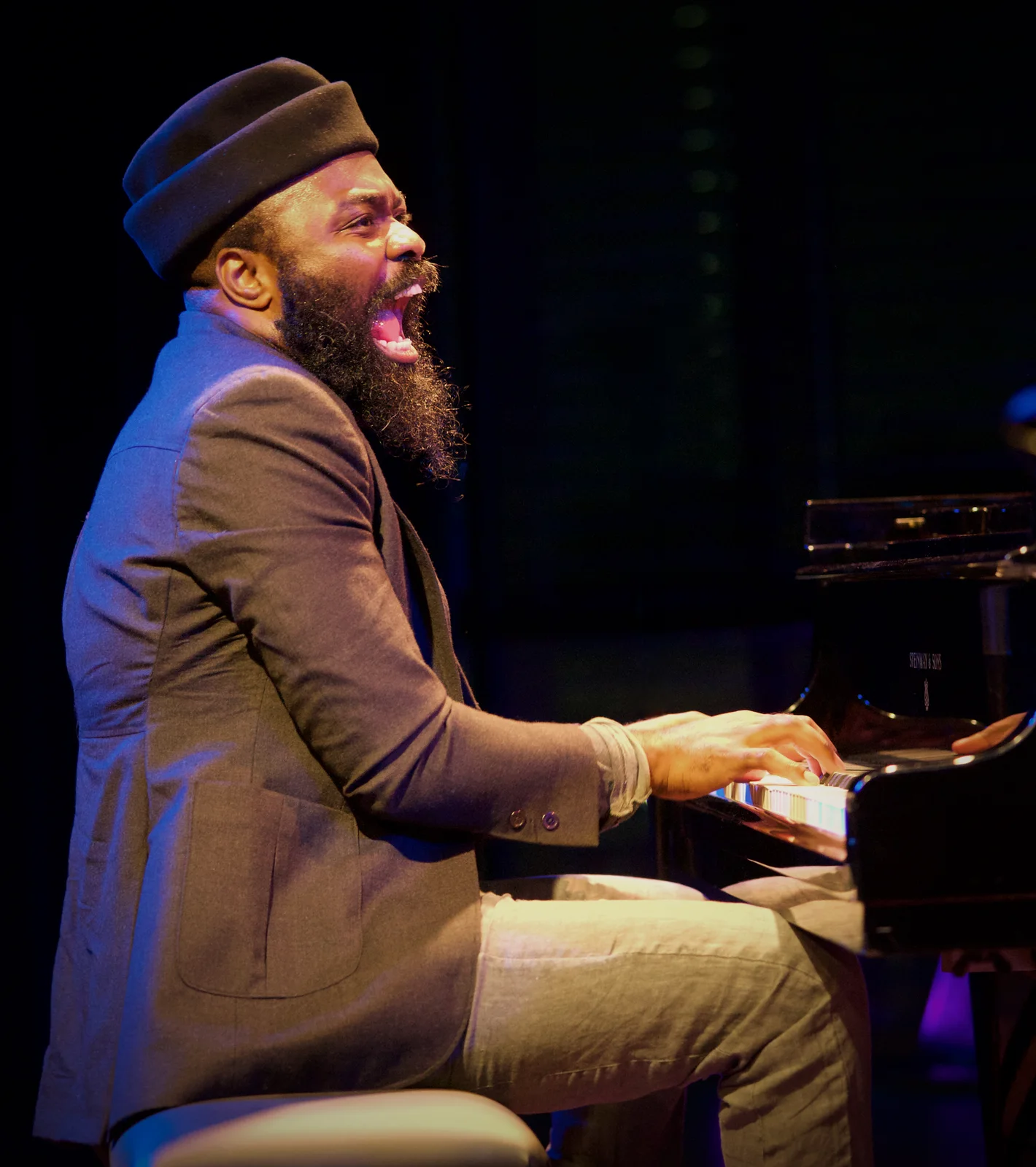
1982–
Nduduzo Makhathini
Jazz pianist, composer and educatorNduduzo Makhathini works across piano performance, composition and research. South African recordings preceded his 2020 Blue Note debut, Modes of Communication. His accounts place inherited spiritual practice alongside jazz mentorship, while later albums and an integrated doctorate extend a career in which artistic practice and scholarship inform each other.Read biographyGo beyond the biography