
The short answer
The General Strike was a coordinated sympathetic stoppage called by the Trades Union Congress in support of miners. Its nine days should be distinguished from the much longer mining dispute, and its outcome from the government’s later presentation of restored national unity.
Chronology
A timeline of the turning points
A temporary subsidy
The government funded a nine-month coal subsidy and established another inquiry.
Samuel Commission reported
It proposed reorganisation, an end to subsidy and wage reductions; negotiations failed.
Miners locked out
Owners demanded new employment terms as the subsidy expired.
National action began
The TUC’s strike call took effect around midnight, drawing in key industries.
TUC ended the strike
The General Council informed Baldwin that the action was being called off unconditionally.
Miners returned
The remaining mining resistance ended with lower wages and longer hours.
Legislative aftermath
The Trade Disputes and Trade Unions Act restricted solidarity action and changed political-levy arrangements.
Coal-industry difficulties became a struggle over living standards
The coal dispute developed through years of depressed exports, contested ownership and arguments over productivity. Britain’s return to the gold standard in 1925 added pressure to exports. Owners sought wage cuts; miners resisted a settlement that placed the burden on their earnings and working day.
The 1925 subsidy postponed confrontation. It also gave the government time to organise essential supplies. The Samuel Commission’s proposals did not resolve the conflict: reorganisation, subsidy withdrawal and wage reductions were connected issues, but the parties disagreed about who should bear the immediate costs.
The TUC called solidarity action in selected industries
When the subsidy ended in April 1926, miners faced lockout unless they accepted new terms. The TUC coordinated support from workers in industries including transport, printing and heavy industry. The strike began at the turn of 3–4 May and is conventionally dated 4–12 May.
The miners’ federation, the TUC General Council, individual unions and local committees were not interchangeable bodies. Their different authority and priorities mattered. National coordination depended on communication and local organisation; it cannot be explained by a single order from one leader or by assuming every worker stopped work.
Government preparedness and public communication shaped the contest
Baldwin’s government used preparations for supply and transport to limit the disruption. Volunteers worked in essential services. The government’s British Gazette and the TUC’s British Worker offered opposing accounts, while BBC broadcasts became an important source of information amid newspaper disruption.
These communications were part of the conflict. Official descriptions of constitutional danger and union claims of solidarity were arguments aimed at audiences, not neutral summaries. Local encounters also differed: cooperation, confrontation and policing could occur within the same national dispute. Warwick’s archive brings those competing voices together.
The nine-day stoppage ended without settling the miners’ case
On 12 May the TUC General Council told the prime minister that the strike was being called off unconditionally. News was broadcast that afternoon. The miners remained out. Calling the end a negotiated victory for their wage demands would therefore misstate both the immediate decision and its limits.
Nor did every workplace return smoothly the next morning. Employers sought altered terms; workers protested, and reinstatement agreements were negotiated over subsequent days. Appeals for cooperation did not erase the risks of victimisation or the loss of income. A national announcement and the lived end of a dispute were different events.
The longer defeat changed union politics
Miners continued through the summer and autumn, eventually returning in late November on worse terms. Exhaustion and hardship were central to the outcome. The miners’ eventual return should not be compressed into the TUC’s decision six months earlier.
The 1927 Act restricted sympathetic industrial action and altered unions’ political funding arrangements. The episode also left arguments within the labour movement over strategy and responsibility. Baldwin’s survival was a political result, but a useful history must also account for miners, families, local organisers and the unequal resources available to each side.
Continue the chronology
Related history guides
Biography context
Explore United Kingdom through connected lives
Connected biographies
Interwar leaders and the industrial dispute
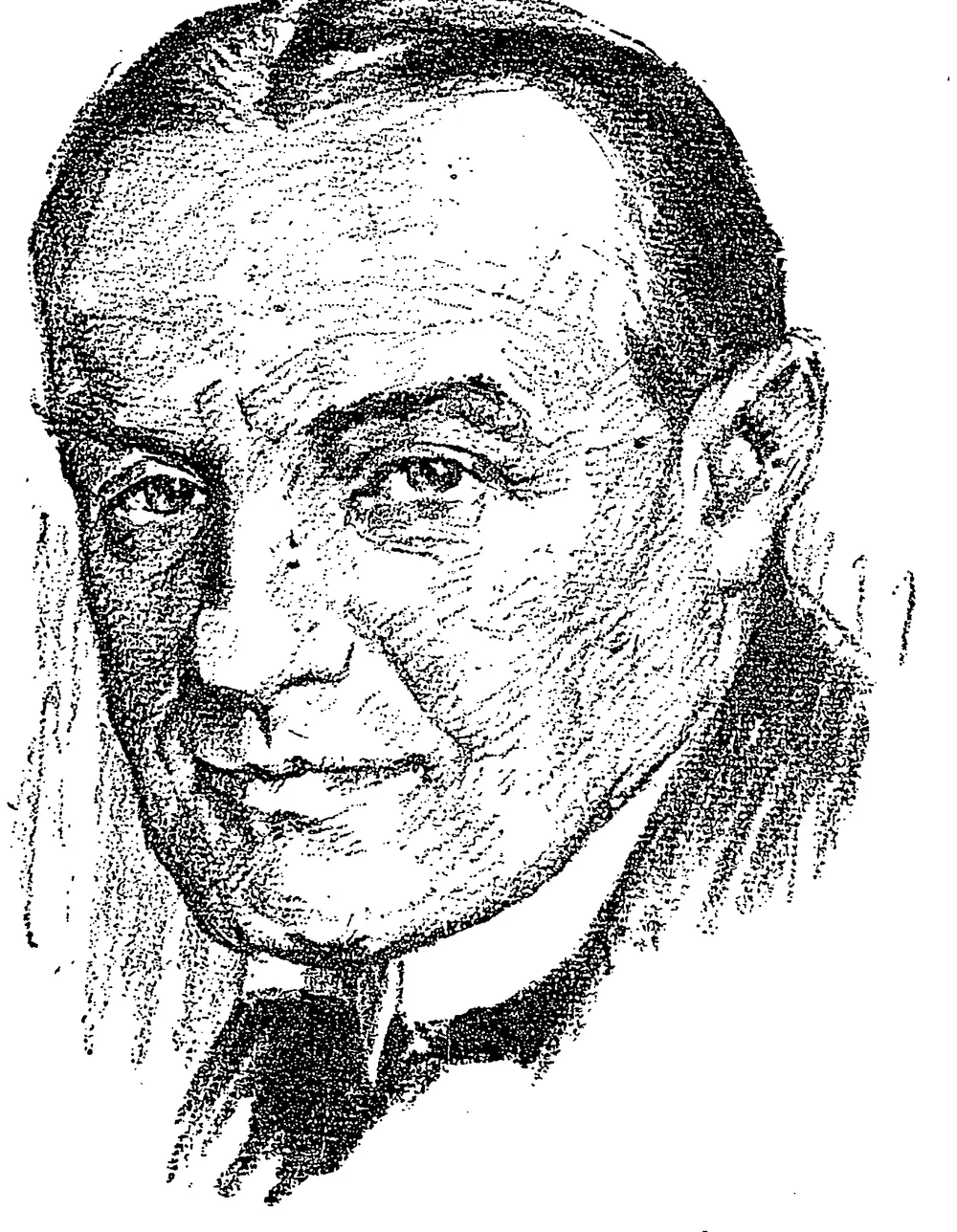
1867–1947
Stanley Baldwin
Conservative prime minister and party leaderStanley Baldwin dominated Conservative politics between the world wars, serving three times as prime minister. His reassuring public manner coexisted with bitter industrial conflict, an expanding electorate and disputed decisions about rearmament.Read biography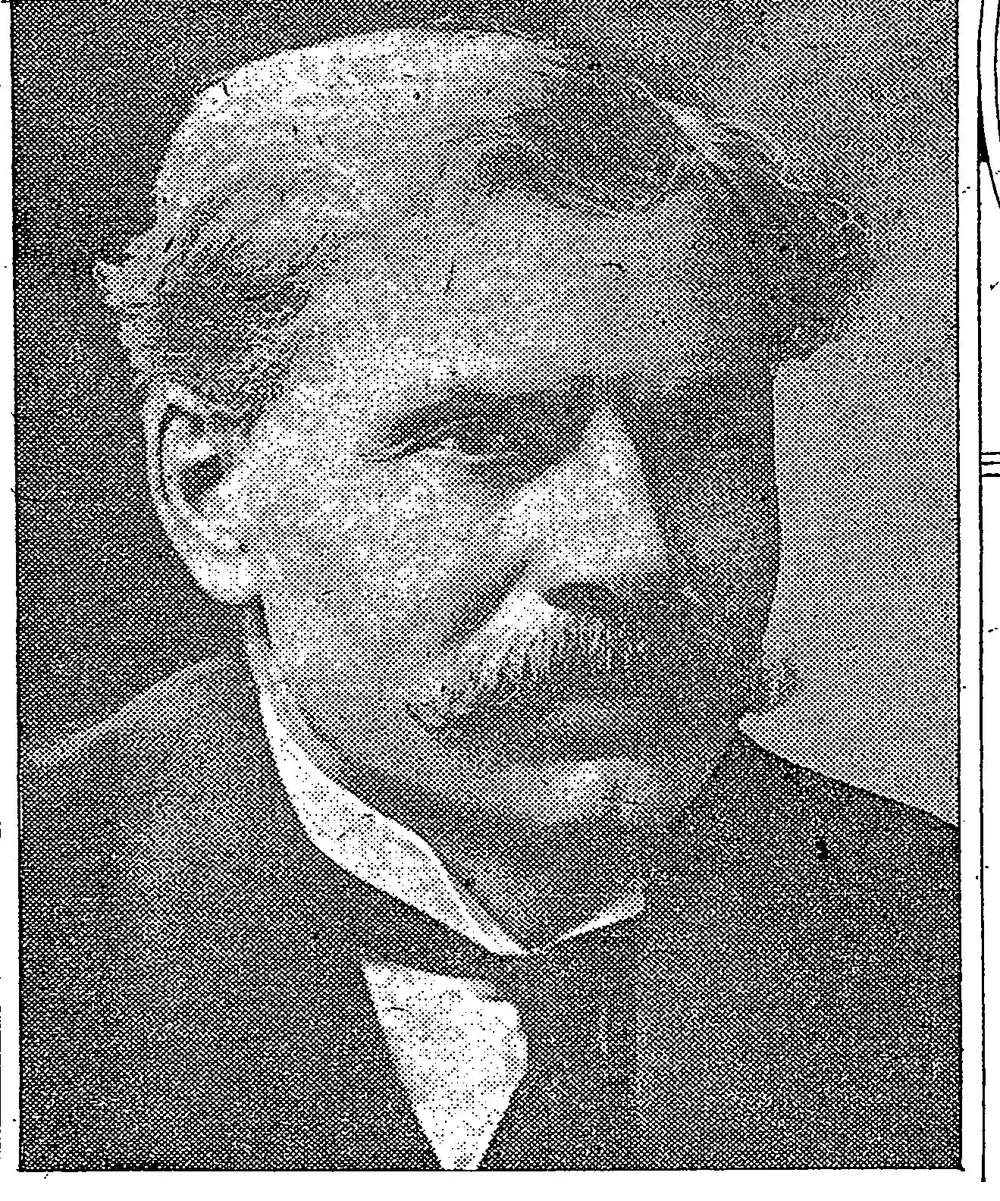
1866–1937
Ramsay MacDonald
Prime minister and Labour Party organiserRamsay MacDonald helped build Labour into a governing party and became its first prime minister in 1924. His decision to head a cross-party government during the 1931 financial crisis brought a lasting rupture with Labour.Read biography
1874–1965
Winston Churchill
British prime minister and writerWinston Churchill was British prime minister in 1940–1945 and 1951–1955. His resistance to Nazi Germany and wartime diplomacy were decisive parts of a much longer career involving political reversals, military failures, writing and imperial power.Read biographyQuick answers
Common questions
- How long did the General Strike last?
- Nine days, conventionally dated 4–12 May 1926. The call took effect around midnight on 3 May.
- Did the miners’ dispute end on 12 May?
- No. Miners remained out and returned in late November, generally facing lower pay and longer hours.
- Did all British workers strike?
- No. The TUC coordinated sympathetic action in selected industries; essential services, non-strikers and volunteers continued work.
Primary and institutional sources
How this history was checked
Read Warwick’s build-up, day-nine and aftermath chronologies and collection introduction. Linked archival documents were described there but not exhaustively opened. The archive’s abbreviated statement that the 1927 Act forbade the political levy is not copied: the legislation changed political-levy arrangements. Official claims about a leader’s personal responsibility for the outcome are treated as interpretation. This article was reviewed on 23 October 2026.
- University of Warwick, Modern Records CentreBuild-up to the General Strike: archive chronology
- University of Warwick, Modern Records CentreGeneral Strike Day 9: 12 May 1926
- University of Warwick, Modern Records CentreAftermath of the General Strike
- University of Warwick, Modern Records CentreReporting the General Strike: collection introduction
- UK Prime Minister’s OfficeStanley Baldwin: governments, legislation and reputation
- Museum of the Prime MinisterStanley Baldwin: biography and interwar politics
- Wikimedia CommonsWoolf’s Baldwin drawing: NYT publication, author and public-domain basis
- Creative CommonsPublic Domain Mark 1.0