
The short answer
On 25 June 1785 the Crown challenged Arkwright’s machinery patent in the Court of King’s Bench. The case mattered not only because witnesses disputed originality, but because exclusive rights were expected to be exchanged for usable public information. A legal verdict is not a complete history of invention.
Chronology
A timeline of the turning points
Spinning-frame patent
This earlier patent concerned the spinning machine, not the later preparatory patent challenged by the Crown.
Preparatory-machinery patent
A second patent covered processes preparing fibres for spinning.
Enforcement and resistance
Private infringement litigation preceded the culminating Crown proceedings.
Rex vs Arkwright
Francis Buller heard the case; the jury found for the Crown.
First identify which patent was at stake
Arkwright held two important patents with different subjects. The 1769 patent concerned the spinning frame. The 1775 patent concerned machinery preparing silk, cotton, flax or wool for spinning, including carding and roving. The distinction matters because the commercial system linked processes that were nevertheless covered by separate legal instruments.
J. Hewish’s study identifies the disputed patent as the second one and states that the 1769 spinning patent was never directly challenged in court. Simplified biographies sometimes merge the machines and the lawsuits into one contest over “the water frame”. That shorthand makes it harder to understand what was annulled. It also encourages a misleading leap from a judgment about a particular specification to a verdict on every part of Arkwright’s industrial contribution.
Why a specification was part of the bargain
A specification described the invention associated with an exclusive right. The problem was not simply whether Arkwright owned working machines or had become commercially successful. The description had to convey the relevant information adequately. In earlier litigation a practical question had been whether a workman experienced in the trade could construct the machinery from what the document supplied.
Hewish describes disconnected details in the 1775 specification, some useful and some misleading. Machinery could work in a proprietor’s mill while still being poorly disclosed on paper. Conversely, explaining a new use of older principles could raise questions distinct from whether every individual component was unprecedented. The case therefore concerned how technical knowledge entered the public record, not only how profits should be divided between competing manufacturers.
Sources for this section: [3]
How the Crown case differed from a private lawsuit
Arkwright had pursued manufacturers for infringement before 1785, and a February 1785 action against Peter Nightingale produced a favourable result for him. That was not the end of the matter. A writ of scire facias initiated proceedings aimed directly at cancelling the grant. In the historical procedure described by Hewish, what the Crown had granted required the Crown’s formal action to annul.
The culminating hearing took place before Francis Buller in Westminster Hall on 25 June. Its existence does not prove that a particular named rival secretly directed every step: Hewish says the identity of the original applicant for the writ remains uncertain. The earlier success against Nightingale and the later defeat were different proceedings, and should not be flattened into a single lawsuit with a changing verdict.
Witnesses, novelty and the verdict
The Crown’s attack included challenges to novelty as well as disclosure. Artisans, former associates and family members gave evidence about earlier machinery and ideas. Such testimony has remained important to later debates over Thomas Highs, John Kay and Arkwright’s own role. It also came from people with different experiences and interests, not from a neutral mechanical test that could settle all priority questions at once.
Buller’s criticism of the specification was decisive in the account given by Hewish, and the jury returned a verdict for the Crown without retiring. The patent was annulled. That result should be stated clearly, without transforming it into proof that Arkwright had contributed nothing. Later research discussed by Derwent Valley Mills questions whether some machines he supposedly copied could have operated successfully in their earlier form.
What the outcome changed—and what remains open
The removal of restrictions helped widen opportunities to use the manufacturing system. Arkwright still owned operating businesses, so loss of the patent was not the disappearance of his mills or immediate personal ruin. The legal case became significant in discussions of patents as information: an exclusive privilege depended on more than possessing a valuable practical secret.
The evidence used here has limits. Wellcome’s catalogue establishes the identity and publication of the 1785 printed trial, but its full transcript has not been read for this guide. Hewish’s later account and the World Heritage Site’s historical discussion support the explanation. Neither allows a claim that all witness testimony has been independently re-examined. The sound conclusion separates patent validity, technical authorship and managerial achievement rather than using one as a substitute for the others.
Continue the chronology
Related history guides
Biography context
Explore United Kingdom through connected lives
Connected biographies
Manufacturers, inventions and rights
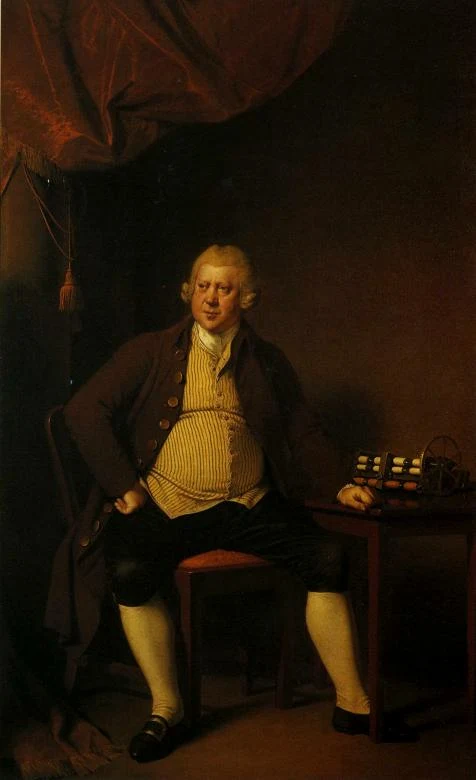
1732–1792
Richard Arkwright
Cotton manufacturer and factory organiserRichard Arkwright combined spinning machinery, water power, finance and supervised labour in an influential factory system. His mills transformed cotton manufacturing, while disputed patents, child labour and global cotton supplies complicate the image of a solitary self-made inventor.Read biography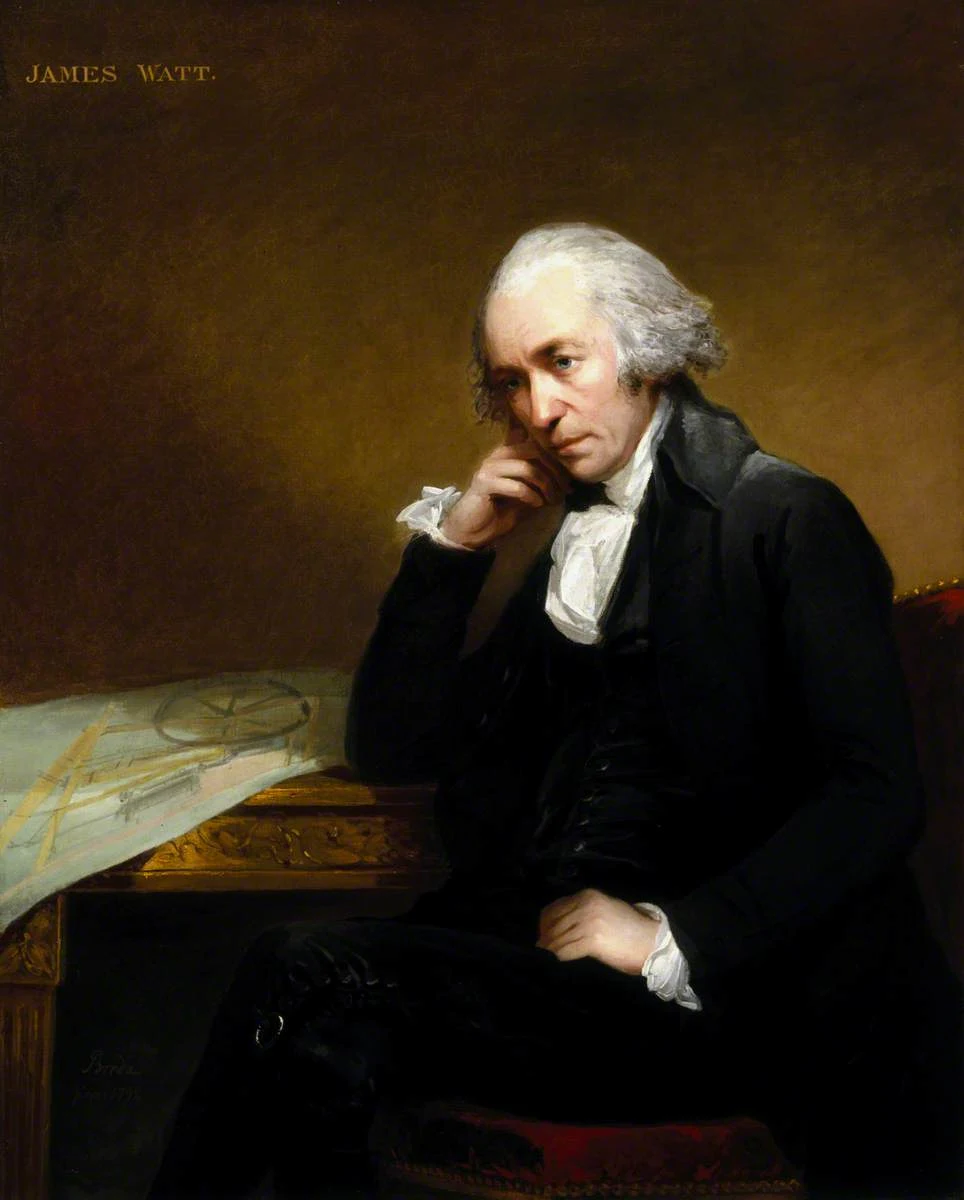
1736–1819
James Watt
Engineer, instrument maker and steam-power entrepreneurJames Watt made existing steam-engine technology substantially more efficient and helped turn it into an industrial business. His achievements depended on scientific exchange, skilled collaborators and Matthew Boulton’s commercial organisation; his life also had documented connections to slavery.Read biographyQuick answers
Common questions
- Was this a criminal trial for stealing an invention?
- It was a Crown proceeding to annul a patent, not a criminal theft prosecution. Originality was disputed, but disclosure and the legal validity of the grant were central.
- Did the result prove who invented every part of the machinery?
- No. Witness testimony informs that debate, but a patent’s invalidity is not a complete historical allocation of authorship. Later research has challenged simplistic accounts of copying.
- Did the defeat end Arkwright’s manufacturing business?
- No. Losing the patent removed its exclusive protection but did not remove his operating mills or managerial expertise. Arkwright continued as a manufacturer after the legal defeat.
Primary and institutional sources
How this history was checked
J. Hewish’s substantive 1986 article was read through its indexed full text; direct opening returned 403. It draws on the writer’s participation in the Science Reference Library’s bicentenary exhibition. Wellcome supplies transcript metadata only. This is historical explanation, not current patent-law guidance or a claim to reading the original 191-page trial transcript. This article was reviewed on 23 October 2026.
- Derwent Valley Mills World Heritage SiteKey Figures: Richard Arkwright and the disputed invention narrative
- Derwent Valley Mills World Heritage SiteHistory and Development: machinery, management, workforce and water power
- World Patent Information / J. HewishRex vs Arkwright, 1785: A judgment for patents as information, 8(1), 1986, pp.33–37
- Wellcome CollectionThe trial of a cause … to repeal a patent: 1785 printed transcript catalogue record, not the transcript text
- Wikimedia CommonsJoseph Wright of Derby’s Sir Richard Arkwright, circa 1789–90: public-domain record
- Creative CommonsPublic Domain Mark 1.0