
The short answer
On 9 April 1939, Marian Anderson gave a free concert at the Lincoln Memorial after racial exclusion prevented a planned performance at Constitution Hall. The event brought together musical artistry, a large organizing coalition and a national audience. Understanding how it happened is more revealing than treating it as an isolated moment of triumph.
Different contributions
The coalition behind the concert
The event depended on different kinds of work. These roles overlap, but should not be collapsed into a claim that one famous supporter arranged everything.
| Participant or group | Contribution | Important distinction |
|---|---|---|
| Anderson, Hurok and Howard University | Artist, management and concert-series context | The singer's professional needs and decisions preceded the alternative-site plan. |
| NAACP and the citizens' committee | Protest, organizing and public support | Collective organizing was not simply the action of a single prominent patron. |
| Eleanor Roosevelt | Public protest and influential support | Her DAR resignation was not the same task as performing or accompanying. |
| Harold Ickes | Governmental support for the site and concert introduction | Federal authorization and logistics were part of making the alternative possible. |
| Kosti Vehanen and broadcasting personnel | Musical accompaniment and transmission | The performance was collaborative even when the lasting image centers Anderson. |
Chronology
A timeline of the turning points
A growing Washington audience
Howard University's concert series helped bring Anderson to audiences whose demand required larger venues.
Constitution Hall denied
The DAR's exclusion of Black performers prevented the proposed use of the hall.
Eleanor Roosevelt's protest
Her public resignation from the DAR helped make the controversy a national issue.
Sponsors mobilized
Caroline O'Day's telegram invited Elizabeth Sprague Coolidge to support the free memorial concert.
The concert
Anderson and pianist Kosti Vehanen performed at the Lincoln Memorial after Harold Ickes's introduction.
A different institutional milestone
Anderson's Met debut came nearly sixteen years later, underscoring that the 1939 concert had not removed every barrier.
A venue problem exposed a system of exclusion
Howard University had been presenting Anderson in Washington, and her growing popularity created a practical problem: finding enough space for her audience. Constitution Hall appeared to offer a solution. The Daughters of the American Revolution, which owned it, maintained a policy excluding Black performers. Anderson's international reputation did not secure an exception. The refusal concerned race, not a judgment that she lacked artistic standing.
This distinction is important to the event's history. The concert did not begin as an attempt to stage a symbolic spectacle before a monument. It grew out of an ordinary professional requirement that discrimination made impossible to meet. Access to an appropriate stage was part of the ability to work as a musician. The alternative venue would acquire its meaning because the original request had exposed unequal rules.
No single person organized the response
Anderson and her manager Sol Hurok were central, but the response involved Howard University, the NAACP, the Marian Anderson Citizens' Committee and other supporters. Walter White of the NAACP helped mobilize pressure and influential allies. Eleanor Roosevelt's resignation from the DAR gave the protest extraordinary visibility. Interior Secretary Harold Ickes helped turn the proposed alternative into an authorized event at a federal memorial.
The Library of Congress's account of the surviving program reveals another layer of organizing. An April telegram asked music patron Elizabeth Sprague Coolidge to join the sponsors, whose ranks included artists, officials and Howard University figures. Sponsorship was not the same job as management, performing or securing the site, but it supplied public support. The coalition's different tasks explain how a refusal at one institution became an event that another could accommodate.
A memorial had to become a performance space
The concert took place on Easter Sunday, 9 April 1939. Ickes introduced Anderson, and the statue of Abraham Lincoln stood behind the performers. A site associated with emancipation gave the appearance a meaning that a conventional auditorium would not have supplied. The audience could connect the singer's exclusion with the country's stated ideals, while hearing a concert rather than only a political speech.
The setting also required practical arrangements. A piano, an accompanist, microphones and broadcasting facilities made an outdoor recital possible for listeners spread across a large area. Kosti Vehanen accompanied Anderson; his role should not disappear behind the famous image of a lone singer before Lincoln. The scale of the occasion depended on these ordinary musical and technical necessities as well as on the extraordinary choice of location.
The program asserted the breadth of her artistry
Anderson opened with America, also known as My Country, 'Tis of Thee. The program included the aria O mio Fernando, Schubert's Ave Maria and African American spirituals. The Library's recording essay identifies Gospel Train, Trampin' and My Soul Is Anchored in the Lord, followed by a spiritual encore. The range reflected an accomplished recitalist's repertoire rather than a performance limited to a single musical category.
That breadth matters to interpretation. A patriotic song addressed public belonging; European concert selections claimed a place within the classical tradition; spirituals carried another rich performance history. None should be treated as filler between political statements. Anderson's agency included choosing and interpreting music, not merely accepting the role of a symbol. Keeping the program in view allows the musical event to remain audible within the larger civil-rights story.
An integrated crowd and a larger radio public
An estimated 75,000 people attended, forming an integrated audience in a city marked by segregation. NBC's broadcast extended the performance beyond those who could stand near the memorial. The Library's NAACP exhibition treats the gathering as an important image of the struggle for Black equality. Its public power came partly from the contrast between the exclusion that caused it and the audience now assembled to listen.
Radio and photographs preserved different aspects of the occasion. The sound record carries performance and spoken framing; photographs show the crowd, setting and participants at particular instants. Neither should be confused with complete access to every attendee's experience. Together, these records help explain how a short concert became a national event, and why later public gatherings at the memorial could draw on its example without simply repeating it.
A landmark did not finish the work of desegregation
The concert challenged racial exclusion in a highly visible way, but it did not immediately change every institution's rules. Anderson later performed at Constitution Hall under specific conditions, and barriers persisted elsewhere. Her Metropolitan Opera debut in 1955 was a separate breakthrough: the first African American artist to sing a leading role with that company. The interval matters as much as the connection between the two milestones.
The most useful account therefore avoids both a single-rescuer legend and an overnight victory. Anderson supplied the artistry and courage; a coalition secured the opportunity; audiences and broadcasting enlarged its reach. The event became a lasting reference point because it exposed a contradiction in American public life so clearly. Its significance survives without requiring the inaccurate claim that one performance ended segregation or created the entire civil-rights movement by itself.
Biography context
Explore United States through connected lives
Marian Anderson
Place the 1939 concert within a longer international recital career and the later Met debut.
Explore the biographiesAnother concert careerPaul Robeson
Compare another singer's relationship with public representation, international audiences and civil rights.
Explore the biographiesMusic and protestNina Simone
Explore a different generation's choices about performance and racial justice.
Explore the biographiesConnected biographies
Artists and public life
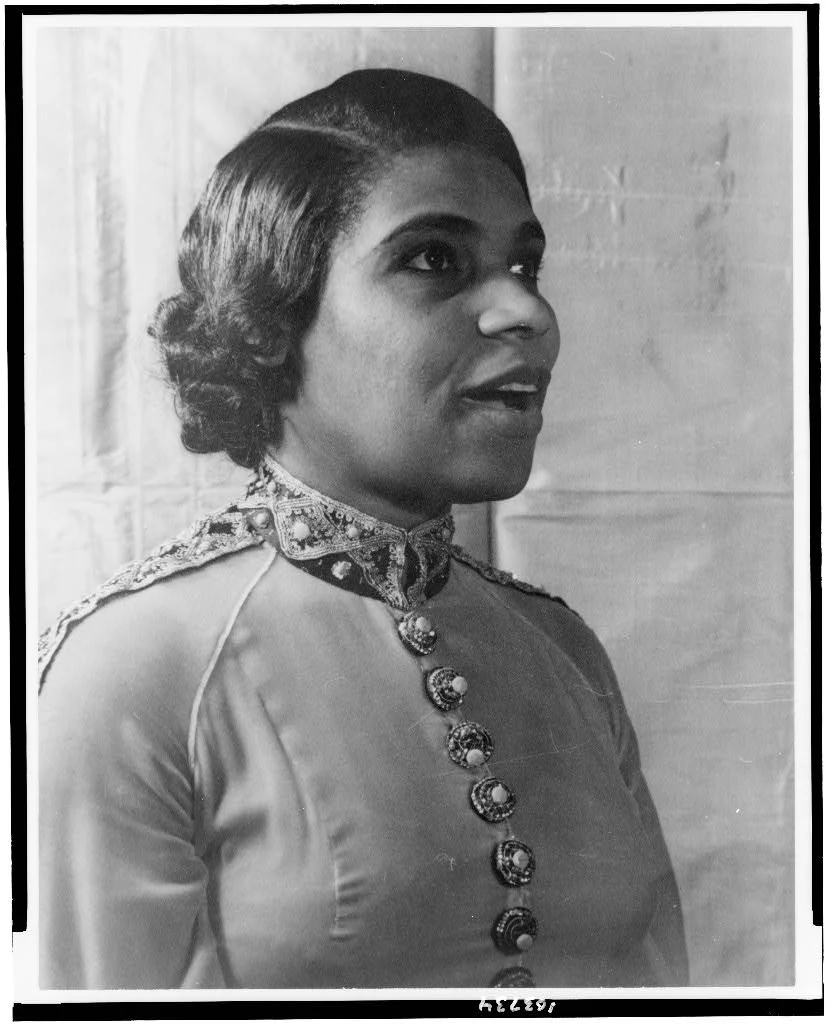
1897–1993
Marian Anderson
Contralto and concert singerMarian Anderson was an American contralto whose interpretations of art songs and spirituals won international acclaim while challenging racial exclusion.Read biography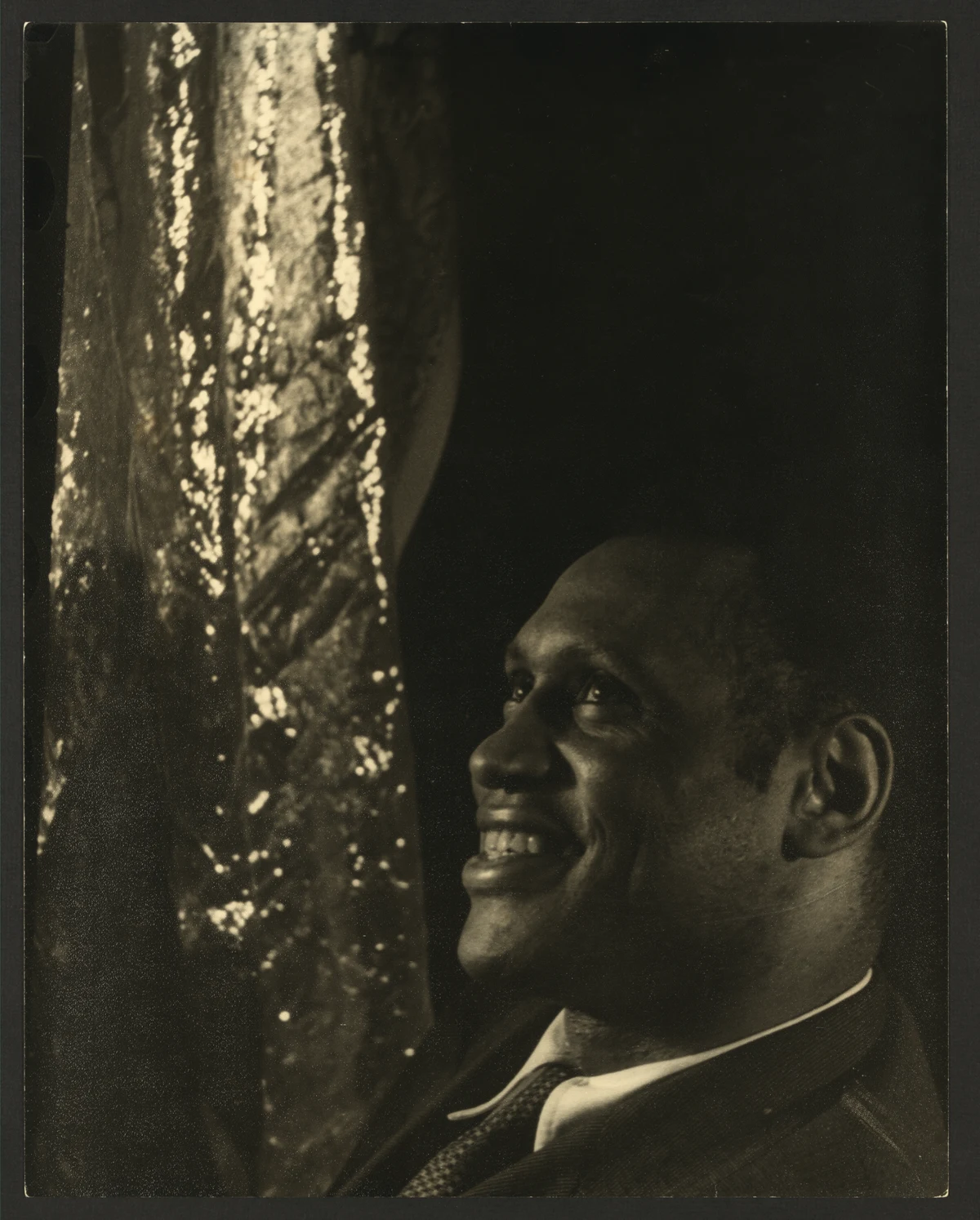
1898–1976
Paul Robeson
Singer, actor and political activistA singer and actor who brought Black musical traditions to international audiences and made his public career a platform for labor, civil rights and anti-colonial causes.Read biography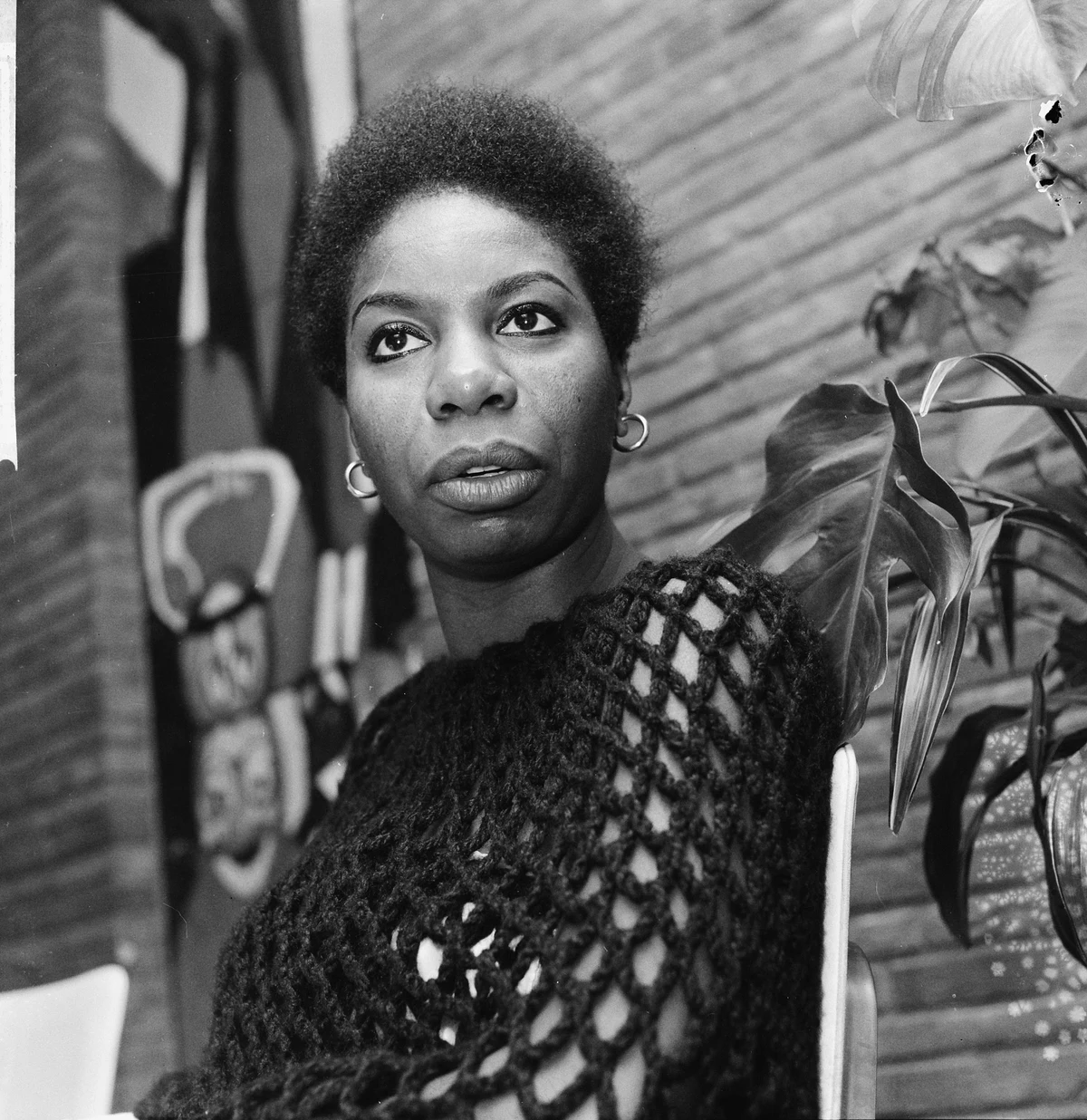
1933–2003
Nina Simone
Pianist, singer, songwriter and civil rights activistBorn Eunice Kathleen Waymon, Nina Simone combined classical piano training, gospel, blues, folk and popular song in a career that made musical interpretation inseparable from public conviction.Read biographyQuick answers
Common questions
- Why did Anderson perform at the Lincoln Memorial?
- Constitution Hall's exclusion of Black performers blocked the proposed venue. Anderson and a broad group of supporters developed the free outdoor alternative.
- Did Eleanor Roosevelt organize the concert alone?
- No. Her public protest mattered, alongside Anderson, Sol Hurok, Howard University, the NAACP, a citizens' committee, Harold Ickes and others.
- Who accompanied Anderson?
- Pianist Kosti Vehanen accompanied her. Microphones and NBC radio also helped carry the performance to a large audience.
- Was this Anderson's Metropolitan Opera debut?
- No. The Lincoln Memorial concert was on 9 April 1939. Her Met debut as Ulrica took place on 7 January 1955.
Primary and institutional sources
How this history was checked
The guide draws on NPS accounts, the Library of Congress's program and NAACP collection descriptions, and Cary O'Dell's three-page National Recording Registry essay. Program descriptions were read, not the original program's image pixels; no complete broadcast audition or full autobiography reading is claimed. No lyrics or memoir passages are reproduced. This article was reviewed on 21 October 2026.
- National Park ServiceMarian Anderson and Constitution Hall
- National Park ServiceMarian Anderson: Home of Franklin D. Roosevelt National Historic Site
- Library of CongressMarian Anderson's Lincoln Memorial Moment
- Library of Congress, National Recording RegistryNBC Radio Coverage of Marian Anderson's Recital at the Lincoln Memorial — Cary O'Dell
- Library of CongressNAACP: The Great Depression, Marian Anderson Concert
- National Park ServiceLincoln Bicentennial Events: Anderson Tribute
- Metropolitan OperaJanuary 1955: Marian Anderson's Debut