
The short answer
Parti Bersatu Sabah was founded by Joseph Pairin Kitingan in March 1985 and won the state election weeks later. It governed Sabah until defections overturned its narrow 1994 majority, rejoined BN in 2002 and now operates inside GRS under its third president, Joachim Gunsalam.
Leadership succession
The three presidents of Parti Bersatu Sabah
PBS has changed presidents only twice since its formation. Each transition marks a different phase in the party’s relationship with state and federal coalitions.
| President | Leadership period | Defining phase | Connected biography |
|---|---|---|---|
| Joseph Pairin Kitingan | Founder to 2018 | 1985 victory, state government, opposition and return to BN | Founder and Sabah chief minister, 1985–1994 |
| Maximus Ongkili | 2018–2026; duties transferred in 2024 | Post-BN realignment and entry into GRS | Federal minister and second party president |
| Joachim Gunsalam | Formally installed 26 September 2026 | Leadership renewal while remaining in GRS | Sabah deputy chief minister and third president |
Chronology
A timeline of the turning points
Pairin retains Tambunan as an independent
Joseph Pairin Kitingan’s by-election victory after leaving BERJAYA supplied the political base for a new state party.
Parti Bersatu Sabah is founded
PBS was organised around Pairin only weeks before the state election campaign.
PBS wins 25 of 48 seats
The new party defeated the BERJAYA government and secured the narrowest possible assembly majority.
Pairin becomes chief minister
The official Sabah list records the start of his chief-ministerial term after a disputed post-election transition.
PBS wins a stronger second mandate
A snap election held after defections and political unrest returned PBS with a two-thirds majority.
PBS joins Barisan Nasional
The Sabah party entered the federal governing coalition while retaining its own regional organisation.
PBS leaves BN before the general election
The realignment placed the Sabah government in opposition to the federal coalition and sharpened federal–state tensions.
An election win is followed by loss of government
PBS won 25 seats to BN’s 23, but defections removed its majority and ended Pairin’s nine-year administration.
PBS returns to Barisan Nasional
After years in opposition, the party was readmitted to the federal coalition and later held cabinet roles.
Maximus Ongkili succeeds Pairin
Pairin ended his long presidency and Maximus became the party’s second president.
PBS helps form and then register GRS
The party joined the 2020 Sabah election alliance and became a component of the registered Gabungan Rakyat Sabah coalition.
Joachim Gunsalam becomes third president
After serving as acting president from 2024, Joachim formally succeeded Maximus at the party congress.
What is Parti Bersatu Sabah?
Parti Bersatu Sabah means United Sabah Party and is usually known by the initials PBS. It is a multiracial regional party whose organisation, leadership and electoral base are centred in Sabah.
PBS emerged from a break with the BERJAYA state government in the mid-1980s. Its rise placed state autonomy, communal inclusion and the relationship between Kota Kinabalu and Kuala Lumpur at the centre of Sabah politics.
The party has occupied several roles: state government from 1985 to 1994, opposition, a Barisan Nasional component and, more recently, a component of Gabungan Rakyat Sabah. Those changes make dates essential whenever its alliances are described.
Why did Joseph Pairin Kitingan form PBS?
Pairin had served in BERJAYA but broke with its leadership and retained Tambunan as an independent in a December 1984 by-election. The result demonstrated that he possessed an electoral following outside the governing party.
PBS was founded on 5 March 1985, shortly before a state election. Academic accounts connect its formation to dissatisfaction with BERJAYA, including disputes over state leadership, identity, religion and the transfer of Labuan to the federal government.
Although Pairin’s Kadazandusun standing was important, PBS presented itself as multiracial and fielded candidates across communities. That wider coalition helped a newly created party win enough constituencies to form the government.
How did PBS take power in 1985?
The April 1985 contest produced one of Sabah’s most consequential results. PBS won 25 of the 48 assembly seats, USNO won 16, BERJAYA won six and PASOK won one in the detailed historical dataset.
Twenty-five seats constituted a majority of one. A disputed attempt to install USNO leader Datu Mustapha Datu Harun was followed by Pairin’s appointment; Sabah’s official record dates his term as chief minister from 22 April 1985.
Defections and unrest made the first government fragile. Pairin called another election in May 1986, and PBS returned with a much larger majority. The second victory gave the party a clearer mandate than the one-seat margin of 1985.
Why did PBS join and later leave Barisan Nasional?
PBS entered Barisan Nasional after the 1986 state election. Joining the federal governing coalition created a route to cooperation and development funding after the confrontation surrounding its first victory.
The relationship remained uneasy. Research on the Pairin period records recurring federal–state disputes over political authority, administrative control and Sabah’s representation within the federation.
PBS left BN shortly before the October 1990 general election and aligned with the opposition Gagasan Rakyat. The departure was electorally and symbolically important because PBS still controlled the Sabah government when it changed sides.
What happened to PBS after the 1994 election?
PBS again finished first in February 1994, winning 25 of 48 seats against 23 for BN. It was a legal electoral victory, but the two-seat advantage left the government exposed to any change of allegiance.
Elected PBS members defected and several new parties emerged in support of BN. Pairin resigned on 17 March, and the official chief-minister list records Sakaran Dandai beginning his term that day.
The episode divided the party and ended nine years of PBS government. It also became a lasting Malaysian example of how a post-election majority could reverse a result before later federal and state anti-party-hopping reforms.
How did PBS return to government?
PBS remained outside BN through the rest of the 1990s. It applied to rejoin and was formally readmitted in January 2002, restoring access to state and federal governing coalitions.
Pairin later served for years as a Sabah deputy chief minister, while Maximus Ongkili became a federal minister. These roles marked a shift from confrontation with BN to participation inside it.
The 2018 election ended BN rule nationally and changed Sabah’s alliances again. PBS left the defeated coalition, participated in a Sabah-based opposition arrangement and then joined the GRS election umbrella in 2020.
Who has led PBS?
Joseph Pairin Kitingan founded PBS and served as its first president for more than three decades. His tenure encompassed the party’s creation, four state election campaigns as the governing party, the loss of office and eventual return to BN.
Maximus Ongkili succeeded Pairin in 2018. He had represented the party in Parliament and the federal cabinet, and he led PBS through its move into the GRS structure.
Maximus transferred presidential responsibilities to deputy president Joachim Gunsalam in June 2024. Joachim was elected unopposed for the 2026–2029 term and formally installed as the third president on 26 September 2026.
What is the party’s role in GRS?
PBS was part of the broader GRS-aligned force that won the 2020 Sabah election. When GRS became a registered coalition in 2022, PBS was one of its locally rooted components.
The relationship gives PBS a route into the Sabah government while allowing it to keep its own name, organisation and historical identity. Joachim also serves in the state administration, connecting party leadership with coalition government.
As of this article’s 4 October 2026 review, PBS remains in GRS. Because Sabah coalition membership can change, that statement is deliberately dated rather than presented as a permanent alignment.
Continue the chronology
Related history guides
STAR Sabah: History and Elections
Compare PBS with Jeffrey Kitingan’s later party, their 2024 memorandum and different 2025 choices.
Read the timeline5 May 2013The 2013 Sabah State Election
See why PBS fell from twelve seats to seven as the opposition expanded.
Read the timeline8 March 2008The 2008 Sabah State Election
See how PBS won twelve seats but lost Sri Tanjong to DAP.
Read the timeline21 March 2004The 2004 Sabah State Election
See how PBS won 13 seats as a BN component two years after rejoining the coalition.
Read the timeline20–21 April 1985The 1985 Sabah State Election
See how a party founded weeks earlier won a one-seat majority.
Read the timeline4–5 May 1986The 1986 Sabah Election and Political Unrest
Follow the snap poll that gave PBS a two-thirds majority and led it into BN.
Read the timelineJuly–October 1990The 1990 Sabah Election and PBS–BN Split
See how a 36-seat PBS government moved from BN into federal opposition.
Read the timelineFebruary–March 1994The 1994 Sabah Political Crisis
Follow the election, defections and change of government.
Read the timeline12–13 March 1999The 1999 Sabah State Election
Read how PBS retained 17 seats and a strong Kadazandusun base while BN won government.
Read the timeline2020–presentGabungan Rakyat Sabah: History and Parties
Place PBS inside the current regional coalition.
Read the timeline1952–presentMalaysia’s Political Parties Explained
Understand the difference between a party, coalition and government bloc.
Read the timelineBiography context
Explore Sabah, Malaysia through connected lives
Connected biographies
Seven leaders connected to PBS and modern Sabah politics
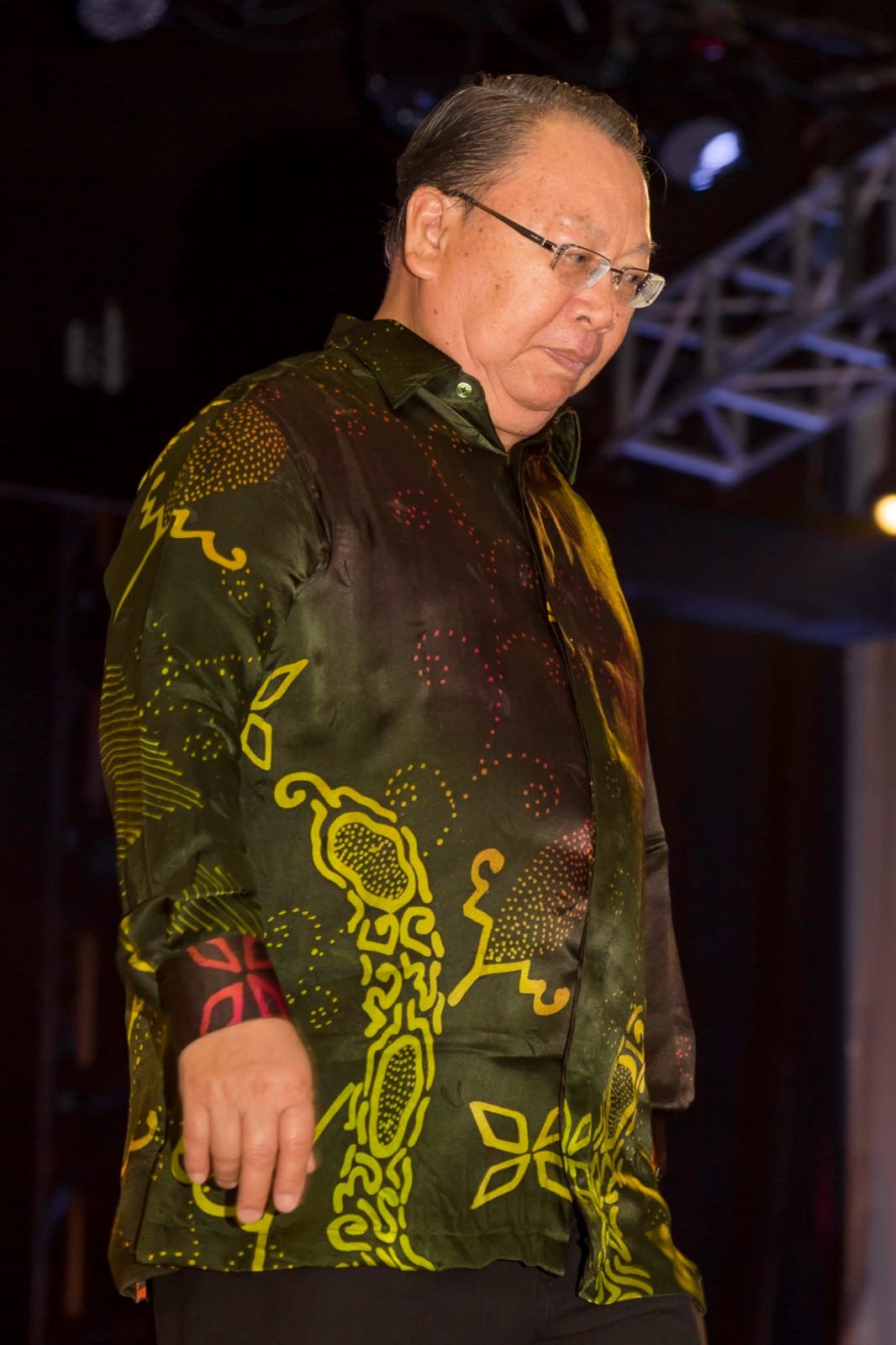
1940—
Joseph Pairin Kitingan
Founder of PBS and former Chief Minister of SabahThe lawyer and Kadazandusun leader who founded PBS, led four consecutive state-election victories and served as Sabah’s chief minister for nearly nine years.Read biography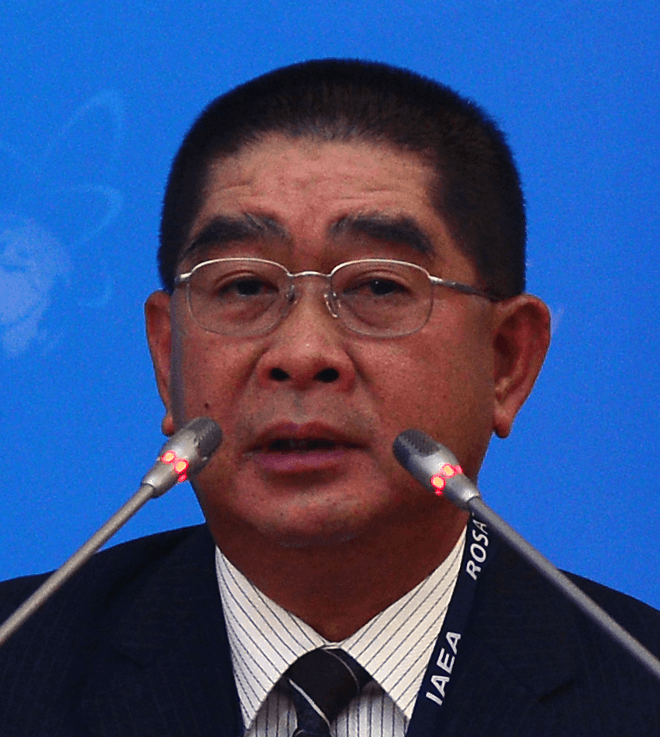
1953—
Maximus Ongkili
Chairman of the Energy Commission of Sabah and former PBS PresidentThe researcher-turned-politician who represented Sabah in Parliament for twenty-seven years, led several federal ministries and became PBS’s second president.Read biography1958—
Joachim Gunsalam
Deputy Chief Minister of Sabah and President of PBSThe physician and six-term Kundasang assemblyman who rose through PBS, entered Sabah’s senior cabinet and became the party’s third president.Read biography
1948—
Jeffrey Kitingan
President of STAR and Member of Parliament for KeningauThe Keningau MP, Tambunan assemblyman and STAR founder whose long career centres on Sabah autonomy, MA63 and Indigenous political representation.Read biography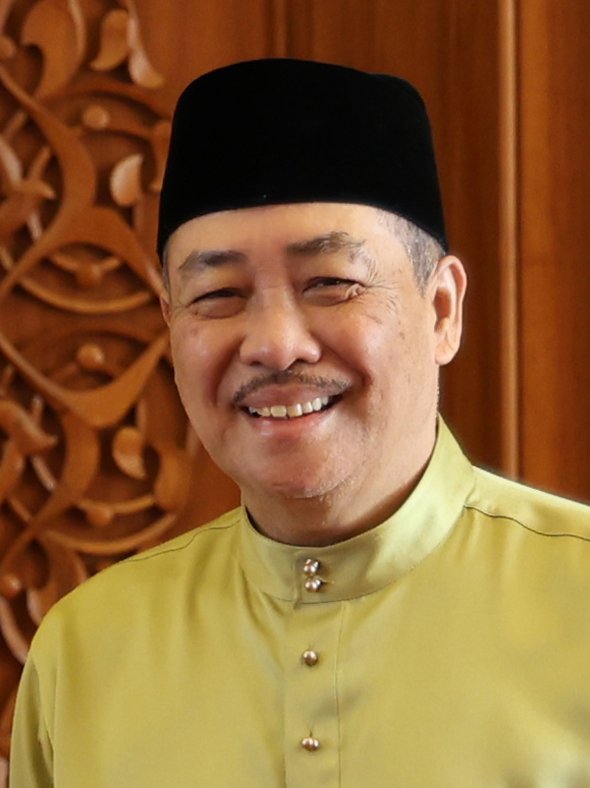
1955—
Hajiji Noor
Chief Minister of Sabah and Chairman of Gabungan Rakyat SabahThe long-serving Sulaman assemblyman who became Sabah chief minister in 2020 and won a second term at the 2025 state election.Read biography1958—
Yong Teck Lee
President of the Sabah Progressive PartyThe lawyer and former PBS deputy leader who founded SAPP in 1994, led Sabah from 1996 to 1998 and later returned as a nominated assemblyman.Read biography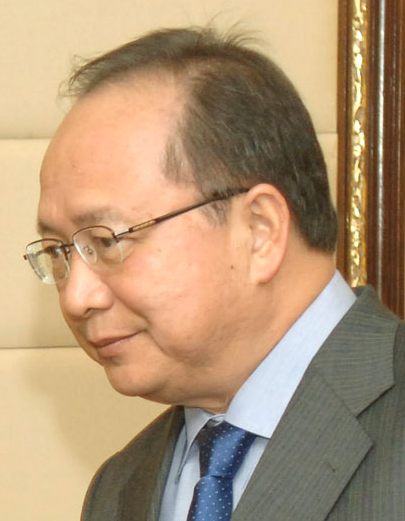
1949—
Bernard Dompok
Former Chief Minister of Sabah and Malaysian ambassadorThe land valuer turned political leader who served ten months as Sabah chief minister, led UPKO for two decades and later represented Malaysia at the Vatican.Read biographyQuick answers
Common questions
- What does PBS stand for in Sabah politics?
- PBS stands for Parti Bersatu Sabah, commonly translated as United Sabah Party.
- Who founded Parti Bersatu Sabah?
- Joseph Pairin Kitingan founded PBS in March 1985 after leaving BERJAYA and winning the Tambunan by-election as an independent.
- When was PBS founded?
- The party was founded on 5 March 1985.
- How many seats did PBS win in 1985?
- PBS won 25 of the 48 Sabah State Legislative Assembly seats, giving it a majority of one.
- How long did PBS govern Sabah?
- PBS led the state government from April 1985 until March 1994 under Chief Minister Joseph Pairin Kitingan.
- Why did PBS lose power in 1994?
- It won 25 seats to BN’s 23 but lost its assembly majority after elected members defected, leading Pairin to resign.
- Who is the president of PBS in 2026?
- Joachim Gunsalam was formally installed as the party’s third president on 26 September 2026.
- Was Maximus Ongkili president of PBS?
- Yes. Maximus succeeded Pairin in 2018 and later transferred responsibilities to Joachim, who formally became president in 2026.
- Is PBS part of GRS?
- Yes. At the 4 October 2026 review date, PBS is a component of Gabungan Rakyat Sabah.
Primary and institutional sources
How this history was checked
Academic election studies establish the 1985 and 1994 turning points; official Sabah and parliamentary records verify offices and institutional history; dated reporting establishes the 2026 leadership transition. This article was reviewed on 4 October 2026.
- Parti Bersatu SabahOfficial PBS Website
- University of California PressThe Sabah State Elections of April 1985
- Election Commission of Malaysia, Sabah OfficeHistory of Elections in Sabah
- IRASEC / Universiti Malaysia SarawakPolitical Development in Sabah, 1985–2010
- Government of SabahFormer Chief Ministers of Sabah
- Kajian Malaysia, Universiti Sains MalaysiaPilihanraya Negeri Sabah 1994
- Parliament of MalaysiaParti Bersatu Sabah Election Reform Memorandum
- BERNAMADr Joachim Elected PBS President Unopposed
- The StarJoachim Officially Takes Helm of PBS
- Wikimedia CommonsJoseph Pairin Kitingan Portrait and Licence Record