
The short answer
The Philippine vice presidency combines a nationwide mandate with few permanently assigned powers. Its history is therefore a story of succession, cabinet delegation, split-ticket elections and political independence. This complete timeline distinguishes recognised officeholders from Arturo Tolentino’s disputed 1986 claim and records every period when the office stood vacant or disappeared from the constitutional order.
Chronology
A timeline of the turning points
Sergio Osmeña · first vice president
Elected with Commonwealth President Manuel L. Quezon and succeeded him after Quezon died in exile.
The office remains vacant
The 1935 Constitution provided presidential succession but no mechanism to appoint a replacement vice president.
Elpidio Quirino
Elected with Manuel Roxas and concurrently served as foreign-affairs secretary before succeeding to the presidency.
Another succession leaves a vacancy
Quirino became president after Roxas died; the vice presidency remained empty until the next elected term.
Fernando Lopez · first period
Won with Quirino and also led the agriculture department.
Carlos P. Garcia
Served with Ramon Magsaysay, held the foreign-affairs portfolio and became president after Magsaysay’s death.
Succession again leaves the office vacant
Garcia completed the remaining presidential term without a vice president before winning his own mandate.
Diosdado Macapagal
Won the vice presidency from the opposition Liberal Party and later defeated President Garcia.
Emmanuel Pelaez
Served with President Macapagal and initially combined the vice presidency with foreign affairs.
Fernando Lopez · second period
Won with Ferdinand Marcos in 1965 and 1969, becoming the only person elected vice president three times.
The earlier office disappears
Martial law and the authoritarian constitutional order displaced the elected presidency and vice presidency created under the 1935 charter.
Arturo Tolentino · disputed claim
The Batasang Pambansa proclaimed the Marcos–Tolentino ticket, but the opposition rejected the count and later constitutional recognition established the Aquino–Laurel incumbency.
Salvador Laurel
Took office with Corazon Aquino after People Power and served through the restoration of constitutional government.
Joseph Estrada
Won separately from President Fidel V. Ramos and then won the 1998 presidential election.
Gloria Macapagal Arroyo
Won from a rival ticket to Estrada and succeeded him during the EDSA II crisis.
A short vacancy under the 1987 Constitution
Unlike the earlier charter, the current Constitution provided a route for filling the office without waiting for another national election.
Teofisto Guingona Jr. · appointed and confirmed
President Arroyo nominated a sitting senator and both chambers confirmed him under Article VII, Section 9.
Noli de Castro
Won a close contest against Loren Legarda and received cabinet-level housing and overseas-worker assignments.
Jejomar Binay
Defeated Mar Roxas by 727,084 votes and served alongside a president from a rival ticket.
Leni Robredo
Won by 263,473 votes; the Presidential Electoral Tribunal dismissed Ferdinand Marcos Jr.’s protest on the merits.
Sara Duterte
Won a record 32,208,417 votes and initially served concurrently as education secretary.
When was the Philippine vice presidency created?
The 1935 Constitution created a directly elected president and vice president for the Commonwealth government. Sergio Osmeña became the first vice president on 15 November 1935 after winning the election with Manuel L. Quezon.
The institution continued into the independent republic, but not without interruption. Its legal form changed with constitutional replacement, authoritarian government and the democratic transition of 1986–1987.
Why can president and vice president come from different tickets?
Philippine voters choose the two offices separately. A ballot can therefore support a presidential candidate from one coalition and a vice-presidential candidate from another, rather than electing a single joint ticket.
Split results occurred before and after martial law. Macapagal served under political rival Garcia, while Estrada, Arroyo, Binay and Robredo each won national mandates distinct from the president elected at the same contest.
What happens when the president dies or leaves office?
The vice president stands first in presidential succession. Osmeña succeeded after Quezon’s death, Quirino after Roxas’s death, Garcia after Magsaysay’s death and Arroyo during the constitutional crisis that ended Estrada’s presidency.
Two other vice presidents—Diosdado Macapagal and Joseph Estrada—later won the presidency through elections. These six paths show the office operating both as an emergency guarantee of continuity and as a platform for an independent national career.
How are vice-presidential vacancies filled?
Under the 1935 Constitution, succession to the presidency left the vice presidency empty until the next term. That happened after Osmeña, Quirino and Garcia moved into the presidency.
Article VII, Section 9 of the 1987 Constitution created a replacement mechanism. The president nominates a member of the Senate or House, and the nominee takes office after receiving a majority in each chamber voting separately. Teofisto Guingona Jr. became the first and so far only vice president selected this way in 2001.
Why is Arturo Tolentino’s status disputed?
The Marcos-controlled Batasang Pambansa proclaimed Ferdinand Marcos and Arturo Tolentino after the 7 February 1986 snap election. Corazon Aquino, Salvador Laurel, election monitors and a mass opposition movement rejected the credibility of that count.
People Power ended Marcos rule ten days after the proclamation. The 1987 Constitution and Supreme Court recognition treated Aquino and Laurel as the incumbent president and vice president. The Office of the Vice President’s later historical display omitted Tolentino, while some published lists still count his brief claim. This guide includes him only with that dispute made explicit.
What powers does the vice president exercise?
The Constitution establishes election, qualifications, term limits, removal and succession, but it does not assign a large permanent policy portfolio. The vice president may join the cabinet without confirmation, making day-to-day authority dependent on presidential appointment.
Lopez and Sara Duterte led agriculture and education respectively; Quirino, Garcia, Pelaez, Laurel and Guingona held foreign-affairs responsibilities; de Castro and Binay worked on housing and overseas-worker policy. Other vice presidents built programmes through the office itself or operated mainly as political counterweights.
Continue the chronology
Related history guides
Presidents of the Philippines
Compare the complete presidential sequence, succession paths and constitutional transitions.
Read the timeline7–25 February 1986The 1986 Philippine Snap Election
Read the disputed canvass, rival claims and transition behind the Tolentino–Laurel question.
Read the timeline1986–1987The 1987 Philippine Constitution
Examine the election, succession, vacancy and term-limit rules governing the current office.
Read the timelineJanuary 2001EDSA II and Presidential Succession
Follow Arroyo’s accession and the vacancy later filled by Guingona.
Read the timeline1935–presentPhilippine Vice Presidents: Biography Archive
Open the fifteen connected biographies behind this constitutional timeline.
Read the timelineConnected biographies
The fourteen recognised officeholders and the disputed 1986 claimant
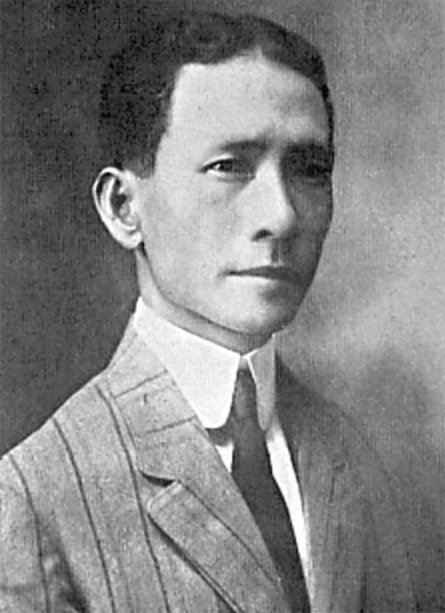
1878—1961
Sergio Osmeña
President of the Commonwealth of the PhilippinesA Cebu statesman who succeeded Manuel Quezon in exile and led the Commonwealth government during the liberation of the Philippines.Read biography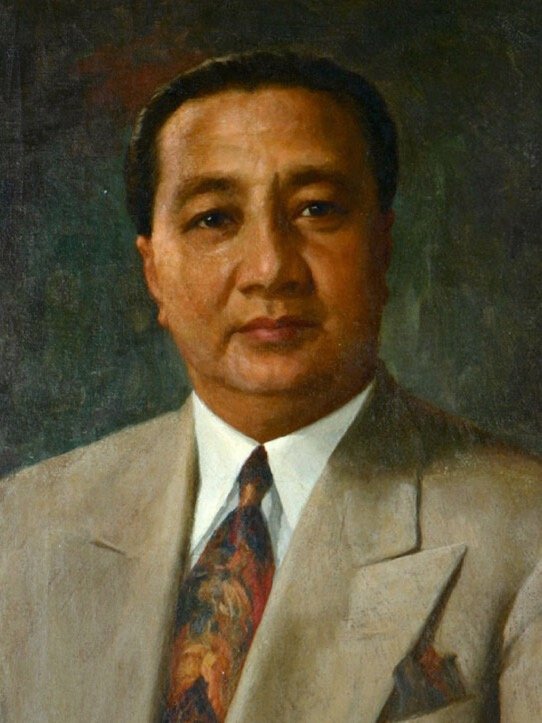
1890—1956
Elpidio Quirino
President of the Philippines, 1948–1953The Vigan-born president who signed the Central Bank Act, governed through postwar reconstruction and the Huk conflict, and supported reconciliation with Japan.Read biography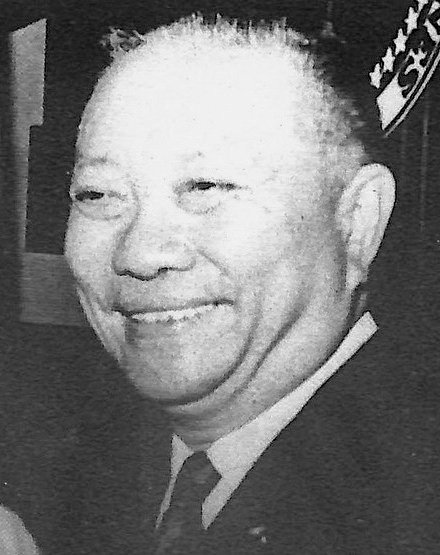
1904—1993
Fernando Lopez
Vice president, senator and business executiveAn Iloilo lawyer, senator and business leader who served two non-consecutive periods as vice president and repeatedly led national agricultural policy.Read biography
1896—1971
Carlos P. Garcia
President of the Philippines, 1957–1961A Boholano lawyer, poet and president who promoted Filipino ownership, fiscal restraint and a more assertive economic nationalism.Read biography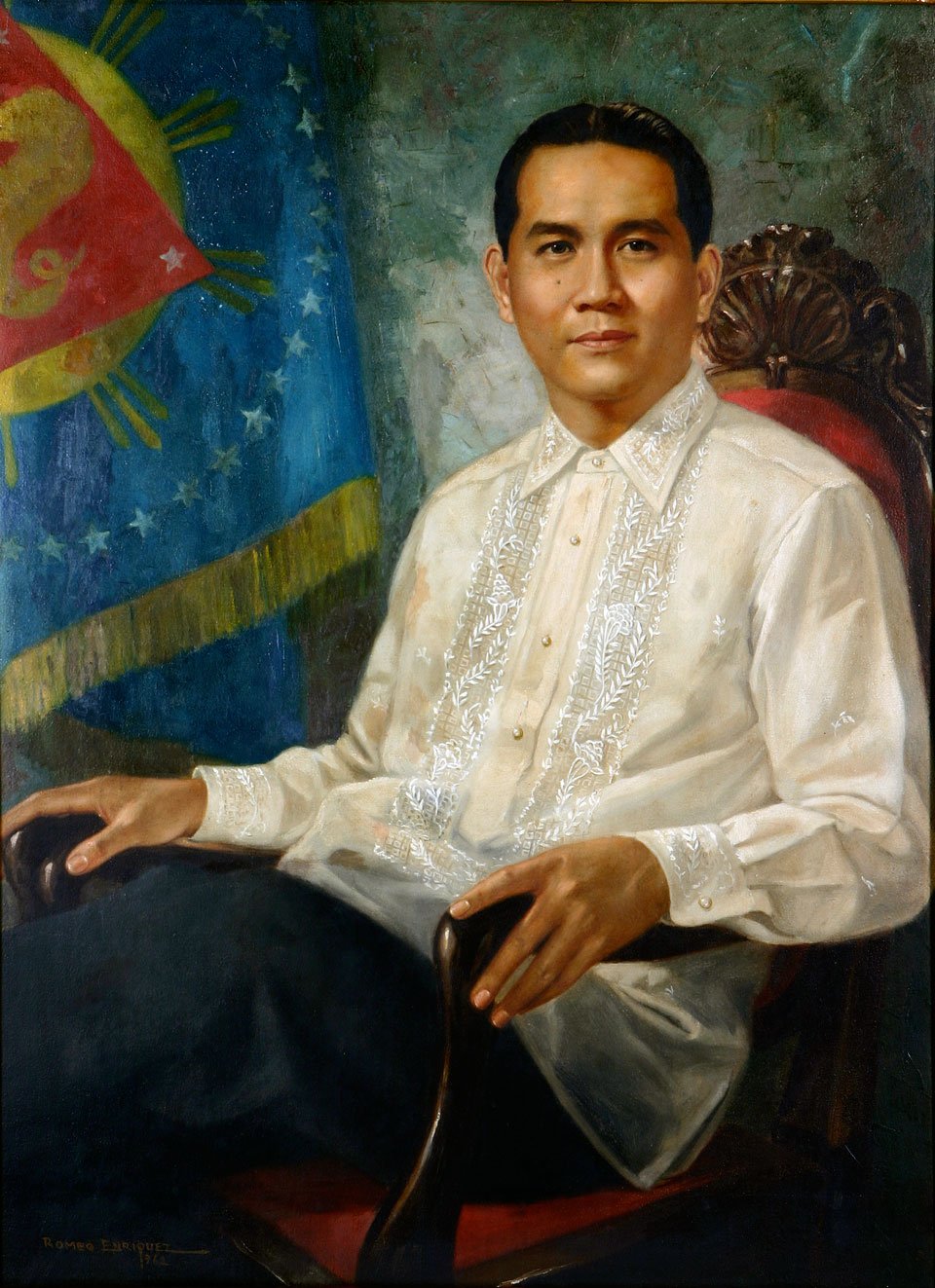
1910—1997
Diosdado Macapagal
President of the Philippines, 1961–1965The Lubao-born president who pursued economic decontrol and agricultural reform, and changed the national calendar to commemorate the 1898 declaration of independence.Read biography
1915—2003
Emmanuel Pelaez
Vice president, senator and diplomatA lawyer and legislator from Misamis Oriental who became vice president, led foreign affairs and later served as ambassador to the United States.Read biography
1910—2004
Arturo M. Tolentino
Law professor, senator and Senate presidentA bar topnotcher, prolific law teacher and legislator whose long career extended from the Third Republic to the disputed 1986 election and a final Senate term.Read biography
1928—2004
Salvador H. Laurel
Opposition leader and vice president of the PhilippinesA lawyer, senator and opposition coalition leader who became vice president after the disputed 1986 election and People Power Revolution.Read biography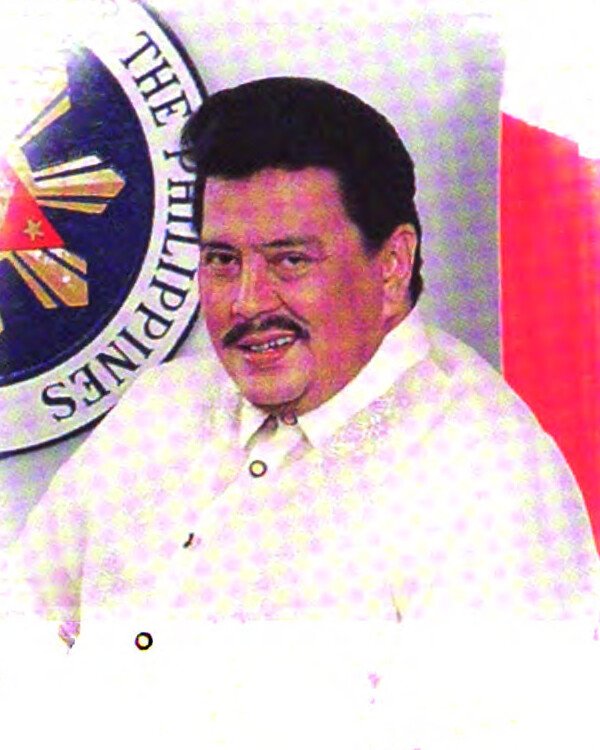
1937—
Joseph Estrada
President of the Philippines, 1998–2001The film star and populist politician who became president in 1998, left office amid impeachment and protest, and later returned as mayor of Manila.Read biography
1947—
Gloria Macapagal Arroyo
President of the Philippines, 2001–2010The economist, senator and vice president who led the Philippines from 2001 to 2010 and later returned to Congress as a Pampanga representative.Read biography
1928—
Teofisto Guingona Jr.
Senator, justice secretary and vice presidentA lawyer and Mindanao public servant who moved from resistance to martial law into Senate oversight, the justice department and the vice presidency.Read biography
1949—
Noli de Castro
Broadcaster, senator and vice presidentA radio and television journalist who topped the 2001 Senate election and served as vice president of the Philippines from 2004 to 2010.Read biography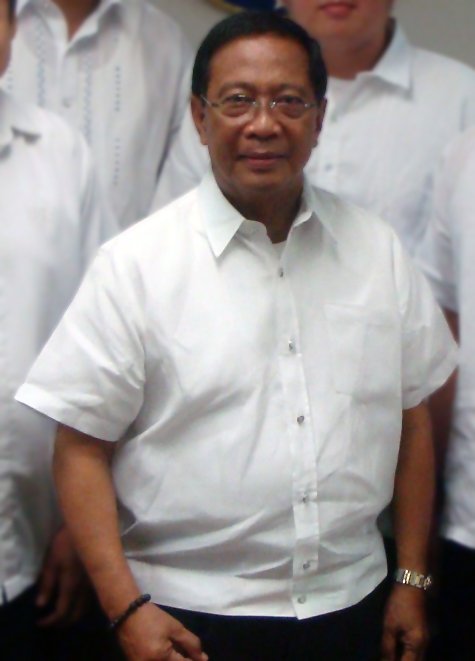
1942—
Jejomar Binay
Human-rights lawyer, Makati mayor and vice presidentA human-rights lawyer under martial law who became Makati’s dominant local executive, vice president from 2010 to 2016 and a presidential candidate.Read biography
1965—
Leni Robredo
Vice president of the Philippines, 2016–2022, and mayor of Naga CityThe lawyer, former vice president and current Naga mayor known for community-based anti-poverty programmes and a volunteer-driven reform movement.Read biography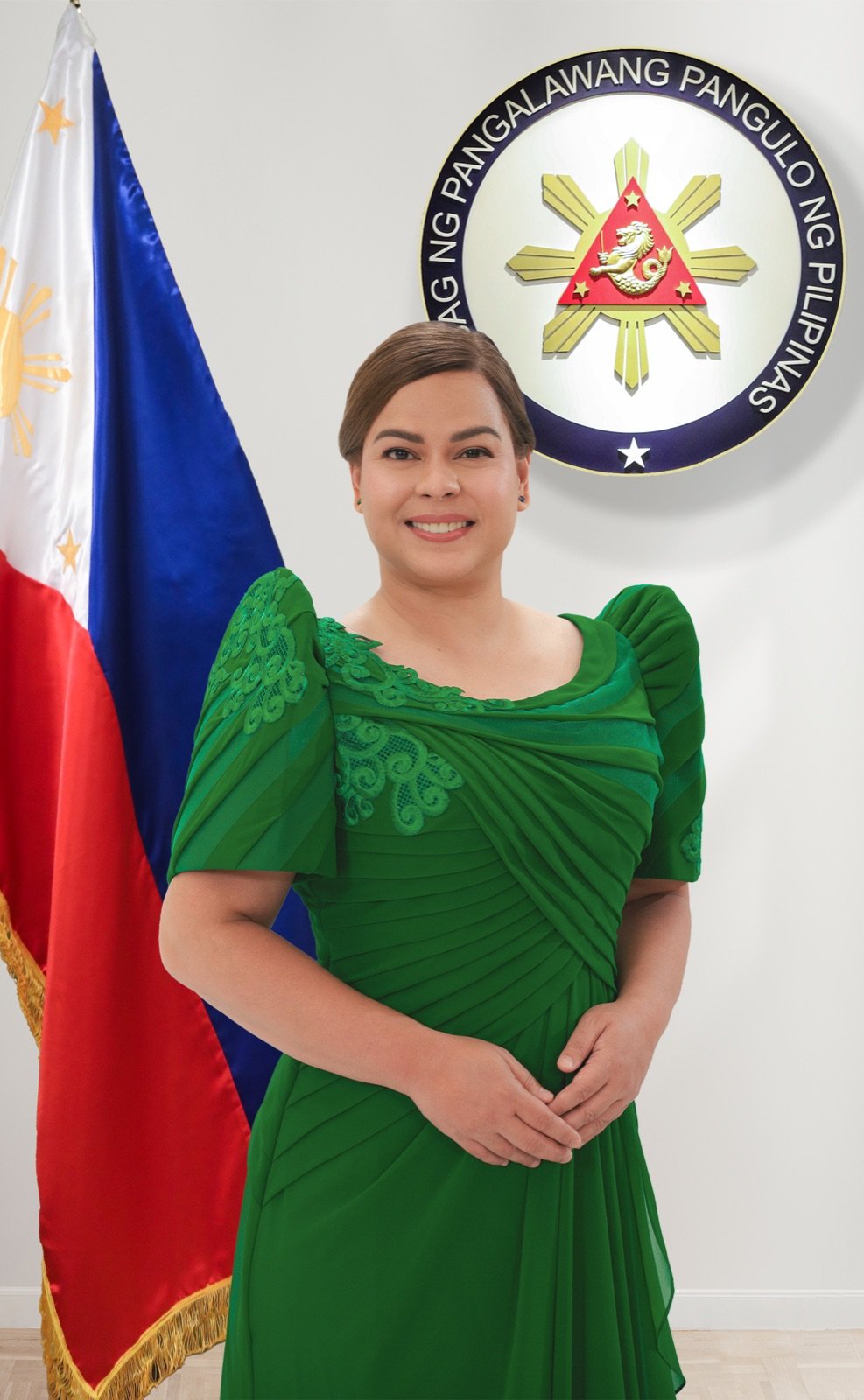
1978—
Sara Duterte
Vice president and former Davao City mayorA lawyer and Davao City politician who became the Philippines’ fifteenth vice president after winning a record national vote in 2022.Read biographyQuick answers
Common questions
- Who was the first vice president of the Philippines?
- Sergio Osmeña became the first vice president when the Commonwealth government began on 15 November 1935.
- Who is the current Philippine vice president?
- Sara Duterte has held the office since 30 June 2022. This answer was reviewed on 9 September 2026.
- How many Philippine vice presidents became president?
- Six: Sergio Osmeña, Elpidio Quirino, Carlos P. Garcia, Diosdado Macapagal, Joseph Estrada and Gloria Macapagal Arroyo.
- Is the Philippine vice president elected with the president?
- The two offices appear in the same national election but are voted on separately, so candidates from different tickets can win.
- Was Arturo Tolentino a vice president?
- The Batasang Pambansa proclaimed him after the disputed 1986 snap election, but People Power displaced that result and later constitutional recognition established Salvador Laurel as vice president. Sources therefore classify Tolentino differently.
- Can a Philippine vice president serve more than one term?
- Under the 1987 Constitution, a vice president may serve no more than two successive six-year terms. Fernando Lopez’s three victories occurred under the earlier constitutional system and were separated by twelve years.
Primary and institutional sources
How this history was checked
Dates, legal milestones and historical claims are checked against the official and institutional records below. This article was reviewed on 9 September 2026.
- The LawPhil Project1935 Constitution of the Philippines
- The LawPhil Project1987 Constitution — executive department and succession
- Supreme Court of the Philippines via LawPhilIn re Bermudez — recognition of the Aquino–Laurel incumbency
- Supreme Court of the Philippines via LawPhilTolentino v. COMELEC — Guingona confirmation and Senate vacancy
- Philippine News AgencyOffice of the Vice President historical display and sequence
- Congress of the Philippines via Senate archiveOfficial 2022 canvass and proclamation