Explore public service, enterprise and creative work through individual lives, including stories that connect the United States with Asia and the wider world.
🇺🇸US
The growing archive
527 biographies to explore
Each profile connects a documented life with its own historical setting. Country association is a reading path, not a claim that every subject was born in the United States.
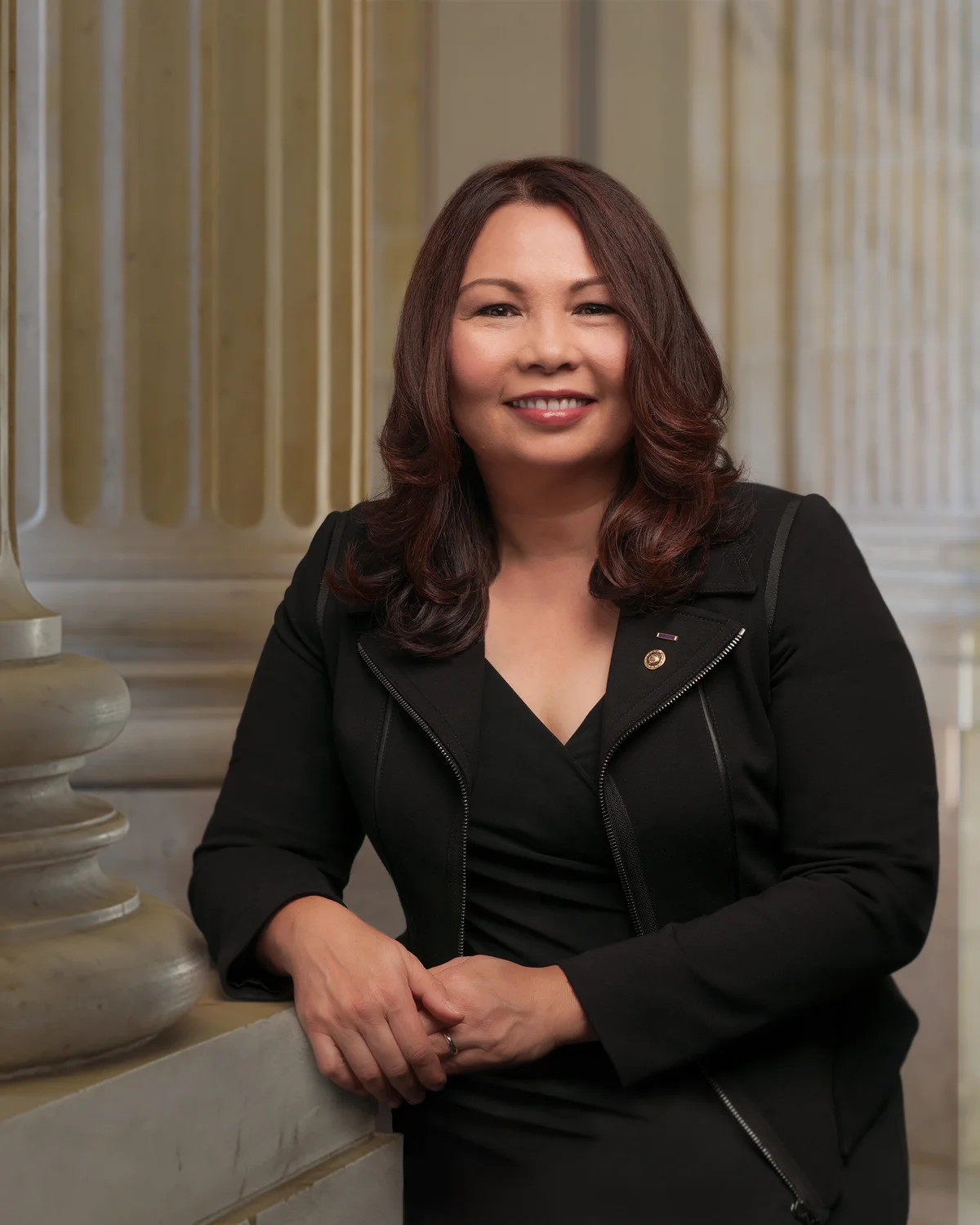
U.S. senator for Illinois and Army veteranA Thailand-born Army veteran and Illinois senator whose career connects military service, veterans’ affairs, accessible travel and changes to Senate rules for parents.Read biography
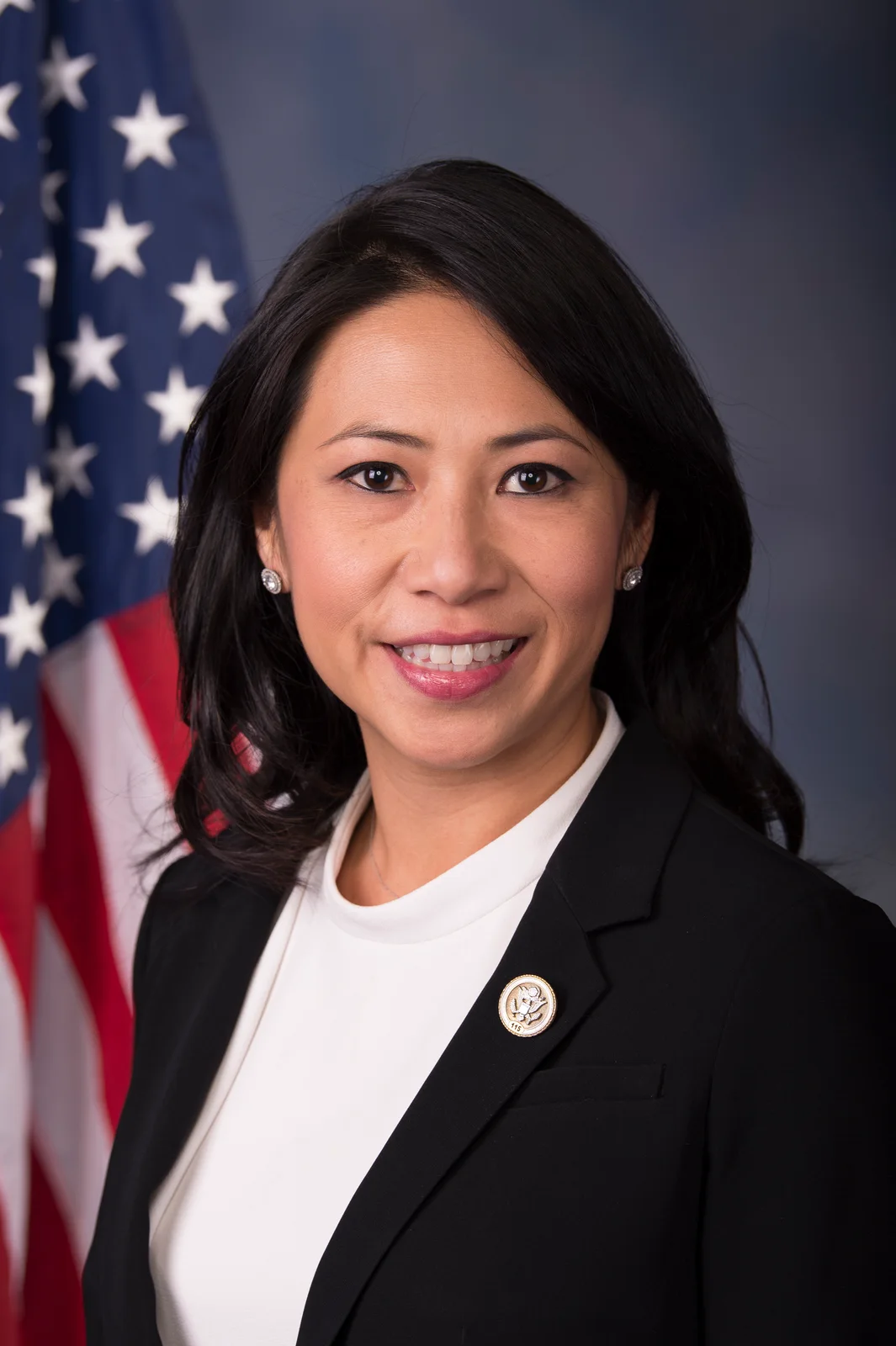
Former U.S. representative for Florida’s 7th DistrictA Vietnam-born former national-security specialist who represented central Florida in the House from 2017 to 2023 and later contested Orange County’s 2026 mayoral election.Read biography
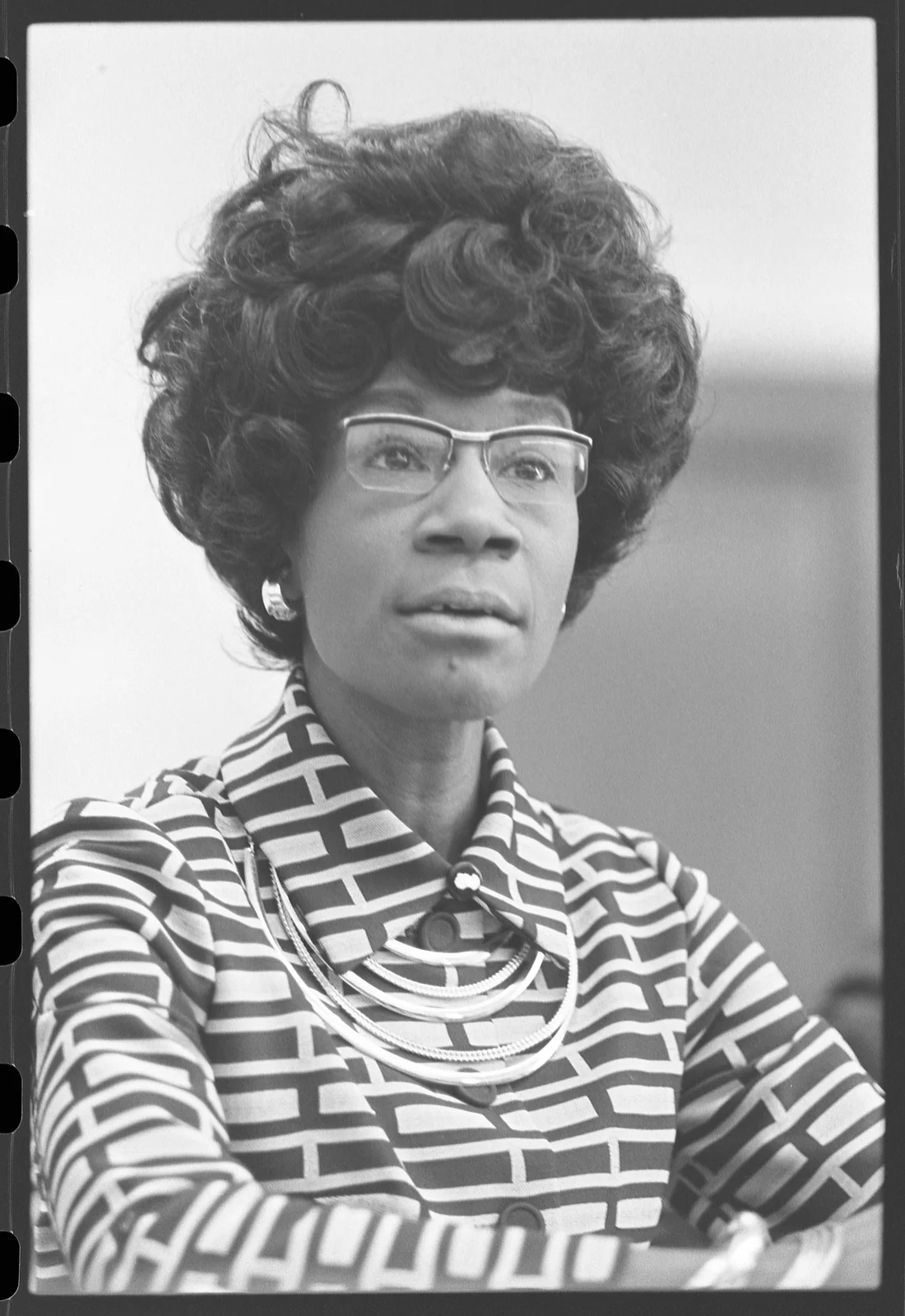
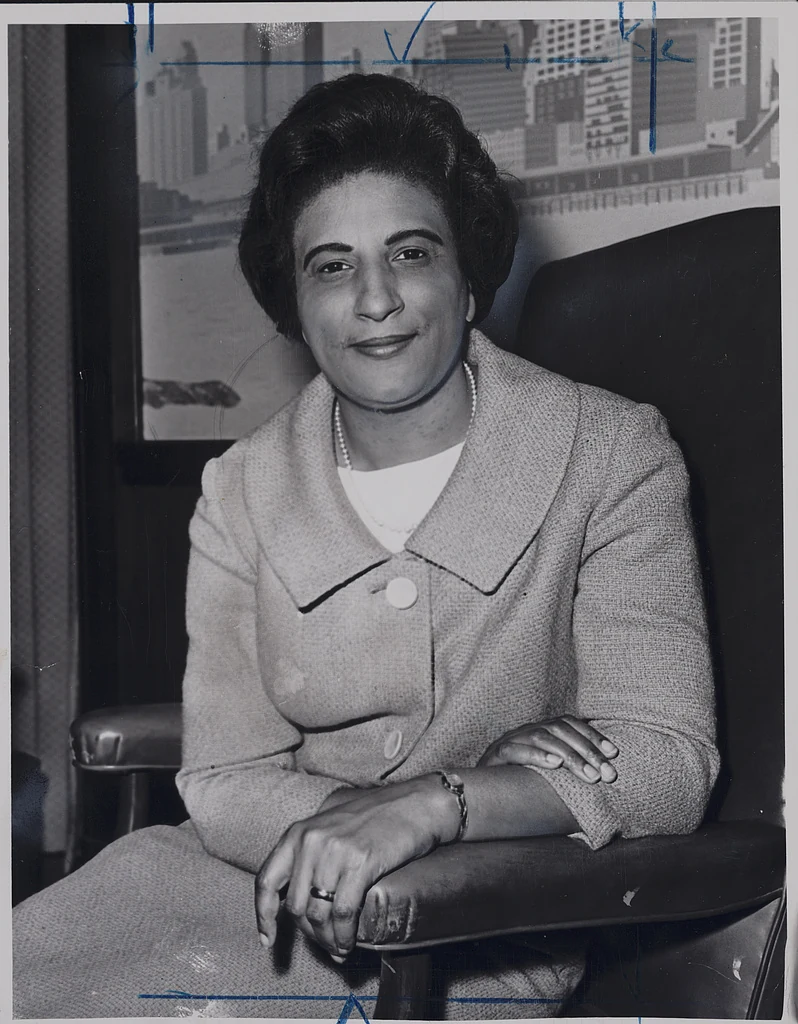
U.S. representative for Brooklyn, educator and presidential candidateA Brooklyn educator and organizer who became the first Black congresswoman and brought an independent coalition of women, Black voters and working people into national politics.Read biography
Hawaii congresswoman, lawyer and education equality legislatorA Maui-born lawyer and Hawaii congresswoman whose work joined educational equality, child care, civil rights and environmental accountability across two periods in the House.Read biography
Civil rights organizer and U.S. representative for GeorgiaA student organizer who confronted segregation and voter suppression, then carried the civil rights movement’s demands into a long congressional career.Read biography
U.S. secretary of labor and social insurance reformerA social worker and labor administrator who brought years of workplace investigation into the New Deal, helping establish national protections against economic insecurity.Read biography
First lady, reformer and United Nations human rights leaderA reformer who made the first lady a public advocate and helped diplomats from different countries agree on an international statement of human rights.Read biography
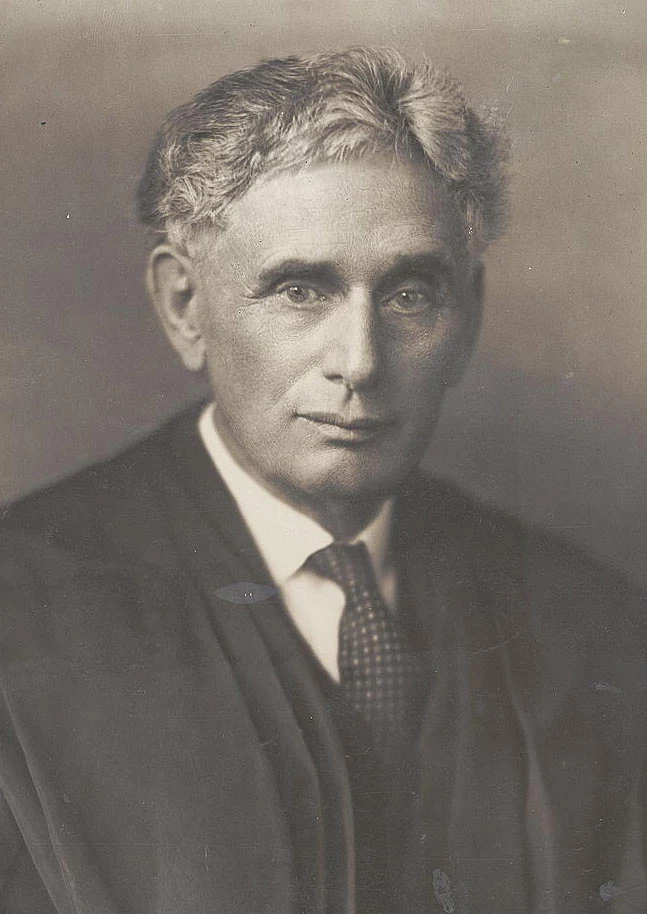
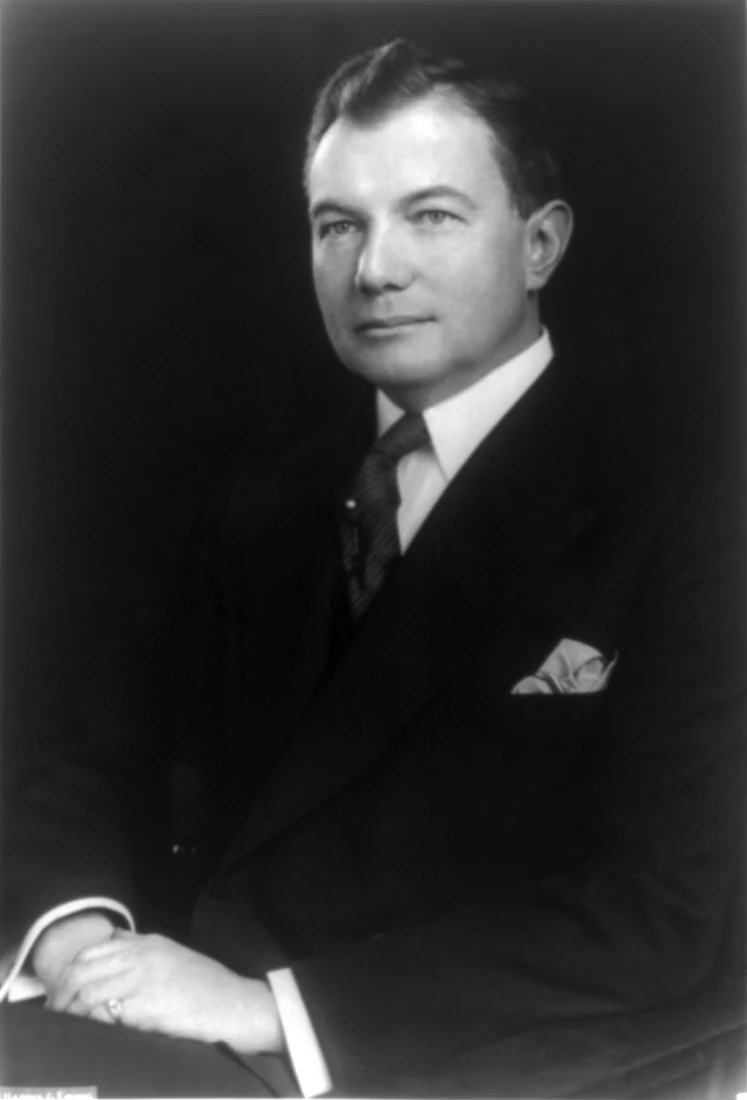
Civil rights lawyer, solicitor general and Supreme Court justiceA civil rights advocate who helped build a sustained legal campaign against segregation before serving as solicitor general and the first Black Supreme Court justice.Read biography
Allied commander and 34th president of the United StatesAn Army officer whose experience managing wartime alliances preceded a presidency shaped by the Cold War, interstate highways and the enforcement crisis at Little Rock.Read biography
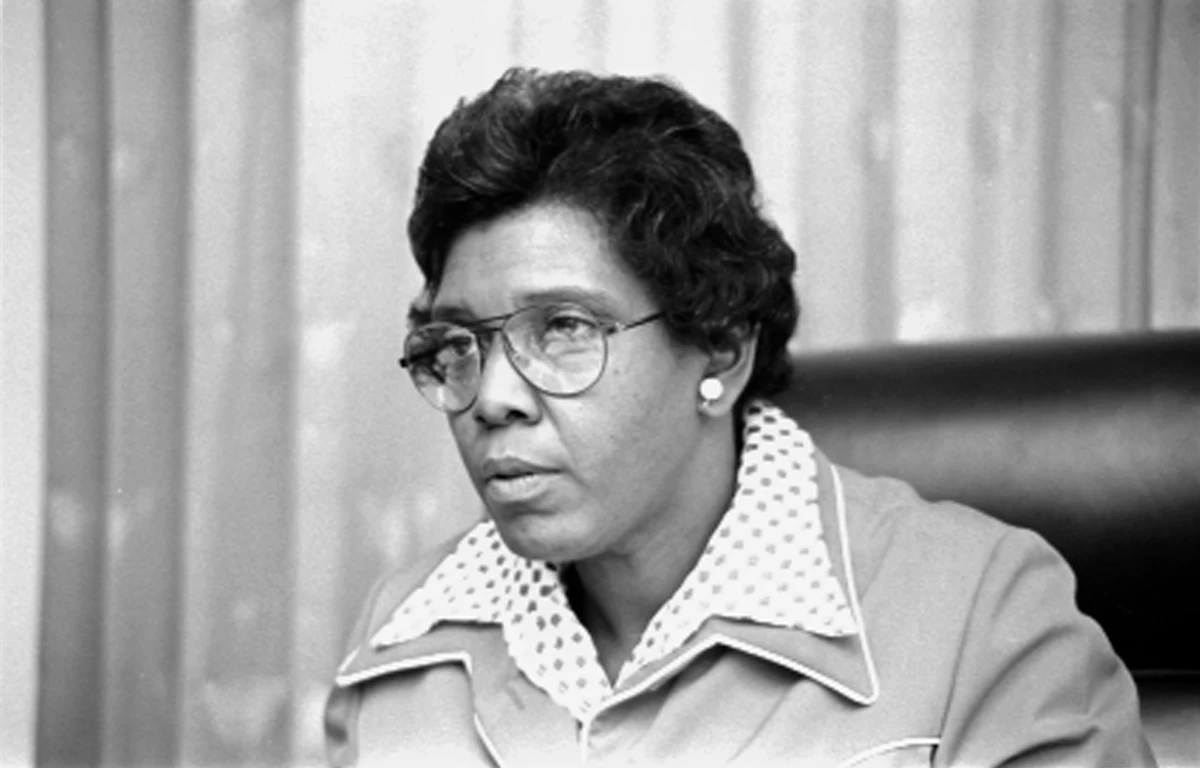
Texas legislator, U.S. representative and public policy educatorA Houston lawyer who became the first Black woman elected to Congress from the South and brought legal reasoning, coalition building and public teaching to national politics.Read biography
San Jose mayor, U.S. representative and cabinet secretaryA Japanese American public servant whose childhood incarceration informed a career in local government, Congress and two presidential administrations.Read biography
U.S. representative and secretary of the interior, 2021–2025A member of the Pueblo of Laguna whose path through tribal administration and New Mexico politics led to Congress and the Interior Department.Read biography
Voting rights organizer and Mississippi Freedom Democratic Party leaderA Mississippi sharecropper whose organizing, testimony and cooperative work connected political participation with freedom from economic intimidation.Read biography
Hawaii representative, U.S. senator and Medal of Honor recipientA Japanese American soldier and lawyer who entered Congress with Hawaii’s statehood and became a prominent investigator, appropriator and Senate leader.Read biography
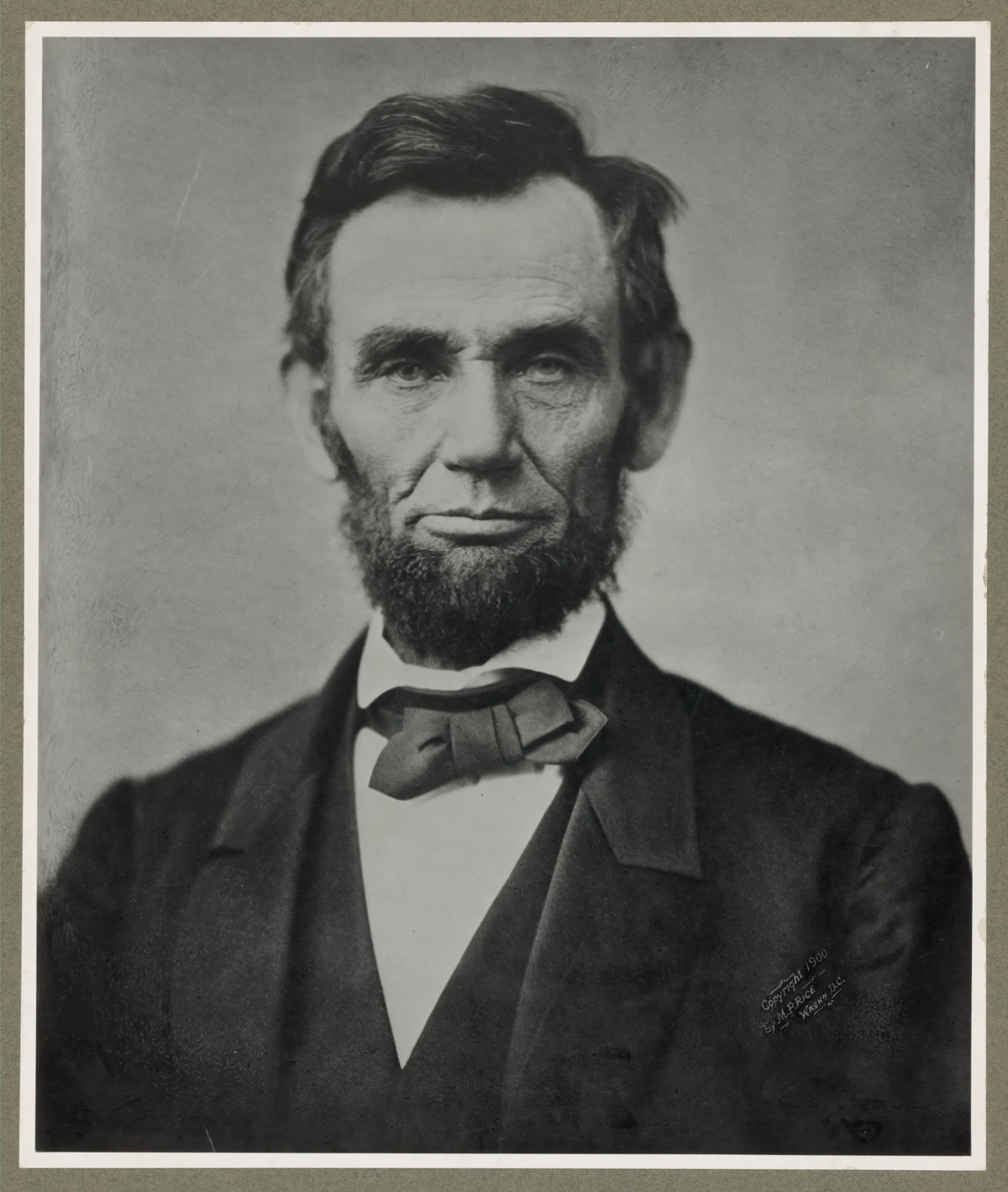
16th president of the United States and Illinois lawyerAn Illinois lawyer and politician whose wartime presidency linked the preservation of the United States with the destruction of legal slavery.Read biography
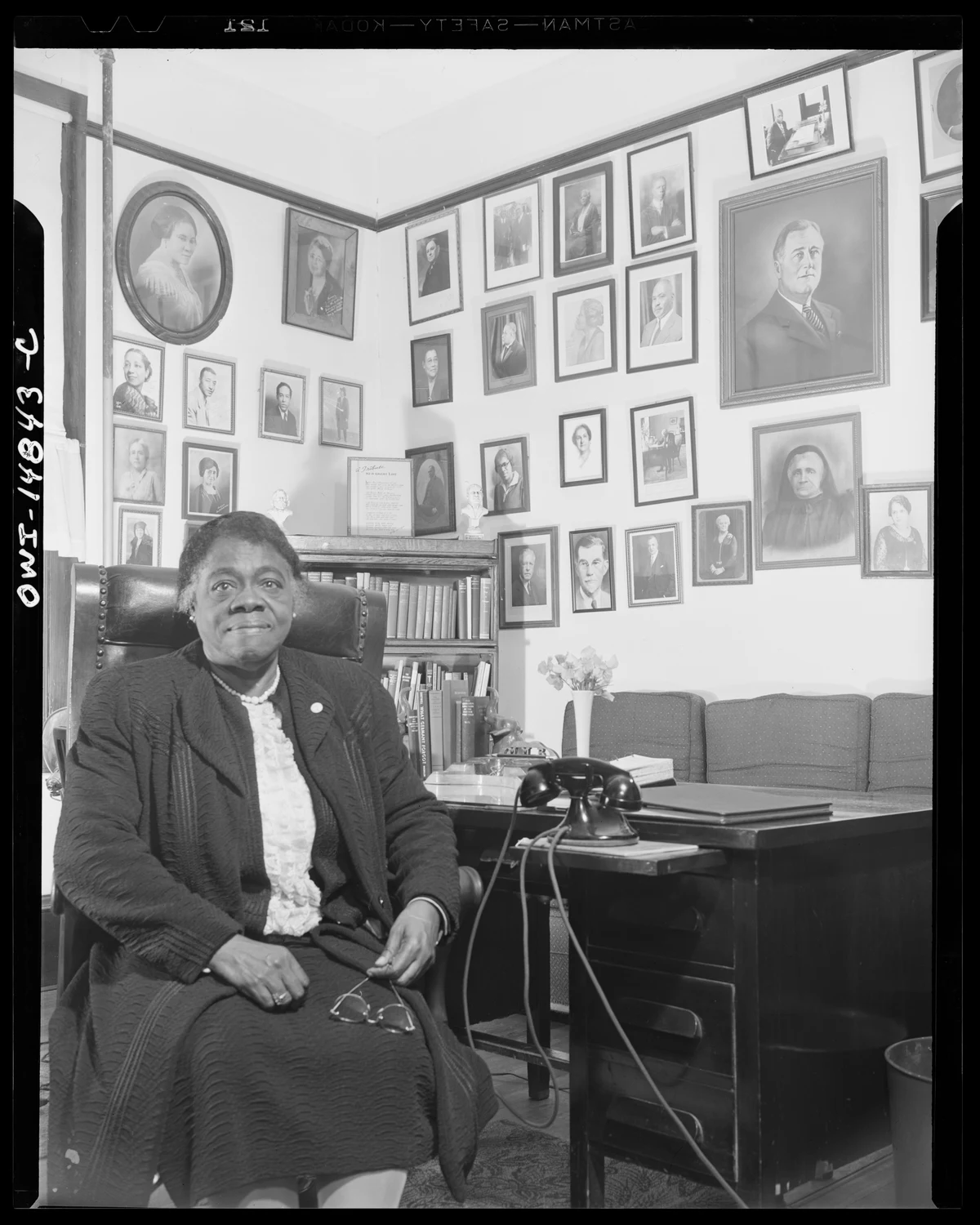
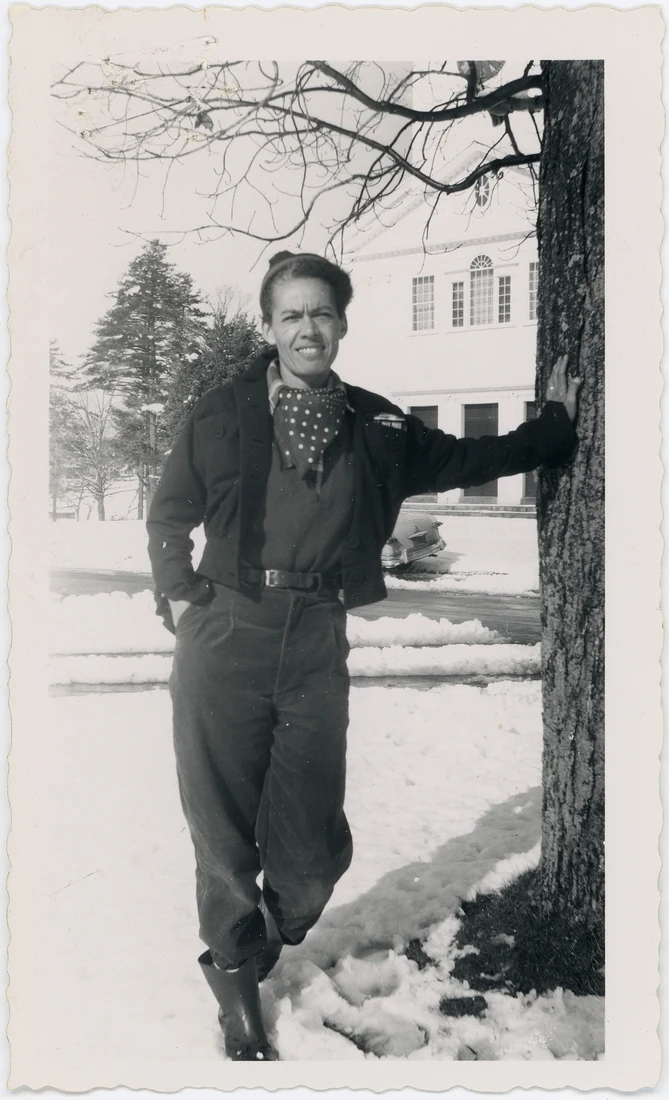
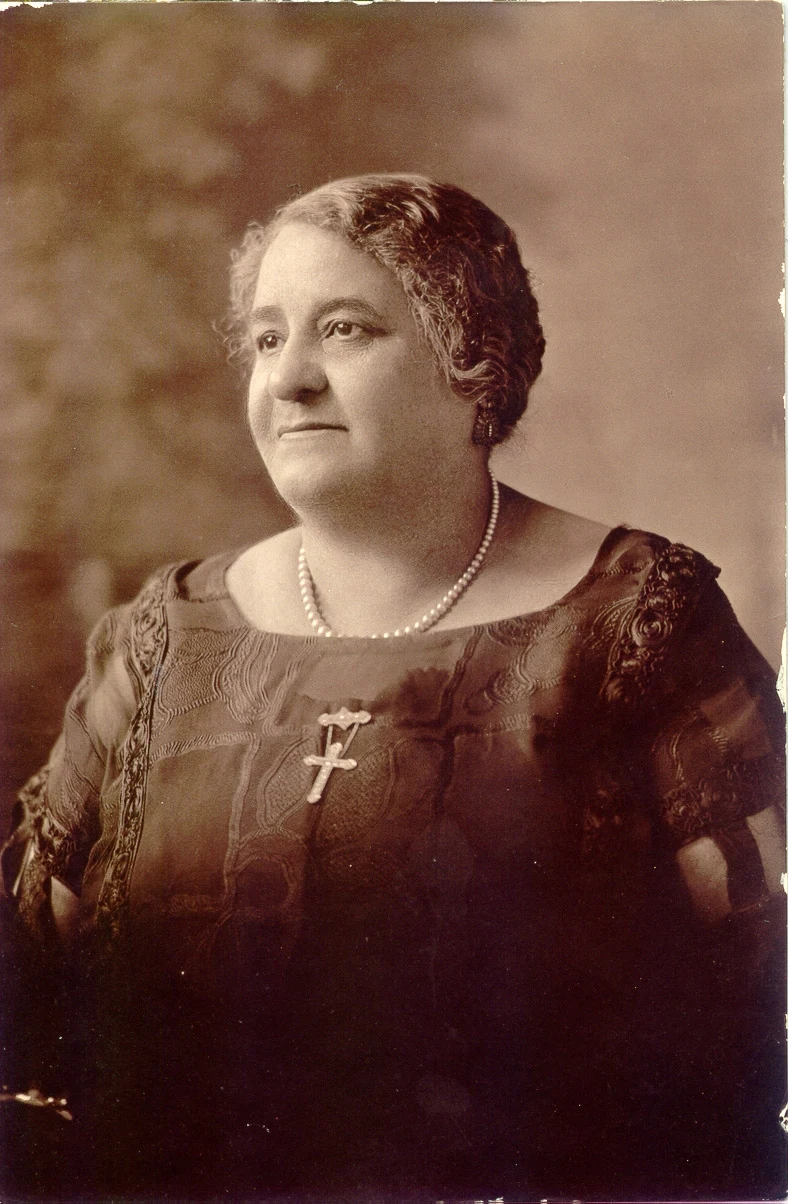
Educator, civil rights organizer and National Council of Negro Women founderAn educator and organizer who built institutions through which Black women and young people could pursue education, employment and political influence.Read biography
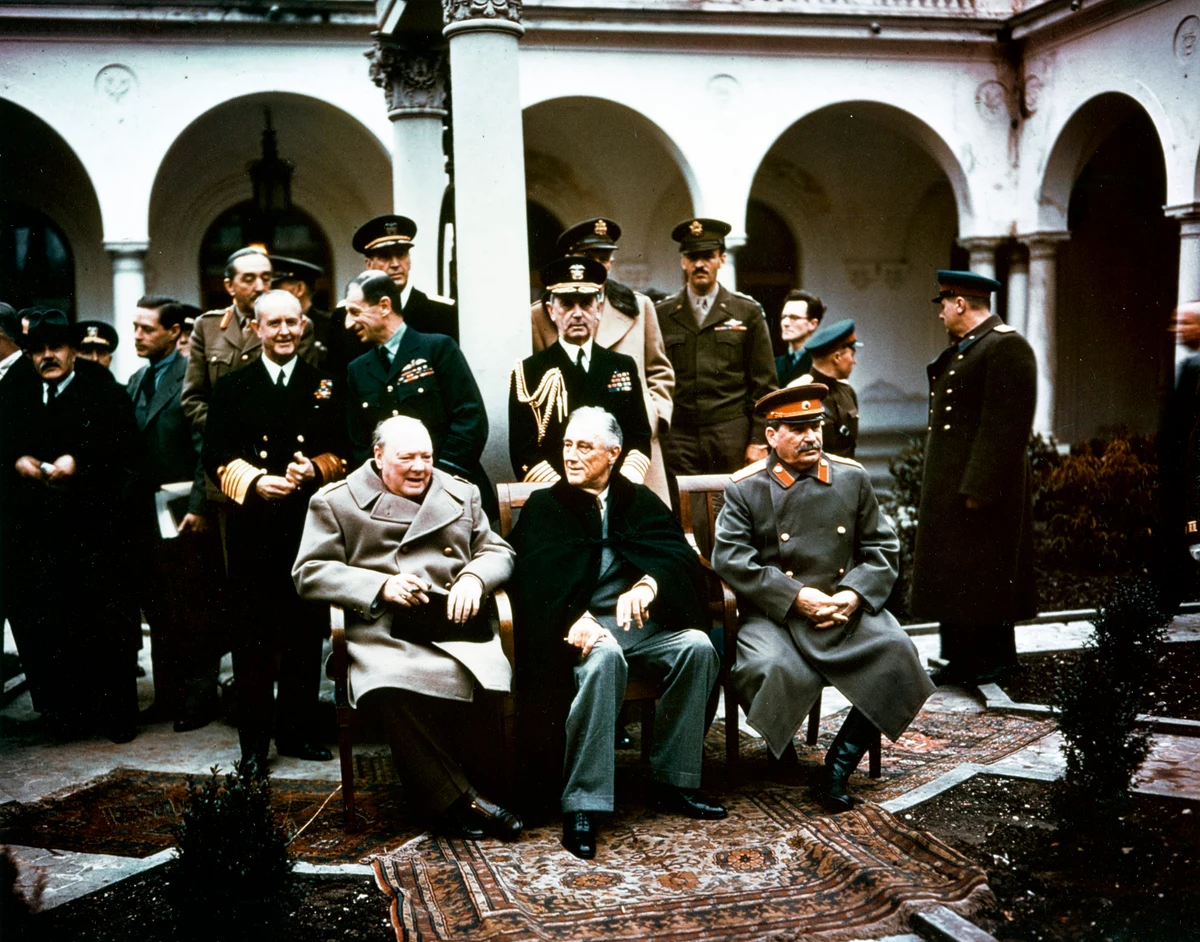
32nd president of the United States and New Deal political leaderA New York politician whose presidency expanded federal responsibility for economic security and led the United States through depression and most of World War II.Read biography
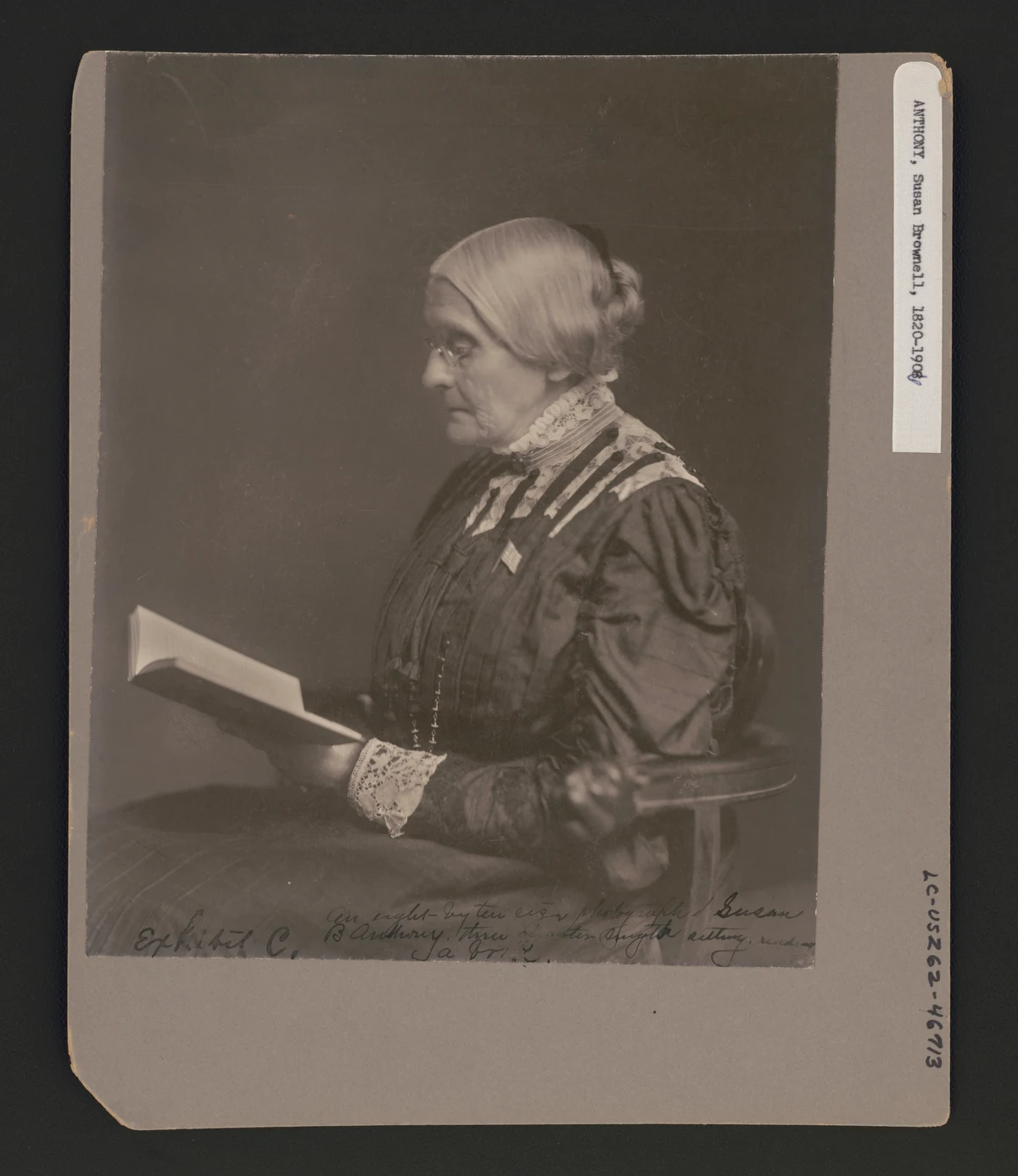
Women’s suffrage organizer, abolitionist and political reformerA traveling organizer whose petitions, speeches, publications and voting-rights challenge helped sustain a national women’s suffrage movement.Read biography
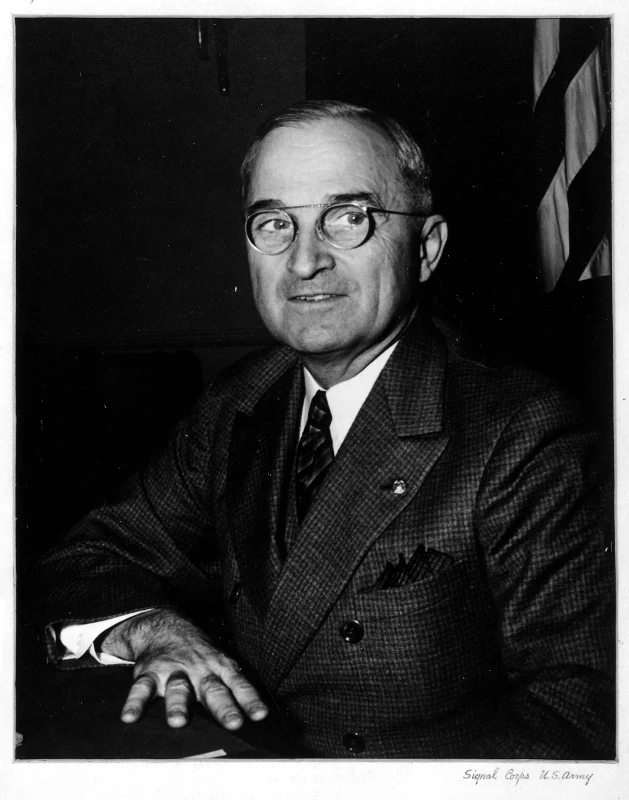
33rd president of the United States and former Missouri senatorA Missouri veteran and senator who inherited the presidency in 1945 and shaped the postwar American state through foreign commitments and contested executive decisions.Read biography
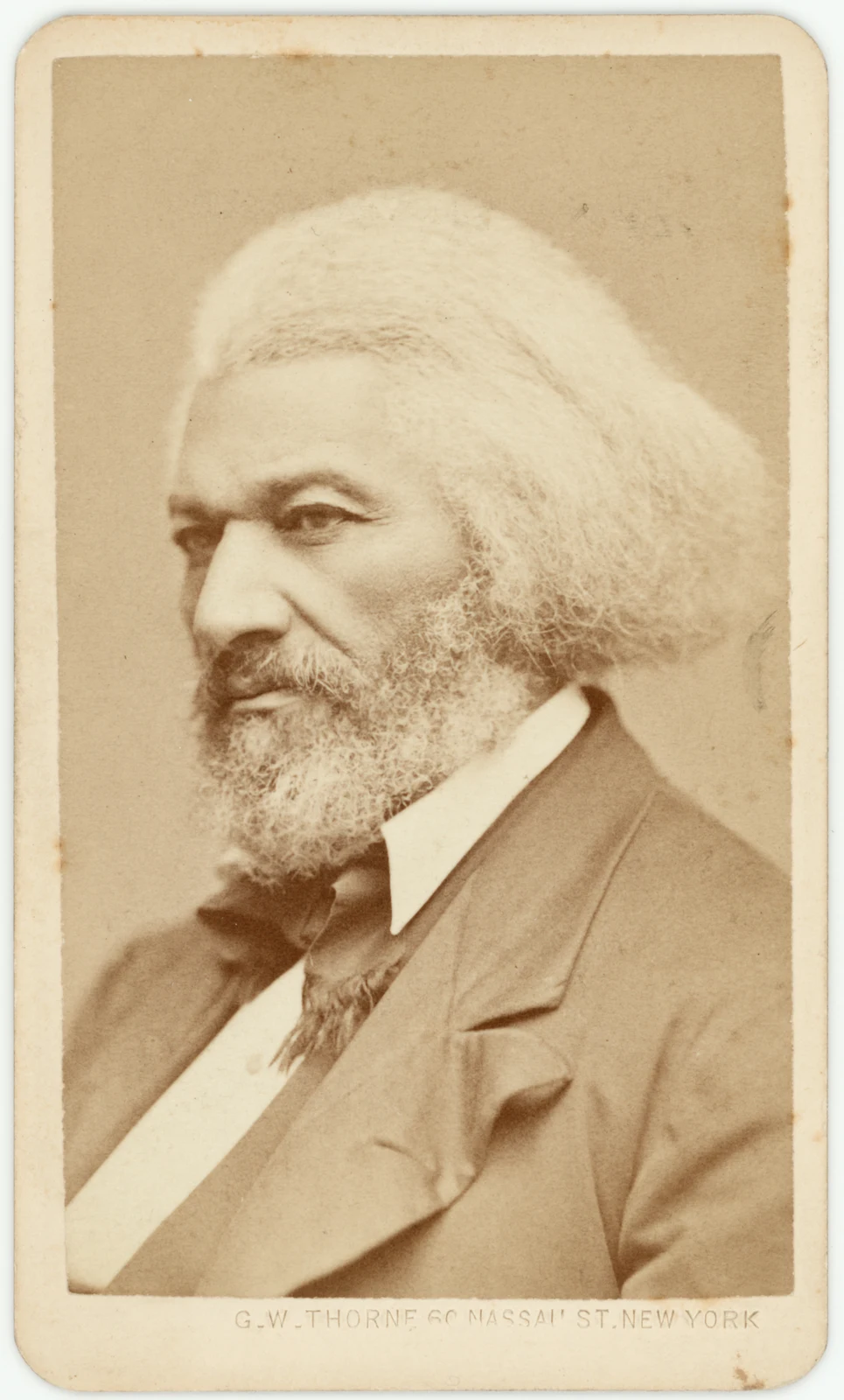
Abolitionist, author, newspaper editor and diplomatAn American who escaped enslavement and made his experience, journalism and political arguments central to campaigns against slavery and for equal citizenship.Read biography
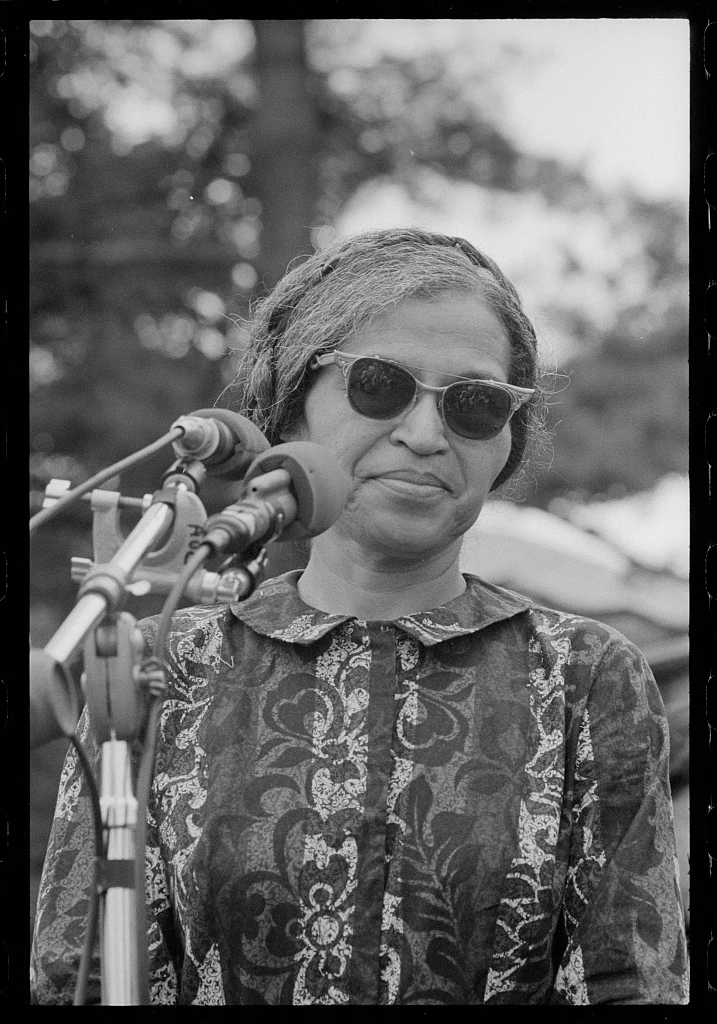
Civil rights organizer, NAACP secretary and congressional staff memberA longtime organizer whose refusal to surrender a Montgomery bus seat became a rallying point for collective protest, and whose work for justice continued in Detroit.Read biography
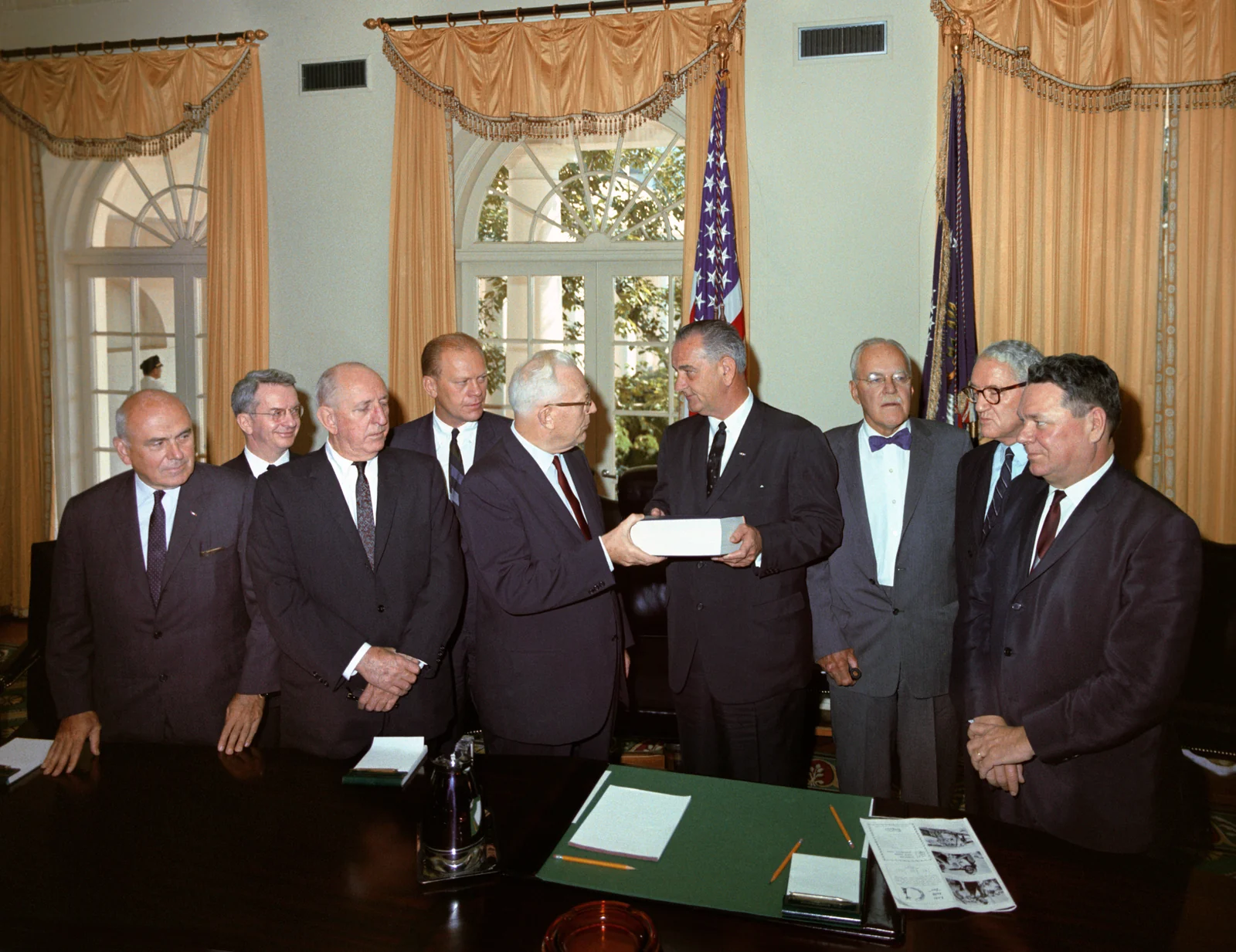
36th president of the United States and former Senate majority leaderA Texas politician and forceful congressional negotiator whose presidency expanded federal social protection and civil rights while escalating a devastating war in Vietnam.Read biography
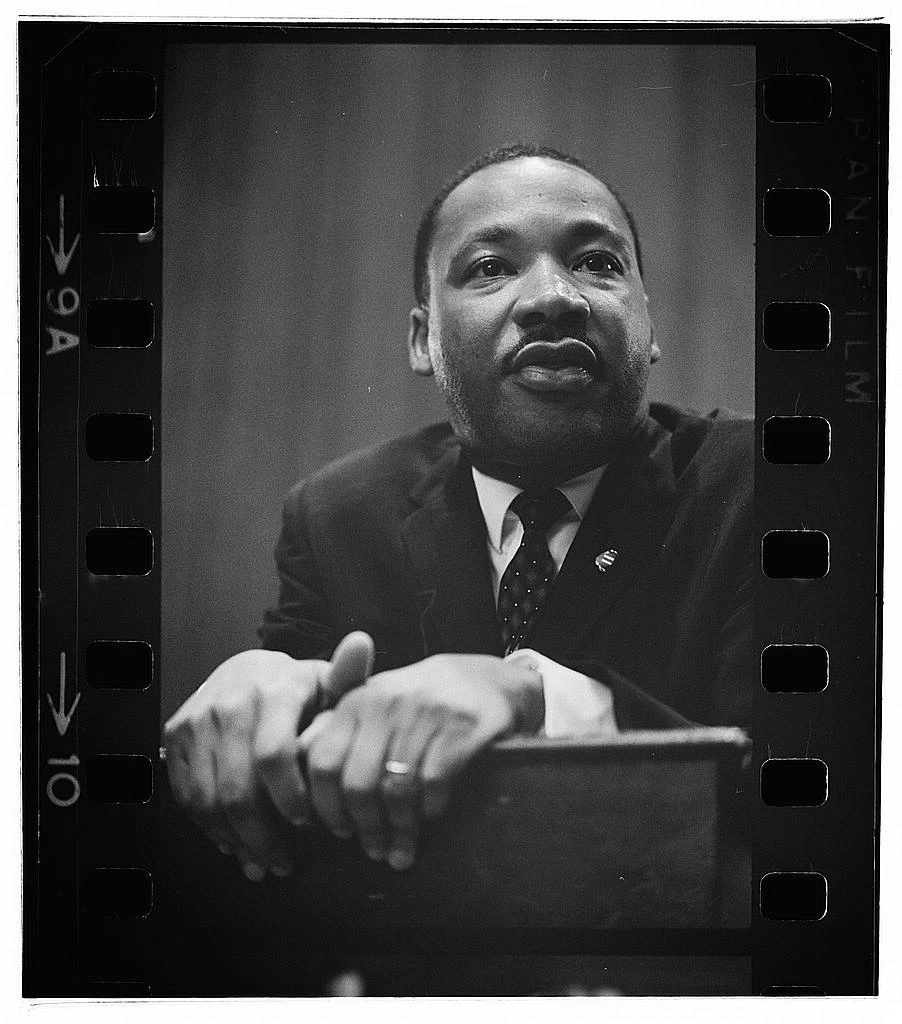
Baptist minister, civil rights organizer and advocate of nonviolent changeA minister and movement leader who joined religious conviction to organized nonviolent protest against segregation, disenfranchisement, poverty and war.Read biography
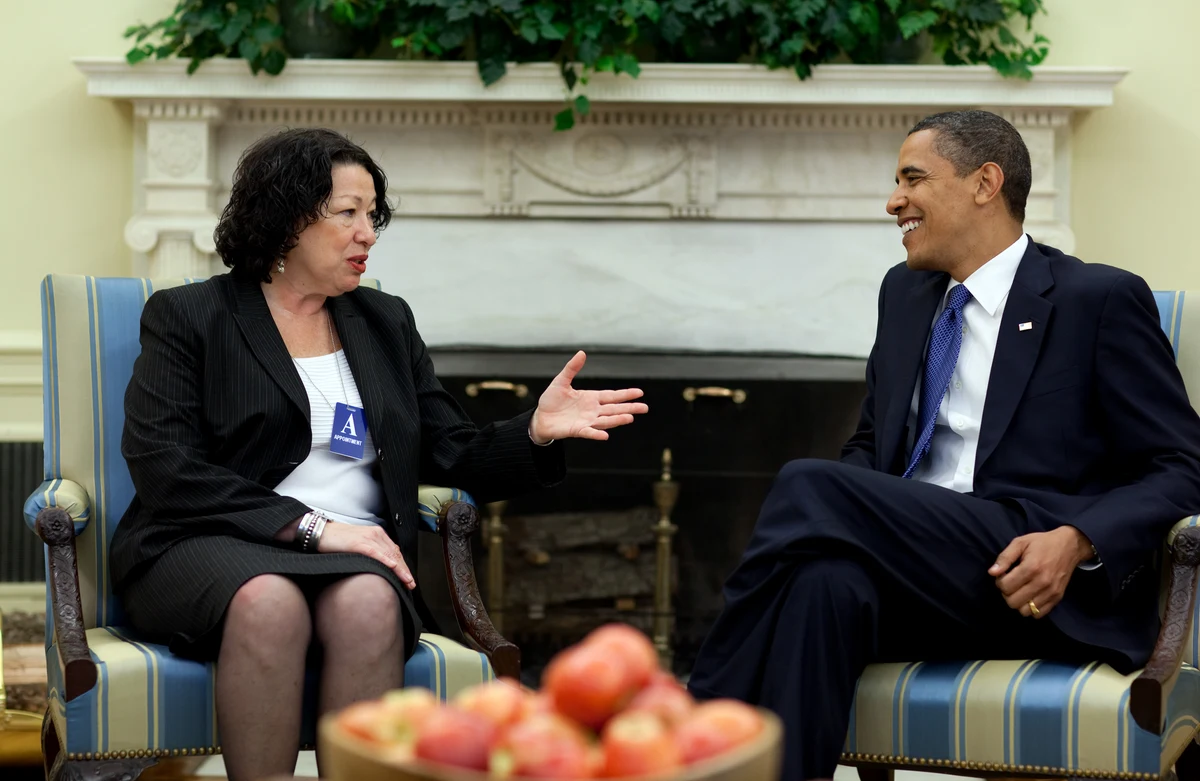
Lawyer and United States Supreme Court justiceA Bronx-born lawyer whose career moved through prosecution, commercial practice and the federal judiciary before her appointment to the Supreme Court in 2009.Read biography
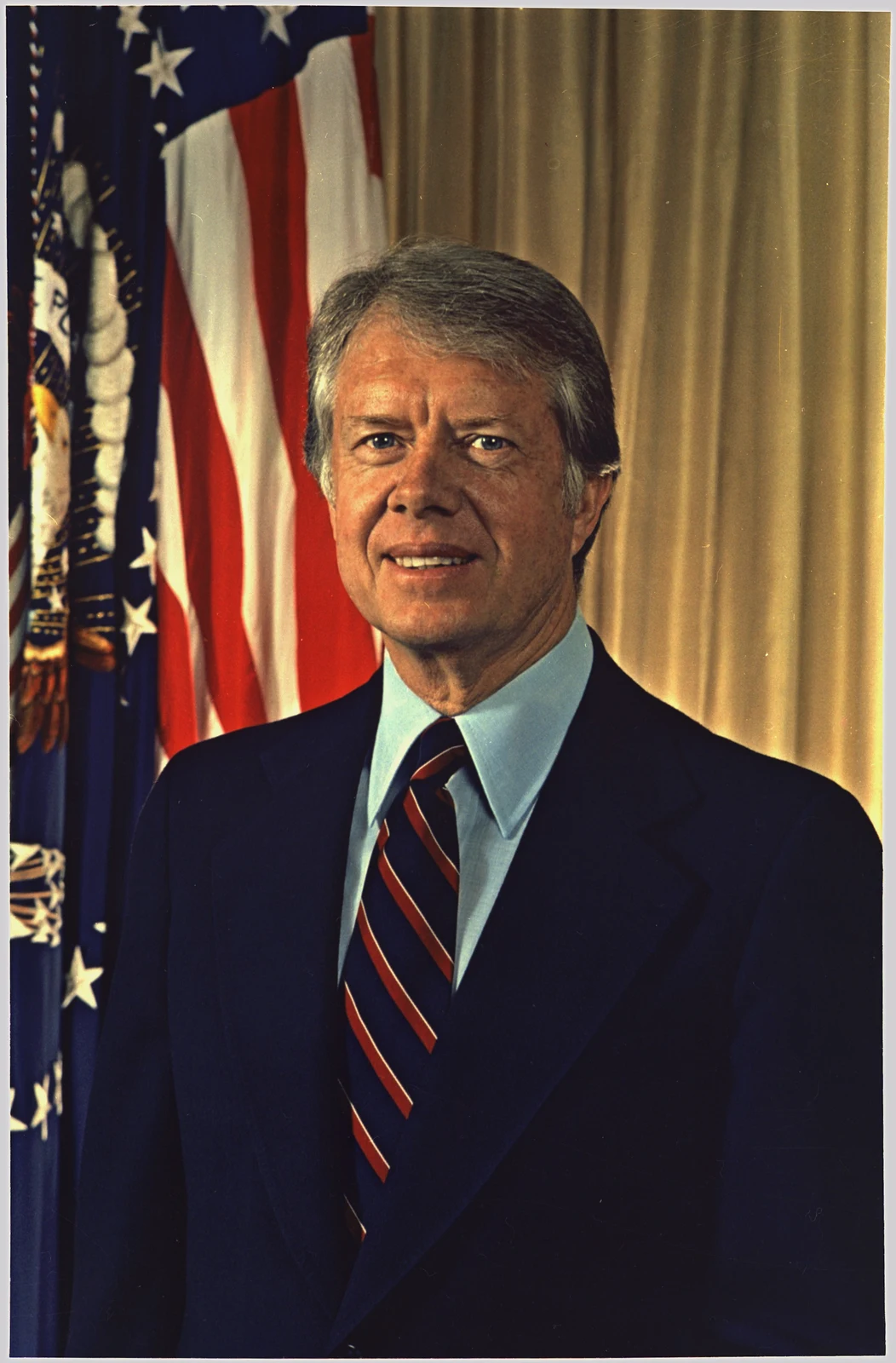
39th United States president, former Georgia governor and humanitarianA naval officer and Georgia farmer who became president, then built a long second public career in conflict mediation, election observation, health and housing.Read biography
35th United States president, former senator and naval officerA Massachusetts congressman and senator who became president in 1961, confronting nuclear danger and demands for equality during a presidency cut short by assassination.Read biography
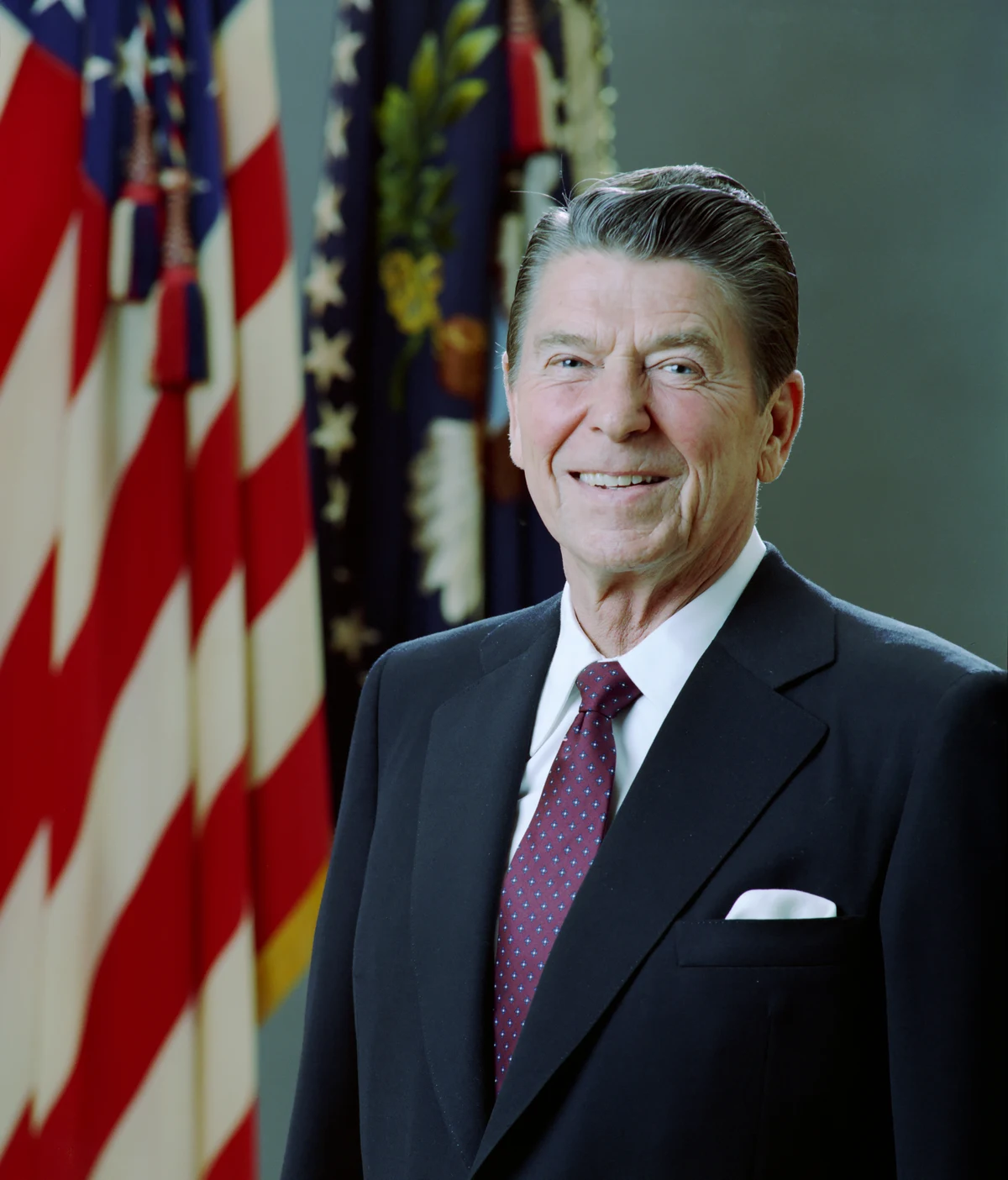
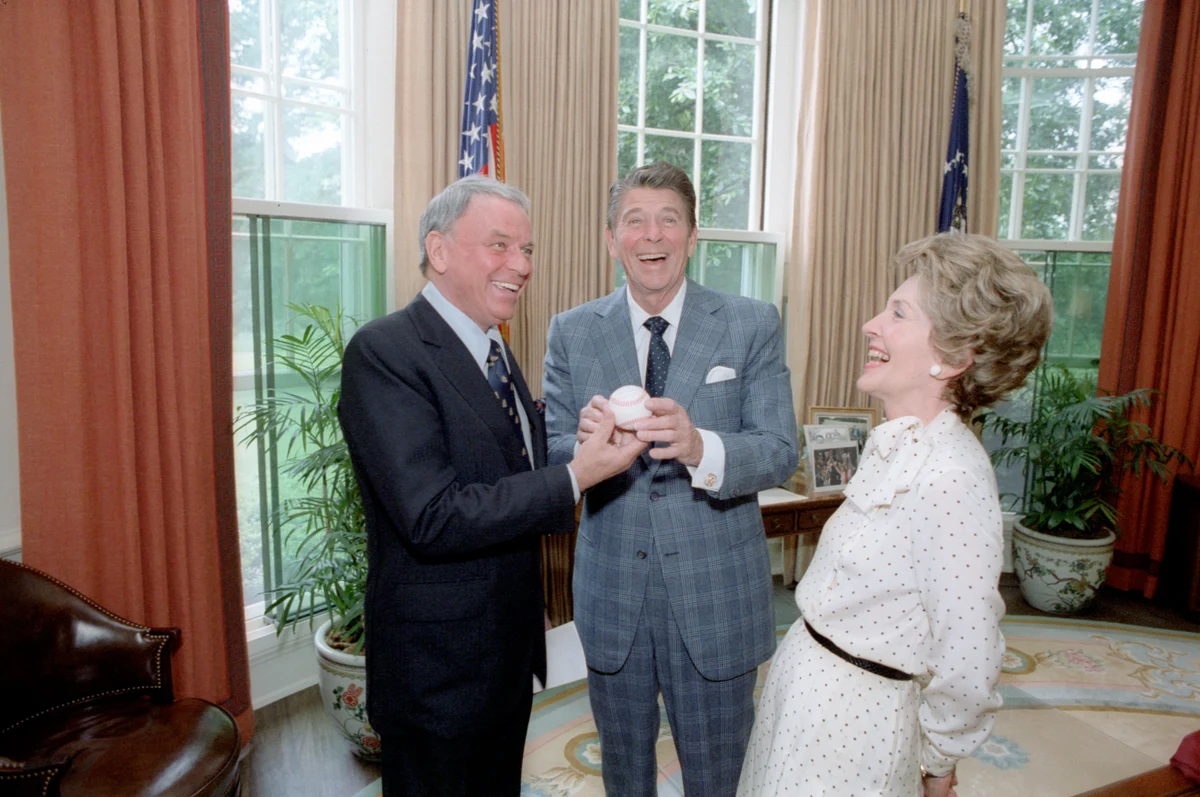
40th U.S. president, California governor and actorRonald Reagan moved from radio and Hollywood into union leadership, California politics and the White House. His presidency combined tax reductions and a military buildup with arms-control diplomacy, while recession, rising deficits, the PATCO dismissals and Iran–Contra exposed the costs and conflicts of his policies.Read biography
44th U.S. president, senator and lawyerBarack Obama rose from community organizing and law into the Illinois Senate, U.S. Senate and presidency. His two terms brought financial-crisis measures, health-insurance reform and international agreements, alongside prolonged wars, contested executive power and intense political opposition.Read biography
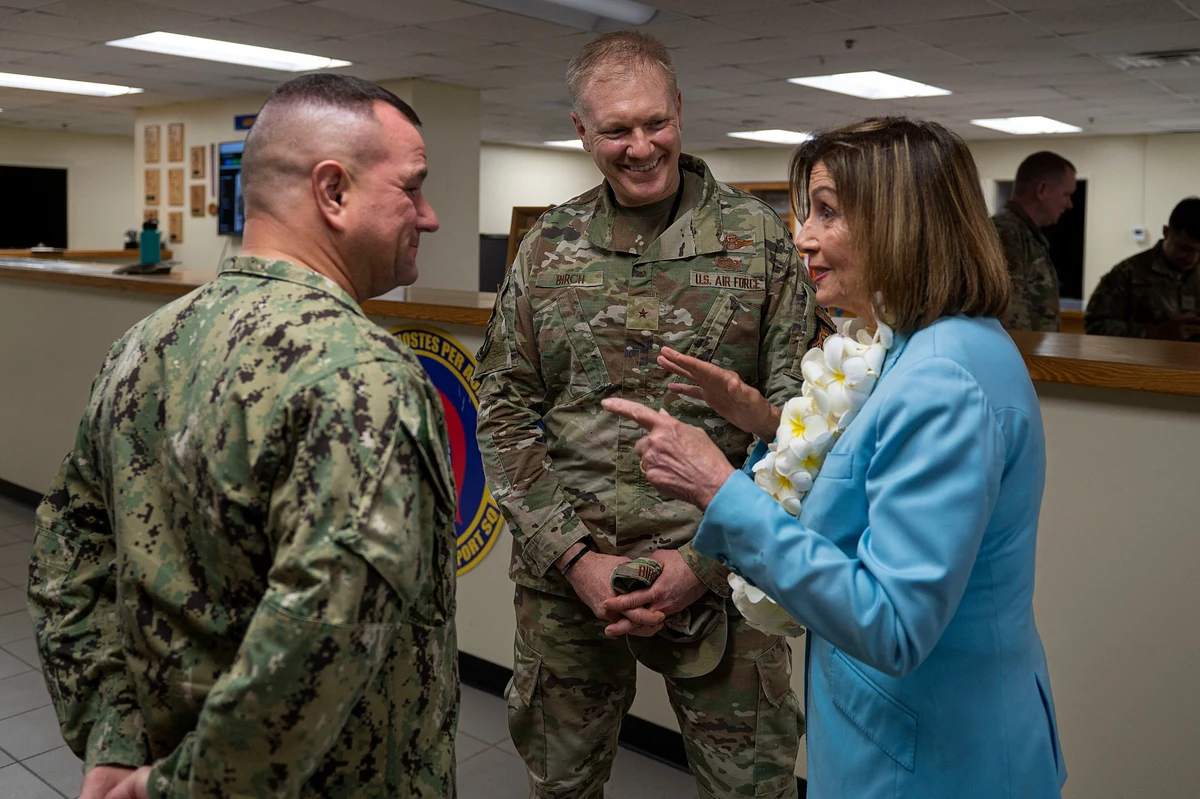
Former U.S. House speaker and congressional leaderNancy Pelosi built a career in California party organizing before entering Congress in 1987. The first woman elected speaker of the House, she served in that office in 2007–2011 and 2019–2023, helping assemble legislative majorities through periods of intense partisan conflict.Read biography
U.S. secretary of state, general and chairman of the Joint Chiefs of StaffColin Powell rose from an Army commission through national security leadership to become secretary of state. His career included the 1991 Gulf War, diplomatic reform and youth service, but his 2003 presentation of flawed Iraq intelligence remains a central part of his public record.Read biography
41st president of the United StatesGeorge Herbert Walker Bush served as the 41st U.S. president in 1989–1993 after a career spanning Congress, diplomacy, intelligence and the vice presidency. His term combined major international changes and bipartisan legislation with recession, budget conflict and military intervention.Read biography
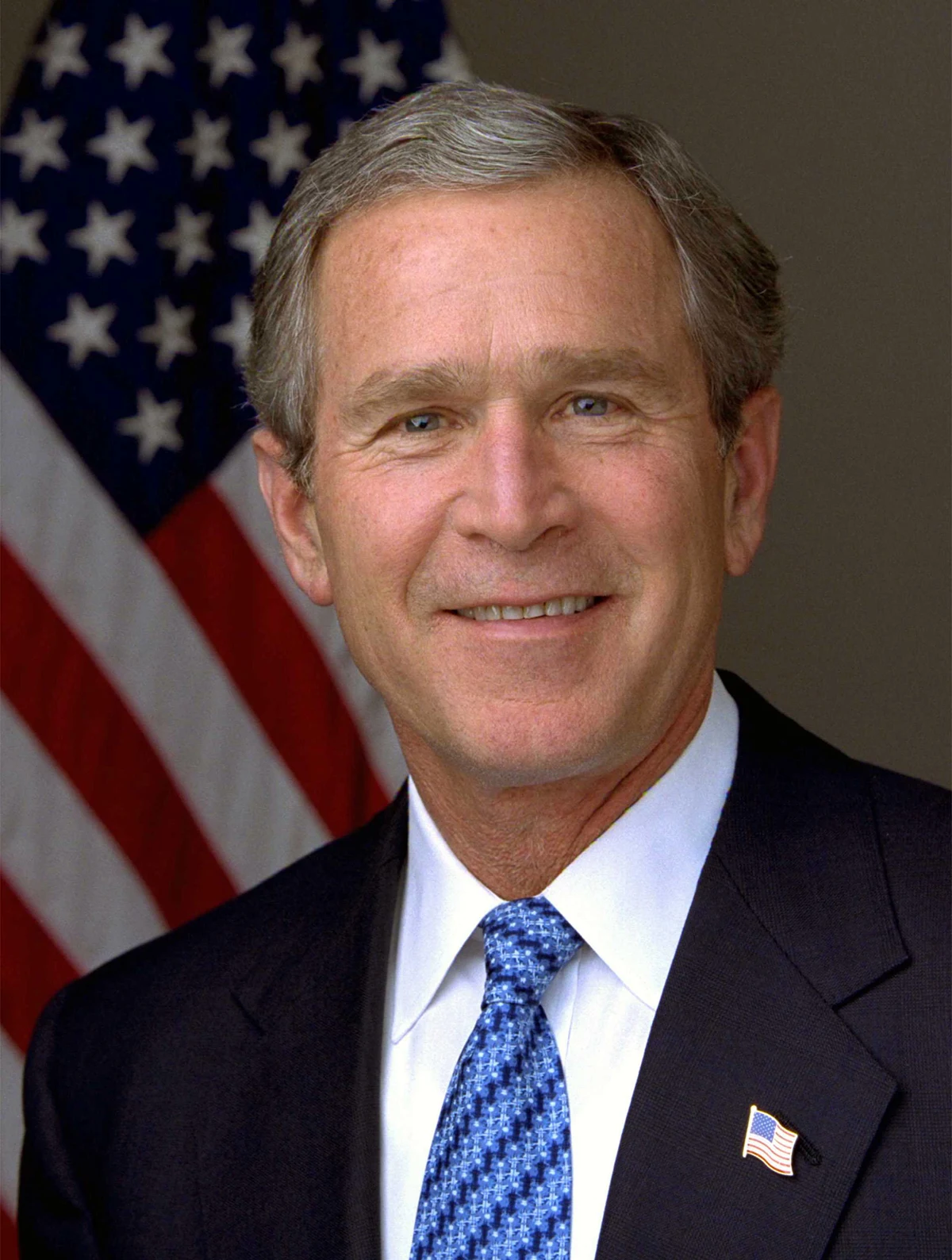
43rd president of the United StatesGeorge Walker Bush served as the 43rd U.S. president in 2001–2009 after governing Texas. His presidency joined education and health initiatives to far-reaching security decisions, two wars, a troubled disaster response and the financial crisis of 2008.Read biography
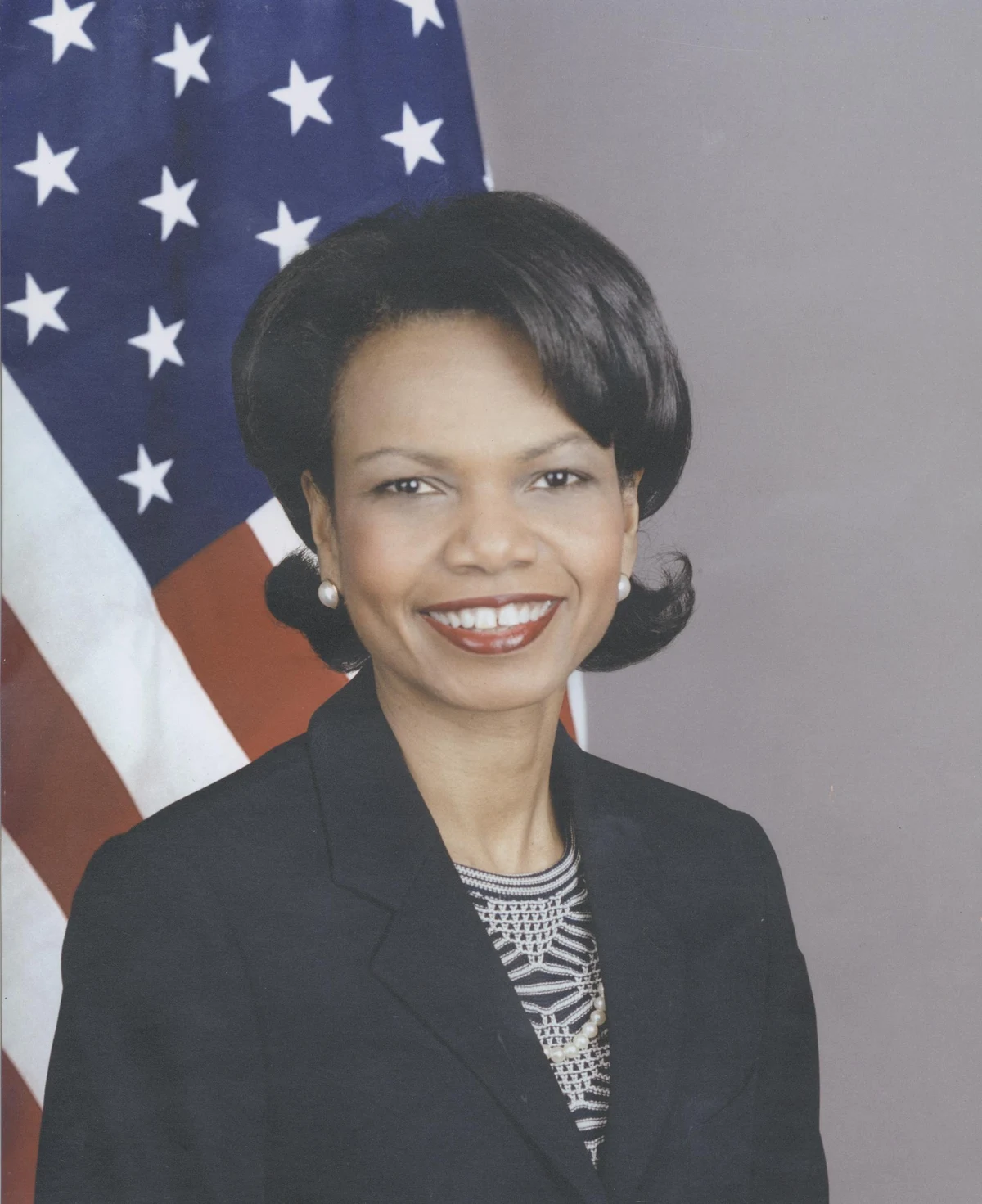
Former U.S. secretary of state and national security adviserCondoleezza Rice moved from political science and university administration into senior American foreign-policy roles. National security adviser in 2001–2005 and secretary of state in 2005–2009, she combined diplomatic initiatives with responsibility for defending consequential and disputed security policies.Read biography
26th president of the United StatesTheodore Roosevelt served as U.S. president from 1901 to 1909, expanding federal action on corporate power, consumer protection and conservation. His energetic reform agenda coexisted with military intervention abroad and racial injustice at home.Read biography
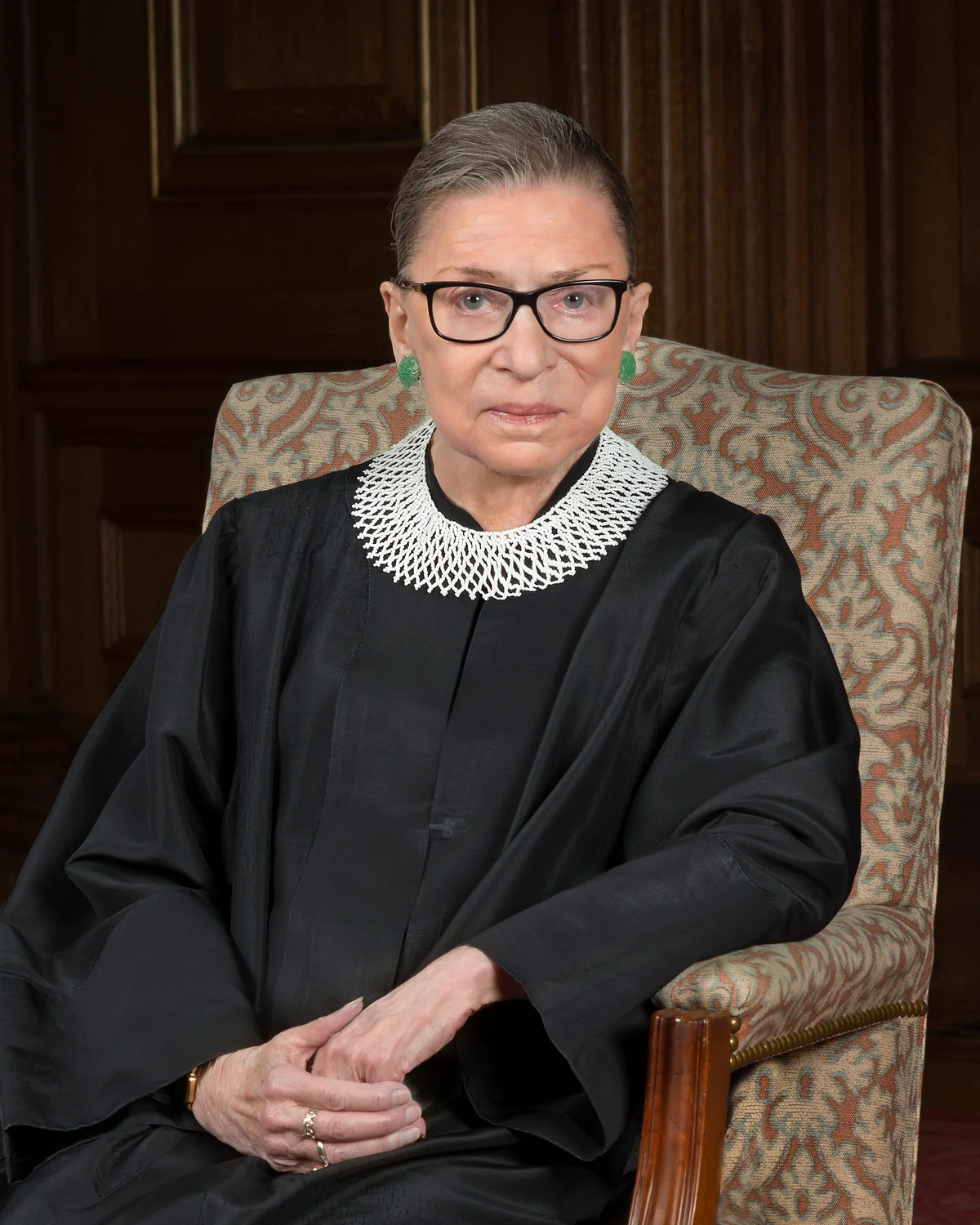
U.S. Supreme Court justice and earlier women’s-rights lawyerRuth Bader Ginsburg served on the U.S. Supreme Court from 1993 until 2020. Before becoming a judge, she helped develop the ACLU’s campaign against sex discrimination; on the Court, she wrote major opinions and dissents concerning equal citizenship and access to justice.Read biography
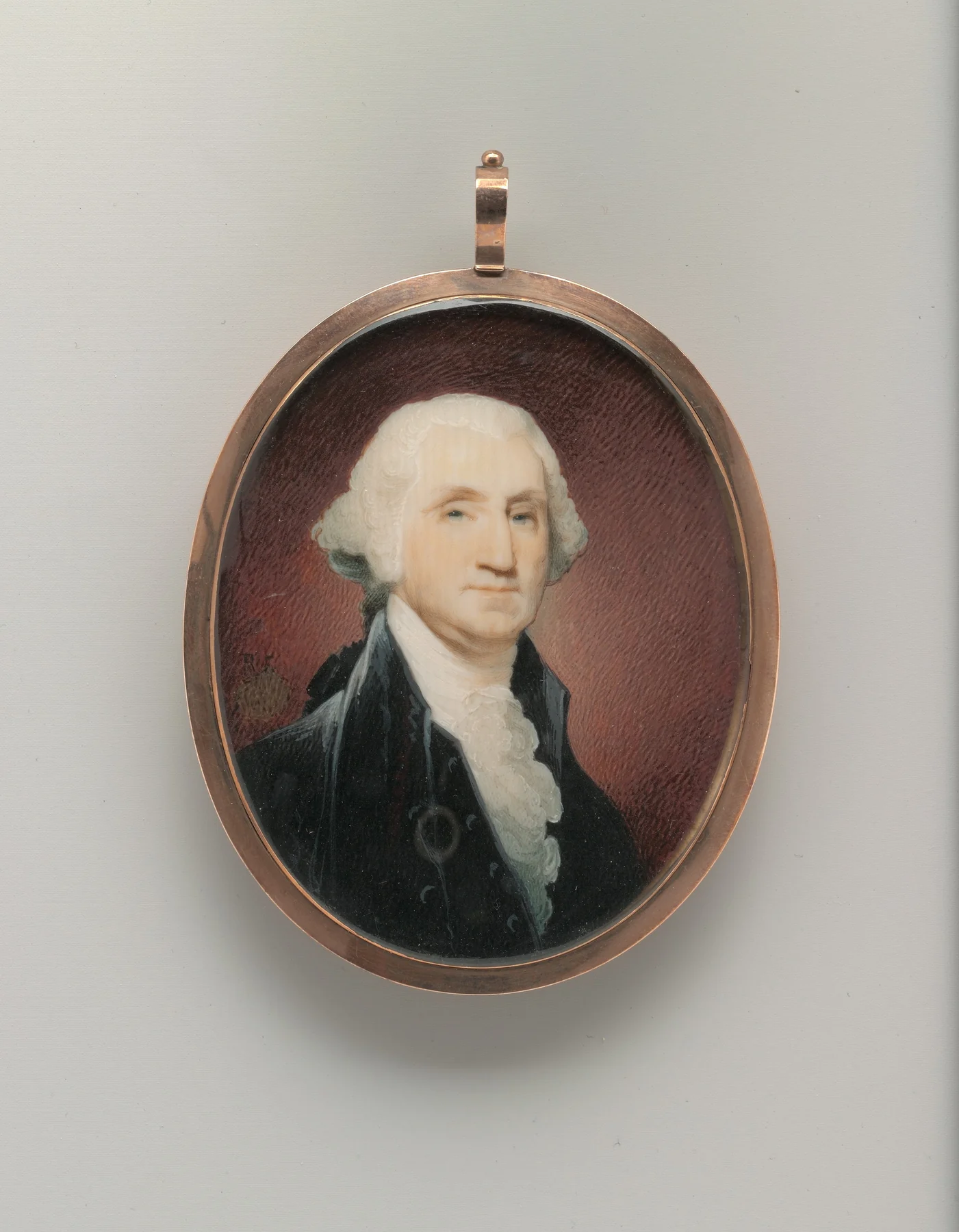
Continental Army commander and first U.S. presidentGeorge Washington moved from surveying and colonial military service to command of the Continental Army and the presidency. His public authority rested on wartime leadership, civilian restraint and decisions that shaped the new federal government.Read biography
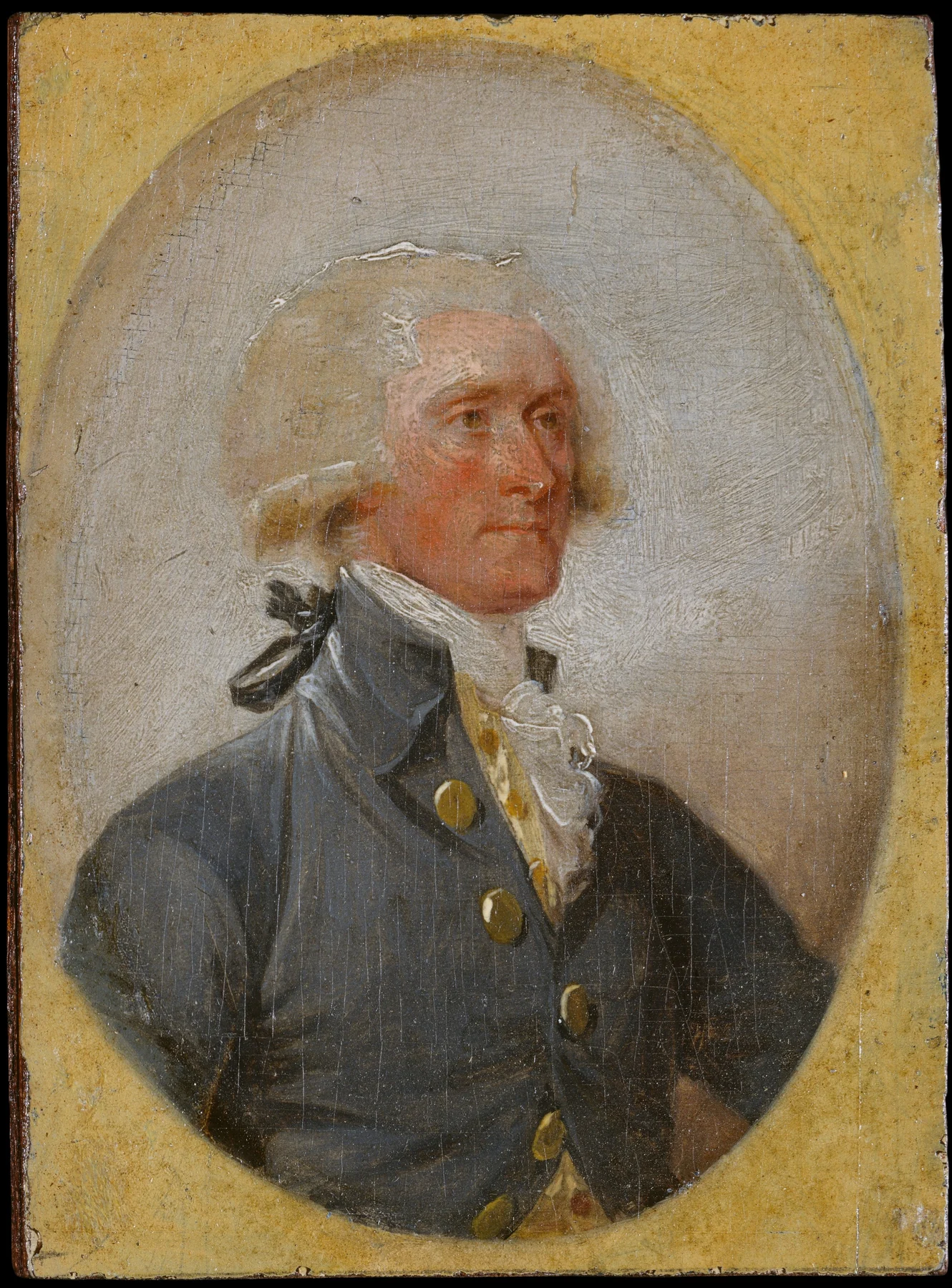
Declaration drafter, diplomat and third U.S. presidentThomas Jefferson shaped the language of American independence and later led an expanding republic. His career moved through Virginia law and government, diplomacy in France, national party conflict and two presidential terms.Read biography
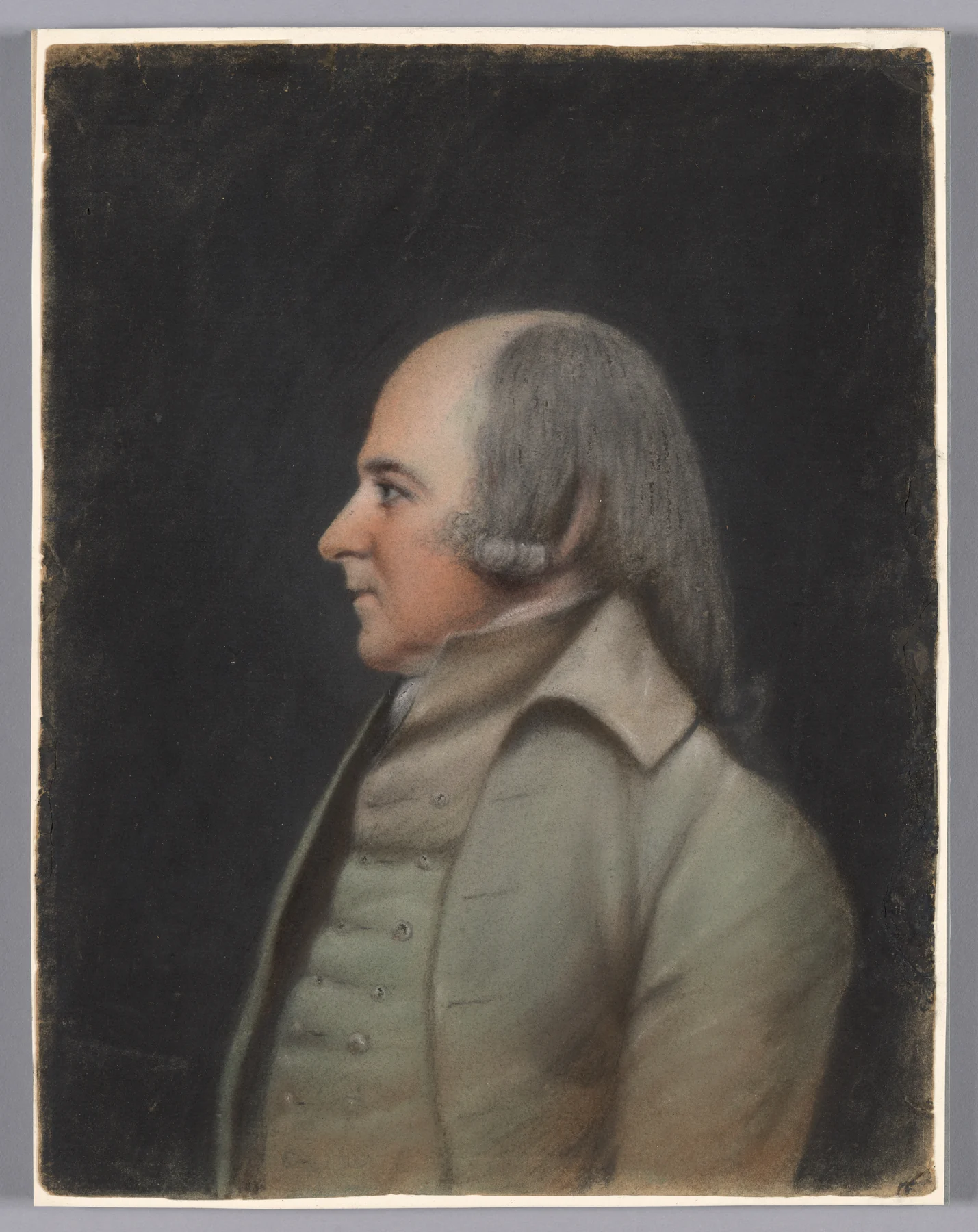
Revolutionary advocate, diplomat and second U.S. presidentJohn Adams helped argue for independence, drafted a model of separated government and negotiated abroad before serving as vice president and president. His commitment to law coexisted with responsibility for the 1798restrictions on dissent.Read biography
Constitutional organiser and fourth U.S. presidentJames Madison helped turn arguments about a stronger union into constitutional institutions, then organised opposition to the policies of that government. His presidency brought the republic into war with Britain.Read biography
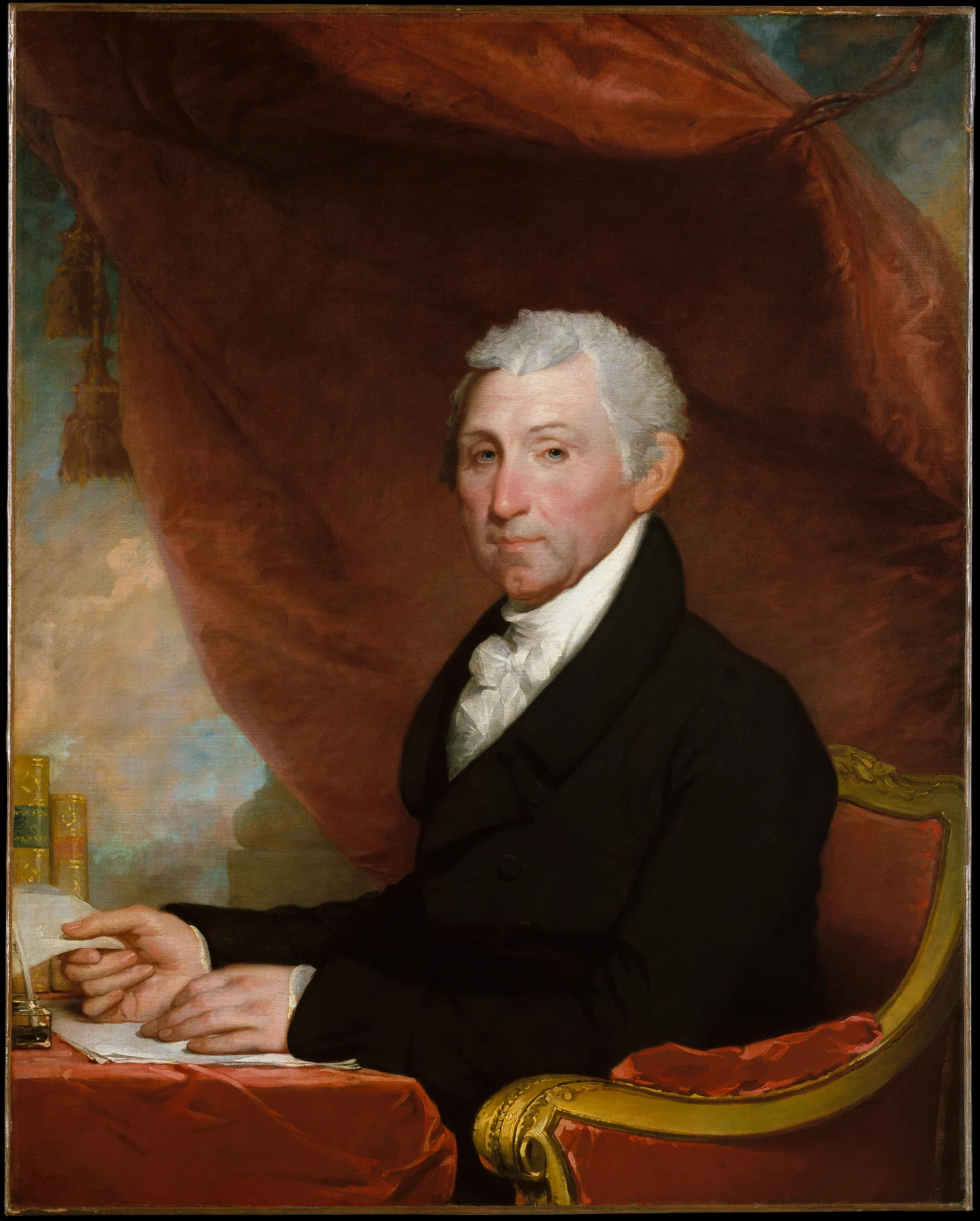
Diplomat, cabinet officer and fifth U.S. presidentJames Monroe moved from revolutionary military service into state government, diplomacy and the presidency. His career followed the republic’s expansion from an Atlantic union into a much larger continental power.Read biography
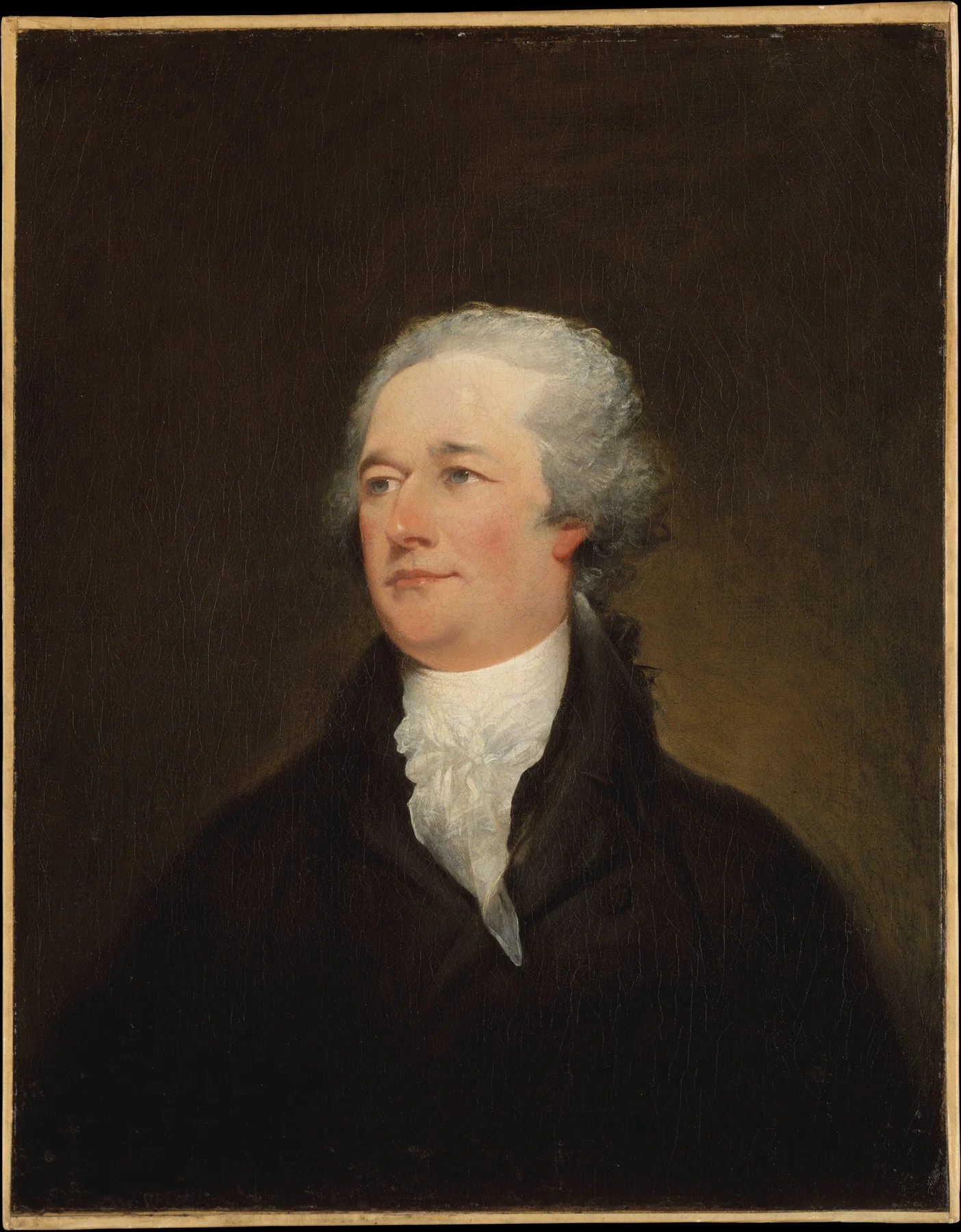
Revolutionary officer and first U.S. Treasury secretaryAlexander Hamilton brought experience of Caribbean commerce, revolutionary military service and constitutional argument to the first Treasury Department. His proposals helped give the new federal government an operating financial system.Read biography
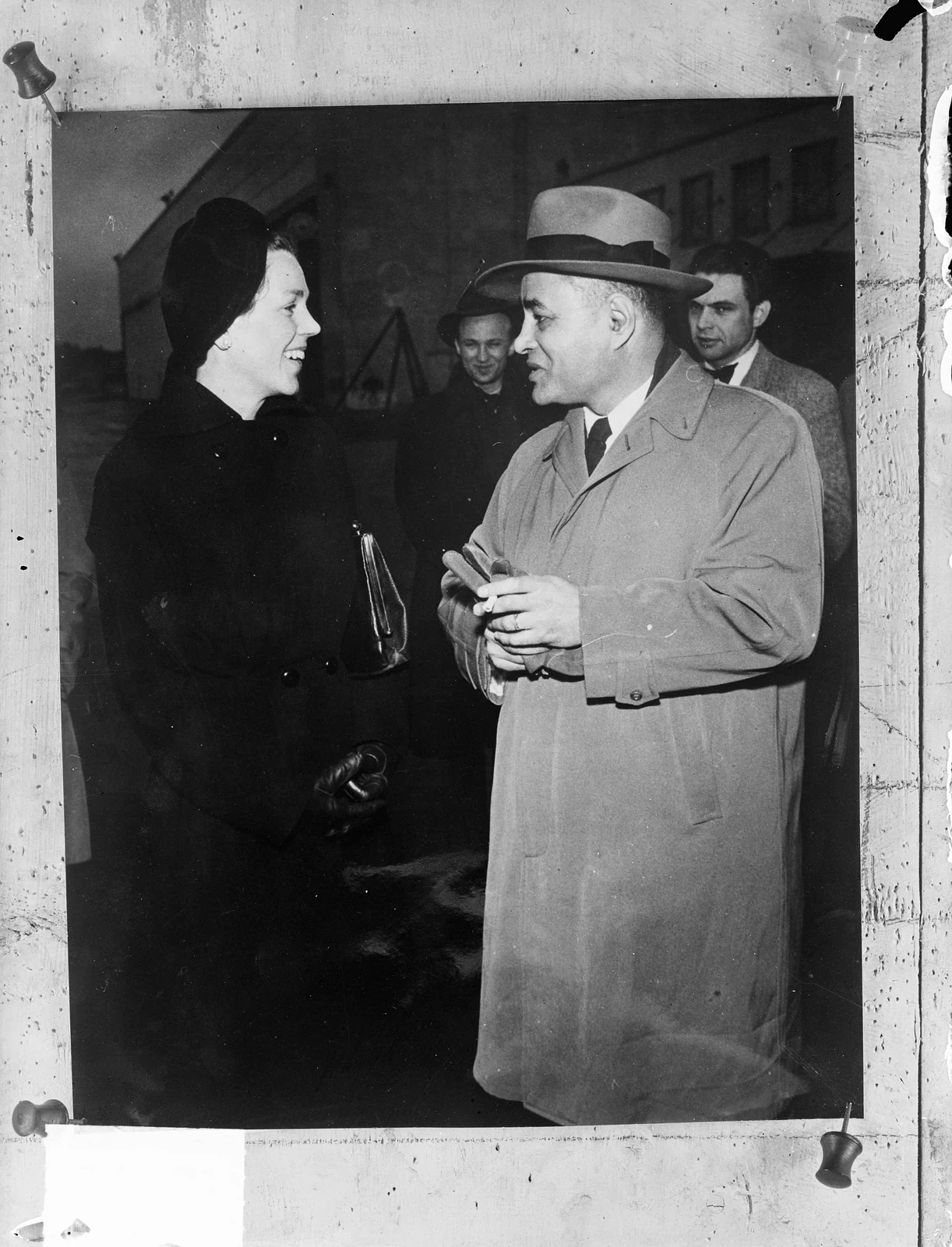
Political scientist and United Nations mediatorRalph Bunche brought a scholar’s study of race and colonial rule into international mediation and civil-rights work.Read biography
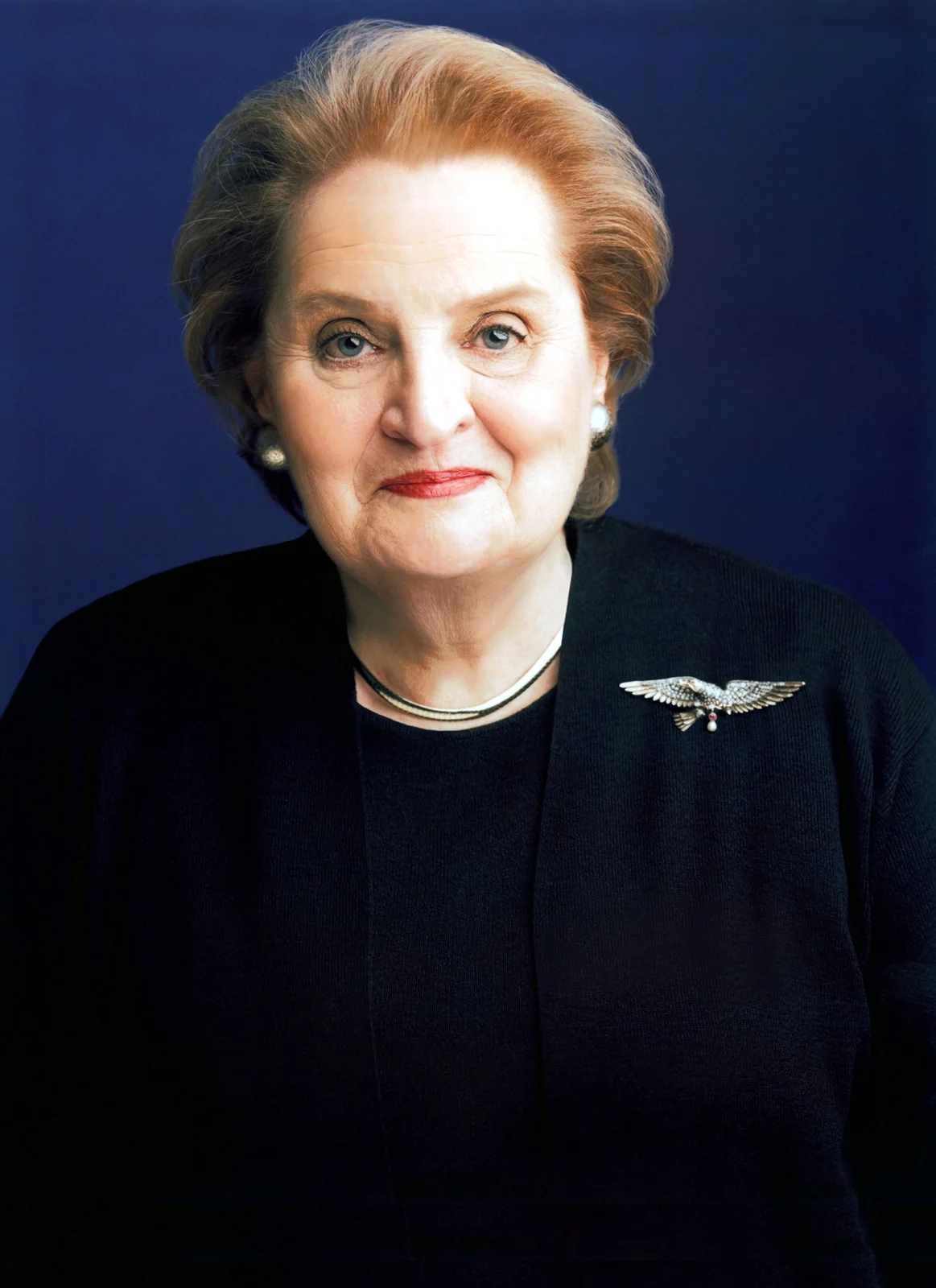
U.S. Secretary of State,1997–2001Madeleine Albright moved from scholarship and political staff work to the UN and the leadership of American diplomacy.Read biography
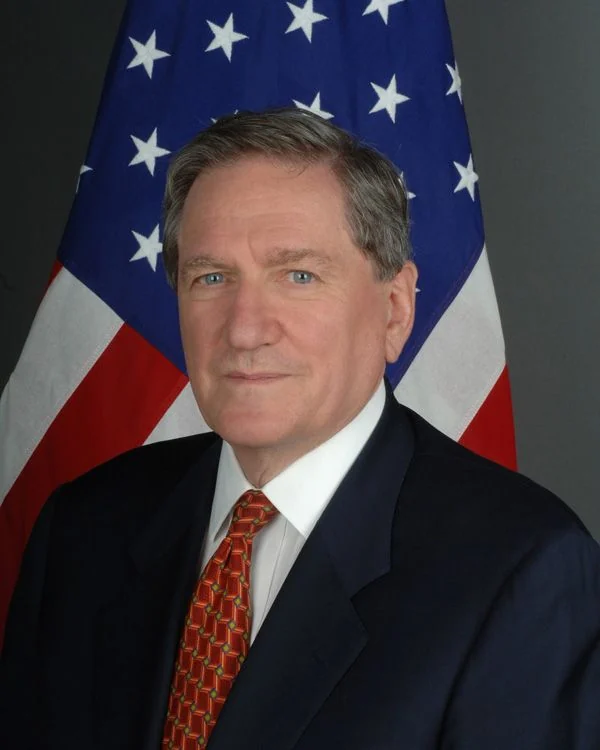
American diplomat, editor and negotiatorRichard Holbrooke’s career moved between Vietnam, Balkan diplomacy, international institutions, finance and a final Afghanistan–Pakistan assignment.Read biography
California governor and Chief Justice of the United StatesEarl Warren’s public career extended from California prosecution and state government to the leadership of the Supreme Court.Read biography
President and chief justiceA president whose earlier and later careers centred on courts, administration and the organisation of government.Read biography
President and foreign-policy strategistHis career asks how diplomatic achievements can coexist with a collapse of public authority, bringing policy and accountability into the same story.Read biography
Labour investigator and social reformerKelley turned settlement-house investigation into factory inspection and consumer campaigning, seeking better conditions for working women and children.Read biography
Settlement organiser and peace campaignerAddams helped establish Hull-House in 1889, connecting neighbourhood services, social investigation and later national and international peace work.Read biography
Investigative journalist and civil rights organiserWells used investigative journalism and public campaigning to challenge lynching, then continued civil rights and suffrage work from Chicago.Read biography
Sociologist and civil rights intellectualDu Bois joined social research with civil rights organisation, moving from the Philadelphia survey to Atlanta scholarship, The Crisis and Pan-African work.Read biography
Educator and civil rights organiserTerrell connected education, Black women’s organisations and civil rights campaigning, continuing to challenge segregation into her final years.Read biography
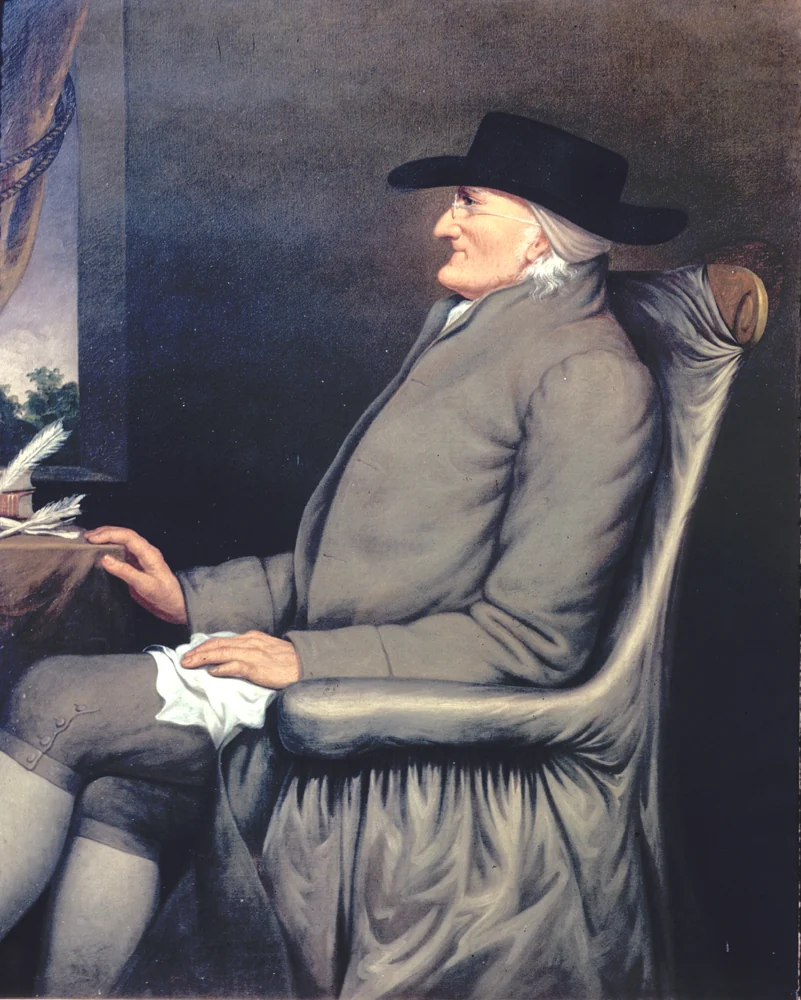
Merchant, manufacturer and Quaker abolitionistMoses Brown was a merchant, manufacturer and quaker abolitionist, known for supporting abolition, education and early cotton manufacture while remaining connected to an economy dependent on enslaved labour.Read biography
United States
Business
Founders, products, organisations and the people behind economic change.
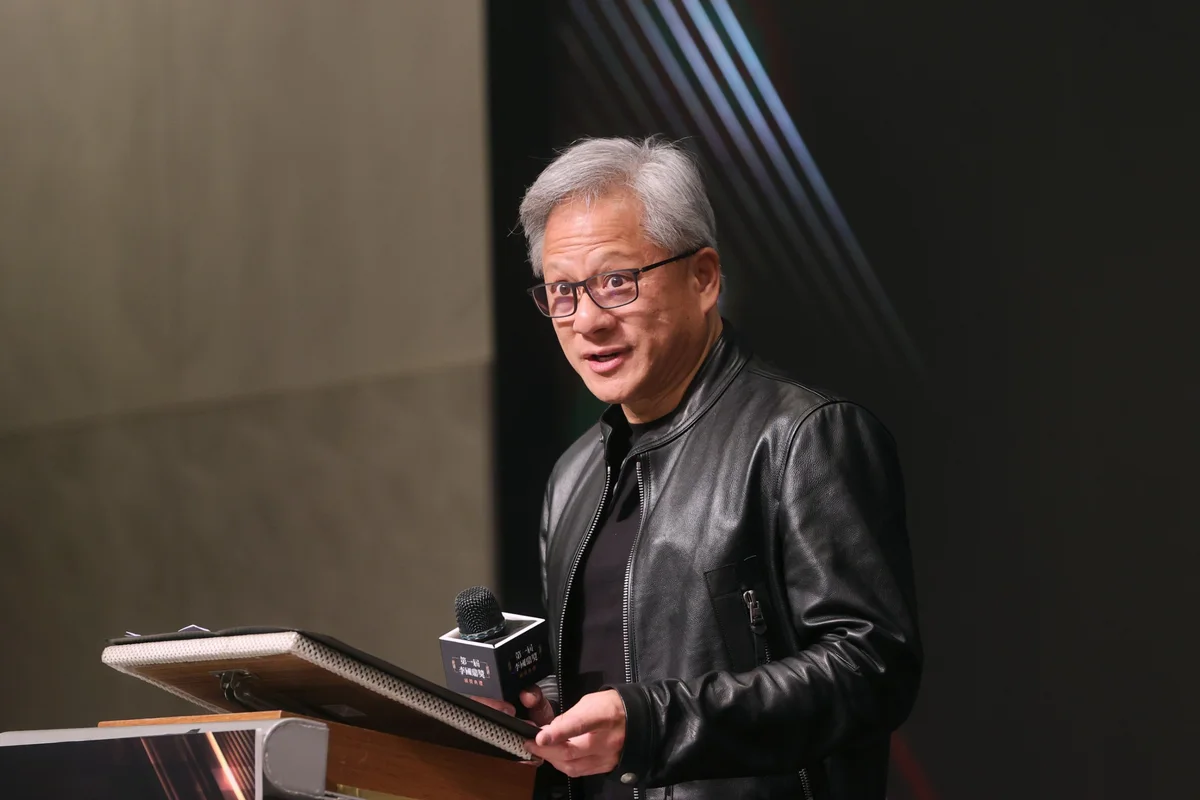
NVIDIA co-founder, president and chief executive officerThe Taiwan-born engineer who co-founded NVIDIA with Chris Malachowsky and Curtis Priem in 1993, then led its expansion from graphics chips into computing platforms.Read biography
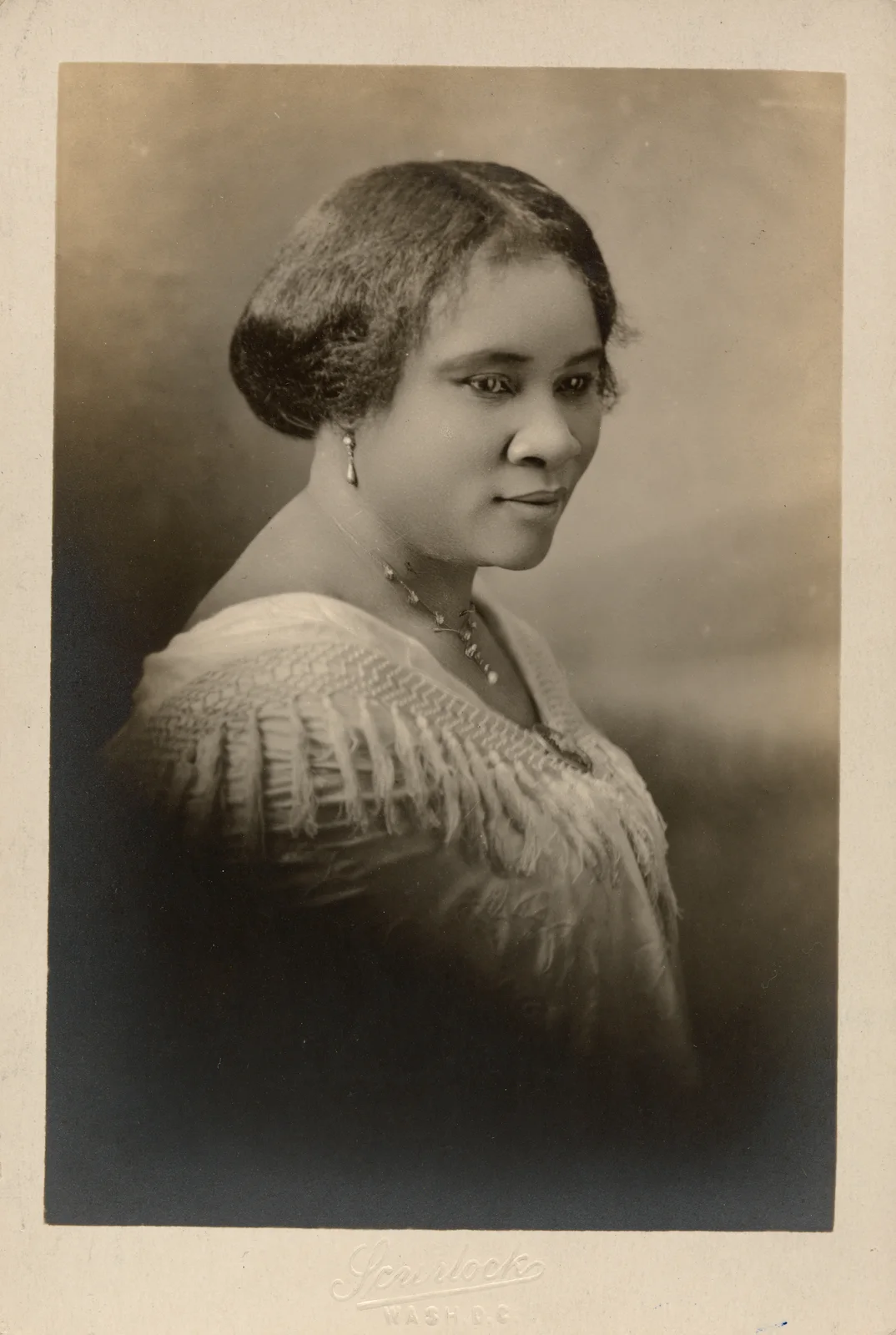
Hair-care entrepreneur, philanthropist and civil-rights advocateBorn Sarah Breedlove, she built a hair-care manufacturing and sales network, then used her wealth and influence to support Black institutions and oppose racial violence.Read biography
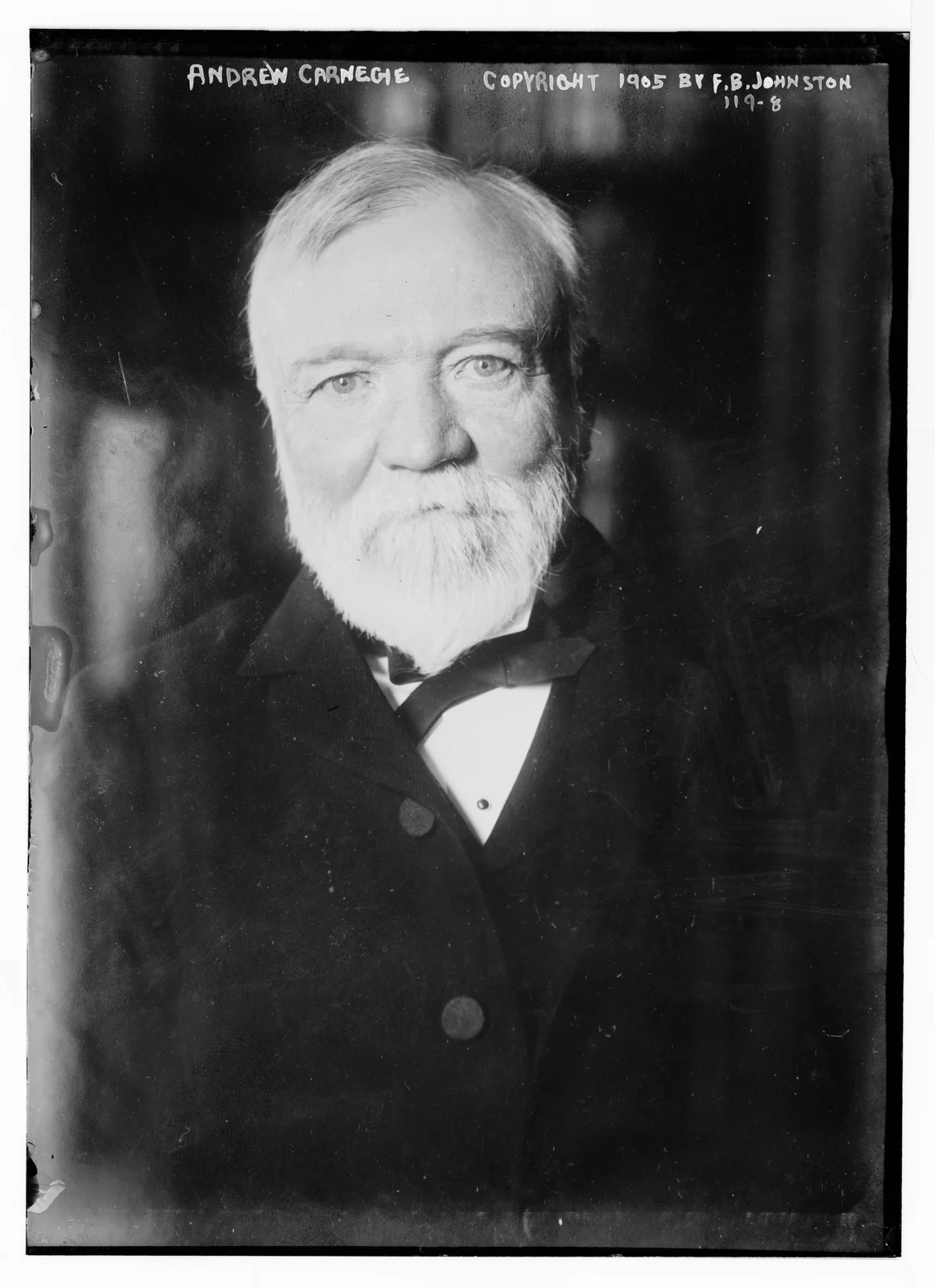
Steel industrialist and philanthropistA Scotland-born American industrialist who expanded steel production, supported the management campaign against the Homestead union and devoted his later life to philanthropy.Read biography
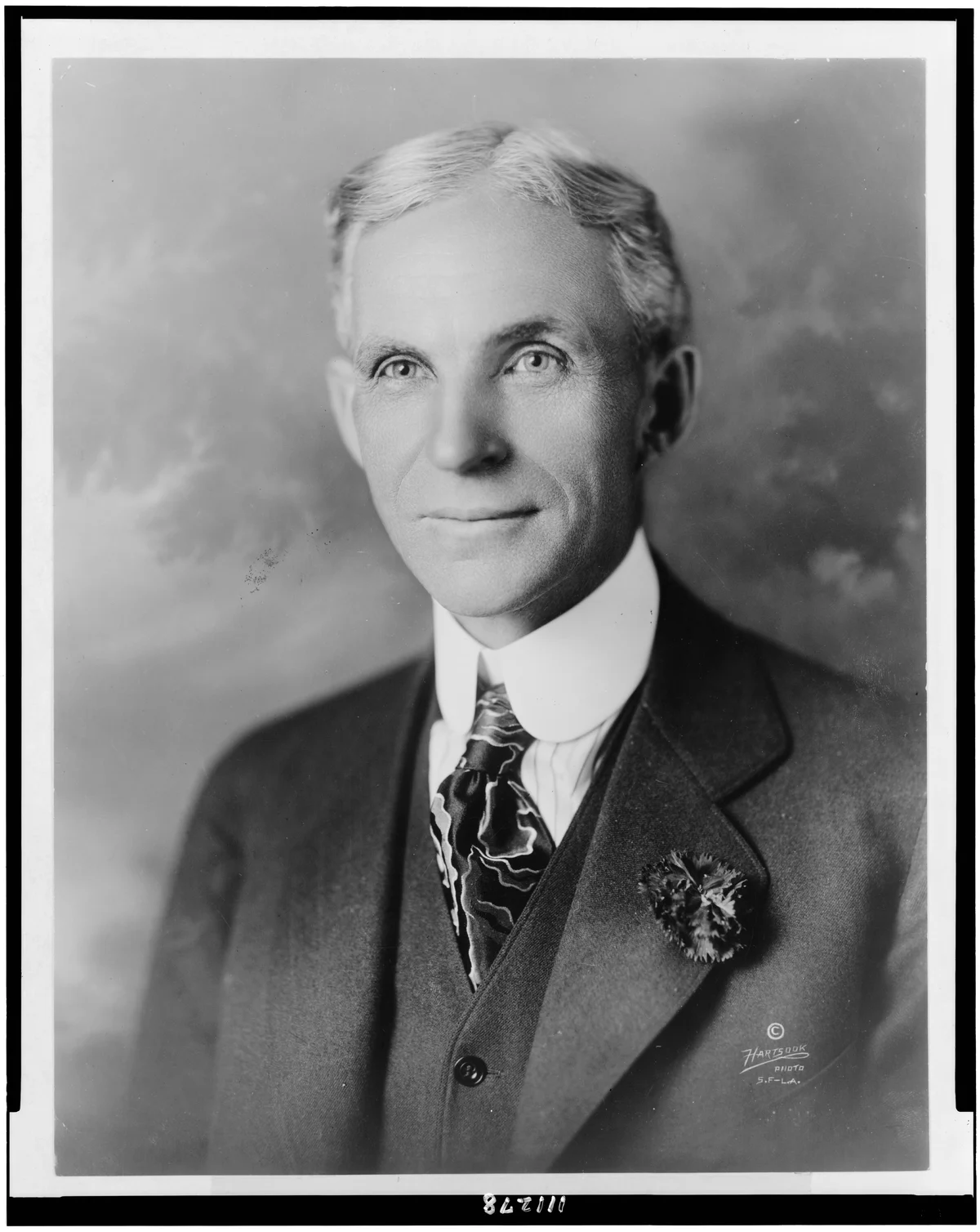
Automobile manufacturer and founder of Ford Motor CompanyAn American manufacturer whose company made the Model T in enormous numbers, developed moving assembly methods and combined high wages with intrusive labor policies.Read biography
Inventor and founder of air-brake and electrical manufacturing companiesAn American industrial inventor whose air-brake business preceded his electrical company, where engineers developed power systems using contributions from William Stanley, Nikola Tesla and others.Read biography
Photography entrepreneur, Kodak founder and philanthropistAn American entrepreneur who connected photographic manufacturing, roll-film cameras, processing services and advertising, while building the business later named Eastman Kodak.Read biography
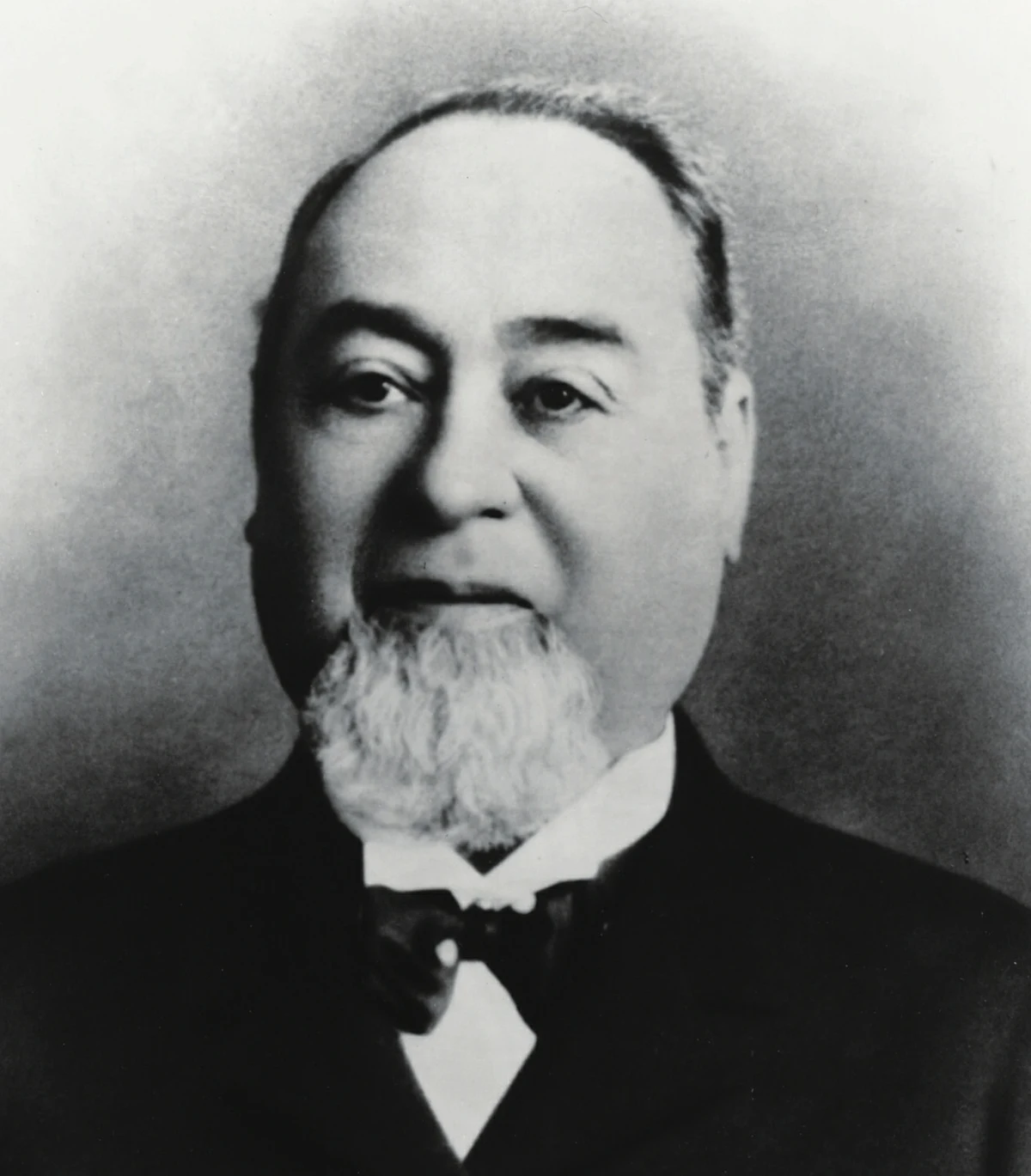
Dry-goods merchant, clothing manufacturer and philanthropistA Bavarian-born American merchant whose San Francisco wholesale business became the commercial partner of tailor Jacob Davis in patented riveted clothing.Read biography
Bank founder, fraternal leader, newspaper editor and civil rights advocateA Richmond institution builder who led the Independent Order of St. Luke, established its bank and newspaper, and created opportunities for Black workers and families.Read biography
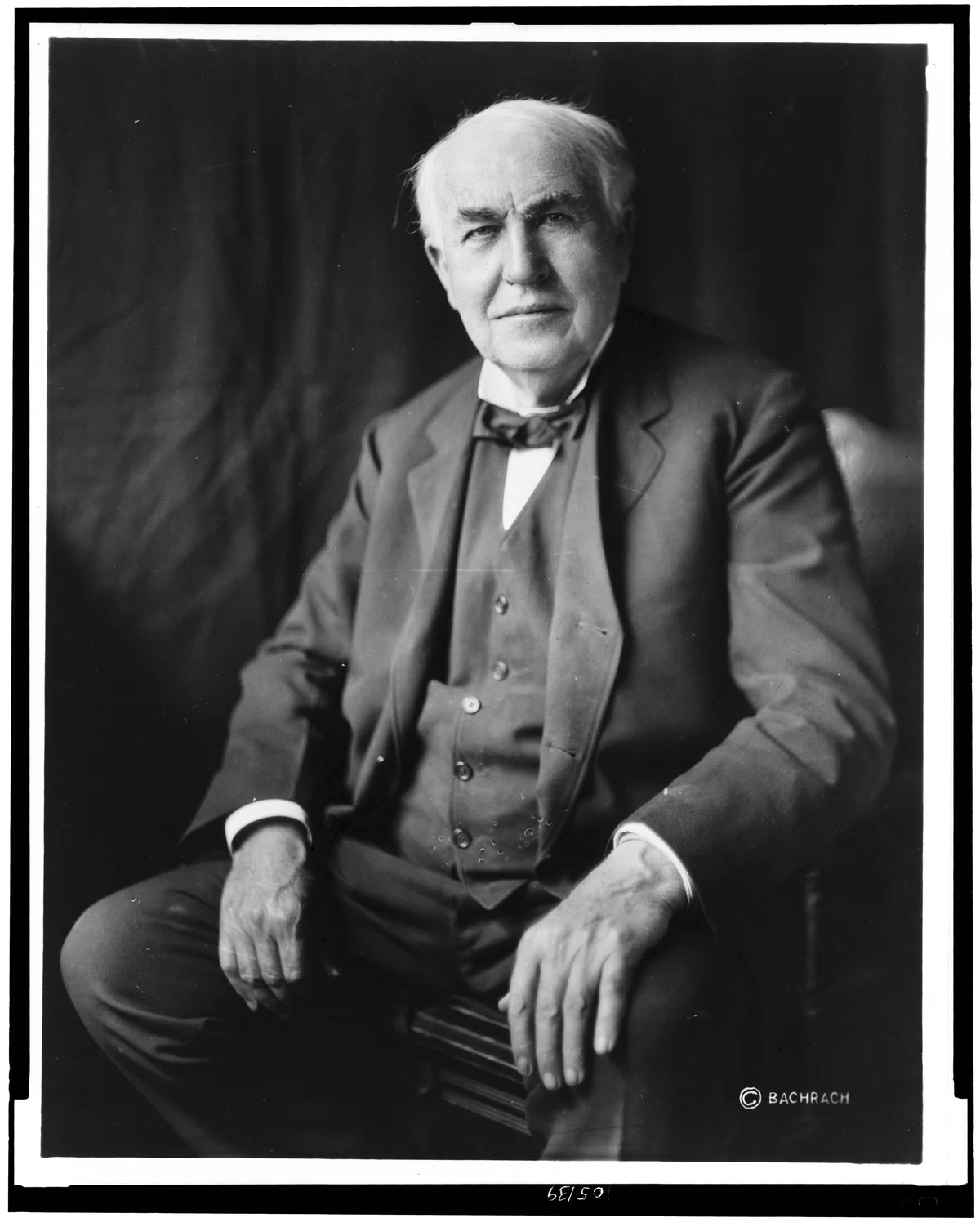
Inventor, laboratory organizer and industrial entrepreneurAn American inventor and entrepreneur whose laboratories connected experimental work with manufacturing, finance and commercial systems.Read biography
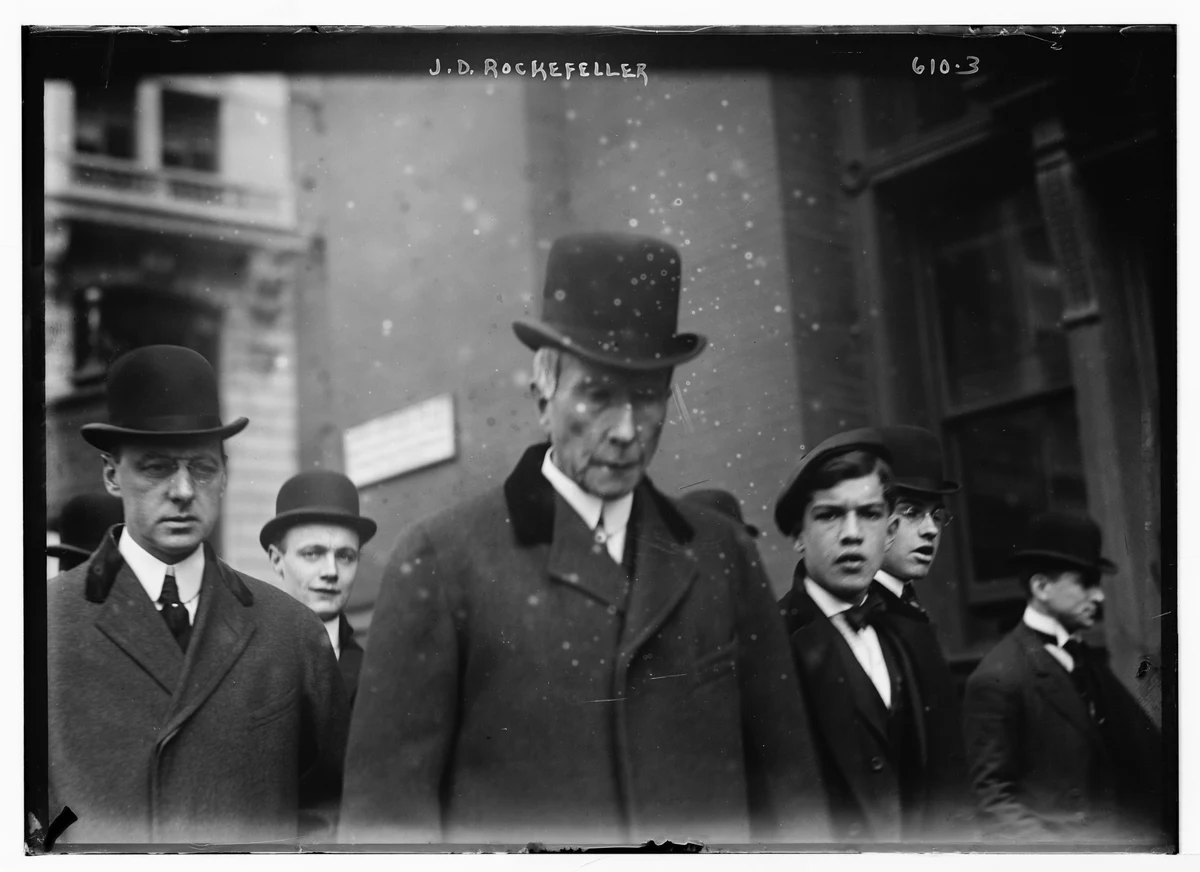
Oil entrepreneur and institutional philanthropistAn American oil businessman whose Standard Oil organization became a focus of antitrust action and whose fortune funded enduring philanthropic institutions.Read biography
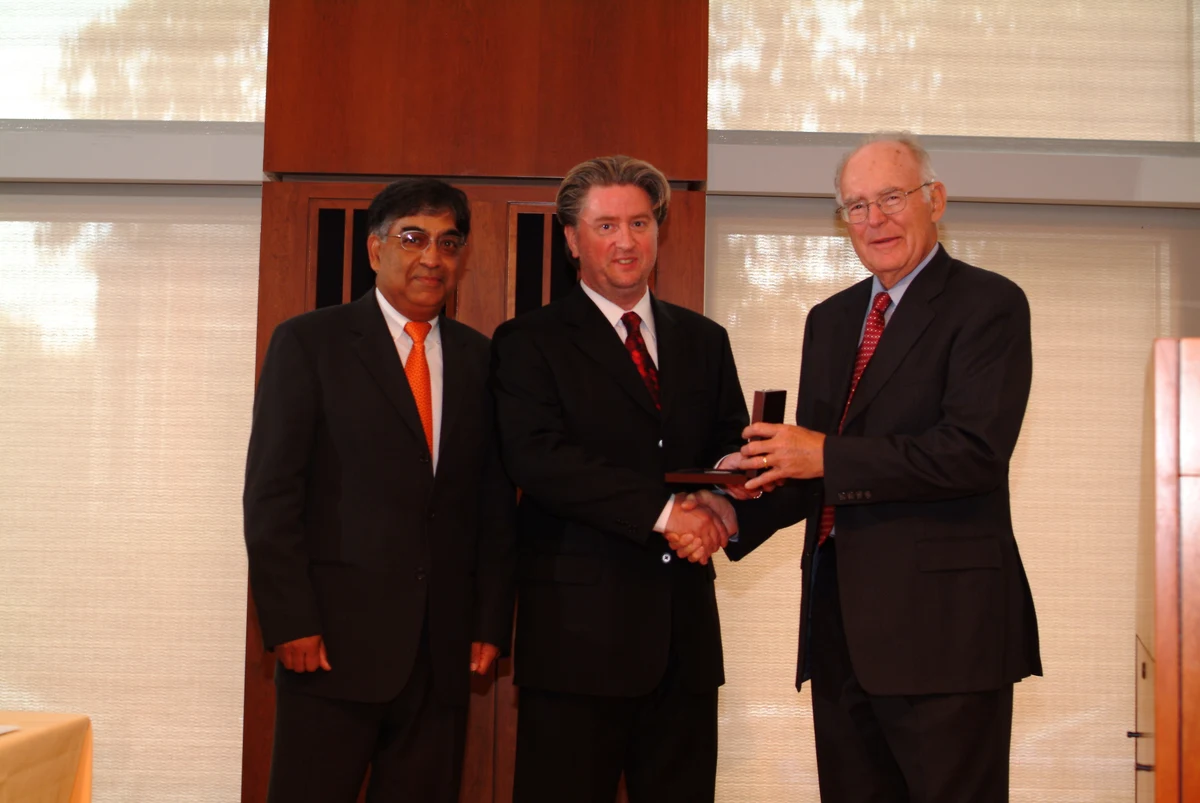
Semiconductor chemist, Intel cofounder and philanthropistA chemist and business leader who helped build semiconductor companies, forecast growing chip complexity and later supported science and conservation.Read biography
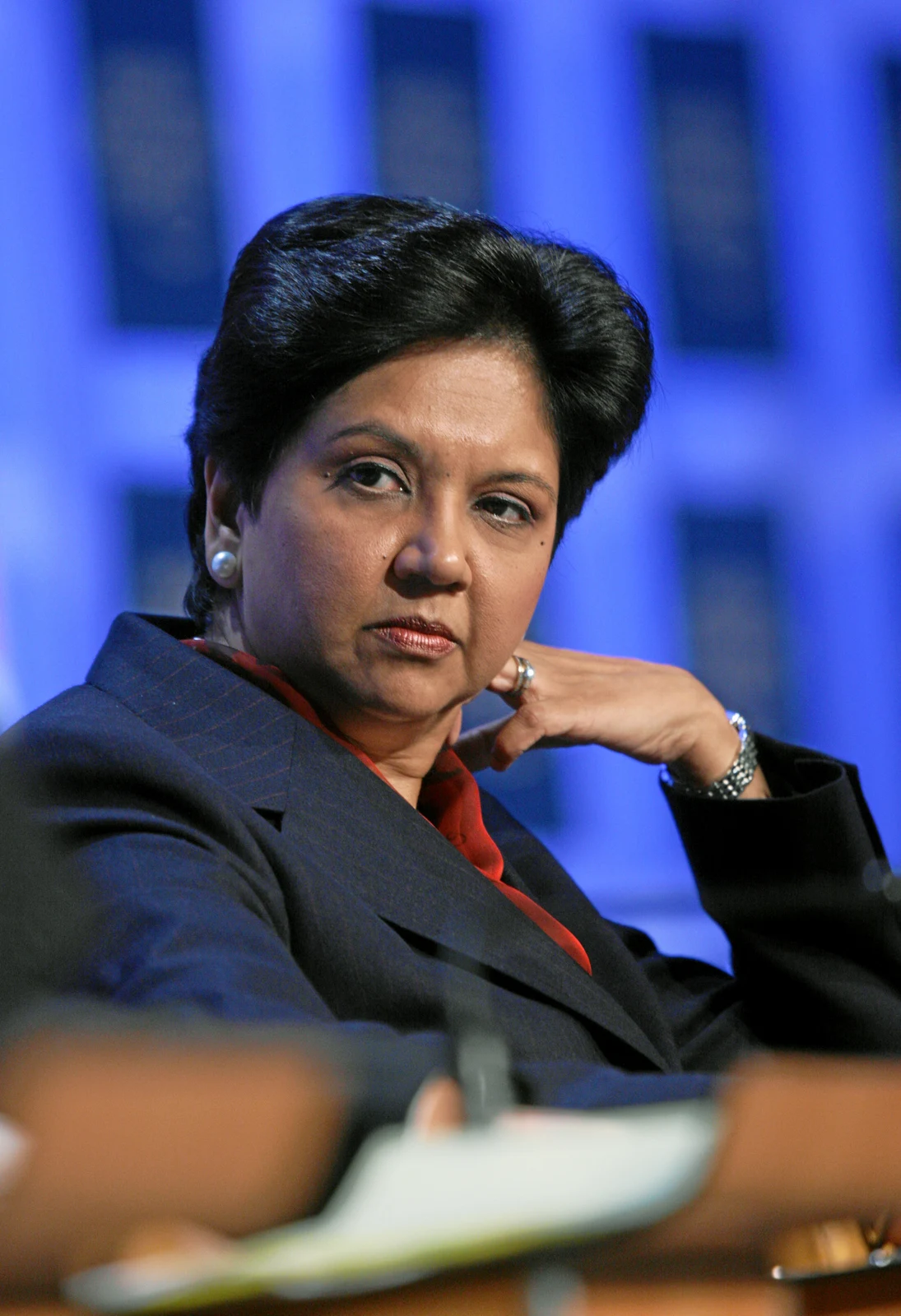
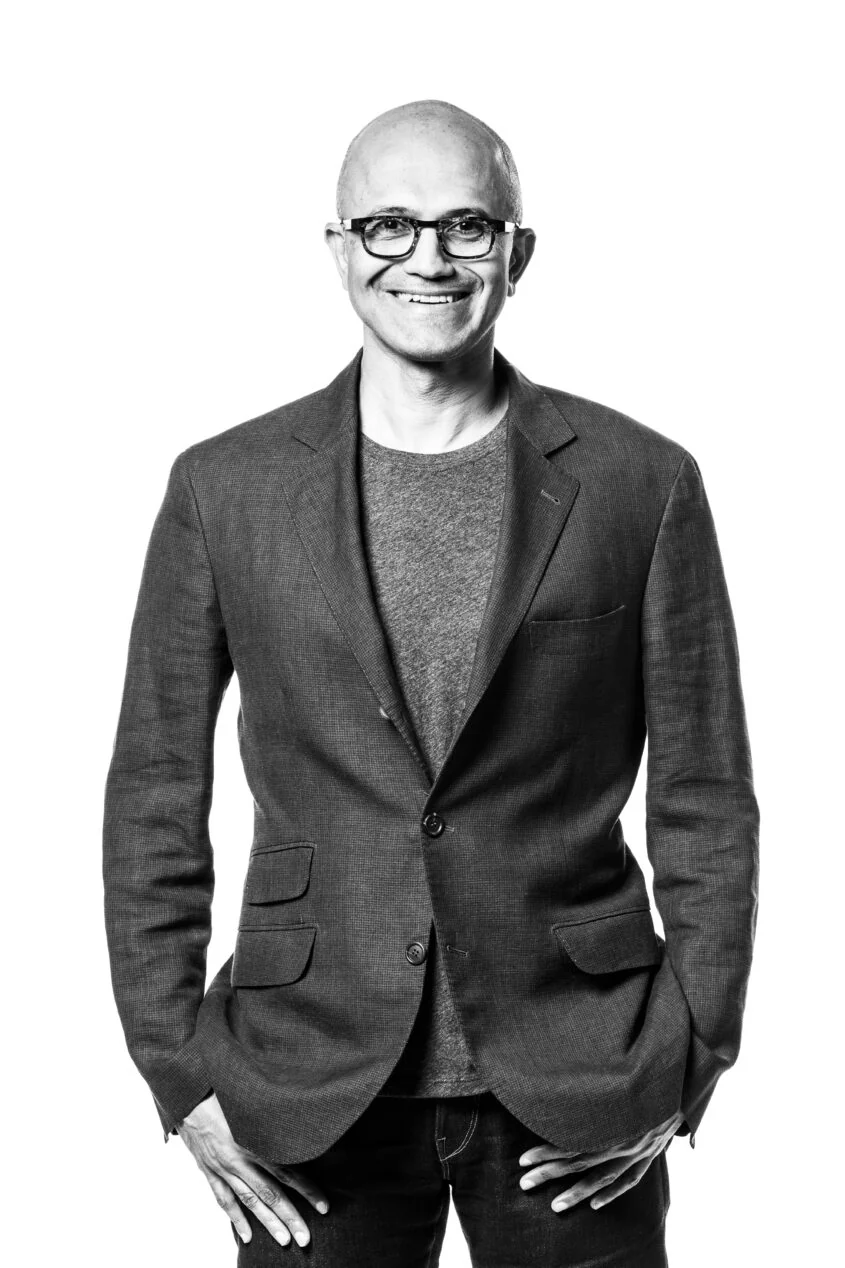
Former PepsiCo chief executive and board chairAn India-born business leader whose career in the United States linked corporate strategy, PepsiCo’s leadership and debate about work and caregiving.Read biography
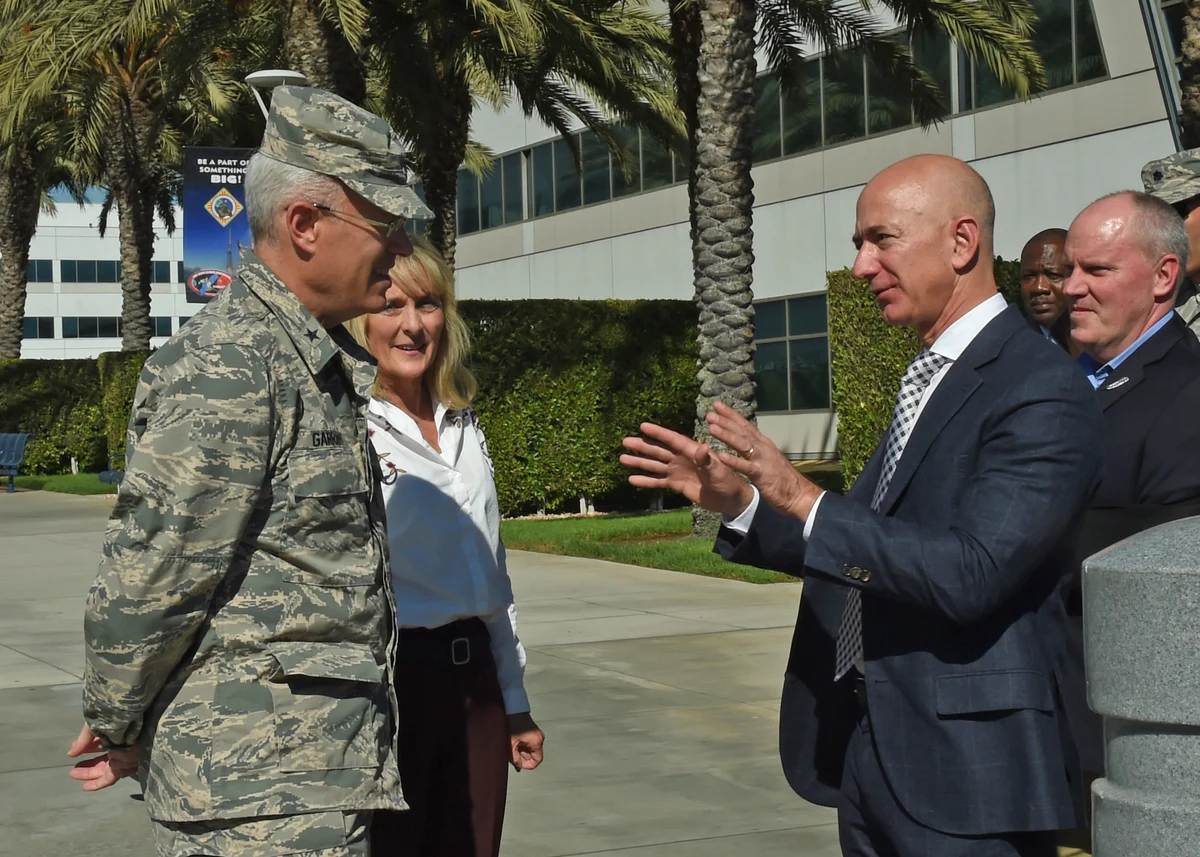
Amazon founder and former chief executiveA technology entrepreneur whose Amazon career connected online retail, physical distribution and computing services, alongside separate space and media interests.Read biography
Investor, Berkshire Hathaway leader and philanthropistAn investor and executive whose Berkshire Hathaway career joined capital allocation, insurance and operating businesses, followed by major philanthropic commitments.Read biography
Computer engineer, Apple co-founder and educatorAn engineer whose economical hardware and software designs helped turn hobbyist microcomputing into a consumer business, followed by work in education and other ventures.Read biography
Cosmetics entrepreneur and company co-founderA cosmetics entrepreneur who combined product development, personal selling and department-store distribution to build a family business with international reach.Read biography
Retail entrepreneur and Walmart co-founderA retailer whose experience in variety stores led to a discount chain organized around small-town markets, purchasing, distribution and store-level information.Read biography
Apple co-founder, NeXT founder and Pixar executiveSteve Jobs co-founded Apple, established NeXT after leaving in 1985, and backed the independent Pixar. His return through Apple's NeXT acquisition preceded a second period leading Apple’s product development and business strategy.Read biography
Hewlett-Packard co-founder, engineer and philanthropistDavid Packard helped turn a small test-instrument partnership into Hewlett-Packard. His career combined engineering and management with service as deputy secretary of defense and philanthropy undertaken with Lucile Packard and their family.Read biography
Media entrepreneur, producer, broadcaster and philanthropistOprah Winfrey built a media business around broadcasting, production and ownership. Her nationally syndicated talk show became the foundation for Harpo’s production work and a later cable-network venture, alongside acting and education philanthropy.Read biography
Engineer, former Xerox chief executive and business leaderUrsula Burns advanced from a Xerox engineering internship to leadership of the company. As CEO, she oversaw its expansion into business services and later separation into two companies, while also supporting engineering education and public advisory work.Read biography
Asset-management executive, corporate director and financial-literacy advocateMellody Hobson developed a career in client services, management and ownership at Ariel Investments, becoming co-CEO in 2019. Her work also extended to corporate boards, financial education and philanthropy connected with universities and cultural institutions.Read biography
Restaurant franchising entrepreneurRay Kroc was an American salesman and restaurant entrepreneur who developed McDonald's national franchise organization and acquired the McDonald brothers' business rights in 1961.Read biography
Microsoft cofounder and philanthropistBill Gates is an American software entrepreneur who cofounded Microsoft with Paul Allen in 1975, led it as CEO until 2000, and later concentrated increasingly on philanthropy.Read biography
Business executive and former diplomatMeg Whitman is an American executive who led eBay from 1998 to 2008, later headed HP and Hewlett Packard Enterprise, and served as United States ambassador to Kenya.Read biography
Coffeehouse entrepreneur and former Starbucks CEOHoward Schultz is an American entrepreneur who built Starbucks's coffeehouse business, served several terms as its CEO, and became a prominent participant in debates about employee benefits and union representation.Read biography
Automotive engineer and General Motors executiveMary Barra is an American automotive executive who rose from a Pontiac co-op placement to lead General Motors. Her tenure encompasses the ignition-switch safety crisis and the company's changing vehicle and technology strategy.Read biography
Dell founder and technology executiveMichael Dell is an American entrepreneur who founded the business that became Dell Technologies. His career spans direct computer sales, global manufacturing, a CEO handover and return, and major changes in the company's ownership and product range.Read biography
Former IBM chief executive and technology business leaderGinni Rometty is an American technology executive who led IBM as CEO from January 2012 until April 2020, then served as executive chair until retiring that December. Her career connects enterprise computing, consulting, acquisitions and workforce development.Read biography
Apple executive chair and former chief executiveTim Cook is an American business executive who joined Apple in 1998, became CEO in August 2011 and moved to executive chair in September 2026. His career centers on operations, supply chains, global products and the management of a large technology platform.Read biography
Software entrepreneur and Netflix cofounderReed Hastings is an American software entrepreneur who cofounded Netflix in 1997. He led the company as CEO and later co-CEO before moving to executive chair in 2023, nonexecutive chair in 2025 and leaving its board in June 2026.Read biography
Financial-information entrepreneur and former New York City mayorMichael Bloomberg is an American entrepreneur and philanthropist who helped establish Bloomberg L.P. in 1981. He served as New York City mayor from 2002 through 2013, then returned to business and philanthropic work.Read biography
Electrical engineer and AMD chair and chief executiveLisa Su is an American electrical engineer and business executive born in Taiwan. After engineering and management roles at Texas Instruments, IBM and Freescale, she joined AMD in 2012, became CEO in 2014 and added the board-chair role in 2022.Read biography
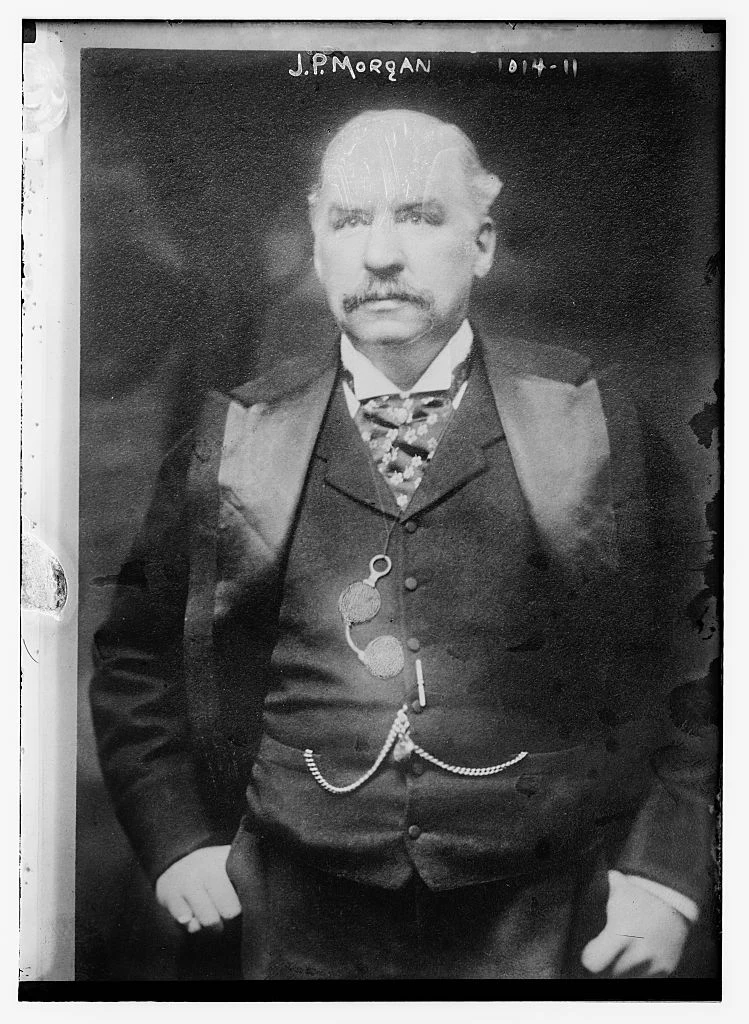
Investment banker, corporate financier and collectorJ. P. Morgan was an American investment banker whose partnerships connected European capital with American railroads and industry. He helped organize U.S. Steel, coordinated emergency lending during financial crises and built collections that contributed to major public cultural institutions.Read biography
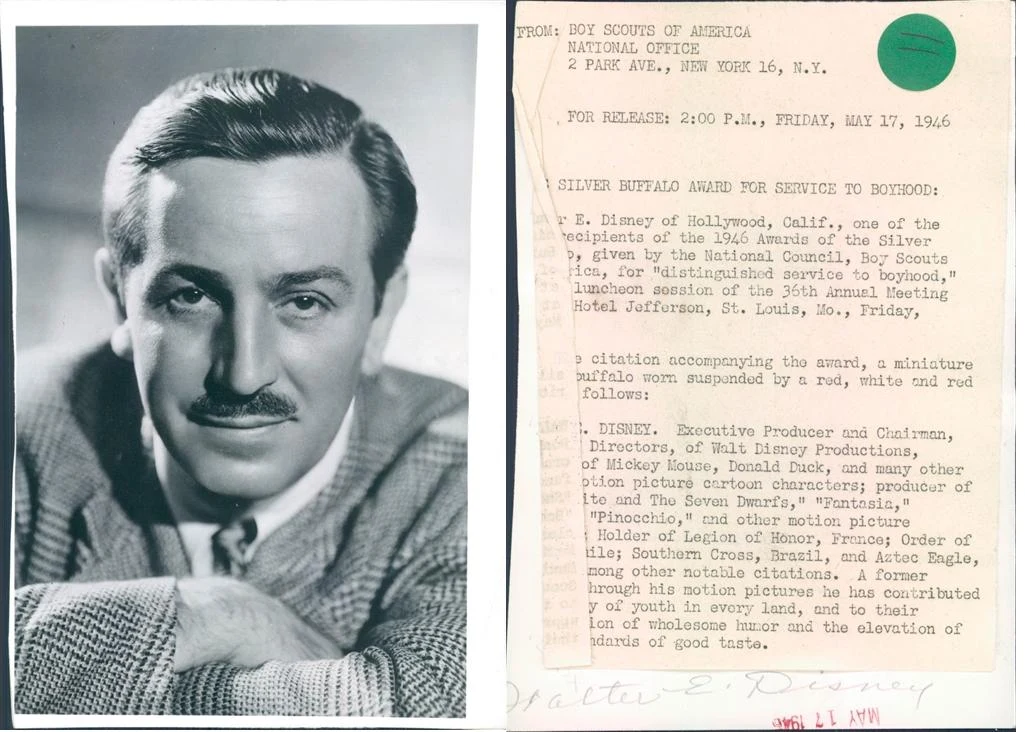
Animation producer and entertainment entrepreneurWalt Disney was an American animation producer and entrepreneur who built an entertainment business with his brother Roy. His work ranged from silent cartoon production to Mickey Mouse, animated features, television and Disneyland, with essential contributions from artists, performers and business partners.Read biography
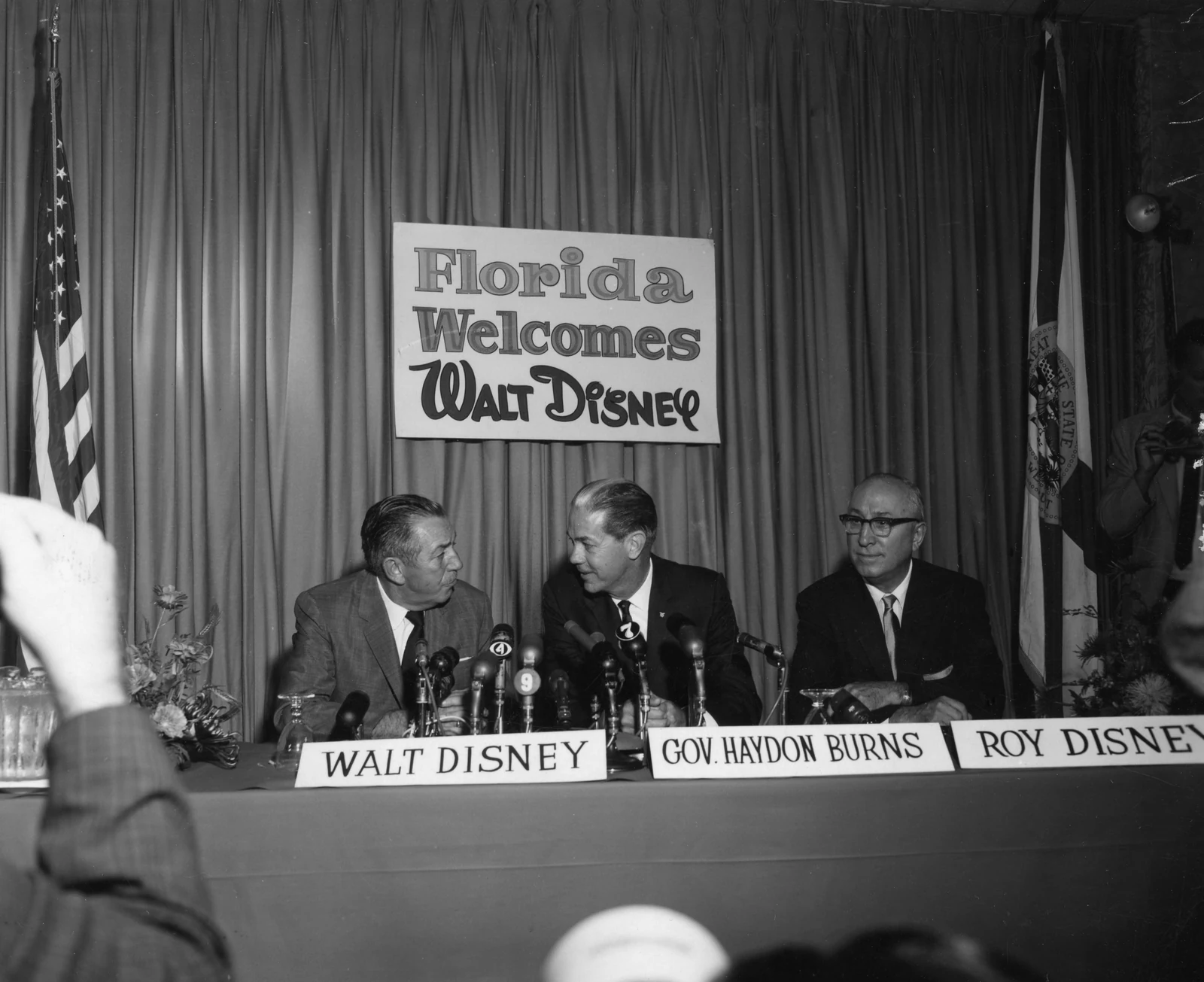
Studio cofounder, business executive and financierRoy O. Disney was the business partner and older brother of Walt Disney. He helped sustain the studio’s growth, develop distribution and licensing, and carry the Florida resort project through to its 1971 opening after Walt’s death.Read biography
Engineer, Hewlett-Packard co-founder and philanthropistWilliam Hewlett brought engineering knowledge and sustained attention to products to the company he founded with David Packard. His career extended from test instruments to scientific calculators, research management and philanthropy.Read biography
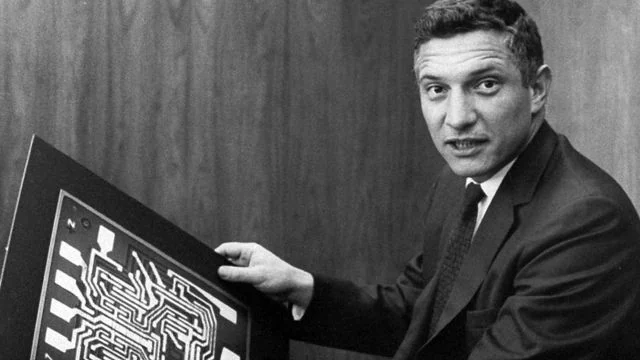
Physicist, integrated-circuit inventor and semiconductor executiveRobert Noyce connected semiconductor research with company building. A co-founder of Fairchild Semiconductor and Intel, he developed a practical interconnection approach for silicon integrated circuits and helped organise teams that turned devices into manufactured products.Read biography
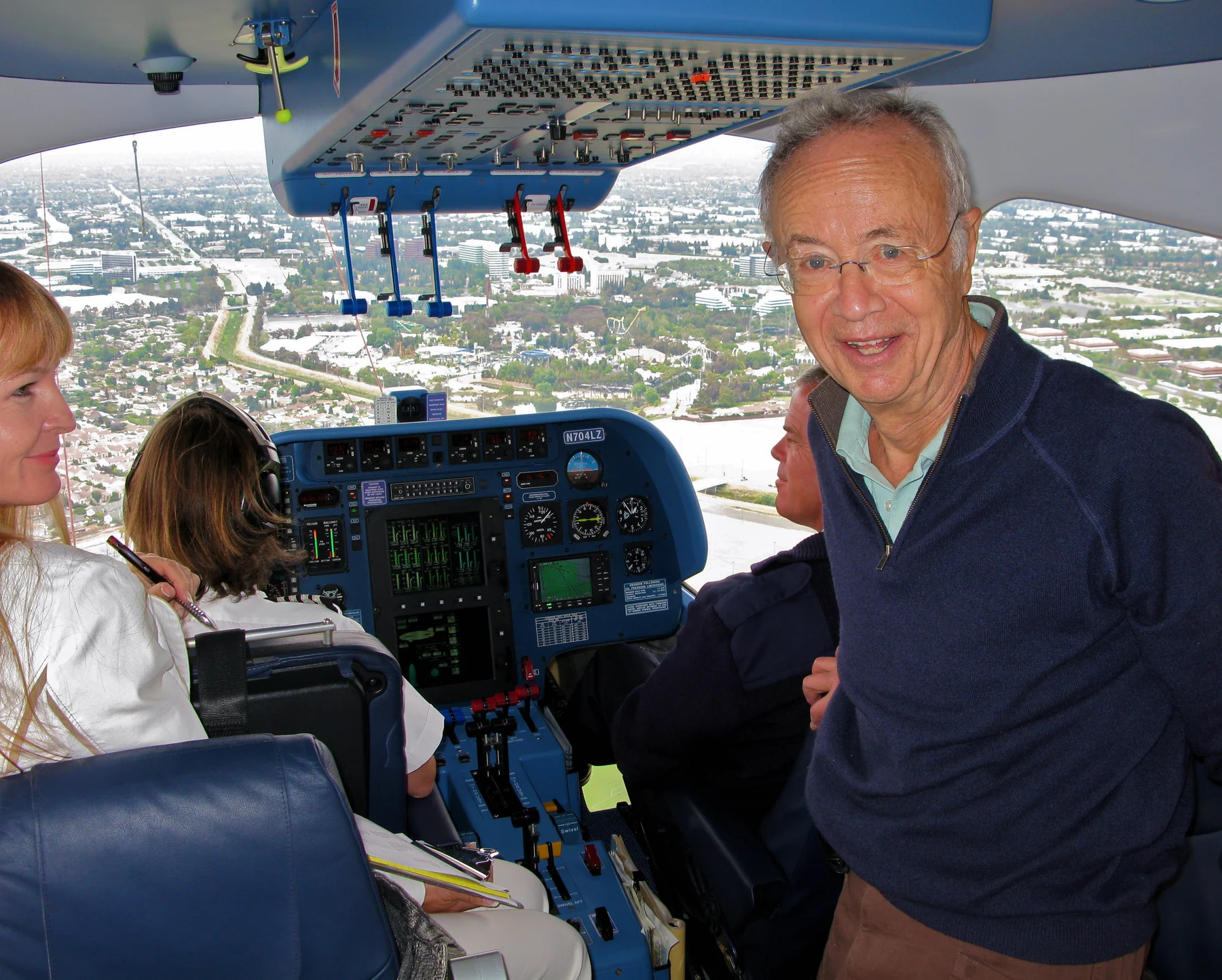
Chemical engineer, semiconductor researcher and Intel executiveAndy Grove moved from chemical engineering research to semiconductor manufacturing and executive leadership. Intel’s first recruit, he worked with Robert Noyce and Gordon Moore before becoming president, chief executive and chairman.Read biography
Technology financier, company organiser and board leaderArthur Rock helped semiconductor researchers become company founders. Working first at Hayden, Stone and later in California partnerships, he connected technical teams with financing and took active roles in company governance.Read biography
Physicist, semiconductor development leader and publisherJay Last combined optical training with semiconductor development. A member of Fairchild’s founding group, he led an early integrated-circuit team, later worked at Amelco and Teledyne, and built an influential second career in publishing and collecting.Read biography
Inventor of copying and production machineryThomas Blanchard moved from tack-making and barrel machinery to copying irregular wooden forms, helping mechanise the shaping of musket stocks.Read biography
Arms manufacturer and government contractorSimeon North expanded from agricultural tools into federal arms contracts, building a larger factory and later working toward shared rifle-part standards.Read biography
Gunmaker and precision-manufacturing innovatorJohn Hall moved from Maine craft work to Harpers Ferry, developing rifles, specialised machinery and gauges intended to produce genuinely interchangeable parts.Read biography
Precision-tool inventor and manufacturerJoseph Brown developed precision instruments and machine tools, turning a small clockmaking concern into a workshop known for versatile milling equipment.Read biography
Manufacturer, business organiser and standards advocateLucian Sharpe combined workshop training with business administration, helping build Brown & Sharpe and promote more consistent standards for measuring wire.Read biography
Machinist, factory superintendent and company presidentElisha Root developed production machinery for axes and firearms, moving from machinist to superintendent and later president of the Colt company.Read biography
Mechanical engineer and management consultantFrederick Winslow Taylor combined metal-cutting research with a controversial programme for measuring and organising industrial work.Read biography
Mechanical engineer and management consultantHenry Gantt developed management charts and task-and-bonus methods that connected production planning with attention to the people doing the work.Read biography
Builder and management consultantFrank Gilbreth moved from construction into motion-study consulting, using films and light traces to investigate the organisation of physical work.Read biography
Physicist and semiconductor entrepreneurJean Hoerni developed the planar transistor process and helped build semiconductor companies that extended silicon-device manufacturing.Read biography
Production engineer and company co-founderJulius Blank supplied manufacturing equipment and facilities expertise to early semiconductor firms and later helped found Xicor.Read biography
Electrical engineer and semiconductor co-founderVictor Grinich connected semiconductor devices with testing, applications and engineering education as a Fairchild founder and later teacher.Read biography
Engineer and venture capitalistEugene Kleiner moved from semiconductor company building into venture investing, combining technical experience with capital and board-level support for new enterprises.Read biography
Metallurgist and semiconductor co-founderSheldon Roberts brought metallurgy and crystal-production expertise to Fairchild before helping establish Amelco and supporting engineering institutions.Read biography
Coke and steel industrialist and art collectorHenry Clay Frick connected coke production with Carnegie steelmaking, confronted organised labour at Homestead and later left an art collection and endowment for a public museum.Read biography
Philanthropic adviser and institution organiserFrederick T. Gates helped turn John D. Rockefeller’s giving into organised institutions, linking educational fundraising, medical research and the design of lasting endowments.Read biography
Mechanical engineer, technical writer and steelworks designerAlexander Lyman Holley is remembered for adapting Bessemer steelmaking to American plants and improving converter maintenance and plant organisation.Read biography
Civil engineer and wire-rope manufacturerJohn Augustus Roebling is remembered for developing wire-rope manufacturing and suspension bridges, including Niagara and the design of the Brooklyn Bridge.Read biography
Civil engineer and bridge chief engineerWashington Roebling is remembered for directing construction of the Brooklyn Bridge after John Augustus Roebling’s death.Read biography
Bridge-project collaborator and women’s-rights advocateEmily Warren Roebling is remembered for sustaining communication and advocacy during Brooklyn Bridge construction and later studying women’s legal rights.Read biography
Cotton manufacturer and mill organiserSamuel Slater was a cotton manufacturer and mill organiser, known for applying English spinning experience at Pawtucket with Rhode Island investors and craftspeople, then developing a network of mills.Read biography
Merchant and manufacturing organiserFrancis Cabot Lowell was a merchant and manufacturing organiser, known for organising the Boston Manufacturing Company and combining investment, machinery and labour in an integrated Waltham textile undertaking.Read biography
Mechanic and textile-machinery organiserPaul Moody was a mechanic and textile-machinery organiser, known for developing machinery at Waltham and transferring practical workshop expertise into Lowell’s early industrial expansion.Read biography
Retail executive and philanthropistJulius Rosenwald was a retail executive and philanthropist, known for leading Sears and supporting Black education through partnerships with Booker T. Washington, public authorities and local communities.Read biography
Mail-order entrepreneurRichard Warren Sears was a mail-order entrepreneur, known for building Sears’s catalogue business with Alvah Roebuck and later partners while the firm developed national fulfilment capacity.Read biography
Mail-order retailer and advocate for public open spaceAaron Montgomery Ward was a mail-order retailer and advocate for public open space, known for building a general-merchandise catalogue business and pursuing legal protection of Chicago’s lakefront park.Read biography
Grocer and retail-system entrepreneurClarence Saunders was a grocer and retail-system entrepreneur, known for popularising self-service grocery retail through Piggly Wiggly and pursuing later automated shopping systems.Read biography
Merchant banker and philanthropistGeorge Peabody was a merchant banker and philanthropist, known for turning transatlantic commercial wealth into educational, cultural and housing institutions in Britain and the United States.Read biography
machine-tool manufacturer and engineering organiserWilliam Sellers was a machine-tool manufacturer and engineering organiser, known for the 1864 Sellers screw-thread proposal and the manufacture of precision machine tools.Read biography
mechanical engineer, educator and consultantColeman Sellers II was a mechanical engineer, educator and consultant, known for machine-tool engineering and participation in the International Niagara Commission.Read biography
ironworks engineer and industrial managerJohn Fritz was a ironworks engineer and industrial manager, known for Cambria’s three-high rail mill and later engineering leadership at Bethlehem.Read biography
textile-machinery inventorJames Henry Northrop was a textile-machinery inventor, known for the filling-replenishment mechanism associated with the Northrop loom.Read biography
railway-car manufacturer and company-town developerGeorge Pullman was a railway-car manufacturer and company-town developer, known for the Pullman sleeping-car business and the labour conflict over wages and company housing in 1894.Read biography
railway entrepreneur and transport financierJames Jerome Hill was a railway entrepreneur and transport financier, known for the Great Northern Railway and the Northern Securities combination.Read biography
United States Army engineer and public administratorGeorge Washington Goethals was a United States Army engineer and public administrator, known for river-navigation engineering and later leadership of Panama Canal construction.Read biography
railway locating engineer and construction administratorJohn Frank Stevens was a railway locating engineer and construction administrator, known for the Great Northern route through Marias Pass and later Panama and railway organisation.Read biography
railway engineer and transport-planning consultantJohn Findley Wallace was a railway engineer and transport-planning consultant, known for American railway engineering and consulting on Chicago’s terminal plans.Read biography
electrical engineer and transport-system entrepreneurFrank Julian Sprague was an electrical engineer and transport-system entrepreneur, known for integrating motors, current collection and power distribution in electric railways.Read biography
electric-utility executive and business organiserSamuel Insull was an electric-utility executive and business organiser, known for Chicago central-station development, electricity pricing and regional utility finance.Read biography
United States
Culture
Writers, performers and creative work across different American experiences.
Novelist, memoirist and nature journal writerAmy Tan is an American writer whose 1989 debut The Joy Luck Club brought interconnected Chinese American family stories to a wide readership. Her work also includes novels, memoirs, screenwriting, an opera libretto and illustrated nature journals.Read biography
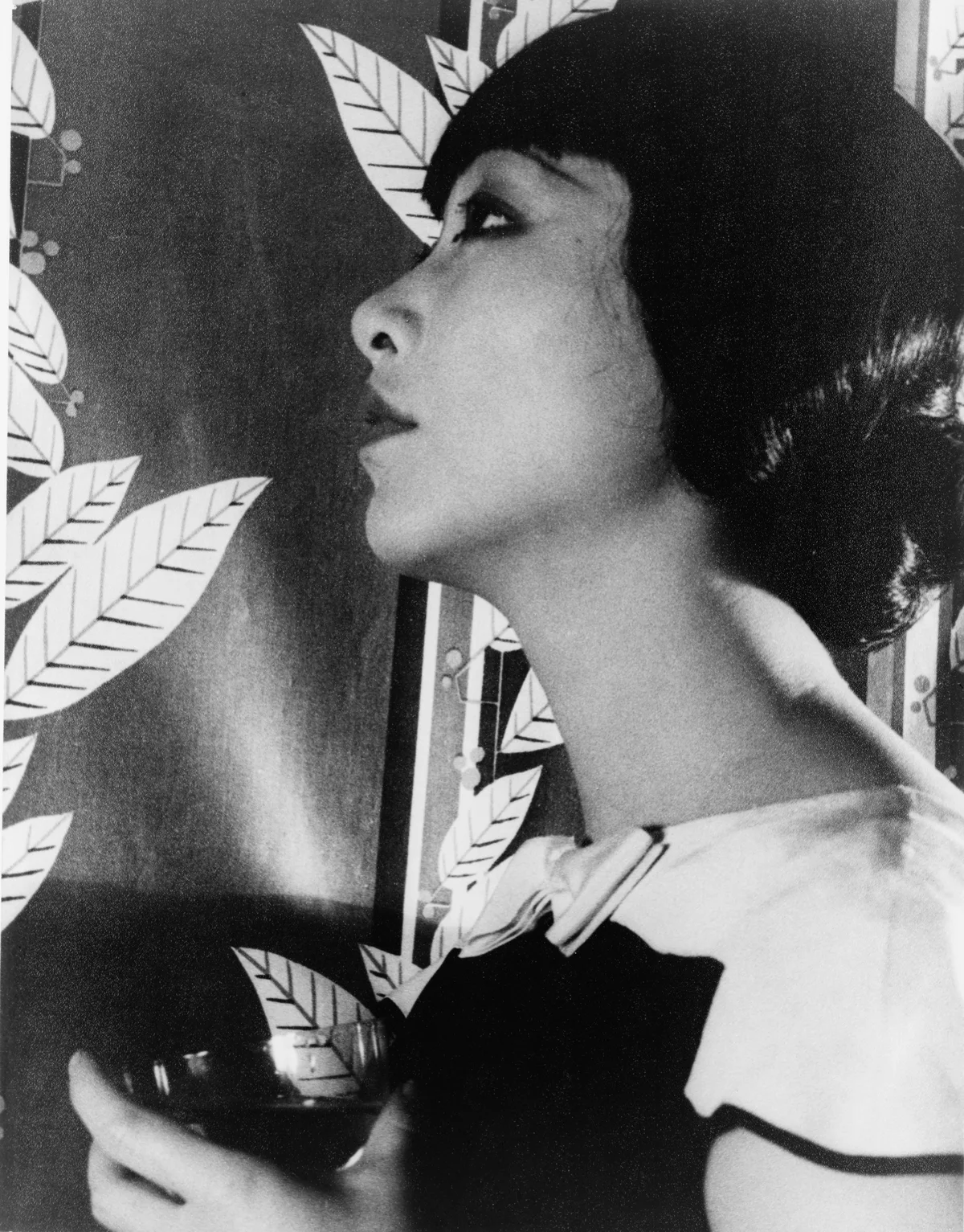
Film, stage and television actorAnna May Wong was a Chinese American actor who worked in Hollywood and Europe across silent cinema, sound films, theatre and television. Her leading and supporting roles reveal both her range and the casting restrictions imposed on Asian performers.Read biography
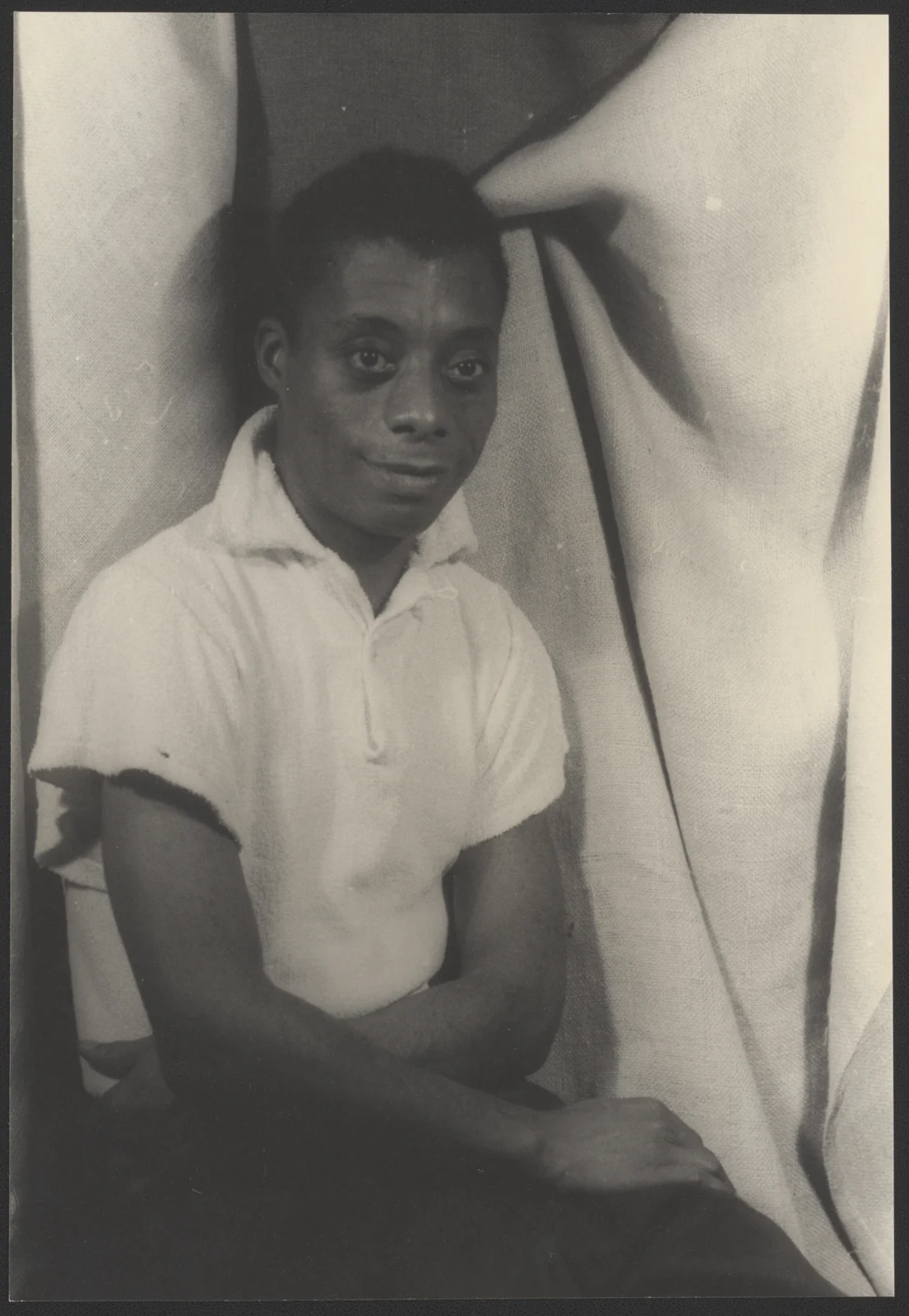
Novelist, essayist, playwright and civil rights activistAn American writer whose fiction, essays and public interventions connected intimate questions of family, faith and desire with the unfinished struggle for racial justice.Read biography
Composer, pianist, arranger and orchestra leaderAn American composer and pianist who made his orchestra a continuing creative workshop, developing a distinctive sound through individual players, arrangements and extended works.Read biography
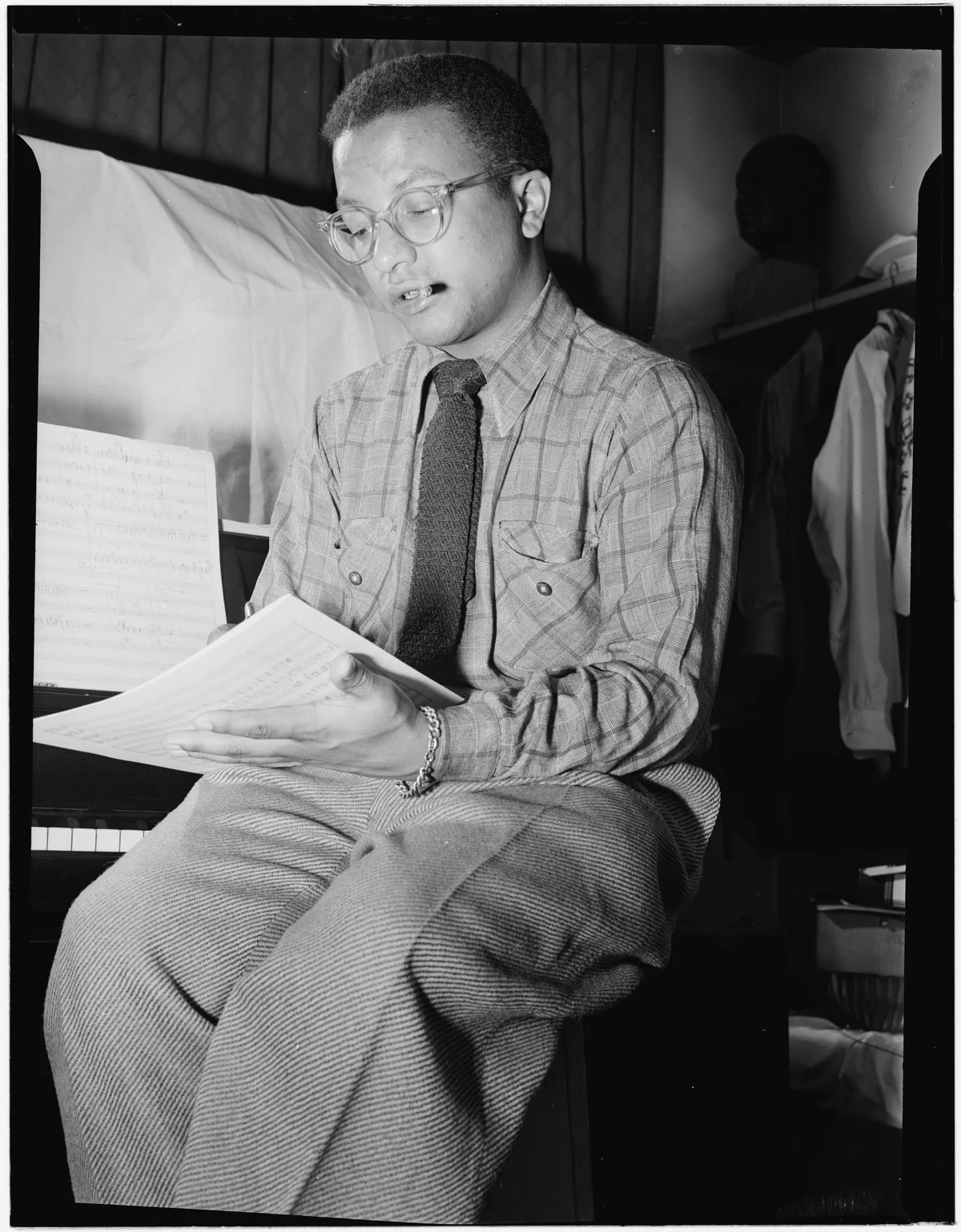
Composer, arranger and pianistAn American composer and arranger whose independent songs and collaborations helped shape the Ellington orchestra without exhausting the range of his own musical life.Read biography
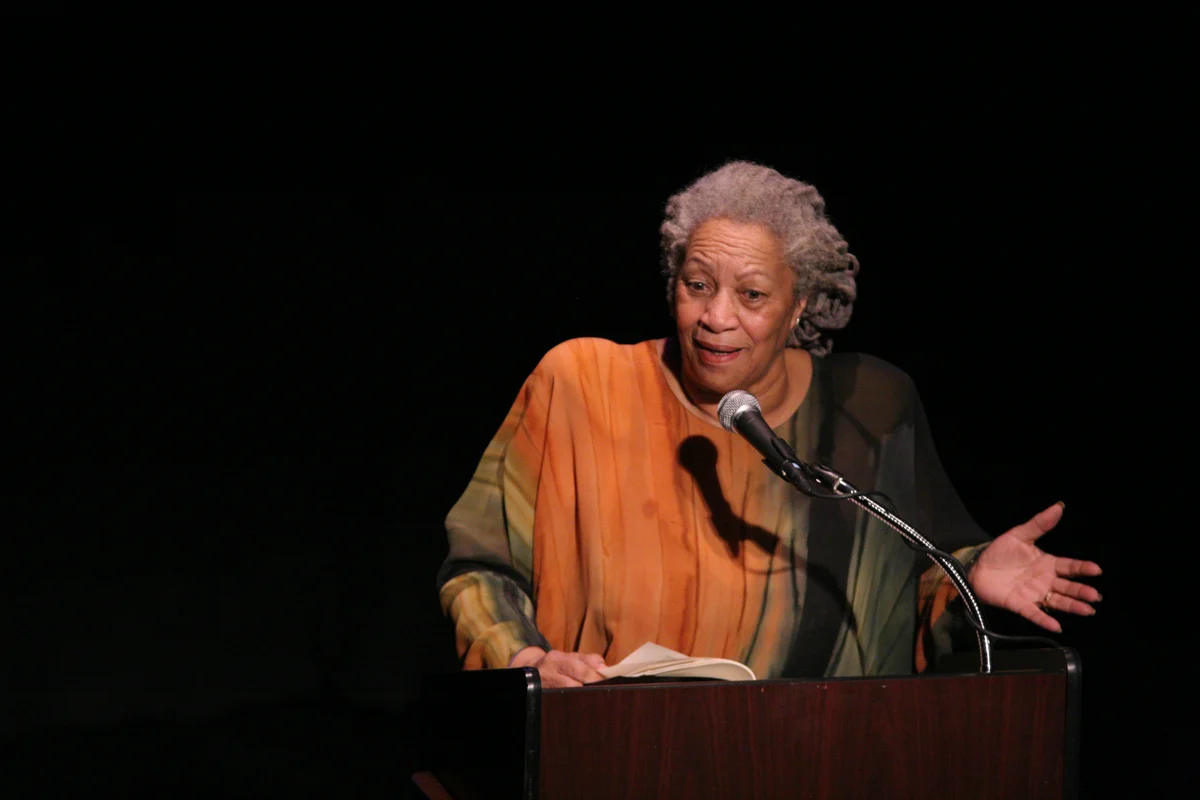
Novelist, editor, essayist and professorAn American novelist whose writing placed Black lives, memories and communities at the center of literature, alongside an influential career in editing and teaching.Read biography
Memoirist, poet, performer, teacher and civil rights activistAn American writer and performer who brought experiences of childhood, racism, work and survival into memoir and poetry, and shared literature through teaching and public performance.Read biography
Poet, novelist, playwright, columnist and folkloristA writer whose poetry, fiction and performances brought the music, speech, humor and struggles of Black communities into American literature.Read biography
Novelist, folklorist, anthropologist and playwrightA novelist and researcher whose writing and fieldwork preserved Black storytelling, songs and everyday speech while exploring women’s lives and independence.Read biography
Jazz singer and interpreter of American popular songA jazz singer whose rhythmic invention, precise phrasing and Song Book recordings made familiar popular songs vehicles for distinctive interpretation.Read biography
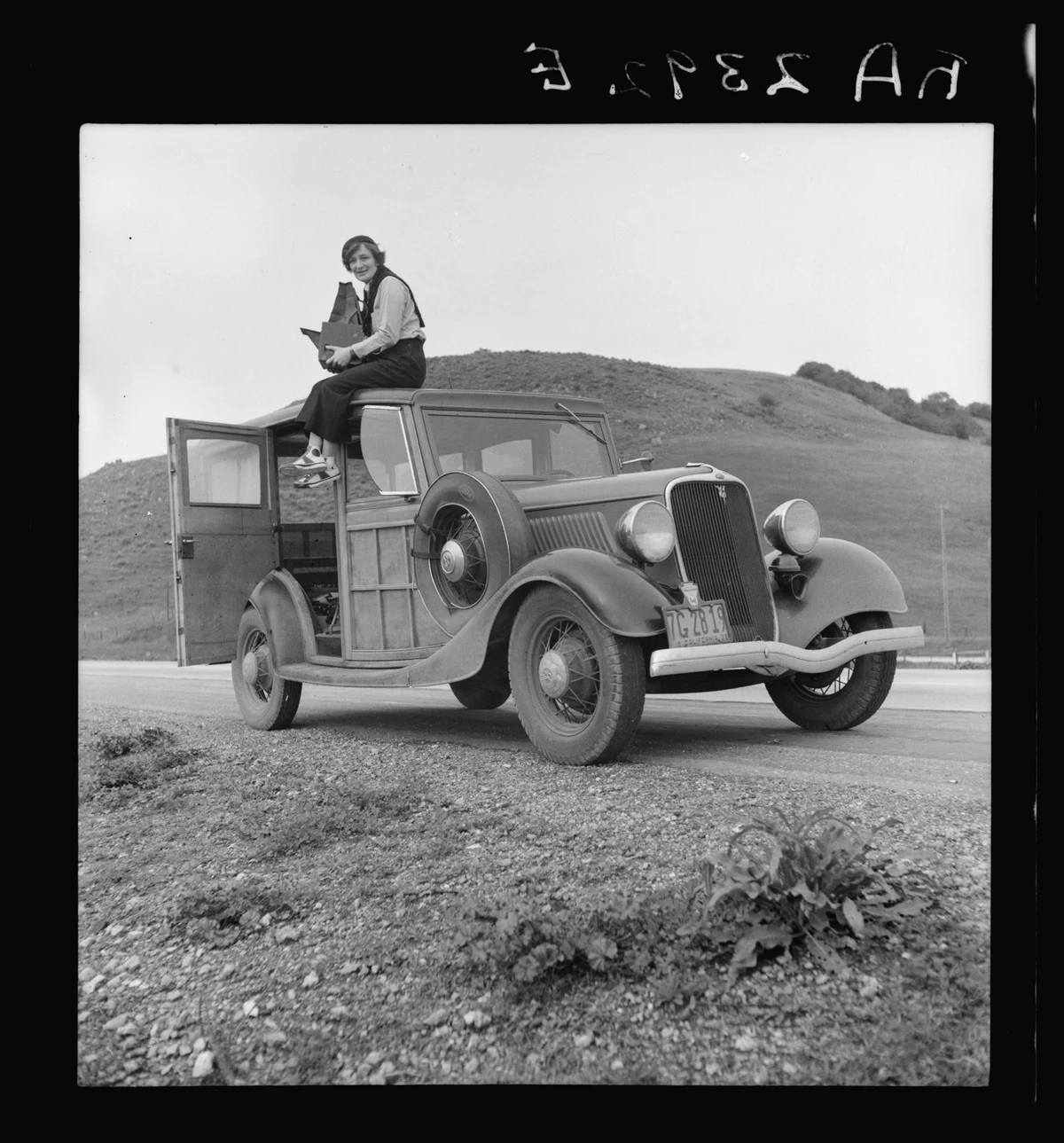
Documentary and portrait photographerA photographer who combined portraiture, observation and written context to document labor, displacement and the effects of public policy on individual lives.Read biography
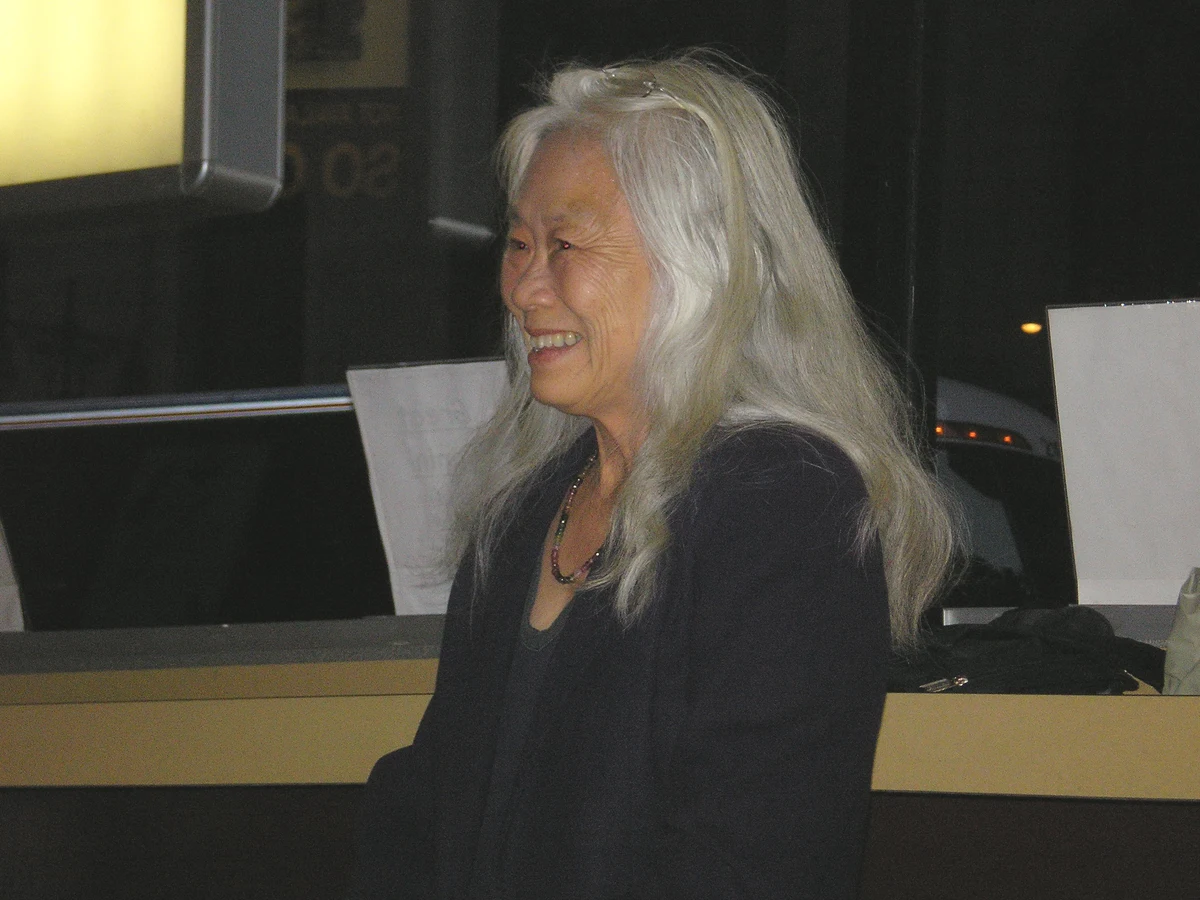
Writer of memoir, fiction and poetryA writer whose experiments with memory, family stories and myth reshaped the possibilities of Chinese American literature and literary memoir.Read biography
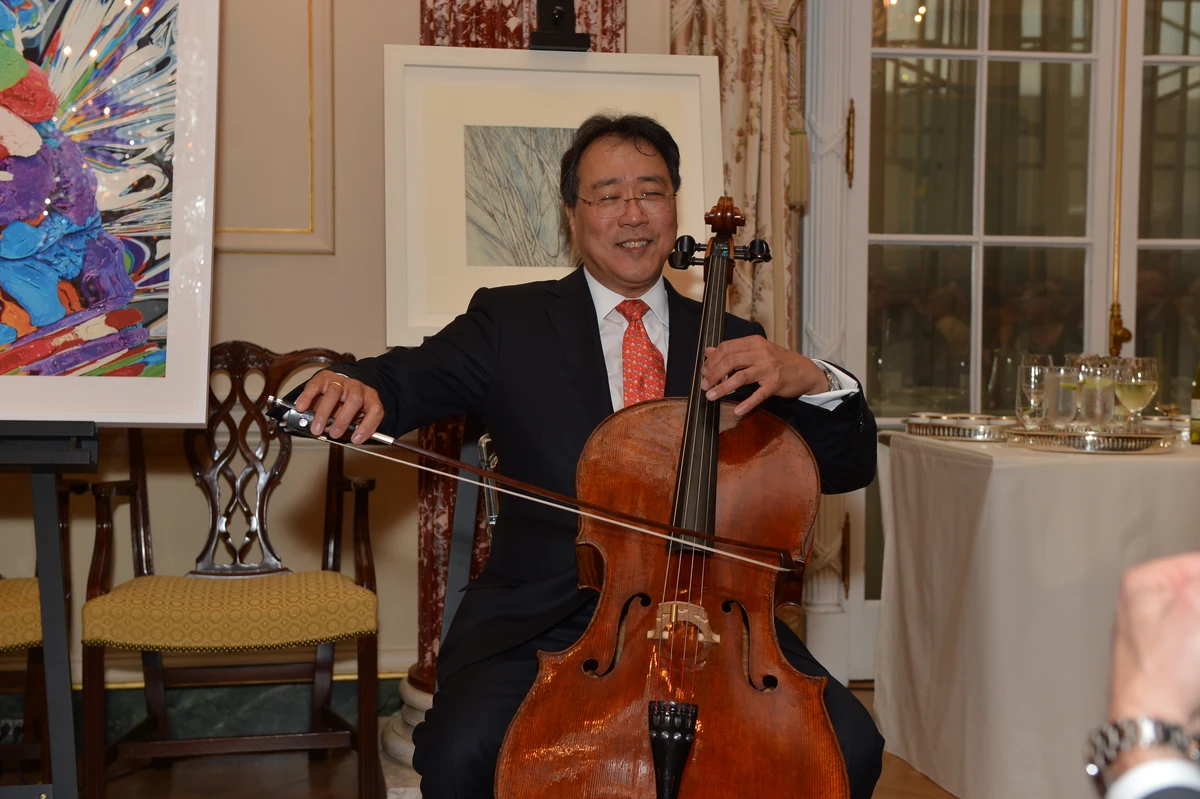
Cellist and cultural collaboratorA Paris-born cellist associated with American musical life whose performances, recordings and collaborative projects connect classical repertoire with wider cultural exchange.Read biography
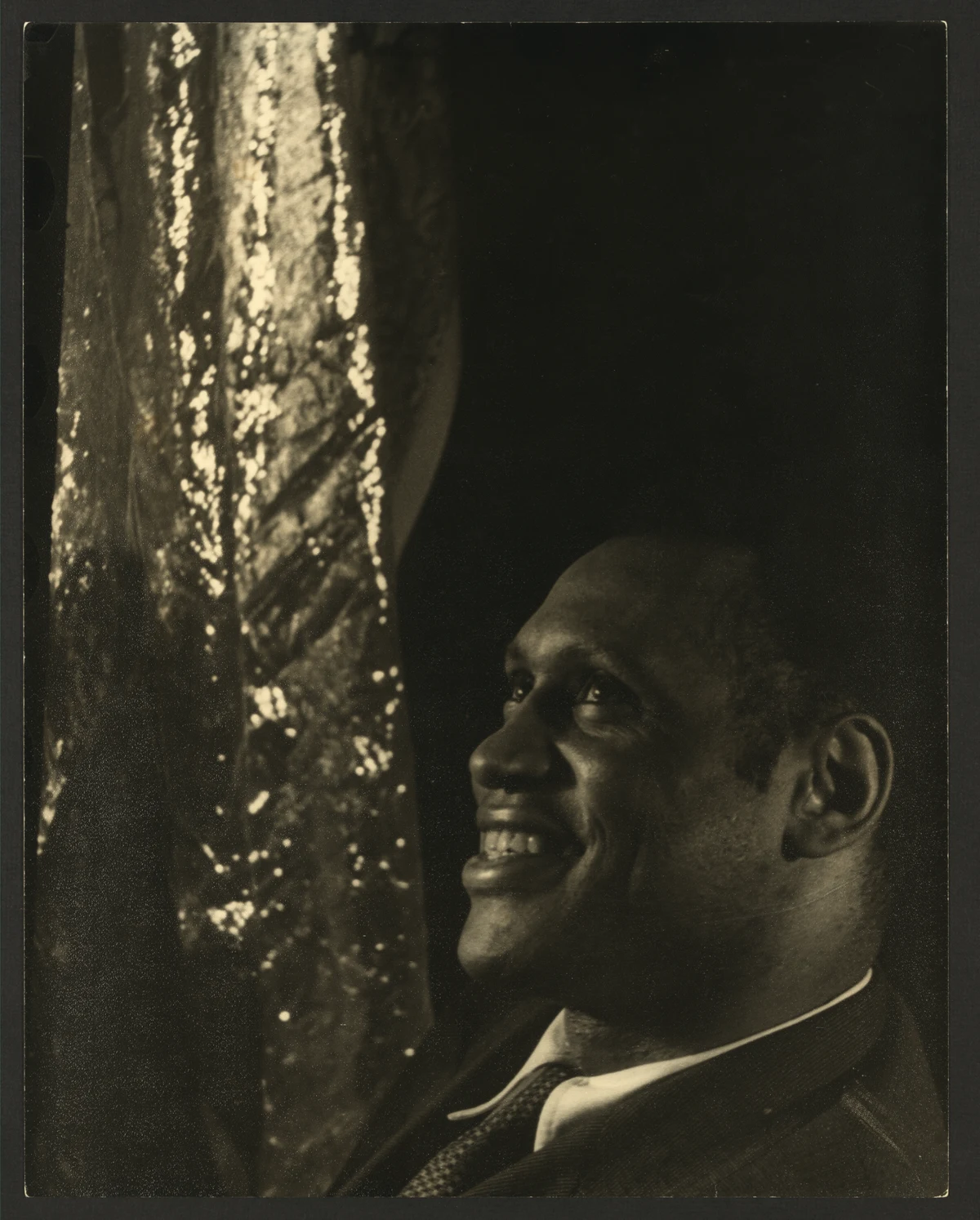
Singer, actor and political activistA singer and actor who brought Black musical traditions to international audiences and made his public career a platform for labor, civil rights and anti-colonial causes.Read biography
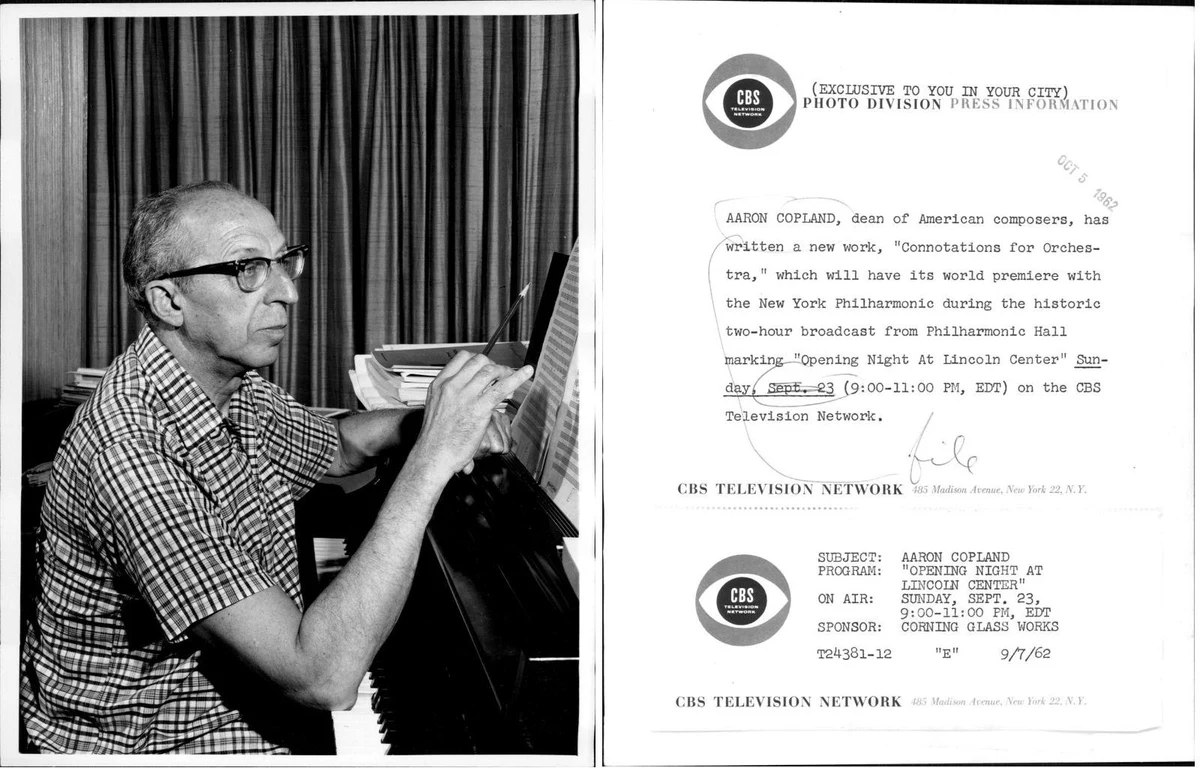
Composer, conductor, teacher and writerA composer whose ballets and concert works helped define an American orchestral sound, while his teaching, writing and organizing expanded opportunities for other musicians.Read biography
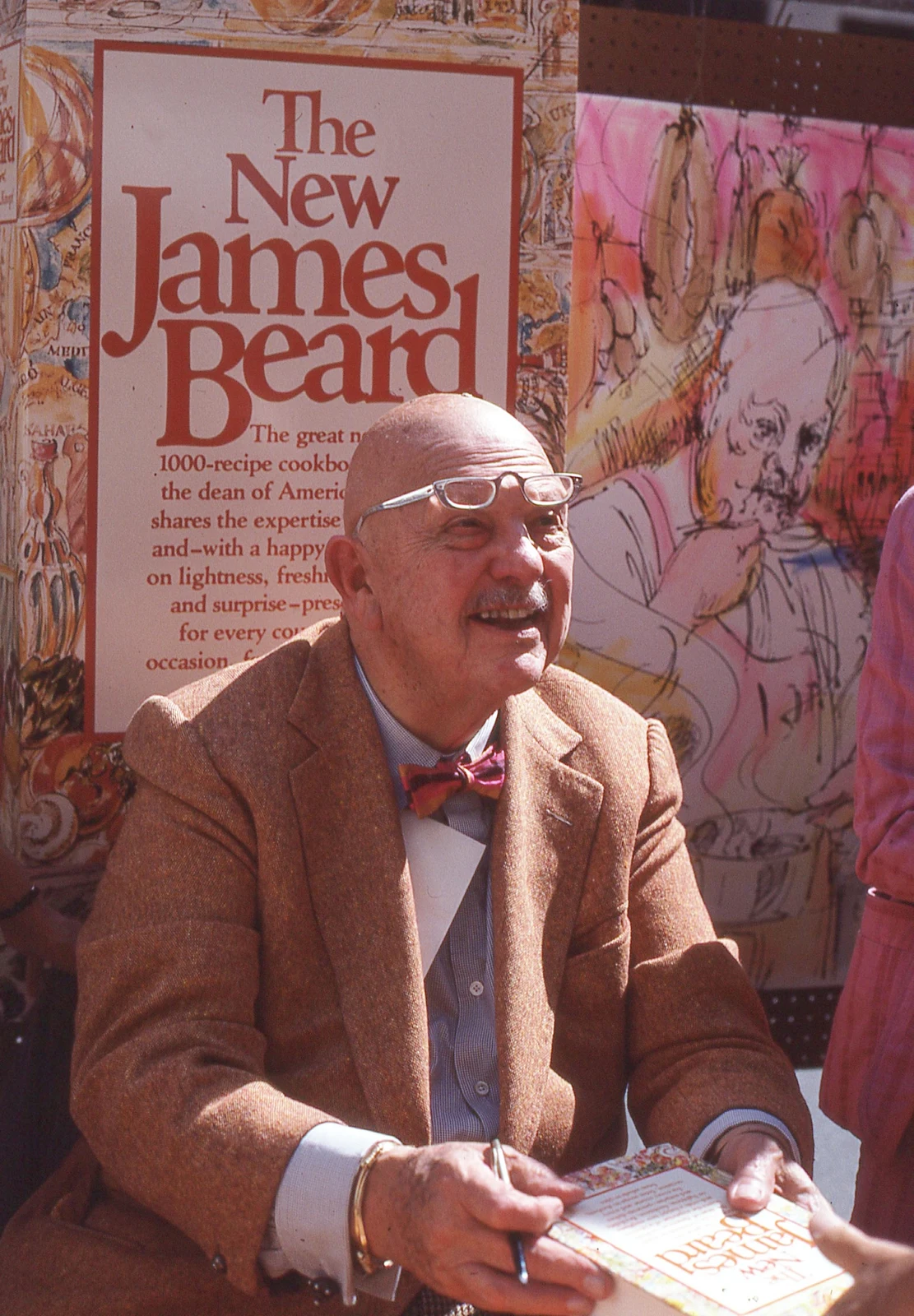
Cookbook author, cooking teacher and broadcasterAn American food writer and teacher who carried enthusiasm for regional ingredients and practical cooking into books, classrooms, journalism and early television.Read biography
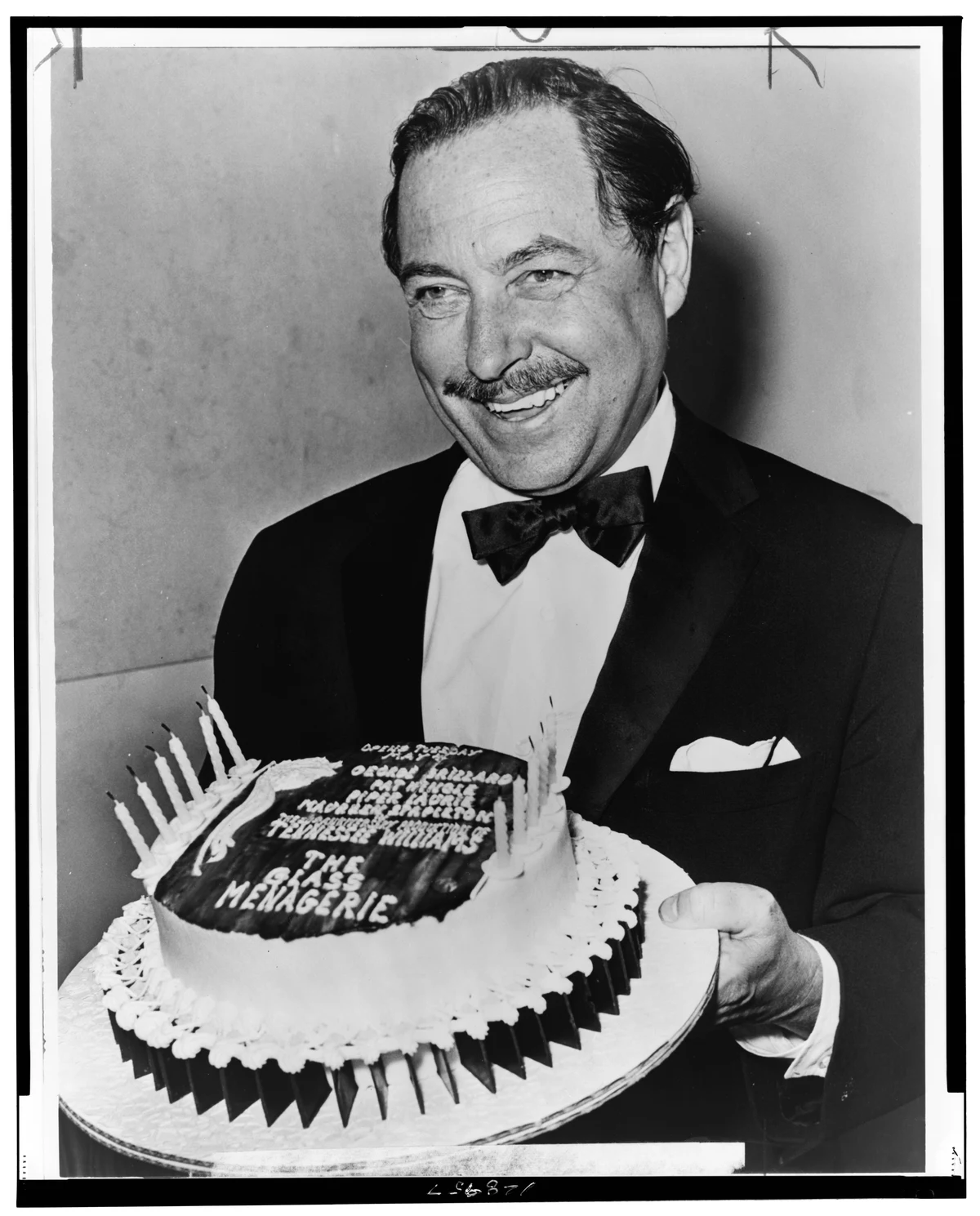
Playwright, fiction writer and poetAn American playwright whose dramas joined lyrical language, theatrical invention and intimate conflicts over desire, memory, money and belonging.Read biography
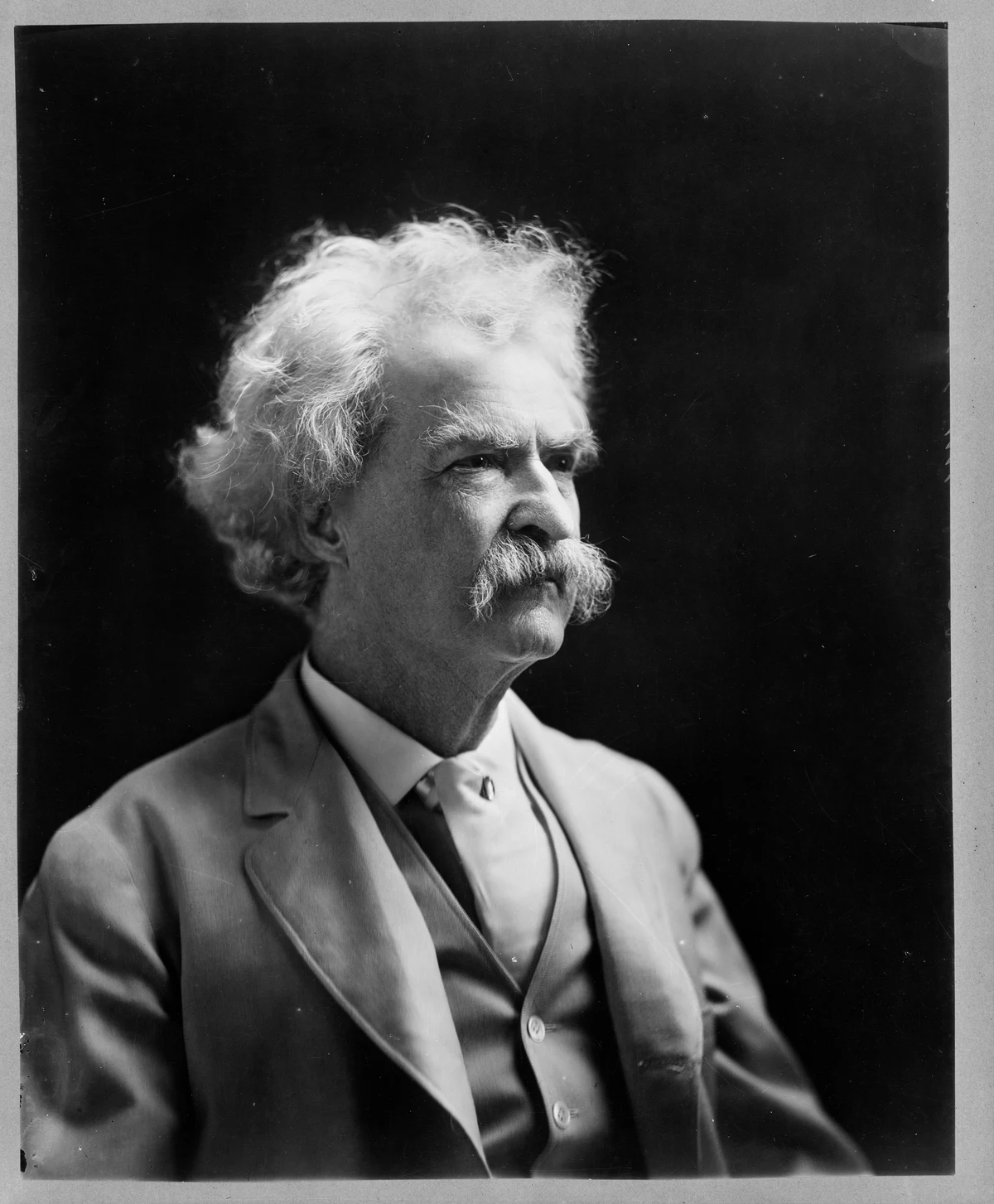
Writer, humorist and lecturerWriting as Mark Twain, Samuel Langhorne Clemens turned experiences of printing, river work, travel and journalism into fiction, humor and searching criticism of American society.Read biography
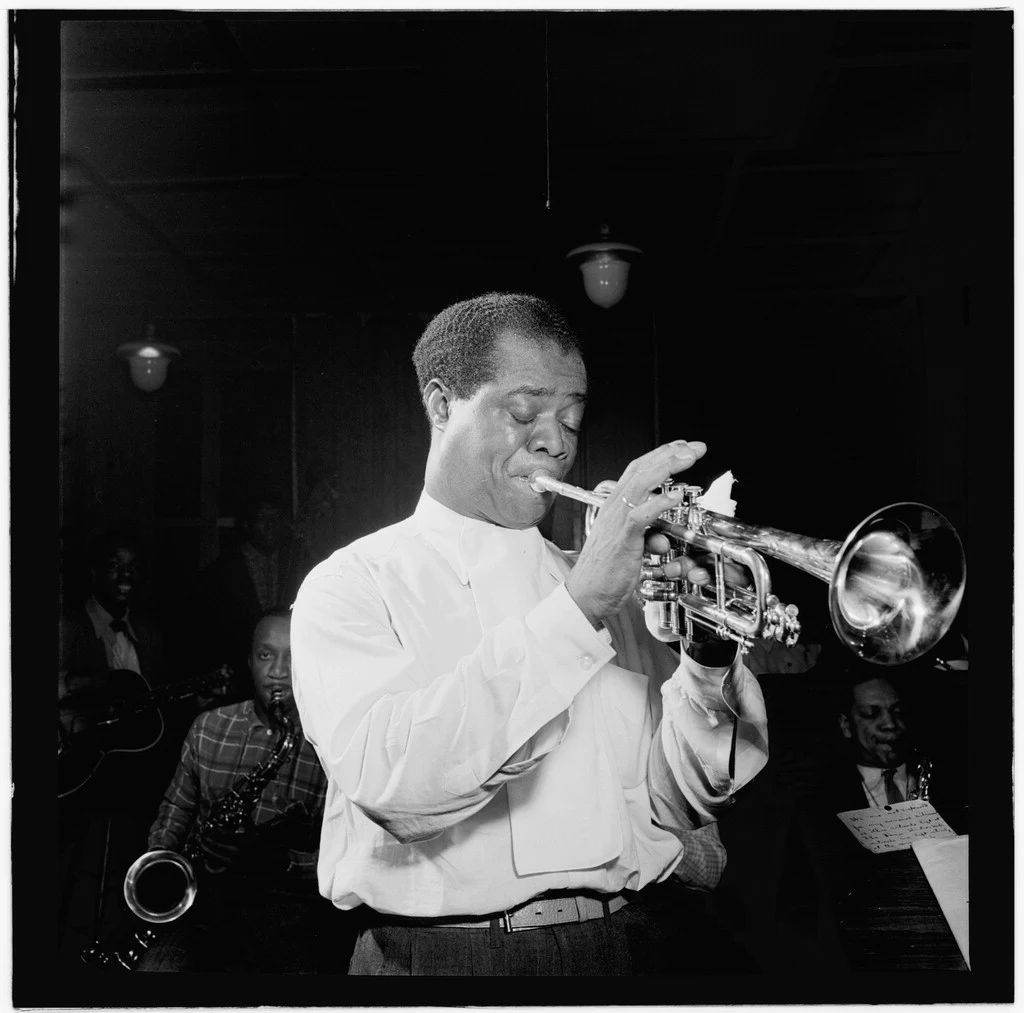
Jazz trumpeter, singer and bandleaderKnown as Satchmo, Armstrong transformed jazz improvisation and popular singing through a career extending from New Orleans ensembles to recordings, international tours, radio and film.Read biography
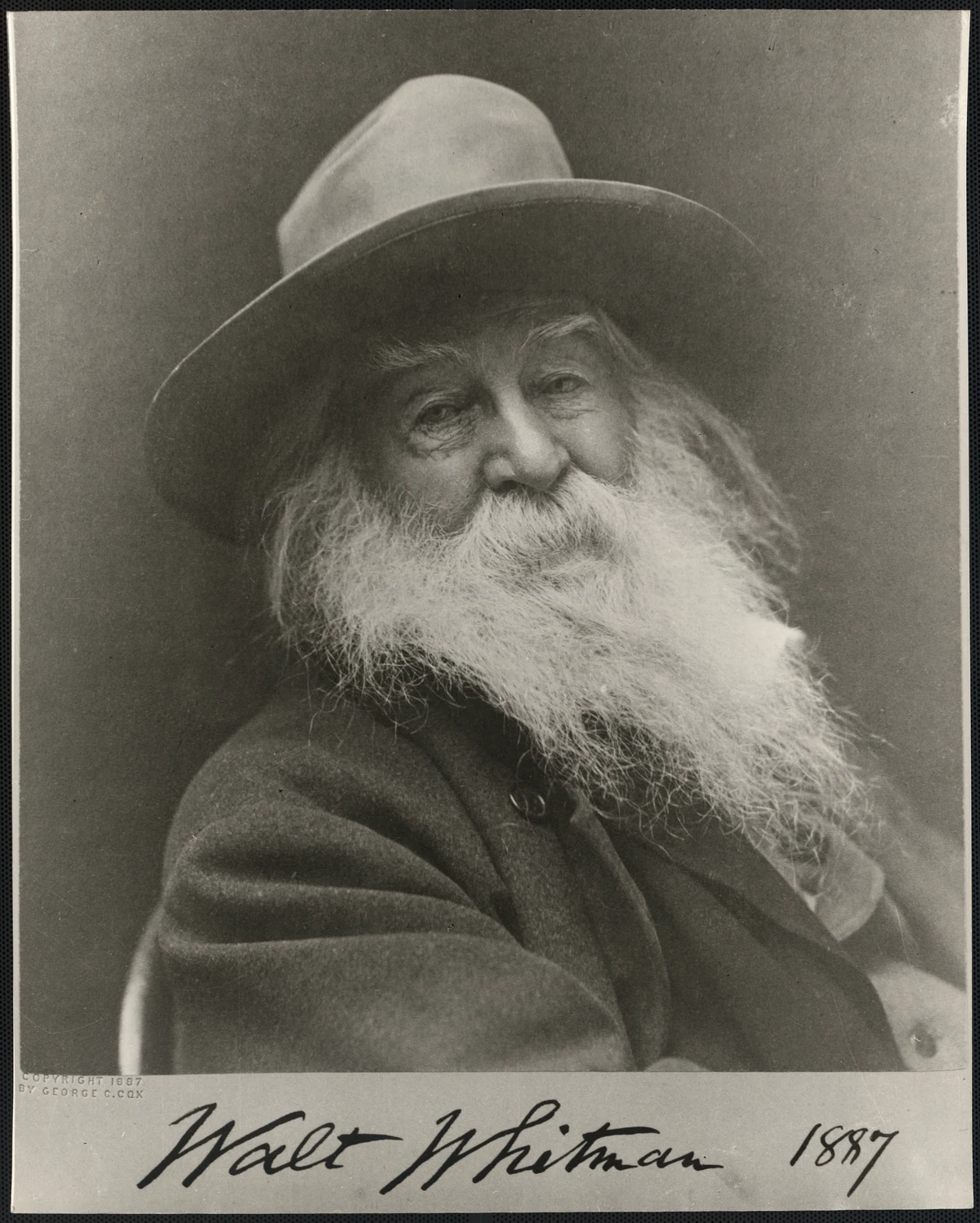
Poet, journalist and essayistWalt Whitman transformed American poetry through the expansive lines and changing editions of Leaves of Grass, while working as a journalist, hospital volunteer and federal clerk.Read biography
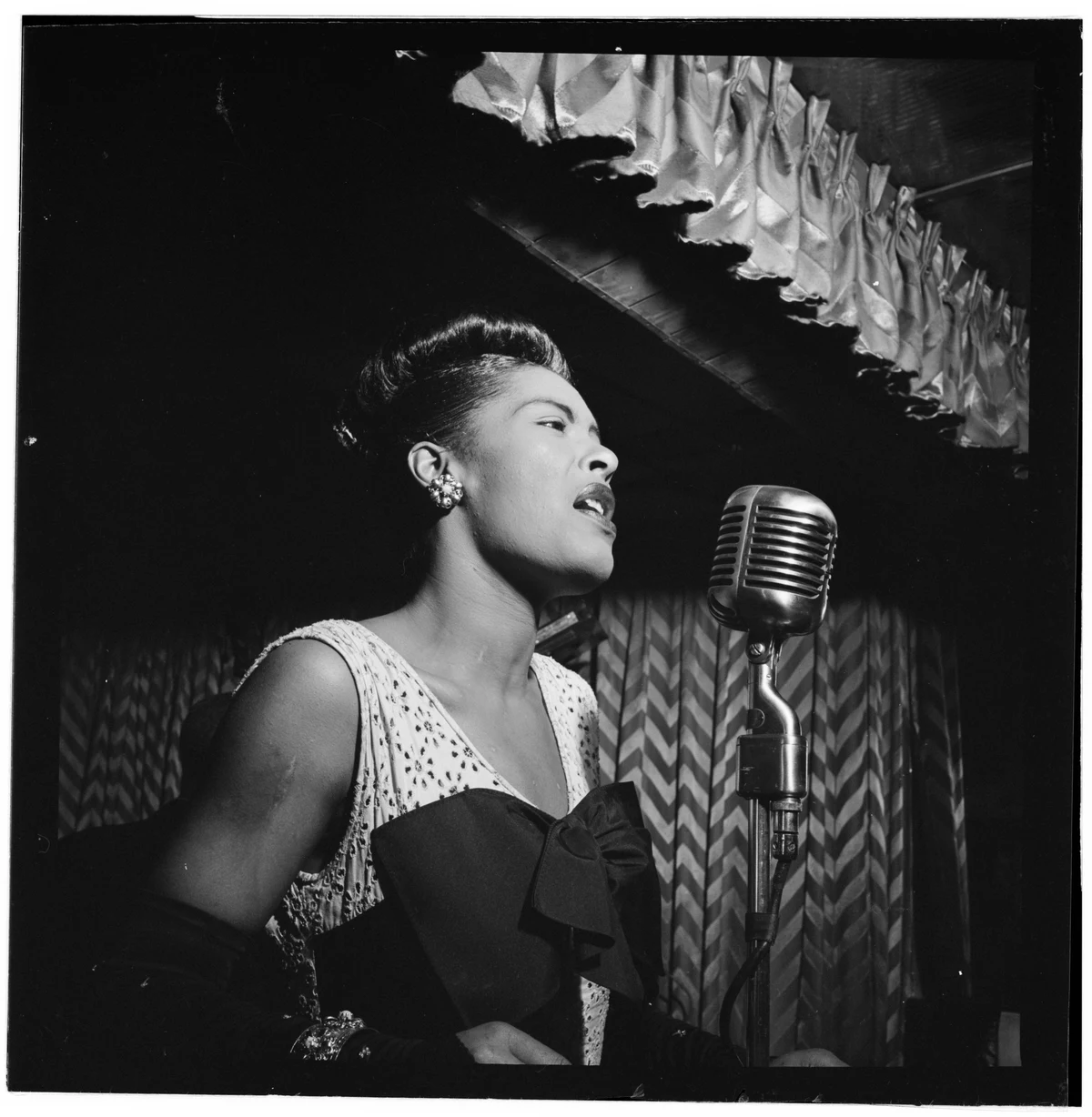
Jazz singer and songwriterKnown as Lady Day, Billie Holiday transformed popular songs through rhythmic invention and intimate delivery, building a career in swing-era groups, nightclubs, records and concerts.Read biography
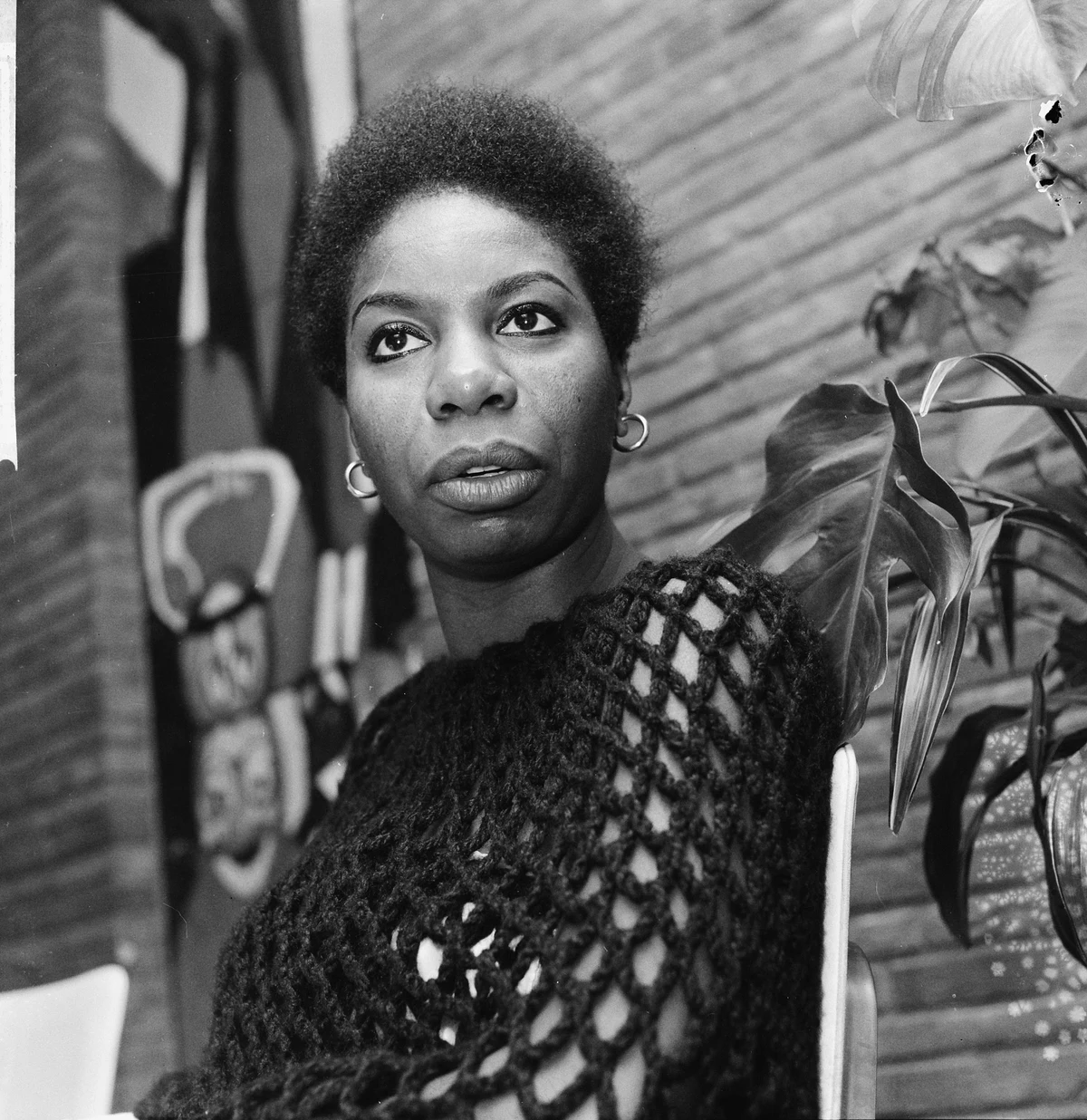
Pianist, singer, songwriter and civil rights activistBorn Eunice Kathleen Waymon, Nina Simone combined classical piano training, gospel, blues, folk and popular song in a career that made musical interpretation inseparable from public conviction.Read biography
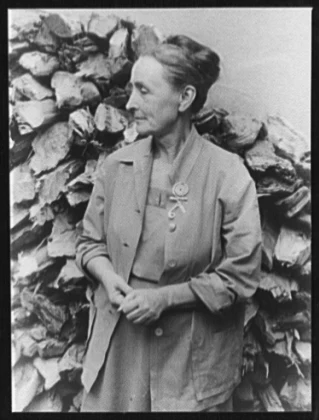
Modernist painterGeorgia O’Keeffe developed a modernist art of enlarged flowers, urban architecture, desert landforms and abstract shapes. Her career connected New York exhibitions with decades of sustained work in northern New Mexico.Read biography
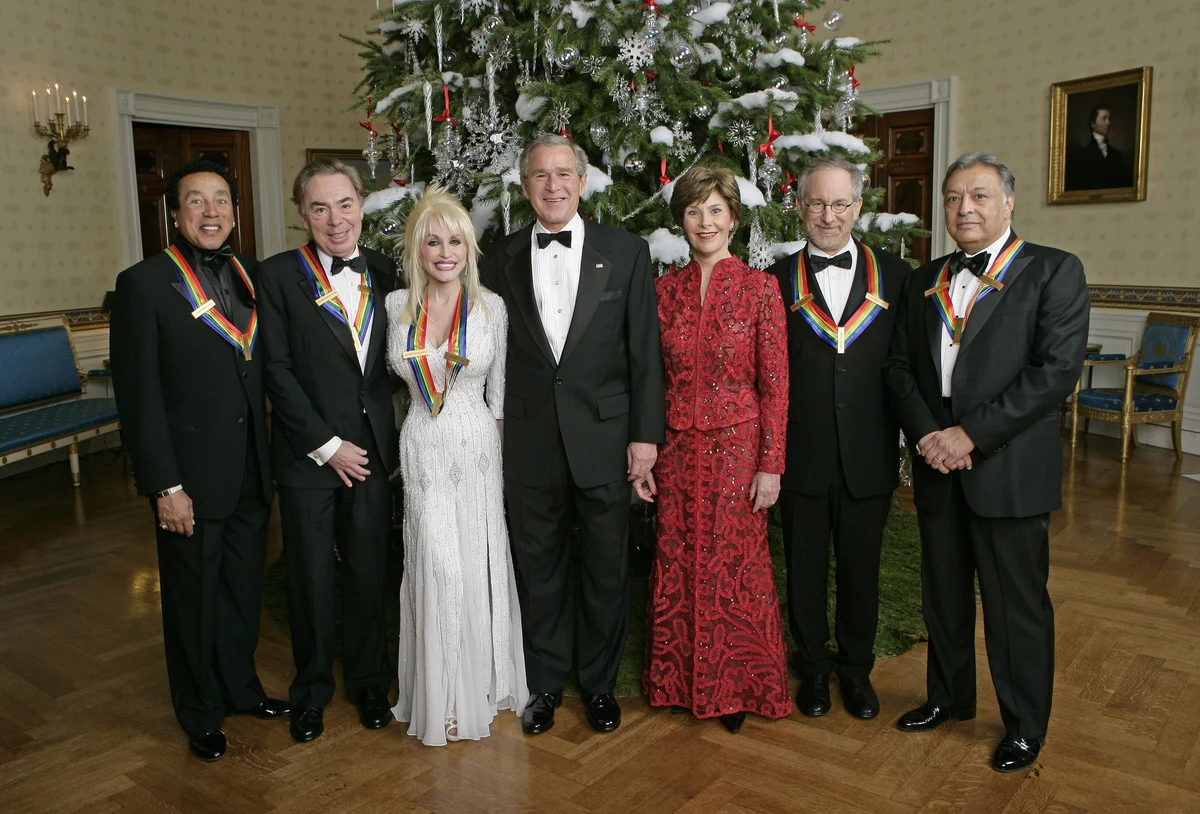
Singer, songwriter, actor and philanthropistDolly Parton turned Appalachian storytelling and a distinctive singing voice into a career spanning country, pop, film and bluegrass. Her songwriting, business partnerships and Imagination Library also made her an influential cultural institution builder.Read biography
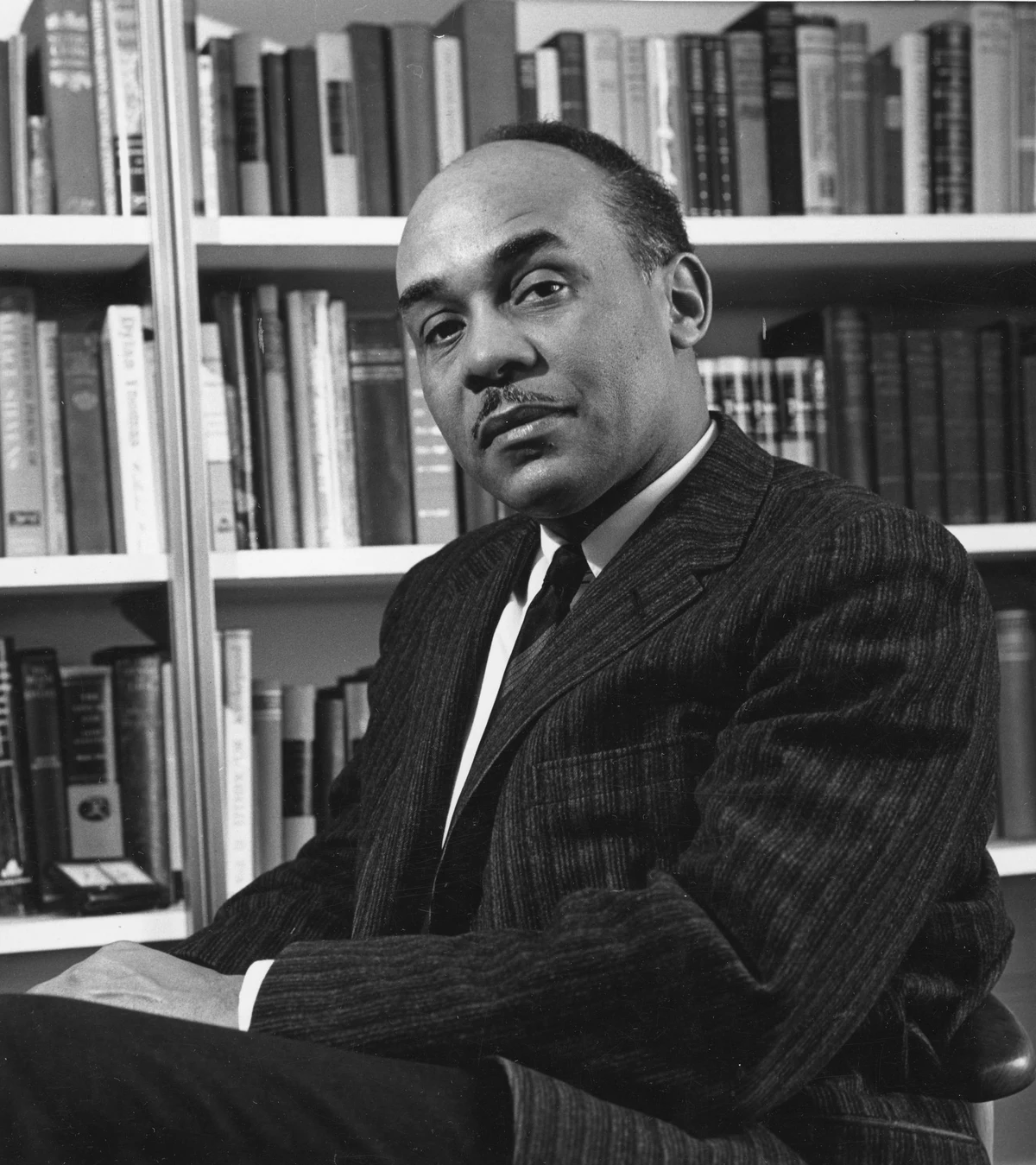
Novelist, essayist and cultural criticRalph Ellison brought modernist experiment, Black vernacular culture and a musician’s attention to language into American literature. His 1952 novel Invisible Man won the 1953 National Book Award; essays and teaching extended his influence beyond that book.Read biography
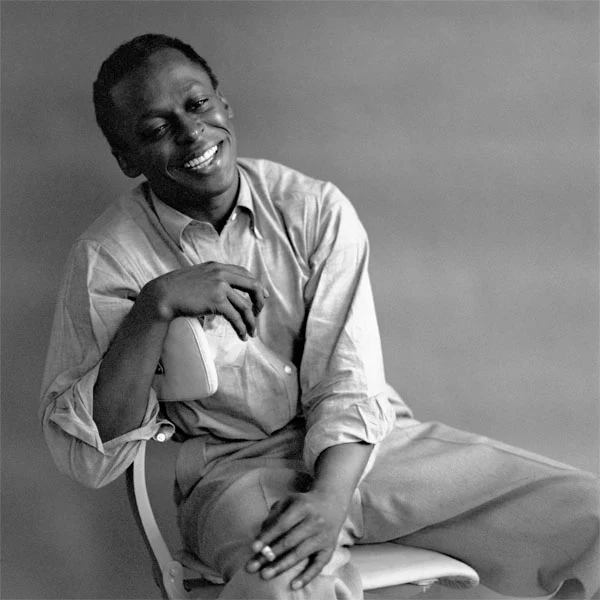
Trumpeter, composer and bandleaderMiles Davis repeatedly changed the sound and organization of jazz ensembles, from bebop and cool jazz to modal improvisation and electric music. His trumpet playing and collaborations made bandleading itself a major part of his creative work.Read biography
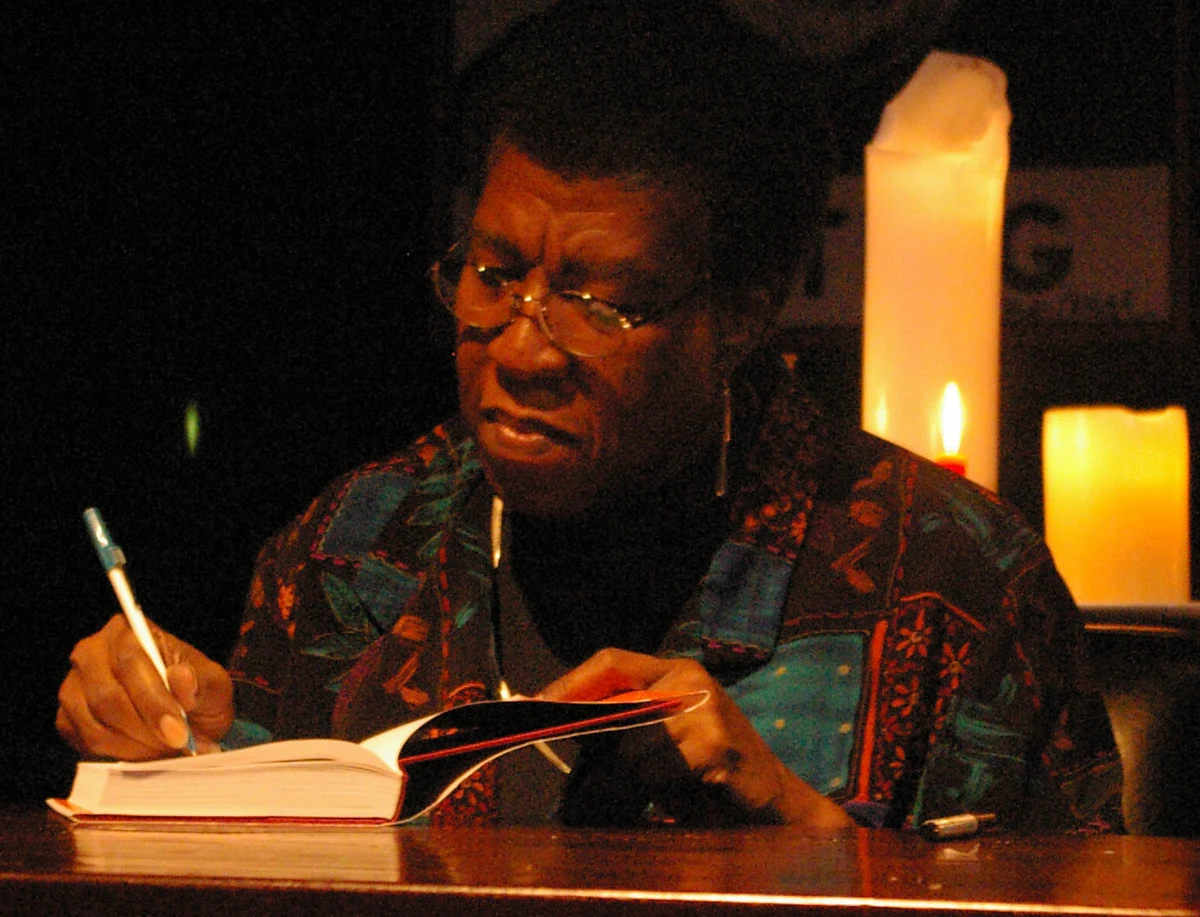
Science-fiction and speculative-fiction writerOctavia E. Butler used speculative fiction to investigate power, survival, kinship and change. Her books place Black women and other characters often excluded from the genre at the center of difficult encounters with history and imagined futures.Read biography
Author, lecturer and disability-rights advocateHelen Keller was an American deafblind author whose education, books and public campaigns connected access to language with wider questions of equality.Read biography
Singer, actor and recording artistFrank Sinatra was an American singer and actor whose phrasing, album programs and collaborations helped shape twentieth-century popular entertainment.Read biography
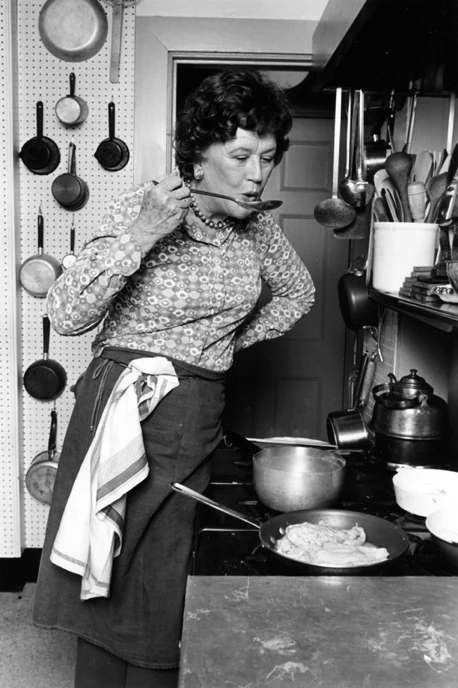
Cookbook author, cooking teacher and television presenterJulia Child was an American cooking teacher whose books and television demonstrations helped home cooks approach French techniques with confidence.Read biography
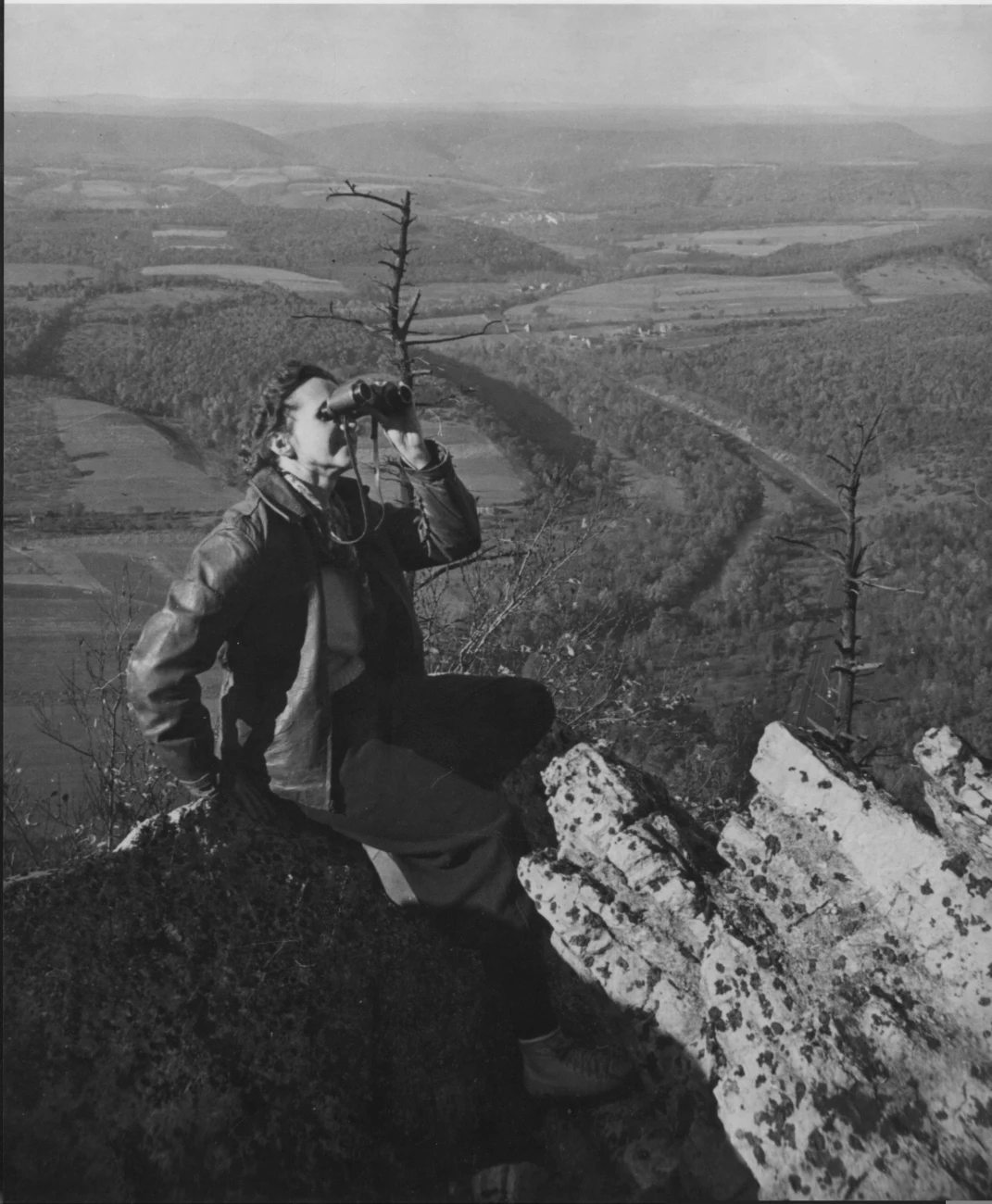
Marine biologist, science writer and conservationistRachel Carson was an American biologist and author who connected marine science, public communication and debate about the environmental effects of pesticides.Read biography
Computer pioneer, mathematician and naval officerGrace Hopper was an American mathematician and naval officer who helped make programming more accessible through automatic programming and business-oriented languages.Read biography
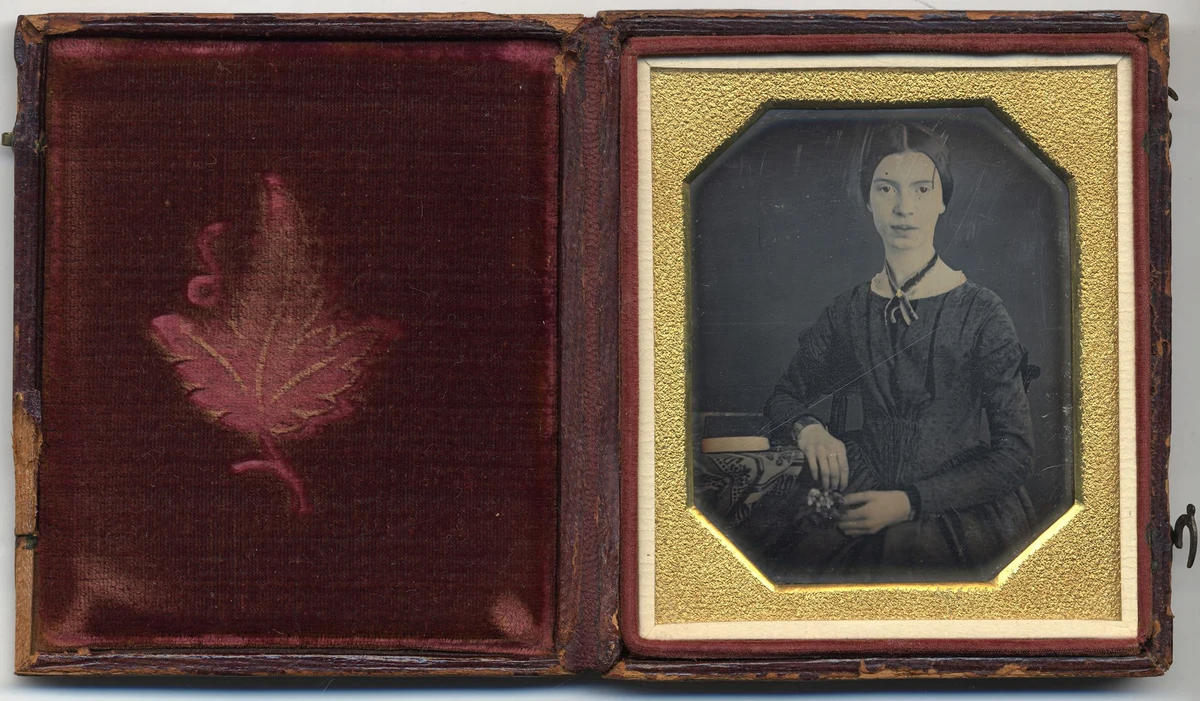
Poet and letter writerEmily Dickinson was an American poet whose concise, formally inventive work explored nature, belief, death, love and the unsettled experience of the self.Read biography
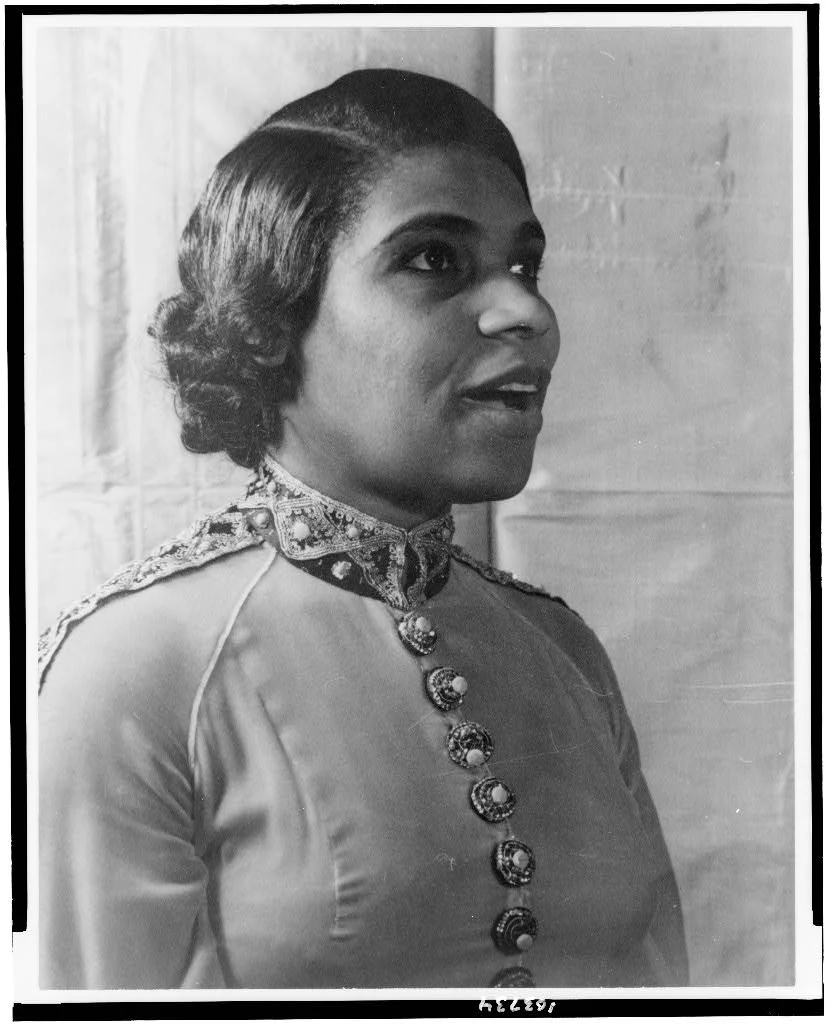
Contralto and concert singerMarian Anderson was an American contralto whose interpretations of art songs and spirituals won international acclaim while challenging racial exclusion.Read biography
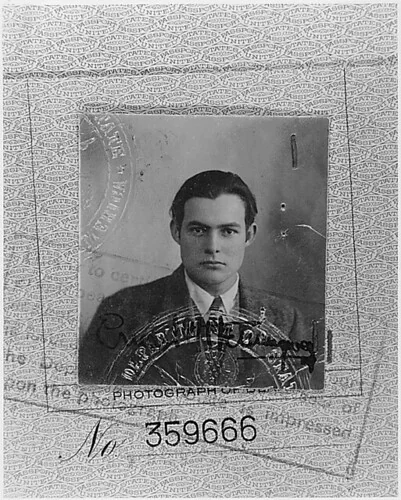
Novelist, short-story writer and journalistErnest Hemingway was an American writer whose novels, short stories and journalism made understatement, sharply observed action and the consequences of war central to twentieth-century prose.Read biography
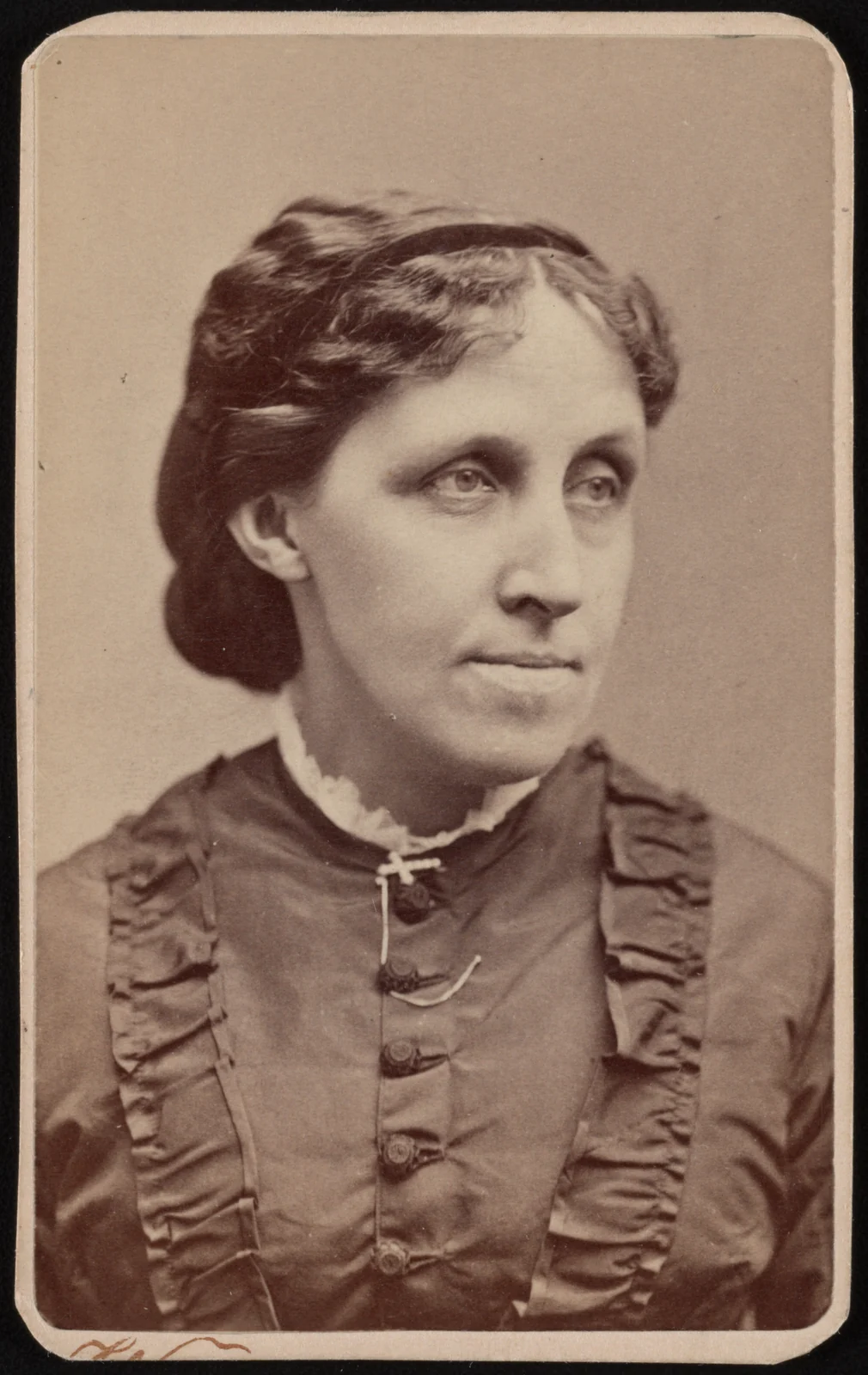
Novelist, short-story writer and reform advocateLouisa May Alcott was an American writer whose Little Women grew from family experience, while her wider career encompassed Civil War nursing sketches, adult novels and sensational fiction.Read biography
Investigative journalist, historian and biographerIda Tarbell was an American journalist and biographer whose investigation of Standard Oil made corporate organization and railway discrimination subjects of public scrutiny. Her career also included historical biography, magazine editing and writing about business and women’s roles.Read biography
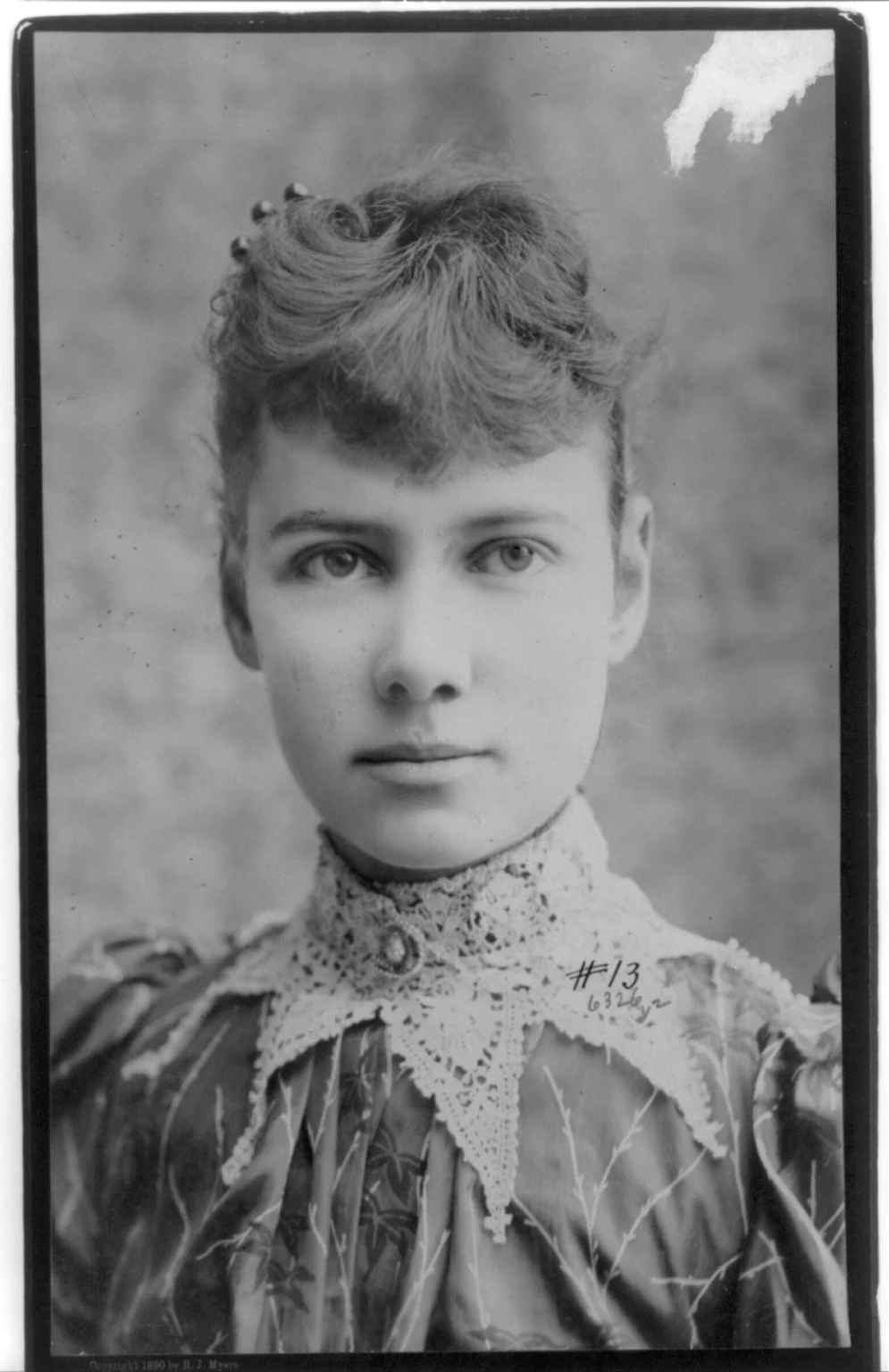
Investigative reporter, travel writer and industrialistNellie Bly was the pen name of American journalist Elizabeth Jane Cochran. Her reporting inside a New York asylum made institutional treatment a public issue; her global journey made her a newspaper celebrity. She later worked in manufacturing and returned to reporting during the First World War.Read biography
Newspaper cartoonist, stage performer and pioneering animatorWinsor McCay was an American cartoonist and animator whose newspaper worlds moved onto the stage and screen. Little Nemo in Slumberland established his reputation in print; films including Gertie the Dinosaur demonstrated how timing and personality could make drawn figures convincing performers.Read biography
Sound and camera engineer; studio production managerBill Garity, also known as William E. Garity, was a sound and camera engineer whose career linked early sound-film work with Disney animation and later Walter Lantz productions. His contribution involved practical systems, engineering teams and the organization of production, extending beyond a single camera or soundtrack.Read biography
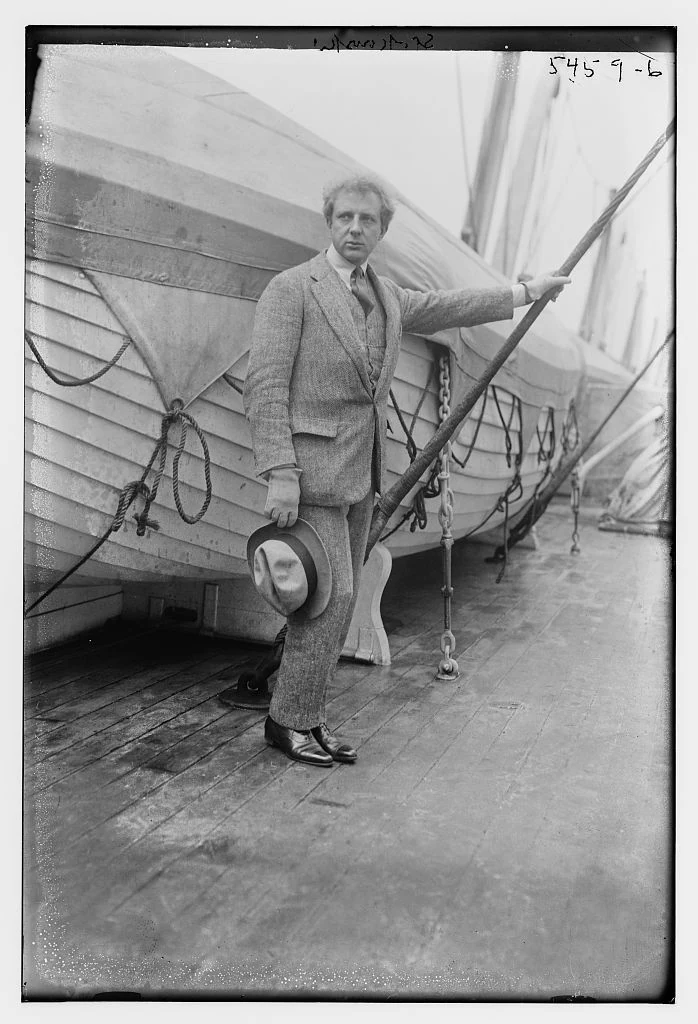
Orchestral conductor, arranger and orchestra founderLeopold Stokowski was a London-born conductor whose American career joined orchestral performance, musical arrangement, film and recording. His work on Fantasia was one part of a much longer career with musicians, composers and orchestral institutions.Read biography
Animator and photographic-effects innovatorUb Iwerks helped shape the earliest Mickey Mouse films before running his own animation studio and later returning to Disney as a technical specialist. His career moved from drawing characters to developing ways of combining and reproducing images.Read biography
Concept artist, color designer and illustratorMary Blair was an American artist whose color and composition shaped animation concept work, illustrated books and three-dimensional attractions. Her career moved between studio employment and independent design, carrying a recognizable visual approach across different media.Read biography
Experimental nuclear physicist and physics educatorChien-Shiung Wu developed demanding experiments to test nuclear theory. Her collaboration with four National Bureau of Standards physicists showed that parity symmetry fails in beta decay, changing how physicists understood weak interactions.Read biography
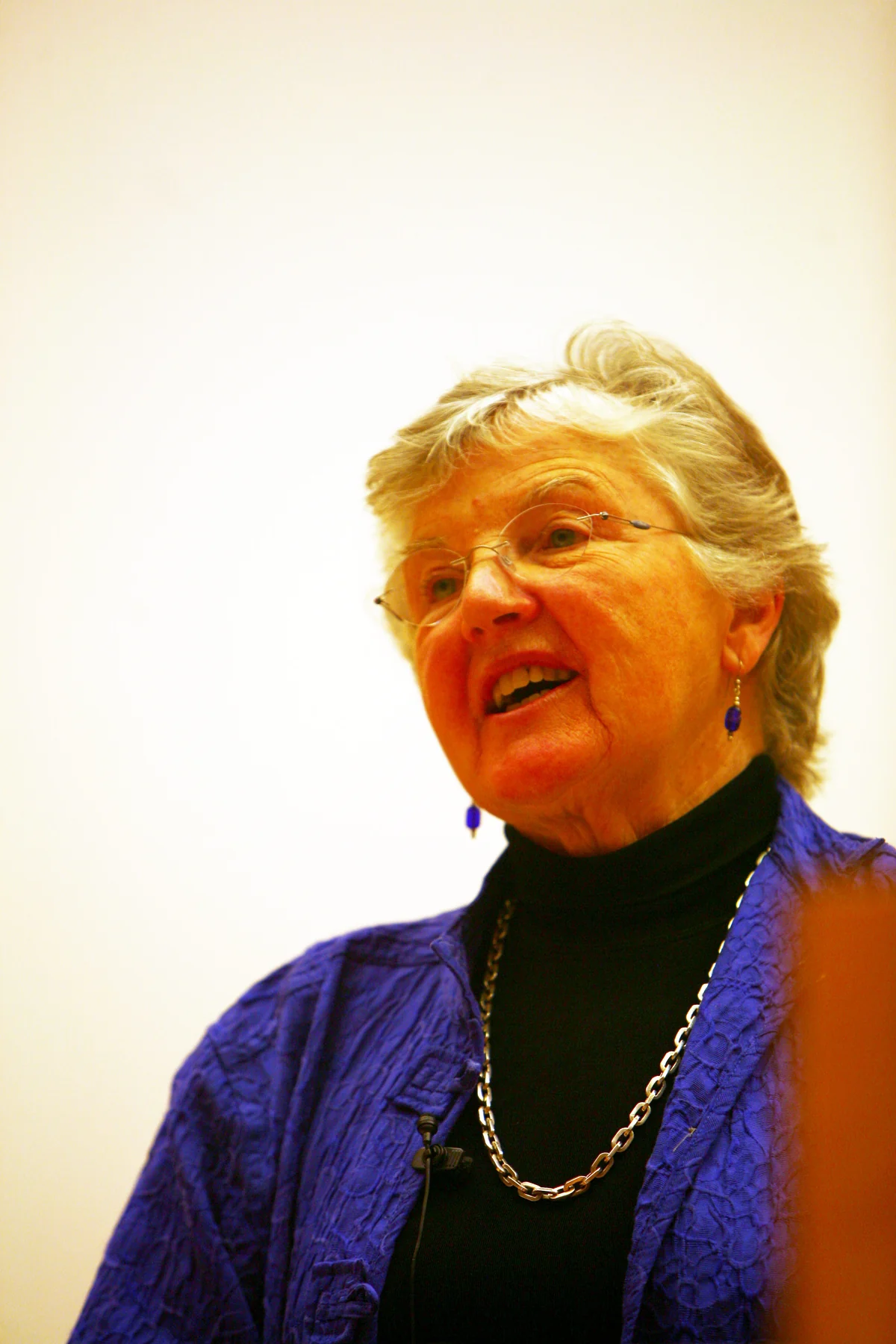
Computer scientist, compiler researcher and technical mentorFrances Allen developed ways to analyse programs so compilers could improve their execution. Her work with John Cocke and research teams at IBM connected mathematical descriptions of programs with working systems and parallel computing.Read biography
Astronomer, stellar-spectra researcher and teacherCecilia Payne-Gaposchkin brought atomic physics to the interpretation of stellar spectra. Her 1925 thesis derived exceptional hydrogen and helium abundances while recording contemporary doubts, and her later career combined variable-star research, teaching and academic leadership.Read biography
Computer scientist, mathematician and authorDonald Knuth connected mathematical analysis with the craft of writing programs. His books organised algorithms for study, while TeX, METAFONT and WEB joined practical software development with typography and explanation.Read biography
Computer scientist and mathematical logicianJohn McCarthy helped define artificial intelligence as a research field and developed Lisp as a language for symbolic computation. His career connected mathematical logic, programming tools and shared computing infrastructure, while leaving major research questions open.Read biography
Software engineer, Apollo team leader and entrepreneurMargaret Hamilton led an MIT Instrumentation Laboratory software division working on Apollo flight systems. Her career made the organisation, checking and reliability of software visible as engineering work, alongside the contributions of a large mission team.Read biography
Astronomer, stellar classifier and scientific mentorAnnie Jump Cannon organised stellar spectra into a practical classification system and supervised the Henry Draper Catalogue. Her expertise turned photographic records into a shared astronomical reference through sustained work with observatory colleagues.Read biography
Computer scientist and computer-architecture researcherJohn Cocke linked compiler design with computer architecture at IBM. His collaborations helped establish program-analysis methods and the IBM 801 design, showing why hardware instructions and the software generating them should be considered together.Read biography
Computer scientist and programming-language researcherJohn Backus led IBM’s original FORTRAN team and pursued ways to make programming easier to express and reason about. His career connected practical numerical compilation, precise language syntax and later experiments in functional programming.Read biography
Geologist, petrographer and university educatorFlorence Bascom combined laboratory study of rocks with geological mapping and teaching. She became the first woman hired by the USGS and built a Bryn Mawr programme that trained an important generation of women geologists.Read biography
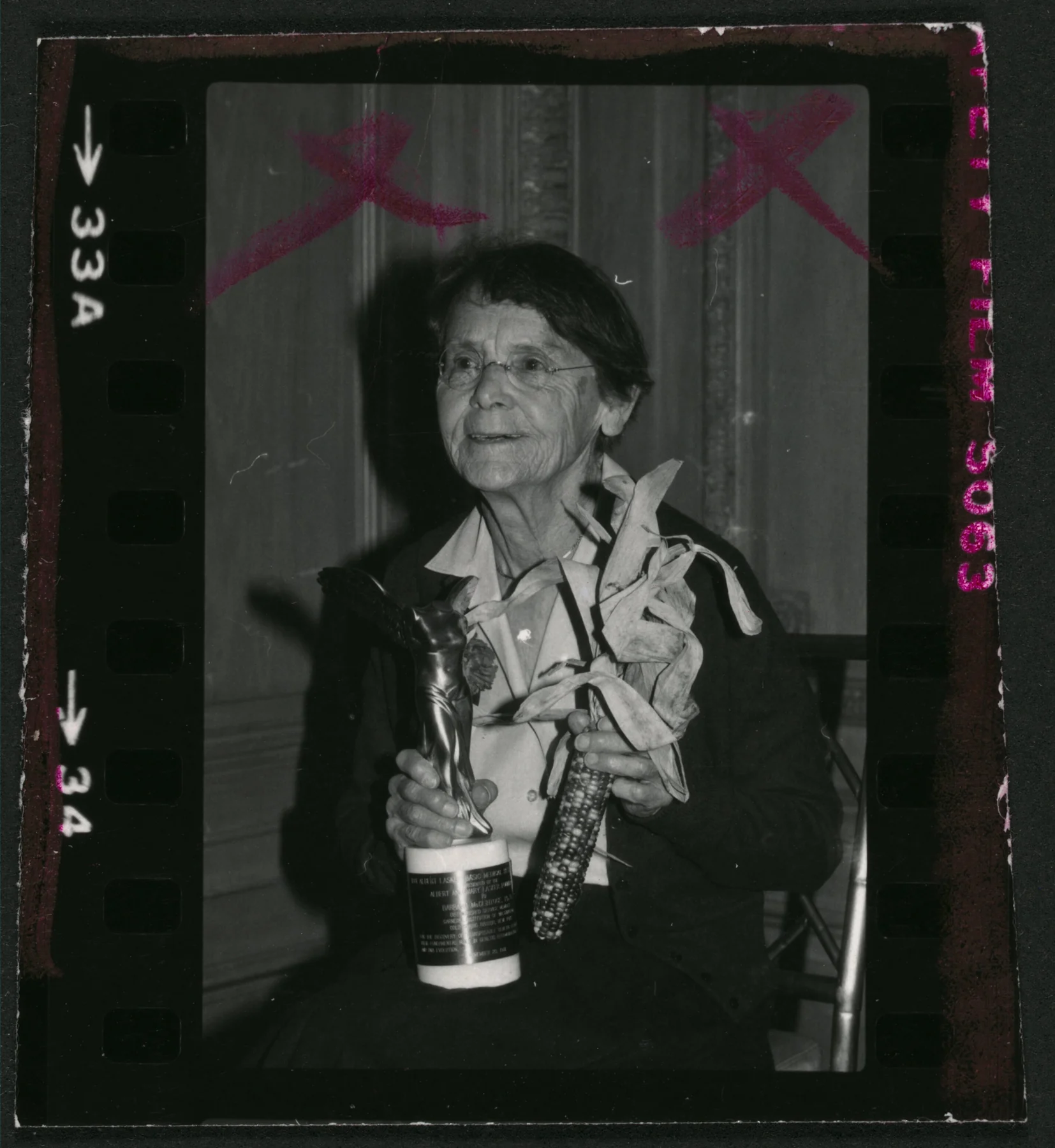
Cytogeneticist and maize researcherBarbara McClintock connected chromosome observation with the inheritance of visible traits in maize. Her long research career made mobile genetic elements central to genetics and shows why an experiment’s observations, interpretation and later recognition need separate histories.Read biography
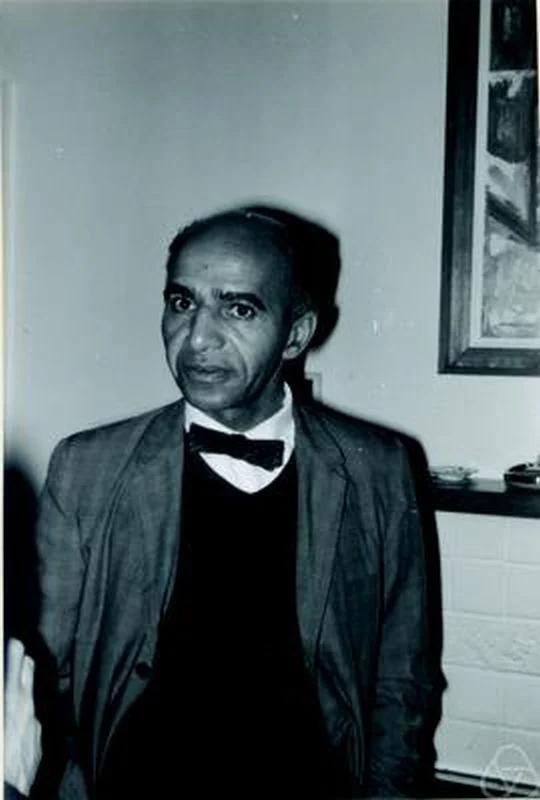
Mathematician, statistician and university teacherDavid Blackwell pursued mathematical understanding across probability, statistics, games and information. His career combined foundational results, demanding teaching and sustained collaboration, while confronting racial barriers in American academic life.Read biography
Economic anthropologist and rural-development researcherAnn Dunham studied the livelihoods and institutions around Indonesian village industries. Her work connected long-term field research with development programmes, while a surviving archive and posthumously edited book preserve distinct records of that research.Read biography
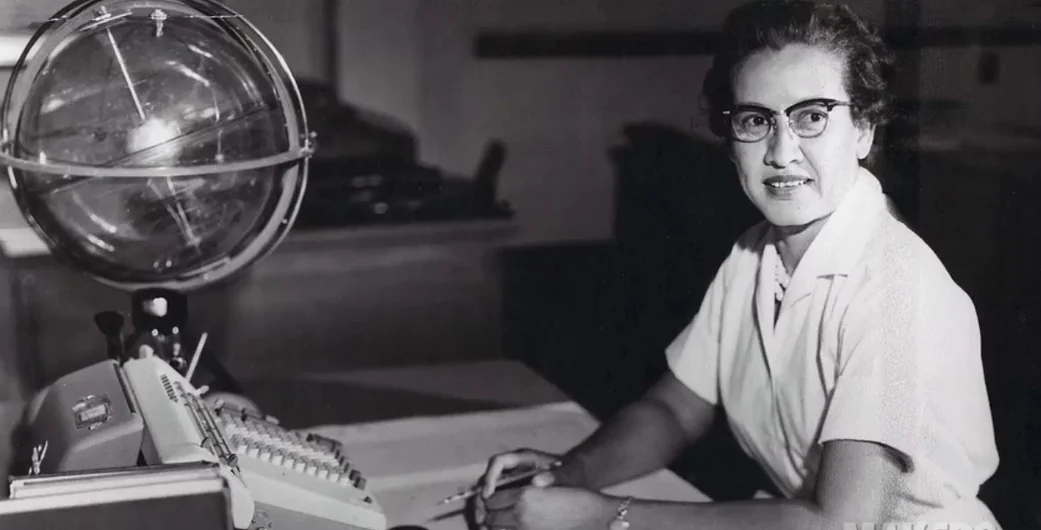
Research mathematician at NACA and NASAKatherine Johnson applied mathematics to flight research and space trajectories at Langley. Her career joined calculation, verification and published technical work within engineering teams, while challenging the racial and gender barriers around that work.Read biography
Mathematician, computing supervisor and FORTRAN programmerDorothy Vaughan led NACA’s West Area Computing group and later became a specialist in electronic computing at NASA. Her contribution included mathematical work, assigning and supporting colleagues, and adapting to the changing tools of aerospace research.Read biography
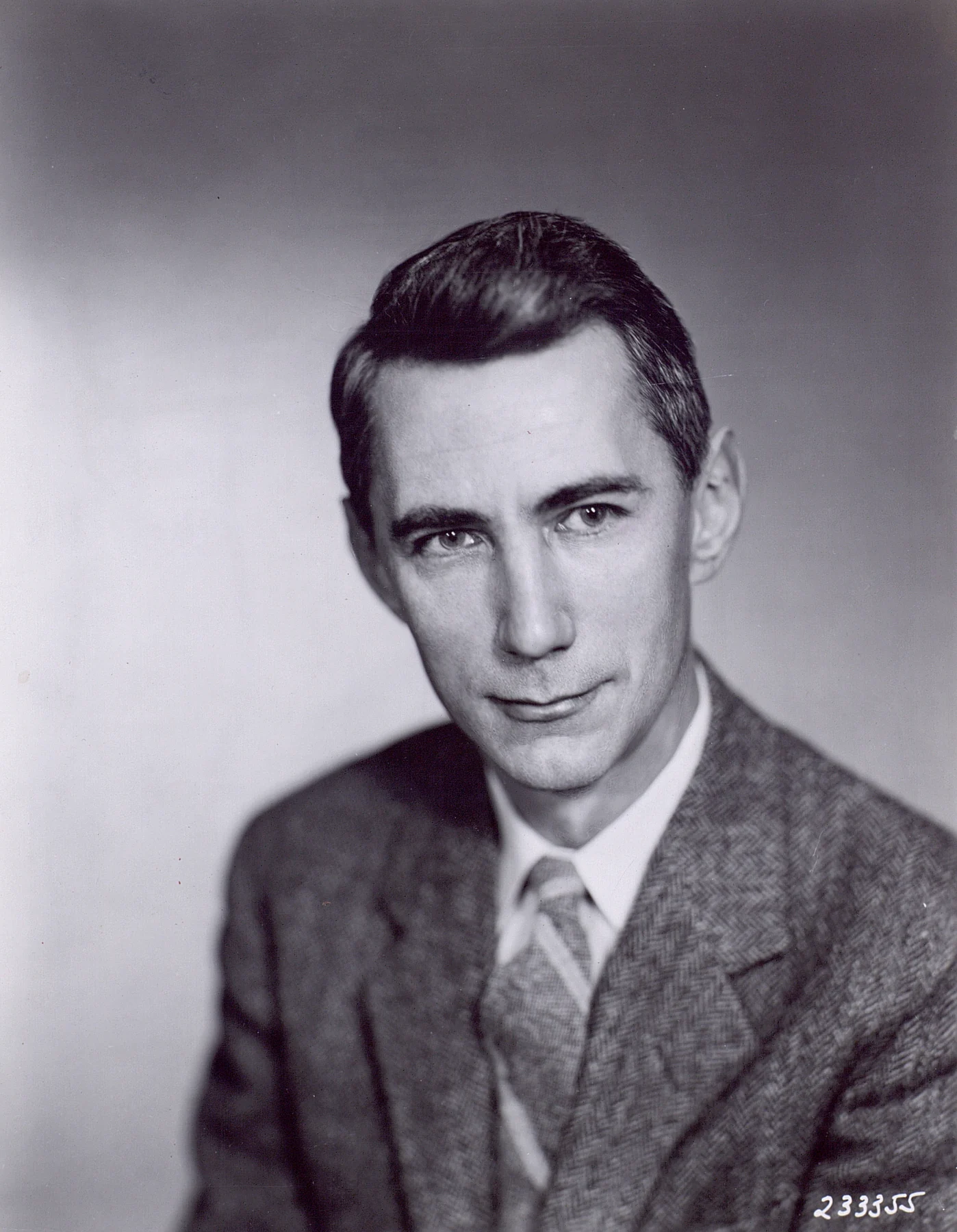
Mathematician, electrical engineer and information theoristClaude Shannon connected abstract probability and symbolic logic with engineering problems. His work gave circuit designers a calculus and communication engineers a way to quantify uncertainty, coding limits and reliable transmission.Read biography
Mathematician and theorist of cyberneticsNorbert Wiener moved from mathematical logic and analysis into questions of prediction, feedback and communication. His cybernetics programme connected engineering with physiology while raising questions about scientific responsibility and automation.Read biography
Mathematician, scientific adviser and computing researcherJohn von Neumann worked across pure mathematics, quantum theory, economics and computation. His written designs and institutional advocacy helped develop early stored-program computers through collaboration with engineers, programmers and other researchers.Read biography
Molecular biologist and neurobiologistMartin Chalfie is an American biologist whose studies of a transparent roundworm helped him recognise the value of green fluorescent protein as a marker. His laboratory’s experiments connected a jellyfish protein with the ability to investigate gene expression in living organisms.Read biography
Chemist and biological-imaging researcherRoger Y. Tsien was an American chemist who designed molecules to investigate activity inside cells. His research ranged from calcium indicators to improved fluorescent proteins, connecting chemical structure with the kinds of biological questions that researchers could measure.Read biography
Molecular biologistDouglas Prasher is an American molecular biologist whose cloning and sequence work supplied an essential step in the development of green fluorescent protein as a research tool. His papers and the accounts of later collaborators make his contribution visible beyond the list of Nobel laureates.Read biography
Electrical engineer and semiconductor researcherNick Holonyak Jr. was an American engineer whose 1962 visible-red semiconductor emitter became a landmark in LED history. His work at industrial laboratories and the University of Illinois connected new materials with light-emitting and laser devices.Read biography
Neuroscientist and researcher on learning and memoryEric R. Kandel is an Austrian-born neuroscientist whose research connected elementary forms of learning with changes at identified synapses. Trained first in history and medicine, he helped make the biology of memory an experimental research programme.Read biography
Neuroscientist and biochemical-signalling researcherPaul Greengard was an American neuroscientist who investigated what happens inside nerve cells after chemical signals reach them. His research helped establish how biochemical pathways and protein modification contribute to neuronal communication.Read biography
Neurobiologist and researcher on brain organisationRoger W. Sperry was an American neurobiologist whose experiments investigated how nerve connections and the organisation of the brain shape behaviour. His split-brain research made the way a question is presented and answered central to its interpretation.Read biography
Neurophysiologist and scientific-institution leaderTorsten N. Wiesel is a Swedish-born neurophysiologist whose long partnership with David Hubel investigated visual processing and development. His later career included leading Rockefeller University and supporting international scientific cooperation.Read biography
Medical physicist and measurement researcherRosalyn S. Yalow was an American medical physicist who developed radioimmunoassay with Solomon Berson. Their work turned an unexpected observation about insulin binding into a method for measuring very small amounts of biologically important substances.Read biography
Astrophysicist and scientific authorSubrahmanyan Chandrasekhar developed mathematical accounts of stars and their stability, then repeatedly moved into new fields. His work connected quantum statistics with relativity, while his teaching, books and journal editing shaped research at the University of Chicago.Read biography
Physician and cancer geneticistJanet Rowley used chromosome-banding techniques to identify recurring exchanges of chromosome material in leukemia. Her findings helped establish a genetic basis for particular cancers and changed the questions that researchers could ask about their origins.Read biography
Physicist and rocket researcherRobert H. Goddard combined mathematical analysis with small-team experiments on rocket propulsion. His 1926 liquid-fueled flight in Massachusetts and later work in New Mexico made practical demonstrations part of a field often discussed in speculative terms.Read biography
Observational astronomerEdwin Hubble used large telescopes and distance estimates to transform the study of galaxies. His work on Andromeda and the 1929 velocity–distance relation helped move cosmology toward observational tests, while depending on a wider network of measurements and calibrations.Read biography
Astronomer and observatory directorHarlow Shapley used globular clusters and variable stars to argue that the Sun lies far from the Milky Way’s centre. As Harvard College Observatory director, he combined research with institution building, public astronomy and support for international scientific exchange.Read biography
Chemist and isotope researcherHarold Urey investigated isotopes and helped identify heavy hydrogen through a combination of theoretical prediction, sample preparation and spectroscopy. His research later extended to isotope-based temperatures and the chemistry of planets and the early Earth.Read biography
Biochemist and Nobel laureateGerty Cori investigated how carbohydrates are transformed, combining a long research partnership with distinctive work on glycogen structure and enzyme deficiencies.Read biography
Biochemist and laboratory leaderCarl Cori combined metabolic research, laboratory leadership and later studies of gene expression across a career extending well beyond the 1947 Nobel Prize.Read biography
Geneticist and university presidentGeorge Beadle studied how genes affect biochemical processes, worked across several experimental organisms and later led the University of Chicago.Read biography
Biochemist and geneticistEdward Tatum brought biochemical expertise to collaborative genetics, working with George Beadle on Neurospora and Joshua Lederberg on bacterial recombination.Read biography
Microbiologist and scientific institution builderSalvador Luria studied bacterial viruses, helped establish microbial genetics and later combined research leadership at MIT with public political engagement.Read biography
Physicist and molecular biologistMax Delbrück moved from theoretical physics to biology, helping make viruses and fungi experimental systems for questions about heredity and response.Read biography
Filmmaker and writerQuentin Tarantino developed a career across genre filmmaking and published criticism, with scripts, collaborators and production choices central to his work.Read biography
FilmmakerSofia Coppola moved from acting to directing films concerned with celebrity and enclosure. Her career combines close character studies with public arguments about representation.Read biography
Sculptor, printmaker and teacherA sculptor and printmaker whose images ask viewers to connect individual lives with a broader social world.Read biography
Photographer and photographic educatorA photographer whose changing subjects invite attention to how an image makes a particular world visible.Read biography
Photographer, editor and teacherA photographer and editor who found lasting visual complexity in ordinary places, objects and public encounters.Read biography
Photographer, filmmaker and writerAn artist whose camera work, writing, films and music pursued different ways to make a human experience visible.Read biography
Photographer, teacher and conservationistA photographer and teacher whose attention to the final print joined technical decisions with an environmental commitment.Read biography
Inventor of the Audion and sound-film researcherDe Forest added a control electrode to a vacuum-tube design and pursued radio and sound film.Read biography
Harvard astronomer and variable-star researcherLeavitt used repeated photographs of the Magellanic Clouds to connect a variable star’s cycle with its brightness.Read biography
Astronomer and curator of Harvard’s astronomical photographsFleming classified spectra, found unusual objects on photographs, and organised the Harvard Observatory’s plate work.Read biography
Astronomer, teacher and Vassar observatory directorMitchell observed comets from Nantucket and later used Vassar’s observatory as a place for students to conduct research.Read biography
Biochemist and genetic-code researcherWorking with Heinrich Matthaei, Nirenberg developed a cell-free system in which added RNA could guide amino-acid incorporation.Read biography
Molecular biologist and virologistBaltimore independently discovered RNA-directed DNA polymerase activity in 1970, at the same time that Howard Temin and Satoshi Mizutani identified the activity in their own work.Read biography
Molecular biologist and restriction-mapping researcherNathans became interested in tumour viruses and spent part of 1969 at the Weizmann Institute.Read biography
Molecular biologist and restriction-enzyme researcherAt Johns Hopkins, Smith and graduate student Kent Wilcox investigated the bacterium Haemophilus influenzae.Read biography
Physician, geneticist and hepatitis-B researcherBlumberg's group examined antibodies in the serum of people who had received multiple transfusions.Read biography
Physician and pharmacology researcherA 1977 paper by William Arnold, Chandra Mittal, Shigeo Katsuki and Murad investigated nitric oxide's activation of guanylate cyclase in tissue preparations.Read biography
Pharmacologist and nitric-oxide researcherIgnarro's group investigated nitric oxide and the unidentified endothelium-derived relaxing factor, usually abbreviated EDRF.Read biography
Pharmacologist and vascular-physiology researcherIn 1980 Furchgott and John Zawadzki reported that acetylcholine-induced relaxation of isolated blood-vessel preparations required endothelial cells.Read biography
Biochemist and protein-phosphorylation researcherFischer and Krebs investigated glycogen phosphorylase and established reversible phosphorylation as a way to regulate protein activity.Read biography
Biochemist and protein-kinase researcherKrebs and Fischer investigated differences between forms of glycogen phosphorylase and discovered that reversible phosphorylation explained their interconversion.Read biography
Biochemist and cellular-signalling researcherRodbell's work separated reception of a chemical signal from the machinery that carries the influence onward and generates a cellular response.Read biography
Pharmacologist and G-protein researcherGilman's group used S49 lymphoma-cell variants with defective signalling as experimental material.Read biography
Molecular biologist and RNA-splicing researcherA 1977 paper by Susan Berget, Claire Moore and Sharp investigated adenovirus late messenger RNA.Read biography
Biochemist and RNA-catalysis researcherCech's group found that an intervening RNA sequence could be removed and the remaining RNA joined without an added protein catalyst.Read biography
Biochemist and growth-factor researcherPreparations studied in connection with nerve growth produced other effects in newborn animals, including changes in eyelid opening and tooth eruption.Read biography
Biochemist and drug-discovery researcherHitchings investigated analogues of the chemical building blocks used in nucleic-acid metabolism.Read biography
Physician and molecular-genetics researcherThe Brown–Goldstein programme connected LDL recognition at the cell surface with uptake and intracellular regulation.Read biography
Reconstructive and transplant surgeonOn 23 December 1954, the Peter Bent Brigham team transplanted a kidney from Ronald Herrick to his identical twin Richard.Read biography
Physician and bone-marrow-transplantation researcherThomas's programme pursued marrow transplantation through experimental work and clinical investigation.Read biography
Molecular geneticist and RNA-interference researcherFire's collaboration with Mello and other investigators asked why introduced RNA could silence a corresponding gene.Read biography
Molecular geneticist and RNA-interference researcherMello's account describes effects that could spread from an injection site and appear in progeny.Read biography
Molecular geneticist and gene-targeting researcherIn 1987 Kirk Thomas and Capecchi reported gene targeting in mouse embryo-derived stem cells.Read biography
Solid-state physicist and materials chemistAt Oxford, Goodenough worked with Koichi Mizushima, Phillip Wiseman and Peter Jones on lithium extraction from layered cobalt oxide.Read biography
Chemist and chemical-biology researcherA 2000 paper with Eliana Saxon adapted the Staudinger reaction to connect deliberately introduced chemical partners on cell surfaces.Read biography
Physiologist and molecular sensory-system researcherMichael Caterina and colleagues, including Julius, reported an expression-cloning approach to the capsaicin receptor in 1997.Read biography
Molecular biologist and mechanosensation researcherIn 2010, Bertrand Coste and colleagues, including Patapoutian, reported evidence involving proteins named Piezo1 and Piezo2.Read biography
Cell biochemist and intracellular membrane-transport researcherRothman and Erik Fries investigated transport of a viral glycoprotein using cell-free preparations.Read biography
Cell biologist and yeast membrane-traffic researcherPeter Novick and Schekman's 1979 paper described a temperature-sensitive secretion mutant in which proteins and vesicles accumulated under restrictive conditions.Read biography
Molecular biologist and telomerase researcherGreider and Blackburn identified telomerase activity in 1984 and published the initial work in 1985.Read biography
Molecular biologist and chromosome-end researcherSzostak and Blackburn's 1982 paper tested linear plasmids carrying DNA ends from Tetrahymena in yeast.Read biography
Sculptor and printmakerA French-born American artist who transformed personal memory into sculpture, prints and constructed environments.Read biography
Conceptual artistAn American artist whose photographs, texts, collages and moving images question how bodies and identities are represented.Read biography
Industrial psychologist and engineerLillian Gilbreth brought psychology and motion study into factories, household work, disability access and engineering education.Read biography
Semiconductor researcherRussell Ohl’s investigation of silicon rectifiers revealed a light-sensitive p–n junction that helped establish the foundations of semiconductor devices.Read biography
Physical chemist and research directorGordon Teal developed single-crystal semiconductor materials and led the Texas Instruments programme that brought silicon transistors into commercial production.Read biography
Physicist and semiconductor researcherKurt Lehovec developed junction-isolation ideas that helped make multiple components on one semiconductor slice electrically workable.Read biography
Electrical engineer and memory researcherRobert Dennard developed the one-transistor DRAM cell and scaling principles that shaped the density and performance of semiconductor electronics.Read biography
Electrical engineer and research leaderGeorge Heilmeier led early liquid-crystal display work at RCA and later directed major government and industrial research programmes.Read biography
Physicist and LED research leaderM. George Craford developed yellow and high-brightness LEDs through semiconductor-material research and industrial teams at Monsanto, HP and Lumileds.Read biography
Electrical engineer and computer architectMarcian Ted Hoff helped define the architecture of Intel’s 4004 and later developed communications products and worked in technology consulting.Read biography
Draftsman, electrical inventor and patent specialistCarbon-filament manufacturing improvements and work documenting electrical inventions.Read biography
GeneticistRuth Sager moved between algal genetics and cancer research, investigating how inherited characteristics and gene expression could be studied experimentally.Read biography
Microbiologist and antibiotic researcherGladys Hobby investigated antibiotic action in a career spanning academic laboratories, pharmaceutical research and public-health work.Read biography
Toxicologist and air-pollution researcherMary Amdur investigated how pollutants affected respiration, bringing chemistry and controlled experiments into questions raised by severe urban smog.Read biography
Pathologist and cancer researcherPeter Nowell combined pathology and chromosome research, collaborating on a recurring cancer-associated abnormality and later developing an evolutionary model of tumours.Read biography
Cytogeneticist and cancer researcherDavid Hungerford supplied chromosome-analysis expertise to a collaboration that identified a recurring abnormality in a particular form of leukaemia.Read biography
Physician-scientist and leukaemia researcherBrian Druker connected clinical questions with a collaborative programme testing whether a molecular abnormality could guide the development of a cancer medicine.Read biography
Oncologist and cancer researcherDennis Slamon connected molecular investigation with oncology through collaborative studies of HER2 and subsequent clinical research.Read biography
Biochemist and molecular pharmacologistSusan Band Horwitz investigated the actions of natural-product compounds, including the unusual effects of Taxol on the microtubule cytoskeleton.Read biography
Natural-products chemistMonroe Wall led natural-products research at RTI, connecting chemical investigation with biological testing through a network of collaborators.Read biography
Physician and biochemistPaul Zamecnik connected medical research with experimental biochemistry, helping make protein synthesis accessible to investigation outside intact cells.Read biography
Physician, biochemist and science writerMahlon Hoagland helped investigate the biochemical steps connecting amino acids with protein synthesis and later became an influential communicator of biology.Read biography
Artist and film production illustratorTyrus Wong connected Chinese landscape traditions with American film design, shaping Bambi’s visual atmosphere before a long career in live-action production illustration.Read biography
Animator, director and musicianWard Kimball developed comic character animation, directed adventurous musical and educational films, and combined studio work with a sustained interest in jazz and railroads.Read biography
Theoretical physicist and physics educatorRichard Feynman combined quantum research with physics teaching, moving from MIT and Princeton through wartime Los Alamos, Cornell and a long Caltech career.Read biography
Experimental physicist and scientific institution builderNorman Ramsey moved from mathematics into atomic physics, developing precision measurements at Harvard while helping build major research institutions.Read biography
Condensed-matter theoretical physicistPhilip Anderson developed condensed-matter theory through Bell Laboratories, Cambridge and Princeton, connecting microscopic models with collective material behaviour.Read biography
Physicist and maser researcherCharles Townes connected wartime microwave work with spectroscopy, leading the Columbia maser project and later collaborating on the optical-maser proposal.Read biography
Physicist and laser spectroscopistArthur Schawlow moved from Toronto spectroscopy to Columbia, Bell Laboratories and Stanford, linking an optical-maser proposal with later precision measurements.Read biography
Experimental physicist and former U.S. Secretary of EnergySteven Chu moved from mathematics and physics training into experimental research at Bell Labs, Stanford and Berkeley, followed by service as U.S. energy secretary.Read biography
Experimental atomic physicistWilliam Phillips developed laser cooling at the National Bureau of Standards and NIST, building on MIT precision-measurement training and a collaboration with Harold Metcalf.Read biography
Experimental atomic physicistEric Cornell developed precision atomic experiments before joining Carl Wieman in Boulder, where their group observed a dilute-gas Bose–Einstein condensate in 1995.Read biography
Experimental physicist and science-education researcherCarl Wieman developed precision atomic experiments and a condensate programme in Boulder, then applied empirical research methods to science teaching.Read biography
Theoretical physicist and relativistic astrophysicistKip Thorne built a Caltech programme in relativistic astrophysics, linking black-hole theory, gravitational-wave experiments and numerical waveform research.Read biography
Experimental physicist and LIGO co-founderRainer Weiss combined atomic-beam and cosmology experiments with the interferometer and noise analysis that helped make LIGO possible.Read biography
Experimental physicist and large-project leaderBarry Barish moved from particle-detector experiments to LIGO, organising its construction and scientific collaboration while the instruments developed toward detection.Read biography
Biophysicist and single-particle electron-microscopy researcherJoachim Frank developed single-particle reconstruction through work in Europe and the United States, combining image alignment, class analysis and molecular structure research.Read biography
Physical chemist and single-molecule spectroscopistWilliam Moerner moved from physics and engineering training into industrial spectroscopy, then expanded single-molecule research through university laboratories.Read biography
Physicist and microscopy developerEric Betzig moved from Caltech and Cornell through Bell Labs and industrial work before developing PALM with Harald Hess and biological-imaging collaborators.Read biography
Structural biologist and transcription researcherRoger Kornberg moved from chemical physics into chromatin and transcription research, combining biochemical systems with structural work at Stanford.Read biography
Physician and structural biologistBrian Kobilka moved from medical training into receptor research with Robert Lefkowitz, then pursued the difficult structural study of GPCRs at Stanford.Read biography
Physician and receptor biochemistRobert Lefkowitz moved from clinical medicine into hormone-receptor research, building a Duke programme that connected radioligand binding with cell signalling.Read biography
Molecular biologist and circadian-clock researcherMichael Rosbash brought RNA biology to the study of biological clocks, working with Jeffrey Hall and colleagues to connect daily behaviour with gene regulation.Read biography
Geneticist and circadian-behaviour researcherJeffrey Hall studied how genes shape behaviour, collaborating with Michael Rosbash to investigate the fruit fly’s daily clock and its location in the brain.Read biography
Geneticist and molecular-clock researcherMichael Young built a Rockefeller University programme that used fruit-fly genetics to explain how molecular interactions organise a daily biological rhythm.Read biography
Biochemist and computational protein designerDavid Baker built a University of Washington programme that moved between computation and experiments to investigate and design protein structures.Read biography
Physician-scientist and immunologistDrew Weissman brought immunology to a Penn collaboration with Katalin Karikó that investigated how cells recognise experimentally produced RNA.Read biography
Biochemist and RNA researcherKatalin Karikó pursued RNA research from Hungary to the United States, investigating how modified messenger RNA could produce proteins with reduced innate activation.Read biography
Geneticist and developmental biologistRobert Horvitz used the nematode C. elegans to investigate how genes control development, cell survival and behaviour.Read biography
Geneticist and human-rights researcherMary-Claire King combined mathematical training with human genetics, investigating inherited disease and helping families establish biological relationships.Read biography
Physicist, molecular geneticist and neurogenetics pioneerSeymour Benzer moved from solid-state physics to molecular genetics and then to fruit-fly behaviour, repeatedly finding new questions for experimental genetics.Read biography
Animation director and studio co-founderJohn Hubley moved from Hollywood studio design to independent animation, working with Faith Hubley, musicians and the recorded voices of their children.Read biography
Independent animator, editor and directorFaith Hubley developed an independent animated cinema from an established editing career, a shared studio with John Hubley and decades of solo filmmaking.Read biography
Artist and experimental filmmakerLillian Schwartz brought painting and kinetic sculpture into Bell Laboratories, combining computational images with physical media rather than replacing one with the other.Read biography
Experimental filmmaker and multimedia artistStan VanDerBeek moved from painting and collage into experimental film, immersive projection and computer-assisted work intended to expand visual communication.Read biography
Experimental filmmaker, painter and sculptorRobert Breer entered filmmaking through abstract painting, then explored drawing, photography, rotoscoping and kinetic sculpture as different ways of organising movement.Read biography
Painter, experimental animator and teacherSuzan Pitt extended painting into animated film, combining handmade processes with surreal imagery while teaching and working across several artistic formats.Read biography
Novelist, journalist and editorWilla Cather moved from journalism and magazine editing to fiction that reshaped remembered landscapes and immigrant lives through narrative form.Read biography
Novelist, short-story writer and designerEdith Wharton wrote about wealth, reputation and constrained choices while working across fiction, architectural design and wartime relief.Read biography
Novelist, short-story writer and screenwriterF. Scott Fitzgerald wrote novels, stories and screenplays; surviving drafts reveal sustained revision behind The Great Gatsby’s compact published form.Read biography
Novelist and short-story writerNathaniel Hawthorne combined a career in public employment with fiction about judgement, secrecy and the stories a community tells about its past.Read biography
Novelist, short-story writer and poetHerman Melville transformed sea voyages and a varied working life into fiction whose narrators mix adventure, argument and experiments in knowledge.Read biography
Novelist, short-story writer and criticHenry James developed fiction around perception, interpretation and social relations, while living much of his working life in England.Read biography
Novelist and short-story writerKate Chopin built a professional writing career in stories and novels that examined women’s choices, social expectations and the conditions of independence.Read biography
Novelist, poet and war correspondentStephen Crane wrote his Civil War novel before becoming a war correspondent, making the chronology essential to understanding his literary reputation.Read biography
Novelist, journalist and rancherJack London turned experiences of work, travel and the Yukon into professional writing while developing ambitious agricultural projects in California.Read biography
Novelist and short-story writerSarah Orne Jewett built fiction around Maine households, visits and remembered lives while maintaining a literary partnership and a wider Boston network.Read biography
Writer, lecturer and social criticCharlotte Perkins Gilman wrote fiction and social criticism about work and women’s dependence, while also advancing racist and eugenic ideas that limit her legacy.Read biography
Chemist, structural theorist and peace campaignerLinus Pauling connected quantum chemistry with molecular structure, helped propose the alpha helix and became a prominent campaigner against nuclear testing.Read biography
Experimental zoologist and geneticistThomas Hunt Morgan moved from embryology to fruit-fly genetics, using inherited mutations and crosses to investigate the chromosome basis of heredity.Read biography
Bacteriophage geneticist and experimental biologistAlfred Hershey used bacteriophages to investigate genetic structure and viral growth, co-authoring the component-labelling experiments with Martha Chase.Read biography
Biochemist and DNA-repair researcherPaul Modrich traced DNA-repair mechanisms through purified biochemical systems, connecting recognition of a mismatch with the choice of strand to replace.Read biography
Physician-scientist and DNA-repair biochemistAziz Sancar moved from medical training in Turkey to DNA-repair research, identifying how defined proteins recognise and excise damaged DNA.Read biography
Molecular biologist and phage-display researcherGeorge P. Smith developed phage display, linking a molecule’s binding behaviour with recoverable DNA and opening a route to selection from libraries.Read biography
Biochemist and PCR inventorKary Mullis conceived PCR at Cetus, where a wider research team helped turn repeated primer-directed DNA synthesis into a practical laboratory method.Read biography
Molecular biologist and DNA-sequencing researcherWalter Gilbert moved from theoretical physics into molecular biology, working on gene regulation and developing chemical DNA sequencing with Allan Maxam.Read biography
Theoretical physicist and quantum-optics researcherRoy Glauber developed quantum optical coherence theory, showing why average brightness, interference and photon correlations answer different questions.Read biography
Experimental physicist and trapped-ion researcherDavid Wineland developed trapped-ion experiments at NBS and NIST, connecting laser cooling with precision measurement and control of individual quantum systems.Read biography
Experimental particle physicistMartin Perl moved from chemical engineering into particle physics and led the search that turned unusual electron–muon events into evidence for the tau lepton.Read biography
Experimental physicist and laser-spectroscopy researcherJohn L. Hall developed precision laser spectroscopy and helped connect optical frequencies with countable radio-frequency references through frequency combs.Read biography
Experimental particle physicistSamuel Ting developed precision lepton-pair experiments and led the Brookhaven collaboration that observed the narrow J resonance in 1974.Read biography
Experimental physicist and ultracold-atom researcherWolfgang Ketterle developed ultracold-atom experiments at MIT, producing Bose–Einstein condensates and studying their interference and coherent behaviour.Read biography
Theoretical physicist and strong-interaction researcherDavid Gross and Frank Wilczek showed how a non-Abelian interaction could weaken at shorter distances, helping establish the framework of quantum chromodynamics.Read biography
Theoretical physicistFrank Wilczek helped establish asymptotic freedom and explored fractional statistics, connecting particle theory with questions about quantum matter.Read biography
Theoretical particle physicistMurray Gell-Mann organised particle families and proposed quarks, helping turn a growing catalogue of hadrons into a theory of constituents and interactions.Read biography
Theoretical particle physicistSheldon Glashow developed electroweak ideas and coauthored the GIM mechanism, relating charm to the suppression of unwanted flavour-changing processes.Read biography
Theoretical physicist and electroweak researcherSteven Weinberg connected gauge symmetry and spontaneous symmetry breaking in a 1967 lepton model that became central to electroweak theory.Read biography
Experimental particle physicist and accelerator leaderBurton Richter helped build electron–positron colliders and led the SPEAR experiment that independently revealed the psi resonance in 1974.Read biography
Experimental physicist and neutrino researcherFrederick Reines and Clyde Cowan developed delayed-coincidence detection, using reactor experiments and multiple controls to establish the antineutrino signal.Read biography
Astronomer and Galactic-centre researcherAndrea Ghez led infrared stellar-orbit studies of the Galactic centre, using precise observations to investigate the Milky Way’s compact central mass.Read biography
Theoretical condensed-matter physicistRobert Laughlin proposed a correlated quantum-fluid description of the fractional quantum Hall effect, linking a many-electron state with fractional-charge excitations.Read biography
Experimental condensed-matter physicistDaniel Tsui studied two-dimensional electron transport and co-discovered the fractional quantum Hall effect using exceptionally clean semiconductor samples.Read biography
Experimental physicist and conducting-polymer researcherAlan Heeger connected condensed-matter physics with polymer chemistry, helping show how chemical doping could transform polyacetylene’s conductivity.Read biography
Chemical physicist and reaction-dynamics researcherDudley Herschbach connected mathematical training, molecular spectroscopy and beam experiments, helping turn individual chemical collisions into measurable events.Read biography
Experimental particle physicist and laboratory directorLeon Lederman combined particle experiments with laboratory leadership and public teaching, working in collaborations that established new kinds of elementary particle.Read biography
Theoretical physicist and density-functional theory researcherWalter Kohn’s career joined refugee experience, theoretical physics and collaborative electronic-structure research, including the foundations of density-functional theory.Read biography
Structural biologist and protein crystallographerThomas Steitz used crystallography to investigate biological catalysts, helping reveal the RNA-centred architecture of the large ribosomal subunit.Read biography
Biochemist and protein-folding researcherChristian Anfinsen investigated how reduced ribonuclease recovered structure and activity, connecting amino-acid sequence with folding under defined conditions.Read biography
Biochemist and analytical-methods researcherStanford Moore developed quantitative amino-acid analysis with William Stein and Darrel Spackman, making protein chemistry more reproducible and widely usable.Read biography
Biochemist and protein-structure researcherWilliam Stein investigated protein composition, sequence and enzyme activity with Stanford Moore, using analytical methods to connect fragments into a structure.Read biography
Biochemist and coenzyme researcherFritz Lipmann investigated metabolic energy and acetyl transfer, identifying coenzyme A through assays and a collaborative programme of purification and chemistry.Read biography
Biochemist and isotope-tracer researcherKonrad Bloch traced cholesterol biosynthesis with David Rittenberg and later collaborators, linking labelled acetate to a complex programme of metabolic chemistry.Read biography
Biochemist and enzyme-mechanism researcherPaul Boyer investigated how ATP synthase couples energy to catalytic changes, developing binding-change ideas through isotope exchange and nucleotide-binding studies.Read biography
Virologist and quantitative cell-culture researcherRenato Dulbecco brought quantitative plaque methods to animal virology and later investigated tumour-virus interactions with cellular genetic material.Read biography
Cell biologist and microscopy researcherGeorge Palade combined microscopy, fractionation and labelling studies to investigate how secretory proteins move through cellular compartments.Read biography
Cell biologist and fractionation pioneerAlbert Claude helped make the cell experimentally accessible through fractionation and electron microscopy, linking separated material with cellular structure.Read biography
Biochemist and cell-compartment researcherChristian de Duve used biochemical evidence to investigate cellular compartments, identifying lysosomes through enzyme distribution and latent activity.Read biography
Cell biologist and protein-targeting researcherGünter Blobel investigated how proteins reach cellular destinations, using biochemical reconstitution to test signal-dependent transfer across membranes.Read biography
Physician and transfusion-hepatitis researcherHarvey Alter investigated hepatitis after transfusion, helping establish the non-A, non-B disease problem that preceded hepatitis C molecular identification.Read biography
Pathologist and tumour-virus researcherPeyton Rous investigated transmissible chicken tumours, distinguishing an agent separable from tumour cells from the transfer of the cells themselves.Read biography
Neurobiologist and growth-factor researcherRita Levi-Montalcini investigated nerve development and growth factors, connecting tissue-culture responses with a collaborative search for the active material.Read biography
Developmental geneticistEric Wieschaus investigated embryonic development with Christiane Nüsslein-Volhard, using systematic fly-mutant comparisons to distinguish levels of segment patterning.Read biography
Geneticist and developmental researcherEdward Lewis investigated the bithorax complex in fruit flies, connecting genetic organisation with body-segment identity through developmental genetics.Read biography
Geneticist and cell-cycle researcherLeland Hartwell used yeast genetics to investigate cell division, connecting conditional mutant behaviour with models of ordered and interdependent cellular events.Read biography
Biochemist and enzyme-mechanism researcherIrwin Rose investigated enzyme mechanisms and ATP-dependent protein breakdown, collaborating in the work that connected ubiquitin conjugation with degradation.Read biography
Immunologist and geneticistBruce Beutler used mouse genetics to investigate innate immunity, linking impaired LPS responses to Tlr4 mutations and sharing the 2011 Nobel Prize in Medicine.Read biography