
The short answer
On 16 September 1991, the restored Philippine Senate voted 12–11 against a treaty that would have continued U.S. access to major bases. The narrow decision tested a new constitutional rule and ended the old permanent-basing arrangement without ending the bilateral alliance.
Chronology
A timeline of the turning points
The Military Bases Agreement is signed
The bilateral agreement authorised extensive United States use of Philippine military sites after independence.
Voters ratify a new constitutional rule
Article XVIII, Section 25 required any post-1991 foreign-bases arrangement to take the form of a treaty concurred in by the Senate.
The Senate states that the agreement expires in 1991
Senate Resolution No. 45 supported formal notice that the existing Military Bases Agreement would end on 16 September 1991.
A new treaty is submitted
The proposed Treaty of Friendship, Cooperation and Security would have authorised continued access to facilities, principally at Subic Bay.
The Senate rejects concurrence
Twelve senators voted against the resolution of concurrence and eleven voted for it, leaving the treaty without the constitutional approval it required.
The last U.S. forces leave Subic Bay
Withdrawal from the major naval facility completed the closure process under the rejected basing arrangement.
Why did the 1987 Constitution matter?
The 1947 Military Bases Agreement had placed large American facilities inside a newly independent republic. By the constitutional transition of 1986–1987, bases had become a question of sovereignty, security, employment and the continuing effects of colonial power.
Article XVIII, Section 25 of the 1987 Constitution set a clear post-1991 rule: foreign bases, troops or facilities could remain only under a treaty concurred in by the Senate and recognised as a treaty by the other state. The vote was therefore an exercise of a newly restored chamber’s constitutional authority.
What did the proposed treaty provide?
After negotiations between the Aquino administration and the United States, the Treaty of Friendship, Cooperation and Security was submitted to the Senate in August 1991. It sought to replace the expiring bases agreement with a new ten-year framework centred on access to Subic Bay.
Supporters emphasised security cooperation, financial compensation and employment. Opponents argued that continued basing compromised sovereignty and that the end of the Cold War reduced the strategic case for retaining the old arrangement.
The 12–11 vote and the “Magnificent 12”
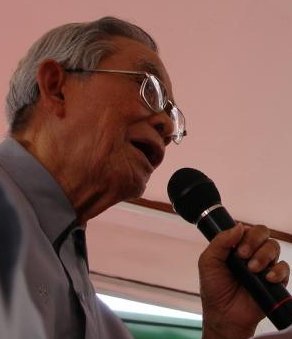
On 16 September 1991, the Senate rejected the resolution of concurrence by twelve votes to eleven. Senate President Jovito Salonga voted against the treaty alongside Agapito Aquino, Juan Ponce Enrile, Joseph Estrada, Teofisto Guingona Jr., Sotero Laurel, Ernesto Maceda, Orlando Mercado, Aquilino Pimentel Jr., Rene Saguisag, Wigberto Tañada and Victor Ziga.
The narrow margin is essential to the story. This was not unanimous anti-base nationalism, but a close constitutional decision in which senators weighed strategic, economic and sovereignty claims differently—even within the coalition that had supported democratic restoration.
Did the vote end Philippine–U.S. military relations?
The vote ended the proposed treaty and led to the departure of U.S. forces from the major bases, including Subic Bay in 1992. It did not end the Mutual Defense Treaty or all military cooperation.
Later agreements created different arrangements for visiting forces, access and joint activity. The 1991 decision remains important because it closed the permanent-base era under the old agreement while demonstrating the Senate’s independent role in foreign policy.
Continue the chronology
Related history guides
The 1987 Philippine Constitution
The source of the Senate concurrence requirement.
Read the timeline4 Jul 1946Philippine Independence in 1946
The sovereignty transfer and unequal postcolonial arrangements behind the bases debate.
Read the timeline1986–2001Philippine Democratic Transition
The restored institutions and leaders who shaped the vote.
Read the timelineConnected biographies
The president and senators behind a close sovereignty decision
 Philippines · Politics
1920—2016
Jovito Salonga
Opposition senator and post-EDSA Senate presidentA Filipino lawyer, opposition leader and statesman who survived wartime imprisonment and the Plaza Miranda bombing before helping rebuild the Senate after EDSA.Read biography Philippines · Politics
1924—2025
Juan Ponce Enrile
Defence minister and Senate presidentThe lawyer and defence minister whose career stretched from the declaration of martial law to the EDSA breakaway, four Senate terms and the Senate presidency.Read biography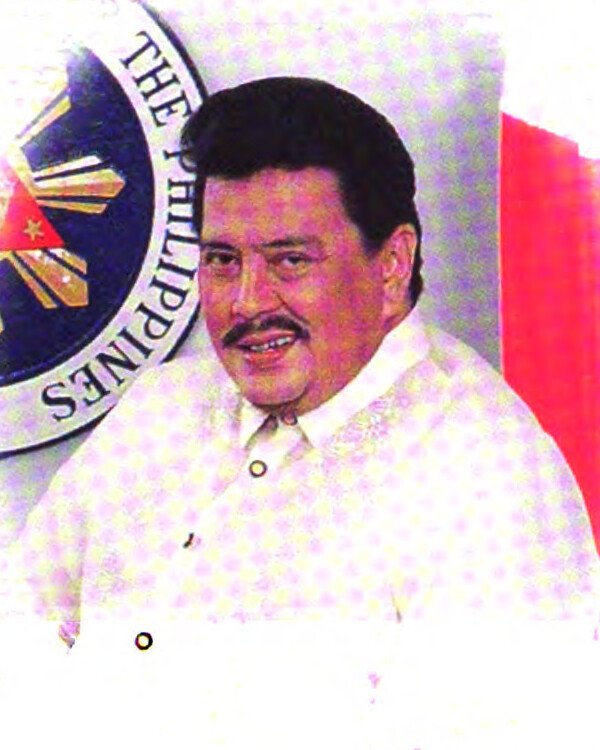 Philippines · Politics
1937—
Joseph Estrada
President of the Philippines, 1998–2001The film star and populist politician who became president in 1998, left office amid impeachment and protest, and later returned as mayor of Manila.Read biography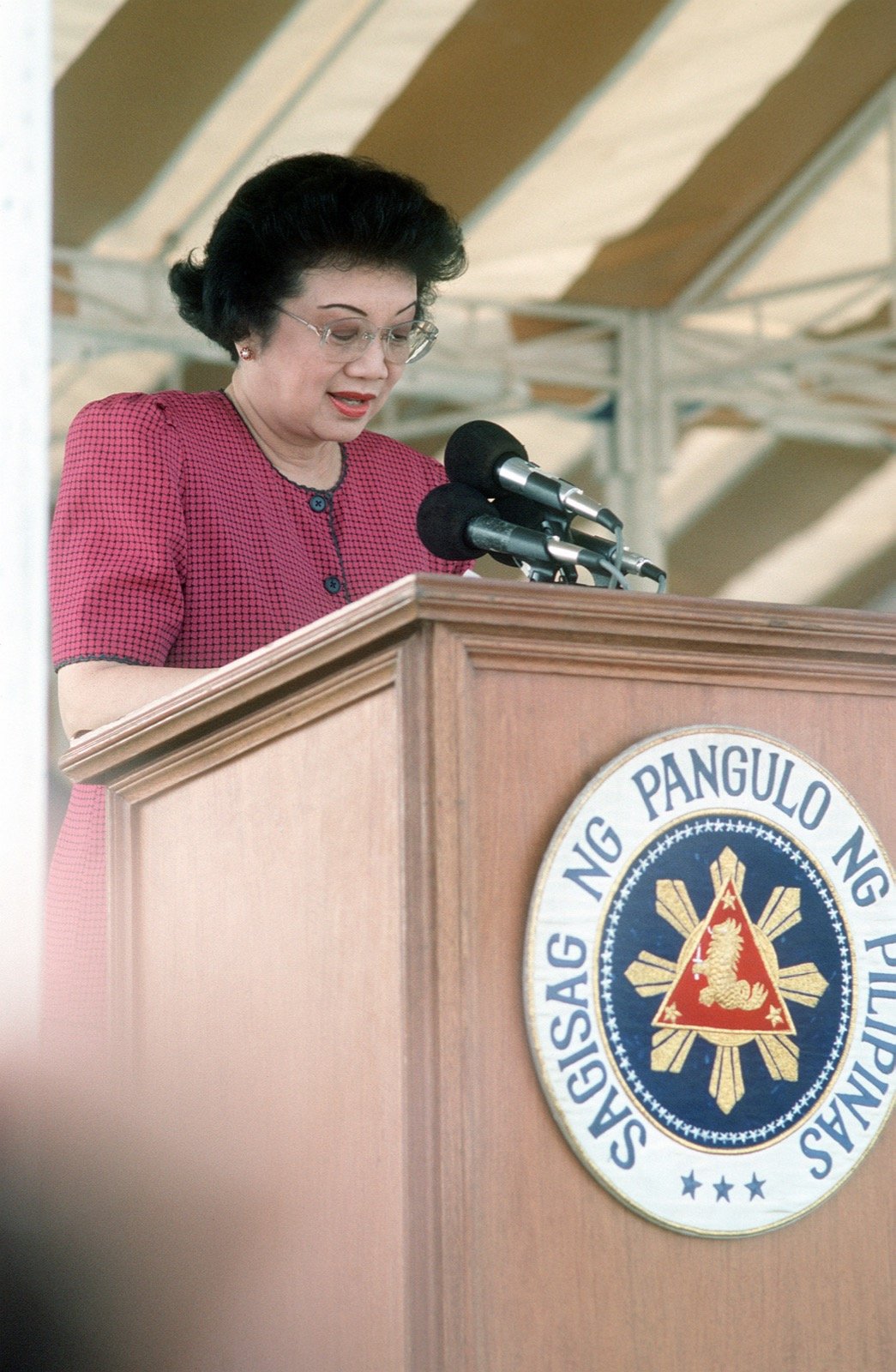 Philippines · Politics
1933—2009
Corazon Aquino
President of the Philippines, 1986–1992The opposition leader who became president after People Power and restored constitutional government following the Marcos dictatorship.Read biography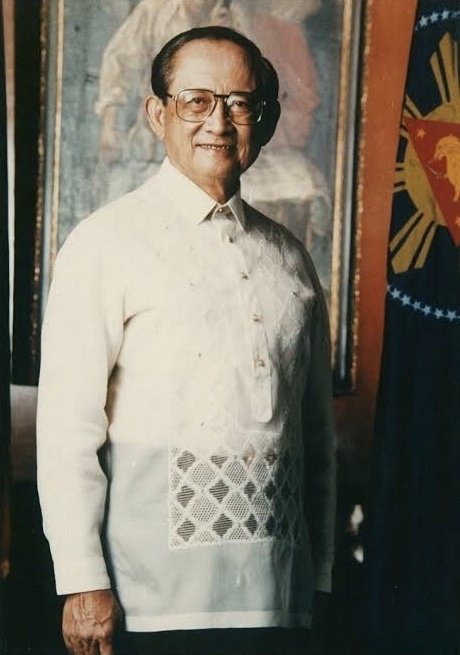 Philippines · Politics
1928—2022
Fidel V. Ramos
President of the Philippines, 1992–1998The general who withdrew support from Ferdinand Marcos during People Power and later served as defence secretary and the Philippines’ twelfth president.Read biography Philippines · Politics
1929—2017
Leticia Ramos-Shahani
Diplomat, women’s-rights advocate and senatorA diplomat, United Nations official and senator who helped move gender equality from international commitments into Philippine policy and law.Read biographyQuick answers
Common questions
- When did the Philippine Senate vote on the U.S. bases treaty?
- The decisive vote took place on 16 September 1991.
- What was the result?
- Twelve senators voted against concurrence and eleven voted in favour, so the proposed treaty failed.
- Who were the “Magnificent 12”?
- The label refers to the twelve senators who voted against the proposed treaty, led in the chamber by Senate President Jovito Salonga.
- Did the vote end the U.S.–Philippine alliance?
- No. It ended the proposed basing treaty, but the 1951 Mutual Defense Treaty remained and later agreements created other forms of defence cooperation.
Primary and institutional sources
How this history was checked
Dates, legal milestones and historical claims are checked against the official and institutional records below. This article was reviewed on 9 September 2026.
- The LawPhil Project1987 Constitution — Article XVIII, Section 25
- Senate of the Philippines Legislative Reference BureauSenate Resolution No. 45, s. 1988 — expiry of the Military Bases Agreement
- Senate of the PhilippinesThirtieth anniversary of the 12–11 bases-treaty vote
- Senate of the PhilippinesResolution recognising the twelve senators who rejected the treaty
- U.S. Department of StateU.S.–Philippine relations and the 1991 treaty rejection
- Wikimedia CommonsJovito Salonga portrait and licence record