
The short answer
Jane tells her own life from a position she has survived to reach. The novel asks how a woman can keep moral and practical independence while seeking love and a home. Major plot developments are discussed in the marked spoiler sections.
Chronology
A timeline of the turning points
The Bell poetry volume
Charlotte published poems with Emily and Anne before the novel.
Jane Eyre published
Smith, Elder issued the novel under Currer Bell.
An argument about morality
The second-edition preface answered hostile judgements about convention and religion.
Three authors identified
Charlotte’s Biographical Notice distinguished Currer, Ellis and Acton Bell.
An autobiography written by an invented narrator
Jane Eyre appeared in 1847 under Currer Bell, with the form of an autobiography. Jane speaks from later life, arranging the sequence through which readers learn about her childhood and choices. The voice gives her authority to name an injustice even when, inside a remembered scene, she lacks the means to resist it. Charlotte Brontë is the author; Jane is a created narrator.
Notice the difference between experiencing an event and explaining it afterwards. At the transition from Lowood, Jane openly compresses eight years while retaining scenes she judges significant. Such selection is a formal decision, not a complete diary. The reader’s closeness to her is powerful precisely because other people rarely receive an equivalent opportunity to tell their lives.
Education and the ambiguous position of the governess
At Lowood, harsh discipline and inadequate care coexist with Helen Burns’s friendship and Miss Temple’s support. Helen’s death is followed by investigation and reform of the school. Jane’s education therefore involves competing kinds of authority: an institution can injure children while particular relationships within it help them survive. Her later work as a teacher does not simply cancel that history.
At Thornfield she earns wages educating Adèle. As a governess, she has learning and responsibility without the status of either employer or independent guest. Sally Shuttleworth’s British Library essay places this uncertain social position beside Jane’s demands for respect. Employment makes an intimate relationship with Rochester materially unequal before either speaks of marriage; attraction cannot by itself remove the fact that he controls the household.
Spoilers: the interrupted wedding and Bertha’s missing account
The wedding is stopped when Rochester’s existing marriage to Bertha Mason is disclosed. The evidence places that marriage in Jamaica. Rochester explains it through arrangements between wealthy families, then supplies a hostile account of his wife and her mother. His description seeks sympathy for himself at the very moment Jane must decide whether to accept his version of what she owes him.
Bertha receives no comparable autobiographical voice. Her Caribbean origins, the term Creole and the animalising language around her invite scrutiny of colonial and racial representation; Creole alone does not establish a precise ancestry. A useful reading asks whose freedom becomes intelligible and whose confinement is made an obstacle to it. It need not endorse Rochester’s claims or invent a modern clinical diagnosis.
Spoilers: inheritance changes the practical terms of choice
Jane leaves Thornfield rather than remain in the relationship Rochester proposes. Later, her uncle’s bequest brings £20,000 and the discovery of kinship with the Rivers siblings. She divides the money equally between herself and those three cousins. The scene distinguishes what the law gives her from what she regards as just, and makes the desire for family inseparable from a decision about property.
St John Rivers offers another marriage organised around his own purpose, missionary work in India. Jane resists that demand too. Her eventual return to Rochester follows changes in wealth, knowledge and circumstance, including the destruction of Thornfield and Bertha’s death. The ending can be read as an assertion of choice, while still asking what losses make that outcome possible.
Sources for this section: [5]
Reading freedom without making the novel uncomplicated
A productive discussion can compare Jane’s position in three scenes: being judged at Lowood, negotiating with Rochester and sharing the inheritance. What can she say, what can she refuse and what resources allow refusal? This sequence keeps independence attached to education, shelter and money, rather than treating it as a quality a strong personality simply possesses.
The same attention must extend to narrative limits. Jane’s account is not a transparent view of everyone around her. The parallels between her childhood confinement and Bertha’s imprisonment can be examined without pretending that the novel grants both women equal space. Its continuing interest includes these tensions between the persuasive freedom of its narrator and the unequal representation of other lives.
Continue the chronology
Related history guides
Biography context
Explore United Kingdom through connected lives
Charlotte Brontë
Connect Currer Bell with teaching, literary ambition and the distinct careers of her sisters.
Explore the biographiesPrimary textJane’s narrated choices
Read Lowood, chapters 26–27, the inheritance and the conclusion in the linked later transcription.
Explore the biographiesConnected biographies
Writers, work and narrative authority
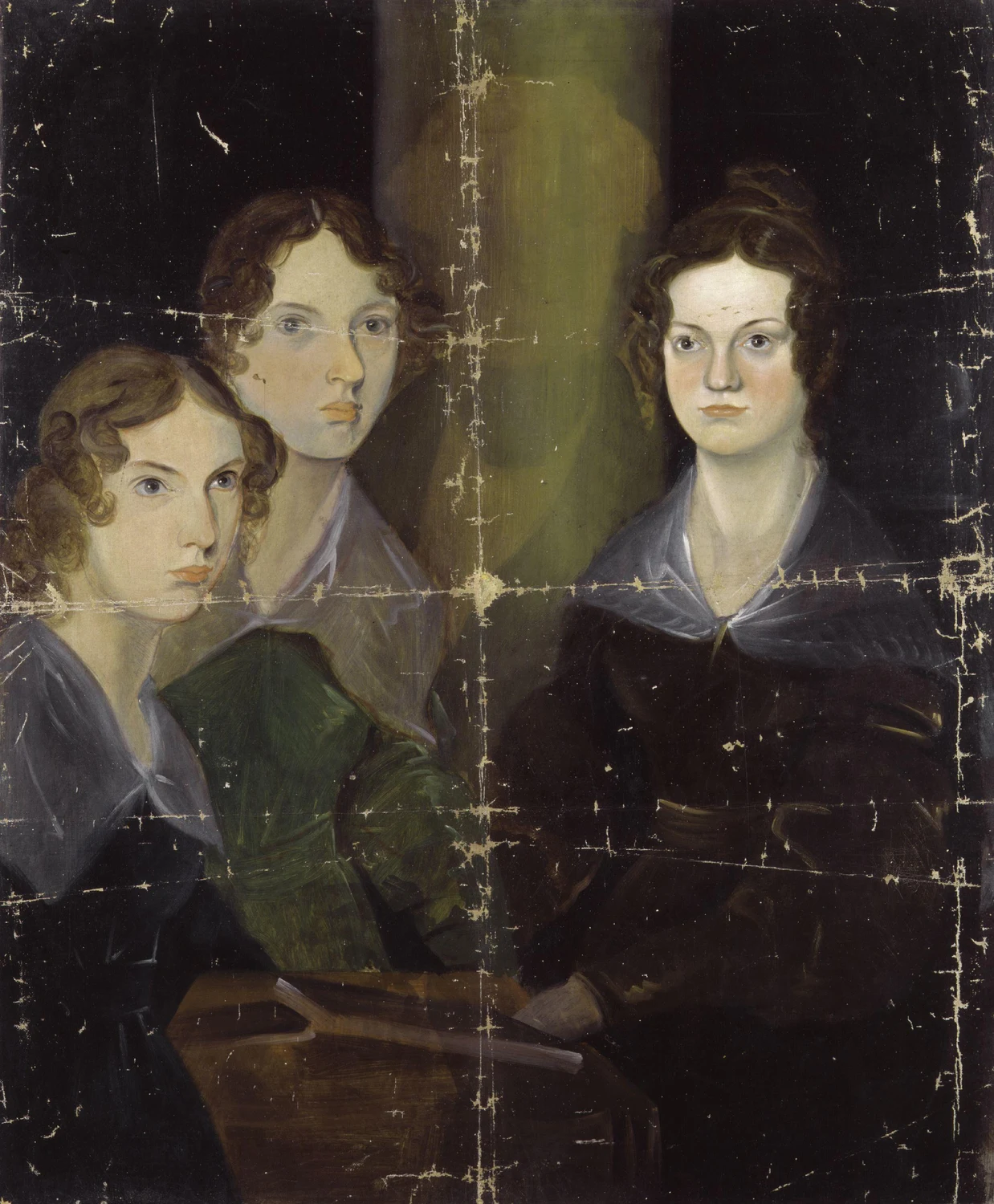
1816–1855
Charlotte Brontë
Novelist and poetCharlotte Brontë was an English novelist and poet whose forceful narrators made education, work, desire and women’s claims to respect central subjects of Victorian fiction.Read biography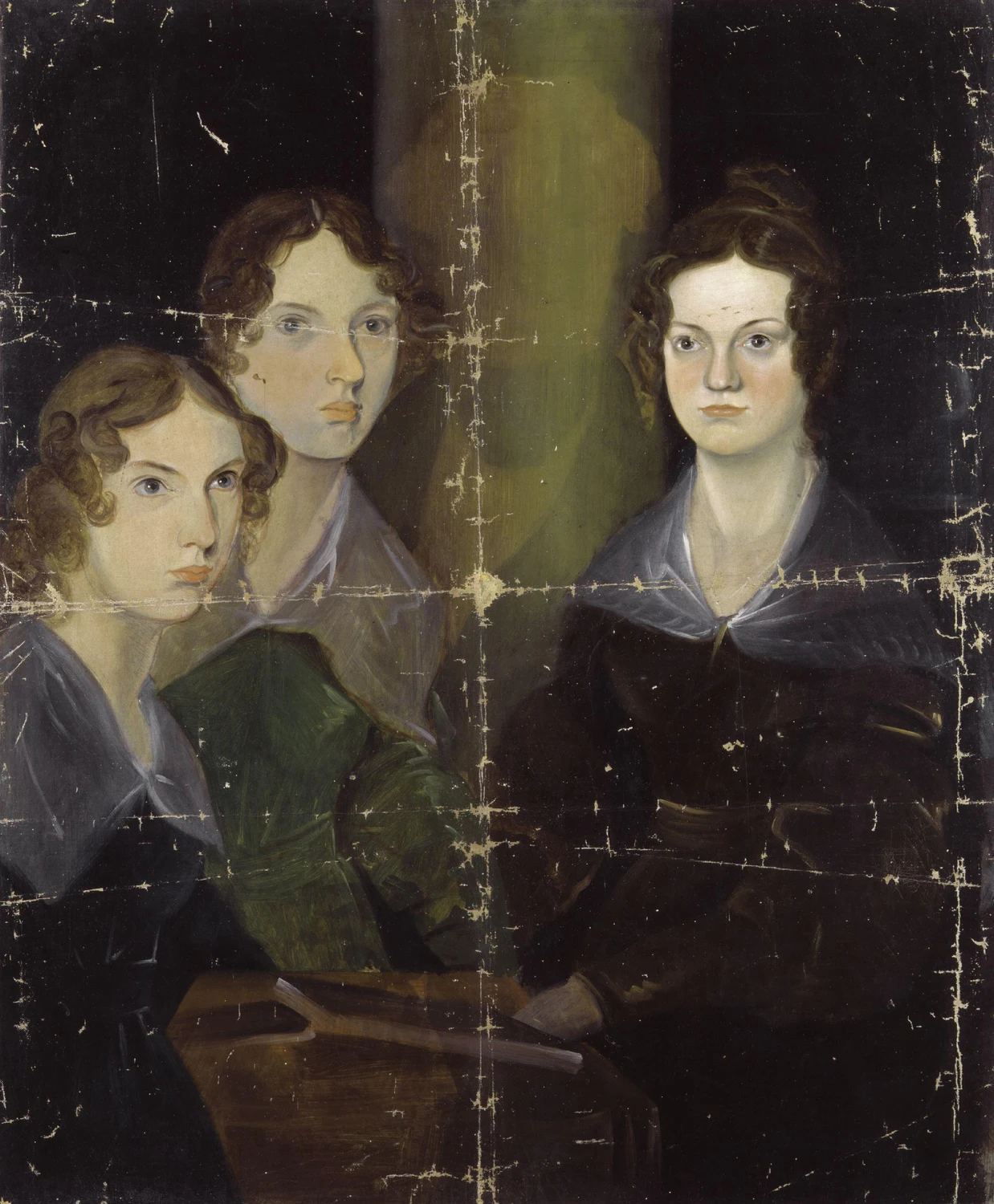
1818–1848
Emily Brontë
Novelist and poetEmily Brontë was an English poet and novelist whose Wuthering Heights made an unsettling, intricately narrated drama of belonging, property and revenge.Read biography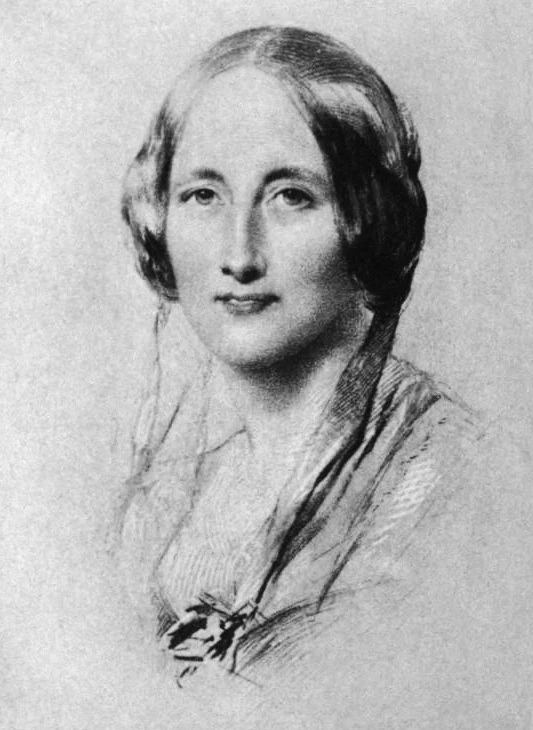
1810–1865
Elizabeth Gaskell
Novelist, short-story writer and biographerElizabeth Gaskell was an English writer whose fiction explored industrial conflict, women’s social vulnerability and the everyday arrangements that sustain a community.Read biographyQuick answers
Common questions
- Is Jane Eyre told by Charlotte Brontë herself?
- It is narrated by the fictional Jane from later life. Biographical connections do not make Jane’s account a literal autobiography of Brontë.
- Why does the inheritance matter?
- It supplies financial independence and a means of sharing resources with newly discovered family. Jane’s choices then have a different practical basis from her position as an employed governess.
- Why examine Bertha’s representation?
- Her confinement and Caribbean background are central to the plot, but her story is largely told by others. That unequal access to narrative raises questions about gender, colonialism and racialised language.
Primary and institutional sources
How this history was checked
Selected opening, Lowood, interrupted-wedding, Rochester testimony, inheritance, marriage-proposal and ending passages were read, alongside Shuttleworth’s essay and Charlotte’s 1850 publishing account. The linked transcription follows an 1897 illustrated edition, not an 1847 facsimile. No complete novel collation, manuscript survey or clinical diagnosis is claimed; interpretive questions are framed as readings. This article was reviewed on 23 October 2026.
- British LibraryCharlotte Brontë: authorship, work and marriage
- Poetry FoundationCharlotte Brontë: selected indexed childhood and family biography
- University of Victoria / Digital Victorian Periodical PoetryCharlotte Brontë: dates, English nationality, pseudonym and teaching
- Charlotte Brontë / Project Gutenberg1850 Biographical Notice and editor’s preface: authorship and retrospective family testimony
- Charlotte Brontë / Project GutenbergJane Eyre: selected passages in an 1897 illustrated edition transcription
- British Library / Sally ShuttleworthJane Eyre and the 19th-century woman: work, rebellion and representation
- Branwell Brontë / Wikimedia CommonsComplete original group portrait, public-domain basis and sole original upload
- Wikimedia CommonsOriginal full group JPEG
- Wikimedia CommonsSeparate 2009 digital restoration record, examined to exclude that derivative
- National Portrait Gallery / Richard OrmondNPG 1725: selected indexed extended catalogue text and historical paint changes
- Morgan Library & Museum / Christine NelsonThe Professor: indexed introduction and publication-history passages