The short answer
Myanmar’s prime-minister title has belonged to parliamentary democrats, one-party socialist administrators and military governments—and it has disappeared twice. This guide keeps the constitutional breaks visible and separates the NUG’s parallel premiership from the official presidential government.
Complete officeholder table
Every prime minister, constitutional gap and parallel claim
The title has not existed continuously. The table separates parliamentary prime ministers, the Revolutionary Council, one-party socialist cabinets, junta governments, the post-2011 presidential system and the rival National Unity Government. Repeated terms are shown separately so each constitutional transition remains visible.
| Prime minister or governing system | Term | Route to office | Political system |
|---|---|---|---|
| U Nu · first term | 4 Jan 1948–12 Jun 1956 | AFPFL parliamentary majority | 1947 Constitution · parliamentary republic |
| Ba Swe | 12 Jun 1956–1 Mar 1957 | AFPFL leadership transfer | 1947 Constitution · parliamentary republic |
| U Nu · second term | 1 Mar 1957–29 Oct 1958 | Returned as AFPFL premier | 1947 Constitution · parliamentary republic |
| Ne Win · caretaker government | 29 Oct 1958–4 Apr 1960 | Invited by U Nu and confirmed by Parliament | 1947 Constitution · military-led caretaker cabinet |
| U Nu · third term | 4 Apr 1960–2 Mar 1962 | Union Party election victory | 1947 Constitution · removed in military coup |
| Ne Win · Revolutionary Council | 2 Mar 1962–4 Mar 1974 | Chairman after military coup | Direct military rule · no functioning prime-minister office |
| Sein Win | 4 Mar 1974–29 Mar 1977 | Head of Council of Ministers | 1974 Constitution · BSPP one-party state |
| Maung Maung Kha | 29 Mar 1977–26 Jul 1988 | BSPP cabinet appointment | 1974 Constitution · BSPP one-party state |
| Tun Tin | 26 Jul–18 Sep 1988 | BSPP crisis succession | 1974 Constitution · removed in military takeover |
| Saw Maung | 21 Sep 1988–23 Apr 1992 | SLORC chairman after military takeover | Direct military government |
| Than Shwe | 23 Apr 1992–25 Aug 2003 | Succeeded Saw Maung inside SLORC | SLORC/SPDC military government |
| Khin Nyunt | 25 Aug 2003–18 Oct 2004 | Appointed by the SPDC leadership | SPDC military government |
| Soe Win | 19 Oct 2004–12 Oct 2007 | Appointed after Khin Nyunt’s removal | SPDC military government |
| Thein Sein | 12 Oct 2007–30 Mar 2011 | Succeeded Soe Win; later became president | SPDC military government and transition |
| No prime minister | 30 Mar 2011–1 Aug 2021 | President served as head of government | 2008 Constitution · presidential executive |
| Min Aung Hlaing · military administration | 1 Aug 2021–31 Jul 2025 | Created title in post-coup provisional government | Military emergency administration |
| Nyo Saw · military administration | 31 Jul 2025–10 Apr 2026 | Appointed during junta’s election transition | Military-backed interim government |
| No prime minister · official government | 10 Apr 2026–present | President is head of government; Nyo Saw became first vice-president | 2008 Constitution · military-backed presidential government |
| Parallel exile claim · Sein Win | 18 Dec 1990–14 Sep 2012 | Chosen by elected representatives in exile | NCGUB · government in exile without territorial control |
| Parallel claim · Mahn Win Khaing Than | 16 Apr 2021–present | Appointed by the National Unity Government | Federal Democracy Charter · parallel interim government |
Chronology
A timeline of the turning points
U Nu becomes the first prime minister of independent Burma
The 1947 Constitution created a parliamentary executive responsible to the legislature.
Ba Swe briefly succeeds U Nu
The AFPFL transferred cabinet leadership while U Nu concentrated on reorganising the governing coalition.
Ne Win forms a caretaker government
Parliament confirmed the army chief after the AFPFL split, but elections returned power to U Nu in 1960.
The coup replaces the cabinet with a military council
Ne Win detained U Nu, suspended the Constitution and ruled as Revolutionary Council chairman.
The prime-minister title returns inside a one-party state
Sein Win headed the Council of Ministers while the BSPP retained its constitutional monopoly.
The socialist cabinet collapses during the 8888 Uprising
Tun Tin replaced Maung Maung Kha before the army abolished the 1974 institutions.
Saw Maung adds the premiership to junta leadership
The SLORC retained a prime minister even though no constitution or elected parliament governed its appointment.
Elected representatives form a government in exile
After the junta refused to transfer power following the 1990 election, opposition MPs established the NCGUB and named Sein Win prime minister.
Than Shwe separates the premiership from supreme leadership
Khin Nyunt became prime minister while Than Shwe continued to chair the ruling military council.
The 2008 Constitution eliminates the office
Thein Sein moved from prime minister to president, combining head-of-state and head-of-government functions.
The National Unity Government names a parallel premier
Mahn Win Khaing Than became NUG prime minister under a rival post-coup interim framework.
The military administration restores the title
Min Aung Hlaing called his post-coup administration a provisional government and became its prime minister.
Nyo Saw succeeds during an election transition
The military restructured its governing bodies while Min Aung Hlaing remained the dominant authority.
The formal government again has no prime minister
Nyo Saw became first vice-president in a presidential government; the NUG continued its separate prime-minister claim.
How did the parliamentary premiership work after independence?
The 1947 Constitution made the president head of state and placed practical government in a cabinet led by a prime minister who depended on parliamentary support. U Nu therefore led the government at independence while Sao Shwe Thaik served as president. Ba Swe’s short term in 1956–1957 and U Nu’s three separate periods demonstrate that the presidency and cabinet followed different successions.
Ne Win’s 1958 caretaker government was military-led but initially operated through parliamentary appointment and promised an election. U Nu returned after his Union Party won in 1960. The distinction between that caretaker transfer and the coup of 2 March 1962 is essential: the later seizure suspended constitutional government and ended the office rather than producing another normal cabinet change.
Was Ne Win prime minister from 1962 to 1974?
Many lists describe Ne Win as prime minister throughout these years because he was the country’s head of government. Formally, however, the Revolutionary Council displaced the constitutional premiership. Ne Win governed as council chairman after removing President Win Maung and Prime Minister U Nu. This guide labels the period separately so a military council does not appear to be an ordinary continuation of the parliamentary office.
The distinction also clarifies why Sein Win is commonly numbered as the first prime minister of the Socialist Republic established in 1974. The new Constitution created a Council of Ministers and restored the title, but it did so inside a one-party system in which the Burma Socialist Programme Party held the leading role and Ne Win remained the dominant political figure.
Who were the prime ministers under socialist rule?
Sein Win served from 1974 to 1977, Maung Maung Kha from 1977 to July 1988 and Tun Tin during the final eight weeks before the military takeover. All three were former military officers operating within the BSPP state. The premiership managed the cabinet, but it did not provide an independent electoral mandate or a counterweight to party and military leadership.
Maung Maung Kha’s eleven-year term covered deepening economic decline, and the 1987 demonetisation destroyed savings shortly before national protest erupted. Tun Tin entered office during the July 1988 leadership reshuffle. By 18 September the armed forces had crushed the 8888 Uprising, suspended the 1974 Constitution and replaced the socialist institutions with the State Law and Order Restoration Council.
Why did military juntas keep a prime minister?
Saw Maung and Than Shwe each combined the premiership with chairmanship of the ruling military council. Their authority came from command and junta decrees, not a legislature. Than Shwe separated the posts in 2003 when he appointed intelligence chief Khin Nyunt prime minister while retaining supreme power. Khin Nyunt announced a seven-step political roadmap but was removed in a 2004 purge.
Soe Win succeeded Khin Nyunt and died in office in October 2007. Thein Sein then served through the final phase of direct military rule and became president on 30 March 2011. This succession shows why a list of prime ministers alone cannot identify Myanmar’s most powerful person during the junta era: after 2003 the premier remained subordinate to SPDC chairman Than Shwe.
Was Sein Win also an exile prime minister after the 1990 election?
Yes—but this was a parallel claim, not an office inside the junta-controlled state. After the National League for Democracy won 392 of the 485 seats declared in the May 1990 election, the military authorities prevented the legislature from convening. Elected representatives and allied opposition figures formed the National Coalition Government of the Union of Burma at Manerplaw on 18 December 1990 and selected Dr Sein Win as prime minister.
The NCGUB worked from exile and never controlled Myanmar’s central institutions or territory. It dissolved on 14 September 2012 during the political opening. Dr Sein Win, born in 1943, must also be distinguished from the unrelated Sein Win who served as the official socialist prime minister from 1974 to 1977.
Why was there no prime minister from 2011 to 2021?
The 2008 Constitution establishes a presidential executive. It makes the president head of the Union and of the government, while ministers are appointed through constitutional procedures involving the president and Parliament. When Thein Sein became president in 2011, the separate prime-minister office therefore ended.
Aung San Suu Kyi’s State Counsellor role after 2016 was often compared with a prime minister because she directed government policy while Htin Kyaw and later Win Myint served as president. It was nevertheless a different statutory office, and she should not be inserted into the formal prime-minister succession. The distinction preserves the constitutional structure even when political influence did not align neatly with titles.
Why did the title return after the 2021 coup?
The military initially governed through the State Administration Council and an emergency declared by its installed acting president. On 1 August 2021, Min Aung Hlaing renamed the administration a provisional government and took the title of prime minister. This was a post-coup institution, not the office created by the 1947 parliamentary Constitution, and its claim to lawful authority was rejected by the National Unity Government and wider resistance movement.
Nyo Saw succeeded Min Aung Hlaing as prime minister on 31 July 2025 when the military ended the emergency and restructured governing bodies for an election. He remained in office until 10 April 2026, when Min Aung Hlaing was sworn in as president and Nyo Saw as first vice-president. The official Union Government list formed that day contains no prime minister.
Who is the current prime minister of Myanmar in 2026?
The answer depends on which competing political framework the question means. In the state institutions controlled from Nay Pyi Taw, there is no current prime minister as reviewed on 4 October 2026. President Min Aung Hlaing heads the government formed on 10 April, and former premier Nyo Saw serves as first vice-president.
The National Unity Government continues to list Mahn Win Khaing Than as prime minister, a position he has held since 16 April 2021. The NUG claims a mandate from lawmakers elected in 2020 and operates as a parallel interim government during the civil war. This guide records that claim explicitly rather than either omitting it or presenting two competing governments as one uncontested succession.
Continue the chronology
Related history guides
Myanmar Presidents and Heads of State
Compare cabinet leadership with presidents, acting presidents and military council chairmen.
Read the timeline2011—presentVice Presidents of Myanmar
Connect cabinet leadership to the two deputy offices and the indirect presidential electoral college.
Read the timeline1962—1988The 1962 Coup and Burmese Way to Socialism
See why the parliamentary premiership disappeared and returned inside a one-party state.
Read the timelineMarch—September 1988Myanmar’s 8888 Uprising
Follow the crisis that ended Maung Maung Kha and Tun Tin’s socialist cabinets.
Read the timeline1990—2012The 1990 Election and Government in Exile
Trace the unimplemented election result and the NCGUB’s parallel premiership.
Read the timeline2008—todayMyanmar’s 2008 Constitution Explained
Understand why the president became head of government and the premiership ended in 2011.
Read the timeline2021—2026Myanmar’s Coup and Civil War
Place the military and NUG prime-minister claims inside the post-coup conflict.
Read the timelineBiography context
Explore Myanmar through connected lives
Myanmar Biographies
Explore 57 sourced lives across politics, business, sport and culture.
Explore the biographiesPolitics collectionMyanmar Political Leaders
Compare 44 biographies across independence, military rule, minority rights and contested government.
Explore the biographiesCategory indexPolitical Biographies
Browse prime ministers, presidents and institution-builders across Southeast Asia.
Explore the biographiesConnected biographies
Fifteen biographies for understanding Myanmar’s changing heads of government
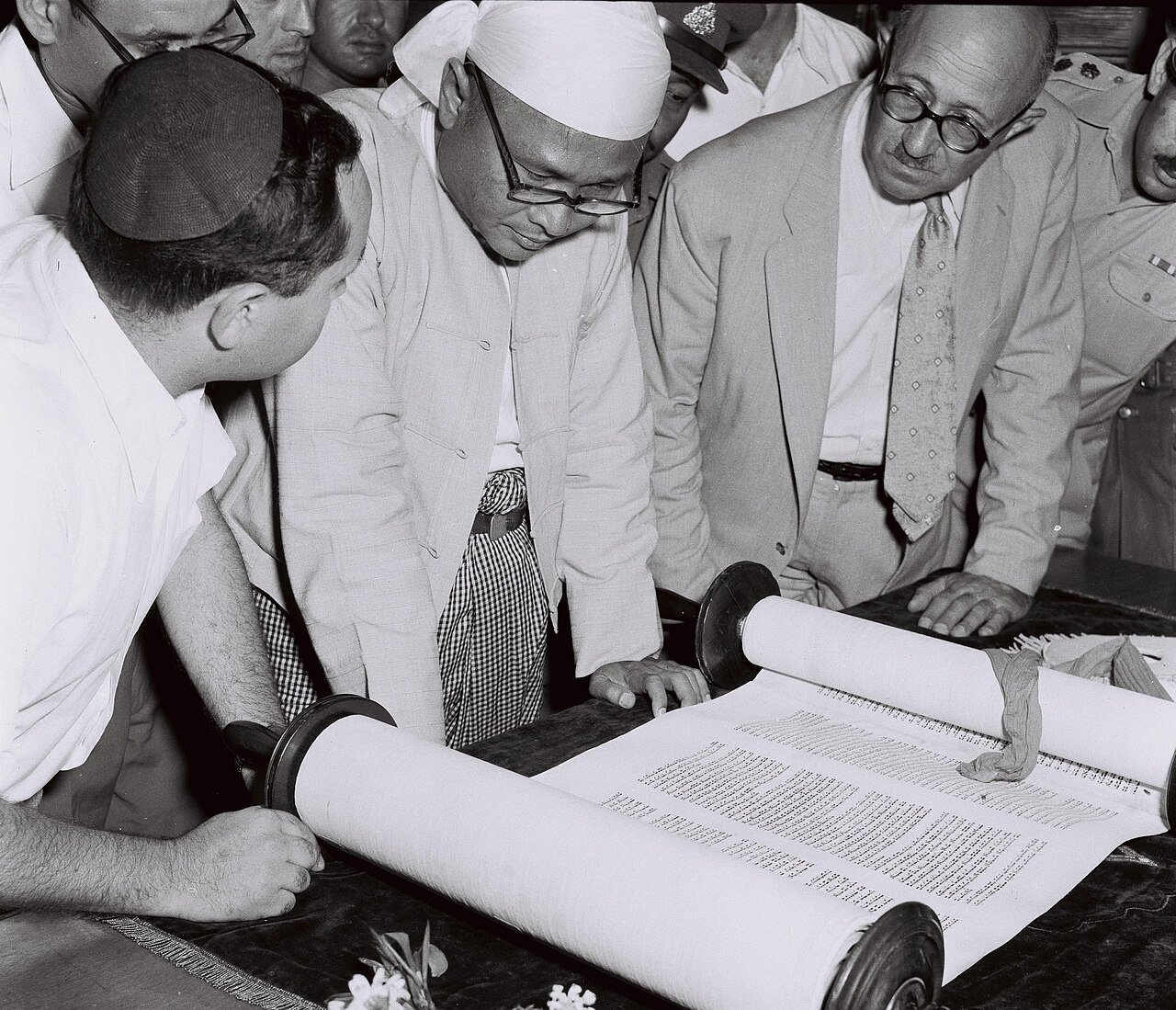
1907—1995
U Nu
First prime minister of independent BurmaThe writer, student activist and AFPFL politician who became independent Burma’s first prime minister and the central civilian leader of its parliamentary era.Read biography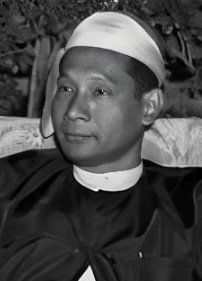
1915—1987
Ba Swe
Second prime minister of independent BurmaThe student nationalist, socialist organiser and defence minister who briefly succeeded U Nu as prime minister during Burma’s parliamentary era.Read biography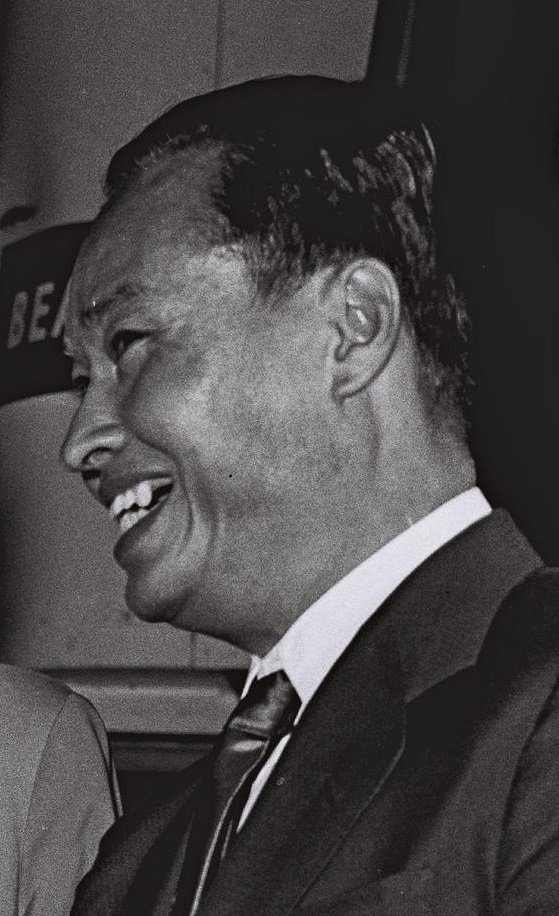
c. 1910—2002
Ne Win
Military ruler of Burma from 1962 to 1988The general who overthrew U Nu, nationalised much of the economy and built a one-party military state that lasted until the 1988 uprising.Read biography1919—1993
Sein Win
Prime minister of socialist Burma from 1974 to 1977The independence-era soldier and Revolutionary Council member who became prime minister when military rule was recast as a one-party constitutional system.Read biography1920—1995
Maung Maung Kha
Prime minister of Burma from 1977 to 1988The former army officer and industrial administrator who served eleven years as prime minister before the economic and political crisis of 1988.Read biography1920—2020
Tun Tin
Final prime minister of Burma’s one-party socialist stateThe independence activist, army officer and finance minister who became prime minister during the last eight weeks of the 1974 constitutional order.Read biography1928—1997
Saw Maung
Military ruler and prime minister of Myanmar from 1988 to 1992The army commander who seized power during the 1988 uprising, promised multiparty elections and retained military rule after the opposition won them.Read biography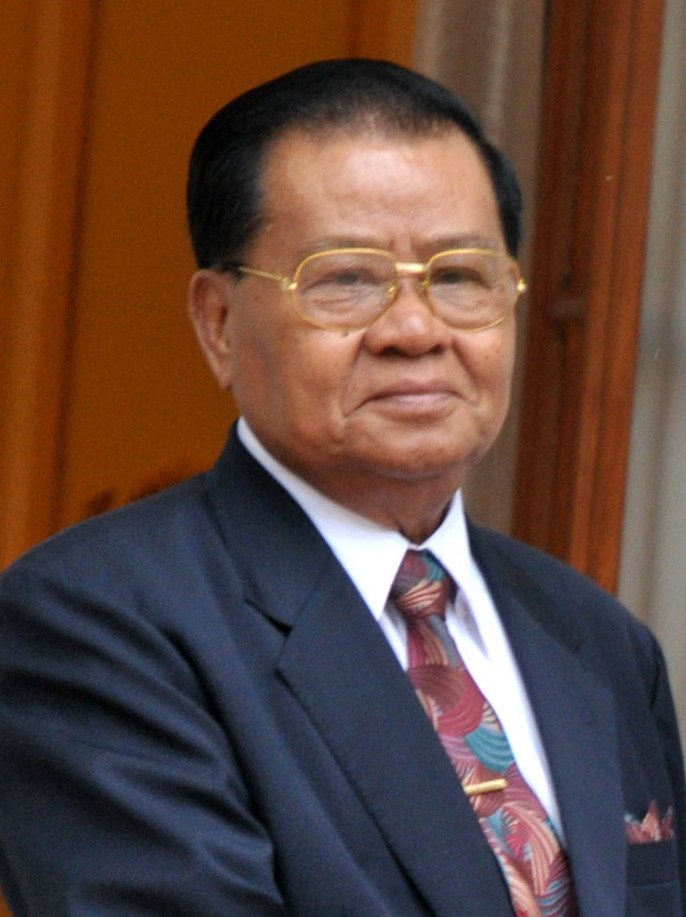
1933—
Than Shwe
Military ruler of Myanmar from 1992 to 2011The senior general who ruled Myanmar for nineteen years, suppressed organised opposition and designed the constitutional system that followed direct military government.Read biography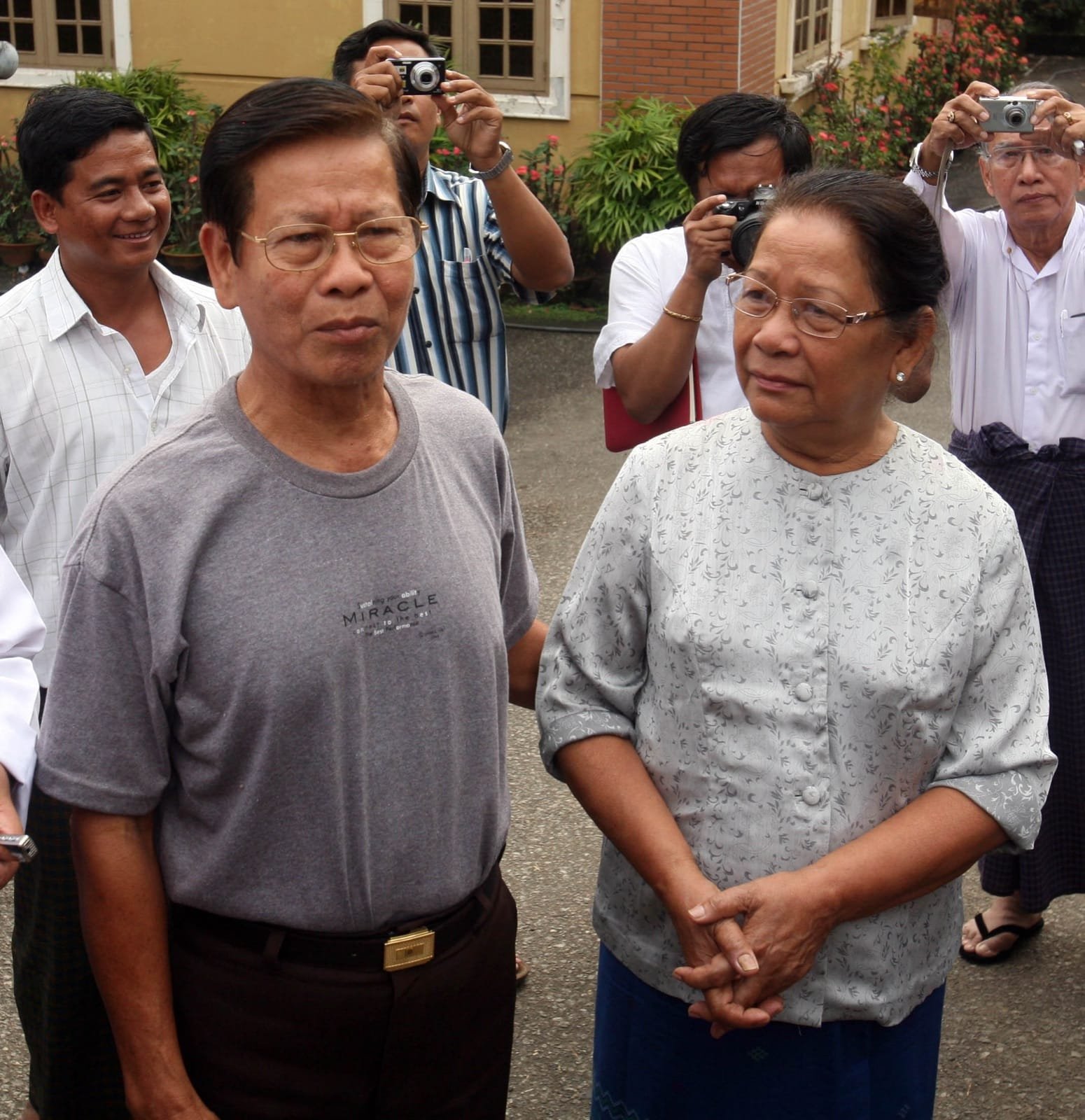
1939—
Khin Nyunt
Military intelligence chief and prime minister of MyanmarThe longtime intelligence chief who negotiated ceasefires, monitored domestic opposition, briefly became prime minister and was purged by his own military government.Read biography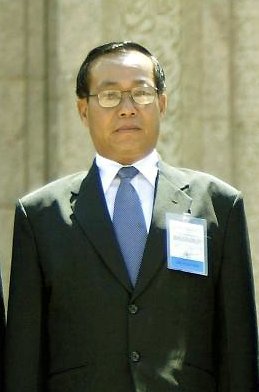
1947—2007
Soe Win
Prime minister of Myanmar from 2004 to 2007The army general who rose through regional commands, became secretary-1 of the ruling council and led the government after Khin Nyunt’s removal.Read biography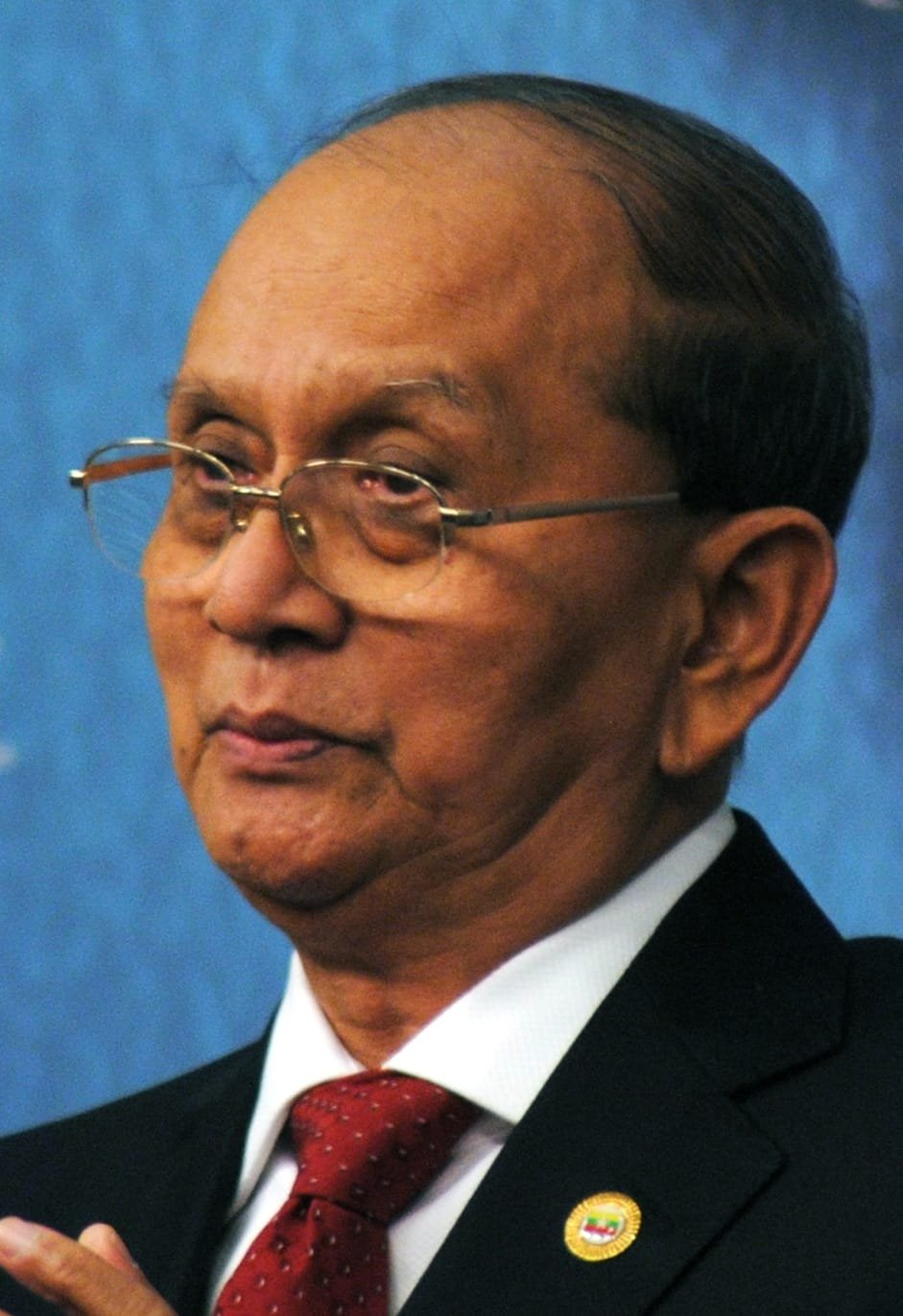
1945—
Thein Sein
President of Myanmar from 2011 to 2016The former general whose presidency released political prisoners, widened civic space and transferred power after the 2015 election without ending military autonomy.Read biography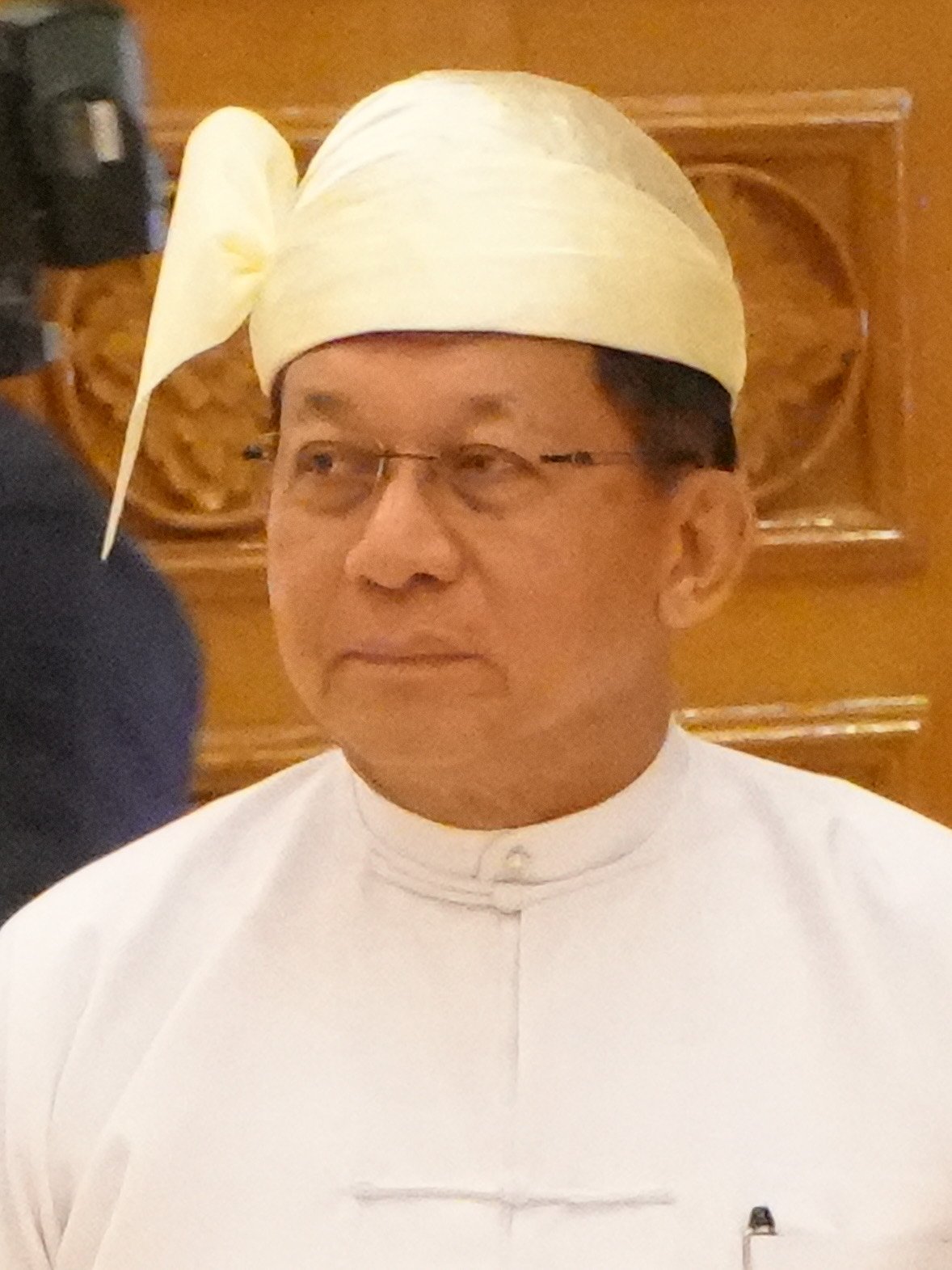
1956—
Min Aung Hlaing
President of Myanmar and leader of the 2021 military takeoverThe former commander-in-chief who led Myanmar’s 2021 coup, presided over nationwide war and became president through a military-controlled political process in 2026.Read biographyLiving
Nyo Saw
First vice-president and former military-appointed prime minister of MyanmarThe retired general and military-business executive who briefly headed the cabinet during the junta’s election transition and then became first vice-president.Read biography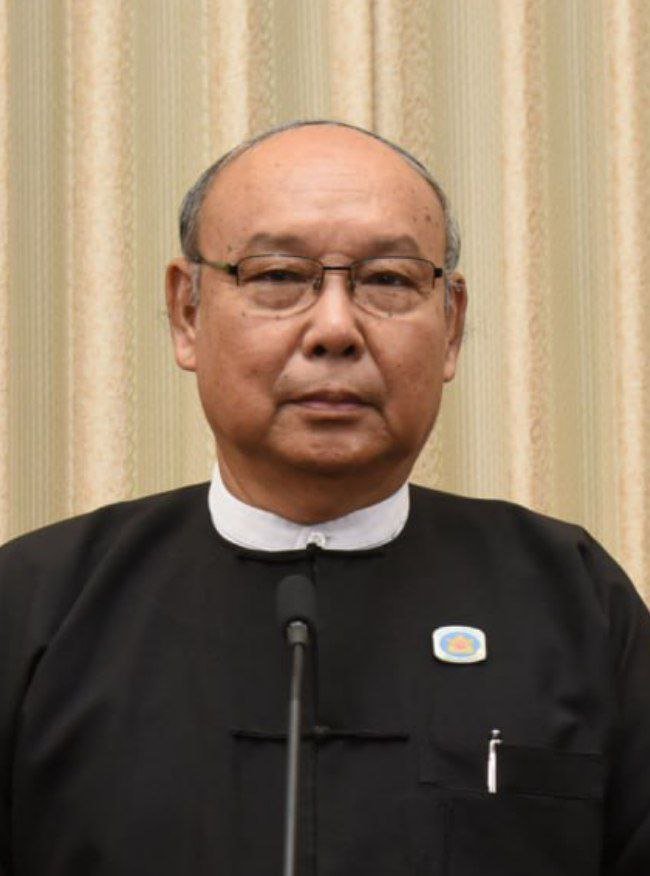
1952—
Mahn Win Khaing Than
Prime minister of Myanmar’s National Unity GovernmentThe Karen lawyer and former upper-house speaker who became prime minister of the parallel National Unity Government in April 2021.Read biography1943—2026
Dr Sein Win
Prime minister of Burma’s government in exile from 1990 to 2012The mathematician, elected parliamentarian and cousin of Aung San Suu Kyi who led the NCGUB government in exile for twenty-two years.Read biographyQuick answers
Common questions
- Who was the first prime minister of independent Burma?
- U Nu became prime minister when Burma gained independence on 4 January 1948. He served three separate periods before Ne Win’s 1962 coup.
- Who is the current prime minister of Myanmar?
- As reviewed on 4 October 2026, the official presidential government has no prime minister. The parallel National Unity Government names Mahn Win Khaing Than as its prime minister.
- Was Nyo Saw the prime minister of Myanmar?
- Yes. The military-appointed government made Nyo Saw prime minister on 31 July 2025. His term ended on 10 April 2026 when he became first vice-president in a government with no prime-minister office.
- Was Aung San Suu Kyi a prime minister?
- No. She served as State Counsellor from 2016 until the 2021 coup and exercised broad government leadership, but the 2008 Constitution did not create a prime-minister office.
- Was Sein Win prime minister of Burma?
- Two different politicians shared the name. Sein Win, born in 1919, was the official socialist prime minister from 1974 to 1977. Dr Sein Win, born in 1943, headed the NCGUB government in exile from 1990 to 2012; that parallel administration did not control the state.
- Why did Myanmar abolish the prime-minister office in 2011?
- The 2008 Constitution created a presidential system in which the president is head of state and government. The separate premiership ended when that system took effect in March 2011.
- Is Mahn Win Khaing Than officially recognised as prime minister?
- He is prime minister of the National Unity Government, which claims Myanmar’s democratic mandate after the 2021 coup. It is a parallel and contested government rather than the administration controlling the central state institutions.
- Which prime minister served longest?
- Than Shwe held the prime-minister title for about eleven years and four months from 1992 to 2003. Maung Maung Kha served almost as long, from March 1977 to July 1988.
- Was Ne Win both a prime minister and president?
- Yes, in different systems. He led a constitutional caretaker cabinet from 1958 to 1960, ruled as Revolutionary Council chairman after the 1962 coup and became president under the 1974 one-party Constitution.
Primary and institutional sources
How this history was checked
Dates, legal milestones and historical claims are checked against the official and institutional records below. This article was reviewed on 4 October 2026.
- United NationsConstitution of the Union of Burma (1947)
- Myanmar Ministry of Natural Resources and Environmental ConservationConstitution of the Socialist Republic of the Union of Burma (1974)
- Asian Development Bank Law and Policy Reform ProgramConstitution of the Republic of the Union of Myanmar (2008)
- Office of the Historian, U.S. Department of StateU Nu’s 1956 resignation and Ba Swe’s appointment
- Office of the Historian, U.S. Department of StateThe 1962 coup and suspension of constitutional government
- Human Rights WatchChronology of political events in Burma, 1962–2008
- Library of CongressNational Coalition Government of the Union of Burma web archive
- National Unity Government of MyanmarPrime Minister Mahn Winn Khaing Thann · official biography
- Associated PressNyo Saw appointed prime minister after the emergency ended
- Myanmar President’s OfficeFormation of the Union Government on 10 April 2026
- Myanmar Ministry of InformationCurrent Union Government list
- Wikimedia CommonsU Nu portrait and public-domain record