
The short answer
Australia’s first competitive Eurovision entry was a special invitation to the 2015 contest in Vienna. Guy Sebastian’s fifth place was important, but not a win. Understanding the debut requires separating SBS’s earlier relationship with the show, that year’s exceptional rules and Australia’s later return.
Chronology
A timeline of the turning points
An interval performance
Jessica Mauboy appears outside the competition.
A special invitation
The EBU announces Australian participation in its sixtieth-anniversary contest.
The Vienna final
Sebastian performs Tonight Again and finishes fifth; Sweden wins.
Australia returns
Dami Im is runner-up in 2016; a third appearance is announced for 2017.
SBS’s broadcasting relationship made the invitation intelligible
Australia was not entering an unfamiliar television programme. In announcing the invitation, the European Broadcasting Union described SBS as an Associate Member that had broadcast Eurovision for more than thirty years. The decision connected an established audience with a special anniversary edition, rather than moving Australia geographically into Europe.
The EBU and host broadcaster ORF invited Australia to participate in the sixtieth contest. That was a decision by the contest’s organisers within a broadcasting relationship. Membership descriptions should therefore be read carefully: the announcement did not say that Australia had become a European country or that every EBU associate automatically qualified.
Sources for this section: [1]
The 2014 interval was not the 2015 competitive debut
Jessica Mauboy performed Sea of Flags during the 2014 show’s interval. SBS’s historical account distinguishes that appearance from the following year’s competitive invitation. An interval performer can be prominent on the broadcast without appearing on the contest scoreboard.
Sebastian’s 2015 entry was consequently the first Australian competitive entry, not the first occasion an Australian performance appeared on the Eurovision stage. Keeping these categories separate gives both artists their actual place in the sequence instead of turning two different events into rival claims to the same first.
Sources for this section: [2]
A direct final place was an exception for that edition
Australia went straight to the Grand Final in 2015. The EBU explained that adding it to a semi-final would reduce the existing semi-finalists’ chances of qualification. Its invitation also allowed Australia to vote in both semi-finals as well as the final.
The resulting final had twenty-seven participants: twenty semi-final qualifiers, the Big Five, host Austria and invited Australia. This explains the unusual arithmetic. It does not establish a permanent Australian right to bypass qualification in later contests; a rule for one special entry cannot simply be carried forward indefinitely.
Tonight Again finished fifth, while Sweden won
Sebastian performed Tonight Again, credited to Guy Sebastian, Louis Schoorl and David Ryan Harris. SBS records fifth place with 196 points. The three-writer credit matters: a singer performing an original song is not necessarily its sole songwriter.
Sweden’s Måns Zelmerlöw won with Heroes and 365 points. The 2015 result used the contest’s then-current combined jury and viewer system. Fifth place therefore describes a strong Australian debut within that competition, not a victory or a score that can be compared mechanically with later systems separating jury and public points.
A return was a later decision, not proof of a permanent original invitation
The 2015 invitation was presented as a special anniversary event. Australia nevertheless returned, with Dami Im finishing second in 2016. An EBU announcement later in 2016 listed Australia’s upcoming third appearance for 2017, providing a clear historical record of that continuation.
This sequence helps answer two different questions. The first is why Australia entered in 2015; the second is how its participation continued afterwards. Later appearances do not retroactively make the first invitation an unconditional permanent place, and this guide does not claim that historical arrangements describe every future contest.
Biography context
Explore Vienna, Austria through connected lives
Guy Sebastian
Place the debut within his recordings, television work and later career.
Explore the biographiesEarlier interval performerJessica Mauboy
Distinguish the 2014 appearance from her own 2018 contest entry.
Explore the biographiesA later competitive entryJessica Mauboy at Eurovision 2018
Compare the 2015 invitation with a later Australian entry.
Explore the biographiesAustralian music contextTina Arena’s Don’t Ask
Explore a different form of international Australian music success.
Explore the biographiesConnected biographies
The performer and the broader career
1981–
Guy Sebastian
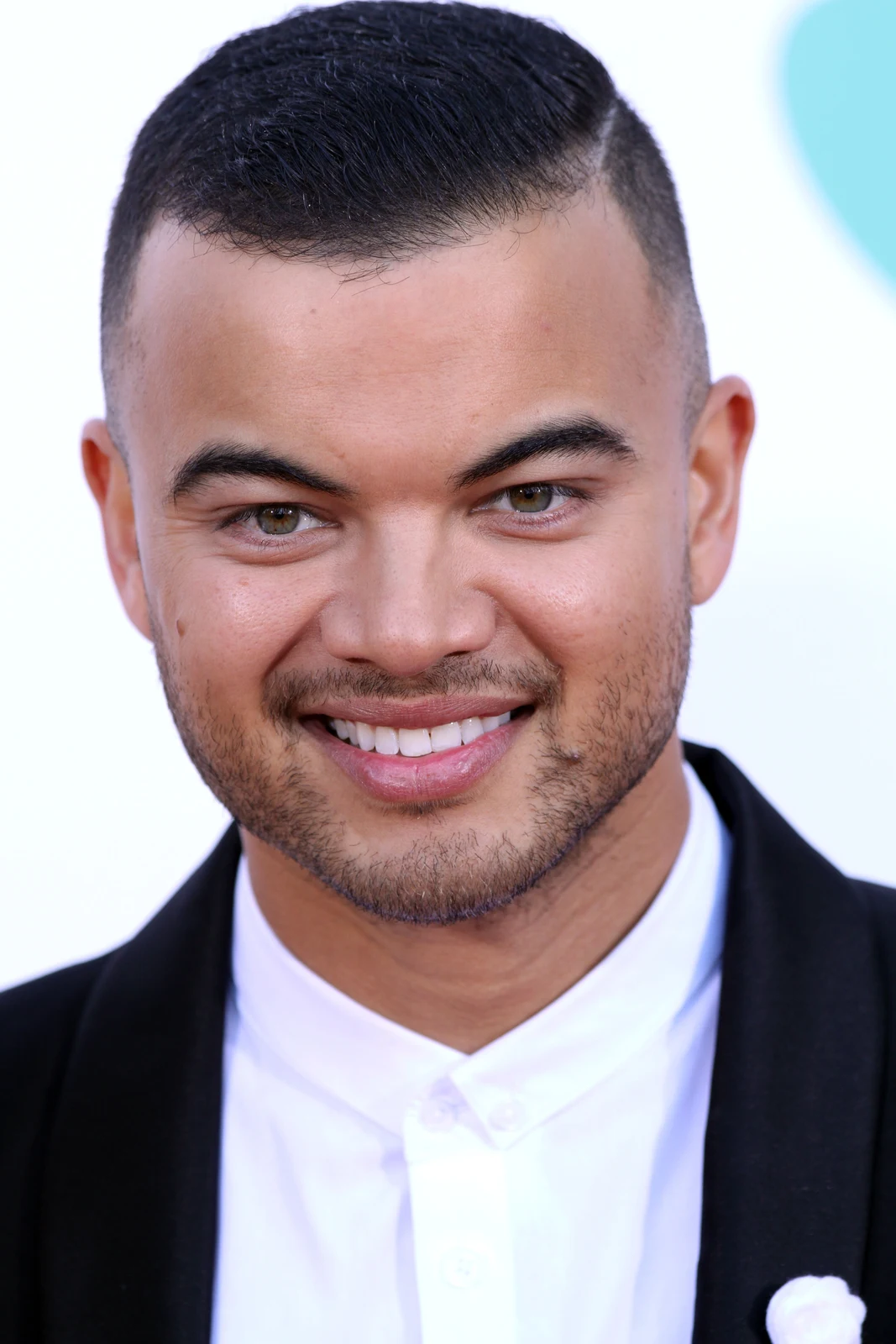
Singer, songwriter and television music mentorGuy Sebastian’s career began with church music and the first Australian Idol competition, but developed through changing recordings, international collaborations and television mentoring. His fifth place at Eurovision in 2015 was Australia’s competitive debut, not a contest victory.Read biographyQuick answers
Common questions
- Why was Australia allowed into Eurovision in 2015?
- The EBU and ORF invited Australia for the sixtieth-anniversary contest, recognising SBS’s long broadcasting relationship and Australian audience.
- Did Australia have to qualify through a semi-final?
- Not in 2015. The special invitation included a direct Grand Final place and voting in both semi-finals.
- Did Guy Sebastian win?
- No. He finished fifth with 196 points. Sweden’s Måns Zelmerlöw won with Heroes.
- Was Jessica Mauboy Australia’s first competitive entry?
- Her 2014 interval performance was outside the competition. Sebastian made the first competitive entry in 2015; Mauboy later competed in 2018.
Primary and institutional sources
How this history was checked
The invitation and rules come from dated EBU announcements; the placing, song credit and interval distinction are corroborated by SBS. No archived performance or full voting dataset was newly audited. The photograph is from the 2014 ARIA Awards, not the Vienna contest. Obsolete Eurovision participant URLs now redirect elsewhere and are not cited as consulted archives. This article was reviewed on 24 October 2026.
- European Broadcasting Union9 February 2015: Australia invited to the sixtieth Eurovision contest
- SBS NewsAustralia’s Eurovision history: 2014 interval and first competitive invitation
- European Broadcasting Union21 May 2015: twenty-seven-country Grand Final line-up
- SBSEurovision Australia Decides credit list: Tonight Again songwriting
- SBS24 May 2015: Guy Sebastian fifth with 196 points
- European Broadcasting Union23 May 2015: Sweden wins with Heroes
- European Broadcasting Union31 October 2016: Australia’s third appearance announced for 2017
- Eva Rinaldi / Wikimedia CommonsGuy Sebastian 2014: exact ARIA photograph and historical CC BY-SA 2.0 review