
The short answer
ZOPFAN was ASEAN’s first major statement about keeping Southeast Asia free to shape its own regional order. Adopted in the middle of the Cold War, it was an aspiration—not a military alliance or an enforcement treaty—and it became one layer in ASEAN’s developing security framework.
Document map
How does ZOPFAN differ from later ASEAN agreements?
ASEAN’s peace-and-security framework accumulated over time. These documents overlap in purpose, but they are not interchangeable.
| Country | Date | Form | Main role |
|---|---|---|---|
| Bangkok Declaration | 8 August 1967 | Founding declaration | Created ASEAN and stated its initial aims and principles. |
| ZOPFAN Declaration | 27 November 1971 | Political declaration | Set a goal of regional peace, freedom, neutrality and reduced outside interference. |
| Treaty of Amity and Cooperation | 24 February 1976 | Treaty | Codified principles for peaceful interstate conduct and dispute settlement. |
| SEANWFZ Treaty | 15 December 1995 | Treaty | Created binding commitments for a Southeast Asian nuclear-weapon-free zone. |
| ASEAN Charter | 2007–2008 | Constituent treaty | Gave ASEAN legal personality and a rules-based institutional framework. |
Chronology
A timeline of the turning points
Five states founded ASEAN
The Bangkok Declaration created an association centred on cooperation, regional stability and respect for sovereignty.
Malaysia advanced a neutralisation proposal
Malaysian diplomacy promoted a neutral Southeast Asia whose status would be respected by major powers.
ASEAN foreign ministers adopted ZOPFAN
A special ministerial meeting in Kuala Lumpur issued the Zone of Peace, Freedom and Neutrality Declaration.
The Bali summit added treaty principles
The Treaty of Amity and Cooperation translated non-interference, peaceful settlement and renunciation of force into a treaty framework.
ASEAN states signed the SEANWFZ Treaty
The nuclear-weapon-free-zone treaty gave one part of the wider peace-and-neutrality ambition a binding legal form.
The ASEAN Charter entered into force
The Charter restated sovereignty, non-interference, peaceful settlement and a shared responsibility for regional peace and security.
What does ZOPFAN stand for?
ZOPFAN stands for the Zone of Peace, Freedom and Neutrality. Indonesia, Malaysia, the Philippines, Singapore and Thailand adopted the declaration in Kuala Lumpur on 27 November 1971, four years after they founded ASEAN.
Its central aspiration was that Southeast Asian countries should be able to shape their own futures without interference by outside powers. The declaration also called for consultation on how the region could receive recognition and respect as a zone of peace, freedom and neutrality.
Why did ASEAN issue the declaration in 1971?
The declaration belonged to a Cold War region marked by the war in Indochina, competing security alignments and the presence of major powers. Britain was reducing its military role east of Suez, while relations among Southeast Asian governments had only recently begun to recover from confrontation and territorial disputes.
For the five young ASEAN members, neutrality did not mean identical foreign policies or withdrawal from every existing alliance. It expressed a collective interest in limiting great-power rivalry and increasing the region’s diplomatic room to act.
Who signed ZOPFAN?
The five signatories were Indonesian foreign minister Adam Malik, Malaysian deputy prime minister Tun Abdul Razak, Philippine foreign secretary Carlos P. Romulo, Singapore foreign minister S. Rajaratnam and Thai foreign minister Thanat Khoman.
Their presence connected ZOPFAN directly to ASEAN’s founding generation. Four had signed the 1967 Bangkok Declaration; Romulo represented the Philippines in 1971 after founding signatory Narciso Ramos had left office.
Was ZOPFAN legally binding?
ZOPFAN was a political declaration, not a treaty containing enforcement procedures. It stated a regional objective and a commitment to pursue the steps needed to secure wider recognition, but it did not create a supranational neutrality authority.
Later instruments gave related principles more specific legal or institutional form. The 1976 Treaty of Amity and Cooperation addressed interstate conduct, the 1995 Southeast Asia Nuclear Weapon-Free Zone Treaty created binding nuclear commitments, and the ASEAN Charter supplied a legal framework for the organisation.
Why does ZOPFAN still matter?
ZOPFAN provides early language for an enduring ASEAN concern: how smaller and medium-sized states can cooperate without surrendering sovereignty or allowing their region to become only an arena for external competition. Later ideas of ASEAN centrality developed in a different context but address a related strategic problem.
The document should not be treated as proof that Southeast Asia became fully neutral. Its importance lies instead in the diplomatic direction it set—regional autonomy, peaceful coexistence and a continuing effort to manage relations with powers outside ASEAN.
Continue the chronology
Related history guides
ASEAN History Timeline
Place ZOPFAN within ASEAN’s founding, expansion and institutional development.
Read the timeline23–24 February 1976TAC and Bali Concord I
See how the first ASEAN summit added treaty rules and a permanent secretariat.
Read the timeline2007–2008The ASEAN Charter
Understand the legally binding framework that later organised ASEAN institutions.
Read the timelineFive signatories · 1967ASEAN Founding Fathers
Read the lives of the ministers whose earlier agreement created ASEAN.
Read the timelineConnected biographies
Meet four ZOPFAN signatories in the archive
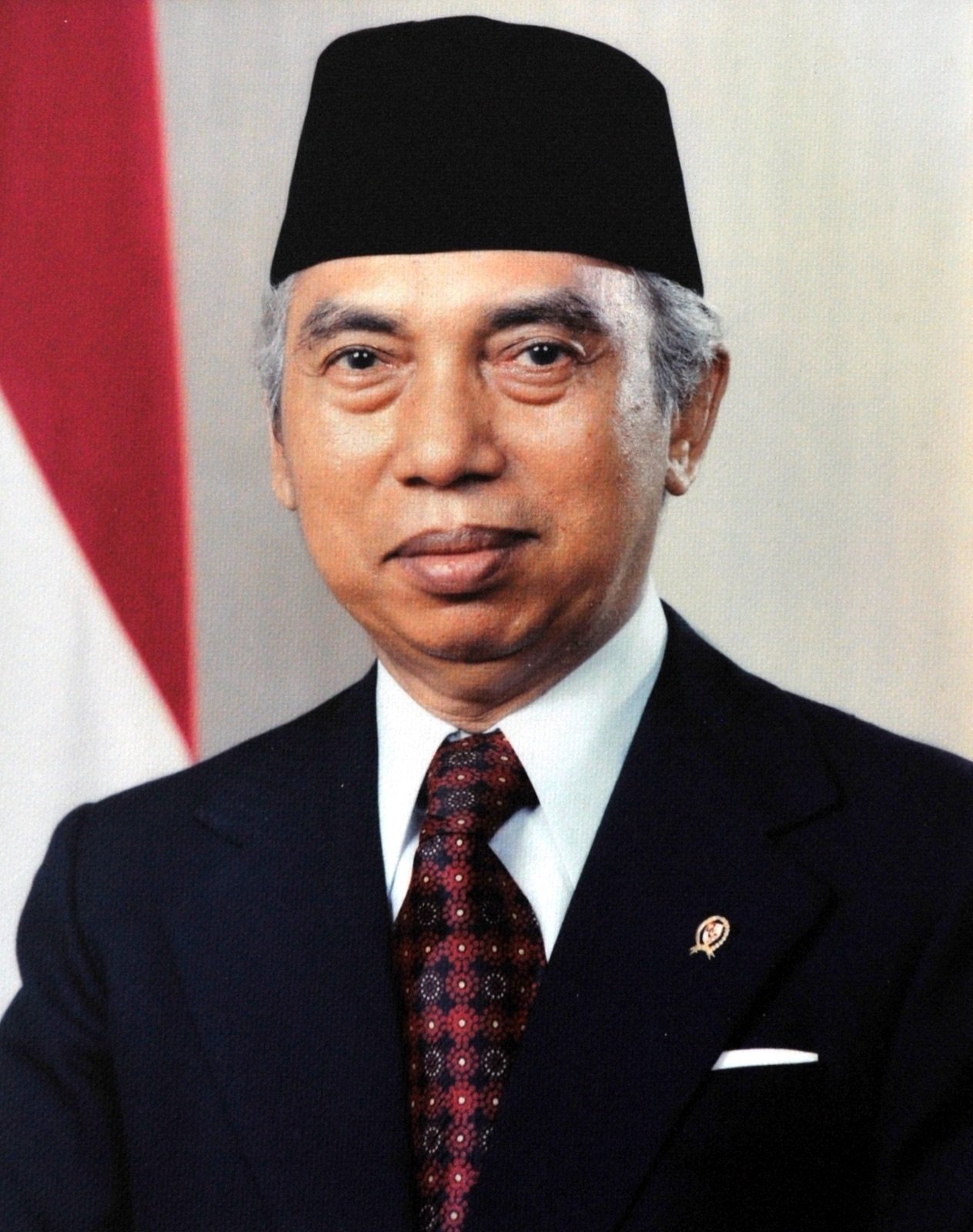 Indonesia · Politics
1917—1984
Adam Malik
Diplomat, journalist and third Vice President of IndonesiaA news-agency founder, independence activist and diplomat who moved from revolutionary politics to ASEAN, the United Nations and the vice presidency.Read biography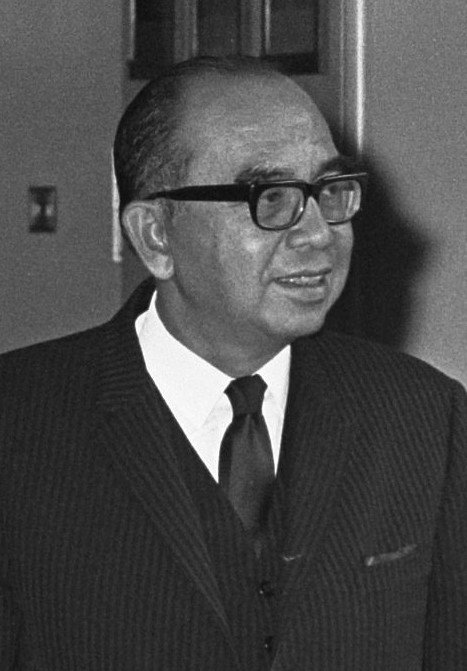 Malaysia · Politics
1922—1976
Abdul Razak Hussein
Second Prime Minister of MalaysiaMalaysia’s second prime minister, remembered for rural development, post-1969 reconstruction and a far-reaching programme of social and economic restructuring.Read biography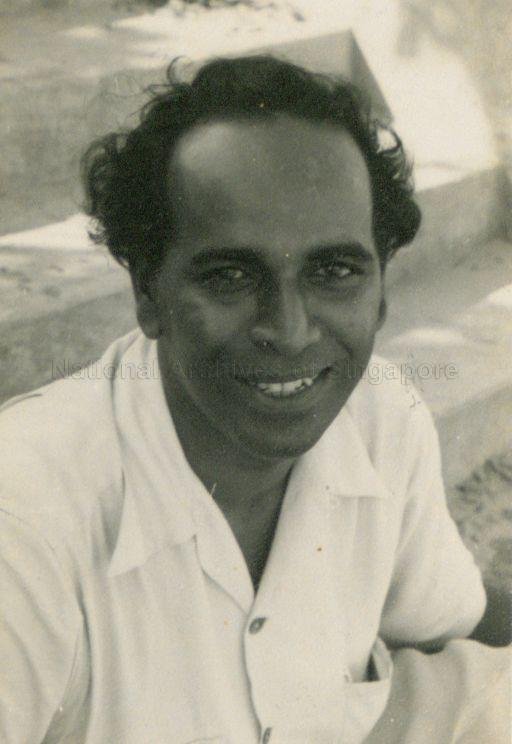 Singapore · Politics
1915—2006
S. Rajaratnam
Founding Foreign Minister of SingaporeA journalist, founding PAP leader and Singapore’s first foreign minister, remembered for the National Pledge and a global vision for a small, multiracial state.Read biography1914—2016
Thanat Khoman
Diplomat, foreign minister and ASEAN co-founderA Thai diplomat whose regional initiatives, patient mediation and signature on the Bangkok Declaration helped turn post-colonial rivalry into ASEAN cooperation.Read biographyQuick answers
Common questions
- What is the meaning of ZOPFAN?
- ZOPFAN means the Zone of Peace, Freedom and Neutrality. It describes ASEAN’s 1971 aspiration for a Southeast Asia free from interference by outside powers and able to preserve regional peace and autonomy.
- When and where was ZOPFAN signed?
- The declaration was adopted in Kuala Lumpur, Malaysia, on 27 November 1971 at a special meeting of ASEAN foreign ministers.
- Which countries signed ZOPFAN?
- The five ASEAN members at the time—Indonesia, Malaysia, the Philippines, Singapore and Thailand—signed the declaration.
- Who were the five ZOPFAN signatories?
- They were Adam Malik, Tun Abdul Razak, Carlos P. Romulo, S. Rajaratnam and Thanat Khoman.
- Is ZOPFAN a treaty?
- No. ZOPFAN is a political declaration rather than a treaty with its own enforcement system.
- Is ZOPFAN the same as the nuclear-weapon-free zone?
- No. ZOPFAN is the broader 1971 peace-and-neutrality declaration. The separate 1995 Southeast Asia Nuclear Weapon-Free Zone Treaty created binding nuclear commitments.
- Did ZOPFAN make every ASEAN country neutral?
- No. ASEAN members retained different alliances and foreign policies. ZOPFAN stated a collective regional objective rather than imposing one uniform neutrality policy.
Primary and institutional sources
How this history was checked
Dates, legal milestones and historical claims are checked against the official and institutional records below. This article was reviewed on 9 September 2026.