
The short answer
Hatta’s Hague negotiations produced a sovereignty settlement, but not a clean break on every issue. Follow the federal compromise, inherited debt and New Guinea exception—and distinguish the conference’s agreement from the December transfer.
Three dates, three different events
Proclamation, agreement and transfer are not interchangeable
Use the date that matches the event rather than treating every milestone as Indonesia’s declaration of independence.
| Date | Event | What it means |
|---|---|---|
| 17 August 1945 | Independence proclamation | Sukarno and Hatta announce the republic; Indonesia’s independence day. |
| 2 November 1949 | Round Table agreement | The conference accepts the settlement, subject to ratification and implementation. |
| 27 December 1949 | Sovereignty transfer | The agreement enters into force and the transfer is formally executed. |
Chronology
A timeline of the turning points
Terms for renewed negotiations
The Roem–Van Roijen discussions linked restoration of the republican administration, a ceasefire and participation in sovereignty talks.
Conference opens in The Hague
Dutch, republican and BFO delegations begin the Round Table negotiations.
Settlement accepted
The covering resolution and associated agreements establish the proposed transfer framework.
Sovereignty transfer takes effect
The ratification protocol and act of transfer implement the settlement, with the New Guinea issue deferred.
The federal structure is replaced
Indonesia becomes a unitary republic; the RIS framework does not remain its permanent constitutional form.
What was the 1949 Round Table Conference?
The Dutch–Indonesian Round Table Conference met in The Hague from 23 August to 2 November 1949. Known in Indonesian as Konferensi Meja Bundar, it negotiated the settlement implemented through the transfer of sovereignty on 27 December. It was not the meeting at which Sukarno and Mohammad Hatta proclaimed independence: that had happened on 17 August 1945.
Three principal delegations represented the Netherlands, the Republic of Indonesia and the Federal Consultative Assembly, usually called the BFO. Hatta chaired the republican delegation. The BFO represented other Indonesian federal entities, so describing the talks as a meeting between only two men or two undifferentiated national blocs misses a central constitutional issue.
Why negotiations resumed after four years of revolution
The negotiations followed armed conflict, failed settlements and international pressure, not a sudden voluntary Dutch withdrawal. The Roem–Van Roijen discussions in May 1949 connected restoration of the republican government at Yogyakarta to a cessation of fighting and participation in a conference on sovereignty. A US diplomatic telegram of 5 May records the proposed reciprocal undertakings while the wording was still being negotiated.
That document is useful precisely because it is not a final treaty: it shows disagreement over the territory to be restored and the practical conditions for talks. The Round Table settlement came later. The United Nations Commission for Indonesia assisted the conference and received an implementation role under its covering resolution.
What the agreement created: a federal state and a union
The settlement provided for sovereignty to pass to the Republic of the United States of Indonesia, commonly abbreviated RIS from Republik Indonesia Serikat. This was a federal Indonesian state, not the United States of America. The existing Republic of Indonesia would form part of the federation alongside other constituent territories.
A separate Netherlands–Indonesian Union was intended to organise cooperation between sovereign partners. The union statute expressly preserved their independence and equality; it should not be confused with the internal Indonesian federation. At the same time, financial, military and administrative arrangements meant that a formal declaration of sovereign equality did not instantly remove every inherited dependency.
Why the 4.3-billion-guilder debt settlement was controversial
Debt was one of the costs of compromise. A US memorandum dated 7 November 1949 records discussion of 4.3 billion guilders assumed by Indonesia. The currency matters: the figure is not 4.3 billion US dollars, and the memorandum does not describe the entire sum as war reparations.
The same conversation records Indonesian objections to the scale of the obligation and American officials defending the settlement as favourable after Dutch concessions. Those assessments belong to participants with policy interests. The memorandum supports both the reported figure and the existence of disagreement; it does not establish that Indonesians unanimously approved the burden or that the American assessment was neutral.
Sources for this section: [4]
What remained unresolved: West New Guinea
The transfer charter did not settle the political status of Netherlands New Guinea, the western part of the island. Article 2 retained the existing position and called for negotiations to determine its political status within a year after the sovereignty transfer. That was a promise of further negotiation, not an agreed final territorial settlement.
This exception is essential to understanding what the conference achieved. It ended the principal sovereignty dispute between the Netherlands and the Indonesian state through a negotiated framework while leaving another major dispute open. The text must not be read as transferring the whole island of New Guinea to Indonesia in 1949.
Sources for this section: [1]
Agreement on 2 November, implementation on 27 December
The conference accepted its covering resolution and associated agreements on 2 November. Ratification and the formal act of transfer followed at Amsterdam on 27 December 1949, when the agreement entered into force. The treaty collection distinguishes these steps; an agreement date is not automatically its implementation date.
The federal arrangement was short-lived and was replaced by a unitary republic in 1950. For readers following Hatta’s biography, the conference explains the settlement he negotiated; the 1945 proclamation explains the founding claim he had made with Sukarno. Keeping these events separate makes both the diplomatic achievement and its compromises easier to understand.
Continue the chronology
Related history guides
The Roem–Van Roijen Agreement
Read the preliminary conditions for the government’s return and renewed sovereignty negotiations.
Read the timeline1945—1949Indonesian Independence and Revolution
Read the wider chronology of proclamation, fighting and diplomacy before the Hague settlement.
Read the timelineInstitutions & officeholdersVice Presidents of Indonesia
Place Hatta’s vice presidency alongside his separate role as a head of government and negotiator.
Read the timelineConnected biographies
The republican delegation leader, his presidential partner and earlier diplomatic context
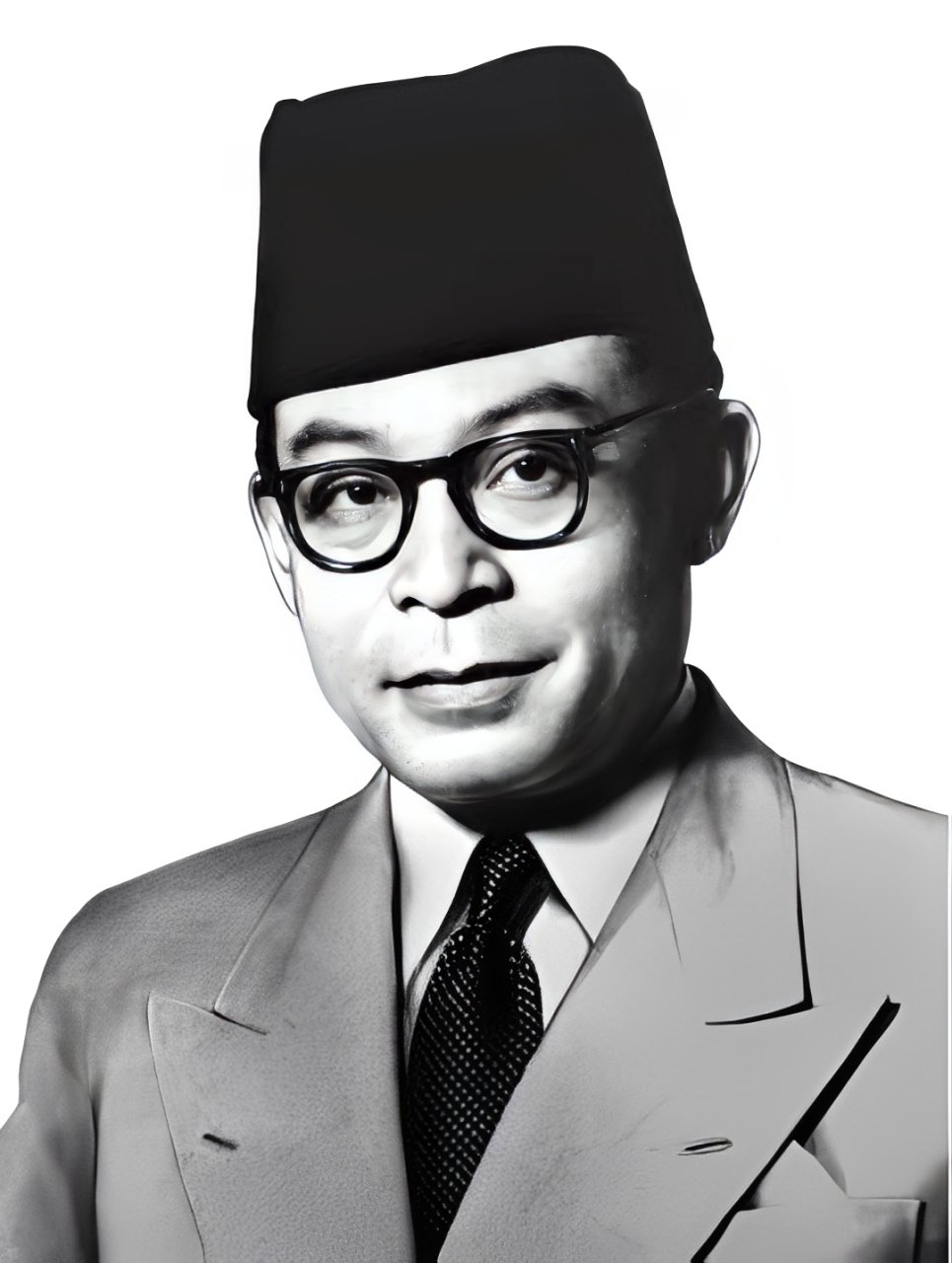
1902—1980
Mohammad Hatta
First Vice President of IndonesiaAn economist, independence leader and Indonesia’s first vice president, remembered as a co-proclaimer of the republic and an advocate of cooperatives.Read biography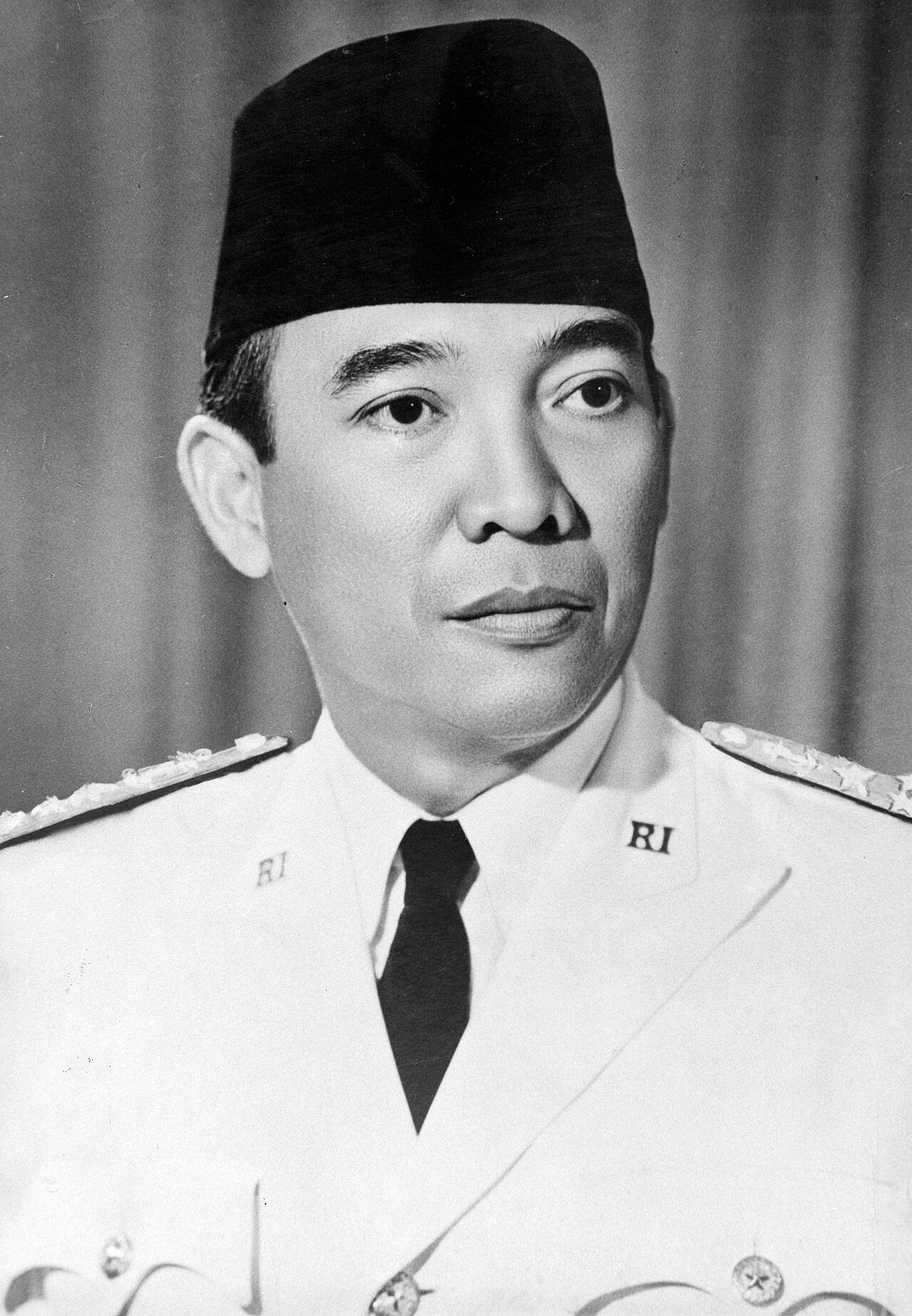
1901—1970
Sukarno
First President of IndonesiaAn independence leader, orator and Indonesia’s first president, who helped unite a vast archipelago around a new republic.Read biography
1909—1966
Sutan Sjahrir
First Prime Minister of IndonesiaAn anticolonial organiser, democratic socialist and Indonesia’s first prime minister, who made diplomacy and civilian government central to the young republic.Read biography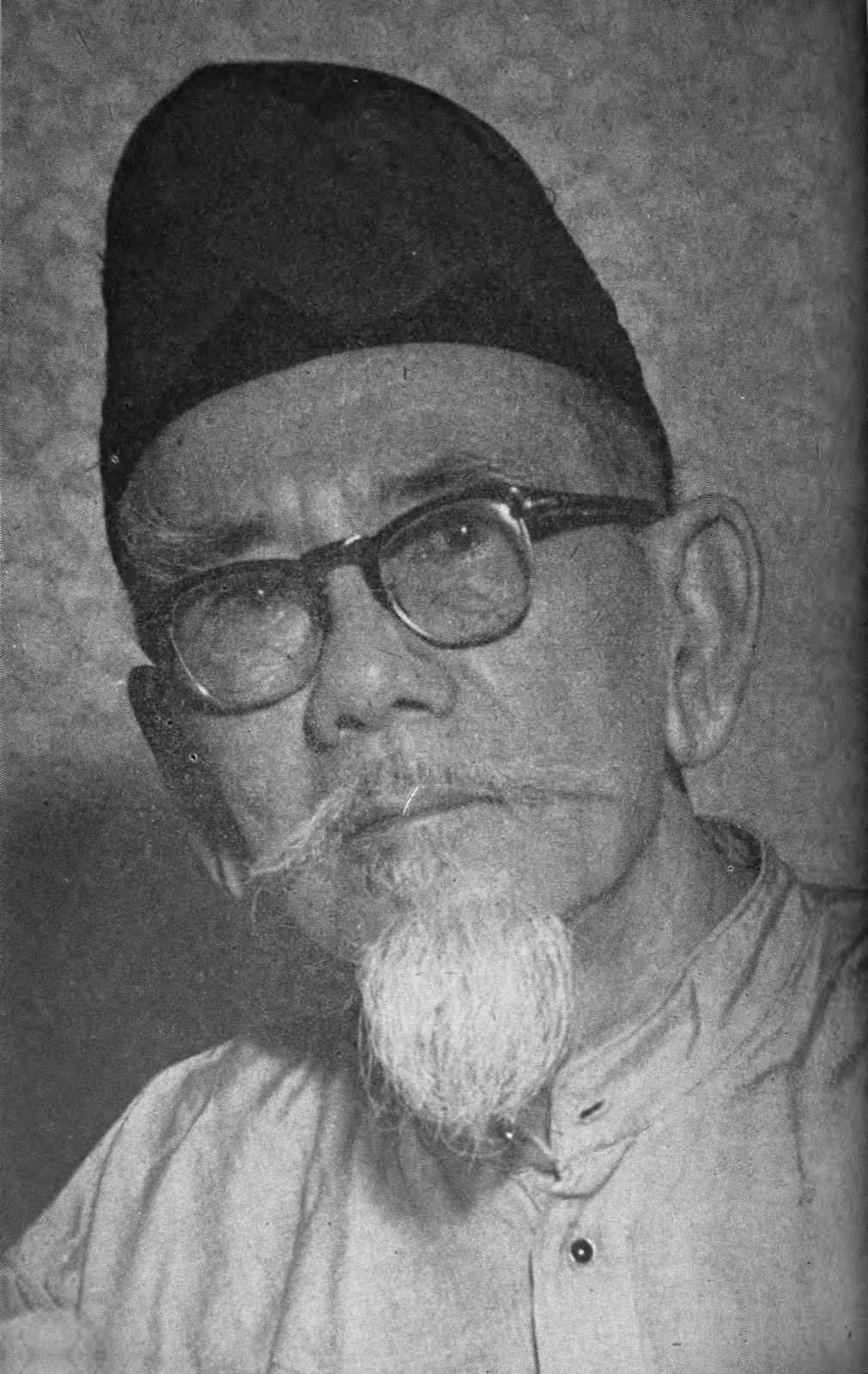
1884—1954
Agus Salim
Diplomat, journalist and foreign ministerA multilingual Islamic intellectual, journalist and diplomat who helped turn Indonesia’s independence claim into an international foreign policy.Read biographyQuick answers
Common questions
- When and where was the 1949 Round Table Conference?
- It met in The Hague, Netherlands, from 23 August to 2 November 1949. Delegations represented the Netherlands, the Republic of Indonesia and the Federal Consultative Assembly; Hatta led the republican delegation.
- Did Indonesia become independent in 1945 or 1949?
- Indonesia dates its independence to the proclamation of 17 August 1945. The 1949 conference negotiated the Dutch sovereignty transfer implemented on 27 December; it did not replace Indonesia’s independence day.
- What was the 4.3-billion-guilder agreement?
- A contemporary US diplomatic memorandum records Indonesia assuming 4.3 billion guilders in debt under the settlement. It also records objections to the burden. The amount was in guilders, not US dollars, and should not all be labelled war reparations.
- Did the conference settle West New Guinea’s status?
- No. Article 2 of the transfer charter maintained the existing position and envisaged negotiations within a year. It deferred the political-status dispute rather than resolving it in 1949.
Primary and institutional sources
How this history was checked
The UN treaty text establishes the provisions and implementation dates. Dutch archival interpretation and US diplomatic records add context; the latter represent participants’ views, not impartial verdicts. The header is an existing Hatta portrait, not a photograph of the negotiations. This article was reviewed on 15 October 2026.
- United Nations Treaty SeriesRound-Table Conference Agreement, UN Treaty Series volume 69, no. 894: English text from p. 200; transfer charter pp. 206–208
- Nationaal Archief, NetherlandsSoevereiniteitsoverdracht Indonesië 1949
- US Department of State, Office of the HistorianTelegram from Batavia, 5 May 1949: proposed Roem–Van Roijen undertakings
- US Department of State, Office of the HistorianMemorandum of conversation, 7 November 1949: reactions to the settlement and debt
- Wikimedia CommonsMohammad Hatta portrait: source and licensing record