The short answer
Myanmar’s head-of-state chronology is not one continuous presidential line. The office existed under three constitutions, disappeared during two long periods of direct military rule and became the centre of a disputed succession after the 2021 coup. This guide keeps those constitutional breaks visible.
Complete officeholder table
Every president, acting president and military head of state
Myanmar officially numbers eleven presidents. The table also includes the Revolutionary Council, SLORC and SPDC chairmen because the presidency did not exist during those periods, plus acting and disputed officeholders who explain otherwise missing dates. “Disputed” records the UN finding that Win Myint was illegally removed in 2021; “parallel claim” identifies the NUG’s separate interim framework rather than treating either claim as uncontested.
| President or state authority | Term | Route to office | Constitutional era |
|---|---|---|---|
| 1 · Sao Shwe Thaik | 4 Jan 1948–16 Mar 1952 | Elected by Parliament | 1947 Constitution · parliamentary republic |
| 2 · Ba U | 16 Mar 1952–13 Mar 1957 | Elected by Parliament | 1947 Constitution · parliamentary republic |
| 3 · Win Maung | 13 Mar 1957–2 Mar 1962 | Elected by Parliament; removed in coup | 1947 Constitution · parliamentary republic |
| No president · Ne Win | 2 Mar 1962–2 Mar 1974 | Chairman of the Revolutionary Council after coup | Direct military rule; 1947 Constitution suspended |
| 4 · Ne Win | 2 Mar 1974–9 Nov 1981 | Chairman of Council of State and president | 1974 Constitution · one-party socialist state |
| 5 · San Yu | 9 Nov 1981–27 Jul 1988 | Elected by the Pyithu Hluttaw | 1974 Constitution · one-party socialist state |
| 6 · Sein Lwin | 27 Jul–12 Aug 1988 | Elected during the national uprising; resigned | 1974 Constitution · one-party socialist state |
| Acting · Aye Ko | 12–19 Aug 1988 | Vice-president acting between officeholders | 1974 Constitution · political collapse |
| 7 · Maung Maung | 19 Aug–18 Sep 1988 | Elected by the Pyithu Hluttaw; removed in coup | 1974 Constitution · final BSPP presidency |
| No president · Saw Maung | 18 Sep 1988–23 Apr 1992 | Chairman of the SLORC after military takeover | Direct military rule; no constitution in force |
| No president · Than Shwe | 23 Apr 1992–30 Mar 2011 | Chairman of the SLORC, then SPDC | Direct military rule; 2008 Constitution designed |
| 8 · Thein Sein | 30 Mar 2011–30 Mar 2016 | Selected by the presidential electoral college | 2008 Constitution · military-backed civilian government |
| 9 · Htin Kyaw | 30 Mar 2016–21 Mar 2018 | Selected after the NLD won the 2015 election | 2008 Constitution · NLD-led government |
| Acting · Myint Swe | 21–30 Mar 2018 | First vice-president acting after resignation | 2008 Constitution · ordinary succession |
| 10 · Win Myint | 30 Mar 2018–1 Feb 2021 | Selected by the presidential electoral college; detained in coup | 2008 Constitution · NLD-led government |
| Parallel claim · Duwa Lashi La | Acting since 16 Apr 2021 | NUG vice-president acting for detained president Win Myint | Federal Democracy Charter · parallel interim government |
| Disputed acting · Myint Swe | 1 Feb 2021–22 Jul 2024; titular to 7 Aug 2025 | Installed after Win Myint’s detention; UN found removal unlawful | Military emergency administration |
| Acting duties · Min Aung Hlaing | 22 Jul 2024–9 Apr 2026 | Assumed presidential duties during Myint Swe’s illness | Military administration and disputed election |
| 11 · Min Aung Hlaing | 10 Apr 2026–present | Selected by military-dominated electoral college | 2008 Constitution · military-backed government |
Chronology
A timeline of the turning points
Sao Shwe Thaik becomes the first president
Independence created a parliamentary republic with a constitutional president and a prime minister responsible to Parliament.
Ba U succeeds through parliamentary election
The former chief justice became the second president in the first peaceful transfer of the office.
Win Maung becomes the third president
Parliament selected the Karen politician during the AFPFL’s final years in government.
The Revolutionary Council abolishes the presidency
Ne Win’s coup detained Win Maung and U Nu, suspended the Constitution and replaced republican institutions with direct military rule.
The presidency returns inside a one-party state
A new Constitution made the Council of State chairman president while the BSPP monopolised political organisation.
Four officeholders pass through the collapsing socialist state
San Yu, Sein Lwin, acting president Aye Ko and Maung Maung occupied the office during nationwide revolt and institutional breakdown.
The SLORC removes the presidency again
Saw Maung’s military council suspended the 1974 Constitution; he and Than Shwe ruled as council chairmen until 2011.
Thein Sein restores the constitutional office
The SPDC dissolved after the electoral college selected a former general under the 2008 Constitution.
Htin Kyaw begins the NLD-led administration
The peaceful transfer followed the NLD’s 2015 victory, although the military retained protected constitutional powers.
Myint Swe performs an ordinary acting presidency
The first vice-president temporarily filled the office after Htin Kyaw resigned and before Win Myint was elected.
The military creates a disputed acting presidency
After detaining Win Myint, the military installed Myint Swe, who declared an emergency and transferred authority to Min Aung Hlaing.
The National Unity Government asserts a rival mandate
The NUG continued to list Win Myint as president and Duwa Lashi La as acting president under the Federal Democracy Charter.
Min Aung Hlaing assumes presidential duties
Myint Swe’s medical leave moved the formal duties of the disputed acting presidency to the military leader already exercising executive power.
Min Aung Hlaing is sworn in as the eleventh president
A military-dominated Parliament selected him after an election conducted amid civil war and exclusion of major opposition forces.
How did the 1947 Constitution design the presidency?
The Constitution adopted before independence created a parliamentary republic. Both chambers elected the president in joint session, while executive government depended on a prime minister and cabinet that could command parliamentary support. The president represented the Union, appointed ministers on constitutional advice and served a fixed term rather than governing as a separately elected executive.
Sao Shwe Thaik, Ba U and Win Maung occupied that office from 1948 to 1962. The sequence showed that a president could change while the premiership and party system followed their own parliamentary logic. It also gave the head of state symbolic importance in a union whose ethnic and federal settlement remained contested from the moment of independence.
Why was there no president from 1962 to 1974?
Ne Win’s coup on 2 March 1962 removed President Win Maung and Prime Minister U Nu. The Revolutionary Council suspended the 1947 Constitution and absorbed state authority into a military body chaired by Ne Win. He was therefore the de facto head of state, but not a president operating under the abolished constitutional office.
This distinction matters for numbering. Ne Win is counted once as the fourth president beginning in 1974, not from the date of the coup. A list that labels his entire 1962–1981 leadership a presidency hides the twelve-year interval of direct council government and makes constitutional discontinuity look like ordinary succession.
How did the socialist Constitution change the office?
The 1974 Constitution restored the title inside the Socialist Republic of the Union of Burma. The Pyithu Hluttaw selected a Council of State, and its chairman served as president. Because the Burma Socialist Programme Party was the only legal political organisation, this was not a return to the competitive parliamentary system displaced in 1962.
Ne Win transferred the presidency to San Yu in 1981 while retaining enormous influence as BSPP chairman until July 1988. The uprising that followed produced the shortest presidential transitions in national history: Sein Lwin served sixteen days, Aye Ko acted for one week and civilian lawyer Maung Maung served for one month before the army seized power again.
Who headed the state when the presidency disappeared after 1988?
The State Law and Order Restoration Council suspended the 1974 Constitution on 18 September 1988. Its chairman, Saw Maung, combined military command, state leadership and the premiership. The council held an election in 1990 but did not transfer power after the NLD won 392 of 485 elected seats. Than Shwe replaced Saw Maung in April 1992.
In 1997 the junta changed its English name from SLORC to State Peace and Development Council. Than Shwe remained chairman until 30 March 2011. Neither man belongs in the numbered presidential sequence because no presidency existed, but excluding them from a head-of-state chronology would leave the country’s effective leadership blank for more than twenty-two years.
How does the 2008 Constitution select a president?
The Pyidaungsu Hluttaw forms three groups: elected members of the lower house, elected members of the upper house and military appointees in both chambers. Each group nominates a vice-presidential candidate. All members then vote, with the highest total becoming president and the other two nominees becoming vice-presidents. Voters therefore do not cast a direct presidential ballot.
Thein Sein, Htin Kyaw and Win Myint were chosen through that mechanism after the 2010, 2015 and 2015–2020 parliamentary configurations respectively. The system also enabled a first vice-president to act between presidents in March 2018. At the same time, reserved military seats and the commander-in-chief’s control over security ministries limited what an elected civilian majority could change.
Why is the 2021 acting presidency described as disputed?
The constitutional question is not whether Myint Swe held the title within the military administration. It is whether the conditions for succession existed. Win Myint testified that officers demanded his resignation and that he refused. The UN Special Rapporteur found that the military had no authority to remove him, that Parliament never conducted impeachment and that the presidency therefore never became vacant under Article 73.
On that analysis, Myint Swe could not lawfully declare the Article 417 emergency or transfer power to Min Aung Hlaing. The National Unity Government continued to list Win Myint as president and Duwa Lashi La as acting president under a rival interim framework. This page records both claims and does not turn the military’s control of institutions into proof of uncontested constitutional succession.
Who is the current president of Myanmar in 2026?
Min Aung Hlaing was elected by the presidential electoral college on 3 April 2026 and sworn in on 10 April. The military-backed authorities call him Myanmar’s eleventh president. Nyo Saw became first vice-president and Nan Ni Ni Aye became second vice-president. Official records place the government under the 2008 Constitution after five years of emergency and military council rule.
The process remains politically contested. The election excluded or dissolved major opposition forces, took place during civil war and preserved the military’s appointed parliamentary bloc. The most accurate answer therefore separates office from legitimacy: Min Aung Hlaing occupies the presidency and leads the state institutions controlled by the military-backed government, while the NUG and other resistance actors reject the process and assert a different democratic mandate.
Continue the chronology
Related history guides
Myanmar Prime Ministers
Compare the head-of-state succession with parliamentary, socialist, junta and rival NUG cabinets.
Read the timeline2011—presentVice Presidents of Myanmar
Follow both deputy offices, electoral-college ranking, vacancies and the disputed post-coup succession.
Read the timeline1947—1948Panglong and Myanmar Independence
Place the first presidency inside the federal bargain and the 1947 Constitution.
Read the timeline1962—1988The 1962 Coup and Burmese Way to Socialism
See why the presidency disappeared and returned inside a one-party state.
Read the timelineMarch—September 1988Myanmar’s 8888 Uprising
Follow the rapid presidential turnover and military takeover of 1988.
Read the timeline2008—todayMyanmar’s 2008 Constitution Explained
Understand the electoral college, vice-presidents and emergency provisions.
Read the timeline2021—2026Myanmar’s Coup and Civil War
Trace the takeover, rival governments, nationwide resistance and disputed election.
Read the timelineBiography context
Explore Myanmar through connected lives
Myanmar Biographies
Explore 57 sourced lives across politics, business, sport and culture.
Explore the biographiesPolitics collectionMyanmar Political Leaders
Compare 44 biographies across independence, military rule, minority rights and contested government.
Explore the biographiesCategory indexPolitical Biographies
Browse presidents, prime ministers and institution-builders across Southeast Asia.
Explore the biographiesConnected biographies
Sixteen biographies for understanding Myanmar’s presidential, military and rival transitions

1895—1962
Sao Shwe Thaik
First president of the Union of BurmaThe saopha of Yawnghwe who helped bring Shan participation into the Panglong settlement and became the independent union’s first head of state.Read biography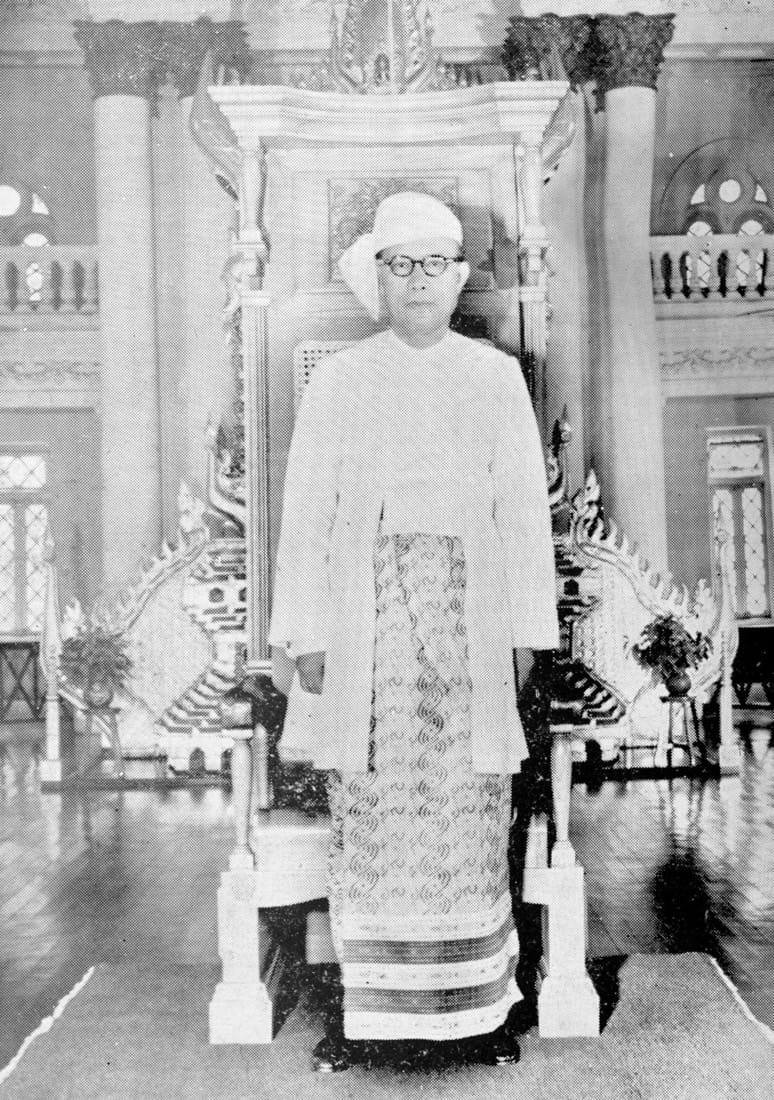
1887—1963
Ba U
Chief justice and second president of the Union of BurmaThe Cambridge-trained jurist who became independent Burma’s first chief justice and its second president under the 1947 Constitution.Read biography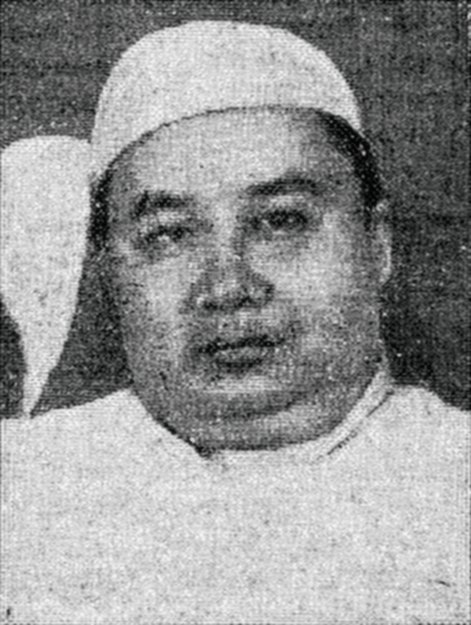
1916—1989
Win Maung
Third president of the Union of BurmaThe Karen politician and former cabinet minister who served as president from 1957 until soldiers removed and imprisoned him in 1962.Read biography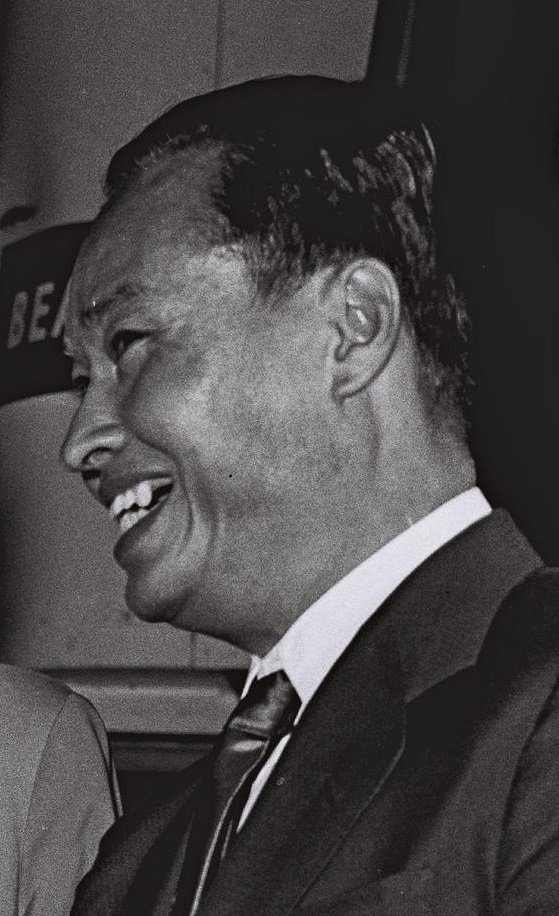
c. 1910—2002
Ne Win
Military ruler of Burma from 1962 to 1988The general who overthrew U Nu, nationalised much of the economy and built a one-party military state that lasted until the 1988 uprising.Read biography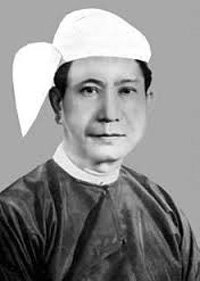
1918—1996
San Yu
General and fifth president of BurmaThe wartime independence soldier and senior general who succeeded Ne Win as president inside Burma’s one-party socialist state.Read biography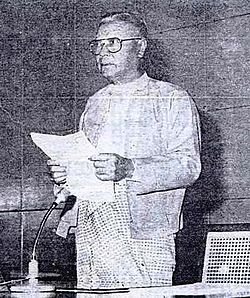
1924—2004
Sein Lwin
General and sixth president of BurmaNe Win’s security enforcer who briefly led the party and state in 1988 before mass protest forced his resignation.Read biography1921—2006
Aye Ko
General, vice-president and acting president of BurmaThe former army chief and BSPP vice-president who briefly kept the constitutional office functioning during the collapse of one-party rule.Read biography1925—1994
Maung Maung
Jurist, writer and seventh president of BurmaThe civilian legal scholar who helped shape Burma’s socialist constitutional order and became its final president before the September 1988 coup.Read biography1928—1997
Saw Maung
Military ruler and prime minister of Myanmar from 1988 to 1992The army commander who seized power during the 1988 uprising, promised multiparty elections and retained military rule after the opposition won them.Read biography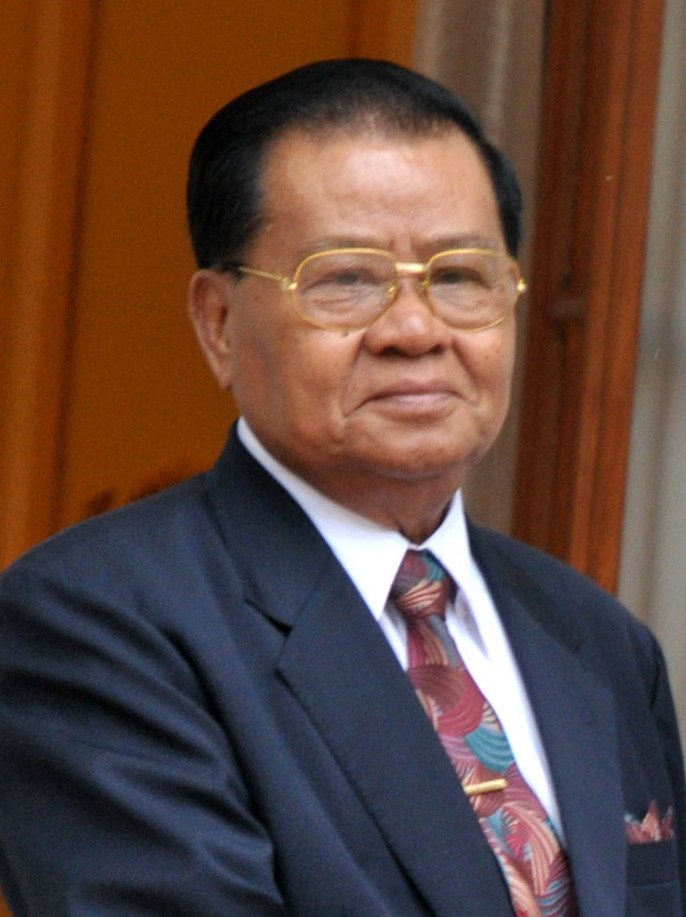
1933—
Than Shwe
Military ruler of Myanmar from 1992 to 2011The senior general who ruled Myanmar for nineteen years, suppressed organised opposition and designed the constitutional system that followed direct military government.Read biography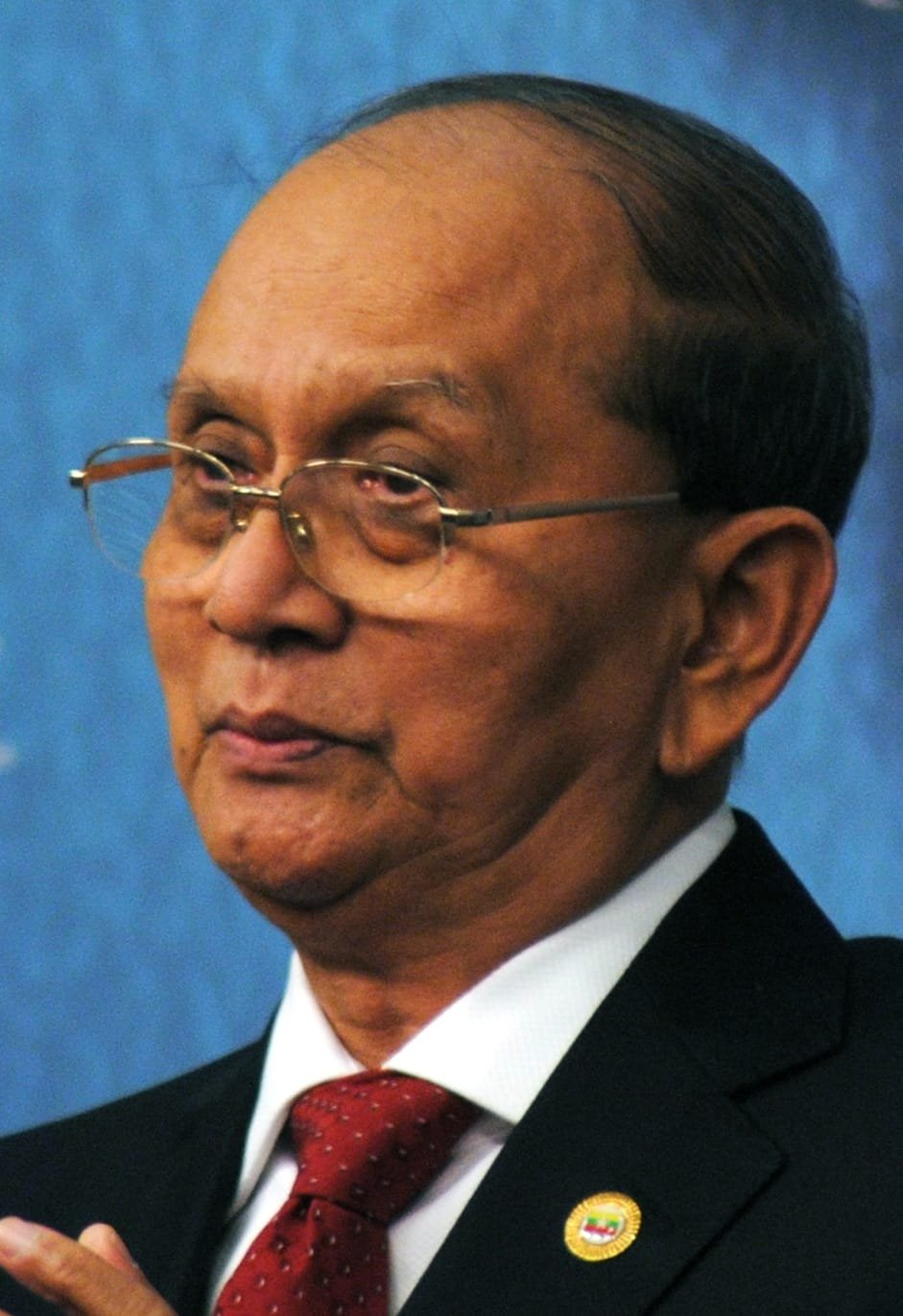
1945—
Thein Sein
President of Myanmar from 2011 to 2016The former general whose presidency released political prisoners, widened civic space and transferred power after the 2015 election without ending military autonomy.Read biography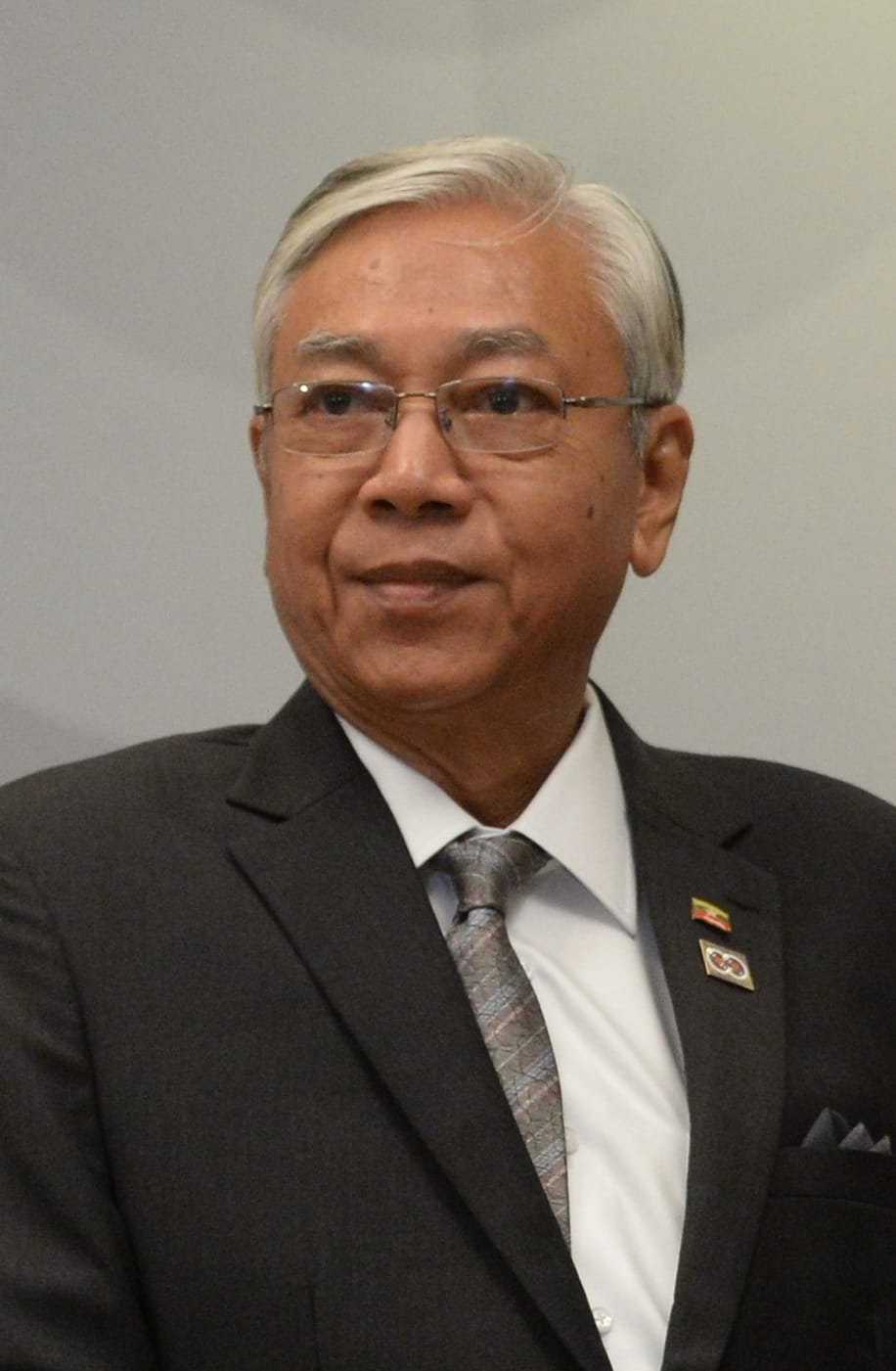
1946—
Htin Kyaw
President of Myanmar from 2016 to 2018The economist, writer and longtime Aung San Suu Kyi associate who became Myanmar’s first civilian president in more than fifty years.Read biography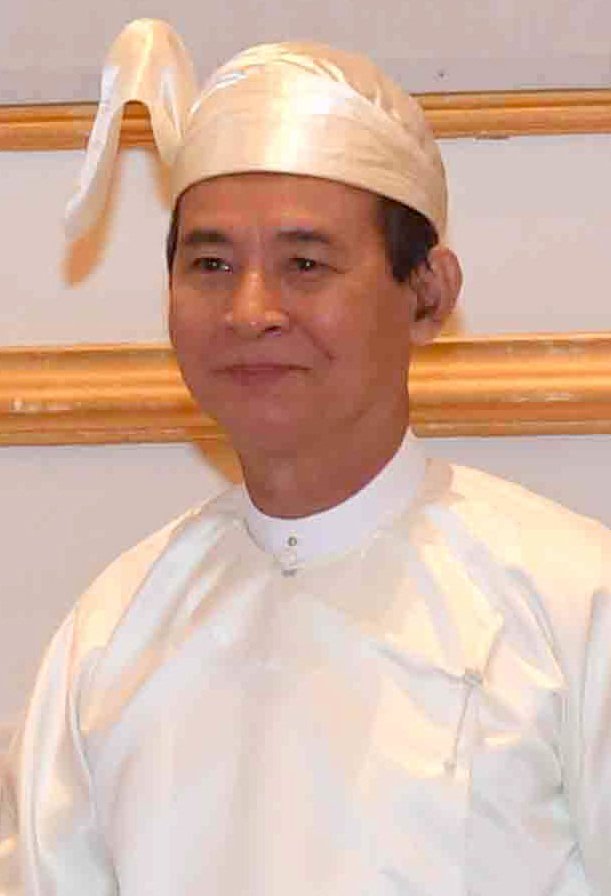
1951—
Win Myint
Lawyer and former president of MyanmarThe lawyer, 1988 democracy activist and parliamentary speaker who became president before the military detained and removed him in the 2021 coup.Read biography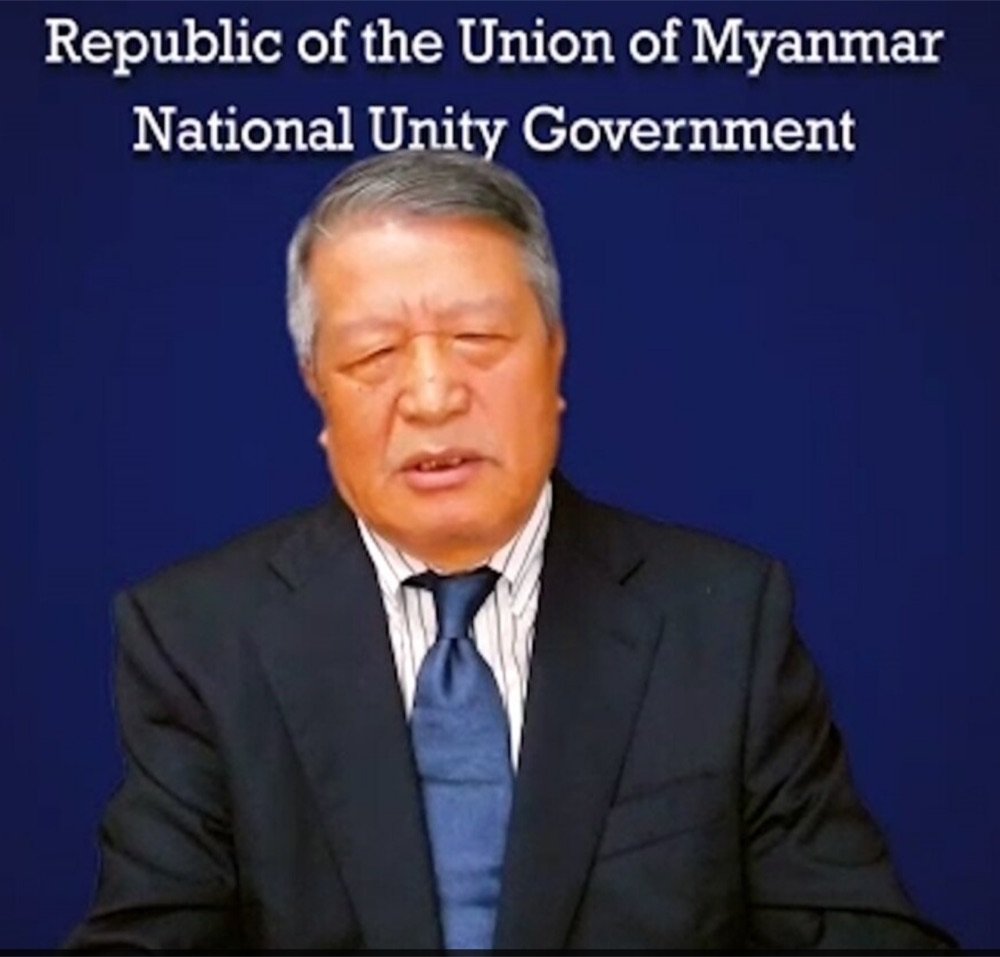
1950—
Duwa Lashi La
Kachin lawyer and acting president of Myanmar’s National Unity GovernmentThe Kachin lawyer and civil-society leader appointed vice-president and acting president of Myanmar’s opposition National Unity Government.Read biography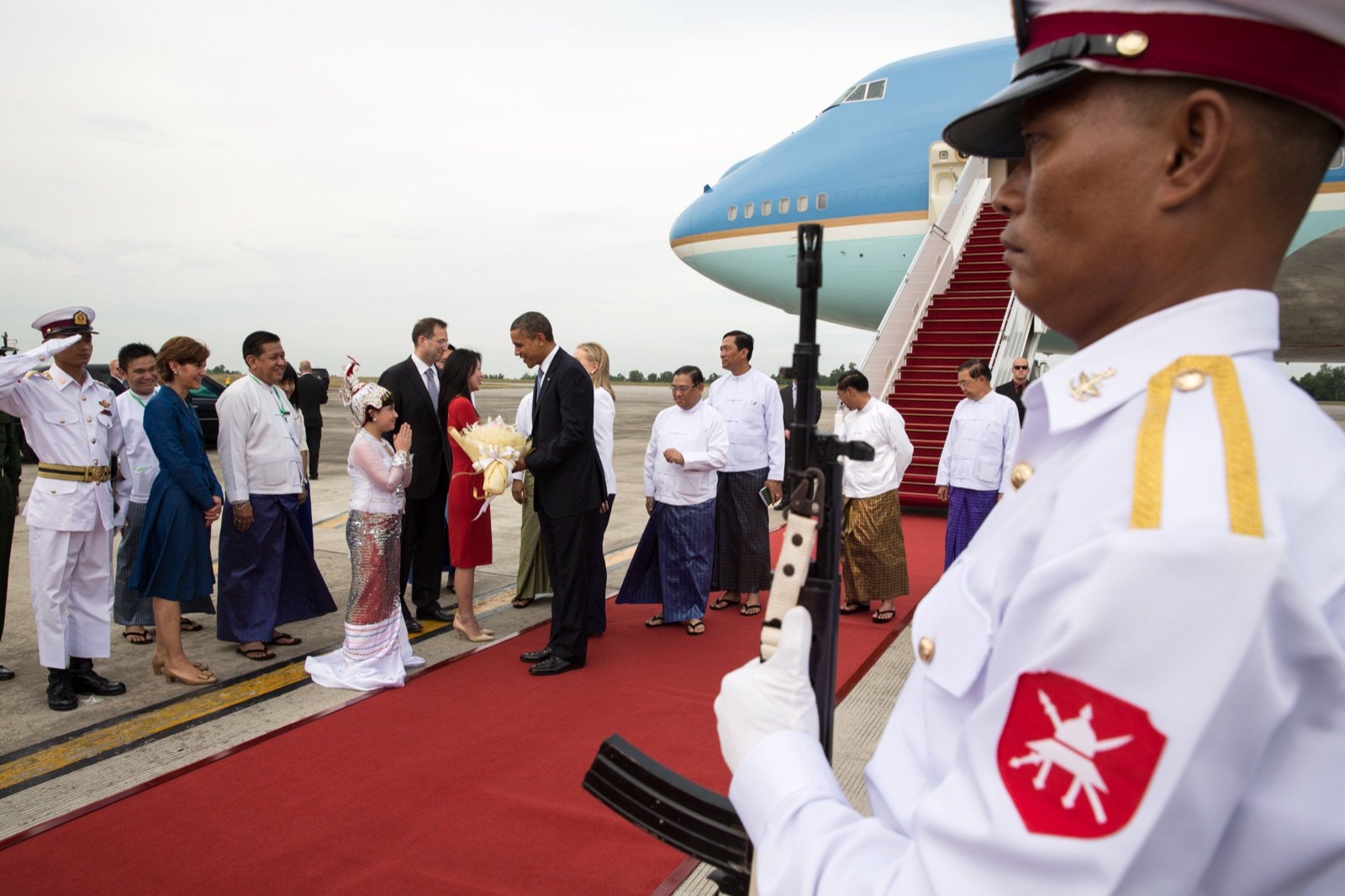
1951—2025
Myint Swe
Military officer, first vice-president and disputed acting presidentThe former general who became Yangon chief minister, military-selected first vice-president and the formal constitutional instrument of the 2021 takeover.Read biography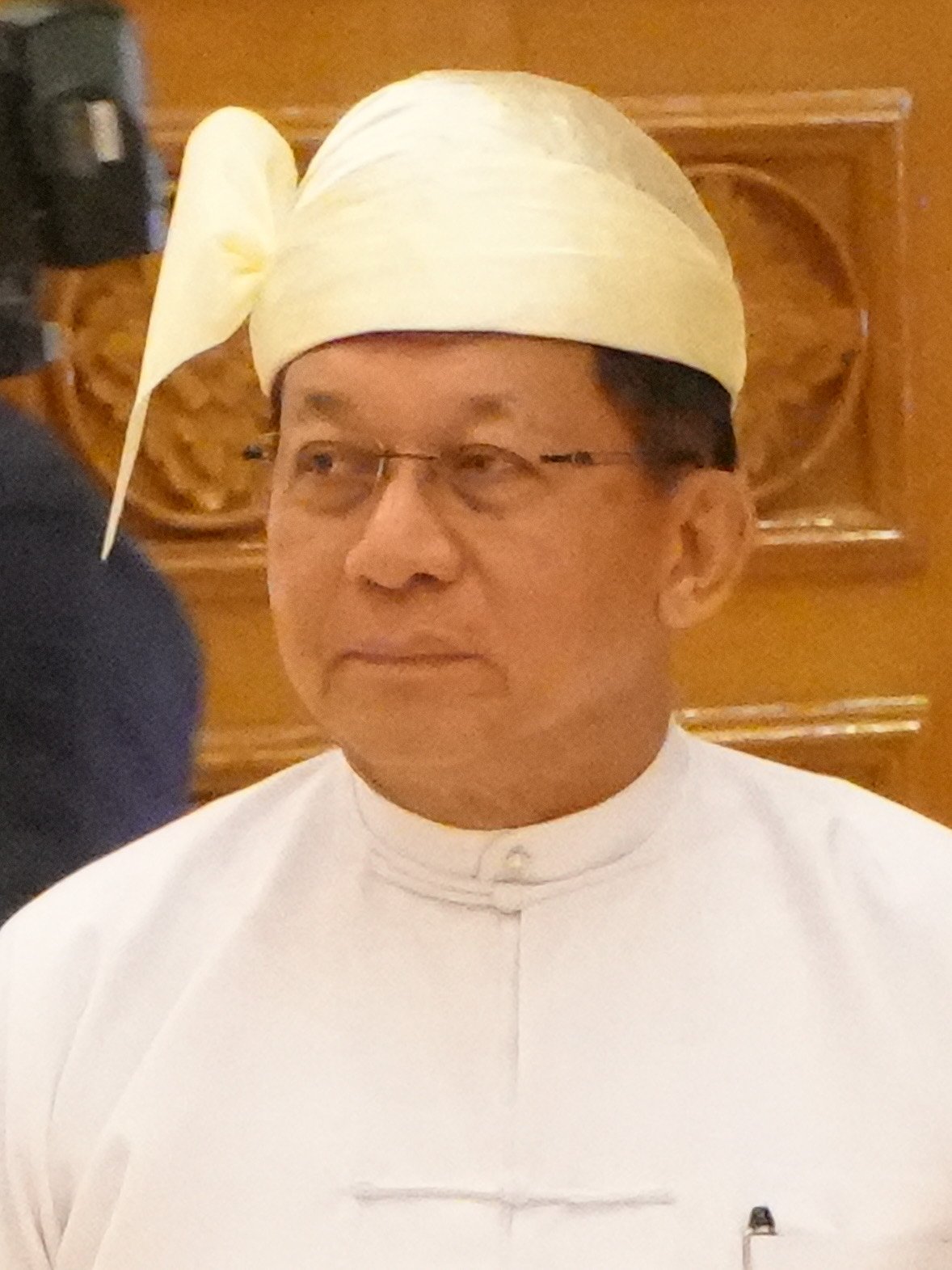
1956—
Min Aung Hlaing
President of Myanmar and leader of the 2021 military takeoverThe former commander-in-chief who led Myanmar’s 2021 coup, presided over nationwide war and became president through a military-controlled political process in 2026.Read biographyQuick answers
Common questions
- Who was the first president of Myanmar?
- Sao Shwe Thaik became the first president of the independent Union of Burma on 4 January 1948 and served until 16 March 1952.
- How many presidents has Myanmar had?
- Myanmar officially numbers eleven presidents from Sao Shwe Thaik to Min Aung Hlaing. Acting presidents and military council chairmen are not assigned separate numbers.
- Why are Saw Maung and Than Shwe not numbered as presidents?
- They ruled as chairmen of military councils from 1988 to 2011, when no constitutionally constituted presidency existed.
- Was Ne Win president from 1962?
- No. He was Revolutionary Council chairman from 1962 to 1974 and became the fourth president only when the 1974 Constitution created the socialist presidency.
- Was Myint Swe legally acting president after the 2021 coup?
- The military administration said yes, but a UN Special Rapporteur found that Win Myint was illegally removed, the office was not vacant and Myint Swe therefore lacked constitutional authority to declare the emergency.
- Is Duwa Lashi La a president of Myanmar?
- He is the National Unity Government’s vice-president acting for detained president Win Myint. The NUG claims Myanmar’s democratic mandate under a parallel interim framework, but its authority is contested and he is not part of the official numbered presidential sequence.
- Who is the current president of Myanmar?
- As reviewed on 4 October 2026, Min Aung Hlaing occupies the presidency after being sworn in on 10 April 2026 through a military-dominated process that remains widely contested.
- Does Myanmar elect its president directly?
- No. Under the 2008 Constitution, three parliamentary groups nominate vice-presidential candidates and the full Union Parliament chooses the president from those three.
Primary and institutional sources
How this history was checked
Dates, legal milestones and historical claims are checked against the official and institutional records below. This article was reviewed on 4 October 2026.
- United NationsConstitution of the Union of Burma in the 1947 Yearbook on Human Rights
- Myanmar Ministry of Natural Resources and Environmental ConservationConstitution of the Socialist Republic of the Union of Burma (1974)
- Asian Development Bank Law and Policy Reform ProgramConstitution of the Republic of the Union of Myanmar (2008)
- Office of the Historian, U.S. Department of StateThe 1962 coup and suspension of constitutional government
- Human Rights WatchChronology of political events in Burma, 1962–2008
- UN Human Rights Council · Special Rapporteur on MyanmarIllegal and Illegitimate · legal analysis of the 2021 takeover
- National Unity Government of MyanmarHeads of the National Unity Government
- Swedish Institute of International AffairsThe National Unity Government and resistance governance
- Myanmar President’s OfficeOrder No. 1/2026 announcing the elected president
- Associated PressMin Aung Hlaing sworn in after the criticised election
- Wikimedia CommonsSao Shwe Thaik portrait and public-domain record