The short answer
The New Order delivered long economic growth and poverty reduction while concentrating authority around Suharto, the armed forces, bureaucracy and Golkar. It began in the mass violence after 1965 and ended when financial collapse and a nationwide reform movement forced Suharto to resign in 1998.
Chronology
A timeline of the turning points
The September 30th Movement is defeated
A group of military officers abducted and killed six senior army generals. Major General Suharto took control of the army response; the movement’s origins and the extent of PKI responsibility remain debated.
Mass killings and detention destroy the organised left
The army and allied civilian groups killed hundreds of thousands of alleged communists and others. Up to a million people were imprisoned, many without trial, in one of the twentieth century’s largest episodes of political violence.
Supersemar expands Suharto’s authority
Sukarno signed the order known as Supersemar, authorising Suharto to take measures to restore security and order. Suharto used the authority to ban the Communist Party and consolidate control.
Suharto becomes acting and then full president
The Provisional People’s Consultative Assembly removed Sukarno’s remaining authority, appointed Suharto acting president in 1967 and confirmed him as Indonesia’s second president in 1968.
Golkar wins the first New Order election
The government-backed functional group dominated an election shaped by administrative pressure and military influence. In 1973, the remaining parties were compressed into two opposition groupings.
Indonesia invades East Timor
Indonesian forces launched a land, sea and air invasion of the former Portuguese colony. The UN did not recognise integration, and the occupation involved widespread violations and prolonged resistance.
The Santa Cruz massacre draws global attention
Indonesian troops fired on a procession at the Santa Cruz cemetery in Dili. International reporting intensified scrutiny of the occupation and human-rights record.
The Asian financial crisis reaches Indonesia
Pressure on the rupiah exposed heavy short-term debt, a fragile banking system and politically connected business practices. Indonesia entered an IMF-supported programme in November.
Suharto receives a seventh presidential term
The People’s Consultative Assembly returned Suharto unopposed as the economy contracted and student demonstrations called for reform and an end to corruption, collusion and nepotism.
Trisakti shootings and mass riots deepen the crisis
Four students were killed at Trisakti University. Riots followed in Jakarta and other cities, with extensive deaths, destruction and targeted sexual and anti-Chinese violence documented by investigators.
Suharto resigns
After losing political support amid protests and economic collapse, Suharto stepped down. Vice President B. J. Habibie became president, ending thirty-two years of New Order rule.
What was Indonesia’s New Order?
The New Order was the political system built around Suharto from the transfer of power after 1965 until his resignation in May 1998. It presented itself as a restoration of order, economic discipline and development after the instability of Sukarno’s final years.
It was also an authoritarian system. The presidency, armed forces, bureaucracy and Golkar worked together to restrict competition. Elections occurred every five years, but opposition parties, the press, campuses, unions and civil society operated under extensive legal and administrative controls.
The 1965 violence and Suharto’s rise
The New Order emerged from the contested events of 30 September 1965. After six generals were killed, Suharto suppressed the movement and the army blamed the Indonesian Communist Party, or PKI. Scholars continue to debate the planning of the movement and how much the party leadership knew; that debate does not alter the documented scale of the violence that followed.
Army units and aligned militias killed hundreds of thousands of alleged PKI members, leftists and others between late 1965 and 1966. Many more were detained without due process, and survivors and their families faced lasting discrimination. Declassified diplomatic records show that foreign governments knew about the campaign; U.S. officials supported the army’s destruction of the organised left.
Supersemar in March 1966 gave Suharto a formal instrument to exercise sweeping authority. Sukarno remained nominally president for another year, but the army, parliament and cabinet progressively shifted power away from him. Suharto became acting president in March 1967 and full president in March 1968.
How authoritarian control was organised
The armed forces claimed a dual function—defence and a political-social role—and held appointed seats and positions throughout the state. Civil servants were mobilised behind Golkar, while local officials and security institutions influenced political participation from the national level down to villages.
In 1973 the legal party system was reduced to Golkar, the Islamic-oriented United Development Party and the Indonesian Democratic Party. Campaigns and voting continued, but the field was neither free nor equal. Publishing licences, surveillance, detention and laws against subversion or insulting the president narrowed public argument.
Pancasila became an enforced ideological foundation for organisations. The language of stability helped the state contain ideological conflict, but it could also be used to define criticism as a security threat. Patronage connected public office, military commands and politically favoured businesses.
Economic growth and poverty reduction
The New Order stabilised an economy suffering from extreme inflation, reopened ties with international lenders and investors, and directed oil revenue into infrastructure, agriculture, education and public health. Technocrats gained influence over macroeconomic policy, while the Green Revolution helped raise rice production.
A World Bank historical assessment calculated average GDP growth of 7.4 percent a year from 1968 to 1997, with per-capita income more than quadrupling. Poverty declined substantially and access to schooling, roads and services expanded. These gains changed everyday life and are central to why the period retained support among parts of the population.
Growth was not separate from political structure. State contracts, licences, monopolies and credit often benefited Suharto’s family and connected conglomerates. Weak financial oversight, opaque corporate borrowing and limited accountability made impressive aggregate growth more vulnerable than it appeared when regional capital flows reversed in 1997.
Political violence, dissent and East Timor
Repression continued beyond the founding massacres. Political prisoners, censorship, restrictions on labour organising and military operations in Aceh, Papua and other regions formed part of the record. The intensity varied over time and place, but coercive power remained a foundation of the system.
Indonesia invaded East Timor in December 1975 and incorporated it as a province in 1976. The United Nations did not recognise the annexation. A UN-appointed Commission of Experts later described extensive violations amounting to serious crimes against humanity by Indonesian armed forces against pro-independence activists and suspected supporters.
The Santa Cruz massacre in 1991 was filmed and witnessed internationally, weakening attempts to keep the occupation outside global view. East Timor voted for independence in 1999, after Suharto had fallen; the violence surrounding that vote showed how New Order security networks outlasted the president himself.
Why the New Order collapsed in 1998
The Asian financial crisis turned structural weakness into political emergency. The rupiah plunged, banks failed, companies could not service foreign-currency debt, prices rose and output collapsed. IMF-supported programmes did not quickly restore confidence, and disputes over implementation exposed the power of politically connected interests.
Students linked economic suffering to demands for reformasi: an end to corruption, collusion and nepotism; political opening; and Suharto’s departure. The killing of four Trisakti students on 12 May and the riots of 13–15 May intensified public anger and elite defections. The violence included attacks on ethnic Chinese Indonesians and documented sexual assaults, while full accountability remains unresolved.
On 21 May, after key ministers and political allies withdrew support, Suharto resigned. The constitutional succession to Habibie preserved continuity of the state, but the political opening that followed dismantled important controls of the system Suharto had built.
How should the New Order legacy be assessed?
A complete assessment must hold two realities together: rapid development and severe repression. Economic growth, poverty reduction and wider public services were real. So were the mass killings, long detentions, restricted elections, censorship, corruption and violence in occupied or conflict-affected territories.
Treating either half as the whole story produces propaganda rather than history. The institutions also had different afterlives. Competitive elections, a freer press and military withdrawal from appointed parliamentary seats marked change, while oligarchic wealth, patronage networks, legal impunity and nostalgia for decisive rule remained influential.
The biographies of Sukarno, Suharto, B. J. Habibie and Prabowo Subianto show why the era cannot be sealed off in 1998. Family ties, military careers, business networks and competing memories continue to shape political legitimacy in contemporary Indonesia.
Continue the chronology
Related history guides
Indonesian Independence
Return to the proclamation, revolution and founding institutions inherited by Sukarno’s successors.
Read the timeline1997—2004Reformasi and Democratic Transition
Continue through Suharto’s resignation, political opening, constitutional reform and direct elections.
Read the timelineEight biographiesIndonesian Presidents
Compare every president across the independence, New Order, transition and direct-election eras.
Read the timeline1963—1966Malaysia–Indonesia Shared Histories
Place Konfrontasi and the regional consequences of Indonesia’s 1965 power shift in a wider chronology.
Read the timelineConnected biographies
Five lives connecting the transfer of power, New Order institutions, dissent and their political afterlives
 Indonesia · Politics
1901—1970
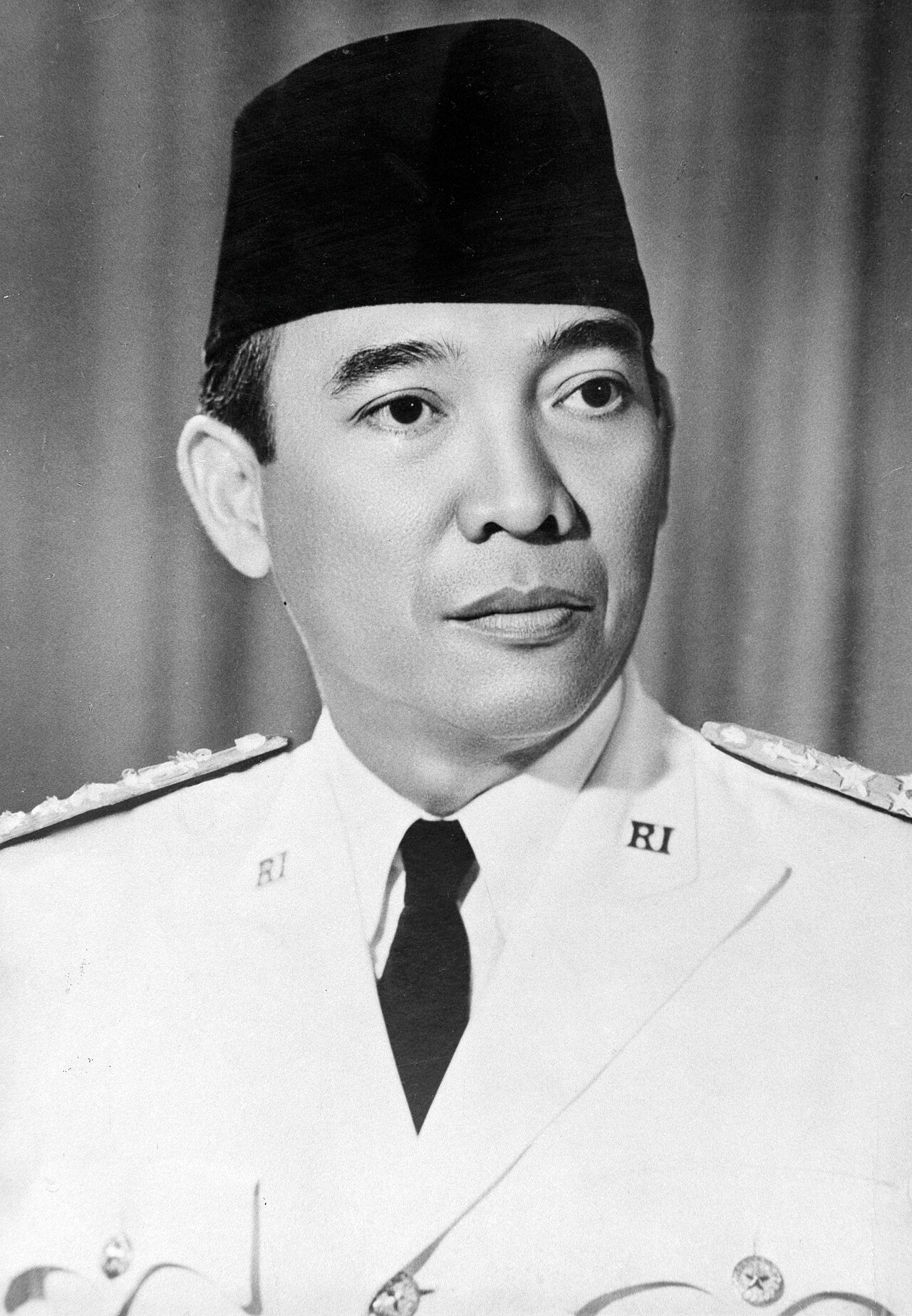
Sukarno
First President of IndonesiaAn independence leader, orator and Indonesia’s first president, who helped unite a vast archipelago around a new republic.Read biography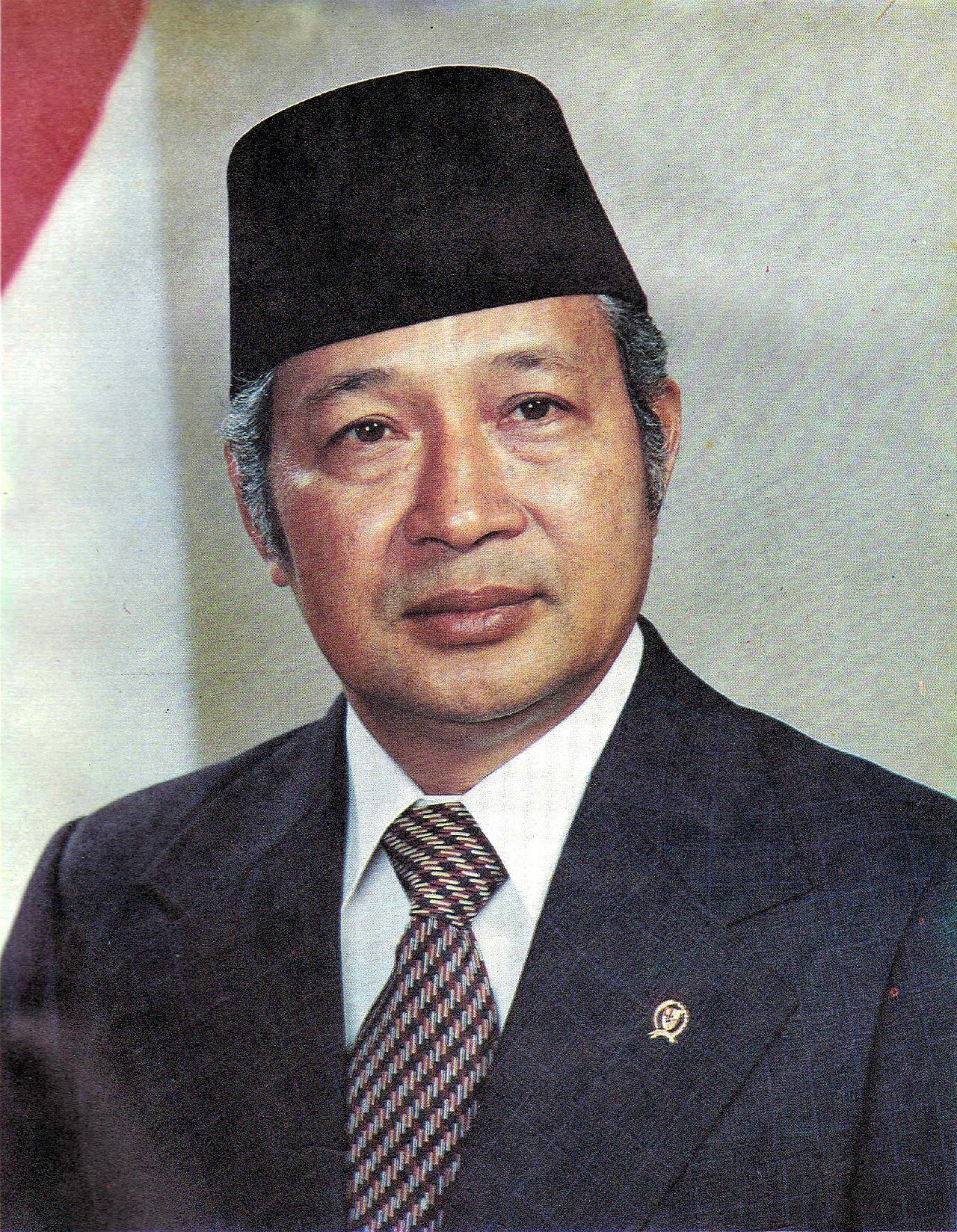 Indonesia · Politics
1921—2008
Suharto
Second President of IndonesiaThe army general who displaced Sukarno and led Indonesia’s New Order from 1967 to 1998, combining economic growth with authoritarian rule.Read biography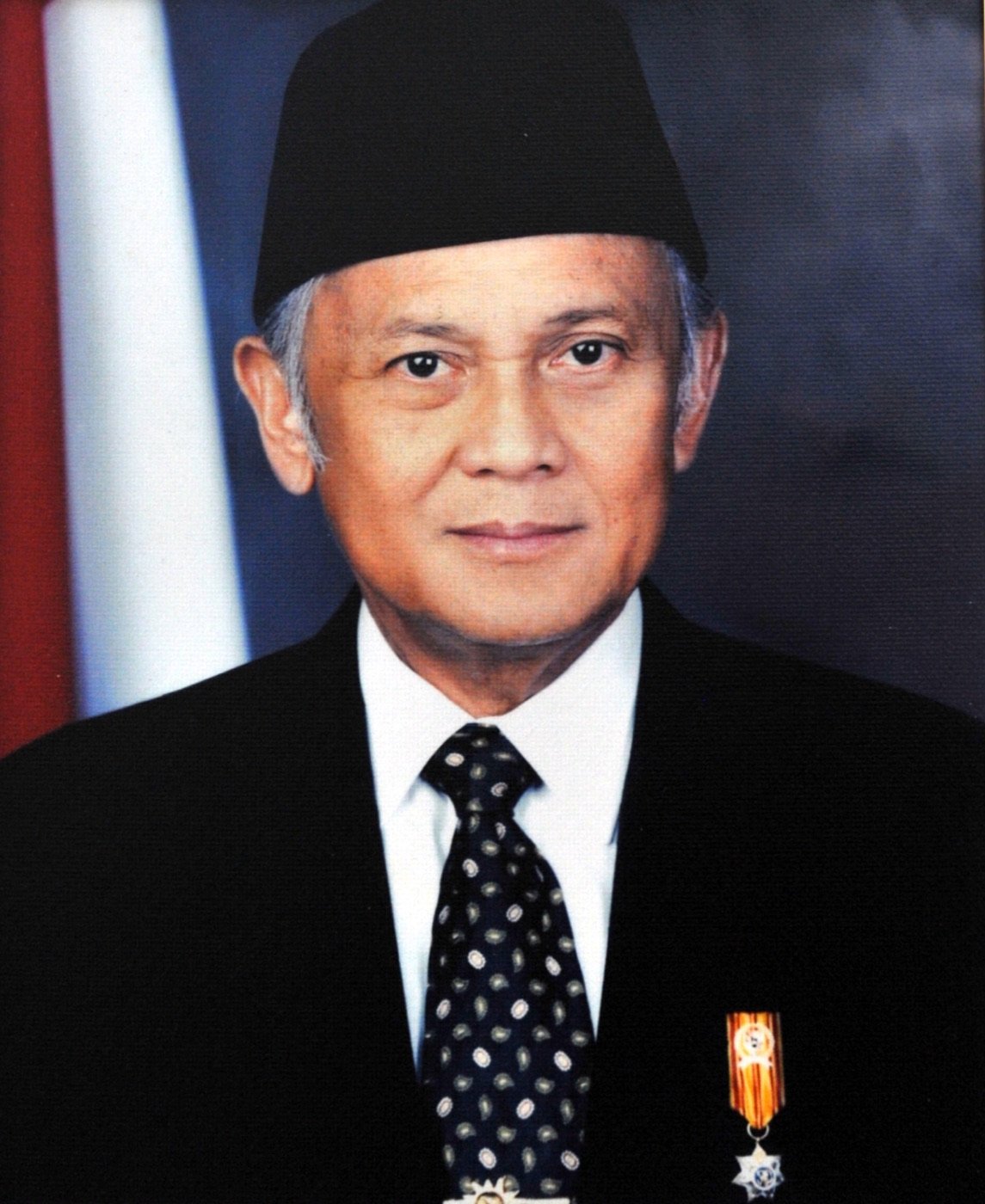 Indonesia · Politics
1936—2019
B. J. Habibie
Third President of Indonesia and aerospace engineerThe aerospace engineer and technology minister who succeeded Suharto in 1998 and opened Indonesia’s first transition from New Order rule.Read biography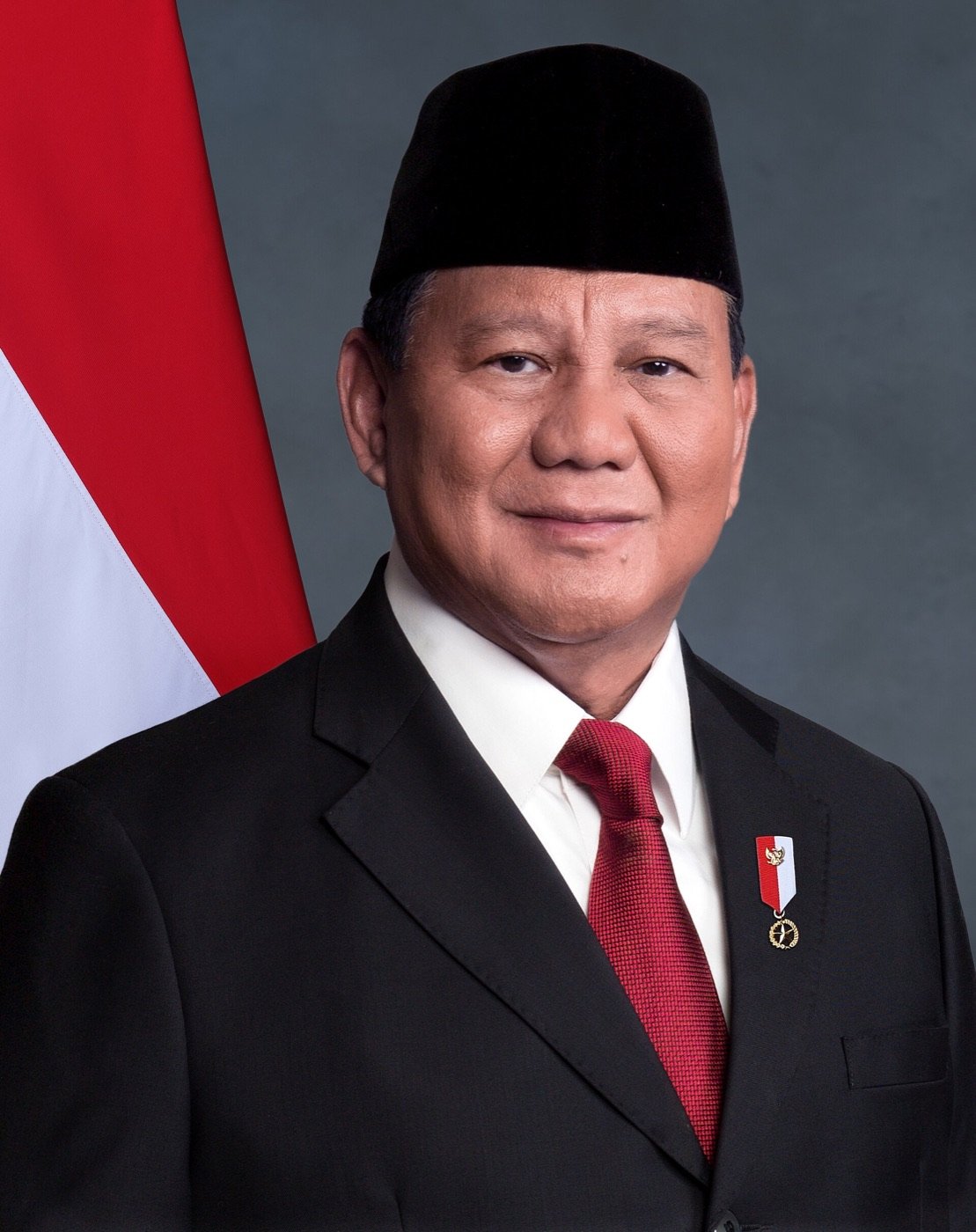 Indonesia · Politics
1951—
Prabowo Subianto
Eighth President of IndonesiaThe former special-forces commander and defence minister who won Indonesia’s 2024 election and became its eighth president.Read biography1925—2006
Pramoedya Ananta Toer
Novelist and essayistIndonesia’s most internationally read novelist, whose fiction and essays survived colonial prison, political detention and long periods of censorship.Read biographyQuick answers
Common questions
- What was the New Order in Indonesia?
- The New Order was the authoritarian political system led by President Suharto from the transfer of power after 1965 until his resignation in 1998. It combined economic development, military influence, bureaucratic control and restricted political competition.
- When did the New Order begin and end?
- Its foundations were laid after the September 30th Movement in 1965. Suharto received expanded authority in 1966, became acting president in 1967 and full president in 1968. The era ended when he resigned on 21 May 1998.
- What happened in Indonesia in 1965 and 1966?
- After the September 30th Movement killed six senior generals, the army and allied groups launched a campaign against the Indonesian Communist Party and alleged supporters. Hundreds of thousands were killed and up to a million people were imprisoned.
- Did Indonesia’s economy grow under Suharto?
- Yes. A World Bank study calculated average GDP growth of about 7.4 percent a year from 1968 to 1997, alongside major poverty reduction. The system also produced cronyism, weak financial institutions and unequal access to political power.
- Why did Suharto resign in 1998?
- The Asian financial crisis caused economic collapse and sharpened anger over corruption and authoritarian rule. Student protests, the Trisakti shootings, May riots and the withdrawal of elite support left Suharto unable to sustain his presidency.
Primary and institutional sources
How this history was checked
Dates, legal milestones and historical claims are checked against the official and institutional records below. This article was reviewed on 8 September 2026.
- National Archives of the Republic of IndonesiaPresidenpedia: President Soeharto
- National Security Archive, George Washington UniversityU.S. Embassy Tracked Indonesia Mass Murder 1965
- World BankMaking the New Indonesia Work for the Poor: A History of Growth and Poverty Reduction
- United Nations Security CouncilReport of the Commission of Experts for Timor-Leste
- International Monetary FundRecovery from the Asian Crisis and the Role of the IMF
- Human Rights WatchAcademic Freedom in Indonesia: Dismantling Soeharto-Era Barriers
- National Commission on Human Rights of IndonesiaTrisakti Tragedy and the May Riots