
The short answer
What could a business-funded organisation change about urban housing under apartheid—and what could it not? The Urban Foundation linked practical projects with policy advocacy, while raising difficult questions about representation, markets and the limits of reform.
Chronology
A timeline of the turning points
A crisis prompts business mobilisation
After the Soweto uprising, business leaders discuss a private development initiative.
Operations begin
The Urban Foundation develops projects and an increasingly policy-oriented role.
Tenure and urbanisation reform
Leasehold, later ownership and influx-control debates involve the Foundation alongside many other actors.
Its future is debated
Scholars assess private housing-finance expertise and the organisation’s political limitations.
Closure and institutional legacies
The departing chief executive reflects on the Foundation’s work after its offices close.
The founding sequence crossed two calendar years
The 1976 Soweto uprising intensified business concern about urban inequality and political instability. Discussions involving Harry Oppenheimer, Anton Rupert and other participants produced a private development initiative. Dan Smit dates its establishment to December 1976 and its operational start to early 1977; later accounts commonly use 1977 as the founding shorthand.
That sequence explains the guide’s date without inventing one universally agreed launch moment. It also places the institution within a wider struggle. Township residents, workers, civic organisations and liberation movements were already contesting apartheid. Business intervention responded to that pressure; it did not create either the problem of urban exclusion or the demand for change.
A private development body did not possess a public mandate
The Foundation depended heavily on business funding rather than functioning as a government housing department. Its chief executive later described annual grant income and the absence of a conventional representative power base. Those features gave it resources and room to advocate, but not an electoral mandate to speak for every township resident.
Its work combined practical development with efforts to change the rules obstructing that development. A project could demonstrate an approach; policy lobbying could seek wider legal space for it. Neither activity automatically transferred public authority to the Foundation. Funding a programme, changing legislation and administering housing were related but distinct forms of power.
Tenure reform was a sequence, not immediate equal citizenship
Apartheid treated many African city dwellers as temporary residents despite their long-standing urban lives. The Foundation pressed for more secure tenure, including 99-year leasehold, and later fuller ownership rights. Housing-policy scholarship places these initiatives within the existing apartheid framework rather than describing them as the immediate removal of all racial restrictions.
A long lease, legal ownership and freedom to settle were different questions. Progress in one did not itself deliver equal political representation or end exclusion elsewhere. Influx control was later abolished through a wider political process involving many actors. Attributing every change to one foundation would erase both state decisions and the pressure exerted from outside business circles.
Housing finance offered tools and generated disagreements
The Foundation worked on mechanisms intended to bring private resources into low-income housing. Smit discusses loan guarantees, group credit and land-investment arrangements. These instruments addressed financing and delivery constraints; they were not the same thing as the Foundation personally constructing every house or making every household able to afford one.
Market-oriented proposals also raised distributive questions. Who could qualify, carry repayments or obtain sufficiently secure income? Critics feared that reform would stabilise a limited middle class while leaving deeper inequalities intact. Supporters argued that institutional and financial expertise could remain useful after apartheid. The disagreement concerned the design and beneficiaries of development, not merely whether development sounded desirable.
Its legacy must be read through competing contemporary accounts
When the Foundation closed in 1995, departing chief executive Sam van Coller emphasised policy influence, partnerships and institutions that continued beyond its offices. This is useful testimony from someone responsible for the work, but not a detached evaluation. His acknowledgement of mistakes and community suspicion also complicates an uncomplicated success narrative.
The 1997 TRC business hearing juxtaposed corporate reform claims with a challenge about co-option and entrenched power. Earlier, Cyril Ramaphosa had questioned whether philanthropy distracted attention from mining wages. Taken together, these sources suggest a careful conclusion: particular reforms and useful institutions could matter without proving that private development had resolved the economic and political foundations of apartheid.
Continue the chronology
Related history guides
Biography context
Explore South Africa through connected lives
Harry Oppenheimer
Place business-led reform beside political choices, mining labour and industrial power.
Explore the biographiesA later ownership questionMvelaphanda and Rebserve
Distinguish development advocacy from post-apartheid investment ownership and management.
Explore the biographiesConnected biographies
A business leader within a contested institution
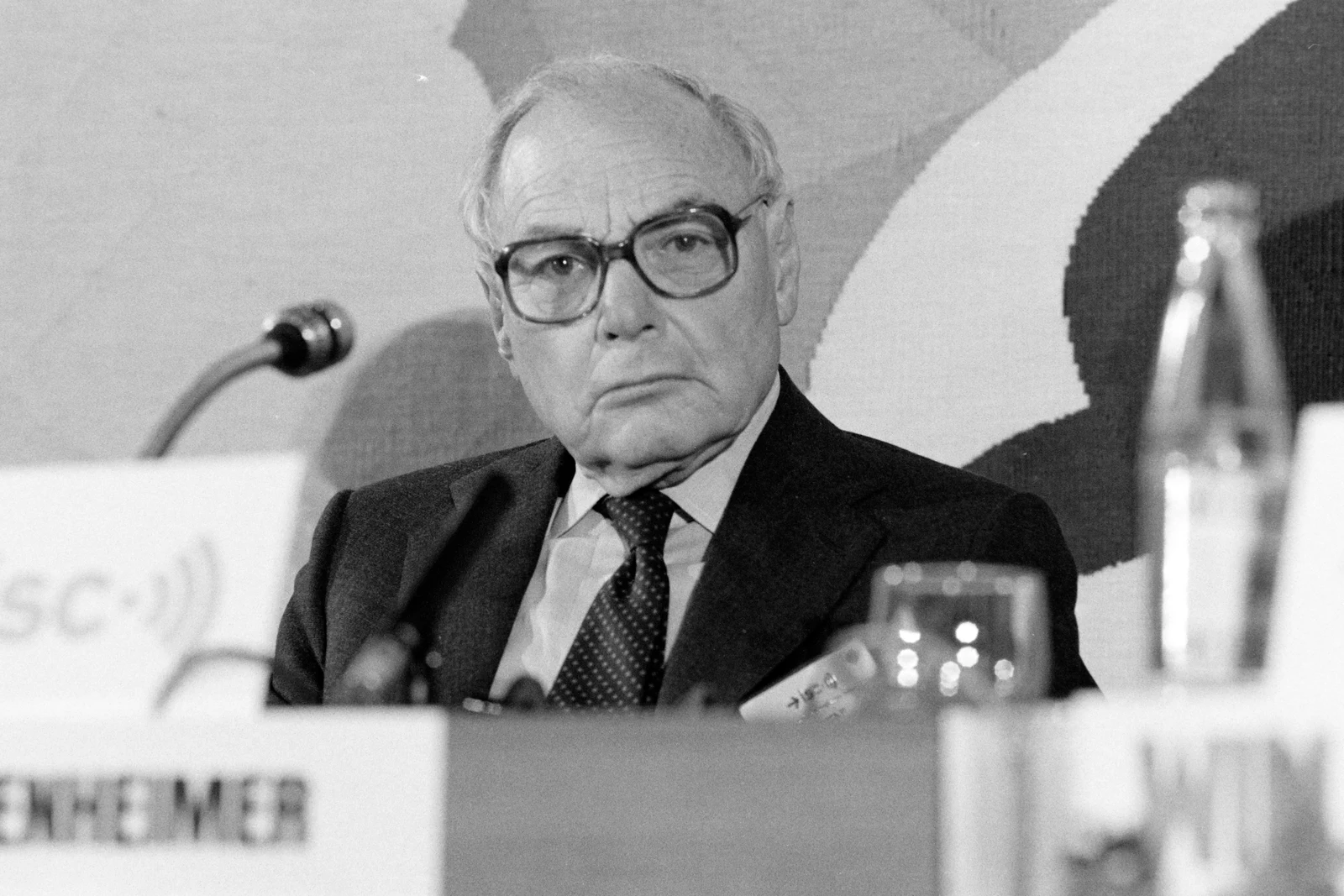
1908–2000
Harry Oppenheimer
Mining industrialist, former parliamentarian and business-reform advocateHarry Oppenheimer inherited a major mining network and expanded its industrial and international reach. Parliamentary service, support for liberal parties and urban reform made him a political actor as well as a corporate leader. His opposition to aspects of apartheid coexisted with qualified-franchise ideas, cheap migrant labour and workers’ challenges to business-led reform.Read biographyQuick answers
Common questions
- Was the Urban Foundation a government housing agency?
- No. It was a privately financed development and policy organisation, without a universal electoral mandate.
- Why do accounts mention both 1976 and 1977?
- The initiative developed in late 1976 and operations began in 1977; the sources use different founding shorthand.
- Did 99-year leasehold mean equal political rights?
- No. Tenure security, ownership, freedom of movement and political representation were distinct matters.
- Did the Foundation alone end influx control?
- No. Its lobbying was one contribution within a much wider political struggle and legislative process.
Primary and institutional sources
How this history was checked
The departing chief executive’s account and selected TRC testimony are read alongside historical and development scholarship and a contemporary union critique. None is a complete institutional audit. A 1976 initiative, 1977 operations, particular tenure changes and democratic political rights remain separate stages and questions. This article was reviewed on 24 October 2026.
- Dan Smit / Transformation 18, 1992The Urban Foundation: Transformation Possibilities, selected printed pages 35–38
- University of the Witwatersrand repositoryChapter seven on South African housing policy: selected Urban Foundation and tenure discussion
- Sam van Coller / Mail & Guardian3 February 1995: the departing chief executive’s account of funding, housing and closure
- Truth and Reconciliation Commission / Department of Justice1997 business hearing: selected Anglo claims, urbanisation discussion and commissioners’ challenges
- Cyril Ramaphosa and Harry Oppenheimer / Weekly Mail archive13 June 1986: contrasting arguments about labour, business and political reform
- Universitätsarchiv St.Gallen / Regina KühneHarry F. Oppenheimer, 13th International Management Symposium, 1983, HSGN 028/00544
- Universitätsarchiv St.GallenArchive’s explicit rights declaration and CC BY-SA 4.0 release
- Creative CommonsAttribution-ShareAlike 4.0 International