
The short answer
Bessang Pass was not captured in one charge. Filipino regiments fought for five months from the Bitalag road junction through successive ridges toward Cervantes. Their victory on 14 June weakened Japan’s northern Luzon defences and remains one of the clearest examples of Filipino combat leadership in the liberation campaign.
Chronology
A timeline of the turning points
The Bitalag line is attacked
Elements of the 121st Infantry struck a Japanese outpost at the junction leading east toward Bessang Pass.
Bitalag is captured
The first fortified position fell after four days, opening a long and difficult advance along Route 4.
San Fernando is liberated
USAFIP–North Luzon forces secured the La Union capital and shifted more effort toward the mountain approaches.
Ridges and strongpoints slow the advance
The 121st Infantry and supporting units fought through fortified terrain as rain, supply limits and repeated counterattacks delayed progress.
A Japanese counterattack pushes the line back
The 73rd Infantry counterattacked and forced parts of the 121st from recently gained positions.
A renewed three-regiment attack begins
The 121st, 15th and 66th Infantry regiments advanced across separate axes with artillery and air support.
The last ridge system is reduced
Filipino units cleared Magun Hill and the Cadsu ridges as the final assault closed on the pass.
The pass falls and Cervantes is secured
The 121st overran the remaining organised defence on 14 June, and the 15th Infantry entered Cervantes the next day.
Where is Bessang Pass, and why did it matter?
Bessang Pass lies on the mountain route east from the Ilocos coast toward Cervantes and the Cordillera. Japanese forces fortified the approaches as part of the wider defence protecting General Tomoyuki Yamashita’s remaining positions in northern Luzon.
Capturing the pass would open the route to Cervantes, threaten the western side of the Japanese mountain redoubt and prevent those troops from moving freely toward the coast. Terrain made the narrow road and surrounding ridges as important as the pass itself.
Who fought at Bessang Pass?
The main attacking force was United States Army Forces in the Philippines–North Luzon, or USAFIP–NL. Its 121st, 15th, 66th, 11th and 14th infantry regiments and supporting Filipino engineer, signal, medical, quartermaster and artillery units all contributed to the wider campaign.
The 121st supplied the largest number of troops in the pass operation. U.S. Army artillery, marine and army aircraft and other support units also assisted. The command name can make the force sound predominantly American, but its combat manpower was overwhelmingly Filipino.
Bitalag was the beginning, not the pass itself
The National Historical Commission dates the campaign from the assault on Bitalag on 8 January. That road junction was a Japanese outpost west of Bessang Pass. Its capture opened the route but did not produce a rapid breakthrough.
For months the attackers advanced from one position to another along Route 4. Treating every action as “Bessang Pass” simplifies the geography; treating the battle as only the final 14 June assault hides the long campaign that made it possible.
Terrain and supply shaped the battle
Steep ridges, forest, narrow tracks and prepared positions limited visibility and channelled movement. Rain and distance complicated the delivery of ammunition, food and medical care. Units could seize a hill and still remain exposed to fire from the next ridge.
Japanese defenders used caves, reverse slopes and counterattacks. Filipino troops often carried supplies by hand and moved through country where vehicles could not operate, turning logistics into a direct part of combat.
Why did the final June offensive succeed?
The renewed attack placed three regiments across a broader front. Close artillery concentrations and air support helped reduce positions while the 121st, 15th, 66th and a provisional battalion pressed from different directions.
By 14 June the 121st overran the last organised defences at the pass and linked with forces approaching from the other side. Japanese remnants withdrew toward Cervantes, which the 15th secured on 15 June.
How many casualties were there?
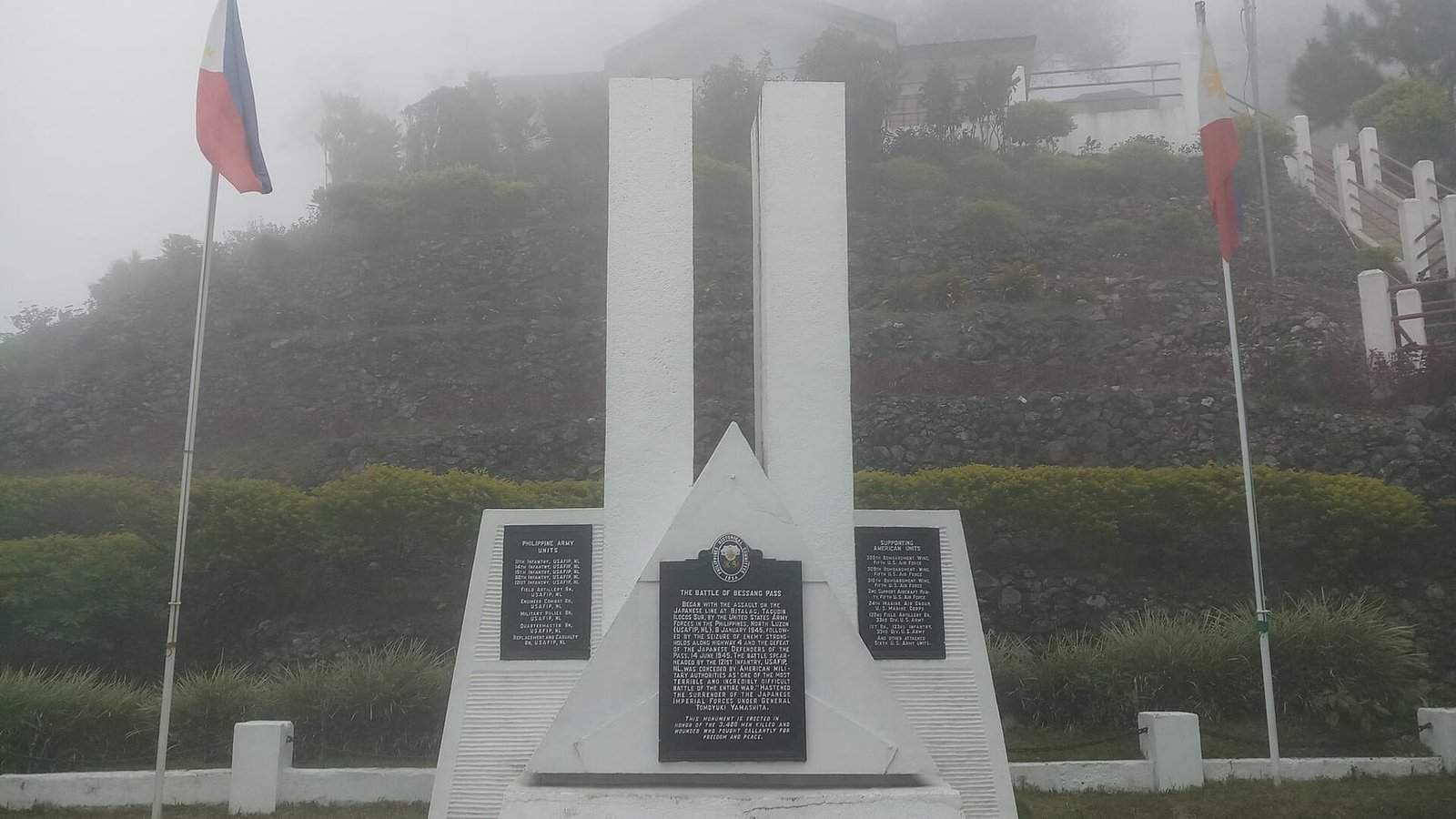
The historical marker at Bessang Pass commemorates approximately 3,400 men killed and wounded. That is a combined casualty figure, not a death toll. PVAO and U.S. Army histories use nearby totals because unit reports and campaign boundaries differ.
More than 900 Filipino soldiers are commonly identified among the dead in the wider operation. Giving killed and wounded as separate categories matters: collapsing both into “3,400 killed” would greatly overstate the number of deaths.
Did Bessang Pass cause Yamashita’s surrender?
The victory weakened the western edge of the Japanese northern redoubt and tightened pressure on forces withdrawing into the Cordillera. It also freed Allied commanders from committing a full U.S. division to the Ilocos coastal advance.
Yamashita did not surrender immediately after 14 June. Fighting and isolation continued until Japan’s national surrender in August and his formal capitulation in September. Bessang Pass hastened the military collapse; it was not the only cause.
Why is the battle important in Philippine memory?
Bessang Pass is remembered as a major victory won principally by Filipino soldiers in a campaign still often narrated through American generals. The memorial lists Philippine Army regiments alongside supporting American units, preserving that balance in stone.
The battle also makes northern Luzon’s diversity visible. Lowland and Cordillera communities supplied fighters, carriers, guides, food and intelligence. Their service cannot be reduced to a single ethnic or national label.
Continue the chronology
Related history guides
The Liberation of Panay
Compare the northern mountain offensive with a guerrilla-led island campaign.
Read the timeline20 October 1944The Leyte Landing
Begin with the major return that opened the wider liberation campaign.
Read the timeline3 February–3 March 1945The Battle of Manila
Contrast a mountain campaign with the destructive urban battle for the capital.
Read the timelineFifteen sourced livesPhilippine Liberation and Resistance
Meet intelligence agents, commanders and organisers from across the archipelago.
Read the timelineConnected biographies
Four lives connecting northern Luzon resistance and national defence
1920—2016
Magdalena Leones
Wartime intelligence agent and Silver Star recipientA wartime special agent who repeatedly crossed Japanese-held territory with intelligence and critical supplies for guerrilla forces in northern Luzon.Read biography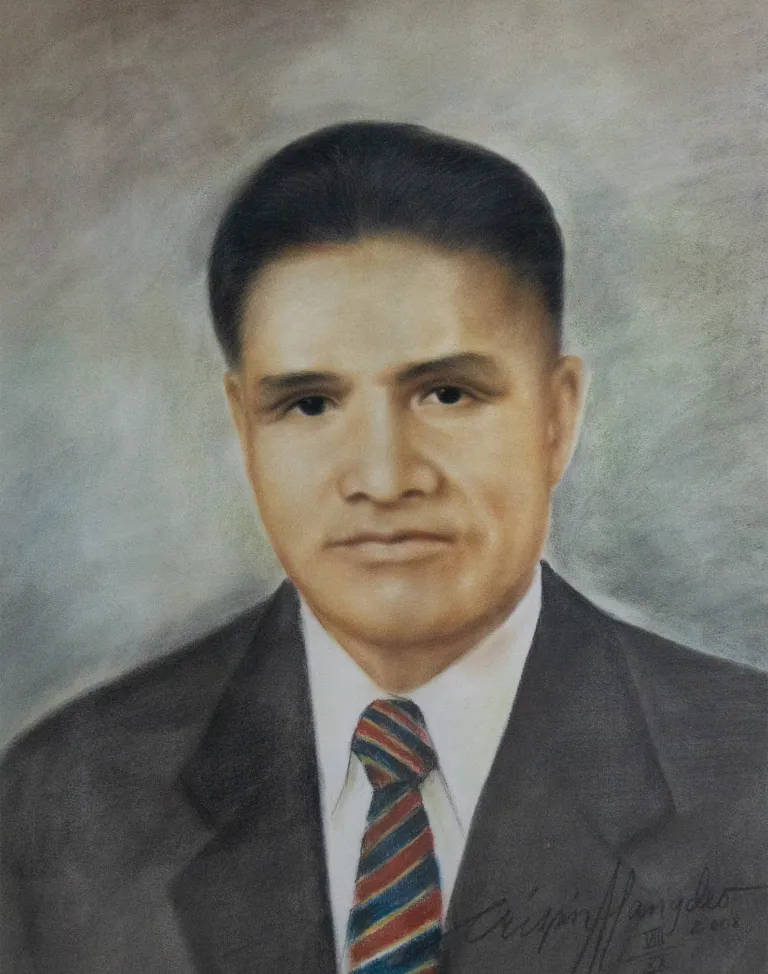
1905—1976
Bado Dangwa
Transport entrepreneur, guerrilla officer and governorA self-taught mechanic and transport entrepreneur whose wartime service with northern Luzon guerrillas preceded a decade in provincial government.Read biography
1914—1971
Jesús Villamor
Fighter pilot and Allied intelligence officerA pioneering Philippine Army Air Corps pilot who fought in the opening campaign and then led a clandestine intelligence mission linking guerrillas to Allied headquarters.Read biography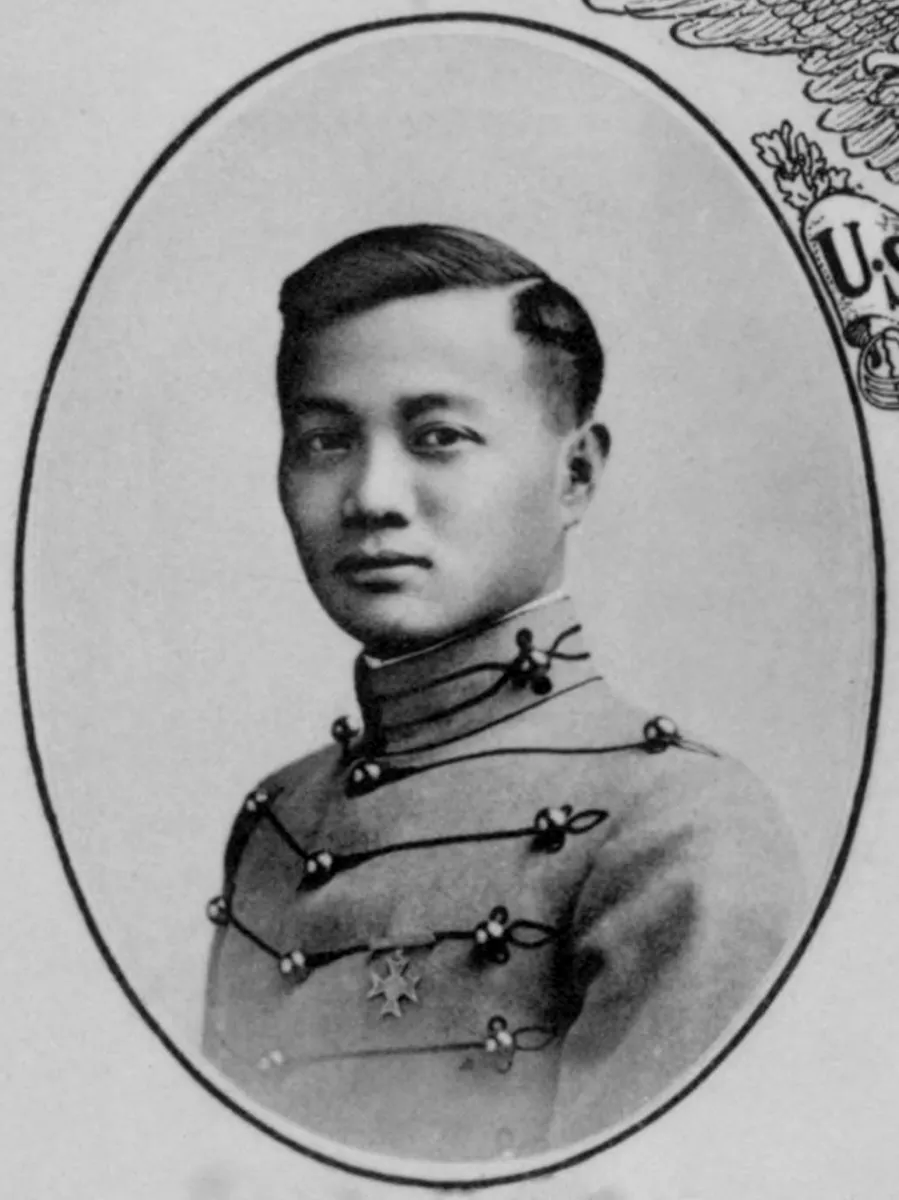
1888—1944
Vicente Lim
Brigadier general and guerrilla organiserThe first Filipino graduate of West Point, a 41st Division commander in Bataan and a guerrilla organiser executed by Japanese forces in Manila.Read biographyQuick answers
Common questions
- When was the Battle of Bessang Pass?
- The official historical marker dates the campaign from the attack at Bitalag on 8 January to the defeat of the pass’s organised defences on 14 June 1945.
- Who won the Battle of Bessang Pass?
- USAFIP–North Luzon, a force composed overwhelmingly of Filipino soldiers and guerrillas with American artillery and air support, defeated the Japanese defenders.
- Which Filipino units fought at Bessang Pass?
- The 121st, 15th, 66th, 11th and 14th Infantry regiments and several supporting units contributed to the campaign. The 121st had the largest number engaged in the pass operation.
- How many people were killed at Bessang Pass?
- The memorial records about 3,400 killed and wounded combined, not 3,400 deaths. More than 900 Filipino soldiers are commonly counted among those killed in the wider operation.
- Where is Bessang Pass?
- It is in Cervantes, Ilocos Sur, on the mountain route from the western Luzon coast into the Cordillera.
- Why was Bessang Pass important?
- Its capture opened the road to Cervantes, weakened Japanese positions protecting the northern mountain redoubt and helped contain Yamashita’s remaining forces.
Primary and institutional sources
How this history was checked
Dates, legal milestones and historical claims are checked against the official and institutional records below. This article was reviewed on 9 September 2026.
- National Historical Commission of the PhilippinesThe Battle of Bessang Pass historical marker
- National Historical Commission of the PhilippinesThe Bitalag Road Junction historical marker
- Philippine Veterans Affairs OfficeThe Battle of Bessang Pass
- U.S. Army Center of Military HistoryTriumph in the Philippines
- Wikimedia CommonsBessang Pass monument photograph and licence