
The short answer
The external events of a day provide a frame; memory and perception continually exceed it. Following those two kinds of time makes Woolf’s novel easier to navigate.
Chronology
A timeline of the turning points
The Voyage Out
Woolf’s first novel preceded the formal experiments of the 1920s.
Mrs Dalloway
A London day becomes the frame for memories and intersecting lives.
To the Lighthouse
Woolf continued to explore time and human relationships through another novel’s form.
A different kind of argument
A Room of One’s Own addresses the conditions of writing in essay form.
Keep the public day and remembered time together
Mrs Dalloway was published in 1925. Clarissa Dalloway prepares for an evening party during a day in London, but the novel does not confine itself to the events that can be placed on that day’s timetable. The opening errand immediately brings an earlier morning at Bourton into the present. Memory enters through sensation, association and unfinished feeling rather than through a formally announced historical chapter.
Big Ben supplies an audible public measure of time. A remembered exchange has a different duration: a few words can draw years into the space of an ordinary walk. For a first reading, note where a character physically is before following a memory. On returning to the street or room, ask what has changed emotionally even if very little external time has passed.
Whose attention organises this sentence?
The opening also moves from Clarissa’s experience to another person’s impression of her. That small change is a useful model for the book’s wider movement among minds. A character is never exhausted by what someone else can see. The same city contains private fears and desires that are only partly visible in conversation or public behaviour.
Instead of treating every sentence as an authoritative judgement from Woolf herself, ask whose vocabulary, memory or feeling seems to colour it. Pronouns, names and physical surroundings help identify a shift. The term stream of consciousness is useful as an introduction, but it should lead to close attention rather than replacing it. The British Library places Woolf within a wider modernist effort to find forms suited to an unstable and fragmented experience of modern life.
Septimus and Rezia bring the war into the day
Septimus Warren Smith’s experience prevents the London setting from becoming only a society hostess’s world. His wartime history and grief for Evans enter a city that otherwise appears to have resumed its ordinary routines. Rezia’s perspective matters too: she is a person attempting to live with and help her husband, rather than merely a device for displaying his suffering.
Selected passages show a painful contrast between intellectual capacity and the inability to feel connected to life. The novel also questions the authority of the doctors who respond to him. Calling this war trauma is useful historical orientation; assigning a precise modern diagnosis would go beyond literary description. His death becomes known at Clarissa’s party, connecting lives that have not formed a conventional social relationship. The event is best discussed without graphic detail.
Read the party as a meeting of unequal worlds
Clarissa’s memories of Peter Walsh and Sally Seton bring alternative possibilities into the life she has chosen. Her social position supplies opportunities, but it does not remove uncertainty about intimacy, ageing and the meaning of a life. The party gathers people physically while leaving differences in what they know and feel. Being in the same room does not guarantee mutual understanding.
Try following one ordinary detail across the novel: a sound, a remembered phrase or the impression made by a passer-by. It can connect public space with private association without becoming a fixed symbol with only one meaning. Then compare Clarissa’s response with another person’s. This approach keeps the formal experiment attached to human relationships, including the class differences that make experiences of the same London day profoundly unequal.
Continue the chronology
Related history guides
Biography context
Explore United Kingdom through connected lives
Connected biographies
Two approaches to interwar storytelling
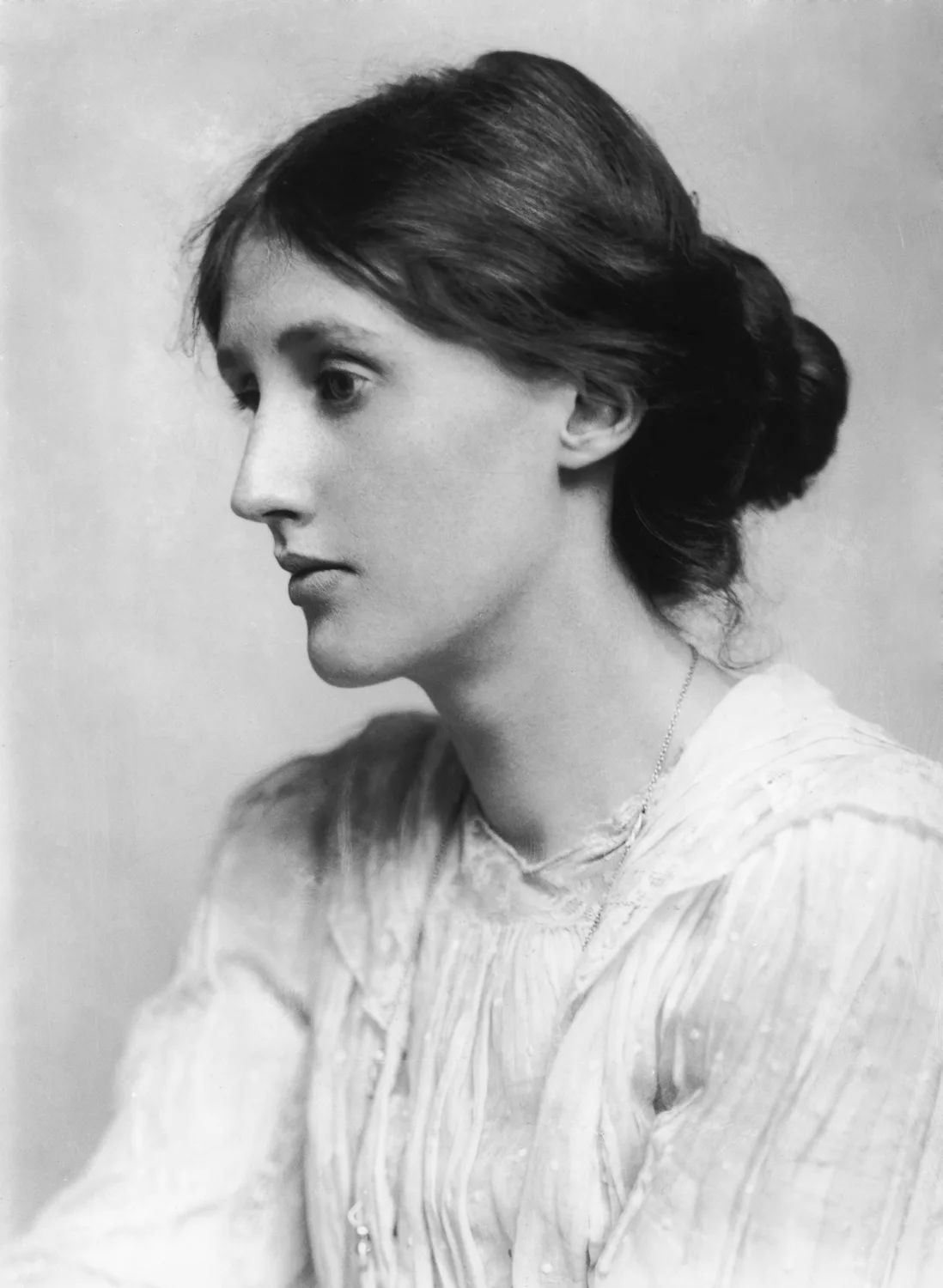
1882–1941
Virginia Woolf
Novelist, essayist, critic and publisherVirginia Woolf was an English novelist, critic and publisher whose experiments with consciousness and time changed modern fiction and feminist literary argument.Read biography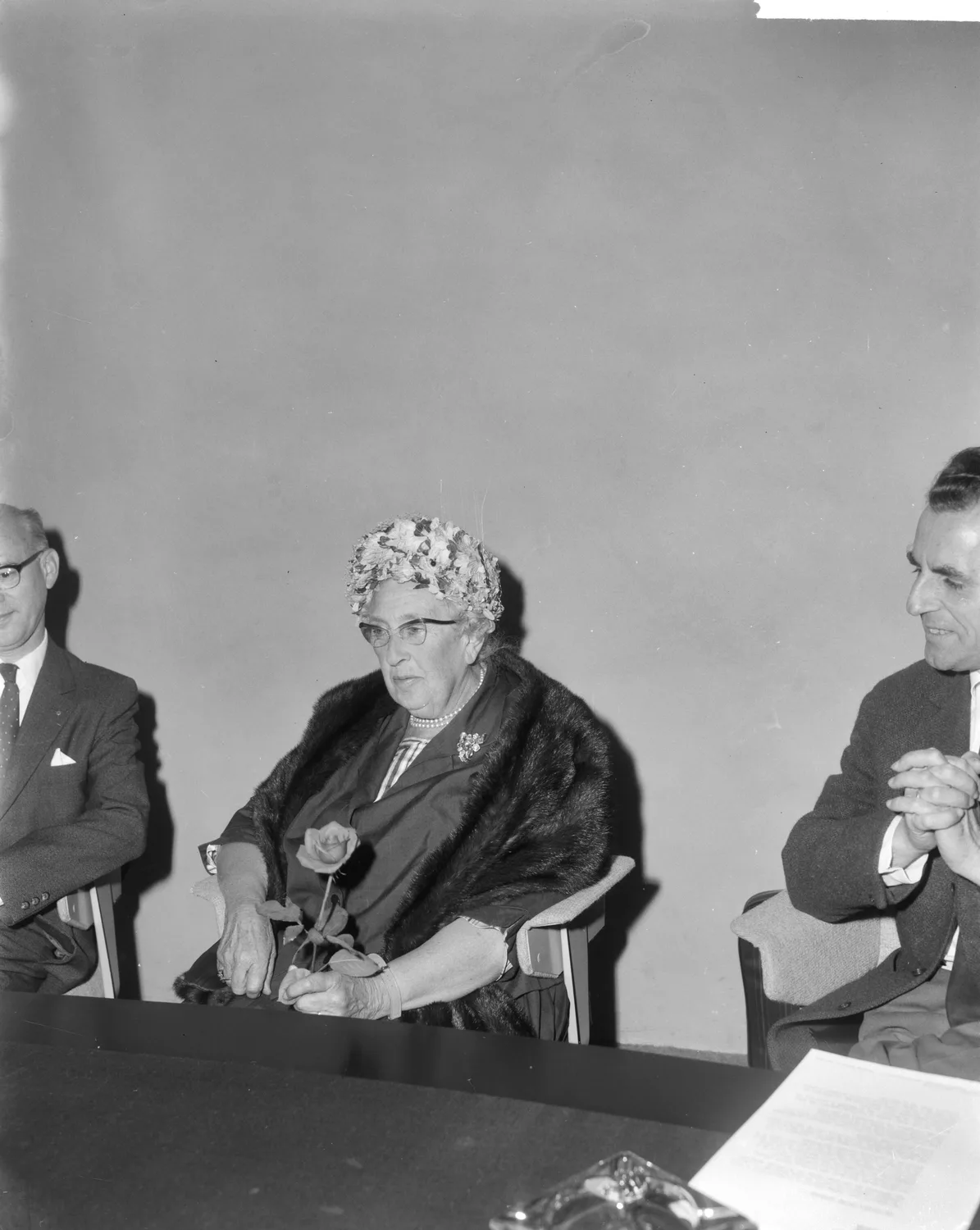
1890–1976
Agatha Christie
Crime novelist, playwright and writer as Mary WestmacottAgatha Christie was an English writer whose Poirot and Marple mysteries, psychological novels and plays made detection a lasting form of popular storytelling.Read biographyQuick answers
Common questions
- Does Mrs Dalloway take place entirely in one day?
- The main external frame is a London day ending in an evening party. Memories and associations repeatedly bring earlier times into that frame.
- Is every thought Clarissa’s?
- No. The narrative moves among several perspectives, and a person can also appear as someone else sees them.
- Does Clarissa personally know Septimus?
- No. News of Septimus’s death reaches Clarissa through guests at her party and connects their stories without a personal meeting.
- Should I read A Room of One’s Own first?
- It is not a prerequisite. That later essay asks about the material conditions of writing; Mrs Dalloway asks readers to experience lives through a novel’s changing perspectives.
Primary and institutional sources
How this history was checked
Read limits: selected opening and Septimus/Rezia passages in Project Gutenberg’s transcription of an American edition were read alongside the British Library’s contextual account. This is not a complete novel, manuscript or edition review; the Library’s embedded video was not viewed. Reading prompts are interpretive aids, and no retrospective medical diagnosis is claimed. This article was reviewed on 23 October 2026.
- British LibraryVirginia Woolf’s Mrs Dalloway: author, manuscript, modernism and narrative perspectives
- English HeritageVirginia Woolf: London addresses, Bloomsbury, first novel and criticism
- University of St AndrewsThe Virginia Woolf letters: Hogarth Press and the Kirkpatrick collection, 2016
- National TrustThe history of Monk’s House: Virginia and Leonard Woolf
- National Trust / Abigail Green, University of OxfordJewish stories at country houses: Leonard Woolf and Virginia’s antisemitic prejudice
- Newnham College / Rosa CampbellVirginia Woolf: 1928 lectures, college archives and the politics of access
- Girton CollegeStudent experience: Woolf’s October 1928 visit and the revised book
- Virginia Woolf / Project GutenbergMrs Dalloway: selected opening and Septimus passages in an American-edition transcription
- Virginia Woolf / WikisourceA Room of One’s Own, Hogarth 1929, Chapter 1: selected opening, narrator and institutional scenes
- Virginia Woolf / WikisourceA Room of One’s Own, Hogarth 1929, Chapter 3: selected Judith Shakespeare passage
- British Library ShopA Room of One’s Own: edition based on the October 1929 Hogarth text
- George Charles Beresford / Wikimedia CommonsExact original 1902 portrait, creator dates, file history and public-domain tags
- Wikimedia CommonsComplete original portrait, not the restoration derivative