
The short answer
The Waverley expansion was not a single brewery founded in one decisive moment. An inherited name, acquired equipment, family property and an operational move came together over several years. Separating those elements explains how a group of assets became a manufacturing organisation—and why 1900, 1901 and 1906 answer different historical questions.
Chronology
A timeline of the turning points
An earlier brewery
The Adelaide Brewery begins near Edgecliff Road, before the Resch purchase.
An existing business acquired
Resch buys the Allt’s operation he had managed.
Different assets assembled
Brewing plant and stock are bought; Caroline separately acquires the Waterloo property.
Operations combined
The ANU history dates centralisation at Dowling Street to this month.
Incorporation follows
The incorporated company succeeds an already operating enterprise.
The Waverley name had a history before Resch
Woollahra’s local history dates the Adelaide Brewery near Edgecliff Road to 1874, under Simms, Chapman and Gleeson. Later owners gave it the Waverley name. Resch’s 1897 purchase therefore brought him into a pre-existing business, rather than making him the originator of every part of its identity.
That inherited identity was an asset in its own right. A brewery could retain a familiar name while changing owner, location and equipment. Following the name alone would blur these changes; following a particular building alone would miss the commercial organisation that could move elsewhere. The expansion involved both continuity and a significant rearrangement of production.
Sources for this section: [2]
Buying production assets was different from acquiring the site
The ANU corporate history separates the 1900 purchase of New South Wales Lager Bier plant and stock from Caroline’s purchase of a large Dowling Street property. These were related steps, but not the same transaction or the work of a single unnamed purchaser.
Equipment could increase productive capacity only if it could be housed, connected and operated. Property supplied a setting in which a combined undertaking could be organised; stock supplied something different again. Recognising Caroline’s documented role is therefore more than a biographical courtesy. It changes the explanation of how the business assembled the resources needed to expand.
Sources for this section: [1]
The operational move gives January 1901 its particular meaning
The archival account dates centralisation at Waterloo to January 1901. The City’s broader park history describes the new complex by 1900. These accounts can be read at their respective levels of detail: assembling and building a site is not identical to bringing combined operations into use.
This is why the acquisition year does not need to become an invented opening-day claim. Concentrating previously separate interests could change the organisation of work, maintenance and distribution, but the sources reviewed do not quantify resulting savings. The supported conclusion is narrower and more useful: assets acquired in the expansion were brought together in an identifiable manufacturing location.
A larger plant still needed repeatable brewing knowledge
Powerhouse’s curatorial account identifies consistency and spoilage as important problems in Australian brewing around the turn of the century. It also records Arnold Resch’s overseas scientific training. This places the family enterprise within a technical transition, rather than treating a larger site as sufficient explanation of product quality.
Centralisation and scientific control addressed different questions. One concerned where resources were combined; the other concerned what happened repeatedly inside the production process. The collection’s thesis belongs to Carl, Arnold’s cousin, not to Edmund senior. It illuminates a wider industry and family trajectory without proving that one acquisition immediately solved every manufacturing problem.
Sources for this section: [4]
Incorporation and the brand’s later life were separate transformations
Resch’s Ltd was incorporated in July 1906, after the consolidated operation was already working. Legal incorporation did not mark the first brewing on either the inherited or the new site. Later ownership changed again after the founder’s death, while the beer name survived.
The City records the eventual closure and redevelopment of the industrial land and the opening of the reserve in 1996. A brand, a company and a place consequently have overlapping but different lifetimes. The expansion’s historical importance lies in their temporary alignment at Waterloo, not in a claim that the same family business, factory and ownership continued unchanged whenever the Resch name appeared.
Continue the chronology
Related history guides
Manufacturing beyond the founder’s story
Compare factory organisation with the distinct legal and social questions surrounding industrial production.
Read the timeline1809–1817Family assets and business control
Compare property, control and continuity without reducing a woman’s role to a founder’s surname.
Read the timelineBiography context
Explore Waterloo, Sydney, New South Wales, Australia through connected lives
Connected biographies
The proprietor within a wider manufacturing organisation
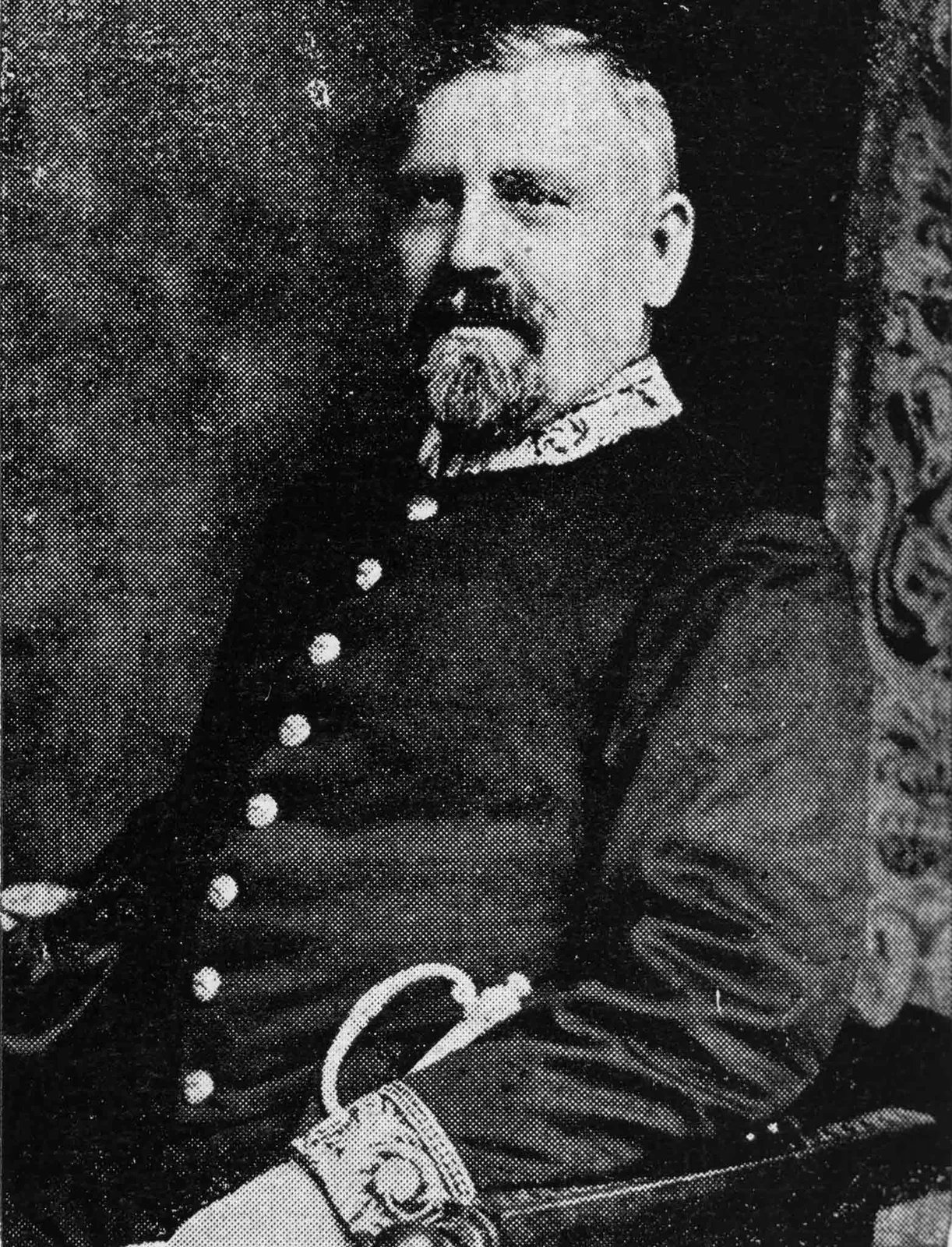
1847–1923
Edmund Resch
Brewer and beverage manufacturerEdmund Resch moved from mining and hotelkeeping into regional beverage production before building a larger Sydney brewing enterprise. Acquisitions, family property and technical knowledge all contributed to its growth. His later internment exposes the limits of commercial standing and public service as protection against wartime hostility to German-born residents.Read biographyQuick answers
Common questions
- Was Waverley Brewery first created by Resch?
- No. The earlier business and its Waverley name predated his ownership.
- Does 1900 describe the combined plant’s opening?
- It describes the acquisitions in this account; the archival history dates centralisation to January 1901.
- Was incorporation the beginning of all brewing activity?
- No. The July 1906 incorporation came after the operating business and its relocation.
- Is the historical portrait a photograph of the plant?
- No. It identifies the proprietor; the business chronology comes from the cited institutional histories.
Primary and institutional sources
How this history was checked
The ANU authority-record history supplies the asset and operational sequence, not a review of its deposited ledgers. Woollahra establishes the earlier brewery and name; the City supplies the later site history. Powerhouse’s selected curatorial account provides technical context, not proof of particular production savings or a review of Carl Resch’s thesis. The portrait’s separate provenance establishes identity and dated publication, not the transactions described. This article was reviewed on 24 October 2026.
- Australian National University ArchivesResch’s Limited: corporate authority-record history, entered from deposit description in 2011
- Woollahra Municipal CouncilLocal history fast facts: Adelaide Brewery and the earlier Waverley name
- City of Sydney18 May 2020: Edmund Resch Reserve history and exact Cyclopaedia portrait caption
- Charles Pickett / Powerhouse CollectionObject 97/257/1-2: selected curatorial account of brewing science and the Resch family
- Blue Mountains Library catalogueThe Cyclopedia of N.S.W.: actual title entry expressly records publication in 1907
- Wikimedia CommonsPD-Australia: photographic copyright-expiry scope and territorial caveats
- Wikimedia CommonsPD-US-expired: publication-based US term-expiry scope