
The short answer
Two grenades transformed an opposition campaign rally into one of the defining acts of political violence before martial law. The attack is historically certain; the responsibility for ordering it remains contested. Its immediate consequences—death, injury, emergency power and a changed election—can be documented without turning allegation into fact.
Chronology
A timeline of the turning points
The Liberal Party gathers at Plaza Miranda
Candidates and supporters assembled in Quiapo for the opposition party’s proclamation rally before the November elections.
Two grenades strike the stage
Explosions killed spectators and seriously wounded nearly all the principal candidates on the platform.
Marcos announces suspension of the writ
Proclamation No. 889 suspended the privilege of habeas corpus in cases connected to insurrection and rebellion.
The suspension is narrowed in stages
Amending proclamations restored the privilege in many provinces and cities while litigation reached the Supreme Court.
Opposition candidates win six Senate seats
Public sympathy and anger helped the Liberal slate recover electorally despite the attack.
Lansang v. Garcia is decided
The Supreme Court reviewed the factual basis for Proclamation No. 889 and declined to invalidate the suspension.
What happened at Plaza Miranda?
On the evening of 21 August 1971, the Liberal Party held a proclamation rally in Plaza Miranda, the civic space outside Quiapo Church in Manila. The party’s Senate candidates and local leaders were gathered on a raised platform before a large crowd.
Two hand grenades were thrown toward the stage at about nine o’clock. The blasts killed people in and around the rally and wounded nearly all the leading candidates present, including Jovito Salonga, Gerardo Roxas, Eva Estrada Kalaw and Sergio Osmeña Jr.
How many people were killed or injured?
Later Senate commemorations record nine deaths and 95 people injured. The Supreme Court’s contemporary account in Lansang v. Garcia, written within months of the attack, recorded eight deaths and many injuries. The difference likely reflects the timing and later consolidation of casualty records.
This guide uses nine deaths and 95 injuries when presenting the commonly cited official total, while preserving the earlier judicial count rather than hiding a source discrepancy. Casualty numbers describe people, not just statistics: spectators, campaign workers, politicians and family members carried the physical consequences for decades.
Who was targeted?
The attack struck the principal opposition party while it was presenting candidates for the 8 November election. Liberal Party president Gerardo Roxas, Senate candidates and guests were exposed together on the platform. Benigno Aquino Jr., the party’s secretary-general, was not present when the grenades exploded.
Several survivors later became central figures in opposition to martial law. Salonga carried severe injuries into another Senate victory; Kalaw became the first woman reelected to the chamber; and Roxas continued leading the Liberal Party after Congress was closed.
Why did Marcos suspend the privilege of habeas corpus?
Proclamation No. 889 was dated the day of the bombing and announced on 23 August. It described armed insurrection and treated the attack as the latest evidence of a broader threat, allowing detention without the ordinary requirement to bring a prisoner promptly before a court in covered cases.
The government attributed the security crisis to communist insurgency. Critics argued that the suspension enabled arrests of activists and weakened civil liberties. Amendments soon limited its geographic reach, but the measure demonstrated how a violent event could rapidly expand executive power.
What did Lansang v. Garcia change?
Detainees challenged the suspension before the Supreme Court. In Lansang v. Garcia, the Court examined information supplied to the president and held that judicial review could test whether a suspension had sufficient factual basis—a significant departure from treating the issue as entirely political.
The Court nevertheless concluded that Marcos had not acted arbitrarily in issuing Proclamation No. 889. The ruling therefore combined a longer-term principle of review with an immediate decision that left the challenged executive action standing.
Who ordered the bombing?
Responsibility remains disputed. The Marcos government initially blamed communist forces, while opposition leaders suspected an administration provocation. Later testimony by former communist cadres revived claims that the Communist Party leadership planned the attack, but no final criminal judgment established a complete chain of command.
A source-led account should distinguish allegation from proof. What is certain is the attack, its casualties, the government’s suspension of the writ, the opposition’s electoral gains and the bombing’s later use in competing explanations of why constitutional government collapsed.
Why did the bombing matter on the road to martial law?
The bombing did not make martial law inevitable. It did, however, intensify fear, polarisation and acceptance of emergency measures. It also gave both government and opposition powerful narratives about political violence and the future of legal dissent.
Thirteen months later, Marcos imposed martial law nationwide. The memory of Plaza Miranda became inseparable from that later rupture because many of its survivors were detained, exiled or forced into constrained political activity after the Senate they had just won seats in was closed.
Continue the chronology
Related history guides
The First Quarter Storm
Begin with the mass protest wave and civil-liberties conflict of the previous year.
Read the timeline1967–1972The 1971 Constitutional Convention
Follow constitutional reform as violence and emergency measures narrowed political space.
Read the timeline1972–1986The Marcos Martial Law Era
Continue to the national proclamation, institutional closure and documented violations.
Read the timelineTwenty-four sourced livesDemocracy, Dictatorship and Restoration
Meet survivors, lawyers, candidates and activists across the constitutional rupture.
Read the timelineConnected biographies
Five opposition lives shaped by the bombing and its aftermath
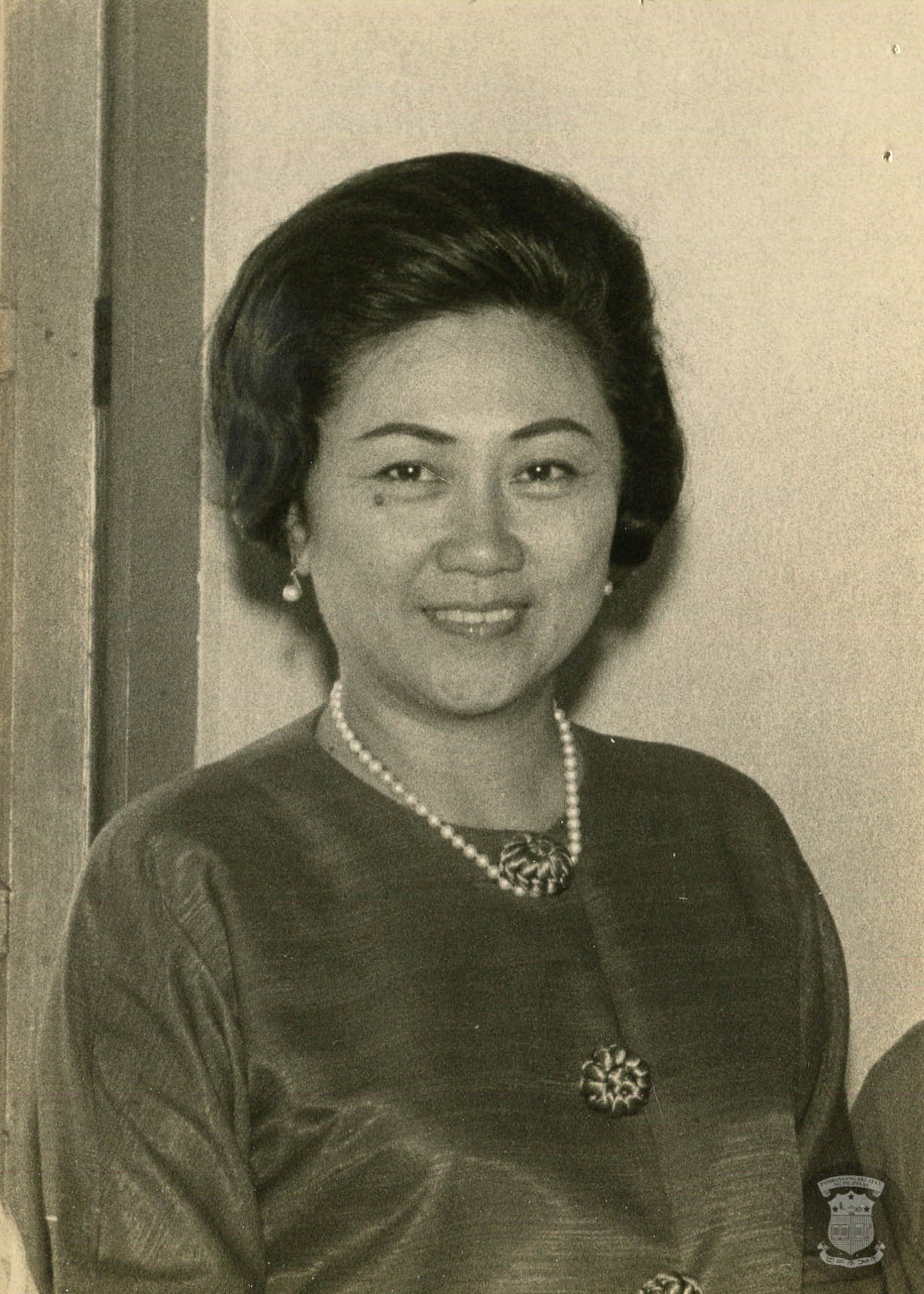
1920—2017
Eva Estrada Kalaw
Senator, educator and opposition leaderAn educator and civic organiser who served in the Senate from 1965 until its closure, survived Plaza Miranda and helped organise electoral opposition under martial law.Read biography
1920—2016
Jovito Salonga
Opposition senator and post-EDSA Senate presidentA Filipino lawyer, opposition leader and statesman who survived wartime imprisonment and the Plaza Miranda bombing before helping rebuild the Senate after EDSA.Read biography
1924—1982
Gerardo “Gerry” Roxas
Senator and Liberal Party opposition leaderA representative, senator and Liberal Party president who survived the Plaza Miranda bombing and worked for democratic restoration until his death in 1982.Read biography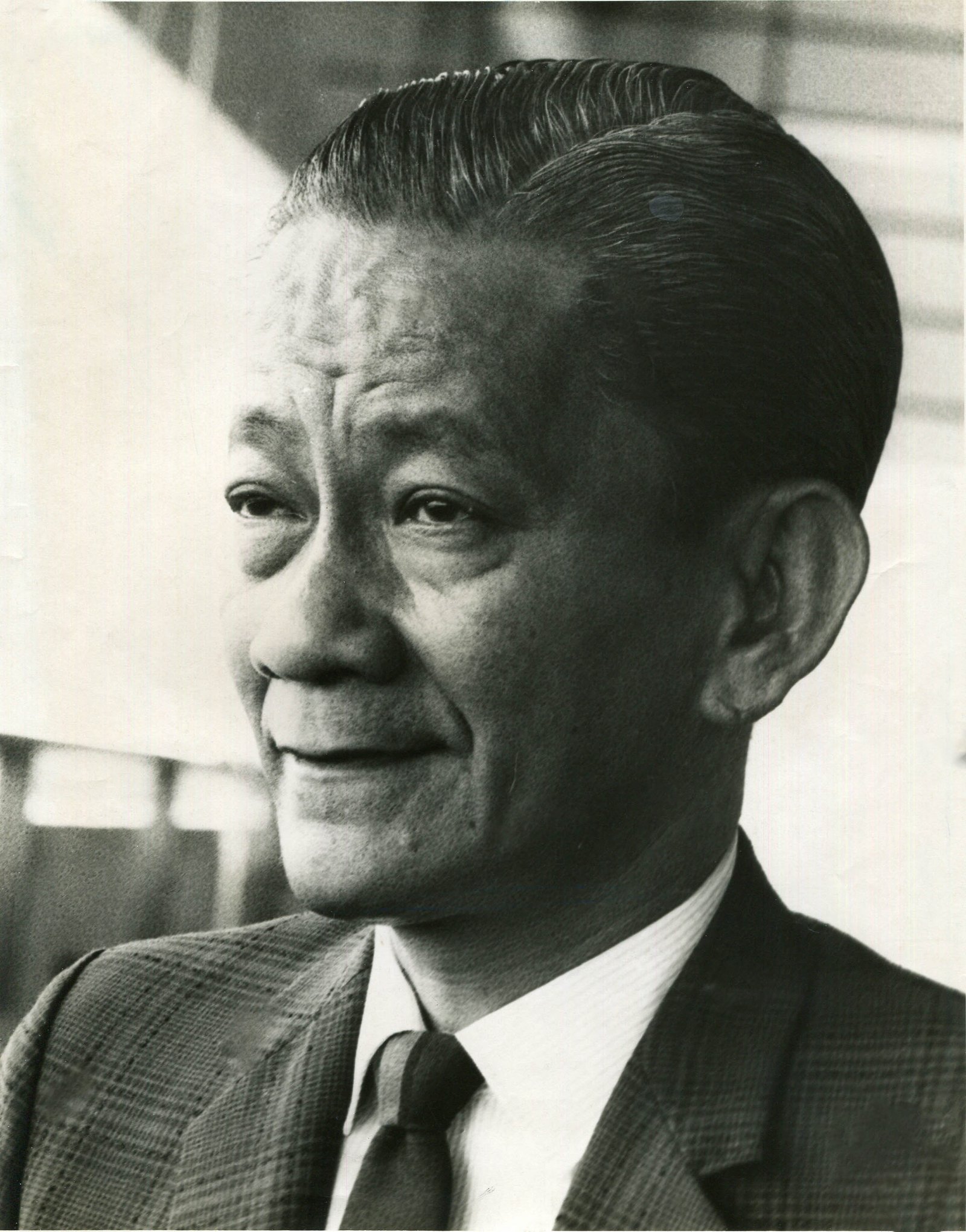
1916—1984
Sergio Osmeña Jr.
Senator, Cebu leader and 1969 presidential candidateA Cebu governor, mayor and senator who became the Liberal Party challenger to Ferdinand Marcos in the 1969 presidential election.Read biography
1932—1983
Benigno Aquino Jr.
Senator and opposition leaderThe senator known as Ninoy whose imprisonment, exile and assassination on returning to Manila transformed opposition to Ferdinand Marcos.Read biographyQuick answers
Common questions
- When was the Plaza Miranda bombing?
- The attack occurred at about 9 p.m. on 21 August 1971 during a Liberal Party campaign rally in Quiapo, Manila.
- How many people died in the Plaza Miranda bombing?
- Later Senate commemorations count nine deaths and 95 injuries. The Supreme Court’s contemporary Lansang decision recorded eight deaths, showing that official counts changed as the record developed.
- Which politicians were injured?
- The wounded included Jovito Salonga, Gerardo Roxas, Eva Estrada Kalaw, Sergio Osmeña Jr., John Henry Osmeña, Ramon Mitra Jr. and other candidates and guests.
- Did the Plaza Miranda bombing cause martial law?
- It became an important part of the security crisis and was followed by suspension of the writ of habeas corpus, but martial law came thirteen months later after additional conflict and deliberate political decisions.
- Was anyone conclusively convicted of ordering the bombing?
- No final criminal judgment established a complete chain of command. Competing allegations have blamed the Marcos administration and Communist Party leadership, so responsible history must describe those claims as disputed.
Primary and institutional sources
How this history was checked
Dates, legal milestones and historical claims are checked against the official and institutional records below. This article was reviewed on 9 September 2026.