
The short answer
Indonesia’s National Awakening was not one organisation or ideology. Schools, Islamic associations, unions, socialist networks, newspapers, youth congresses and political parties gradually created the language and institutions of a national movement before Japanese occupation transformed the struggle.
Chronology
A timeline of the turning points
The Ethical Policy is announced
Dutch claims of welfare, irrigation and education expanded limited schooling and produced a new educated public, without ending colonial inequality.
Budi Utomo is founded at STOVIA
Medical students formed an organisation associated with education and Javanese cultural advancement; Indonesia later chose the date as National Awakening Day.
Mass and explicitly political organisations expand
Sarekat Islam grew into a mass movement, Muhammadiyah organised reformist education and the multi-ethnic Indische Partij demanded political equality.
The Indische Partij leaders are exiled
Ki Hajar Dewantara, Douwes Dekker and Tjipto Mangunkusumo were removed after attacking colonial rule and the celebration of Dutch independence.
Taman Siswa opens in Yogyakarta
Ki Hajar Dewantara created a national school network that connected education, local culture and freedom from colonial control.
Revolt, repression and a new nationalist party
Failed communist uprisings brought mass arrests and exile. In 1927 Sukarno and colleagues founded the Indonesian National Party.
The Youth Pledge declares one nation
Youth organisations affirmed one motherland, one nation and Indonesian as a unifying language across regional identities.
Colonial repression removes major leaders
Sukarno was tried and later exiled; Mohammad Hatta and Sutan Sjahrir were detained and sent to Boven Digoel and Banda Neira.
Japanese occupation ends Dutch rule
The colonial state collapsed, but occupation replaced it with military coercion. Nationalist organisation entered a new and morally difficult phase.
What was the Indonesian National Awakening?
The National Awakening describes the early twentieth-century transformation of resistance into modern organisations, newspapers, schools, unions, parties and youth networks. It did not begin everywhere at once, and its participants disagreed over Islam, socialism, nationalism, class and cooperation with the colonial state.
Indonesia officially marks 20 May 1908, the founding date of Budi Utomo, as National Awakening Day. Historians use a wider frame because mass politics, language and an explicit all-Indonesian national claim developed through many organisations over several decades.
Why is Budi Utomo treated as the starting point?
Budi Utomo emerged among students at STOVIA in Batavia and promoted education and cultural improvement. Its early leadership was elite and largely Javanese, and it was not yet a mass independence party.
Its importance lies in organisational form and later memory. A voluntary modern association could connect educated people beyond court and district structures. After independence, the state selected its founding date as a useful national milestone, even though other movements soon built broader memberships and more radical programmes.
How did mass politics change the movement?
Sarekat Islam grew from commercial and community organisation into the first mass political movement in the Indies. Muhammadiyah built schools and social institutions. Socialist and communist organisers developed labour networks, while the Indische Partij advanced a political community not limited to one ethnic group.
These organisations overlapped and split. Arguments about class struggle, Islamic leadership, non-cooperation and constitutional participation were not distractions from nationalism; they were competing answers to what freedom and political representation should mean.
Why did education and print matter?
Schools created by Kartini’s admirers, Muhammadiyah, Taman Siswa and other associations widened the public able to read, organise and imagine a future beyond colonial categories. Newspapers connected cities, translated international events and gave political vocabulary a daily audience.
Ki Hajar Dewantara treated education as freedom practised in the classroom. Kartini’s earlier letters showed how access to learning was inseparable from gender and class. Tan Malaka likewise organised schools for workers’ children, demonstrating that education could serve sharply different political projects.
What did the 1928 Youth Pledge change?
The Youth Pledge did not create diversity or erase regional affiliations. It made a shared political choice: one Indonesian homeland and nation, joined by Indonesian as a common language.
Selecting Malay as Indonesian rather than privileging the language of Java’s largest population gave the national project a more inclusive communications base. The pledge became one of the clearest bridges between youth association and a future sovereign state.
How did repression shape the road to 1942?
The colonial government answered revolutionary and non-cooperative politics with surveillance, trials, imprisonment and internal exile. The 1926–1927 communist revolts were crushed, and leaders including Sukarno, Hatta and Sjahrir were detained or removed from political centres.
Japanese invasion destroyed Dutch rule in 1942 but did not deliver freedom. Occupation mobilised some nationalist leaders, empowered new youth and military networks, and imposed forced labour and severe deprivation. The independence revolution emerged from both the organisational inheritance of the Awakening and the rupture of wartime occupation.
Continue the chronology
Related history guides
The Java War
Start with the largest nineteenth-century war on Java and the later national memory of Diponegoro.
Read the timeline1945–1949Indonesian Independence
Continue from prewar organisation to proclamation, revolution and sovereignty.
Read the timelineEight connected livesIndonesian Independence Leaders
Compare writers, organisers, diplomats and commanders across the long independence movement.
Read the timelineConnected biographies
Six lives connecting education, print, mass politics and the republic

1879—1904
R. A. Kartini
Writer and advocate of women’s educationA Javanese writer whose private correspondence became a foundational archive of women’s education, colonial modernity and social change in Indonesia.Read biography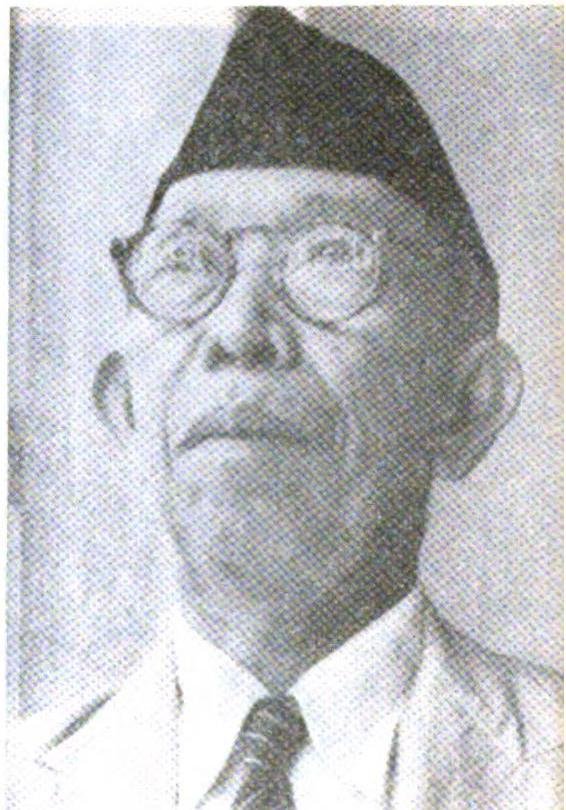
1889—1959
Ki Hajar Dewantara
Education reformer and founder of Taman SiswaA journalist, anticolonial activist and education reformer whose Taman Siswa movement made learning, culture and freedom part of the same national project.Read biography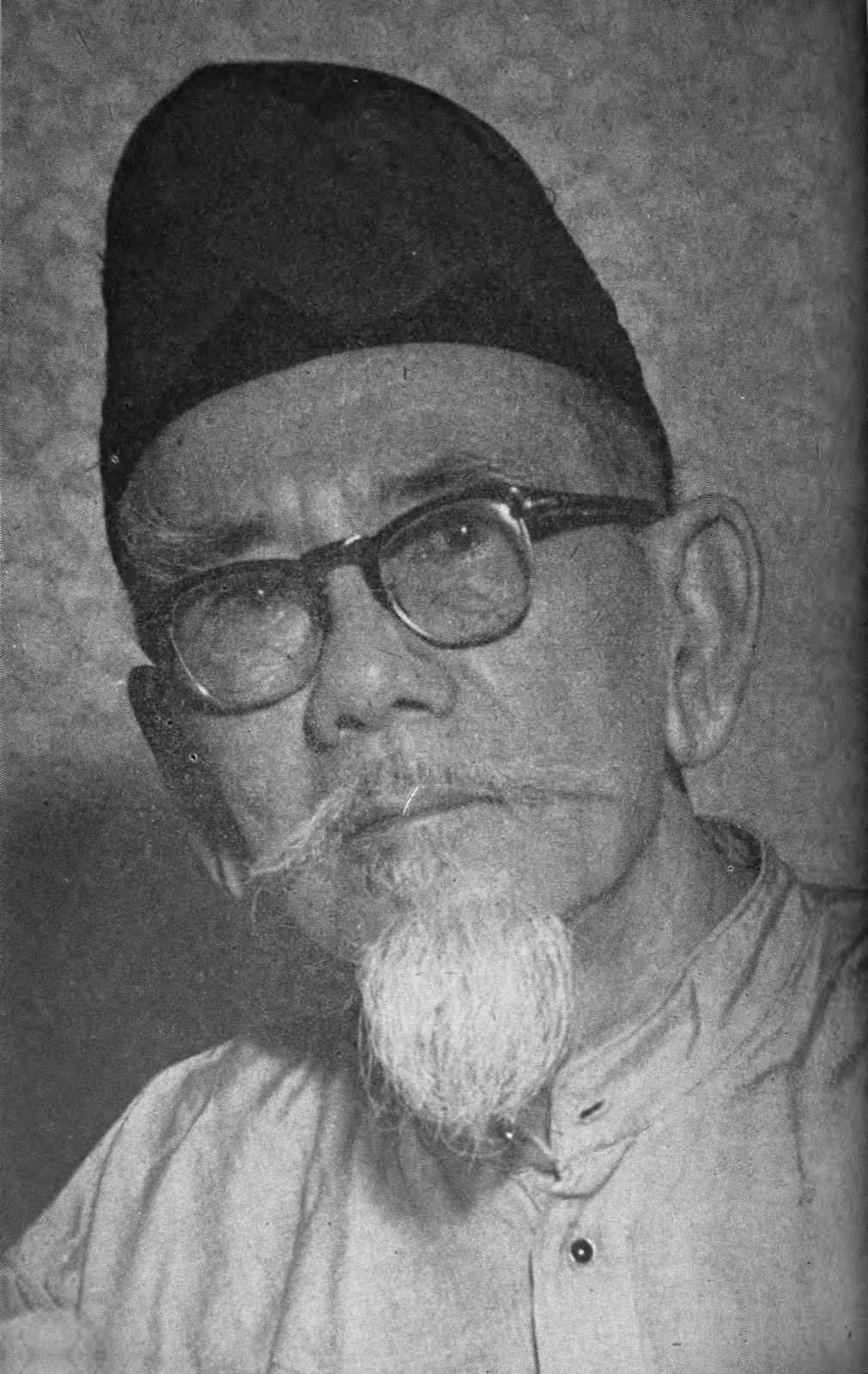
1884—1954
Agus Salim
Diplomat, journalist and foreign ministerA multilingual Islamic intellectual, journalist and diplomat who helped turn Indonesia’s independence claim into an international foreign policy.Read biography
1897—1949
Tan Malaka
Revolutionary, political thinker and independence activistA Marxist organiser, teacher and itinerant revolutionary whose writings anticipated an Indonesian republic and challenged both colonial rule and negotiated compromise.Read biography
1909—1966
Sutan Sjahrir
First Prime Minister of IndonesiaAn anticolonial organiser, democratic socialist and Indonesia’s first prime minister, who made diplomacy and civilian government central to the young republic.Read biography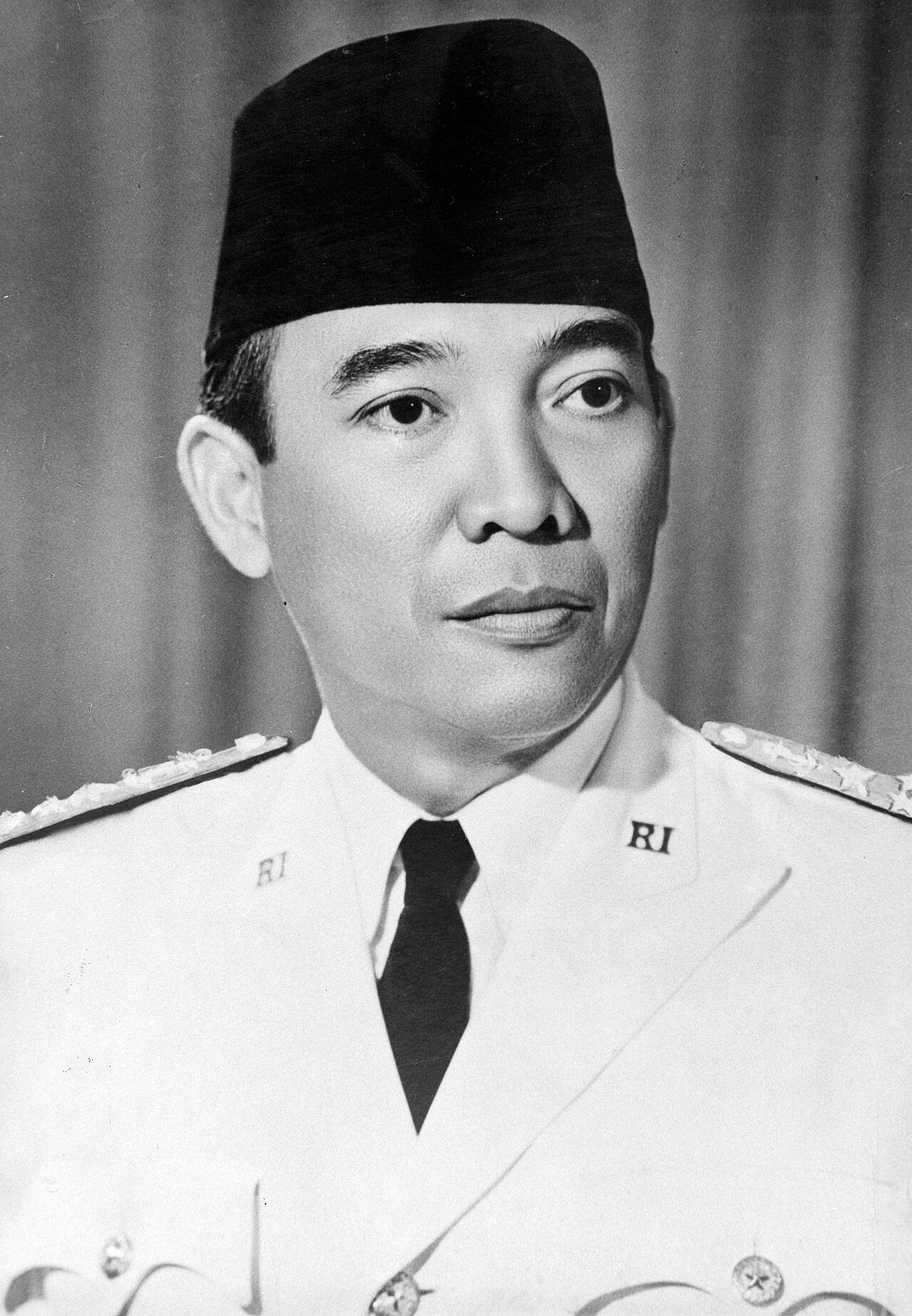
1901—1970
Sukarno
First President of IndonesiaAn independence leader, orator and Indonesia’s first president, who helped unite a vast archipelago around a new republic.Read biographyQuick answers
Common questions
- When did the Indonesian National Awakening begin?
- Indonesia commemorates 20 May 1908, the founding of Budi Utomo, as the beginning of the National Awakening, although historians trace its development across several movements and decades.
- What was Budi Utomo?
- Budi Utomo was an organisation founded by STOVIA students in 1908 to promote education and cultural advancement, especially among Javanese elites.
- What was the Youth Pledge?
- On 28 October 1928, youth organisations affirmed one motherland, one nation and one unifying language: Indonesia.
- Which organisations shaped Indonesian nationalism?
- Important organisations included Budi Utomo, Sarekat Islam, Muhammadiyah, the Indische Partij, the Communist Party of Indonesia, Perhimpunan Indonesia, Taman Siswa and the Indonesian National Party.
- How did the National Awakening lead to independence?
- It created organisations, schools, leaders, newspapers and a shared language that made a national independence movement possible, although Japanese occupation and the 1945–1949 revolution were separate decisive stages.
Primary and institutional sources
How this history was checked
Dates, legal milestones and historical claims are checked against the official and institutional records below. This article was reviewed on 8 September 2026.
- Ministry of Education and Culture of IndonesiaThe story behind the STOVIA building and Budi Utomo
- Museum Benteng Vredeburg YogyakartaRethinking the National Awakening
- Ministry of Education and Culture of IndonesiaThe meaning of the National Awakening
- National Archives of IndonesiaKartini Letters and Archive nomination dossier