
The short answer
What was created in 1881: a completed railway or a company responsible for building one? Incorporation put a private syndicate at the centre of a public undertaking already shaped by earlier government construction. The bargain combined subsidies and privileges with obligations, while completion required additional financing and the labour of thousands. Its consequences extended well beyond the investors.
Chronology
A timeline of the turning points
Construction agreement
The government and syndicate sign the contract.
A new company
The CPR is incorporated with George Stephen as president.
Financing under strain
Private collateral and further government measures sustain construction.
Construction connection
The line’s eastern and western sections meet; operation and consolidation continue afterwards.
Monopoly and leadership change
Competition restrictions are relaxed and Van Horne succeeds Stephen.
The 1880 agreement preceded the 1881 corporation
A transcontinental railway had been a government commitment before Stephen’s syndicate took it on. Earlier surveys and construction did not amount to a finished coast-to-coast system. The new contract, signed on 21 October 1880, transferred a major building task to a group able to seek capital and organize a company.
The syndicate included George Stephen, Richard B. Angus, Duncan McIntyre, James J. Hill and John Stewart Kennedy, with banking-house participation. Donald Smith became a substantial shareholder and associate despite not appearing on the original list. Incorporation followed in February 1881, with Stephen as first president. The contract required completion by 1 May 1891; the actual track connection came in 1885.
Cash, land and privileges formed distinct parts of the bargain
The original package provided C$25 million in cash and 25 million acres of land, alongside completed or government-built railway sections. Cash supported construction payments; land could be sold to raise revenue. Existing works reduced the amount the company itself had to build. These were different forms of public support, not interchangeable totals.
Duty relief, tax provisions and a twenty-year restriction on competing southern lines also had economic value. The printed contract records the competition restriction and exceptions. A historical study prepared for the later transportation commission likewise treats privileges as a subsidy category, explaining why private ownership did not remove questions about public service and obligations.
The original subsidy did not settle the financing problem
Stephen expected investment and land sales to sustain construction, but attracting capital proved difficult. Building an eastern network added further demands. He and associates borrowed against their assets and sold interests in the more profitable American Manitoba railway. Disagreements about routes and competing traffic weakened the original partnership.
Government measures in 1884 and 1885 supplied further assistance when the company approached financial collapse. These later interventions must be distinguished from the original grants. Van Horne directed construction and operating work while Stephen pursued finance. The 1885 connection resulted from successive decisions and additional support, rather than a smoothly funded plan established in 1881.
Construction imposed unequal risks on labourers and Indigenous communities
On the British Columbia section built under Andrew Onderdonk, Chinese labourers performed dangerous work for lower pay than white workers. Parks Canada’s commemoration records poor living conditions and hundreds of deaths from illness or accidents. The description concerns that construction workforce and section; it is not a death count for every worker across the entire railway.
The route also crossed Indigenous homelands. The government-commissioned Treaty Seven research report describes fears in 1883 that the railway would intrude on the Siksika (Blackfoot) reserve, followed by a June agreement altering its boundaries. Land grants and settlement plans therefore concerned occupied territories and treaty relationships. Corporate incorporation alone did not resolve those rights or the unequal power surrounding land decisions.
Completion left disputes over competition and public responsibility
The track connection in November 1885 did not settle the company’s relationship with governments or the communities it served. Its monopoly against competing southern lines provoked particular opposition in Manitoba. In 1888 the restriction was relaxed with federal compensation, revealing the continuing value and political cost of the original privileges.
Stephen left the presidency that August and Van Horne succeeded him. The company then developed through operations, new traffic and further network changes. The 1881 foundation is best understood as a negotiated structure for financing and construction, whose promises, public costs and human consequences continued to matter after the ceremonial completion of the line.
Biography context
Explore Canada through connected lives
Connected biographies
The financier and the prime minister
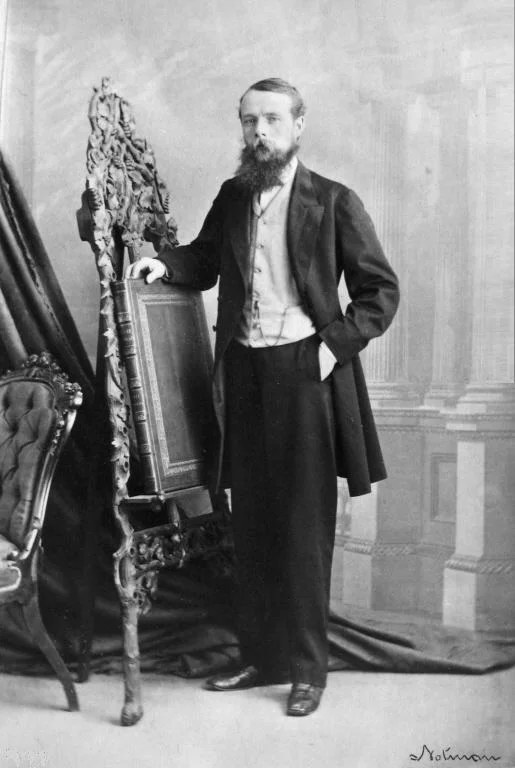
1829–1921
George Stephen
Financier, banker and first Canadian Pacific Railway presidentGeorge Stephen built a Montréal career in textiles and finance before becoming the Canadian Pacific Railway’s first president in 1881. Public support and private borrowing sustained the difficult construction period. He left the presidency in 1888, settled in England, became Baron Mount Stephen and directed substantial gifts to hospitals.Read biography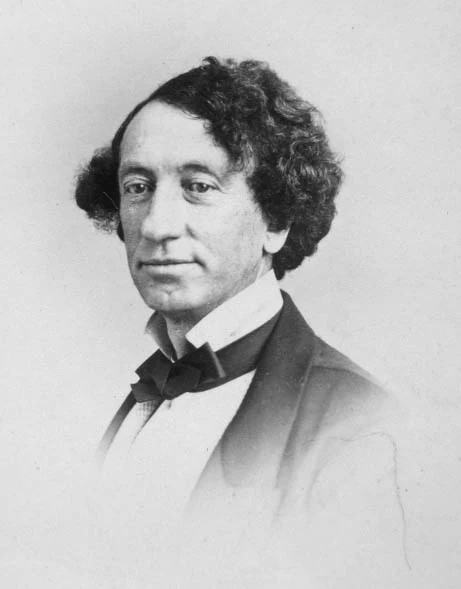
1815–1891
John A. Macdonald
Lawyer, Confederation negotiator and Canada’s first prime ministerJohn A. Macdonald helped negotiate the federation created in 1867 and served as Canada’s first prime minister in two periods. He built political alliances, promoted protective tariffs and backed a transcontinental railway. His government also imposed racial exclusion and coercive policies against Indigenous peoples, including the expansion of residential schools.Read biographyQuick answers
Common questions
- Was the Canadian Pacific completed in 1881?
- No. The company was incorporated that year. The major construction connection followed in November 1885, before the contract’s 1 May 1891 completion deadline.
- Were the land grant and cash subsidy the same thing?
- No. They were separate forms of support: C$25 million in cash and 25 million acres of land, in addition to existing works and privileges.
- Did the original grants cover every later funding need?
- No. The company sought additional investment and borrowing, and further government measures helped it through the 1884–1885 financial crises.
Primary and institutional sources
How this history was checked
The printed contract supplies original obligations and competition terms. The scholarly biography traces the syndicate and financing crises, and the government transportation study distinguishes subsidy forms. Parks Canada and the Treaty Seven research report document consequences absent from a purely financial founding story. This article was reviewed on 23 October 2026.
- Alexander Reford / Dictionary of Canadian BiographyGeorge Stephen: textiles, banking, railway finance, political influence and later life
- Parks CanadaSir George Stephen National Historic Person: 1850 migration and bank and railway presidencies
- Canadian Pacific Railway Company / Canadiana1882 printed contract and railway acts: original act, construction obligations and monopoly clauses
- D. R. Owram / Royal Commission on National Passenger TransportationDirections, volume 3: historical study of CPR cash, land and privilege subsidies and later assistance
- Parks CanadaChinese construction workers: Onderdonk’s contracts, unequal pay and dangerous living and working conditions
- Hugh A. Dempsey / Indian and Northern Affairs CanadaTreaty Research Report: Treaty Seven, including the 1883 railway and reserve-boundary changes
- Parks CanadaRocky Mountain House: Siksika (Blackfoot), distinguished from Kainai and Piikani
- Wikimedia Commons / McCord Stewart MuseumGeorge Stephen, Montréal, 1865, by William Notman: accession I-14179.1 and uncropped file history
- Wikimedia CommonsPD-old-100: public-domain status after the creator’s death more than a century ago