
The short answer
The 1917 crisis concerned compulsory military service during the First World War. It divided the Liberals, reshaped the wartime electorate and generated resistance well beyond Quebec. Its origins and aftermath differ from the separate 1944 dispute over sending Second World War home-service conscripts overseas.
Chronology
A timeline of the turning points
Recruitment pressure
Casualties and declining voluntary recruitment intensify demands for compulsory service.
Military Service Act
Parliament legislates compulsory service for eligible men.
Union government and franchise changes
Borden brings in pro-conscription Liberals while new laws alter the wartime electorate.
General election
Unionists win; Laurier’s Liberals remain especially strong in Quebec.
Quebec City violence
Anti-conscription unrest ends with soldiers killing four civilians.
Armistice
The war ends before all men called through conscription see overseas combat.
The immediate problem was military reinforcement
After years of war, casualties and weaker voluntary recruitment created pressure on Robert Borden’s government to obtain more men. The Military Service Act, enacted in late August 1917, made eligible men liable for service. Eligibility, a call-up and actual deployment were different stages, so the law did not send every eligible man straight to the front.
The conflict was about who could compel that service and how sacrifice was distributed. People could support soldiers or the war effort while opposing this form of compulsory recruitment.
Opposition was broader than a single language community
French-Canadian opposition was central, but farmers, labour groups and some immigrant communities also resisted. Their reasons overlapped without being identical: national identity, family labour, distrust of government and unequal burdens all mattered.
Sources for this section: [1]
Laurier refused the coalition and the Liberals split
Borden assembled a Union government with pro-conscription Liberals. Laurier would not join it and continued to lead the Liberals who opposed compulsory service. The division cut through an existing national party rather than merely aligning two intact parties against each other.
The official military history records a mixed Union cabinet of Conservatives, Liberals and a Labour representative. That composition helps explain the electoral labels: a Unionist was not necessarily someone whose entire previous career had been Conservative. Laurier’s refusal preserved an opposition voice while narrowing his parliamentary coalition.
Wartime voting laws changed who could participate
The Military Voters Act and Wartime Elections Act changed the electorate before the December vote. Military voters received special provisions; certain women related to service members gained the federal vote, while some recently naturalized people from enemy countries lost eligibility.
This was not universal women’s suffrage. Nor can changes to the electorate by themselves explain every constituency result. The policies tied participation to wartime service and ancestry, making the election both a contest over conscription and an exercise in deciding who could vote on it.
The election victory did not end resistance in 1918
The Unionists won the December 1917 election, while Laurier’s strength was concentrated particularly in Quebec. Implementation then brought renewed conflict. The removal of agricultural exemptions in 1918 angered farmers, including in western Canada, who needed labour at home.
At Easter in Quebec City, anti-conscription unrest culminated in soldiers killing four civilians. That violence belongs to the crisis’s aftermath, not to the election campaign itself. The controversy therefore continued after the government had obtained parliamentary authority and electoral victory.
The measure’s military effect was smaller than the eligible population
Approximately 48,000 conscripts had been sent overseas by the armistice, and roughly half reached the front. These figures distinguish statutory liability, actual overseas deployment and combat service. They should not be used as interchangeable totals.
The political damage was larger and more enduring than those deployment figures alone suggest. When King later tried to avoid another rupture over overseas conscription, the memory of 1917 shaped both promises and fears. That later crisis involved a different war, statute and sequence of decisions.
Continue the chronology
Related history guides
Biography context
Explore Canada through connected lives
Connected biographies
The opposition leader and the later wartime prime minister
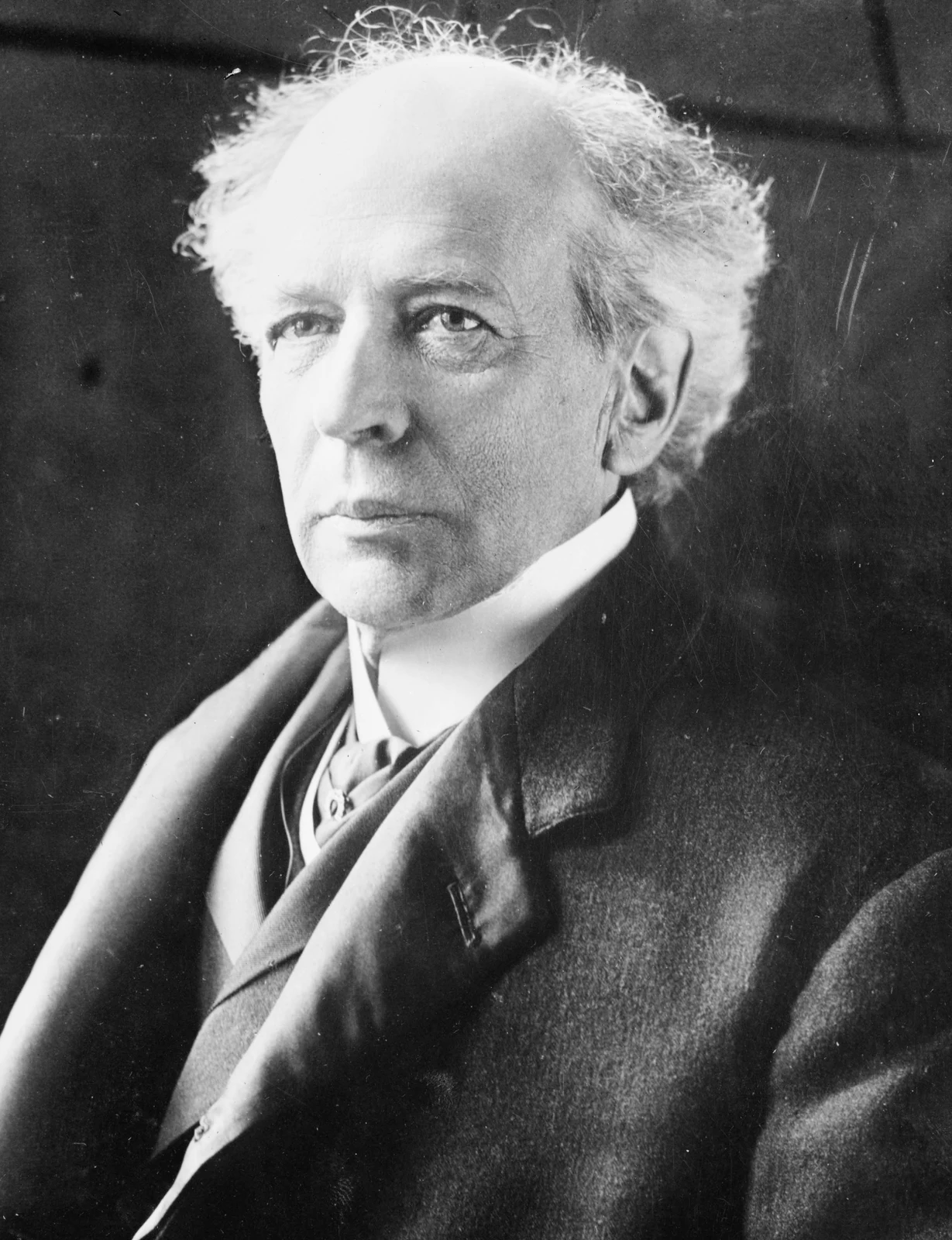
1841–1919
Wilfrid Laurier
Lawyer, Liberal leader and prime minister of CanadaWilfrid Laurier was Canada’s prime minister from 1896 to 1911 and Liberal leader from 1887 until his death in 1919. He sought accommodation between French- and English-speaking Canadians during economic expansion, imperial disputes and the conscription crisis. His governments also maintained discriminatory immigration and colonial institutions.Read biography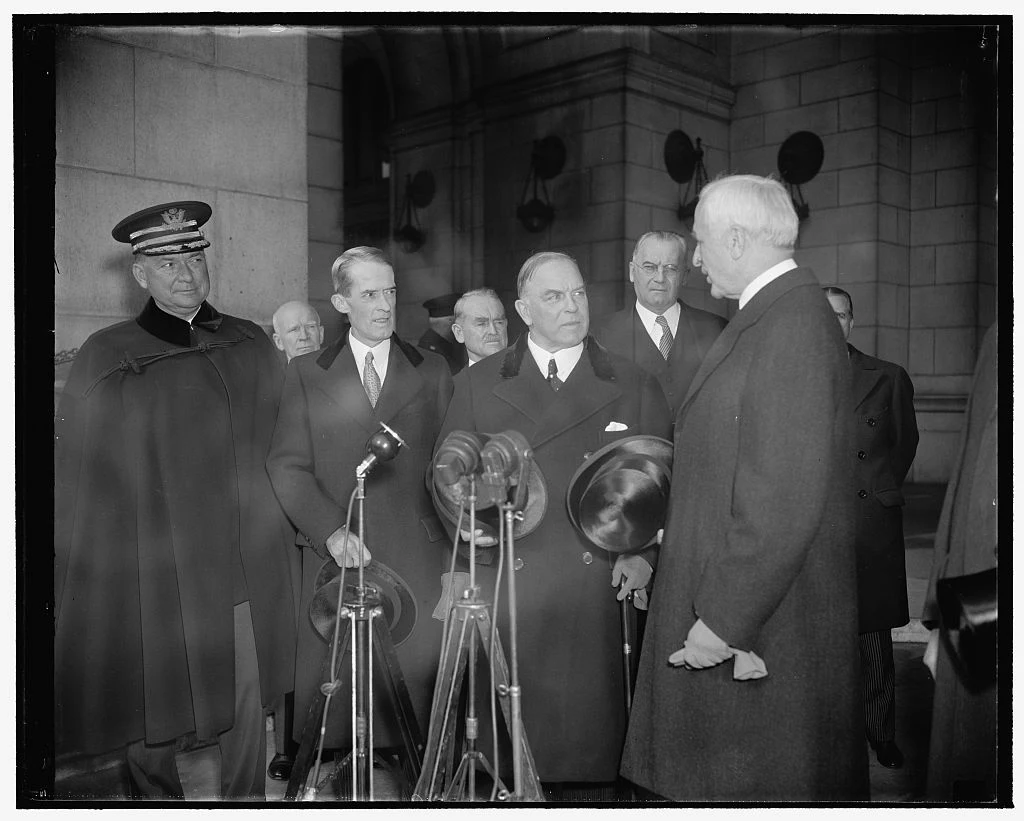
1874–1950
William Lyon Mackenzie King
Labour administrator, Liberal leader and prime minister of CanadaWilliam Lyon Mackenzie King was Canada’s longest-serving prime minister, holding office in three periods between 1921 and 1948. His governments developed federal social programmes and led Canada through the Second World War. His management of national unity coexisted with racial exclusion and the dispossession of Japanese Canadians.Read biographyQuick answers
Common questions
- What caused the 1917 conscription crisis?
- Military reinforcement needs prompted compulsory service, provoking disputes over coercion, language, agriculture and the distribution of wartime sacrifice.
- Did only Quebec oppose conscription?
- No. Quebec opposition was especially important, but farmers, labour groups and some immigrant communities also resisted.
- Did all Canadian women gain the vote in the 1917 election?
- No. Wartime legislation enfranchised particular groups, including certain women related to service members; it was not universal suffrage.
- Was this the same crisis as 1944?
- No. The 1944 crisis concerned compulsory overseas service for men originally mobilized for home defence during the Second World War.
Primary and institutional sources
How this history was checked
The War Museum and official military history distinguish opposition, election politics and deployment. Canadiana was consulted for the contemporary pamphlet’s catalogue record, not a claimed full reading. The portrait illustrates Laurier, not a dated scene of the crisis. This article was reviewed on 23 October 2026.
- Canadian War MuseumConscription, 1917
- Department of National DefenceCanadian Military Heritage, Volume III: wartime politics and the 1917 election
- Dictionary of Canadian Biography / Université Laval and University of TorontoLaurier, Sir Wilfrid: indexed biographical passages
- Canadiana / Le DevoirHenri Bourassa, Conscription, 1917: bibliographic record
- Canadian War MuseumDemocracy at War: the conscription crisis
- Dictionary of Canadian BiographyKing, William Lyon Mackenzie: indexed biographical passages
- George Grantham Bain Collection / Library of Congress / Wikimedia CommonsSir Wilfrid Laurier: complete supplied portrait, ggbain.06172
- Library of CongressBain Collection: rights and restrictions information