
The short answer
Women first gained a parliamentary vote under restricted conditions in 1918. Equal terms with men followed in 1928, after another decade of campaigning. The distinction matters: wartime service did not give every woman a vote, and eligibility to stand for Parliament followed a separate law from eligibility to elect it.
Parliamentary eligibility, not one undifferentiated victory
What changed between 1918 and 1928?
Age and qualifying conditions determined who could use the new entitlement.
| Settlement | Women | Men and wider limits |
|---|---|---|
| 1918 voting law | Age 30 and over, with property-related or other qualifying routes. | Generally 21; certain service personnel from 19. Women and men had unequal terms. |
| November 1918 candidacy law | Women could stand for Parliament from 21. | Eligibility to stand and eligibility to vote were separate questions. |
| 1928 equal franchise | Parliamentary voting from 21 on the same terms as men. | Age equality did not abolish every registration restriction or the surviving system of plural voting. |
Chronology
A timeline of the turning points
The Speaker’s Conference considered electoral reform
Wartime residence problems and suffrage pressure brought the franchise into negotiation.
The Representation of the People Act received royal assent
Some women aged 30 and over qualified; men generally qualified from 21, with provision for younger service personnel.
A separate law enabled women to stand for Parliament
Women could become parliamentary candidates from 21 despite the higher female voting age.
The enlarged electorate voted
Women participated under the restricted settlement, which still excluded many younger and non-qualifying women.
Campaigning for equal terms continued
Women’s organisations maintained pressure for removal of the remaining age and qualifying distinctions.
Emmeline Pankhurst died
Her death preceded the equal-franchise law.
The Equal Franchise Act received royal assent
Women gained the parliamentary franchise on the same terms as men at 21.
A general election used the equal settlement
The expanded female electorate took part in the next UK general election.
The wartime settlement answered several pressures at once
A long campaign for women’s votes preceded the First World War. Constitutional societies, militant organisations, local campaigners and parliamentary allies contributed different forms of pressure. Electoral reform also became urgent because residence rules could exclude men who had spent years away on military service. The Speaker’s Conference of 1916–1917 addressed this wider registration problem alongside women’s representation.
Women’s wartime work strengthened the public case for inclusion, but the eventual law was a negotiated political settlement. It should not be described simply as a reward that every war worker received. Many women whose work supported the war remained too young to qualify under the new voting age.
In 1918 women faced a higher age and qualifying conditions
The Representation of the People Act received royal assent on 6 February 1918. Women needed to be at least 30 and meet the relevant property or qualifying conditions, which could operate through their own position or their husband’s. There was also a university qualification. Describing this as votes for every woman over 30 therefore overstates the reform, while describing it only as votes for women who personally owned a house understates its routes to eligibility.
Men generally qualified at 21 after the removal of almost all property restrictions, with provision for certain military and naval personnel from 19. The higher female age threshold helped prevent women becoming an electoral majority. The settlement enlarged representation while deliberately preserving an inequality between the sexes.
Voting and becoming an MP followed different legal routes
The Parliament (Qualification of Women) Act became law in November 1918. It enabled women to stand for Parliament from 21. A woman could consequently be old enough to become an MP while still being too young to cast a parliamentary vote. The two thresholds arose from different legislation and should be explained separately.
Campaigning also continued after 1918. The Women’s Freedom League remained active, and the NUWSS became the National Union of Societies for Equal Citizenship. Their ongoing work prevents partial enfranchisement being mistaken for the end of the movement. The surviving inequalities were a new legislative objective rather than a minor detail already resolved by the wartime reform.
The 1928 Act equalised terms, with a changed territorial context
On 2 July 1928 the Representation of the People (Equal Franchise) Act received royal assent. Women gained parliamentary voting rights on the same terms as men at 21, removing the higher female voting age and the separate qualifying hurdle. The next general election, in 1929, was the first held under that equal settlement.
This is a history of a particular parliamentary franchise. It does not mean every age group could vote, every person held an identical number of votes or all forms of political inequality disappeared. The territorial setting also changed between the two Acts: the 1918 United Kingdom included all Ireland, whereas the 1928 United Kingdom included Northern Ireland. Emmeline Pankhurst, who died on 14 June 1928, did not live to see royal assent.
Continue the chronology
Related history guides
Biography context
Explore United Kingdom through connected lives
Connected biographies
Read lives from two different stages of parliamentary reform
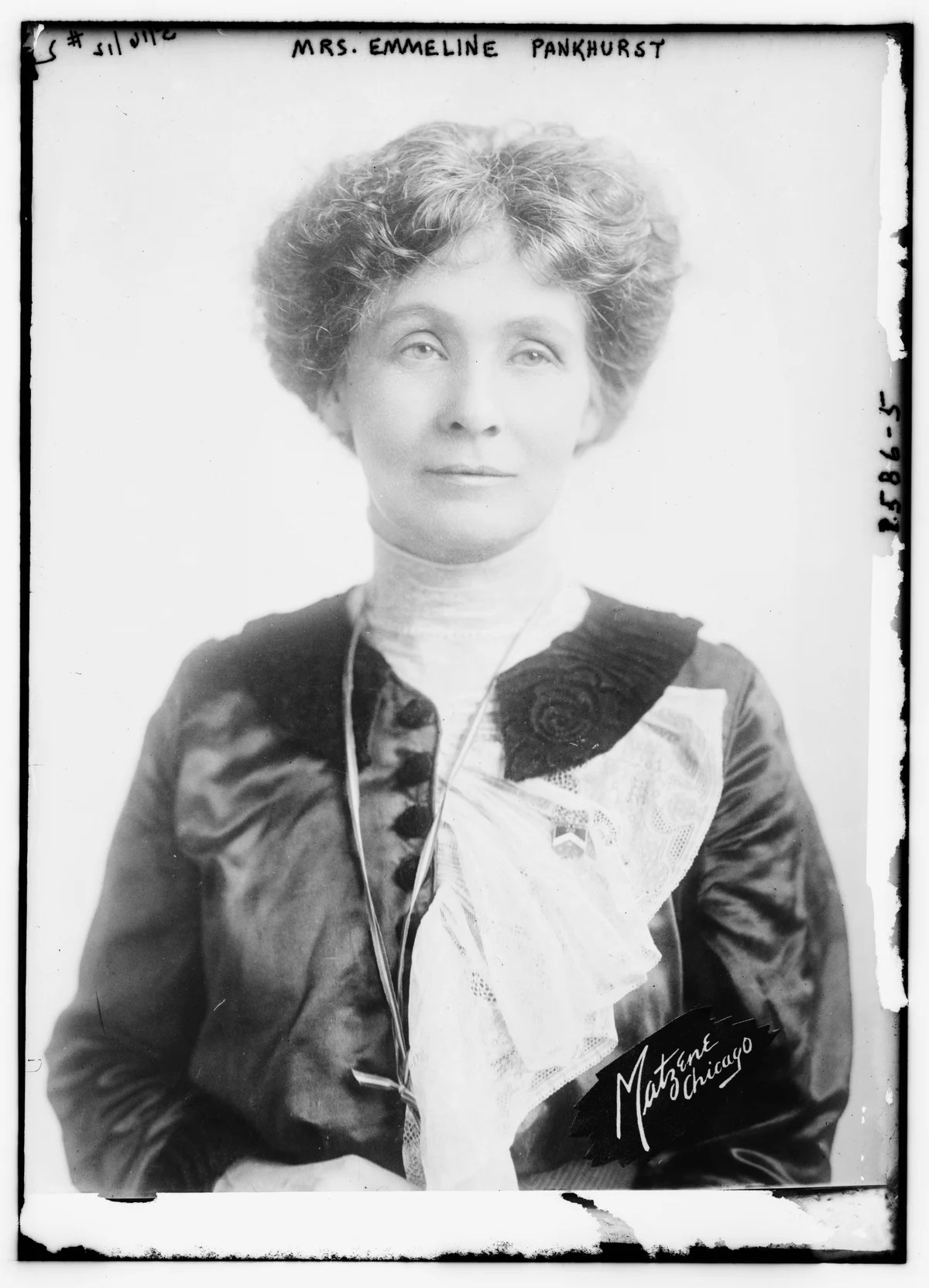
1858–1928
Emmeline Pankhurst
British suffrage campaigner and WSPU leaderEmmeline Pankhurst was a British suffrage campaigner who founded the Women’s Social and Political Union in Manchester in 1903. Her speeches, imprisonment and support for militant tactics made her a prominent, contested leader within a much wider movement for women’s votes.Read biography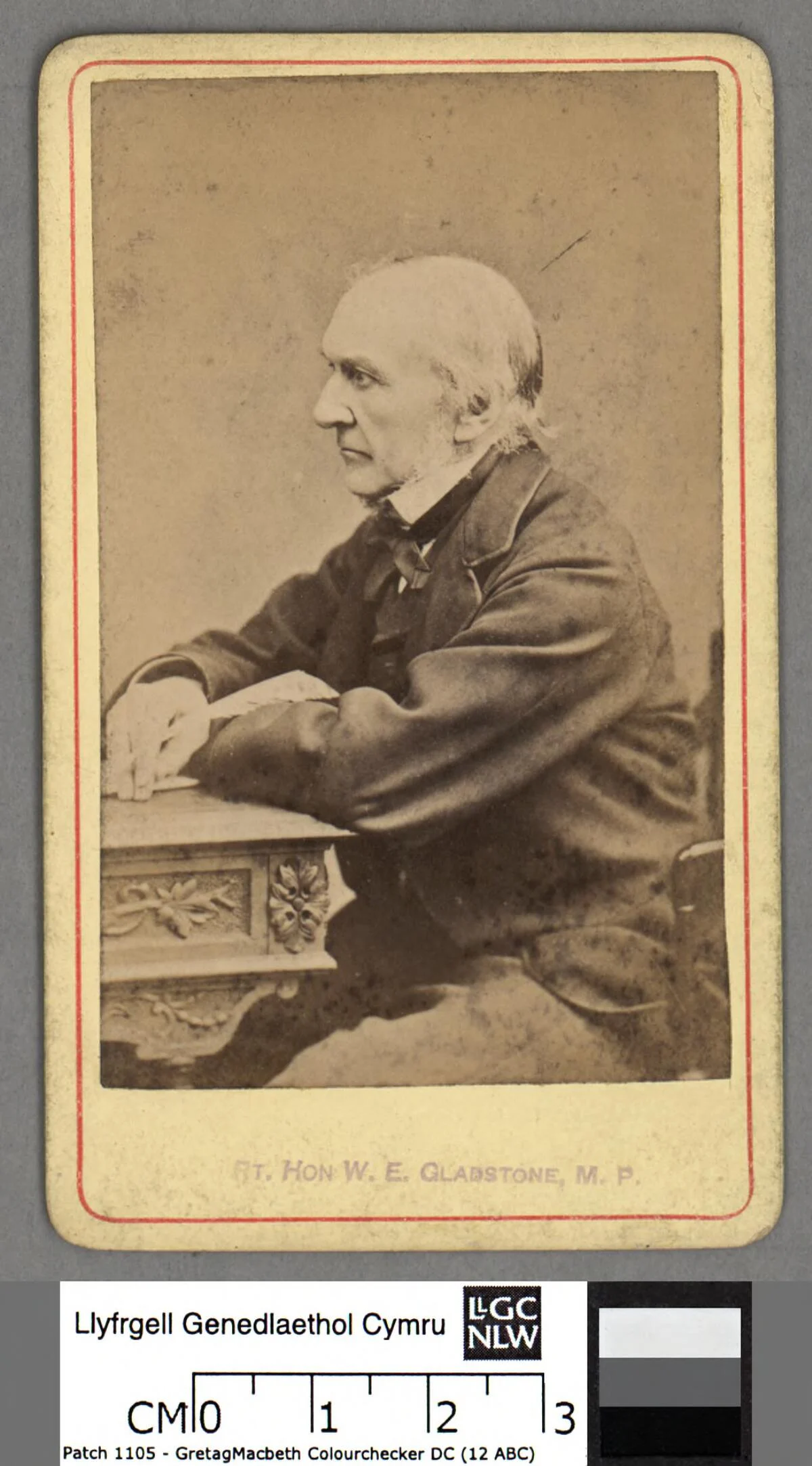
1809–1898
William Ewart Gladstone
British prime minister, Liberal leader and chancellorWilliam Ewart Gladstone was British prime minister four times between 1868 and 1894. Beginning as a Tory, he became a leading Victorian Liberal, served repeatedly as chancellor and pursued reforms of government, education and representation before dividing his party over Irish Home Rule.Read biographyQuick answers
Common questions
- Did women gain the vote in 1918 or 1928?
- Some women gained a parliamentary vote in 1918, from age 30 and subject to qualifying conditions. Women gained the vote on the same terms as men at 21 in 1928.
- Could every woman over 30 vote in 1918?
- No. There were qualifying conditions as well as the age requirement. Some women qualified through their husband’s position, and there was also a university route; personal house ownership was not the only possibility.
- Why could a woman stand for Parliament at 21 but not vote?
- The November 1918 candidacy law had a different age threshold from the earlier voting law. Those distinct rules permitted the apparent contradiction.
- Did the 1928 Act establish votes from age 18?
- No. The equal voting age was 21. The later reduction to 18 belongs to a different reform.
- Did Emmeline Pankhurst witness equal franchise in law?
- No. She died on 14 June 1928; the Act received royal assent on 2 July.
Primary and institutional sources
How this history was checked
The guide concerns historical parliamentary eligibility. Parliament’s explanations distinguish voting, university representation and candidacy. The Commons Library’s 1918 centenary article explicitly establishes the first election in 1929 and the survival of plural voting; its Northern Ireland border page establishes the territorial change by the end of 1922. The 1928 anniversary page’s stray reference to 28 June 1918 is not adopted; royal assent was on 2 July 1928. Figures for newly eligible women vary with date and definition across summaries, so the comparison prioritises the actual distinctions. The displayed institutional articles and catalogue material were read; complete legislative and campaign archives were not. This article was reviewed on 23 October 2026.
- Historic EnglandTomb of Emmeline Pankhurst: historical account and final years
- UK ParliamentThe vote for some: elections, candidacy and continued campaigning
- House of Commons Library90th anniversary of the Equal Franchise Act 1928
- Library of Congress / Wikimedia CommonsMrs. Emmeline Pankhurst, LCCN2014691830: photograph and rights
- Creative CommonsPublic Domain Mark 1.0
- UK ParliamentWomen get the vote: the Speaker’s Conference and two settlements
- UK Parliament, Parliamentary ArchivesRepresentation of the People Act 1918: qualifying conditions and electoral balance
- The National ArchivesWomen’s suffrage: the 1918 Act and the longer campaign
- Gloria Tyler / House of Commons Library1918 Centenary: Votes for some women and all men; 1929 election and plural voting
- David Torrance / House of Commons LibraryThe Northern Ireland border: changed UK territory by the end of 1922