
The short answer
Mississippi Goddam was Nina Simone's own composition, not simply a familiar standard given a political introduction. Its history connects specific acts of racist violence with a pianist and singer's decision to make her anger public. Following the song from composition to concert, record and later performances also explains why those stages should not be collapsed into a single debut story.
Follow the work through different settings
Composition, concert, album and preservation
These selected stages answer different historical questions. None alone supplies a complete performance history.
| Stage | Evidence | What it establishes |
|---|---|---|
| 1963 composition | Simone's biography and the Registry essay | The response to Evers's murder and the Birmingham bombing precedes the 1964 album. |
| 21 March 1964 concert | Carnegie Hall history | A documented performance, not a secure claim to the song's debut. |
| 1964 Philips album | Original album credits and session catalog | A release assembled from three Carnegie Hall recording dates. |
| 2018 Registry selection | Library of Congress | Later preservation of the 1964 recording, not its original release. |
Chronology
A timeline of the turning points
Medgar Evers is murdered
The civil-rights organizer is shot outside his home in Jackson, Mississippi; his murder is one of the events behind Simone's song.
The Birmingham church bombing
Four girls are killed at Sixteenth Street Baptist Church in Birmingham, Alabama, intensifying Simone's response to racist violence.
Carnegie Hall performance
Simone performs Mississippi Goddam at Carnegie Hall. This documented appearance is not presented here as the song's first performance.
Philips issues Nina Simone in Concert
The album draws on Carnegie Hall recordings from 21 March, 1 April and 6 April, rather than one undifferentiated concert.
Music alongside the Alabama campaign
Simone performs for participants associated with the Selma-to-Montgomery voting-rights march.
The recording enters the Registry
The Library of Congress selects the 1964 recording for the National Recording Registry.
The violence was specific, not an abstract backdrop
On 12 June 1963, Medgar Evers was shot outside his Jackson, Mississippi, home. On 15 September, a bomb at Sixteenth Street Baptist Church in Birmingham killed four girls. The church was not a random symbol: it was a meeting place in a city where Black residents organized against segregation, including the demonstrations of the Children's Crusade earlier that year. Violence struck an active community and its institutions.
The Library of Congress identifies these events as central to Mississippi Goddam. That context makes the song more precise than a general expression of dissatisfaction. Simone addressed a country in which demands for equal citizenship met lethal resistance. Her geographical references connected places that listeners might otherwise have encountered as separate news stories.
Writing was part of Simone's political choice
Simone composed Mississippi Goddam in response to the violence of 1963. Her pianist's training and experience interpreting other writers' material did not disappear when she turned to direct protest. Instead, she used composition to determine the subject, address and emotional pressure of a performance herself. The energetic theatrical character of the music sharpened the confrontation rather than softening it.
Her official biography places this change within friendships and political conversations, notably with Lorraine Hansberry. Nadine Cohodas's essay for the Recording Registry likewise describes a decision to answer events through music. These accounts help explain artistic agency without making Simone an isolated originator of the civil-rights movement. She was choosing how to participate in an existing struggle, with its organizers, audiences and competing strategies.
A documented concert is not necessarily a debut
Carnegie Hall documents Simone performing the song on 21 March 1964. That appearance provides a firm point in its public history, but it should not be relabeled its first performance. Accounts differ about earlier nightclub appearances. The more useful certainty is that the song reached a major concert platform and then a record that could travel beyond that room.
The artist's session catalog lists Nina Simone in Concert as a 1964 Philips album assembled from Carnegie Hall dates on 21 March, 1 April and 6 April. Those are album-session dates, not proof that every track came from the same evening. Nor is this the same release as the earlier Colpix album Nina Simone at Carnegie Hall. Similar venue-based titles conceal different programs and recording histories.
The album makes protest part of a larger musical program
The Philips album places Mississippi Goddam alongside material including I Loves You, Porgy, Pirate Jenny and Old Jim Crow. This is a program of contrasting characters and situations, not an album on which every song has the same authorship or political method. Simone's choices as an interpreter belong beside her work as a songwriter.
The original credits name Simone on vocals and piano and credit her arrangements. Rudy Stevenson plays guitar, Lisle Atkinson bass and Bobby Hamilton drums; Hal Mooney is the producer. Remembering this small ensemble restores the collaborative setting around an often singly remembered voice. A reader comparing the tracks can ask how accompaniment, pacing and shifts of address organize the program, without treating its political force as separate from musicianship.
Sources for this section: [4]
Circulation met restrictions, but not one simple ban
The Recording Registry's description notes that the title's profanity limited radio airplay. That is more specific than saying the song was legally prohibited throughout the South. Radio decisions, television censorship, hostile responses and government law are different kinds of constraint, and they leave different evidence.
Cohodas describes Simone's appearance on Steve Allen's television program on 10 September 1964, where the offending title word was censored. The essay also recounts Simone's report that broken records were returned to the label. Such episodes show the obstacles a protest recording could encounter without proving a uniform regional policy. They also explain why a concert audience, a record buyer and a television viewer might receive the work differently.
A continuing intervention, not a frozen historical artifact
In March 1965, Simone brought her music to the Alabama voting-rights campaign, performing for march participants in Montgomery. Later performances of Mississippi Goddam changed references as new violence and political circumstances demanded attention. The song's relationship to events therefore continued after its first recorded form; a recording fixed one performance, not the full future of the work.
Selection of the 1964 recording for the National Recording Registry in 2018 recognized its cultural and historical significance. Preservation makes a useful starting point for study, but not an ending: the history still involves communities resisting segregation, Simone's deliberate choices, supporting musicians and institutions that amplified or constrained circulation. Reading those layers together gives the record a more concrete place in civil-rights history than calling it timeless and leaving its circumstances behind.
Continue the chronology
Related history guides
Biography context
Explore United States through connected lives
Nina Simone
Follow the pianist, singer and songwriter's broader musical career and civil-rights commitments.
Explore the biographiesA different song historyBillie Holiday
Compare an interpreter's agency in Strange Fruit with Simone's authorship of Mississippi Goddam, without treating their songs as interchangeable.
Explore the biographiesWords and musicLangston Hughes
Read about a writer whose work and friendship formed part of Simone's wider artistic world.
Explore the biographiesConnected biographies
People in this musical and political history
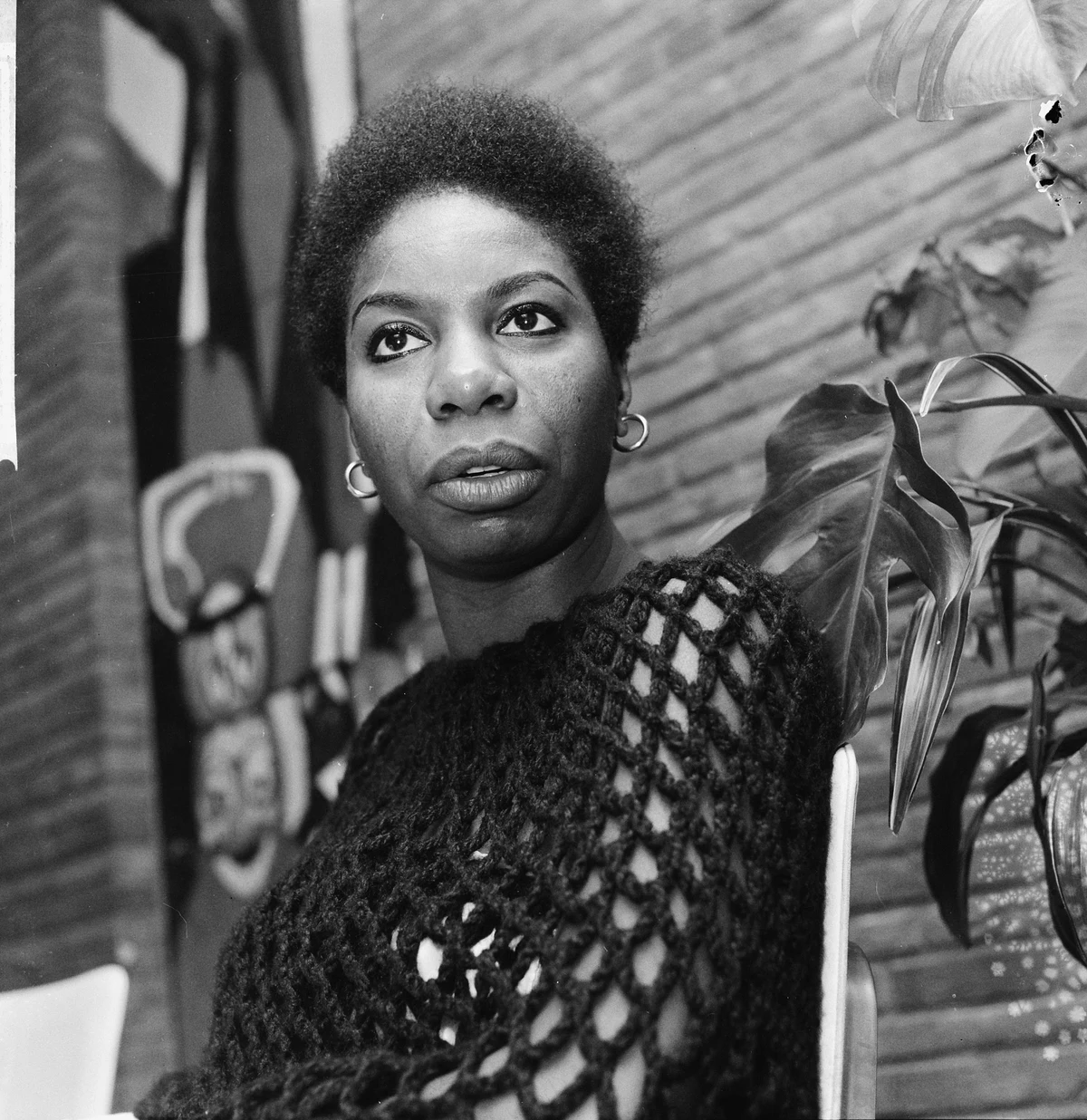
1933–2003
Nina Simone
Pianist, singer, songwriter and civil rights activistBorn Eunice Kathleen Waymon, Nina Simone combined classical piano training, gospel, blues, folk and popular song in a career that made musical interpretation inseparable from public conviction.Read biography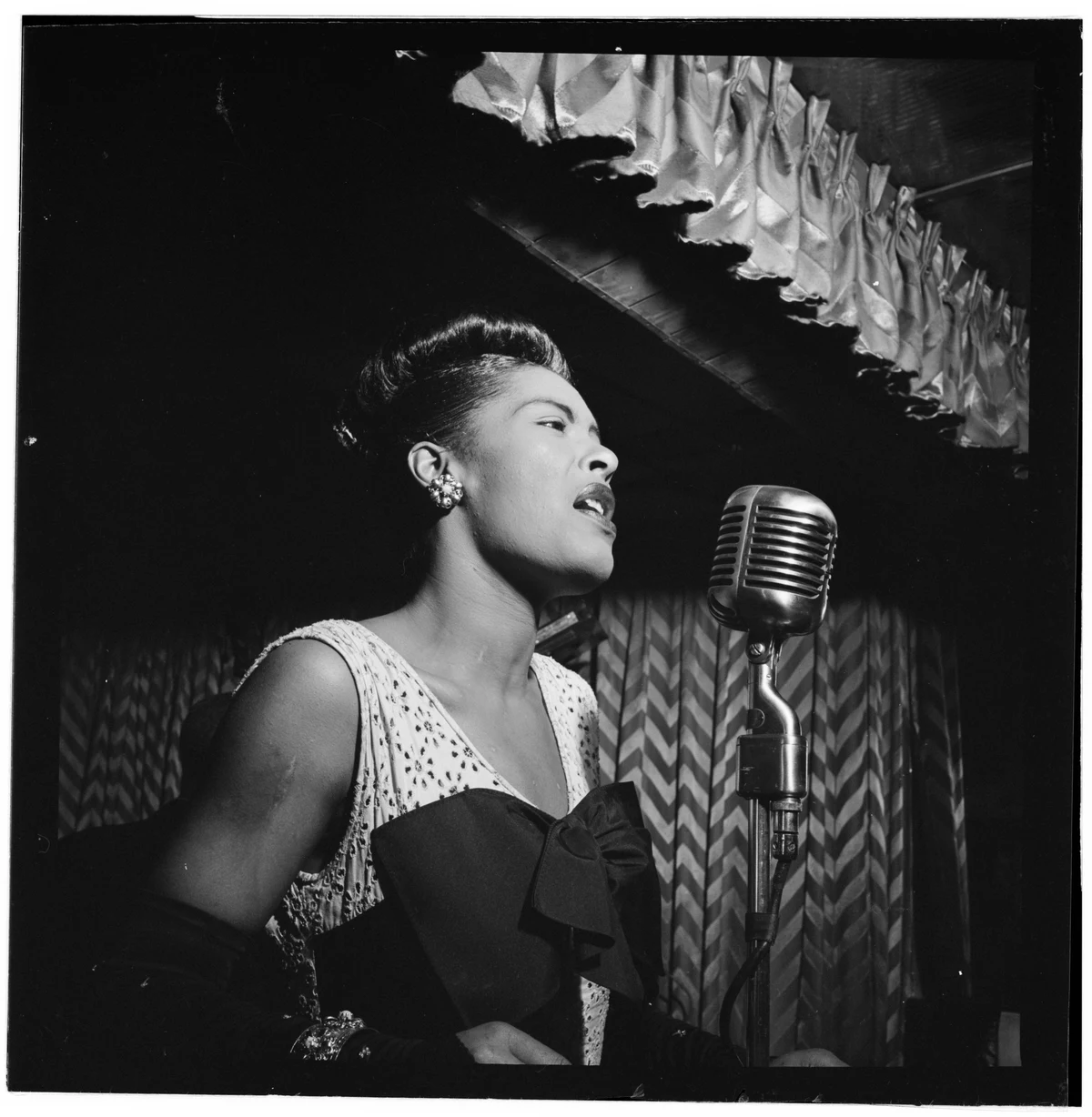
1915–1959
Billie Holiday
Jazz singer and songwriterKnown as Lady Day, Billie Holiday transformed popular songs through rhythmic invention and intimate delivery, building a career in swing-era groups, nightclubs, records and concerts.Read biography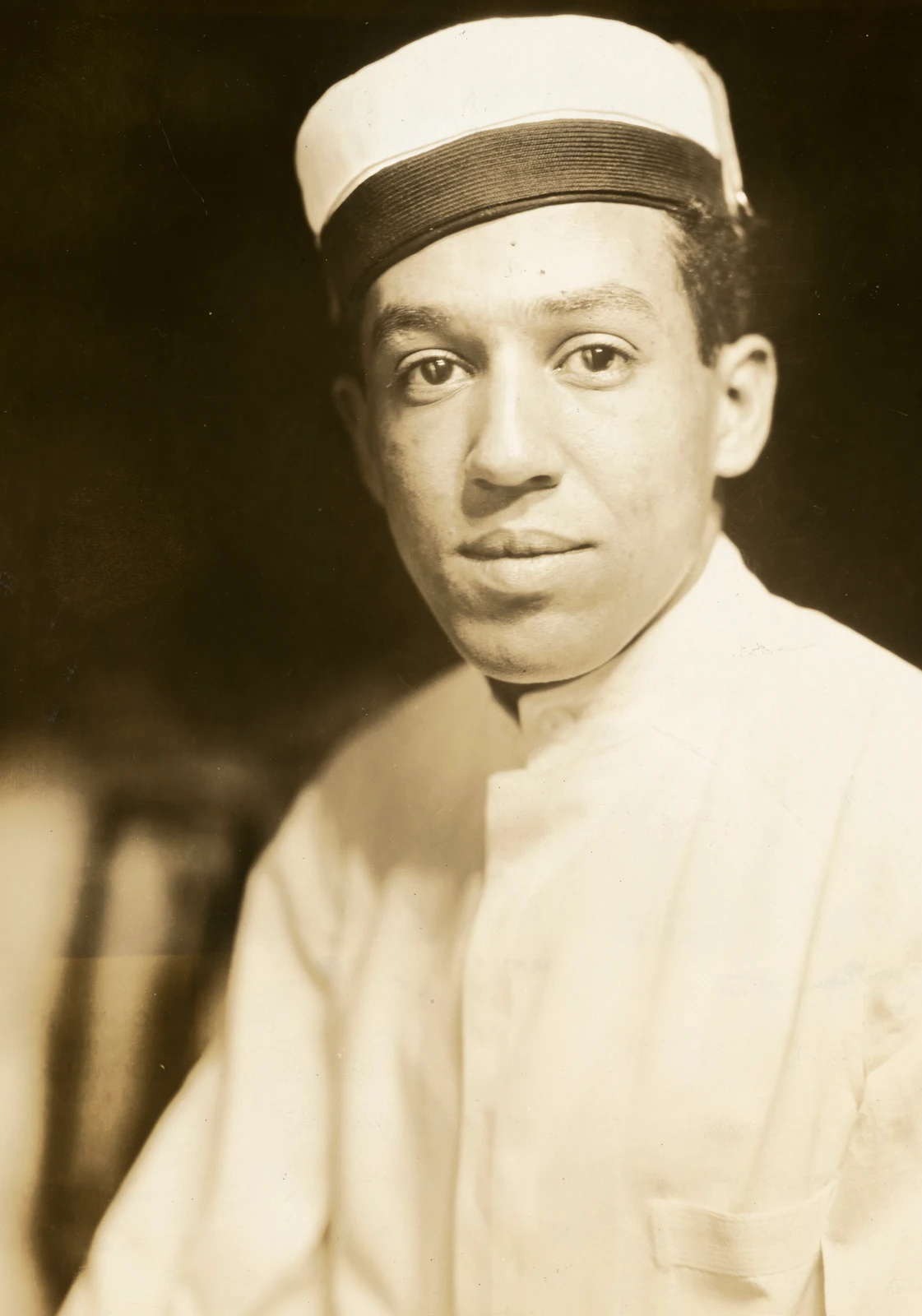
1901/1902–1967
Langston Hughes
Poet, novelist, playwright, columnist and folkloristA writer whose poetry, fiction and performances brought the music, speech, humor and struggles of Black communities into American literature.Read biographyQuick answers
Common questions
- Who wrote Mississippi Goddam?
- Nina Simone composed the song. Her performance and authorship should be distinguished from her interpretations of other writers' songs, including the varied repertoire on Nina Simone in Concert.
- What events prompted the song?
- The murder of Medgar Evers in Mississippi on 12 June 1963 and the bombing of Sixteenth Street Baptist Church in Birmingham on 15 September 1963 were central to Simone's response. Four girls were killed in the church bombing.
- Was the 1964 Carnegie Hall performance the debut?
- A performance on 21 March 1964 is documented by Carnegie Hall, but accounts of earlier appearances differ. This guide does not designate a first performance. The Philips album draws on three Carnegie Hall dates in March and April 1964.
- Was the recording banned everywhere in the South?
- The evidence used here supports limits on radio airplay, a specific television censorship episode and Simone's account of hostile record returns, not a uniform legal ban across the South. These are distinct forms of restriction.
Primary and institutional sources
How this history was checked
Institutional histories, the artist's original-session catalog and the Library of Congress Registry record establish the dated events. Nadine Cohodas's signed Registry essay is treated as an authored historical account, not an official Library position. No claim is made to have listened to the complete album or reviewed every performance. This article was reviewed on 21 October 2026.
- National Park ServiceLong-Delayed Justice: Medgar Evers
- National Park ServiceSixteenth Street Baptist Church
- Nina Simone artist legacy websiteBiography
- Nina Simone artist legacy websiteLive Sessions: original album credits and session information
- Carnegie HallA Snapshot of the History of Jazz at Carnegie Hall
- Library of CongressAfrican Americans on the Recording Registry: Mississippi Goddam
- Library of Congress, National Recording RegistryNadine Cohodas: Mississippi Goddam
- Nationaal ArchiefRon Kroon: portrait of Nina Simone, 14 December 1965, inventory 918-5601