
The short answer
Thailand’s 2016 referendum approved a military-era draft constitution and a separate rule allowing an appointed Senate to join MPs in selecting the next prime minister. The margins were clear, but campaign restrictions and the absence of an elected legislature made the vote both legally consequential and democratically contested.
Two decisions
How voters answered the two referendum questions
The ballot separately measured support for the complete draft and for a transitional prime-minister selection rule.
| Measure | Draft constitution | Supplementary question |
|---|---|---|
| Yes votes | 16,820,402 · 61.35% | 15,132,050 · 58.07% |
| No votes | 10,598,037 · 38.65% | 10,926,648 · 41.93% |
| Core effect | Approved the complete draft | Approved a joint House–Senate PM vote for five years |
| Later constitutional provision | Promulgated as the 2017 Constitution | Implemented through transitional section 272 |
Chronology
A timeline of the turning points
The military seizes power
Prayut Chan-o-cha’s NCPO removes the caretaker government and suspends most of the 2007 Constitution.
An interim constitution creates a drafting route
The post-coup charter concentrates authority in NCPO institutions and establishes an appointed reform and constitution-making process.
The first post-coup draft is rejected
The appointed National Reform Council votes down a draft, extending military rule while a new committee starts again.
The Meechai committee releases its final draft
The proposal combines an elected House with strong unelected institutions, an appointed transitional Senate and a binding reform framework.
Campaign rules restrict public debate
Authorities enforce the Referendum Act, the political-gathering ban and other orders against some opponents and monitoring efforts.
Voters approve both ballot questions
The draft receives 61.35 percent of valid votes; 58.07 percent approve the supplementary prime-minister question.
The Election Commission confirms final results
Official totals record 16,820,402 votes for the draft and turnout of 59.40 percent.
King Bhumibol dies
Royal succession and requested drafting adjustments delay promulgation beyond the original timetable.
The 2017 Constitution is promulgated
King Vajiralongkorn signs the charter after changes and review connecting the final text to the referendum’s supplementary question.
Why did Thailand hold a constitutional referendum in 2016?
The 2014 coup abolished most of Thailand’s 2007 constitutional order. The National Council for Peace and Order governed through an interim charter, an appointed legislature and broad executive orders while promising a new permanent constitution before elections. A first draft prepared under that roadmap was rejected by the appointed National Reform Council in September 2015, so a second committee chaired by legal specialist Meechai Ruchuphan began again.
The referendum was therefore both a vote on one constitutional text and a decision inside a military-controlled transition. Acceptance offered a defined route toward elections under new rules. Rejection would not restore the 2007 Constitution or immediately return authority to an elected parliament; the NCPO-controlled framework would continue while another text was prepared.
What did voters decide on the two ballot questions?
The first question asked voters to approve or reject the draft constitution as a whole. It covered a 500-member House, a Senate, courts and independent bodies, rights, national reform, constitutional amendment and transitional arrangements. Voters could not accept selected rights provisions while rejecting the institutional design.
A separate supplementary question asked whether both chambers of the first post-charter National Assembly should jointly approve the prime minister during an initial five-year period. Because the transitional Senate would be selected through the post-coup process rather than a popular election, approval could materially affect which candidate formed a government after the next House election.
What were the final 2016 referendum results?
The Election Commission’s final table records 16,820,402 votes for the draft and 10,598,037 against: 61.35 percent yes and 38.65 percent no among valid votes. Turnout was 59.40 percent from 50,071,589 eligible voters. Invalid ballots accounted for 3.15 percent of votes cast.
The supplementary question passed with 15,132,050 votes, or 58.07 percent of valid votes on that question, against 10,926,648 votes, or 41.93 percent. The two majorities were decisive under the referendum rules, but turnout and invalid ballots mean neither proposal received affirmative votes from a majority of every eligible voter.
Was the referendum campaign free and fair?
Voting itself was generally peaceful, and the reported count produced clear margins. The campaign environment was far more contested. The Referendum Act criminalised some false, aggressive, inciting or threatening communication intended to influence participation or choice. Together with NCPO orders banning political gatherings, authorities used those rules against activists distributing Vote No material and attempted monitoring networks.
Human Rights Watch, ANFREL and the United States human-rights report criticised arrests, cancelled public discussions, unequal access to state media and limits on independent observation. Recording those conditions does not erase the ballots that were cast. It explains why the result should be described as a legally effective approval under military rule, not as evidence of an unrestricted constitutional debate.
How did geography reveal Thailand’s political divide?
Approval was strongest across much of the south, central region and Bangkok. Several northern and northeastern provinces—areas that had repeatedly supported parties associated with Thaksin Shinawatra—voted against the draft. The deep-south border provinces also produced notable rejection and invalid-ballot patterns for reasons that did not map neatly onto the Red–Yellow political divide.
The result was nevertheless national rather than regionally weighted: every valid vote counted equally toward the total. Provincial variation matters because it shows that acceptance was not a single ideological mandate. Some voters preferred the institutional design, some prioritised stability and elections, while opponents objected to military influence, the appointed Senate or restrictions around the process.
How did the supplementary question shape the final constitution?
After the referendum, the Constitution Drafting Committee had to incorporate the approved supplementary question into the transitional provisions. The Constitutional Court reviewed whether the revised text matched what voters had authorised. Section 272 ultimately allowed the first 250-member Senate to join the House in approving a prime minister during the first five years of the new National Assembly.
That rule became decisive after the March 2019 election. Pheu Thai held the largest House bloc, but Palang Pracharath assembled a coalition and Prayut received 500 votes in the joint sitting against 244 for Thanathorn Juangroongruangkit. The referendum did not predetermine every senator’s vote, yet it supplied the public-law basis for appointed senators to participate.
What happened between the vote and the 2017 Constitution?
The death of King Bhumibol Adulyadej in October 2016 opened a period of succession before promulgation. King Vajiralongkorn later requested changes concerning royal powers and arrangements during a regency. The interim constitution was amended so the draft could be adjusted after the referendum, and the revised text passed the required review.
The charter was promulgated on 6 April 2017. Organic laws and continuing NCPO restrictions delayed the promised general election until March 2019. The referendum therefore authorised a constitution, but it did not itself end military government. Understanding the interval between vote, promulgation and election is essential to interpreting claims that August 2016 immediately restored democratic rule.
Continue the chronology
Related history guides
The 2014 Thai Coup
Start with the takeover and interim order that controlled the drafting process.
Read the timeline6 April 2017Thailand’s 2017 Constitution
Read how the approved draft structured the House, Senate, prime-minister vote and amendment rules.
Read the timeline24 March 2019The 2019 Thai General Election
See the Senate rule and electoral system operate in the first post-coup vote.
Read the timeline2020–2021The 2020 Thai Youth Protests
Follow demands for constitutional change after the post-coup transition.
Read the timeline8 February 2026The 2026 Constitutional Referendum
Continue to the vote that authorised work toward replacing the 2017 charter.
Read the timelineConnected biographies
Six biographies connecting the coup, referendum, post-coup election and campaign for a new constitution
 Thailand · Politics
1954—
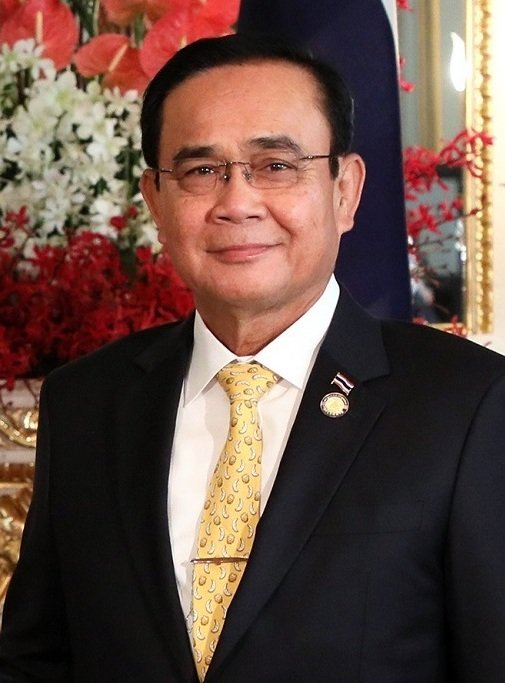
Prayut Chan-o-cha
29th Prime Minister of Thailand, 2014–2023The army commander who seized power in 2014, led Thailand’s military government and remained prime minister after the 2019 election until 2023.Read biography Thailand · Politics
1927—2016
Bhumibol Adulyadej
King of Thailand, 1946–2016Thailand’s longest-reigning monarch, whose seven decades on the throne spanned rapid development, repeated political crises and profound social change.Read biography Thailand · Politics
1967—
Yingluck Shinawatra
Business executive and former prime ministerA business executive who led a landslide election victory in 2011 and became Thailand’s first woman prime minister before a court removed her in 2014.Read biography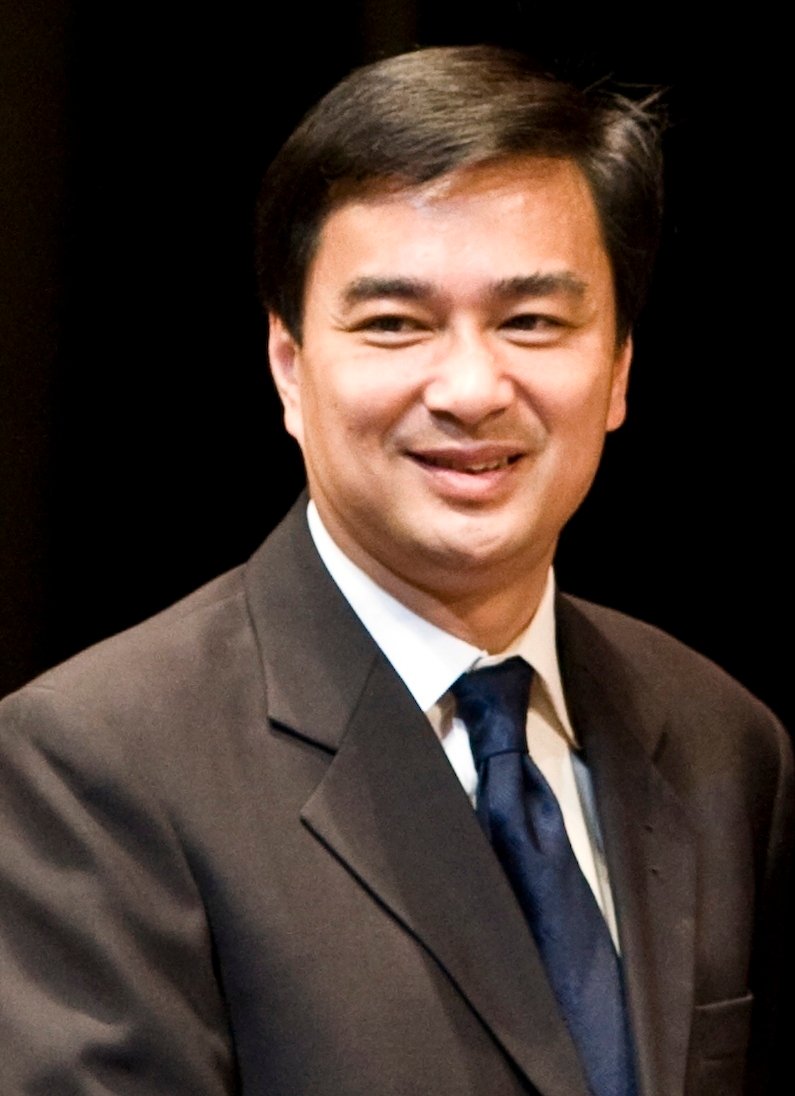 Thailand · Politics
1964—
Abhisit Vejjajiva
27th Prime Minister of Thailand, 2008–2011The Oxford-educated Democrat leader who became prime minister through a parliamentary coalition, launched crisis stimulus and governed during Thailand’s 2010 protest violence.Read biography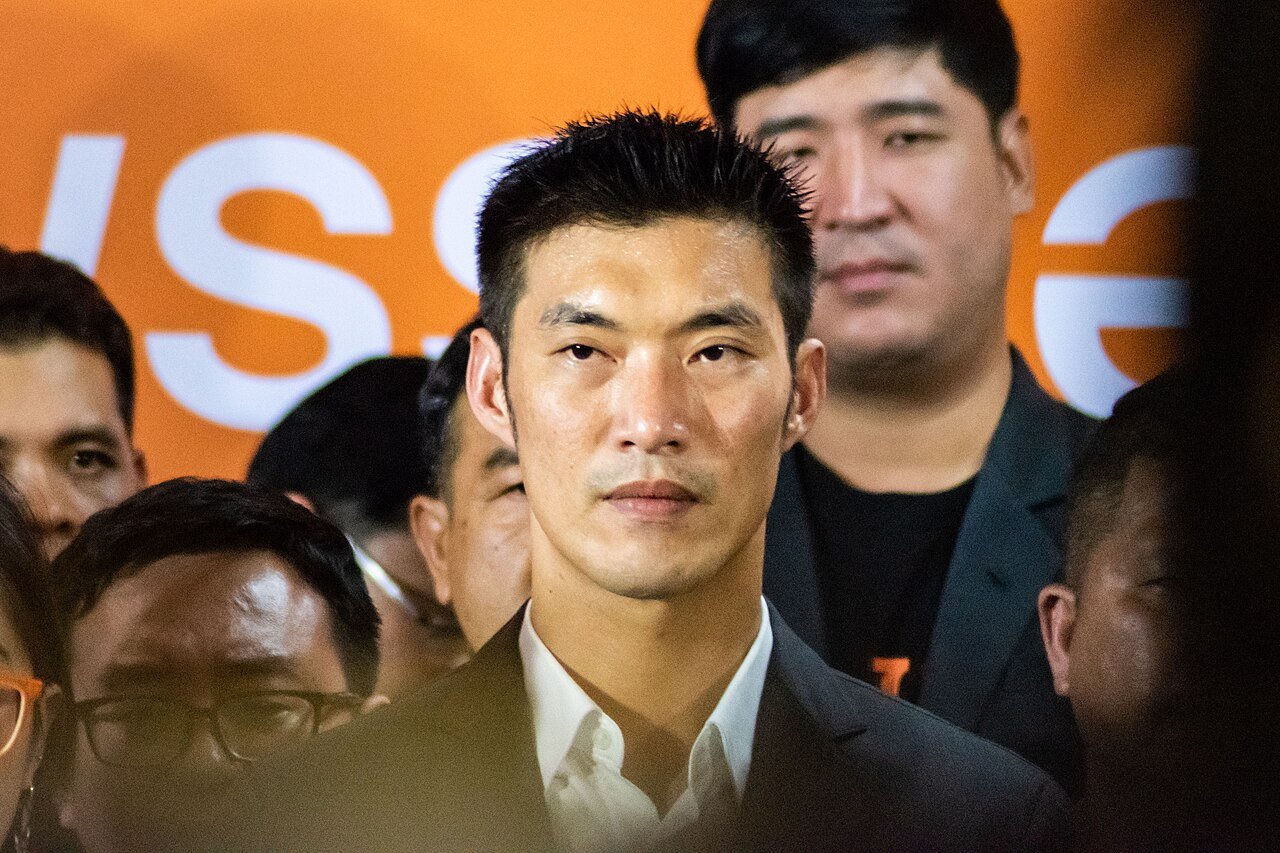 Thailand · Politics
1978—
Thanathorn Juangroongruangkit
Founder of Future Forward and leader of the Progressive MovementThe former automotive executive who founded Future Forward, challenged military influence and continued reform campaigning after the party’s dissolution.Read biography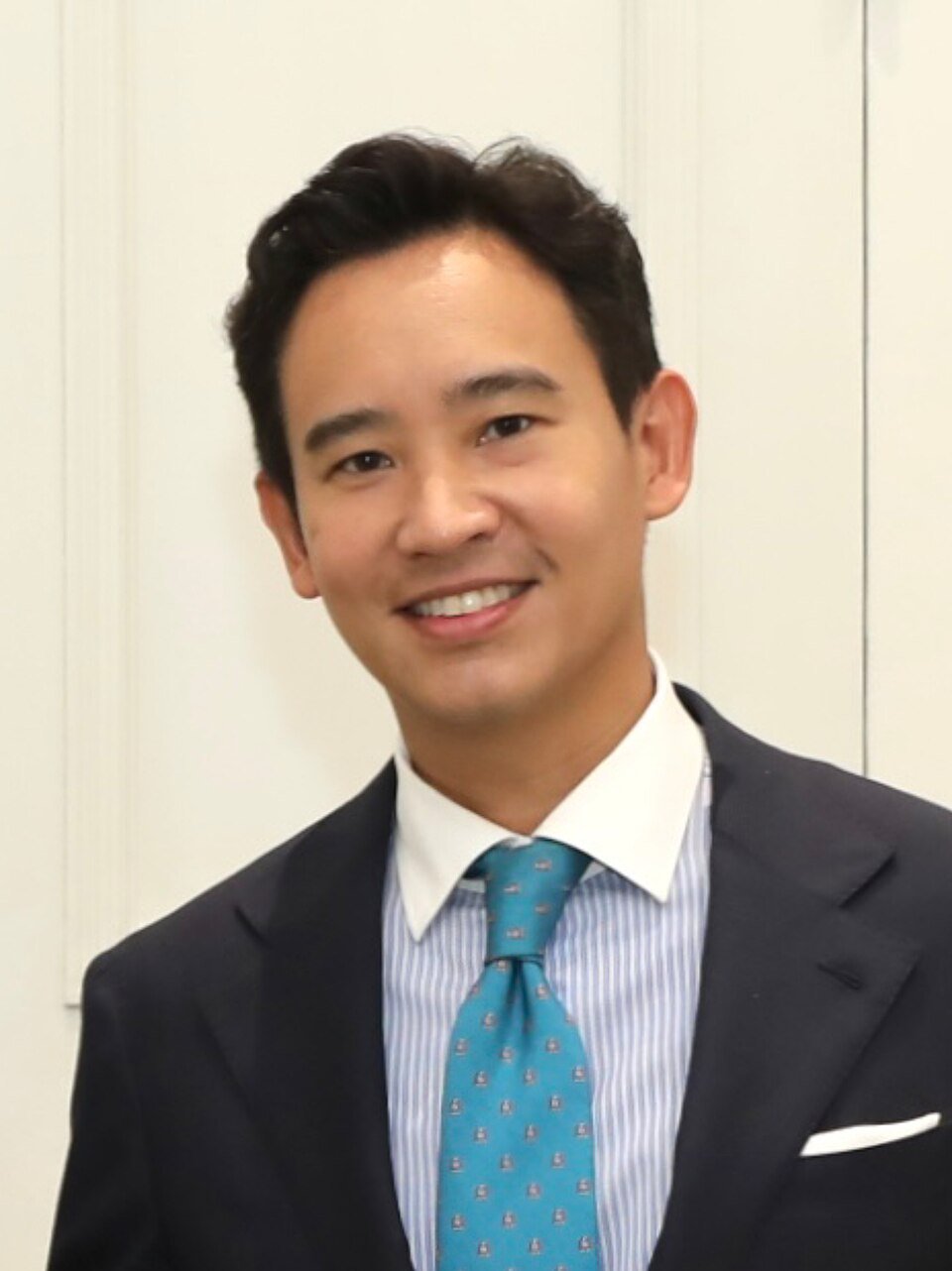 Thailand · Politics
1980—
Pita Limjaroenrat
Former Move Forward Party leader and 2023 prime-ministerial candidateThe business-trained reform politician who led Move Forward to 151 House seats in 2023 but was blocked from the premiership before the party was dissolved.Read biographyQuick answers
Common questions
- When was Thailand’s 2016 constitutional referendum?
- It was held on 7 August 2016, more than two years after the military coup.
- What percentage approved the draft constitution?
- The final result was 61.35 percent yes and 38.65 percent no among valid votes on the draft.
- What was voter turnout?
- The Election Commission recorded turnout of 59.40 percent from 50,071,589 eligible voters.
- What was the second referendum question?
- It asked whether both chambers should jointly approve the prime minister during the first five years of the post-charter National Assembly. It passed with 58.07 percent of valid votes.
- Did the referendum immediately end military rule?
- No. The NCPO remained in power through promulgation of the 2017 Constitution and until a post-election cabinet took office in July 2019.
- Why was the campaign controversial?
- Authorities restricted some public discussions, Vote No activity and monitoring through the Referendum Act and NCPO orders, leading rights and election groups to question whether voters had a free debate.
Primary and institutional sources
How this history was checked
Dates, legal milestones and historical claims are checked against the official and institutional records below. This article was reviewed on 3 October 2026.
- Election Commission of ThailandFinal results of the 7 August 2016 constitutional referendum
- Ministry of Foreign Affairs of ThailandInitial referendum totals and supplementary-question result
- IFESElections in Thailand: 2016 Constitutional Referendum FAQ
- Constitutional Court of ThailandReview of draft section 272 after the supplementary question
- Asian Network for Free ElectionsThailand Constitutional Referendum 2016 assessment report
- Human Rights WatchThailand: Junta Bans Referendum Monitoring
- U.S. Department of StateThailand 2016 Country Report on Human Rights Practices
- Wikimedia CommonsPrayut Chan-o-cha photograph and licence record