
The short answer
The Laotian Civil War grew from an unresolved post-independence settlement and became inseparable from the wider Indochina conflict. Royalist, neutralist and Pathet Lao forces competed for power while the United States, North Vietnam and other states intervened despite formal Lao neutrality.
Chronology
A timeline of the turning points
Post-Geneva political contest
The royal government and Pathet Lao disputed reintegration, elections and control of northern provinces.
First coalition
Souvanna Phouma brought Pathet Lao ministers into government after a negotiated settlement.
Coups and rival governments
Captain Kong Le’s coup declared neutrality, followed by competing royalist, neutralist and Pathet Lao centres of power.
Geneva neutrality agreement
Fourteen states recognised a neutral Laos under a coalition led by Souvanna Phouma.
U.S. air war expanded
Covert support and aerial bombing intensified as the Lao conflict merged with the war in Vietnam.
Operation Lam Son 719
South Vietnamese forces entered southern Laos in an unsuccessful effort to disrupt the Ho Chi Minh Trail.
Vientiane agreement signed
The parties agreed to a ceasefire and another coalition after the Paris agreement on Vietnam.
Lao PDR proclaimed
The monarchy ended after the Pathet Lao consolidated control across the country.
Why did civil war follow independence?
The 1954 Geneva settlement ended the French war but left the Royal Lao Government and Pathet Lao divided over political integration and control of two northern provinces. Elections and coalition negotiations produced temporary compromise without resolving command of armed forces.
Lao factions also relied on outside allies. The United States supported anti-communist governments and forces, while North Vietnam backed the Pathet Lao and maintained routes through eastern Laos connected to the war in South Vietnam.
Who were the Three Princes?
The political struggle was often represented by three royal relatives: Boun Oum on the right, Souvanna Phouma at the neutral centre and Souphanouvong with the Pathet Lao. Their titles made coalition appear possible, but each depended on military and international networks beyond the palace.
The 1960 coups produced rival governments. A second Geneva conference led to a tripartite coalition under Souvanna in 1962, yet ministers withdrew and military integration failed.
Why is it called the Secret War?
The United States conducted major operations in Laos while publicly recognising its neutrality. The CIA supported forces including a Hmong army led by Vang Pao, and U.S. aircraft carried out extensive bombing against Pathet Lao and North Vietnamese positions and supply routes.
Secrecy was never complete for Lao communities experiencing the war, but American decision-making and operations received limited public acknowledgement at the time. Unexploded ordnance continues to kill and injure people decades later.
How did the war end in 1975?
The 1973 Vientiane agreement created another ceasefire and coalition. The balance changed decisively when communist victories in Cambodia and Vietnam removed the royal government’s regional and external support.
The Pathet Lao took control of provincial centres and Vientiane during 1975. King Sisavang Vatthana abdicated, the monarchy was abolished and the Lao People’s Democratic Republic was proclaimed on 2 December.
Continue the chronology
Related history guides
Biography context
Explore Laos through connected lives
Laos Biographies
Explore all 15 sourced lives across politics, business, sport and culture.
Explore the biographiesPolitics collectionLao Political Leaders
Compare the royalist, neutralist and revolutionary figures connected to the conflict.
Explore the biographiesCulture collectionLao Culture and Diaspora
Trace how war, displacement and memory shaped writers, filmmakers and artists.
Explore the biographiesConnected biographies
Four lives across rival governments and revolution

1901—1984
Souvanna Phouma
Neutralist prime minister of the Kingdom of LaosThe neutralist prince who served four times as prime minister and tried to hold Laos outside the rival blocs of the Cold War.Read biography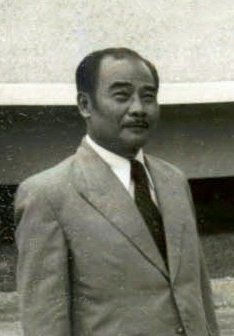
1909—1995
Souphanouvong
Revolutionary leader and first president of the Lao PDRThe prince, engineer and Pathet Lao leader who became the first president of the Lao People’s Democratic Republic in 1975.Read biography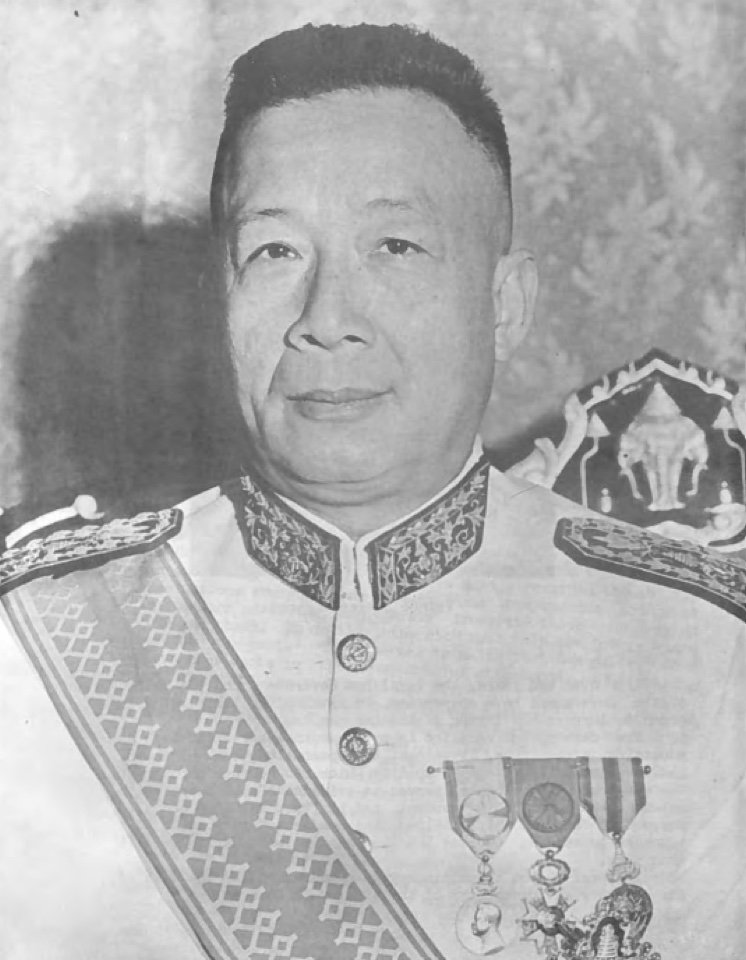
1907—death date uncertain
Sisavang Vatthana
Last king of LaosThe last king of Laos, whose reign crossed coalition politics, civil war, the Pathet Lao victory and the abolition of the monarchy.Read biography
1920—1992
Kaysone Phomvihane
Revolutionary leader, prime minister and presidentThe revolutionary organiser who led the Lao People’s Revolutionary Party, became the Lao PDR’s first prime minister and later president.Read biographyQuick answers
Common questions
- When was the Laotian Civil War?
- Its roots followed the 1954 Geneva settlement, armed conflict intensified around 1959–1960 and the war ended with the Pathet Lao victory in 1975.
- Why was Laos called a secret war?
- The term refers especially to covert U.S. support, CIA-backed forces and an air campaign conducted despite the formal international neutrality of Laos.
- How heavily was Laos bombed?
- The United States dropped more than two million tons of ordnance on Laos between 1964 and 1973; unexploded weapons remain a major humanitarian problem.
- Who won the Laotian Civil War?
- The Pathet Lao consolidated national control in 1975 and established the Lao People’s Democratic Republic.
- Was Laos officially neutral?
- Yes. Fourteen states signed the 1962 declaration on Lao neutrality, but domestic forces and foreign powers continued military operations.
Primary and institutional sources
How this history was checked
Dates, legal milestones and historical claims are checked against the official and institutional records below. This article was reviewed on 2 October 2026.